

China Summer Travel Guide: What First-Time Visitors Should Know
Summer is one of the busiest travel seasons in China. For many international visitors, especially families, students, and first-time travelers, it is also the most practical time to visit because of school holidays and longer vacation windows.
But summer travel in China needs a different rhythm.
Cities like Beijing, Shanghai, Hangzhou, Xi’an, Chengdu, Chongqing, and Guangzhou are still absolutely worth visiting in summer. However, the weather can be hot, rainy, or physically tiring if your itinerary is planned like a spring or autumn trip.
The good news is that China can be very enjoyable in summer if you plan around the weather instead of fighting against it. This guide will help you understand what summer is really like in China, how to adjust your itinerary, what to pack, which cities need extra planning, and where to go if you want to escape the heat. If your main concern is escaping the heat, you can also read our guide to the best cool places to visit in China in summer for destination ideas beyond the major cities.

written by Bill
Senior Travel Planner | Local China Expert
Updated 2026.06.08
Is Summer a Good Time to Visit China? Yes — If You Plan It Right
Summer is one of the most popular times to visit China, and for good reason. The landscapes are lush and green, night markets and evening food scenes are in full swing, and families with more flexibility can fit in a longer trip. It’s also an ideal season for tea villages, riverside walks, mountain escapes, grassland regions, coastal cities, and cultural routes that blend indoor and outdoor experiences.
That said, summer in China is not mild everywhere. In many major cities, July and August bring high temperatures, heavy rain, and crowded tourist sites. Trying to pack too many outdoor attractions into a single day can quickly turn a dream trip into an exhausting one.
The solution isn’t to avoid China in summer — it’s to adjust the pace.
A well-planned summer itinerary leans on early starts, midday indoor breaks, comfortable transfers, flexible backup plans, and more evening activities. With this approach, even the hottest destinations — Beijing, Shanghai, Chongqing, and Guangzhou — remain rewarding and manageable.
What Is Summer Weather Like in China?
China is a large country, so summer weather can feel very different depending on where you travel. For first-time visitors, the most important thing to understand is not only the temperature, but also humidity, rainfall, walking distance, and how much of your day will be outdoors.
In most major Chinese cities, July and August are the hottest months. Rain is also common in many regions, but it does not always mean full-day rain. In many cities, summer rain often comes as heavy showers or thunderstorms, especially in the afternoon or evening.
Here is a practical overview of what to expect.
| Region | Example Cities | Typical Summer Temperature | Rain Pattern | Best Travel Adjustment |
| Northern China | Beijing, Xi’an, Datong | Around 22–34°C depending on city and elevation | Rain is less constant than in the south, but July can still bring around 10–12 rainy days in major cities | Start outdoor sightseeing early and avoid long walks at midday |
| Eastern China | Shanghai, Hangzhou, Suzhou | Around 28–35°C, often humid | Frequent summer rain, especially around the plum rain season; around 10–12 rainy days in July is common | Mix outdoor sights with museums, cafés, malls, and evening views |
| Southern China | Guangzhou, Guilin, Yangshuo | Around 26–35°C, with high humidity | Rain is frequent; Guangzhou can have around 15–16 rainy days in July | Plan food and city walks in the morning or evening; keep indoor backups |
| Southwest China | Chengdu, Chongqing, Guizhou, Yunnan | Chengdu and Chongqing are warm to very hot (27–37°C,); Guizhou and Yunnan are generally milder (18–25°C,) | Chongqing and Chengdu can have summer rain; Guizhou and Yunnan may also see seasonal showers | Use slower pacing; consider Guizhou or Yunnan for a cooler nature route |
Northern China: Beijing, Xi’an, Datong
Northern China is generally hot and sunny in summer, with a drier feel than the humid heat of Shanghai, Guangzhou, or other southern cities. That said, drier does not mean rain-free. July falls within the summer rainy season across much of northern China, and short heavy downpours or thunderstorms can arrive quickly.
Beijing
July is typically Beijing’s hottest and wettest month. Average temperatures sit around 23 – 32°C, and the city sees roughly 11 to 12 wet days during the month. For visitors, the challenge isn’t just the heat — it’s the scale. The Forbidden City, Temple of Heaven, Summer Palace, and Great Wall all involve long walks across open ground, with limited shade in many sections. Planning these for early morning is the most effective way to enjoy them without the full force of midday sun.
Xi’an
Xi’an runs hotter than Beijing in July, with average highs around 33°C and lows near 23°C. Rain is possible but not the primary concern — exposed outdoor sightseeing is. The Terracotta Warriors, Xi’an City Wall, and the surrounding ancient streets are most comfortable when visited in the morning or in the late afternoon once temperatures ease.
Datong
Datong offers a noticeably different summer experience. Sitting at a higher elevation in northern Shanxi, the city stays considerably cooler than Beijing or Xi’an, with July averaging around 14°C and highs typically reaching 28°C. For travelers interested in the Yungang Grottoes, Hanging Temple, and well-preserved ancient architecture, Datong makes a strong summer add-on. Rain and strong sun are still possible at open sites in July and August, but the overall heat pressure is much lower.

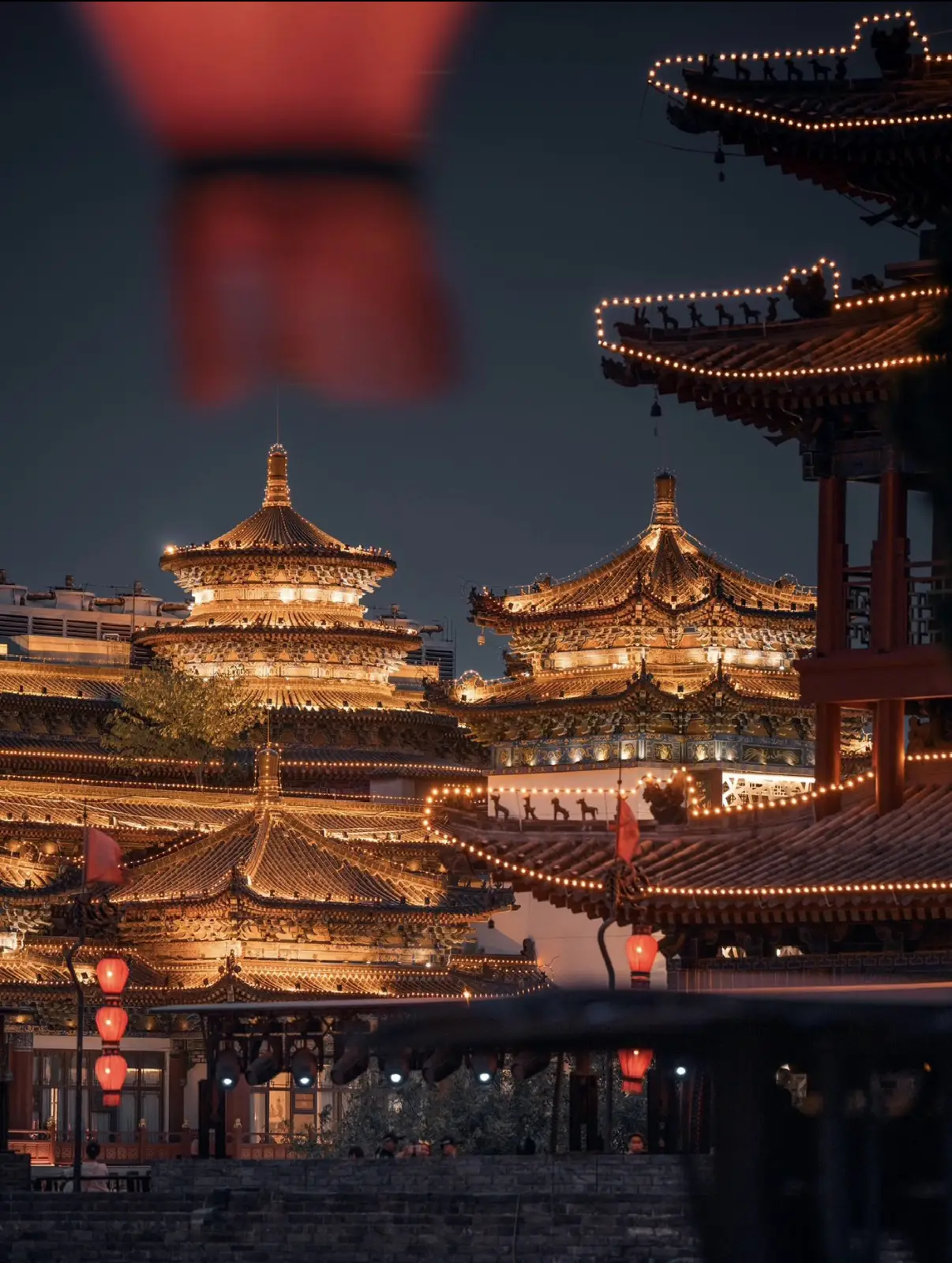
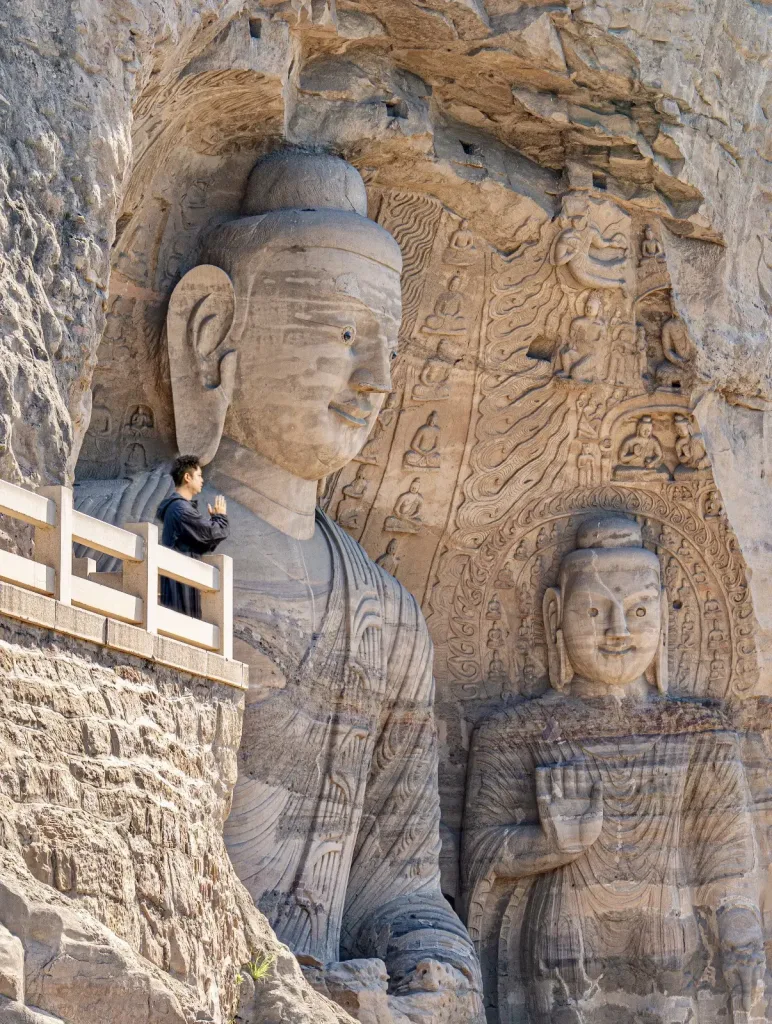
Eastern China: Shanghai, Hangzhou, Suzhou
Eastern China is hot and humid in summer. Shanghai and Hangzhou typically reach average highs of 35°C in July, with warm nights and persistent humidity. The numbers alone don’t fully capture the experience — the humidity is what makes extended outdoor walking genuinely tiring, even at temperatures that might seem moderate on paper.
Rain is a regular part of the picture too. Shanghai sees roughly 10 to 12 rainy days in July, and early summer can overlap with the plum rain season, when several consecutive grey or wet days are common. Hangzhou and Suzhou share similar humid conditions, with occasional heavy downpours and afternoon thunderstorms.
Shanghai
Despite the heat, Shanghai functions well as a summer destination because of its depth of indoor options. Museums, galleries, cafés, design shops, restaurants, and observation decks give visitors plenty of ways to spend the hotter midday hours. The Bund and Huangpu River are best saved for the evening, when temperatures drop and the waterfront atmosphere is at its best.
Hangzhou
Hangzhou is genuinely beautiful in summer. Lotus flowers bloom around West Lake, and the tea fields near Longjing Village are at their most lush. The catch is timing: walking around West Lake at noon is exhausting. A more practical approach is to visit the lake early in the morning or around sunset, then shift to the China National Tea Museum, Longjing tea village, the Grand Canal area, or an indoor cultural stop during peak heat hours.
Suzhou
Suzhou in summer shares the same humid conditions as Hangzhou, but the experience is shaped more by gardens and canal streets than open lakeside walks. The classical gardens — including Humble Administrator’s Garden and Lingering Garden — offer some shade and covered walkways, making them slightly more manageable in summer than fully exposed sites. That said, mornings are still the best window for garden visits. Pingjiang Road and the canal areas are most pleasant in the early morning or evening, when the light is softer and the heat has eased.
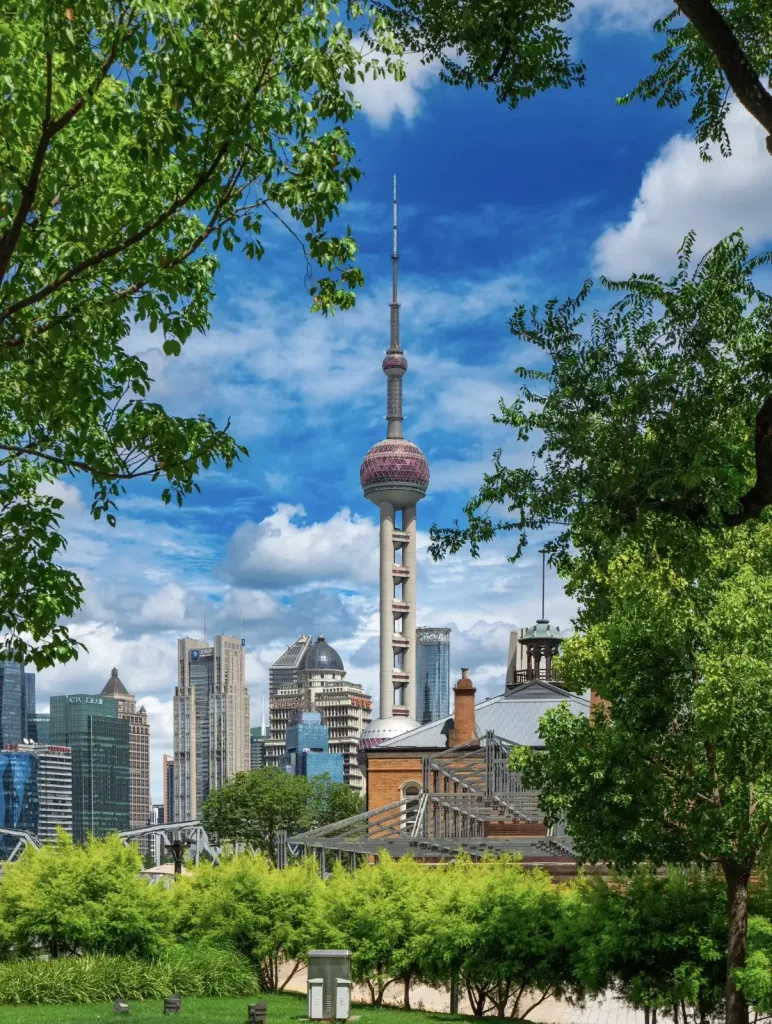

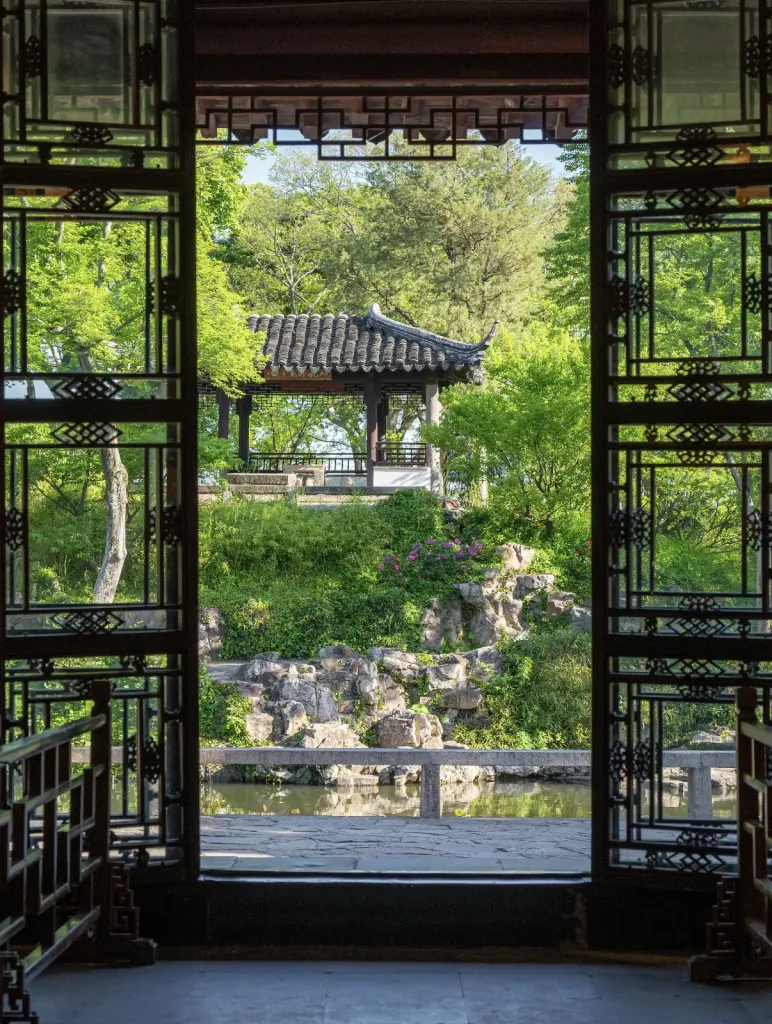
Southern China: Guangzhou, Guilin, Yangshuo
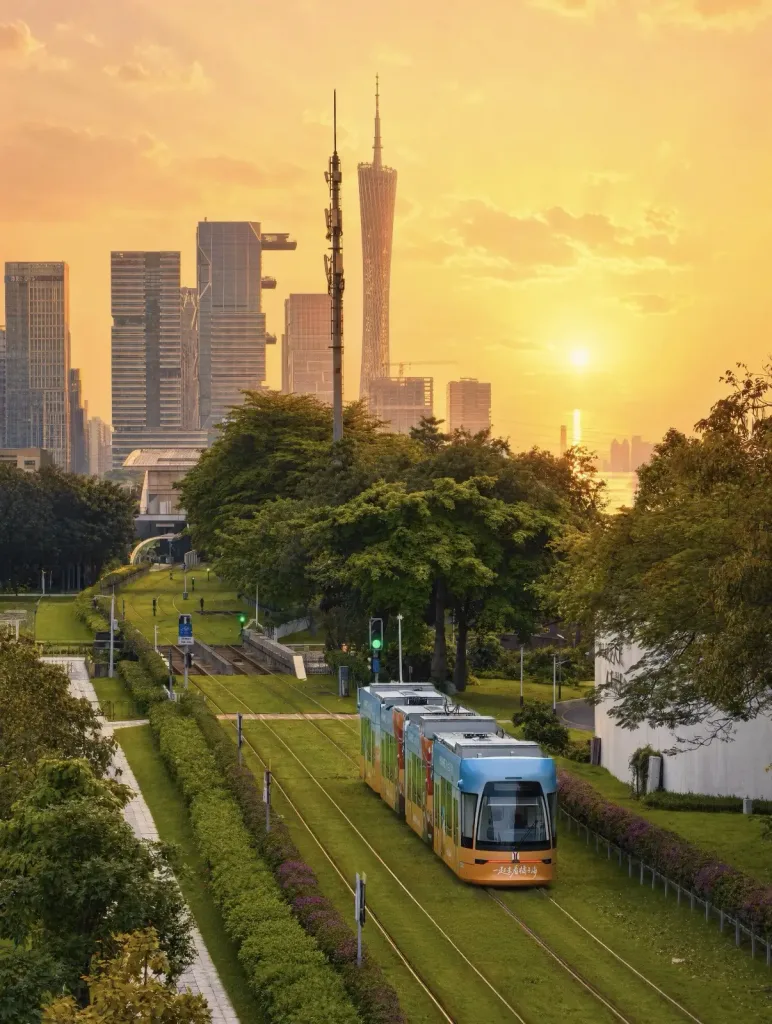
Southern China is hot, humid, and frequently rainy in summer. Guangzhou averages highs around 35°C in July, with high humidity and roughly 15 to 16 rainy days during the month. Rain typically arrives as heavy showers or afternoon thunderstorms rather than all-day drizzle, so an umbrella and flexible daily timing are both essential.
Guangzhou
Despite the heat, Guangzhou works well as a summer destination when the itinerary is built around food and indoor rhythm. Morning dim sum, covered arcade streets, Cantonese dessert shops, museums, shopping malls, and evening food streets all suit the summer pace far better than extended afternoon walks. The city rewards visitors who treat it as a food-first destination and plan movement around the cooler parts of the day.
Guilin
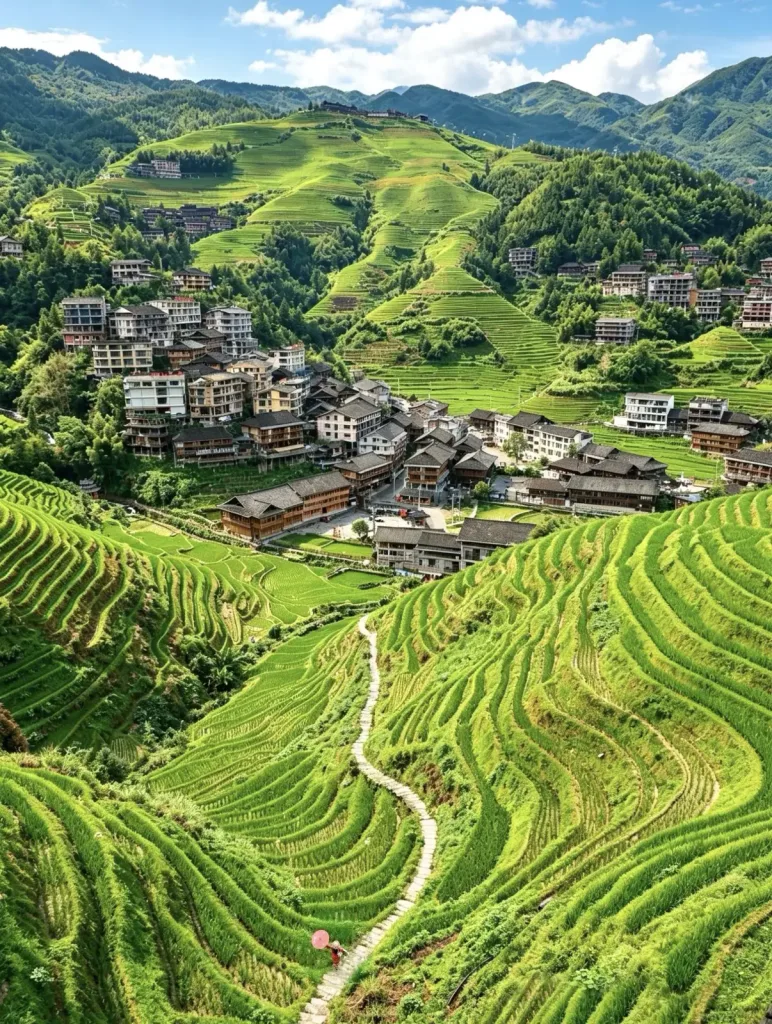
Guilin’s appeal in summer is its landscape — karst mountains, river valleys, and countryside that turns particularly dramatic in misty or rainy conditions. Summer rain can actually enhance the scenery, giving the peaks a layered, atmospheric quality that dry-season visits don’t always deliver. The practical consideration is flexibility: river cruises and outdoor excursions can be affected by heavy rain or water levels, so keeping backup indoor options in reserve is worth doing.
Yangshuo
Yangshuo is more activity-driven than Guilin town, with countryside biking, bamboo rafting, and valley walks forming the core of most itineraries. These experiences are highly weather-dependent, and summer rain can disrupt plans more noticeably here than in a city setting. Building flexible timing into each day — rather than locking in fixed outdoor schedules — is the most practical approach for a summer visit.

Southwest China: Chengdu, Chongqing, Yunnan
Southwest China offers very different summer experiences depending on where you go — from steamy river city heat to mild plateau afternoons.
Chengdu
Chengdu is warm and humid in summer, but its famously relaxed pace makes it one of the more manageable major cities to visit during this season. The Giant Panda Base is best visited early in the morning, when temperatures are cooler and the pandas are typically more active. Afternoons are well suited to tea houses, museums, hotpot restaurants, or a slow walk through one of the city’s historic neighborhoods.
Chongqing
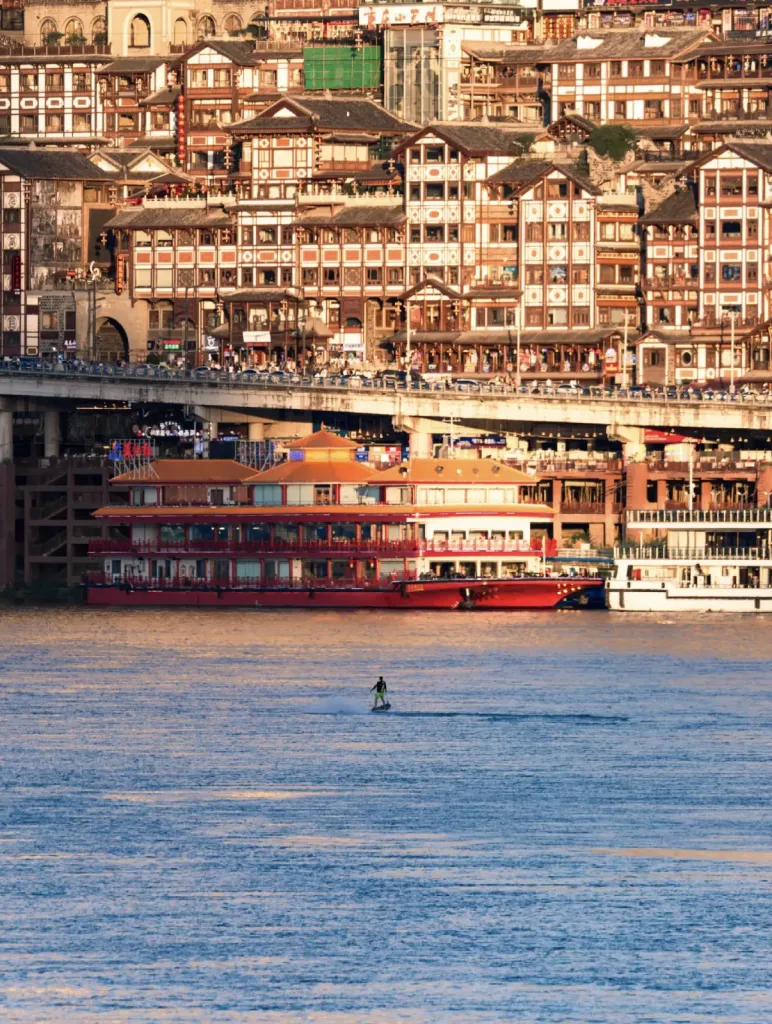
Chongqing is one of the most demanding summer destinations in China. Average July highs sit around 36°C, but the heat often feels more intense than the numbers suggest — the city is built across steep hills, and most sightseeing involves stairs, slopes, and open viewpoints with little shade. Rain is common in summer, but heat is the bigger day-to-day challenge for most visitors. Evening is when Chongqing comes into its own: the riverside views, illuminated hillside neighborhoods, and night food scene are best experienced after dark, when the temperature drops and the city’s dramatic topography is at its most photogenic.
Yunnan
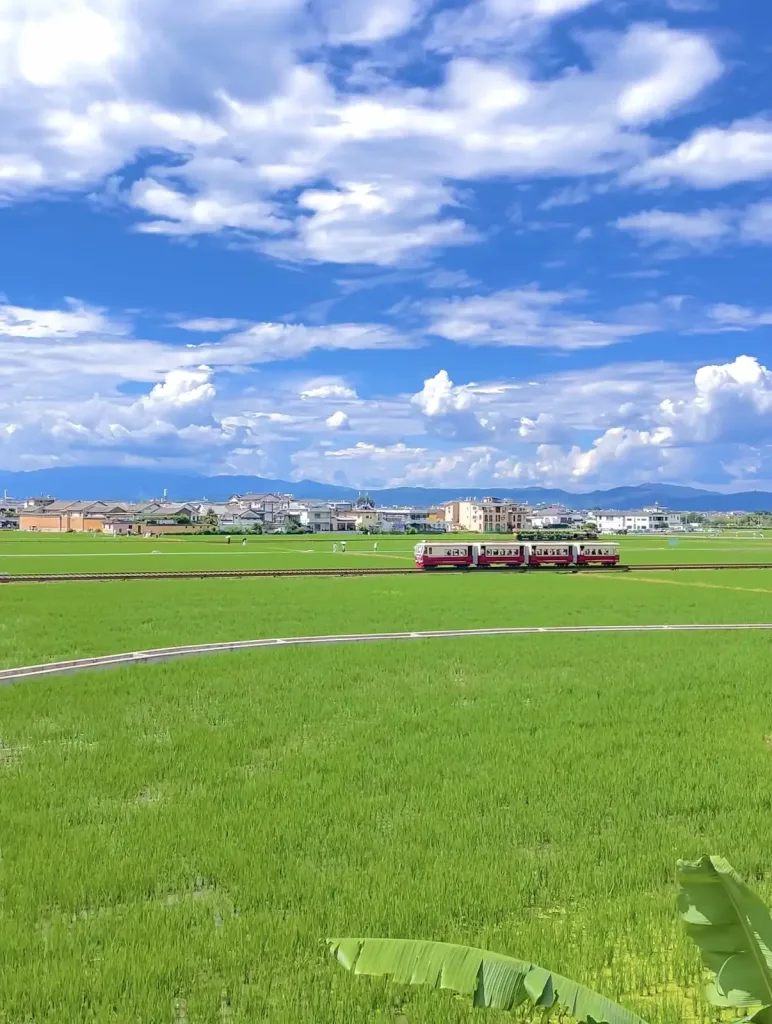
Yunnan is one of the most popular summer alternatives in China for travelers who want milder weather without sacrificing scenery or culture. Kunming earns its reputation as the “Spring City” — summer temperatures are comfortable, with pleasant afternoons and cool evenings. Dali and Lijiang sit at higher elevations and offer a similarly mild climate, with mountain backdrops, old town streets, and outdoor landscapes that are genuinely enjoyable in summer rather than something to endure. Rain does occur, particularly in July and August, but it tends to be short and manageable rather than disruptive.

Summer Travel Tips for China’s Most Popular Cities
Most first-time visitors to China will still include at least a few classic cities. These places are popular for good reason, but each one needs a slightly different summer strategy.
If your summer trip overlaps with the rainy season, especially in Shanghai, Hangzhou, Suzhou, or Guangzhou, you may also find our rainy day travel guide in China helpful for planning indoor activities and flexible backup routes.
| City | Summer Challenge | Best Adjustment | Recommended Style |
| Beijing | Strong sun, large sites, long walking distances | Start early and avoid midday outdoor sightseeing | History + private transfer |
| Shanghai | Humidity, rain, city heat | Mix museums, cafés, malls, and evening skyline views | Urban culture + food |
| Hangzhou | Humid weather, West Lake walking fatigue | Visit the lake early or late; add tea village or canal areas | Slow scenic day |
| Xi’an | Dry heat, exposed historical sites | Visit Terracotta Warriors in the morning; city wall in evening | Culture + night food |
| Chengdu | Warm and humid | Panda Base early; tea house in afternoon | Family-friendly slow travel |
| Chongqing | Very hot, hilly terrain | Avoid midday walking; focus on evening views and food | Night city + private car |
| Guangzhou | Hot, humid, sudden rain | Morning dim sum; indoor culture; night food streets | Food + local neighborhoods |
| Guilin/Yangshuo | Rain may affect river activities | Keep cruises and outdoor plans flexible | Nature + soft adventure |
Beyond the Cities: Summer Escape Destinations in China
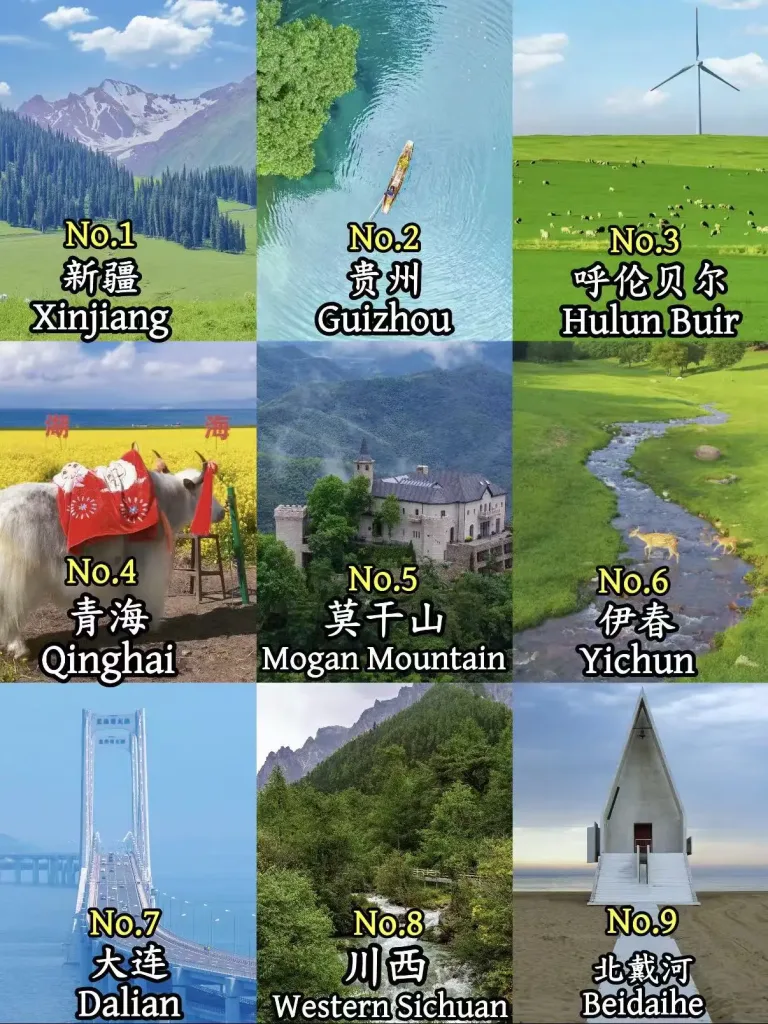
If your itinerary has room to breathe, or if you want to balance city heat with cooler natural scenery, China offers a wide range of summer escape options. Some destinations are cooler because of altitude, others because of sea breezes, forests, bamboo valleys, plateau climates, or high-altitude lakes. The variety is genuine.
For first-time international visitors, the best choice isn’t always the most dramatic or remote option. Accessibility, comfort level, transport time, and practical infrastructure all matter as much as the scenery itself.
Mogan Mountain
Mogan Mountain is one of the easiest nature escapes for travelers based in Shanghai or Hangzhou. Known for its bamboo forests, streams, and boutique hotels, it offers a soft, unhurried nature experience without requiring significant travel time or logistics. It works well for couples, families, and anyone who wants greenery and cooler air without venturing too far from the city.
Beidaihe
Beidaihe is a classic summer seaside destination within easy reach of Beijing. For travelers who want to add a coastal break after visiting the capital, it provides a straightforward and well-established option without the complexity of a longer journey.
Dalian
Dalian offers a more urban coastal experience — beaches, seafood, sea views, and solid city infrastructure. It tends to be a more comfortable entry point for first-time travelers than remote nature areas, while still delivering a noticeably different atmosphere from inland cities.
Guizhou and Yunnan
For travelers with more time, Guizhou and Yunnan are two of the strongest summer routes in China. Guizhou stands out for its waterfalls, karst landscapes, and plateau climate that stays cooler than most lowland cities. Yunnan offers a more established international travel circuit, with Kunming, Dali, Lijiang, and Shangri-La covering a range of scenery, culture, and altitude across a single extended route.
Xinjiang, Qinghai, Hulun Buir, and Western Sichuan
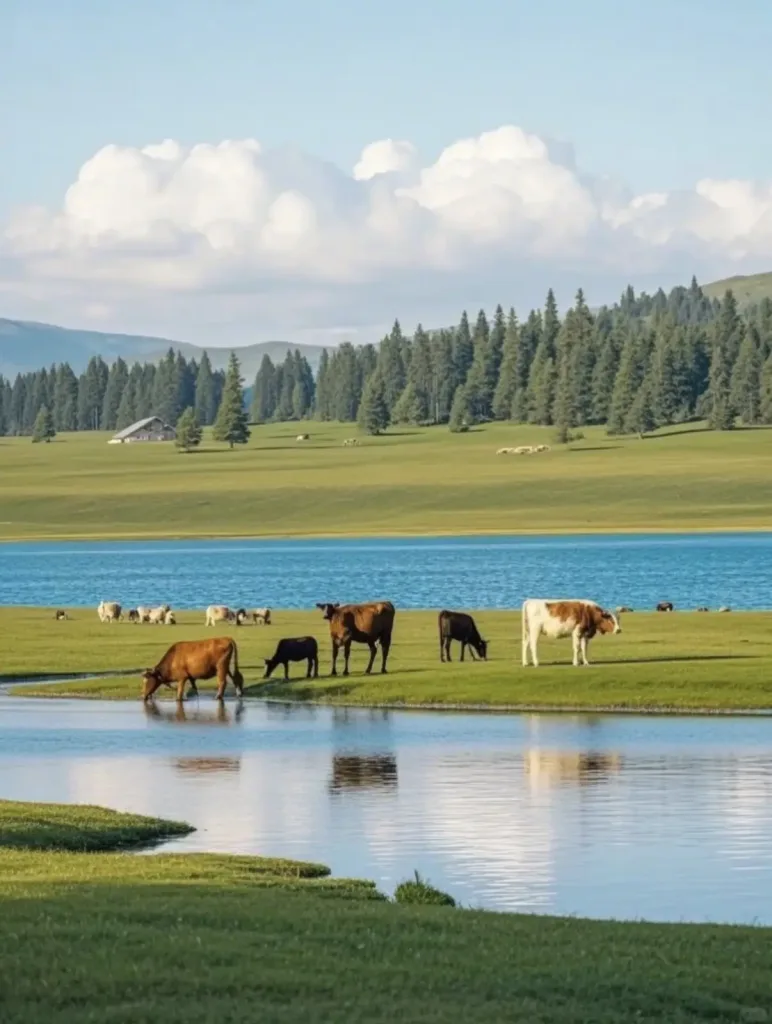
These destinations can be spectacular in summer — vast grasslands, alpine lakes, desert landscapes, and mountain scenery that is difficult to find anywhere else. But they require more deliberate planning. Distances are long, transport options can be complex, some areas involve significant altitude, and remote roads are common. These routes are best suited to travelers with more time, private transport arrangements, and genuinely flexible expectations.
What to Pack for China in Summer
Packing well can make your summer trip much more comfortable.
For clothing, choose light, breathable fabrics. Comfortable walking shoes are essential because many Chinese attractions involve large areas, steps, gardens, old streets, or uneven surfaces. Even in summer, it is useful to carry a thin jacket or shawl because indoor air-conditioning can be strong in trains, restaurants, malls, and hotels.
You should also bring sun protection, including sunscreen, sunglasses, and a hat. A small umbrella is useful for both sun and sudden rain. In humid or forested areas, mosquito repellent is helpful.
For daily sightseeing, a small backpack with water, tissues, portable battery, wet wipes, and your passport is useful. Many attractions require passport information for ticket booking or entry, especially for foreign visitors.
Suggested China Summer Itinerary Ideas
Family Travel
For families and older travelers, pacing matters even more than usual in summer.
The most common mistake is trying to cover too many cities or too many attractions in a single day. A first-time China trip already carries a high baseline of stimulation — new language, unfamiliar transport systems, large stations, different foods, and cultural adjustment. Adding summer heat on top of all that means the itinerary needs to be genuinely generous, not just optimistic.
For family travel, fewer cities with longer stays in each place tends to work better than a fast-moving multi-city loop. Rather than changing hotels every one or two nights, building the route around two or three main bases keeps energy levels manageable and reduces logistical pressure on the whole group.
| Trip Style | Suggested Route |
|---|---|
| Classic first trip | Beijing + Shanghai |
| Softer cultural route | Shanghai + Hangzhou + Suzhou |
| History route | Beijing + Xi’an + Shanghai |
| Family and nature | Shanghai + Chengdu + Guilin / Yangshuo |
| Comfortable summer route | Shanghai + Hangzhou + Yunnan |
| Food and culture | Guangzhou + Guilin / Yangshuo |
Children tend to respond well to specific experiences: pandas in Chengdu, hands-on cultural activities in Hangzhou, river scenery in Guilin, food walks in Shanghai or Guangzhou, and interactive museum visits in major cities. These are worth prioritizing when building a family itinerary.
Older travelers generally benefit from private transfers, slower walking routes, planned hotel rest breaks, and itineraries that avoid stairs-heavy or fully exposed outdoor sites during peak heat hours.
One principle applies to both groups: rest time in summer is not wasted time. A midday break almost always makes the evening experience significantly better.
First-time travelers
Here are some route ideas for first-time visitors planning a summer trip to China.
| Trip Length | Suggested Route | Best For |
| 5–6 days | Beijing + Shanghai | First-time highlights |
| 7–8 days | Shanghai + Hangzhou + Suzhou | Culture, gardens, food, softer pace |
| 8–10 days | Beijing + Xi’an + Shanghai | Classic China route |
| 10–12 days | Shanghai + Chengdu + Guilin/Yangshuo | Family + nature |
| 12–14 days | Beijing + Shanghai + Yunnan | Comfortable summer route |
| 14+ days | Add Guizhou, Xinjiang, Hulun Buir, or Western Sichuan | Nature-focused travelers |
If this is your first trip to China, do not feel that you need to see everything. China is large, and summer rewards slower, smarter travel.
A well-planned 8-day trip with enough rest can feel much better than a rushed 14-day trip with too many transfers.
FAQs: China Summer Travel
Is China too hot to visit in summer?
China can be hot in summer, especially in July and August, but it is still very possible to travel comfortably with the right itinerary. The key is to start early, rest during the hottest hours, choose indoor activities wisely, and avoid overloading each day.
Which Chinese cities are hottest in summer?
Chongqing, Guangzhou, Wuhan, Nanjing, and parts of eastern and southern China can feel very hot in summer. Beijing and Xi’an can also be hot, but often with drier heat. Humidity makes cities like Shanghai, Hangzhou, and Guangzhou feel warmer than the temperature alone suggests.
Is Beijing suitable for summer travel?
Yes, Beijing is suitable for summer travel, but you should plan carefully. Visit large outdoor attractions like the Great Wall, Forbidden City, and Temple of Heaven early in the day. Avoid long outdoor walks at midday and consider private transfers for comfort.
Is Shanghai too humid in summer?
Shanghai can be humid in summer, but it is still a good summer city because it has many indoor and evening options. Museums, cafés, galleries, shopping areas, restaurants, and the Bund at night all work well in a summer itinerary.
What are the best cool places to visit in China in summer?
Good summer escape destinations include Mogan Mountain, Yunnan, Guizhou, Dalian, Beidaihe, Hulun Buir, Xinjiang, Qinghai, and Western Sichuan. For first-time visitors, Mogan Mountain, Yunnan, Dalian, Beidaihe, and Guizhou are usually easier to plan. For a more detailed comparison by travel style, route difficulty, and family suitability, see our full guide to the best cool places to visit in China in summer.
Should I book a private guide or private car in summer?
A private guide or private car is especially helpful in summer if you are traveling with children, older family members, or visiting large cities with hot weather and long walking distances. It allows more flexibility, easier transfers, and better backup plans in case of rain or heat.
What should I pack for China in summer?
Pack breathable clothing, comfortable walking shoes, sunscreen, sunglasses, a hat, a small umbrella, mosquito repellent, a power bank, and a light jacket for strong indoor air-conditioning. You should also prepare mobile payment, translation apps, and reliable mobile internet before your trip.