
China Rainy Season Travel Guide: What Foreign Visitors Should Know
If you are planning your first trip to China in June or July, you may notice something worrying when you check the weather forecast: rain, rain, and more rain.
For many international visitors, this raises a very practical question: will the rainy season ruin my China trip?
The short answer is NO. Rainy season in China does not mean you need to cancel your travel plans. But it does mean your itinerary should be planned differently. Outdoor city walks may need to be shorter. Tea fields and garden visits may need a backup plan. Private transfers may become more useful than usual. Hotel location can also matter more when you are trying to avoid long walks in wet and humid weather.
This China rainy season travel guide is written for first-time visitors, families, and comfort-focused independent travelers. It focuses on Shanghai, Hangzhou, Suzhou, and Guangzhou — four popular cities that are often included in a first China itinerary.
Instead of simply telling you whether it rains, this guide explains which travel experiences are most affected, what to pack, what to do on rainy days, and how to adjust your route if the weather stays wet for several days.

written by skye
Senior Travel Planner | Local China Expert
Updated 2026.05.29
When Is the Rainy Season in China?
China is a large country, so there is no single rainy season that applies to every destination.
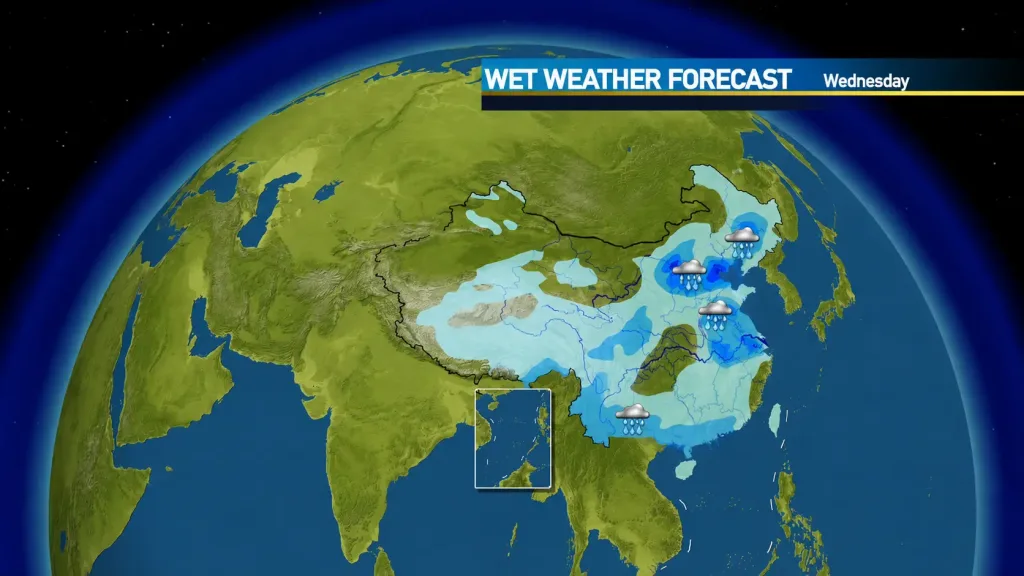
In the Yangtze River Delta region, including Shanghai, Hangzhou, and Suzhou, travelers often hear about the “plum rain season,” also known as Meiyu season. It usually falls around mid-June to early July. During this period, the weather can be cloudy, humid, and rainy for several days in a row.
Guangzhou is different. It is located in South China and has a warmer, more humid climate. Instead of thinking of Guangzhou only as a “Meiyu” destination, it is better to treat it as a city with a longer hot-and-wet season. Sudden showers, thunderstorms, and high humidity are common in late spring and summer.
For travelers, the most important thing to understand is this: a rainy forecast does not always mean rain all day. In many cities, rain may come in waves. You might still have dry windows in the morning, late afternoon, or evening. This is why flexible timing matters more than a fixed checklist of attractions.
| City | Typical Rain Pattern | Main Travel Impact |
| Shanghai | Cloudy, humid, repeated rain in early summer | Skyline views, city walks, rooftop bars, outdoor photo routes |
| Hangzhou | Misty rain, humid air, slippery paths | West Lake walks, tea fields, mountain routes, boat rides |
| Suzhou | Wet garden paths and old-town streets | Classical gardens, canal walks, water town day trips |
| Guangzhou | Hot, humid, sudden showers or thunderstorms | Outdoor food walks, riverside views, parks, long walking routes |
Which Cities Are Most Affected?
Shanghai During Rainy Season
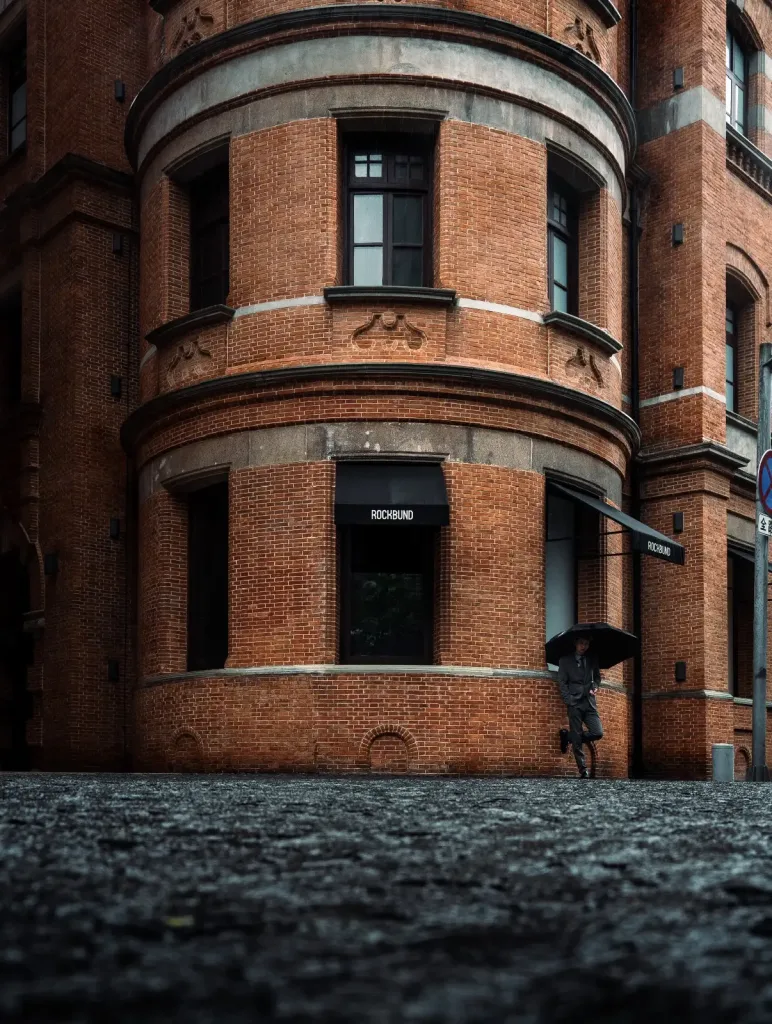
Shanghai is still very travel-friendly during rainy season because the city has many indoor and semi-indoor options. However, some classic Shanghai experiences may be affected.
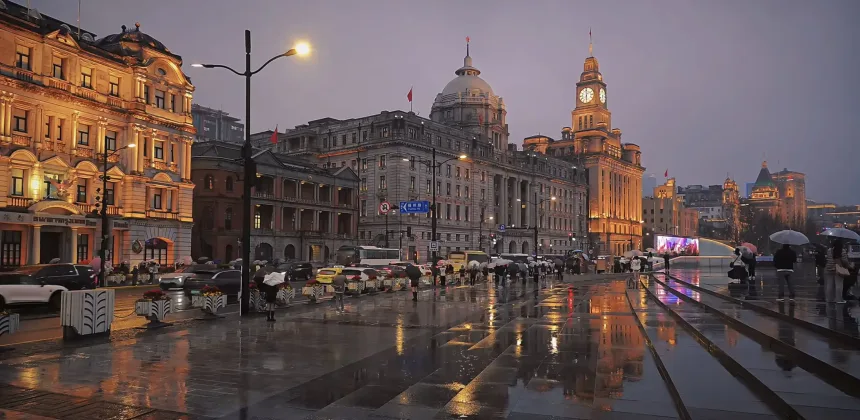
The Bund and Lujiazui skyline can look dramatic in the rain, but heavy clouds may reduce visibility. Rooftop bars and outdoor terraces may not be as enjoyable. The Former French Concession is still beautiful, but long walks become less comfortable when sidewalks are wet and humidity is high.
If you are visiting Shanghai during rainy season, avoid building your whole day around outdoor walking. A better plan is to combine short neighborhood stops with museums, design spaces, cafés, local food, and private transfers between areas.
Rainy-day ideas in Shanghai include:
- Shanghai Museum or other major museums
- A short Former French Concession walk with café breaks
- Local food experiences
- Indoor shopping and design districts
- A private car route with short photo stops at the Bund or historic streets
In Shanghai, the challenge is often not finding things to do. It is managing timing and comfort. With a private driver, you can avoid long walks from metro exits, crowded taxi points, and wet transfers between neighborhoods. For more information, visit our Shanghai Rainy Day Guide.
Hangzhou During Rainy Season
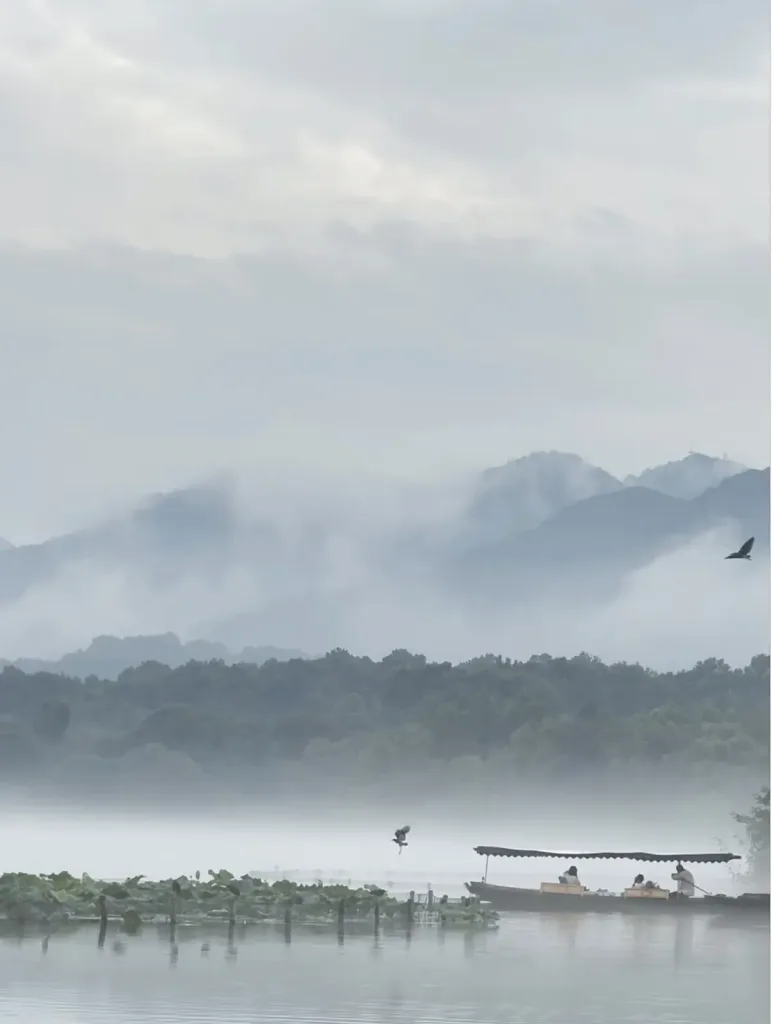
Hangzhou is one of the most atmospheric cities in China during light rain. West Lake, tea fields, temples, and misty hills can look poetic in wet weather. However, rainy-season Hangzhou also needs careful planning.
Long walks around West Lake may become tiring. Tea field paths in Longjing Village can be slippery. Mountain routes may not be suitable for families with young children or senior travelers if the rain is heavy.
A smart Hangzhou rainy-day plan should keep the beauty of the city but reduce physical stress. Instead of cycling around the lake or walking for several hours, consider shorter viewpoint stops, tea houses, indoor tea tasting, and a slower lunch plan.
Rainy-day ideas in Hangzhou include:
- A tea house experience in Meijiawu (won’t be cancelled uncless super heavy rain)
- China National Tea Museum
- Lingyin Temple in light rain
- A short West Lake viewpoint route by private car
- A refined Zhejiang cuisine lunch
- Indoor tea tasting or cultural workshops
For Hangzhou, the key is not to remove nature from the itinerary, but to make it gentler. A rainy day can still be beautiful if the route is not too ambitious.
Suzhou During Rainy Season
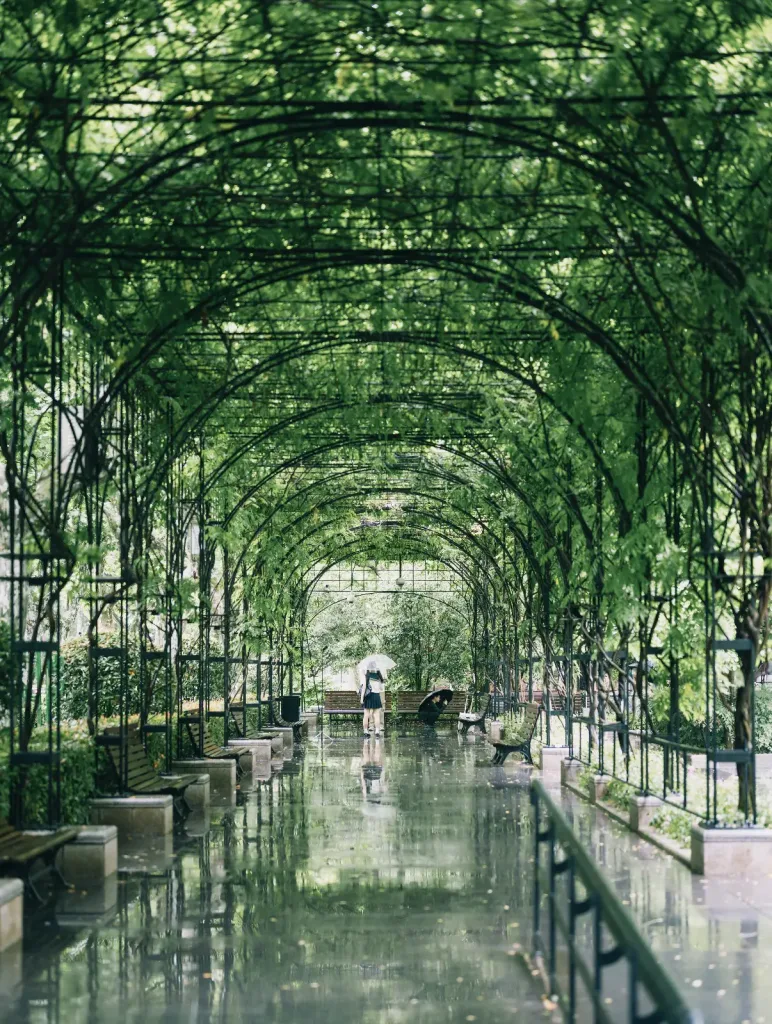
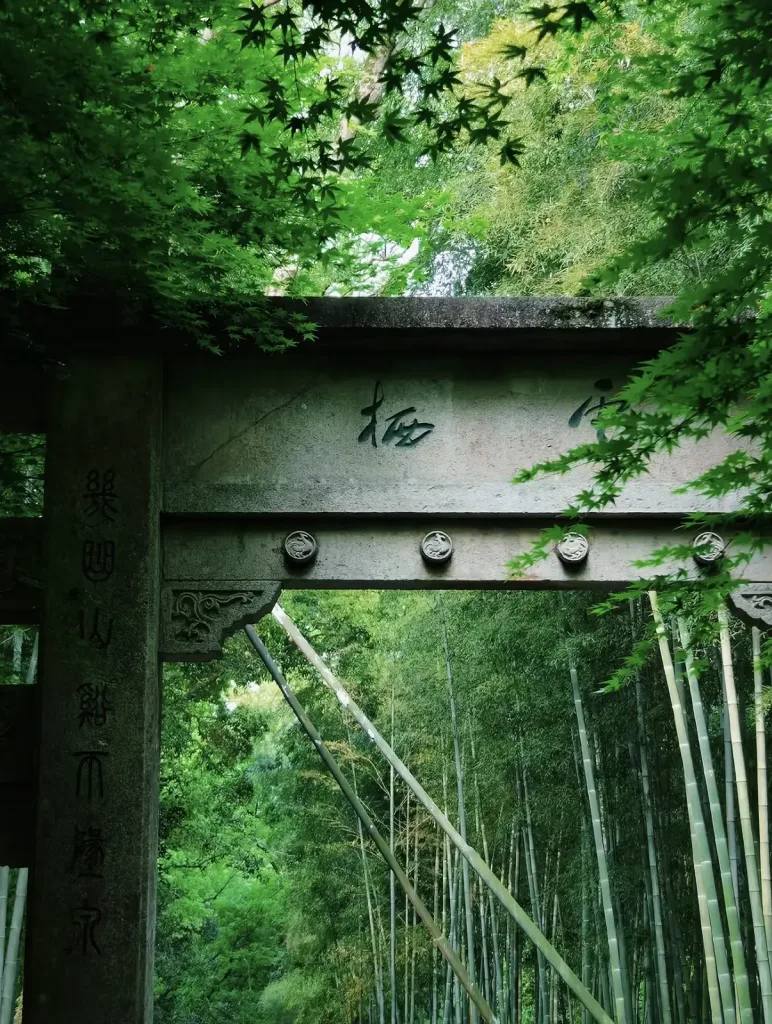
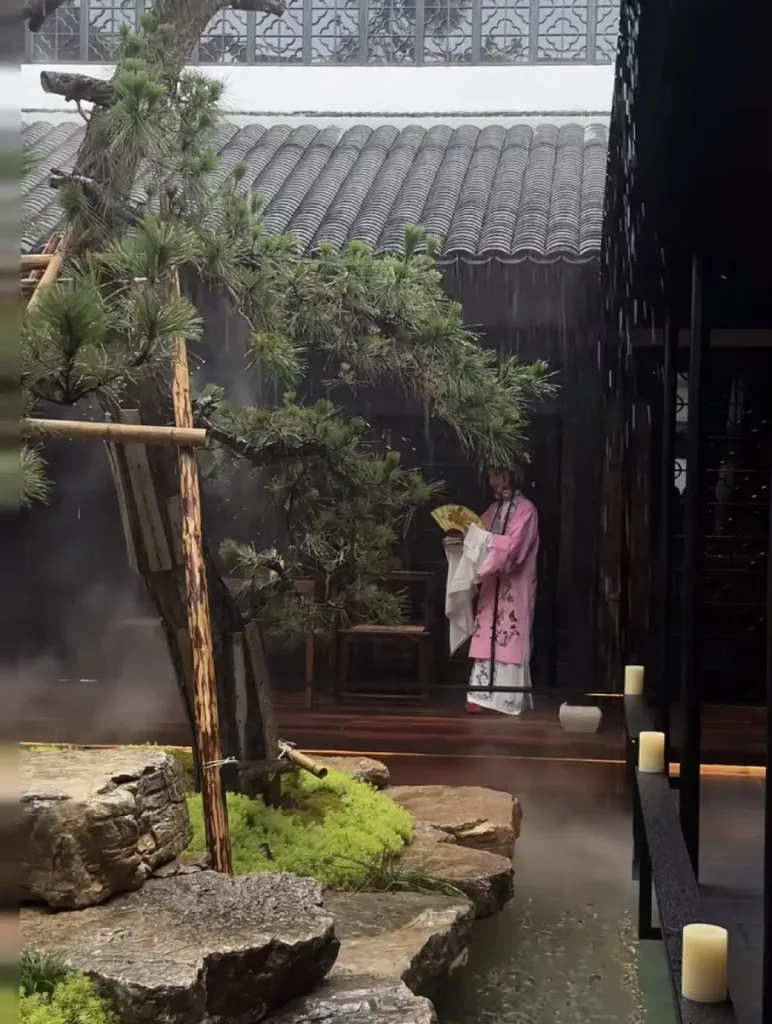
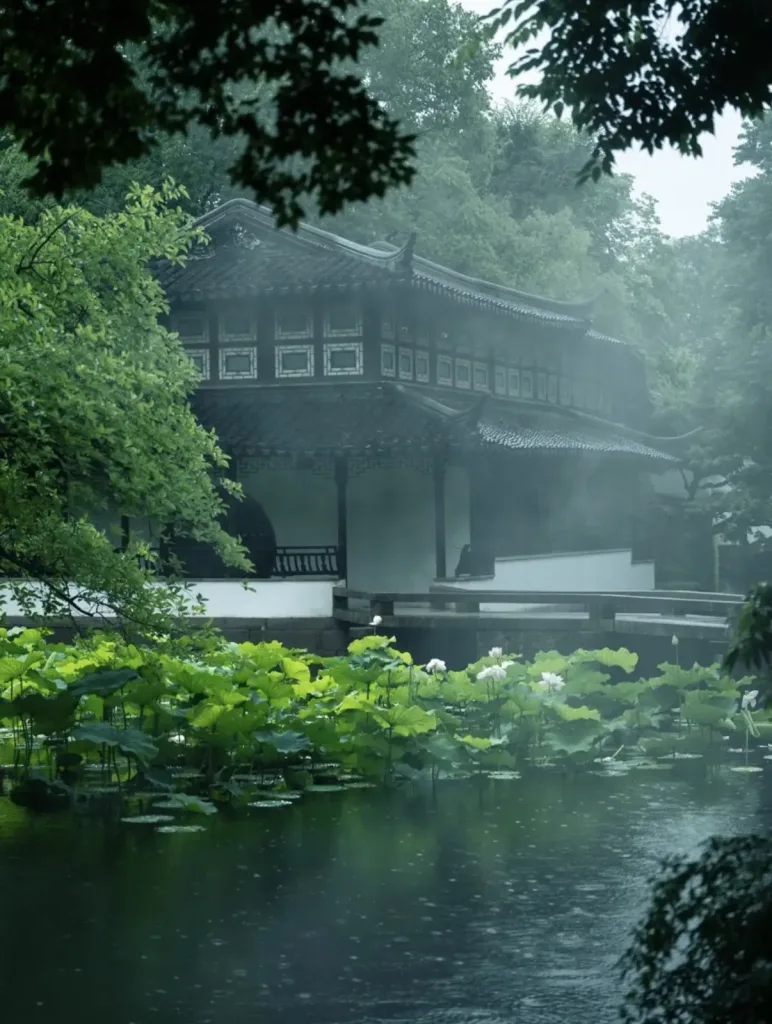
Suzhou is famous for classical gardens, canals, old streets, and water-town atmosphere. Light rain can make Suzhou feel elegant and quiet, especially in traditional garden corridors. But heavy rain can make the city less comfortable for long outdoor sightseeing.
Garden paths may be wet. Canal walks can feel crowded under umbrellas. Photography may be harder if visibility is poor. If you are planning a Suzhou day trip from Shanghai, rain also adds pressure to train station transfers and timing.
A better rainy-season Suzhou plan is to visit fewer places but enjoy them more deeply. Instead of trying to see four gardens, one old street, a museum, and a water town in one day, choose one or two highlights and add indoor cultural experiences.
Rainy-day ideas in Suzhou include:
- Suzhou Museum (booking in advance required)
- One classical garden instead of several
- A short Pingjiang Road walk with tea or lunch breaks
- Silk culture experience
- Private station pickup to reduce transfer stress
- A slower lunch-focused itinerary
Suzhou is especially suitable for travelers who enjoy design, gardens, and history. But in rainy weather, less is often better.
Guangzhou During Rainy Season
Guangzhou’s rainy season feels different from Shanghai, Hangzhou, and Suzhou. The weather is usually warmer, more humid, and more tropical. Sudden showers or thunderstorms may interrupt outdoor walks, but food-focused travel can still work very well.
The Pearl River, Canton Tower, and outdoor parks may be affected by low visibility or heavy rain. Long street food walks may also be uncomfortable during thunderstorms. However, Guangzhou has excellent rainy-day alternatives: dim sum restaurants, dessert shops, indoor markets, and local food streets with flexible timing.
Rainy-day ideas in Guangzhou include:
- Morning dim sum
- Xihua Road food route with flexible stops
- Cantonese dessert shops
- Local indoor markets
- Parks
- Short taxi or private car transfers between food areas
For food travelers, rainy Guangzhou can still be rewarding. The key is knowing what to order, where to stop, and when to avoid walking too long in humid weather. For more information, visit our Guangzhou Rainy Day Guide.
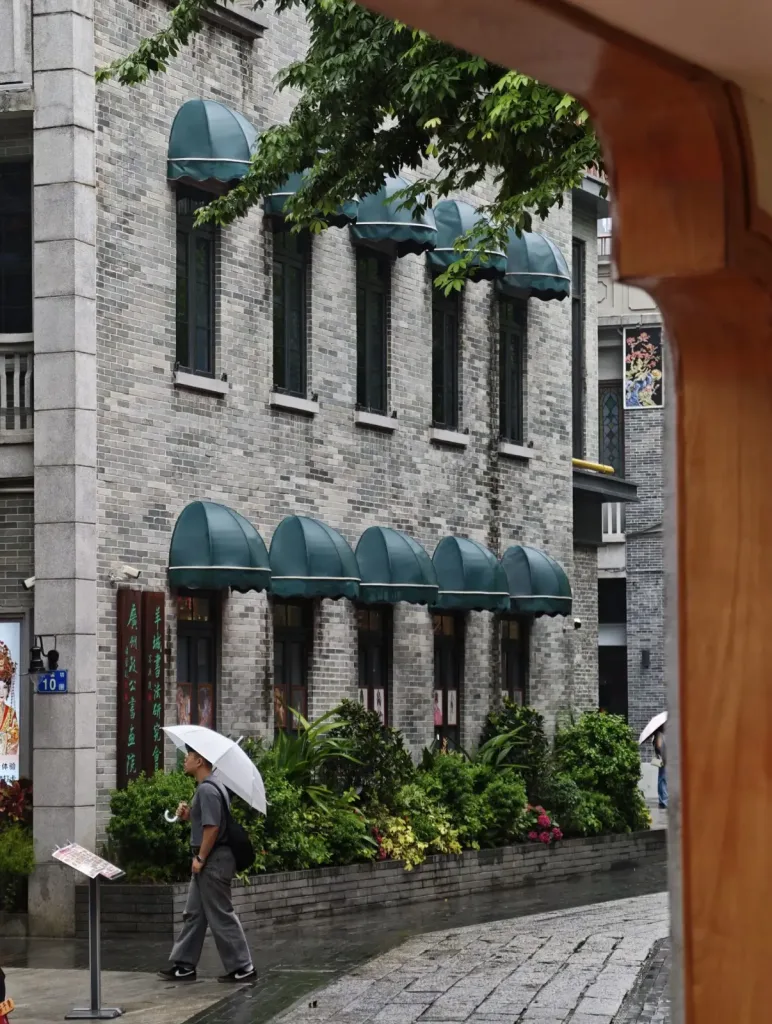
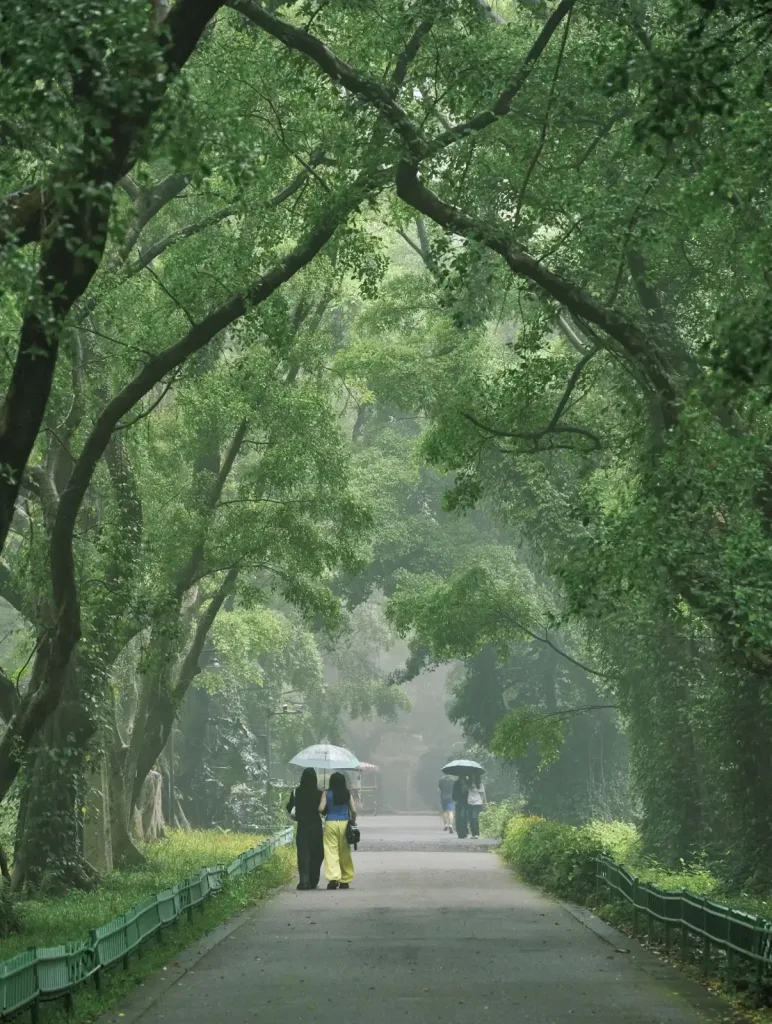
What Travel Experiences Are Most Affected by Rain?
Rain does not affect every part of a China trip equally. Some experiences can still be enjoyable, while others need to be adjusted.
The most affected experiences usually include:
- Outdoor city walks
- Long garden visits
- Mountain routes
- Water town day trips
- Boat rides and river cruises
- Rooftop bars and skyline viewpoints
- Photography-heavy itineraries
- Theme parks and outdoor queues
- Family trips with young children or older travelers
For example, a short walk through a garden in light rain can be beautiful. But a full-day garden, canal, and water town itinerary in heavy rain may feel exhausting. A tea field visit in Hangzhou can still work if you keep it short, but hiking through wet paths is not ideal for every traveler.
The best rainy-season itinerary is not simply an indoor itinerary. It should combine short outdoor moments, comfortable transfers, longer indoor breaks, and flexible timing.
What Should You Pack for China’s Rainy Season?
Packing well makes a big difference. Rainy season in China is usually not cold. In Shanghai, Hangzhou, Suzhou, and Guangzhou, the bigger issue is often humidity, heat, and wet walking surfaces.
Recommended packing list:
- A lightweight rain jacket
- A compact umbrella
- Breathable quick-dry clothing
- Comfortable non-slip shoes
- Extra socks
- A waterproof phone pouch
- Zip bags for passports and travel documents
- A small towel
- Mosquito repellent, especially for South China
- A portable battery
- A light layer for air-conditioned restaurants, museums, and cars
Avoid relying only on canvas shoes or heavy coats. Canvas shoes can stay wet for a long time, and heavy raincoats may feel uncomfortable in humid weather. For families, it is also useful to prepare extra clothes for children, especially if the day includes outdoor walking.
If you are staying in high-end hotels, laundry service can be helpful during a wet multi-city trip. For longer journeys, it may also be wise to build in a slower afternoon or hotel rest period instead of planning full sightseeing days back to back.
Best Rainy Day Activities in Shanghai, Hangzhou, Suzhou, and Guangzhou
Rainy days do not have to feel like wasted days. In many Chinese cities, rain can become a reason to slow down and experience local life differently.
In Shanghai, rainy days are good for museums, cafés, food experiences, historic neighborhoods, and design spaces. You can still see the Bund, but it is better to treat it as a short stop rather than the center of your whole day. Visit our Shanghai Rainy Day Tour if you want us to plan it for you.
In Hangzhou, rainy weather pairs well with tea culture. A tea house, tea museum, temple visit, or slow lunch can feel more meaningful than trying to complete a long outdoor sightseeing route.
In Suzhou, rain can make classical gardens feel quiet and poetic. But the route should be simplified. Choose one garden, add Suzhou Museum, and leave enough time for lunch or tea.
In Guangzhou, rainy days are excellent for food. Dim sum, dessert shops, local markets, and short food streets can create a rich experience without depending too much on perfect weather. Visit our Guangzhou Rainy Day Tour if you want us to plan it for you.
A good rainy-day plan should not feel like a second-best option. It should still match your interests, travel pace, and comfort level.
Self-Guided Trip vs Private Planner During Rainy Season
For rainy-season travel, the biggest value of private arrangements is not simply comfort. It is coordination. When the weather changes, someone needs to decide what to keep, what to move, and what to replace without wasting half a day.
A private driver can reduce the stress of getting around in the rain. A local travel planner can help you make better decisions. Together, they can make rainy-season travel feel smoother, especially for first-time visitors, families, and travelers who do not want to spend their trip solving logistics.
| Option | Best For | Pros | Watch Out |
| Self-guided trip | Young independent travelers | Lower cost and flexible pace | Harder to adjust quickly when weather affects transport, tickets, or walking routes |
| Hotel concierge help | Short city stays | Useful for taxis and restaurant calls | Usually not designed for multi-city itinerary changes |
| Private driver only | Families, seniors, comfort-focused travelers | Easier pickups, less walking in rain, smoother station transfers | Still needs a good route plan |
| Local travel planner | First-time visitors, families, high-end travelers | Can adjust timing, city order, indoor backups, and transport | Best arranged before arrival |
| Fully customized private tour | Travelers who value comfort and cultural depth | Driver, guide, tickets, meals, and backup plans can be coordinated together | Higher cost than DIY travel |
Common Mistakes to Avoid
Planning Too Many Outdoor Activities in One Day
A full day of West Lake, Longjing tea fields, mountain paths, and evening views may sound beautiful on paper. In rainy-season humidity, it can become tiring very quickly.
Choosing Hotels Only by Star Rating
During rainy season, location matters as much as comfort. A well-located hotel near your route, station, or pickup area can save time and energy.
Assuming Rain Means the Whole Day Is Cancelled
Rain often comes in periods. You may still have useful dry windows. Flexible timing is more important than cancelling everything.
Relying Only on Public Transport
China’s metro systems are efficient, but rainy weather can make transfers, exits, luggage, and walking distances more uncomfortable for foreign visitors.
Forgetting Indoor Backup Plans
For families, senior travelers, or high-end private travelers, a good backup plan is not optional. It is what keeps the day enjoyable when the weather changes.
Keeping a Rigid Multi-City Schedule
Shanghai, Hangzhou, and Suzhou are often combined in one itinerary. During rainy season, this route works best when the order and timing can be adjusted.
How a Local Travel Planner Can Help
Working with a local travel planner during China’s rainy season is not only about having someone show you around. It is about having someone who understands timing, local logistics, hotel location, transport options, and what international travelers often find confusing when plans change.
A good rainy-season travel plan can include:
- Private driver arrangements to reduce wet transfers
- Indoor backup plans for museums, tea houses, restaurants, and cultural experiences
- Flexible itinerary timing based on daily weather
- Hotel and accommodation suggestions based on route convenience
- Real-time adjustments when rain affects visibility, traffic, or walking comfort
- Local advice on what is still worth doing and what should be replaced
For example, a rainy day in Hangzhou does not always mean skipping West Lake. It may mean changing a long walking route into a short scenic stop, followed by tea tasting and a relaxed lunch. A rainy day in Guangzhou does not mean giving up on local food. It may mean choosing better-timed indoor food stops instead of walking too long in a thunderstorm.
The goal is not to avoid rain completely. The goal is to travel well even when the weather is not perfect. Let us handle the difficulties and make your journey smoothly.
FAQs
When is the rainy season in China?
It depends on the region. In Shanghai, Hangzhou, and Suzhou, the plum rain season usually falls around mid-June to early July. Guangzhou has a longer hot-and-wet season, with frequent rain and humidity in late spring and summer.
Is June a bad time to visit Shanghai, Hangzhou, and Suzhou?
Not necessarily. June can still be a good time to visit if your itinerary is flexible. Light rain can make Hangzhou and Suzhou feel atmospheric, but you should avoid planning too many long outdoor activities in one day.
Will rain ruin my China trip?
No. Rain can affect visibility, walking comfort, and outdoor activities, but it does not have to ruin your trip. The key is to prepare indoor alternatives, private transfers, and flexible timing.
What should I wear in China during rainy season?
Wear breathable, quick-dry clothing and comfortable non-slip shoes. Bring a compact umbrella, a light rain jacket, and extra socks. In South China, mosquito repellent can also be useful.
Is Guangzhou affected by Meiyu season?
Guangzhou should not be understood only through the Meiyu season. It has a warmer, more humid South China climate, with a longer rainy period and frequent summer showers or thunderstorms.
What are the best rainy day activities in China?
Good rainy day activities include museums in Shanghai, tea houses in Hangzhou, classical garden corridors and Suzhou Museum in Suzhou, and dim sum or dessert shops in Guangzhou.
Do I need a private driver during China’s rainy season?
Not every traveler needs one. But for families, senior travelers, high-end independent travelers, or multi-city trips, a private driver can make rainy days much more comfortable by reducing walking, waiting, and luggage stress.
How should I adjust my itinerary if it rains for several days?
Keep your most important experiences, shorten outdoor routes, and replace weather-sensitive activities with museums, tea houses, food experiences, and cultural workshops. If possible, adjust the order of cities or daily timing based on the weather.