Unveiling the Diversity: Six Distinct Schools of Chinese Embroidery
Chinese embroidery, a time – honored and exquisitely beautiful traditional handicraft, has a history spanning thousands of years. Its origin can be traced back to the Neolithic Age, and over time, it has developed into a sophisticated art form deeply ingrained in Chinese culture.
This unique handicraft is not only a decorative art but also a carrier of Chinese history and culture. It is created by using needles to stitch threads or yarn onto various fabrics, forming intricate patterns and designs. The themes of Chinese embroidery are diverse, ranging from nature – inspired elements like flowers, birds, and landscapes to historical stories and cultural symbols.
Su Embroidery
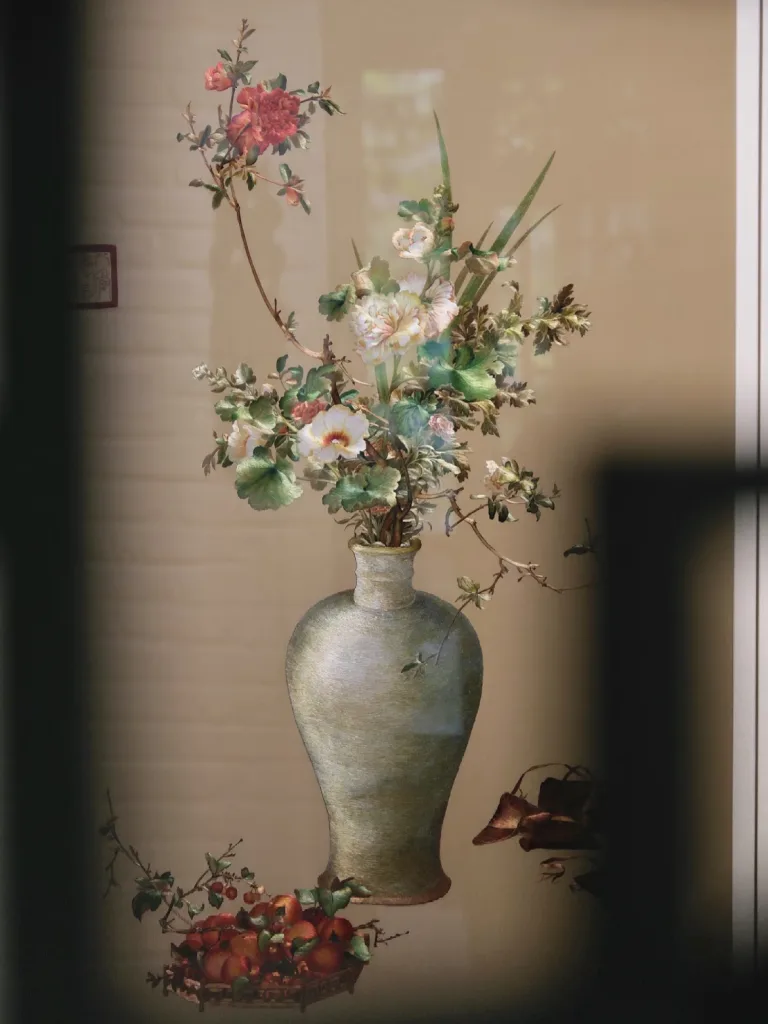
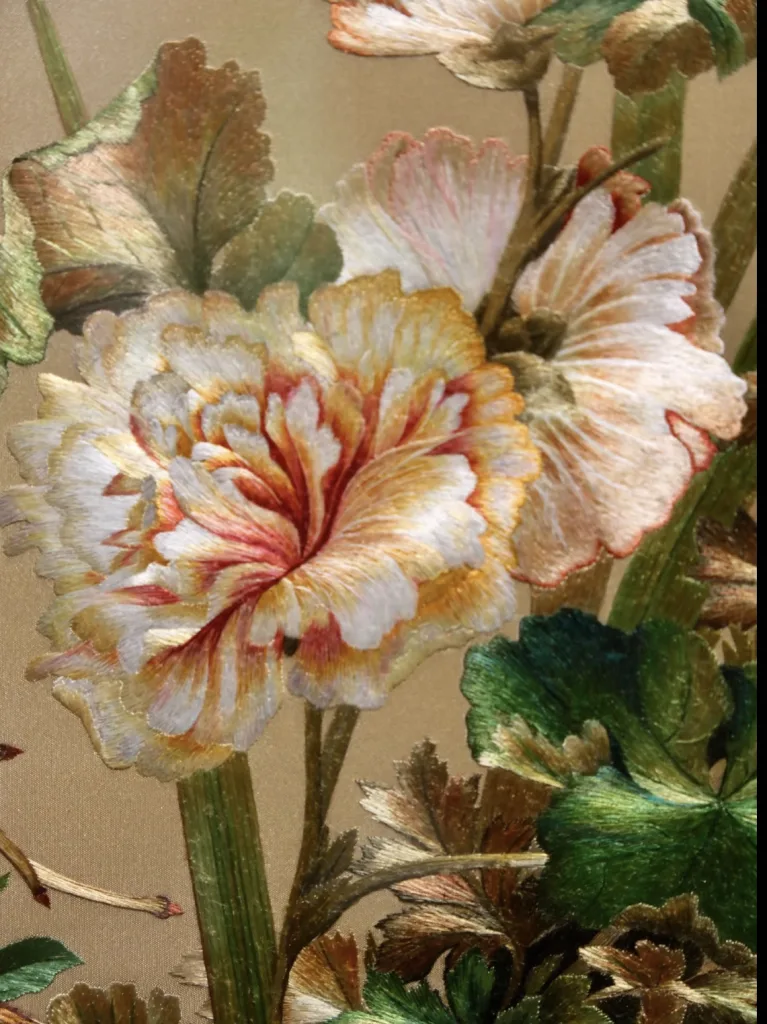
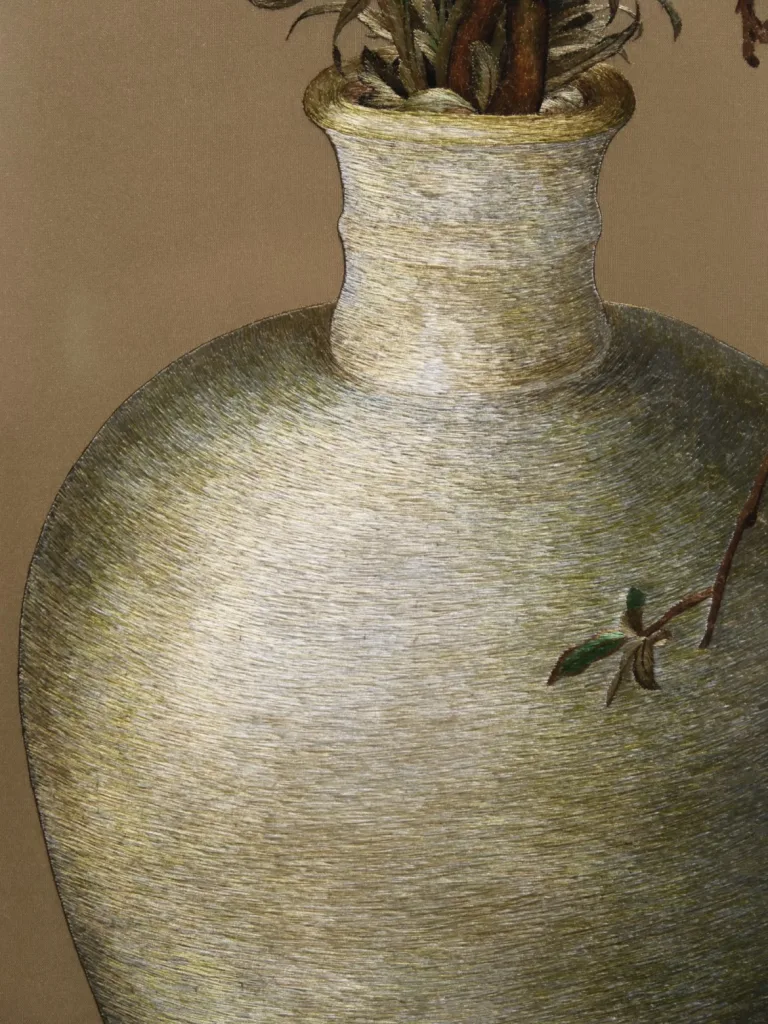
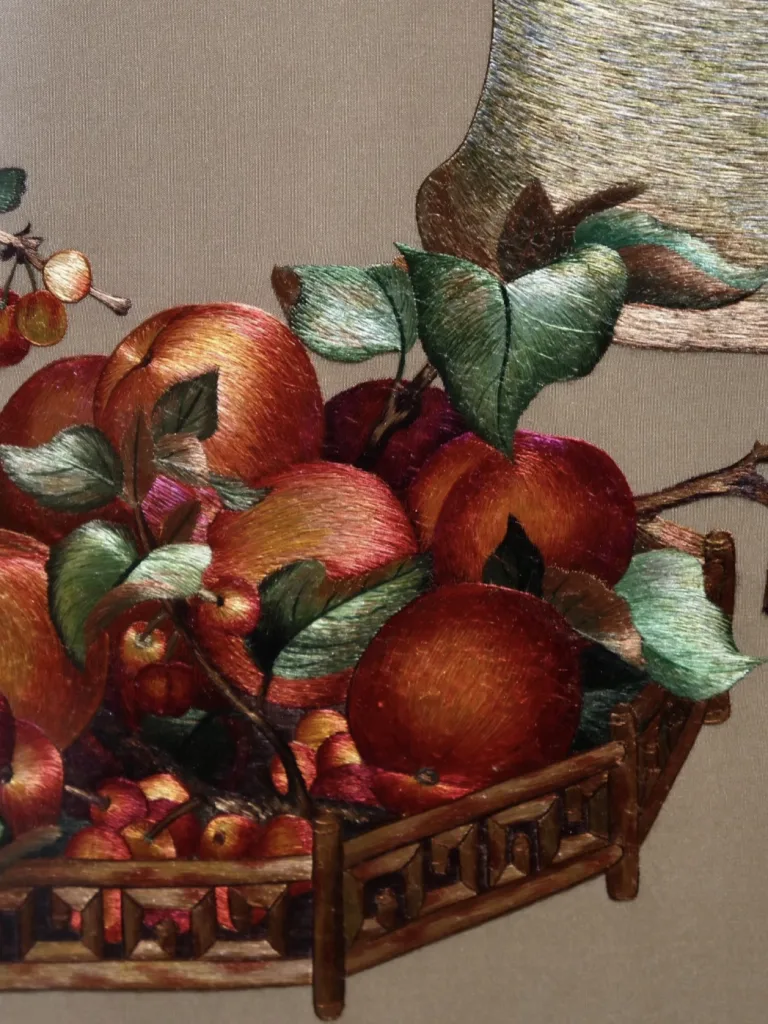
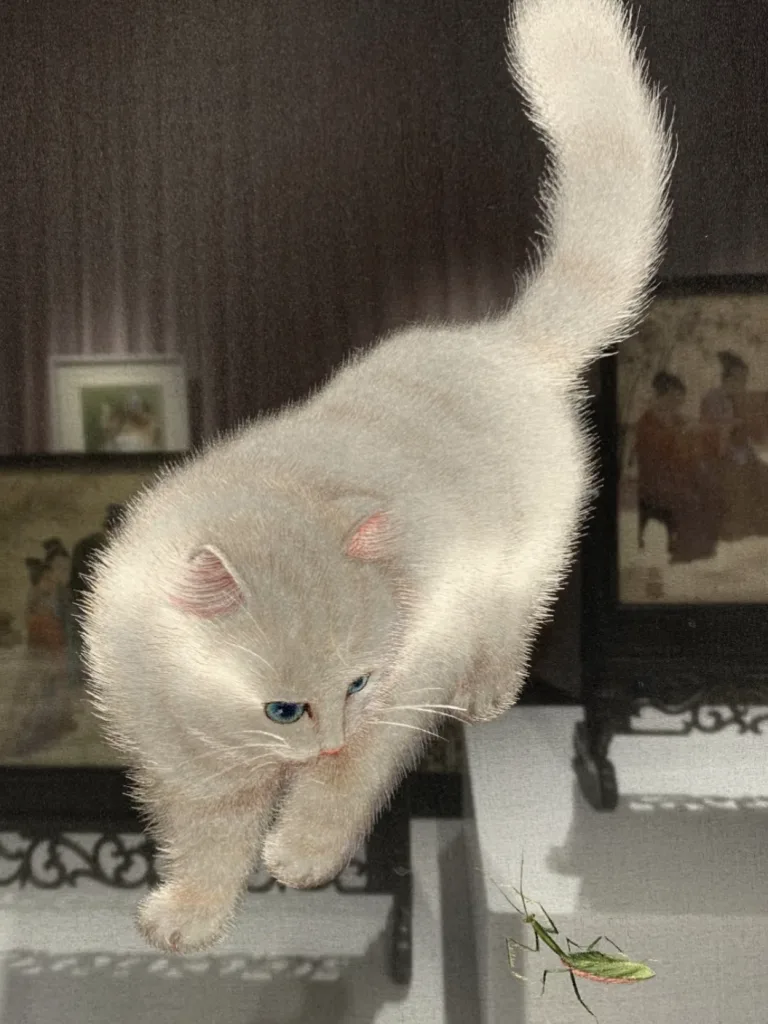
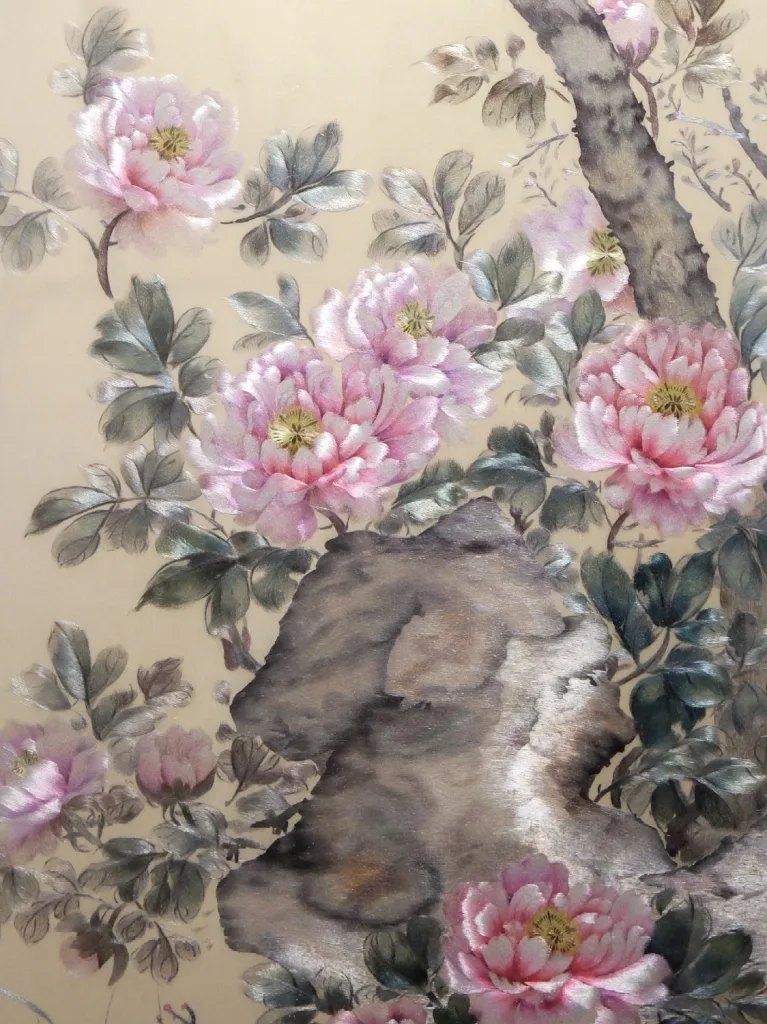
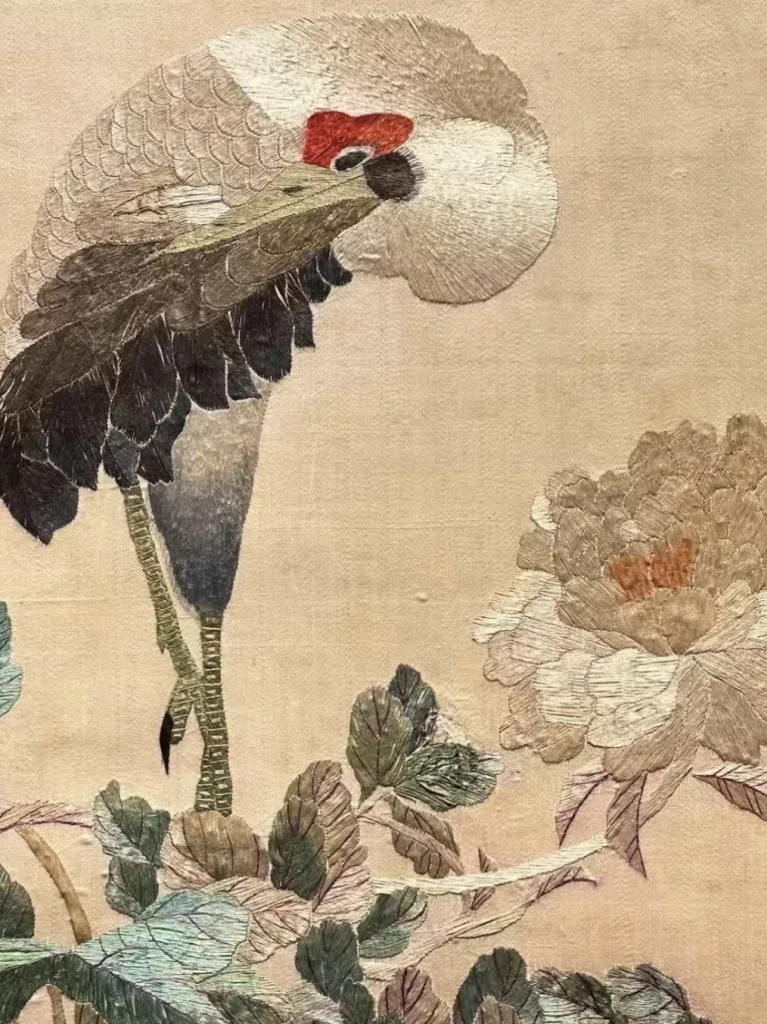
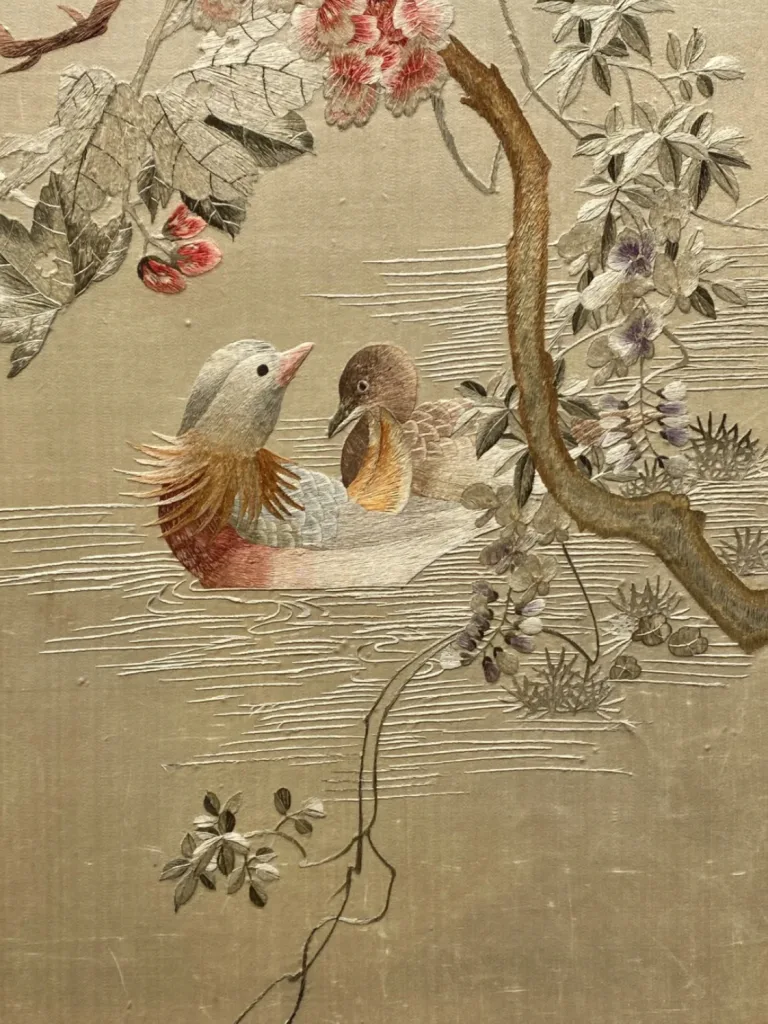
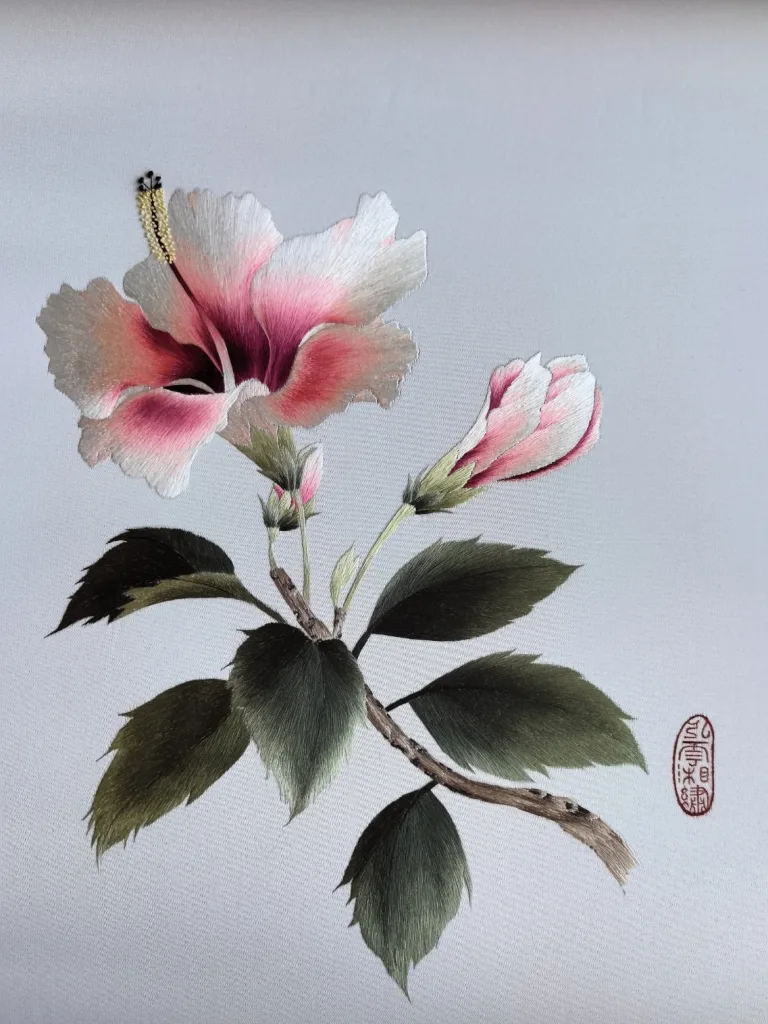
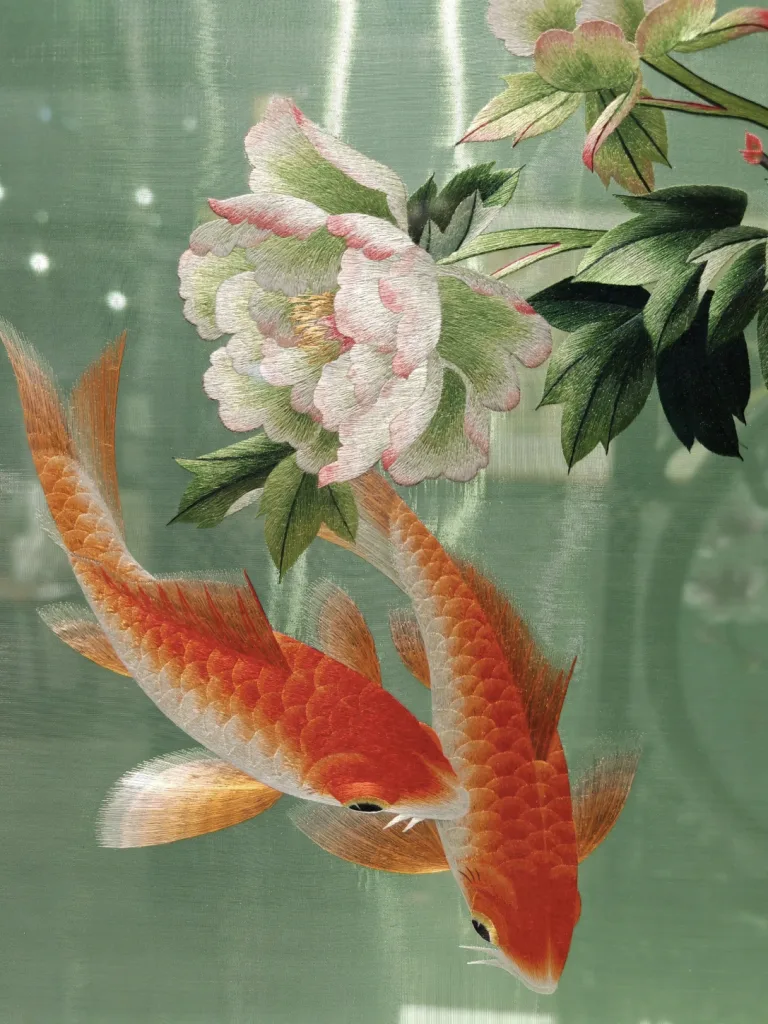
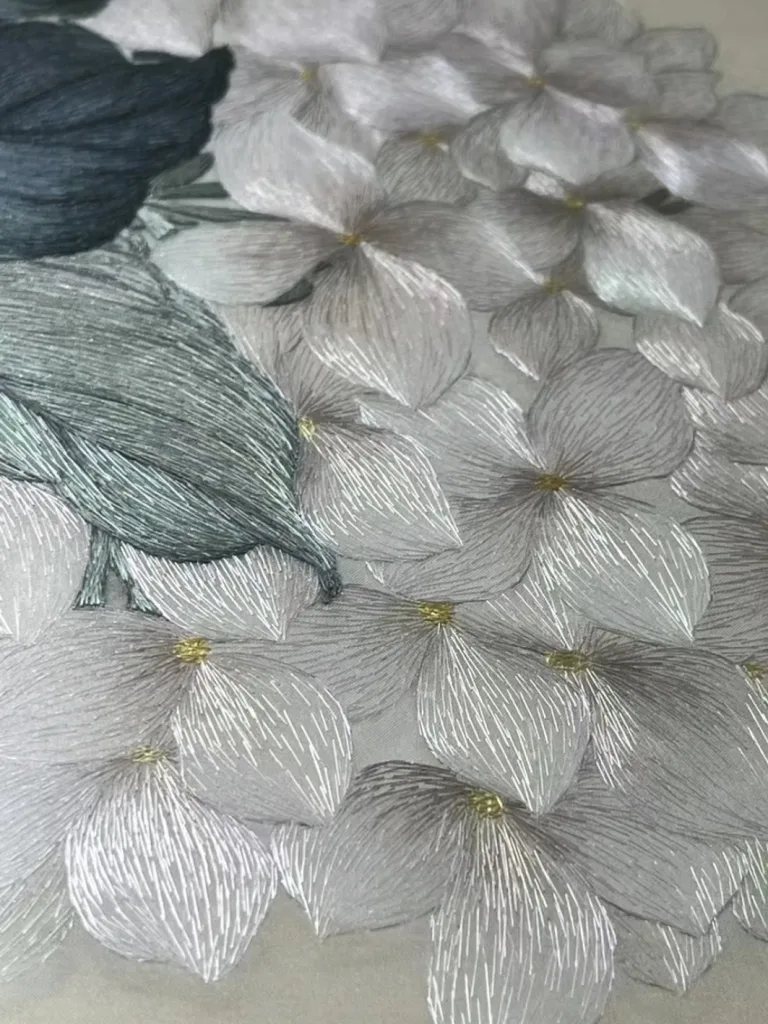
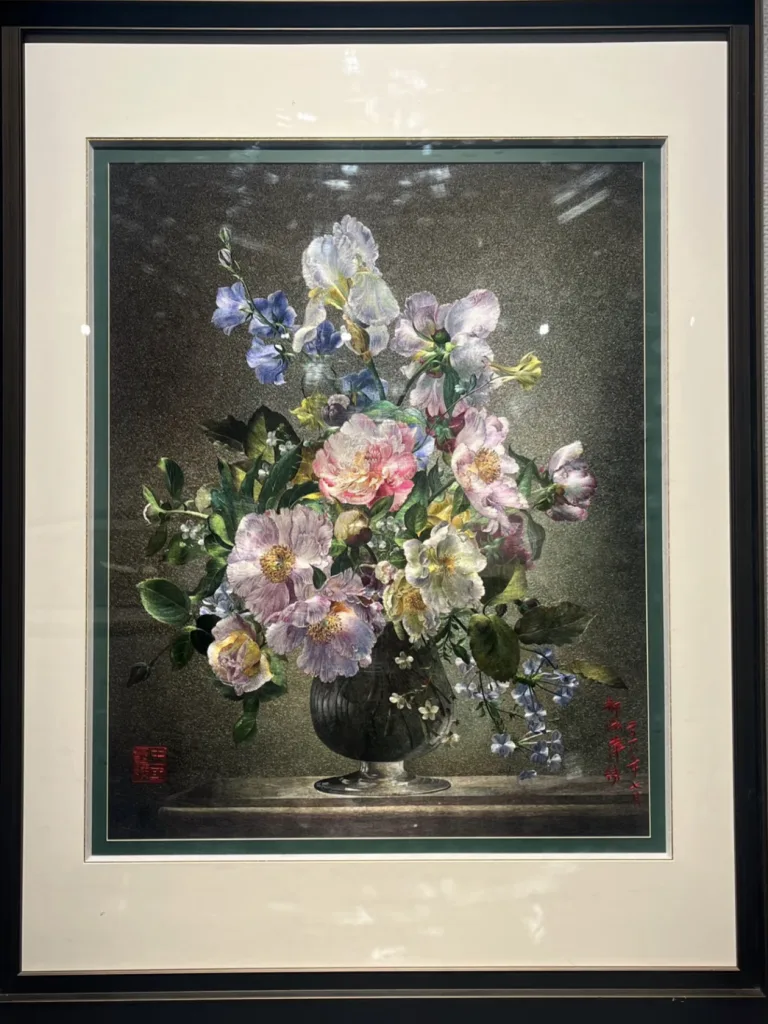
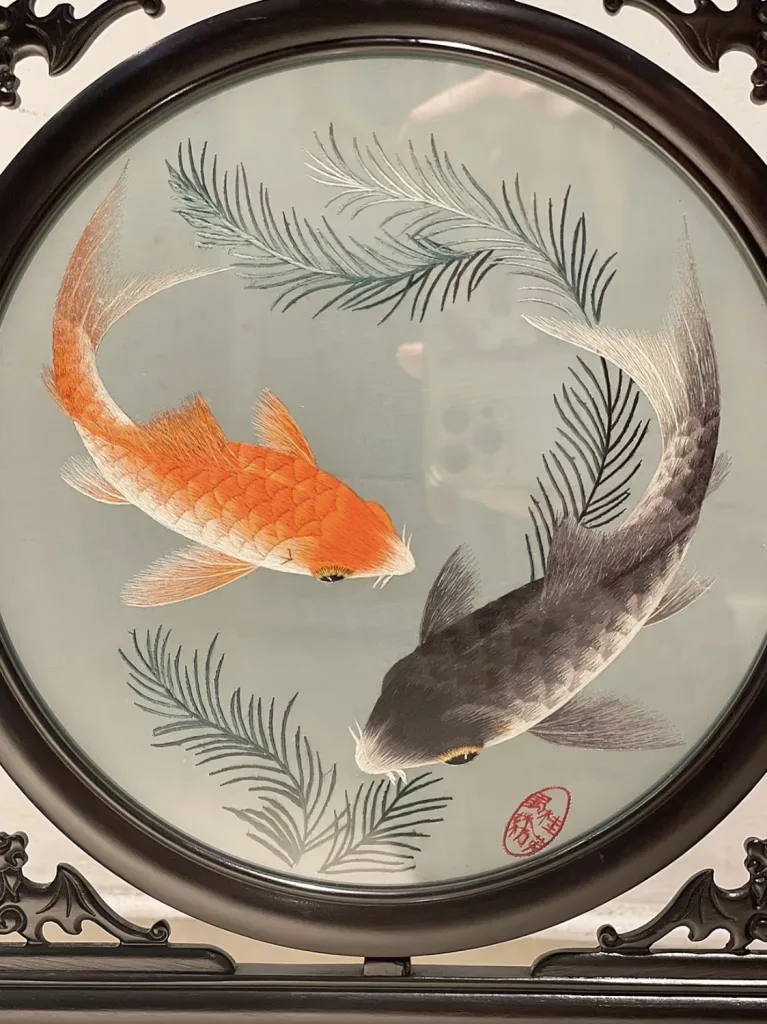
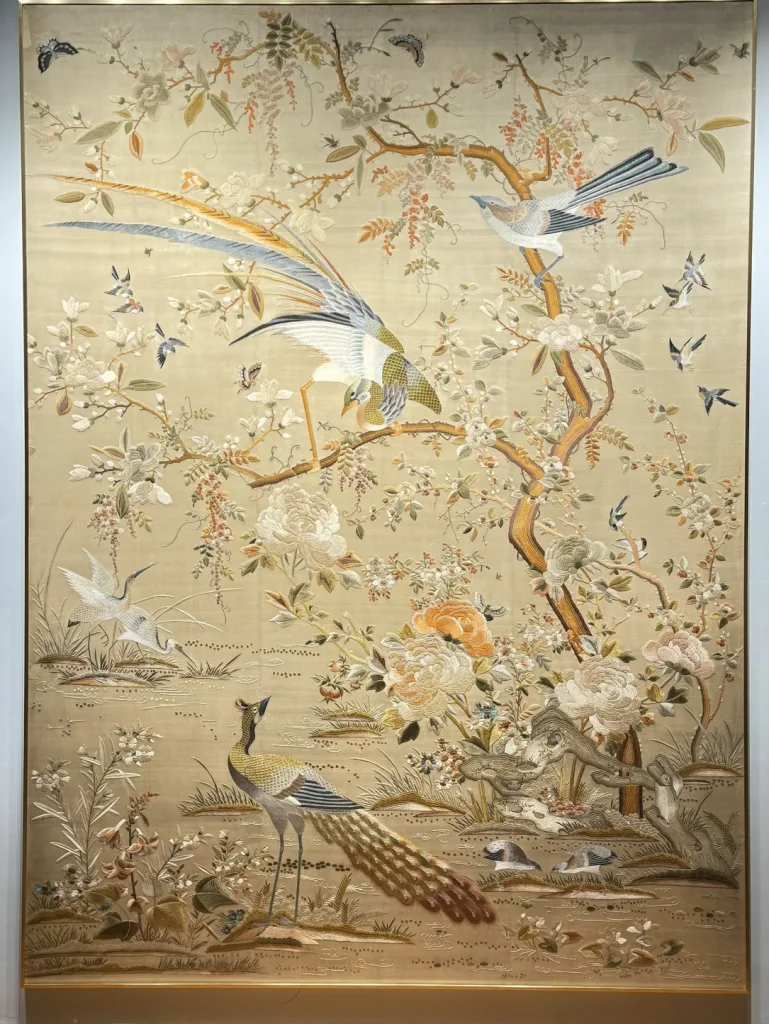
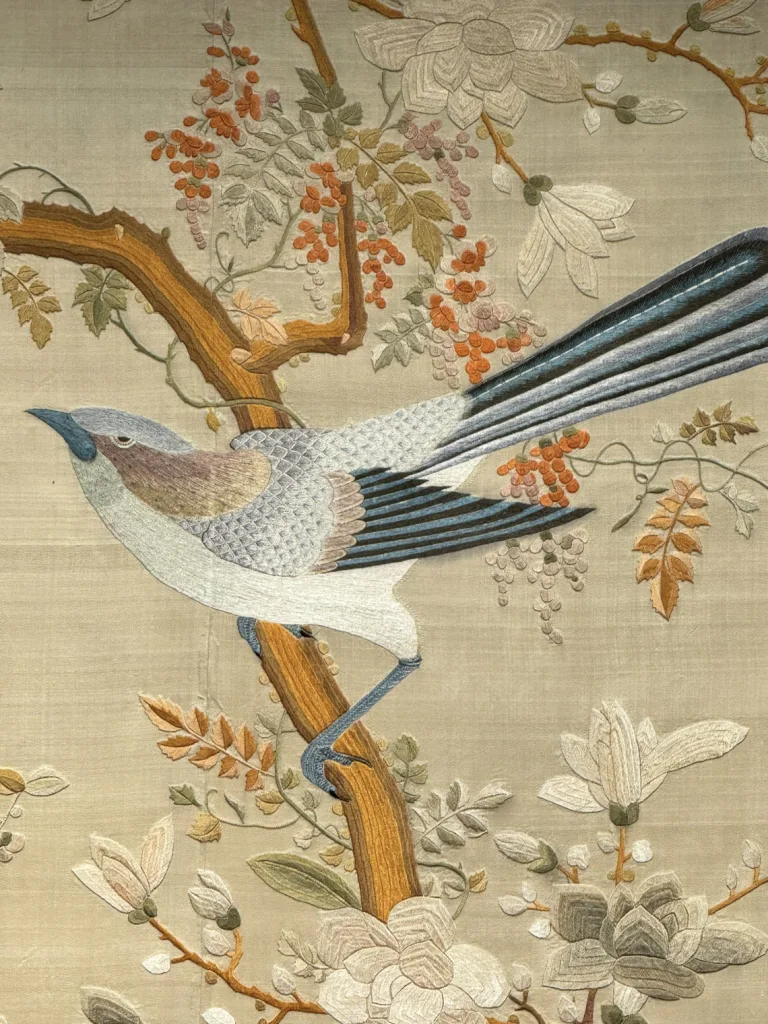
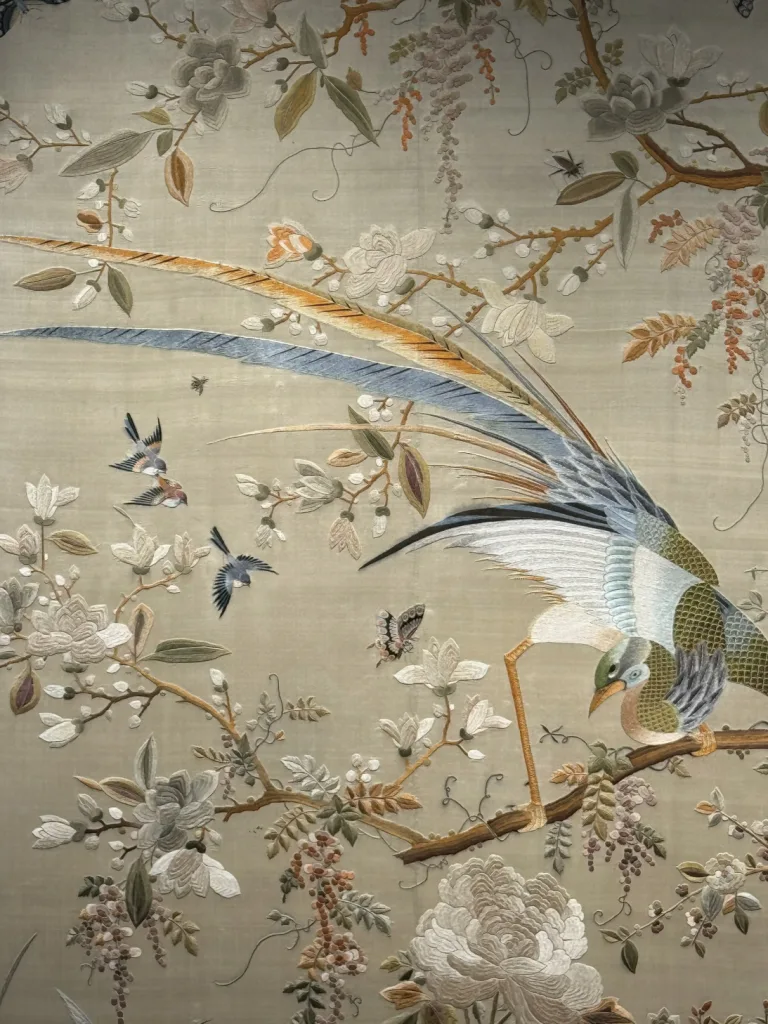
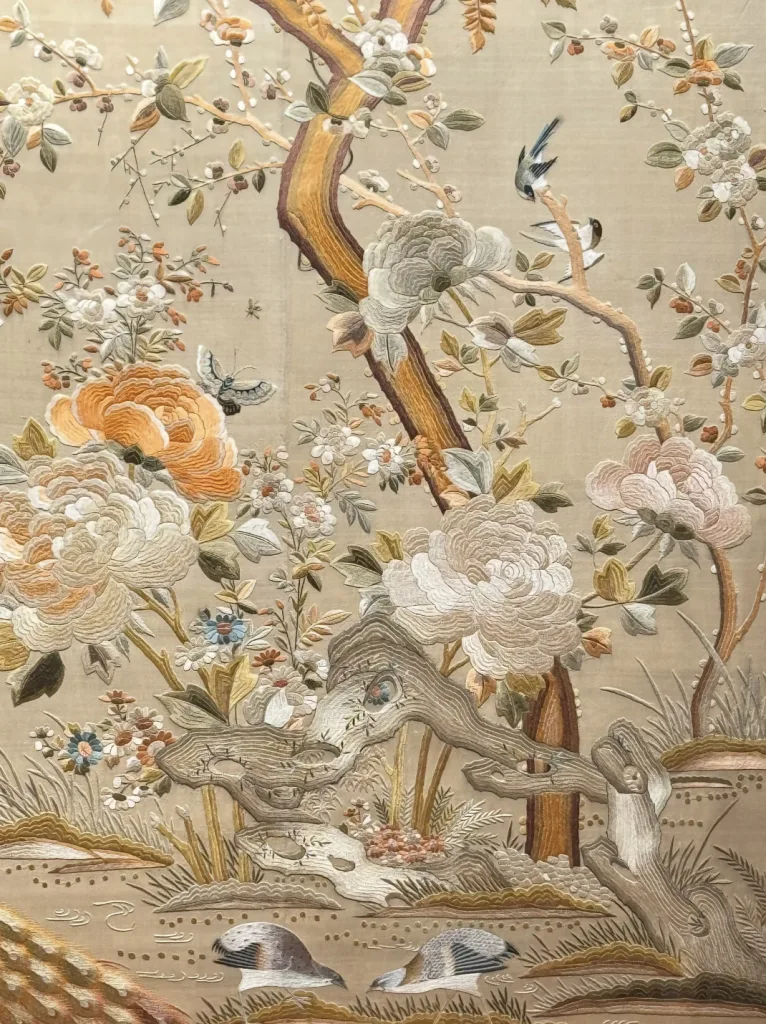
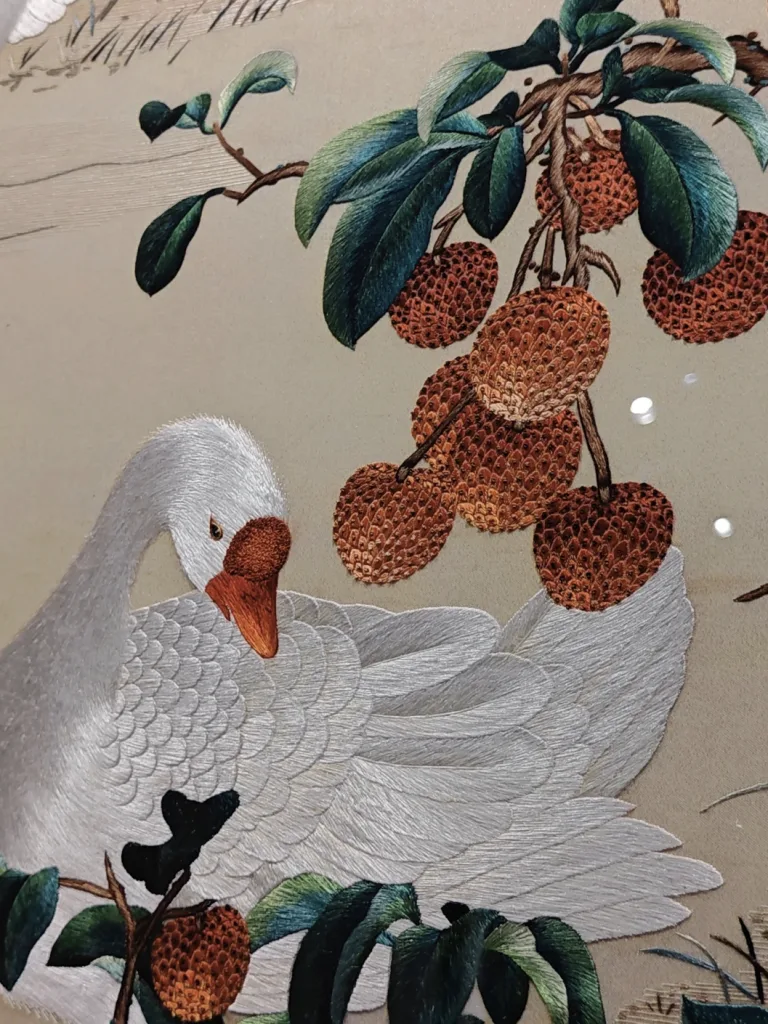
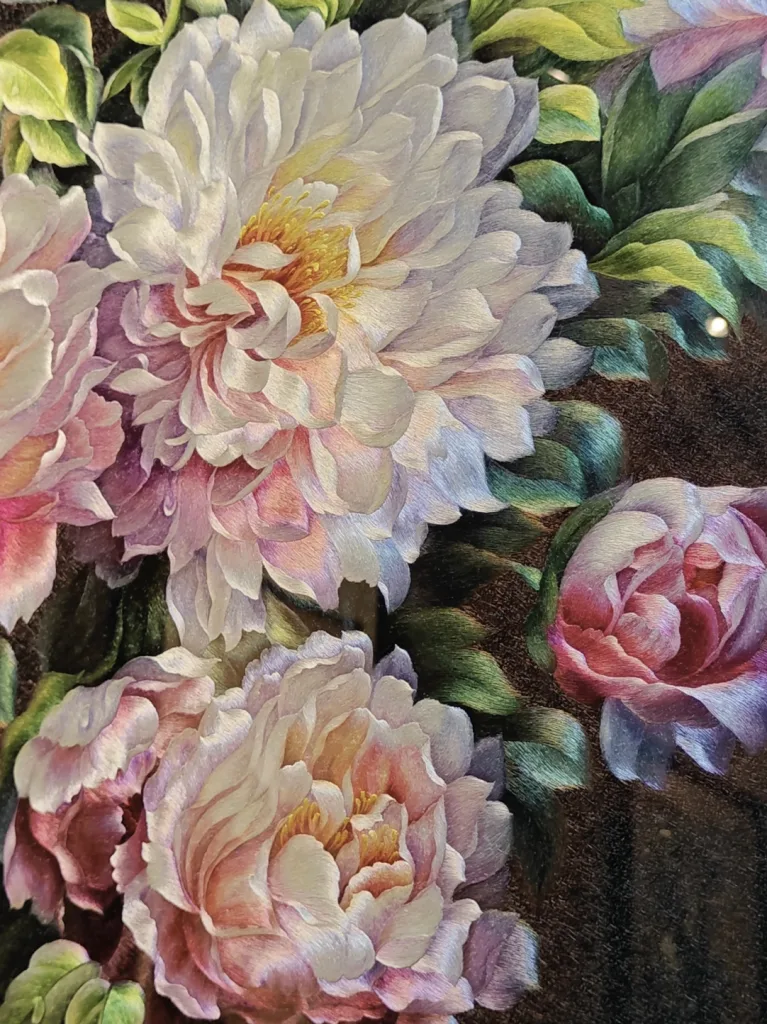
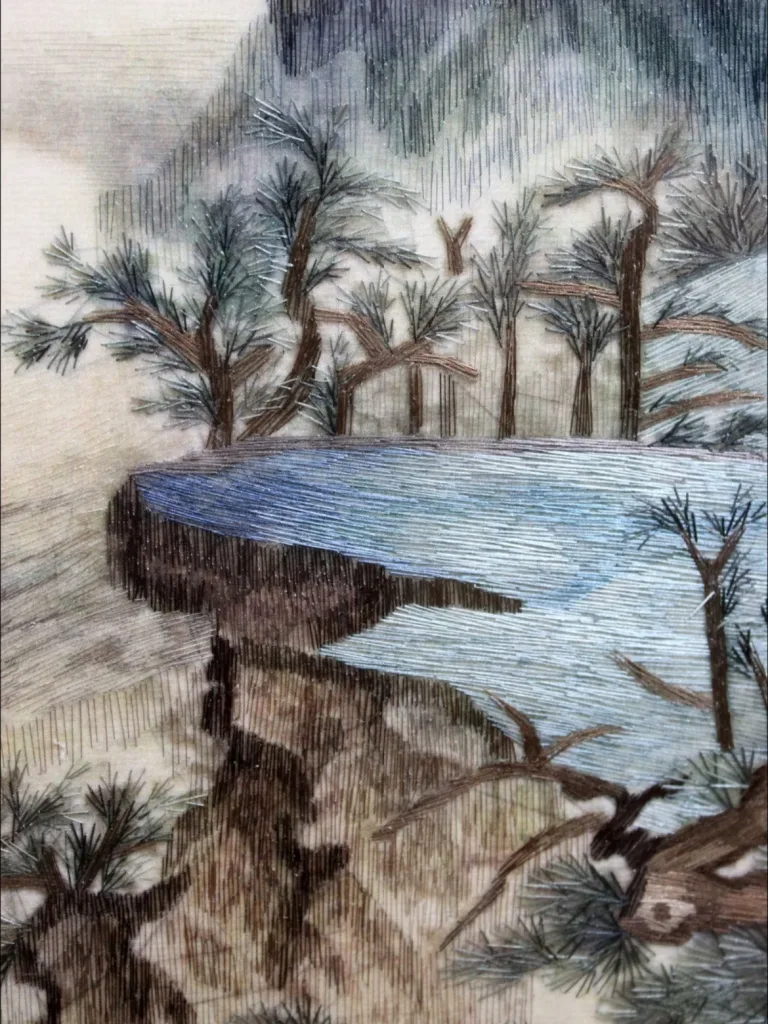
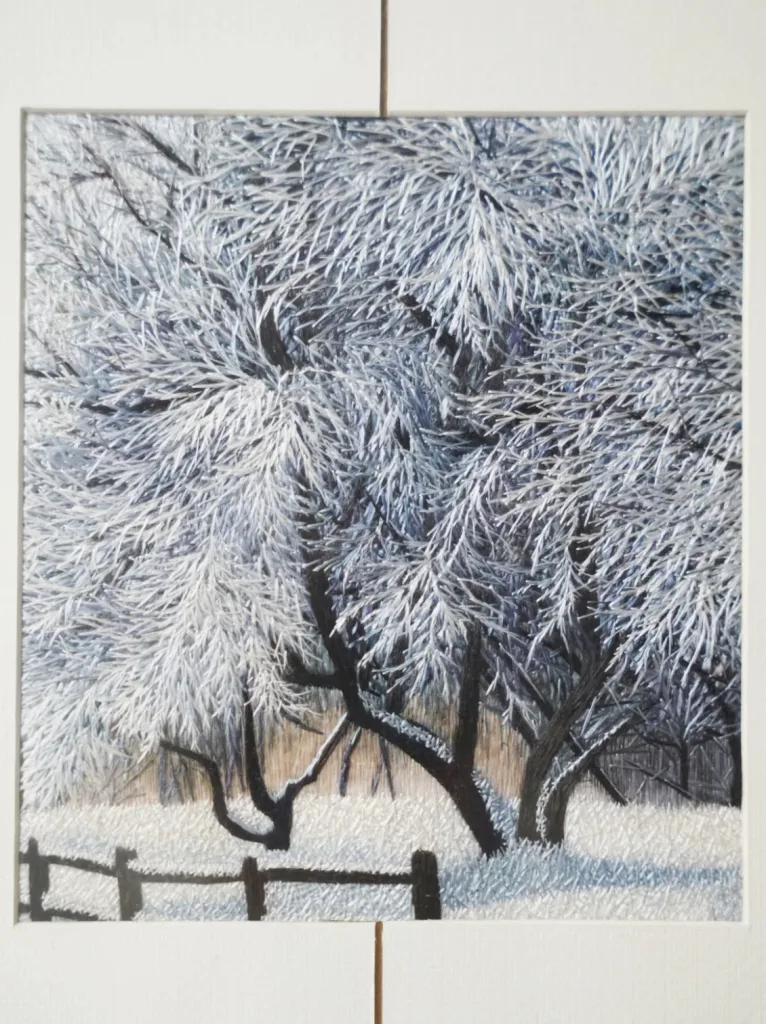
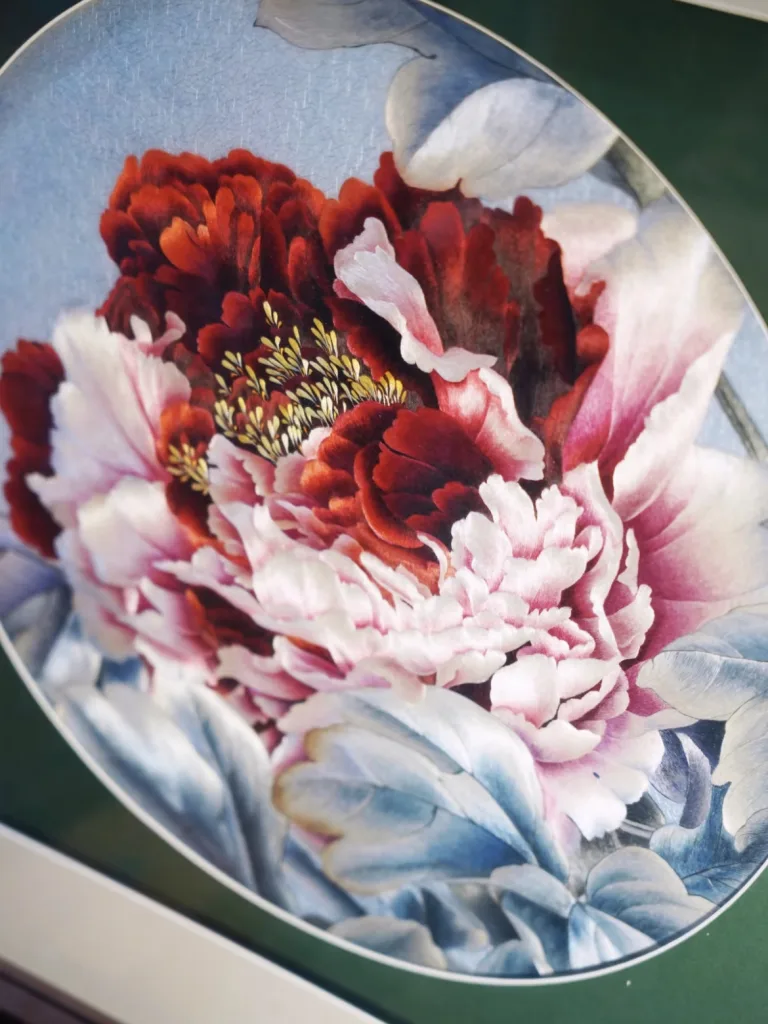
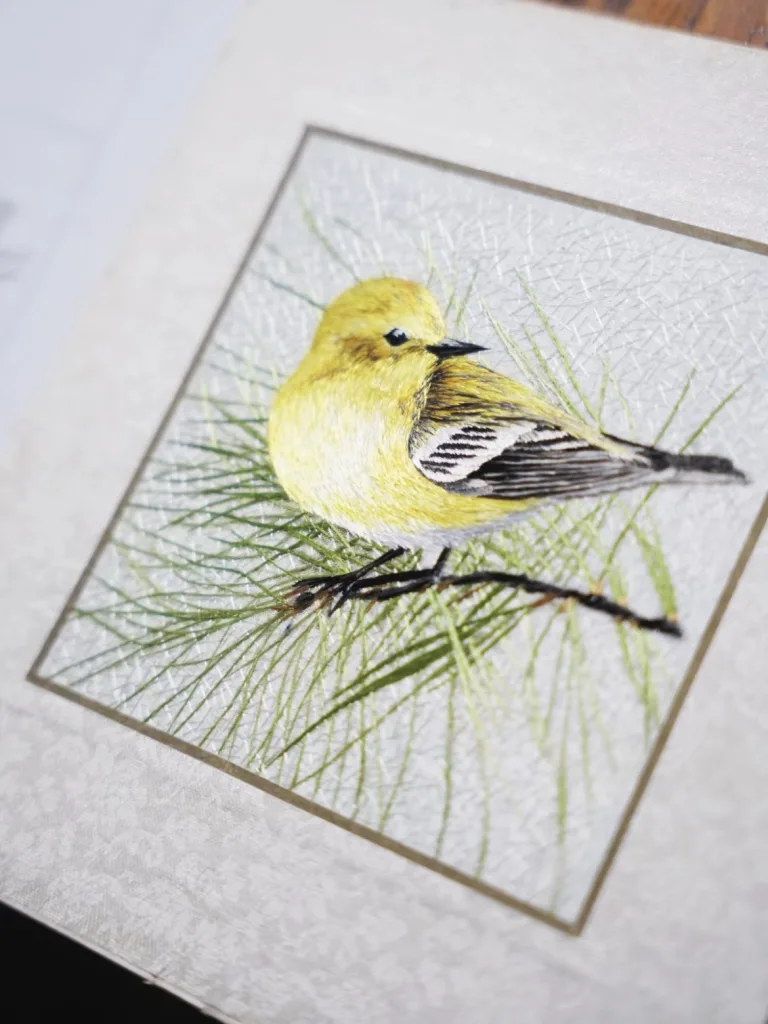
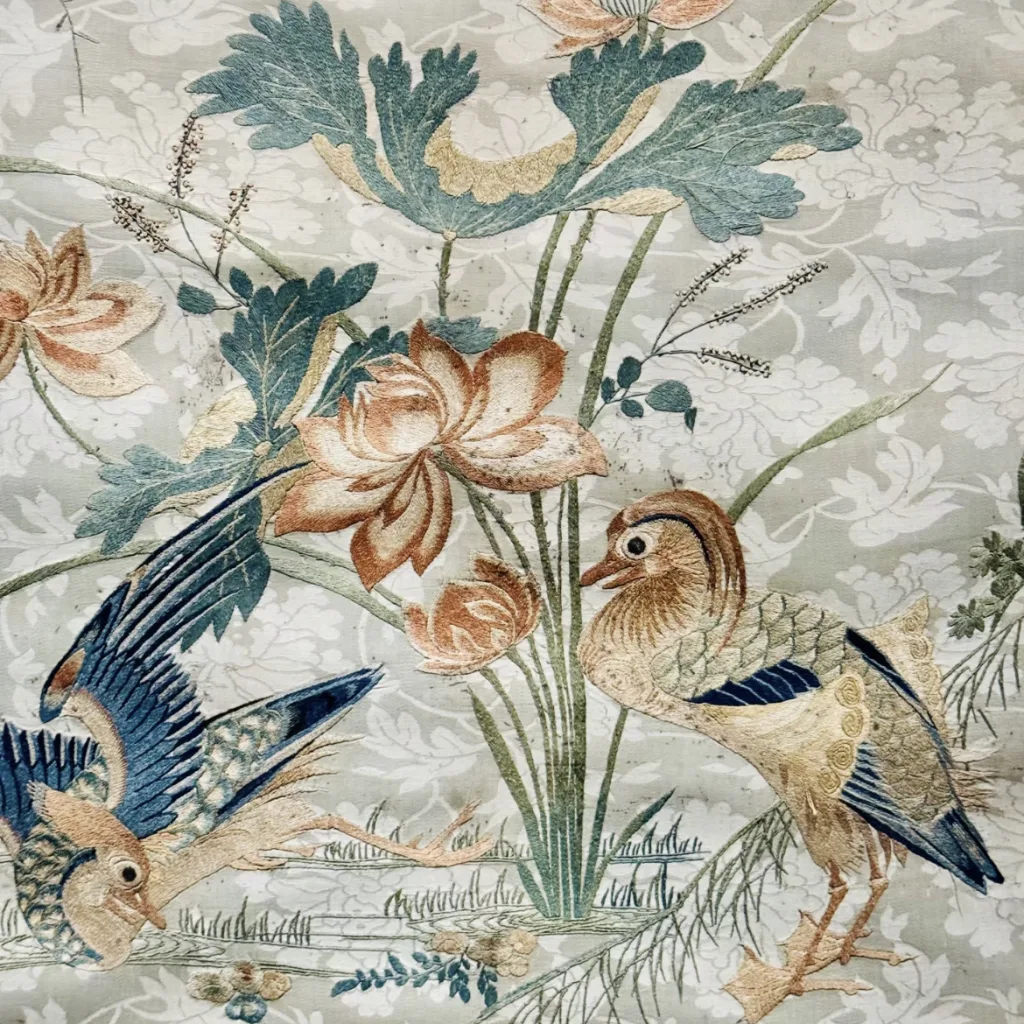
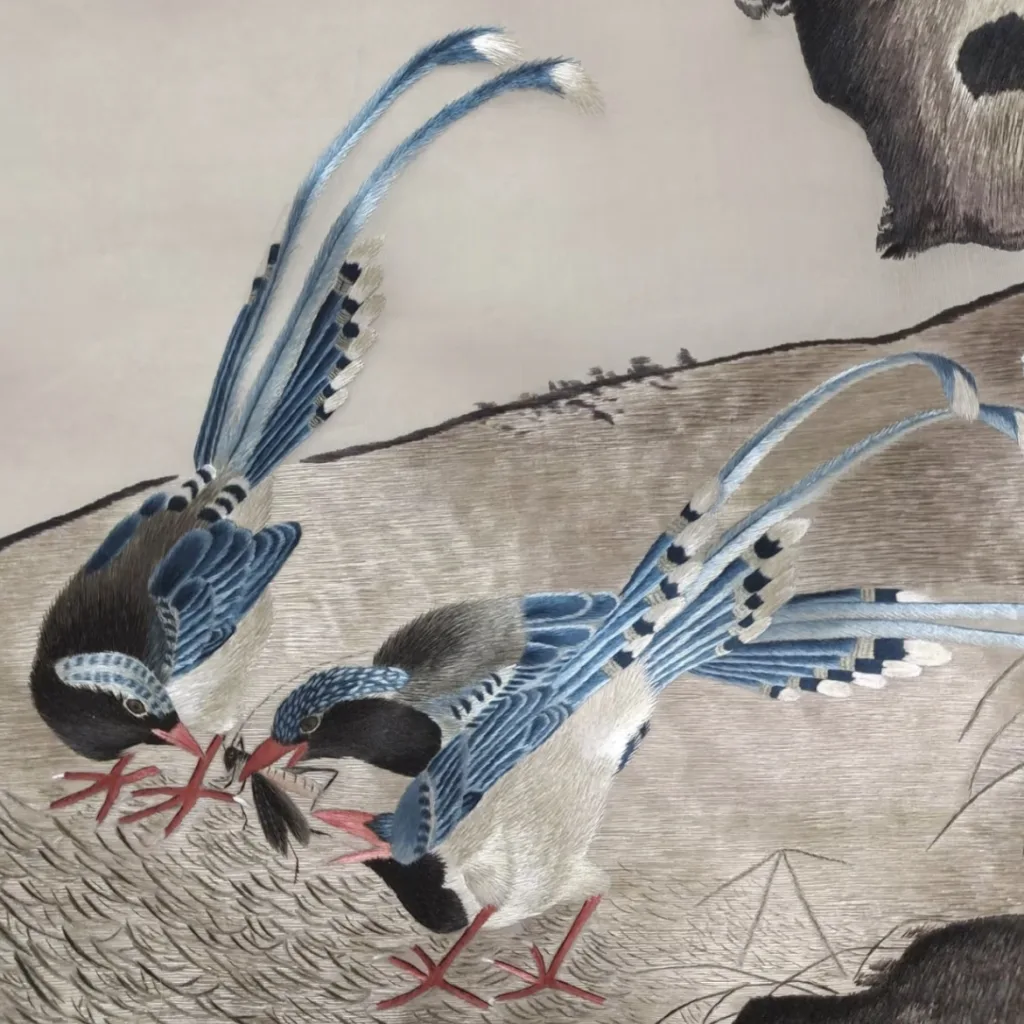
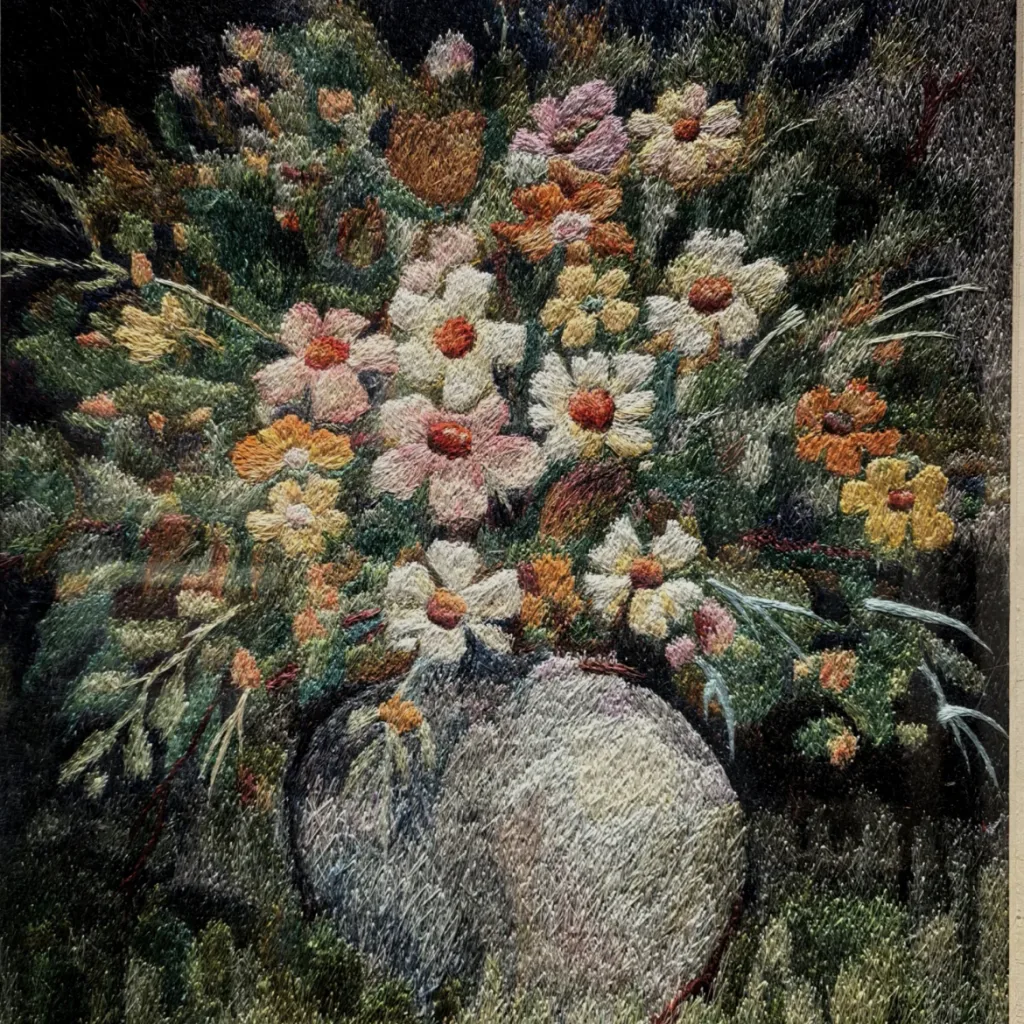
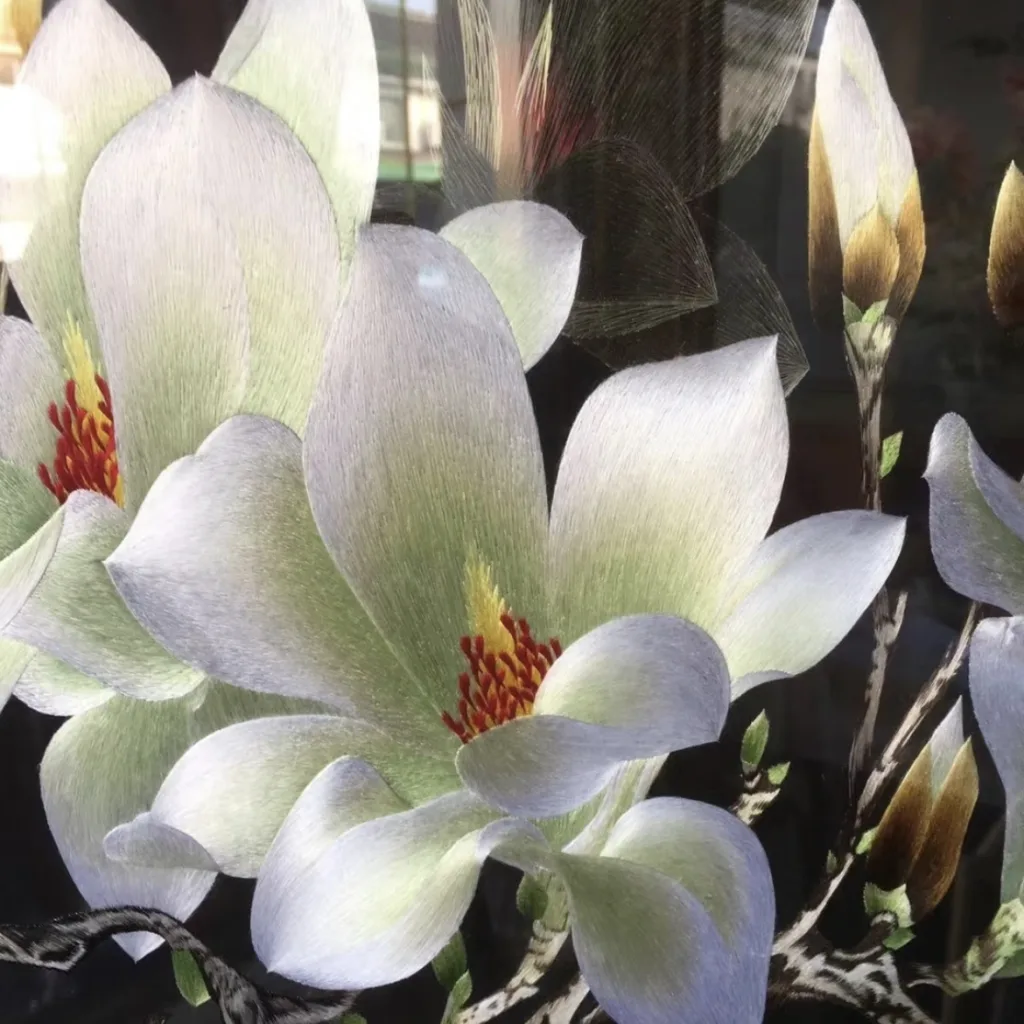
It is mainly produced in Suzhou and Nantong, Jiangsu Province. Su Embroidery is known for its fineness and elegance. It has a rich variety of stitches and uses fine threads, which can vividly represent the shape and verve of objects. It features “flatness, evenness, thinness, density, uniformity, smoothness, harmony and brightness”. Its patterns mostly feature flowers, birds, figures, landscapes, etc. The colors are elegant and delicate, and the stitches are exquisite. For example, the “random stitch embroidery” can vividly express colors and light and shadow, making the works lifelike and of great artistic value.
Xiang Embroidery
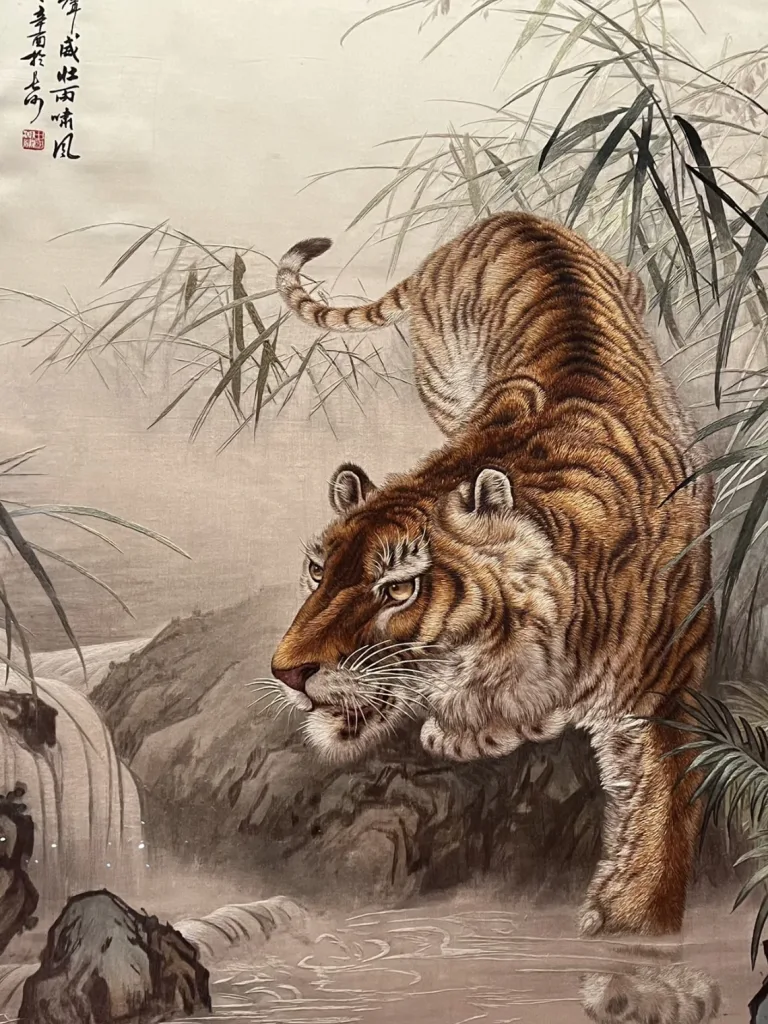
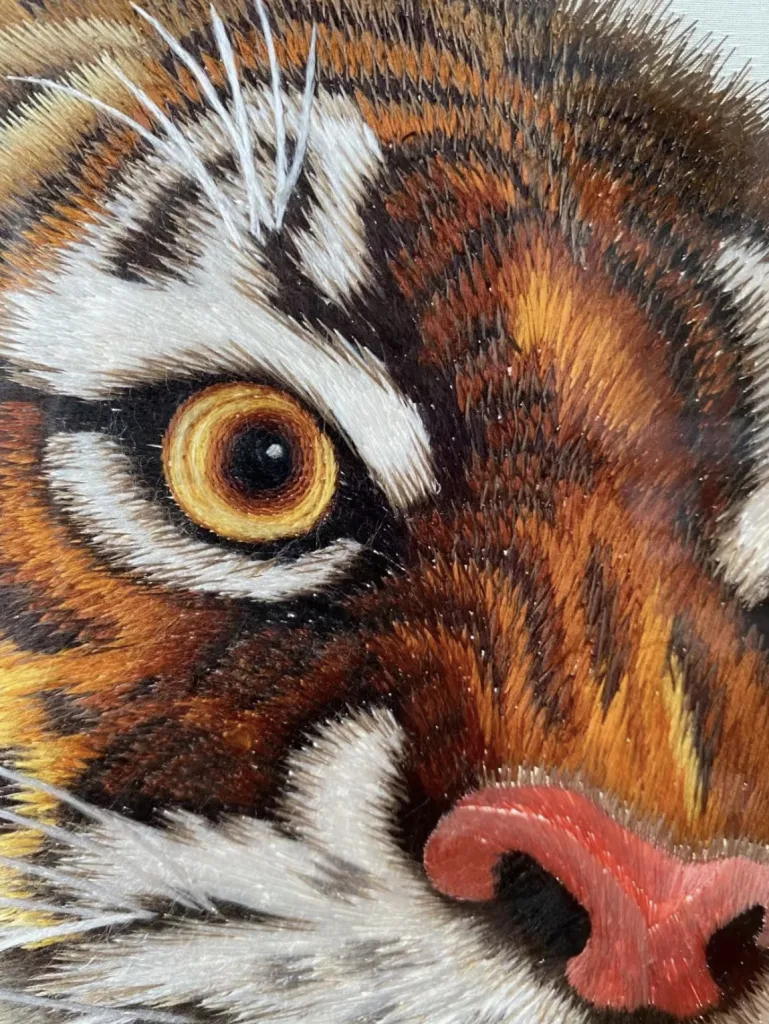
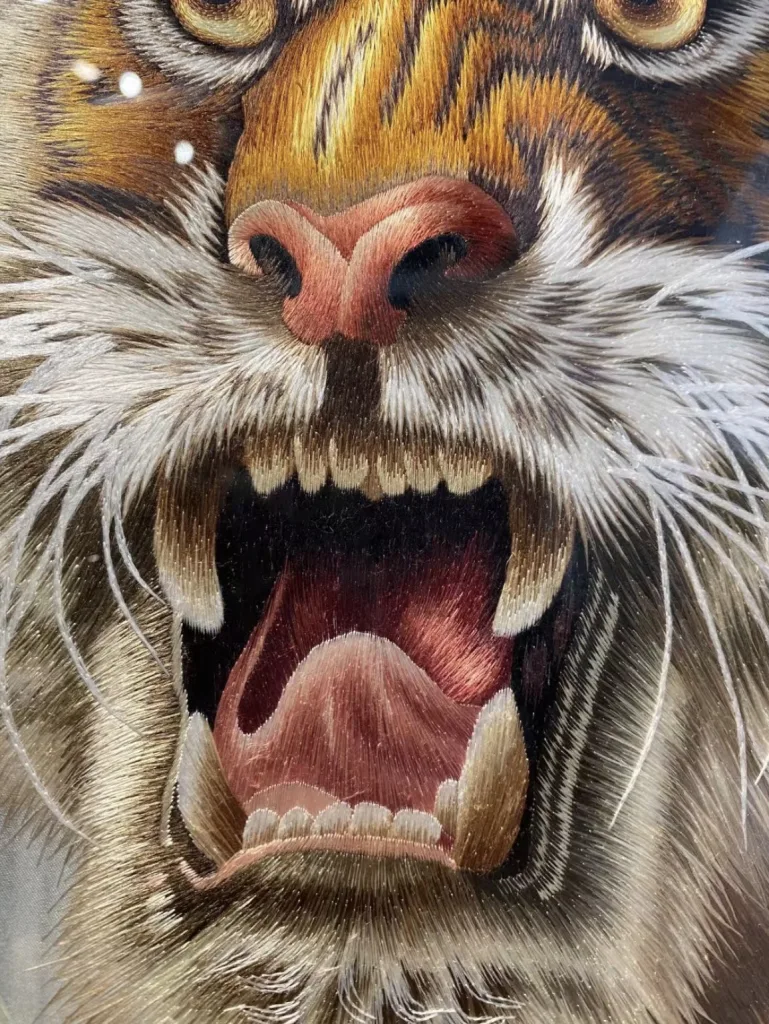
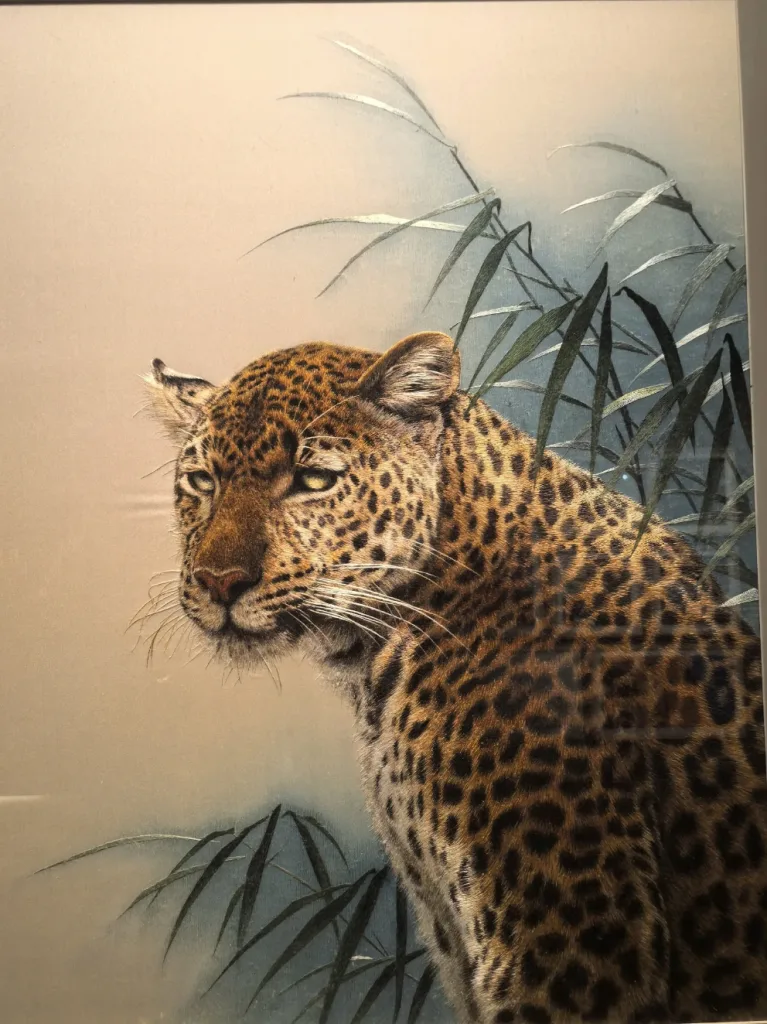
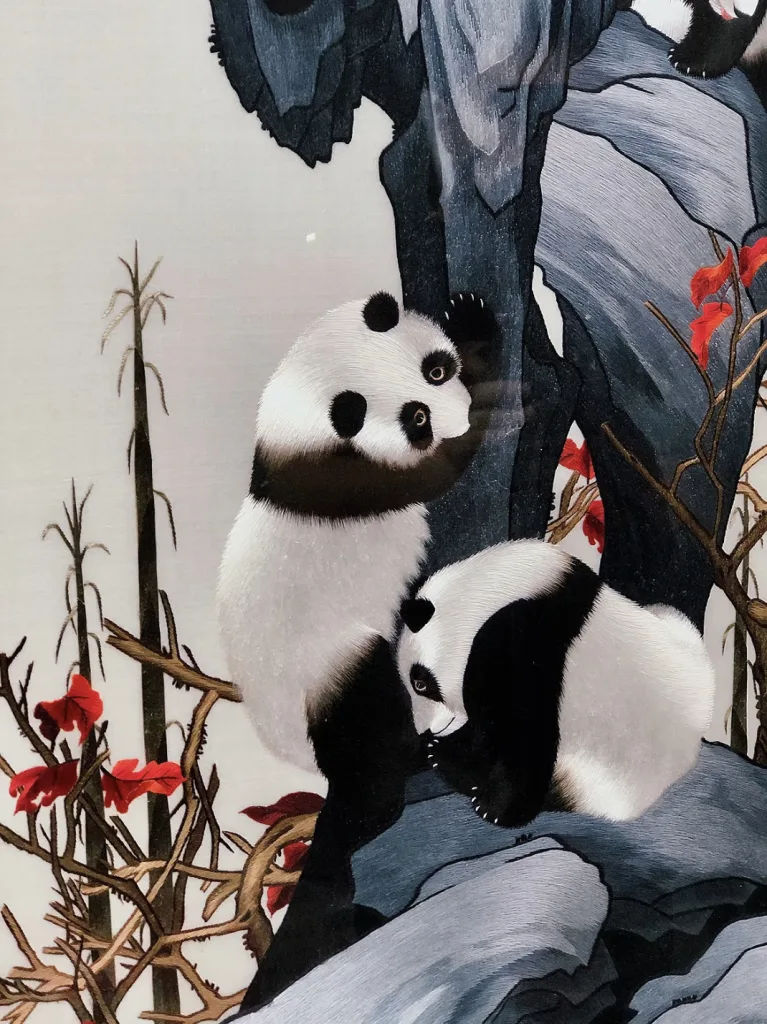
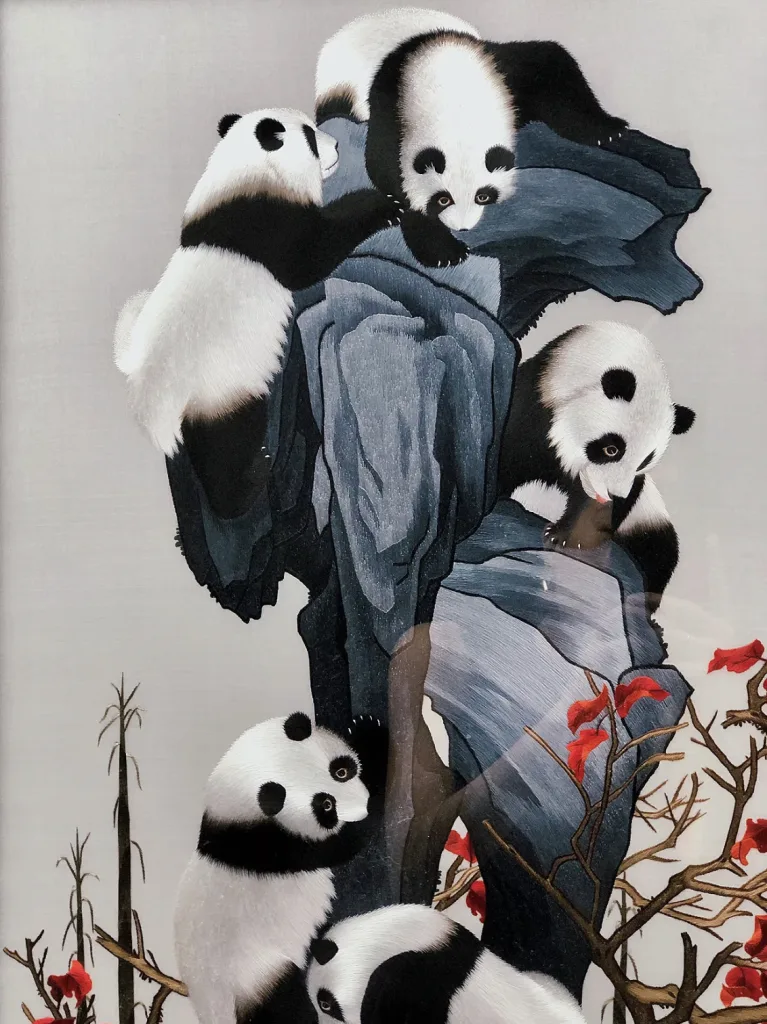
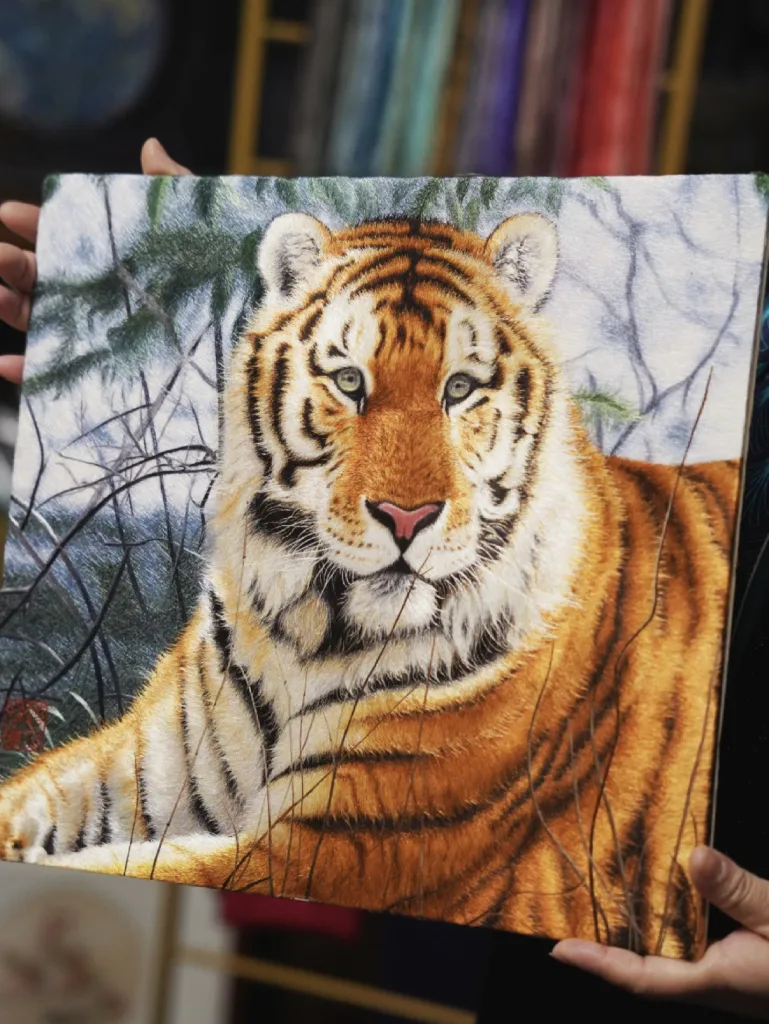
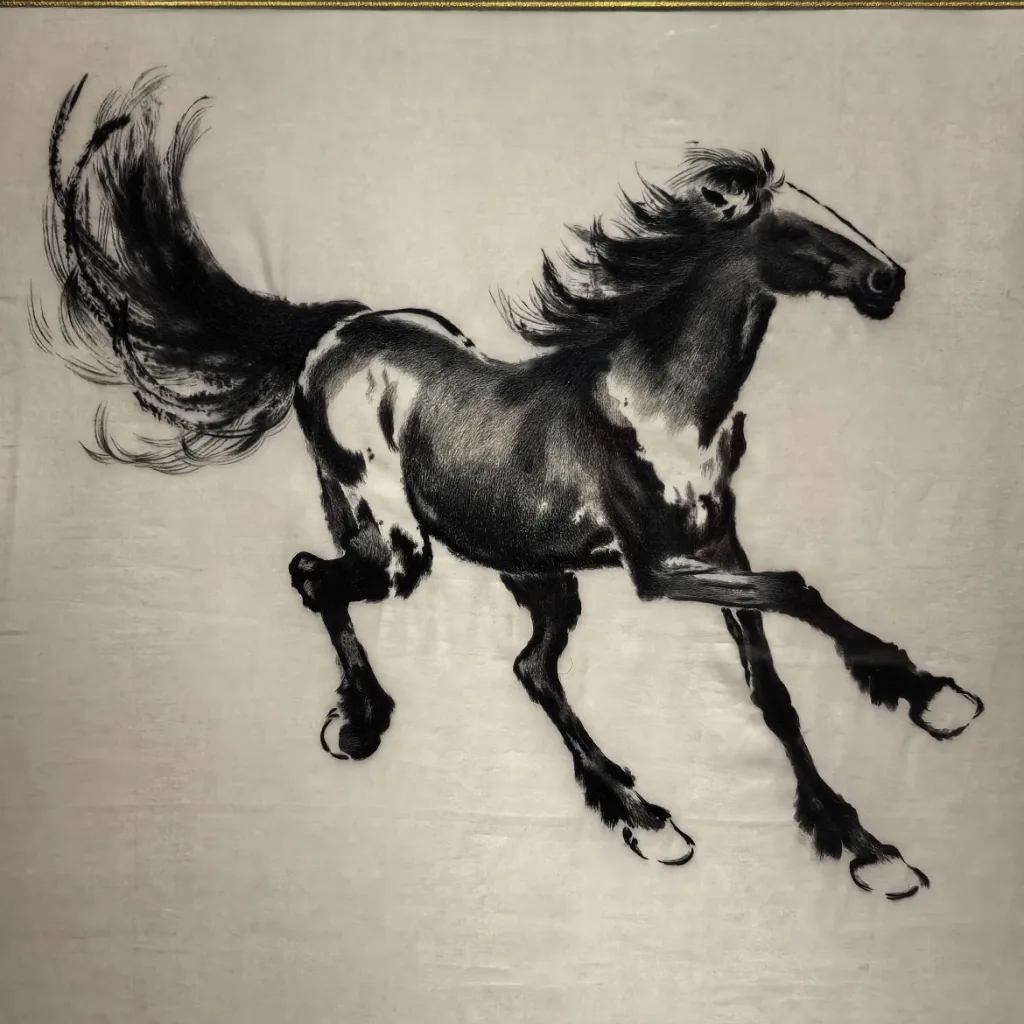
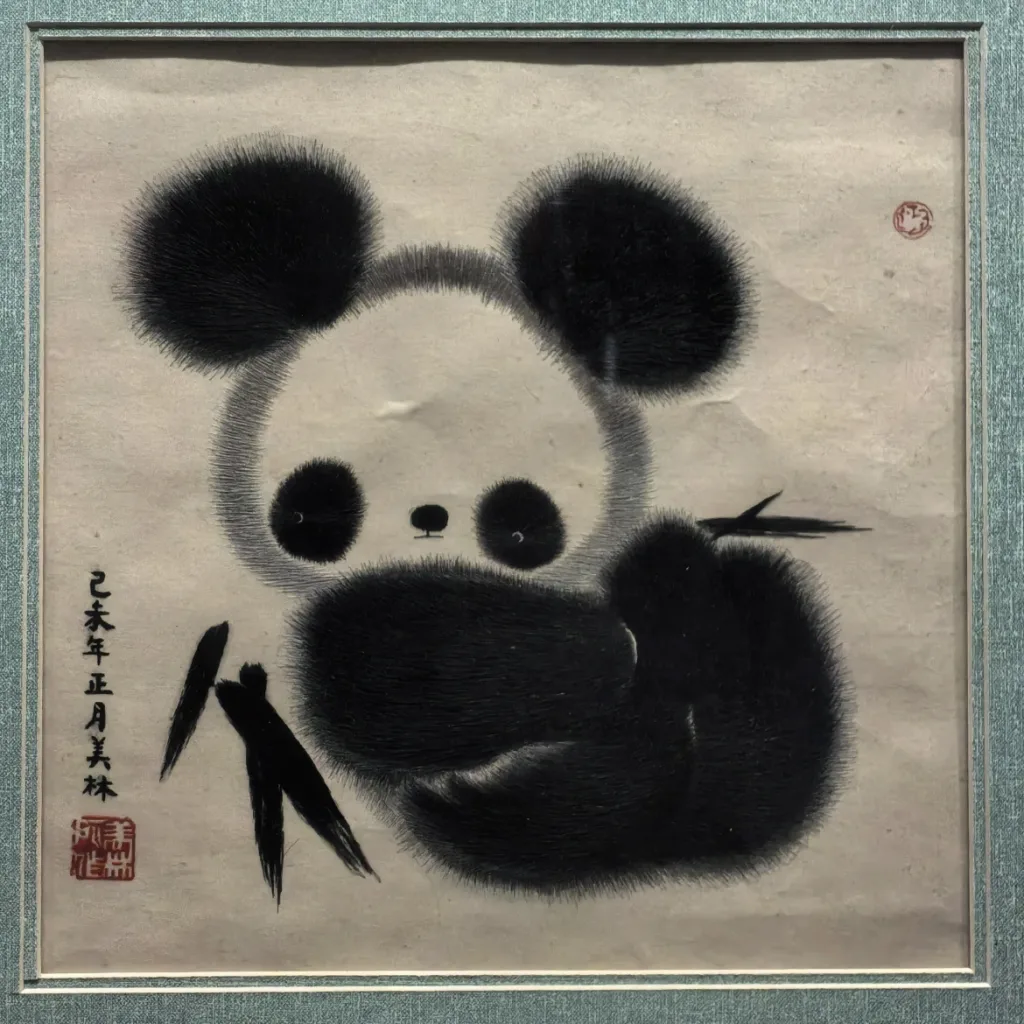
It originated in the Changsha area of Hunan Province. Xiang Embroidery is characterized by using velvet thread to embroider. It has changeable stitches and strong expressiveness, with a bold and unconstrained style. The colors are bright and rich. It is good at using the changes of stitches to show the texture of objects. For example, the “puffing hair stitch” is used to show the hair of animals, making the animal images vivid as if they could come to life. It has a wide range of themes, and is most famous for embroideries of lions, tigers and other beasts as well as figures. It is said that “embroidered flowers can give out fragrance, embroidered birds seem to be singing, embroidered tigers seem to be running, and embroidered figures look vivid”.
Shu Embroidery
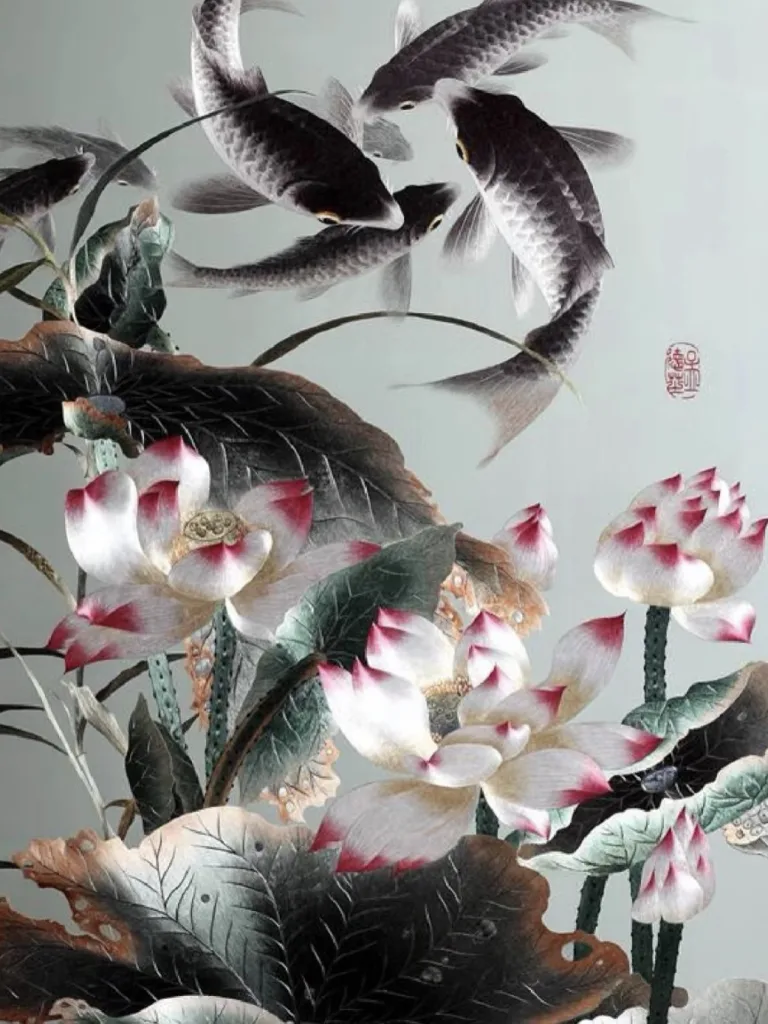
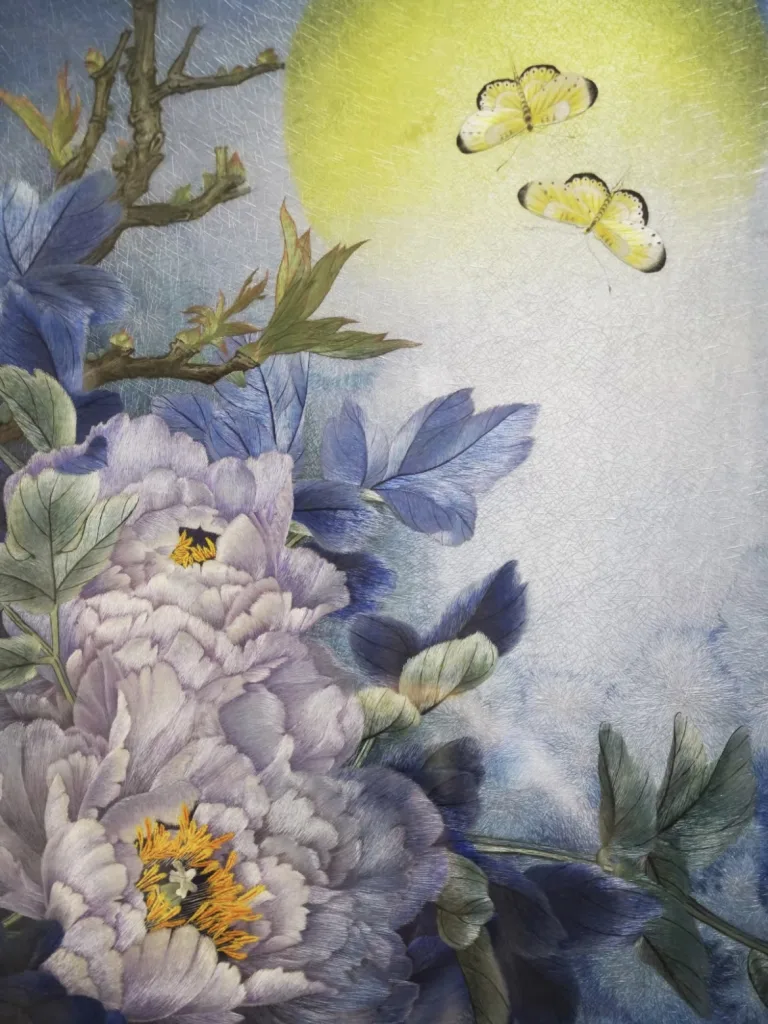
It is centered in Chengdu, Sichuan Province. Shu Embroidery has strict stitches, even stitches, bright threads, tightness and softness, and smooth turning. It has a strong local style. In terms of color, it is good at using contrast colors, which are bright but not vulgar. It has a rich variety of stitches, such as the “halo stitch”, which can make the color transition natural. Its patterns are mostly drawn from folk auspicious themes, flowers, birds, insects and fish, etc., full of rich flavor of life. The embroidered products are tightly textured and full of quality.
Yue Embroidery
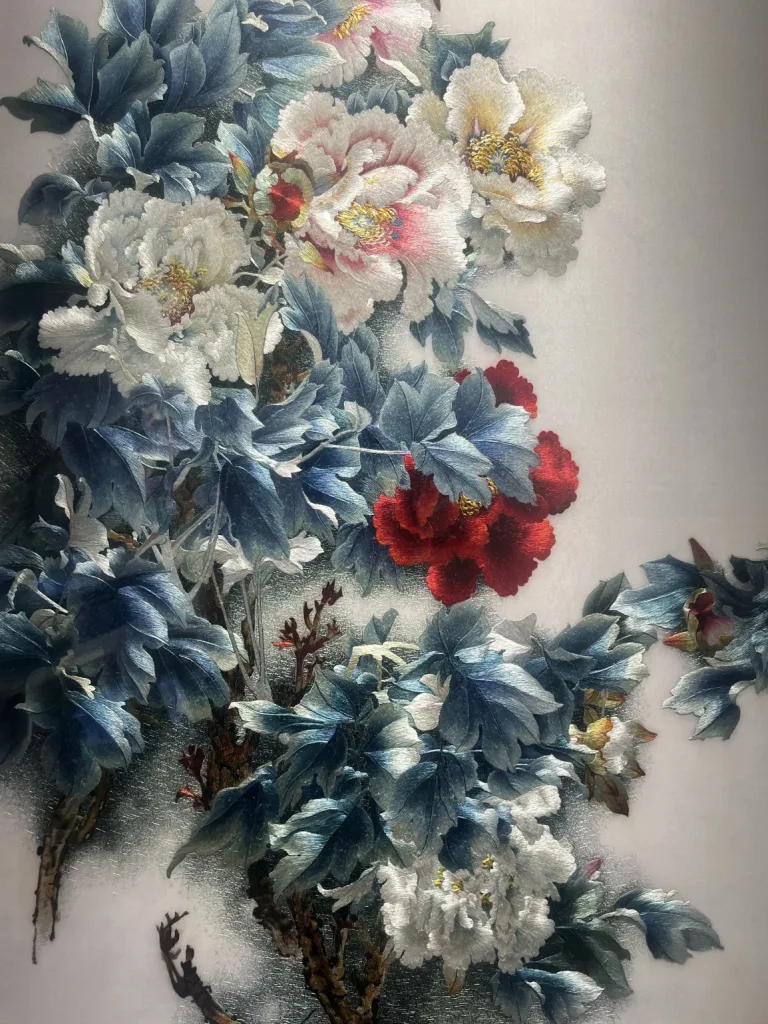
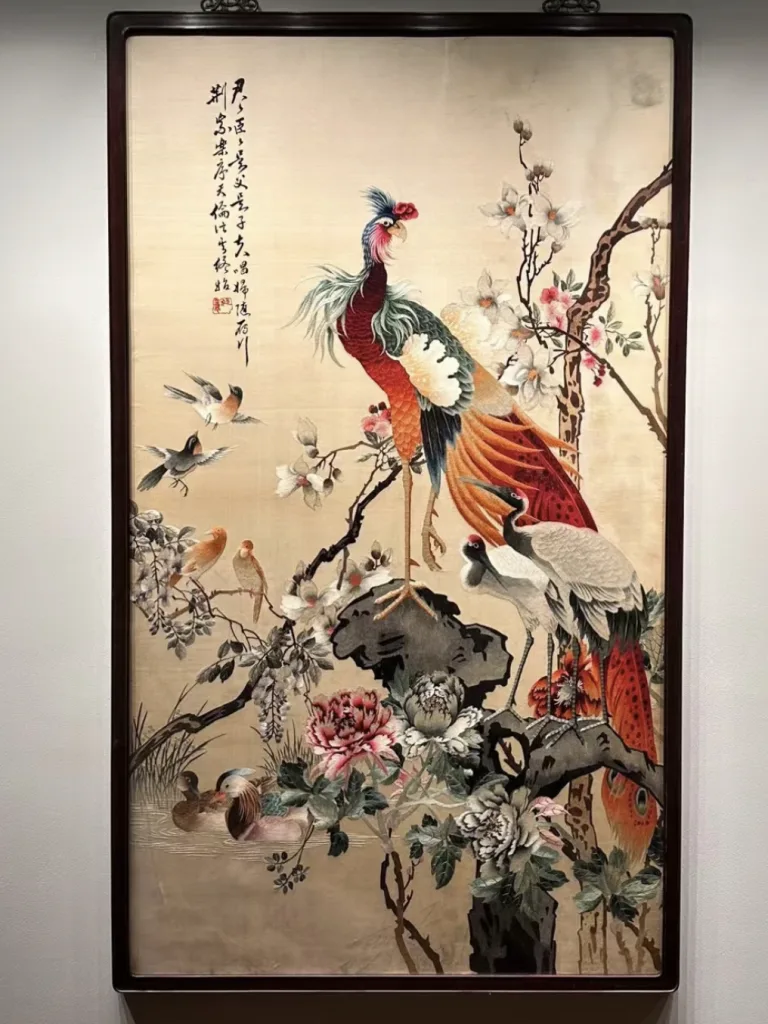
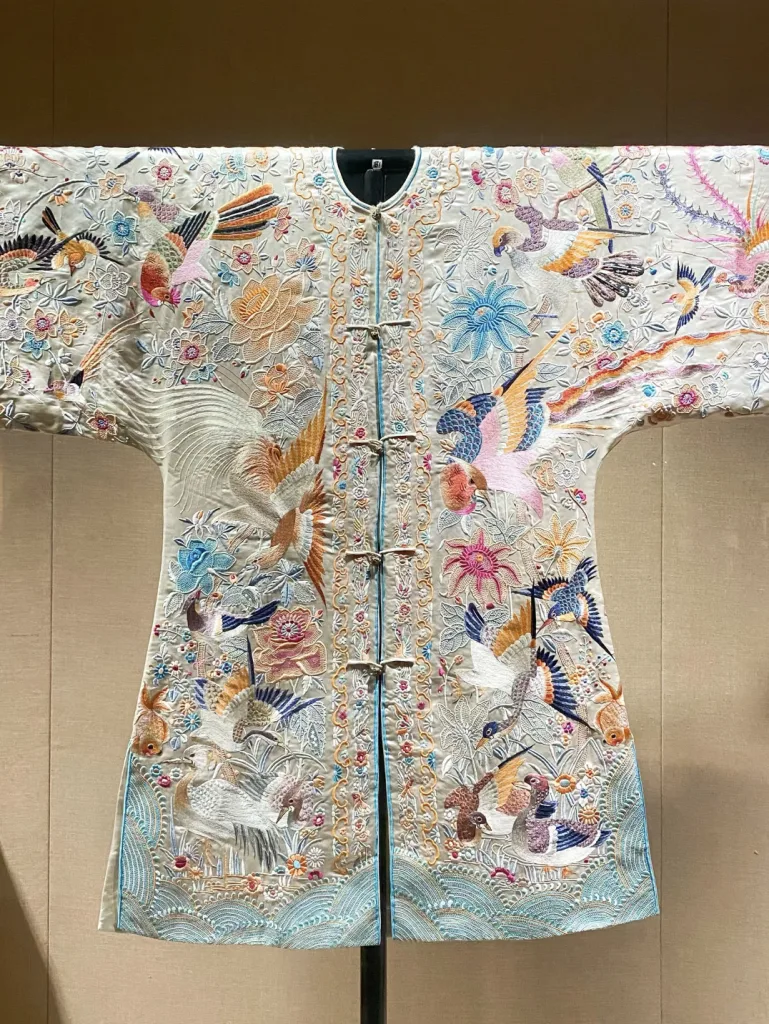
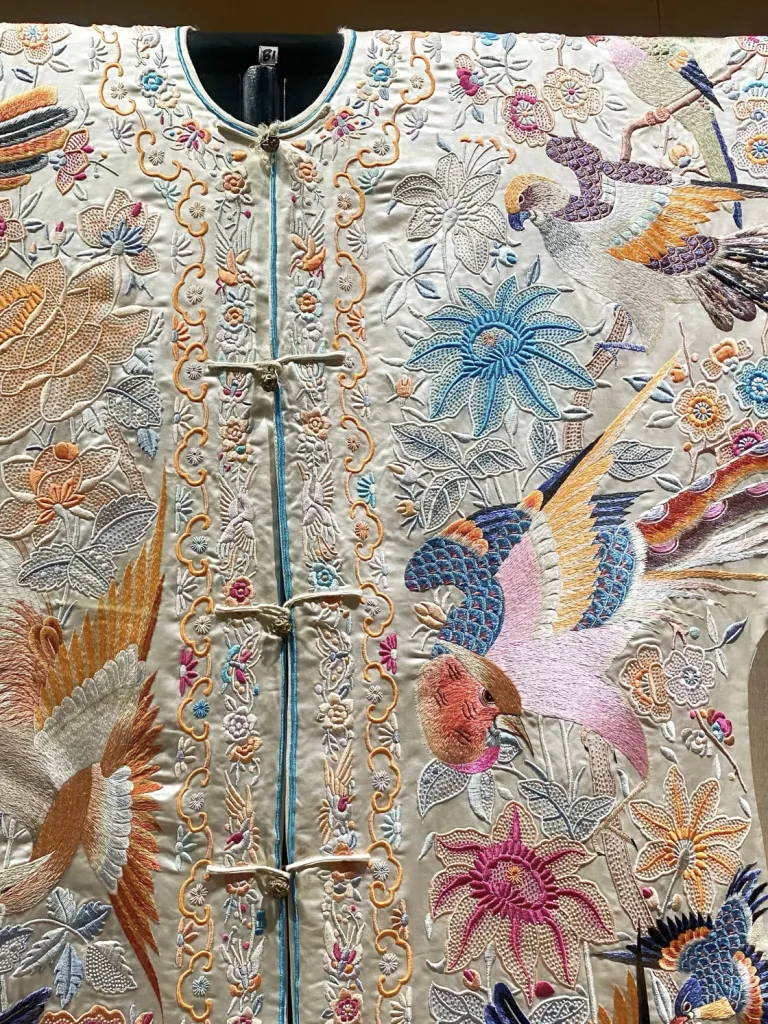
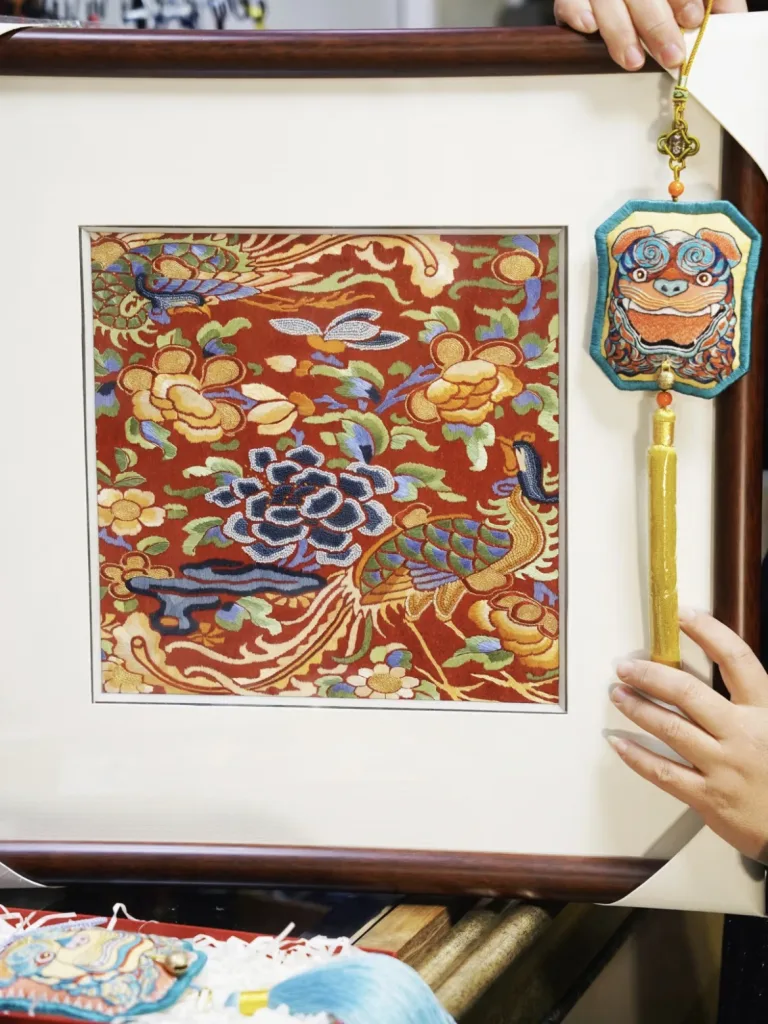
It includes “Guang Embroidery” centered in Guangzhou and “Chao Embroidery” represented by Chaozhou. Yue Embroidery has a full composition without being chaotic. It has changeable stitches, even stitches, and skillfully uses the stitch texture to show the texture of objects. The colors are bright and vivid, with a strong contrast. Gold and silver threads are often used to outline, making the embroidered products magnificent and dazzling. It has a wide range of themes, mostly featuring dragons and phoenixes, flowers, peacocks, etc., with a strong Lingnan cultural characteristic.
Bian Embroidery
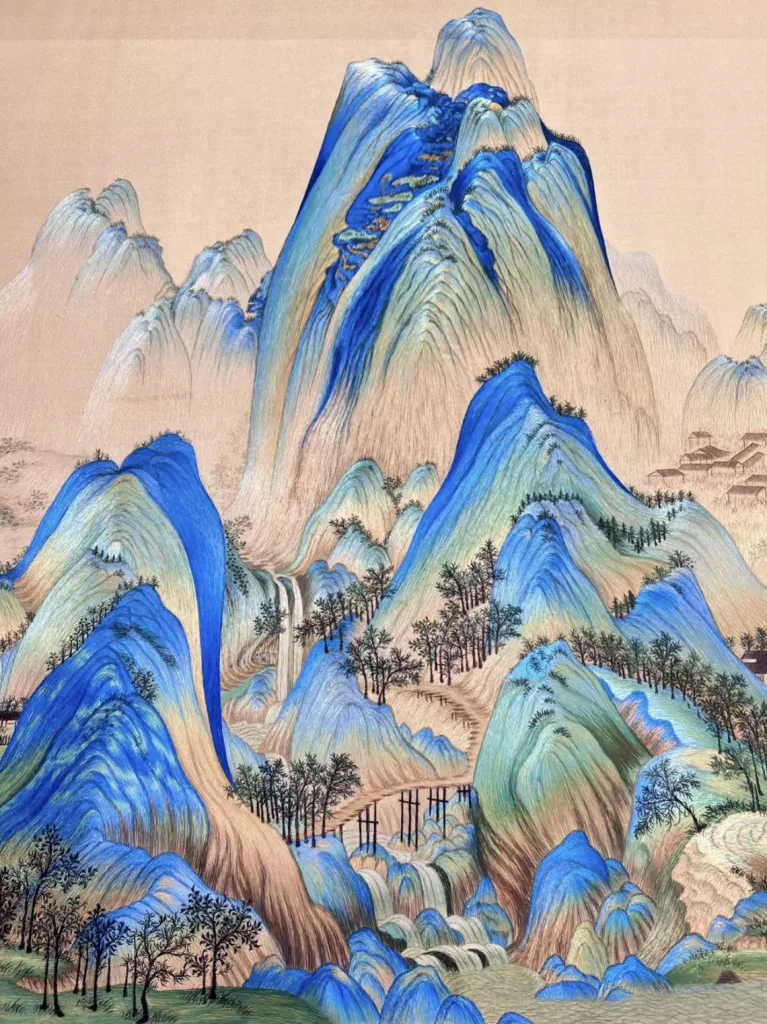
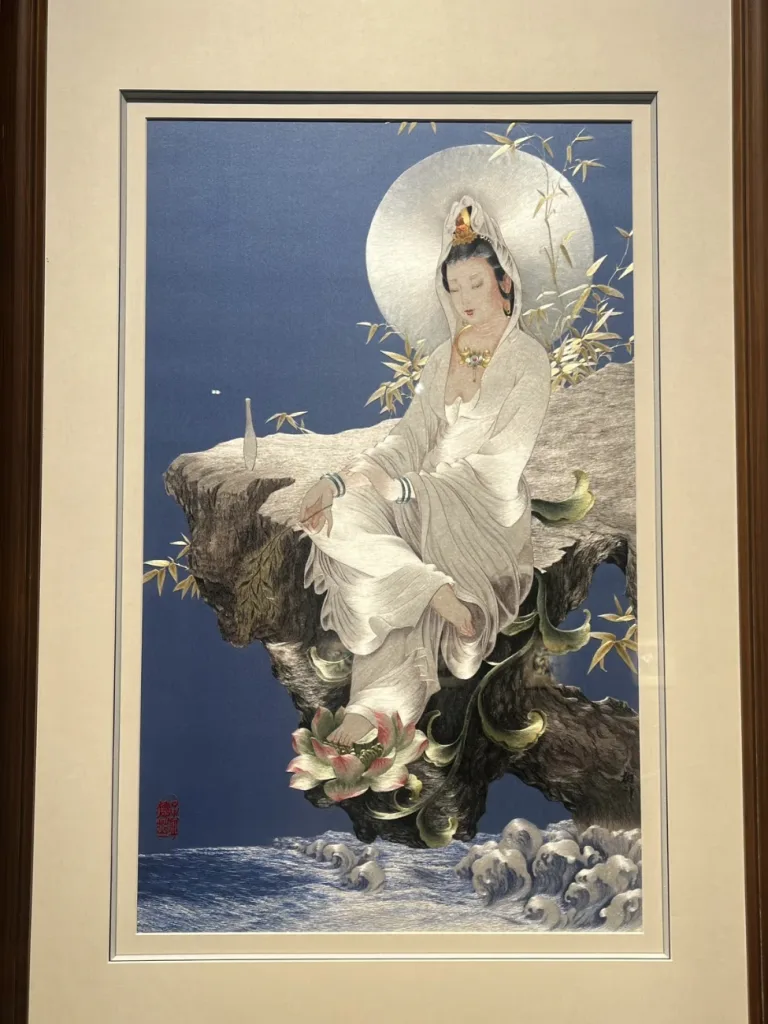
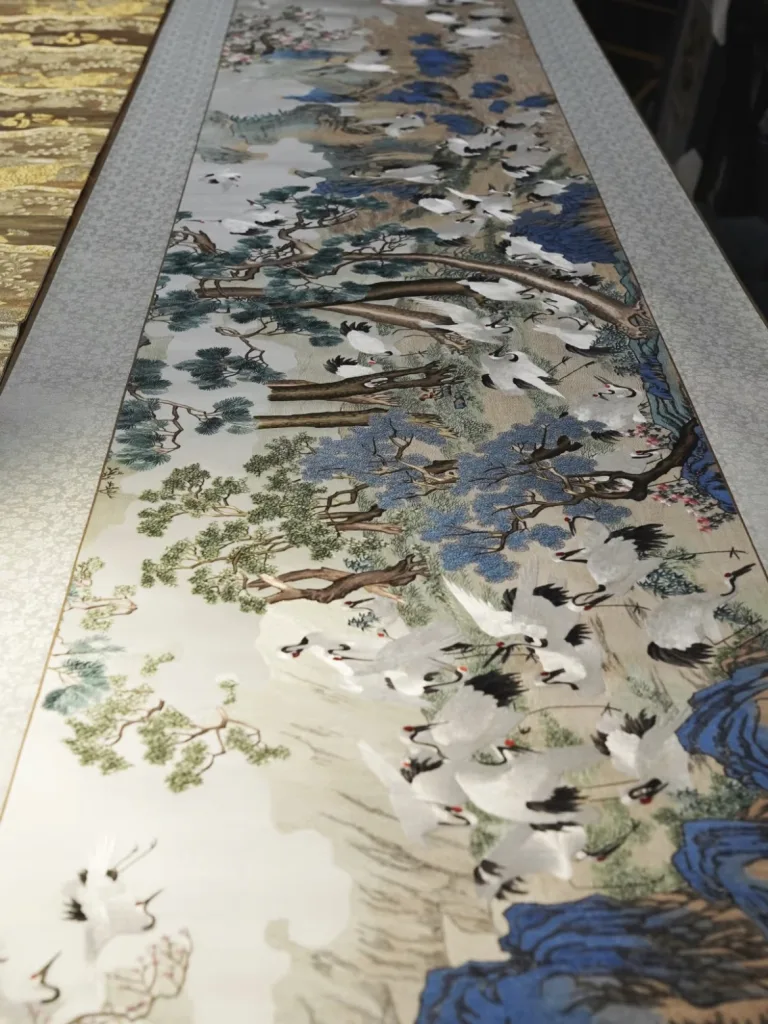
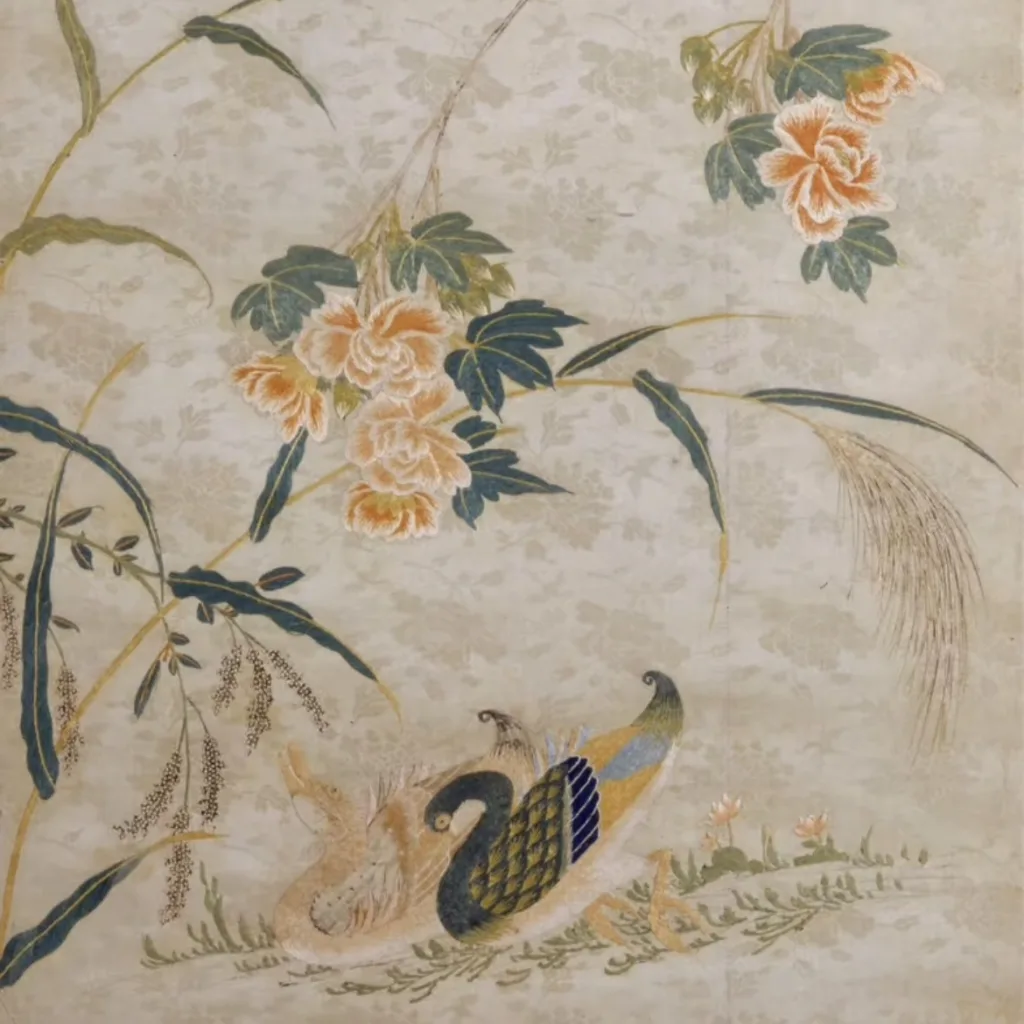
Also known as “Song Embroidery”, it is produced in Kaifeng, Henan Province. Bian Embroidery inherits the themes and technological characteristics of Song Embroidery and is famous for embroidering Chinese famous paintings and ancient paintings. It has changeable stitches, rich layers and a strong three-dimensional sense. The color collocation is simple and elegant. The embroidered products are delicate and lifelike, which can well restore the artistic conception and verve of the paintings and have a high artistic value.
Lu Embroidery
It is a traditional embroidery craft in Shandong area. Lu Embroidery is bold and unconstrained in style. Its main stitch is the braid stitch. The embroidery threads are mostly thick silk threads or cotton threads. The colors are bright with a strong contrast, full of strong folk colors and local characteristics. The patterns are mostly drawn from folk legends, fairy tales, etc. The shapes are exaggerated, simple and generous. Geometric patterns and flower patterns are often combined, full of decorative.