
Unveiling the Allure of Chinese Kung Fu
Bruce Lee, the pioneer who catapulted Chinese Kung Fu onto the international stage. His iconic movies ignited a global frenzy for Kung Fu, making the term a household name across the world. Jackie Chan has been a global ambassador for Chinese Kung Fu, blending humor and martial arts in his films, which have charmed audiences worldwide. Their influence has piqued the curiosity of people everywhere about the real essence of Chinese Kung Fu.
Chinese Kung Fu has its humble beginnings in ancient times. Back then, as humans fought for survival against wild beasts and in tribal conflicts, basic fighting techniques gradually took shape. During the Shang and Zhou Dynasties, Kung Fu was closely intertwined with military affairs. It evolved and was honed on the battlefields, becoming an essential skill for soldiers. By the Qin and Han Dynasties, Kung Fu had started to take on an entertainment aspect, with performances becoming a part of social life. However, it was during the Ming and Qing Dynasties that Kung Fu truly blossomed. A multitude of schools emerged, each with its unique style, laying the foundation for the rich and diverse Kung Fu system we know today.
Major Schools of Kung Fu and Their Corresponding Attractions
Shaolin Kung Fu – Shaolin Temple in Henan
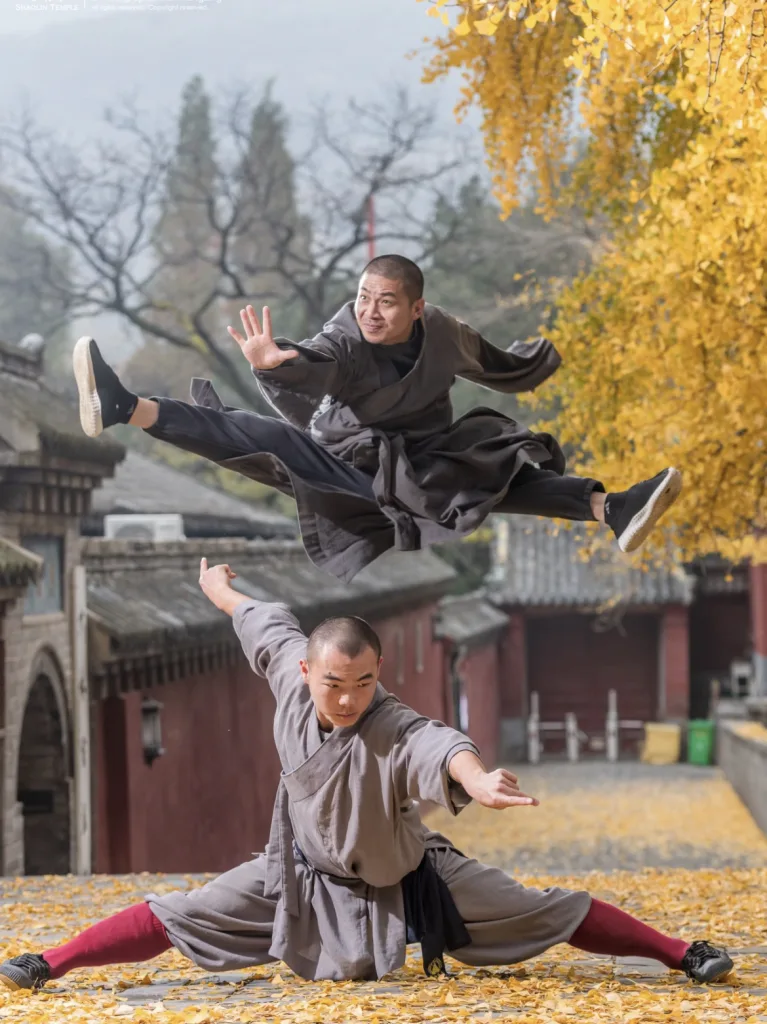
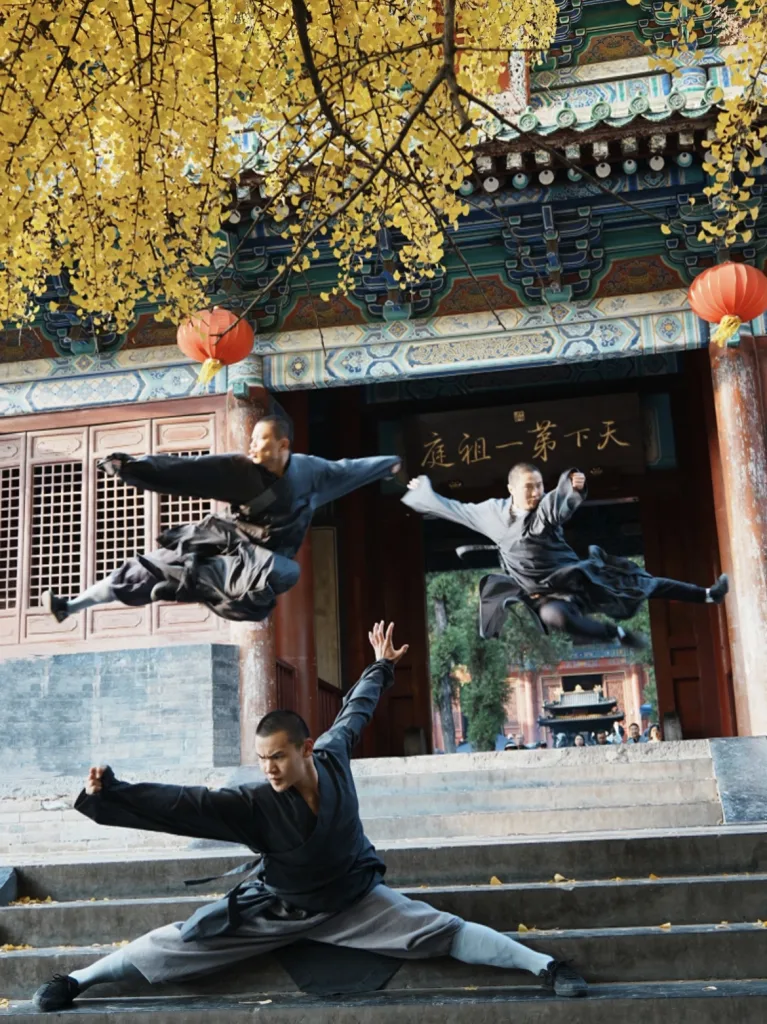
Style Characteristics: Shaolin Kung Fu is renowned for its robustness and power. The moves are grand, forceful, and emphasize the perfect blend of strength and speed. Take the “Arhat Fist” in Shaolin Boxing as an example. The movements are simple yet clear – cut, with a fierce punch style that vividly showcases the toughness of Shaolin Kung Fu.
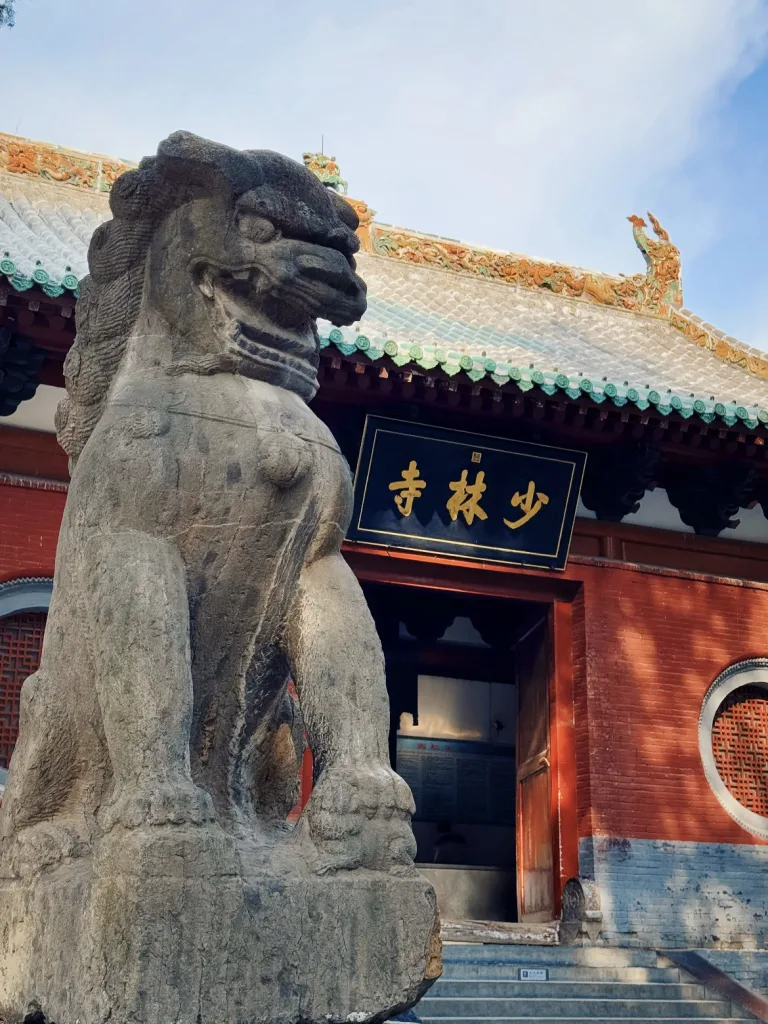
Corresponding Attractions: Shaolin Temple in Henan, the birthplace of Shaolin Kung Fu, is a place of solemnity. The ancient architecture within the temple complex exudes a sense of history, and the forest of pagodas bears witness to the long – standing of Shaolin martial arts. Regular martial arts shows are held in the temple, allowing visitors to witness the authentic charm of Shaolin Kung Fu up – close. Moreover, tourists can even participate in simple Shaolin martial arts experience courses to get a taste of this ancient art.
Wudang Kung Fu – Wudang Mountain in Hubei
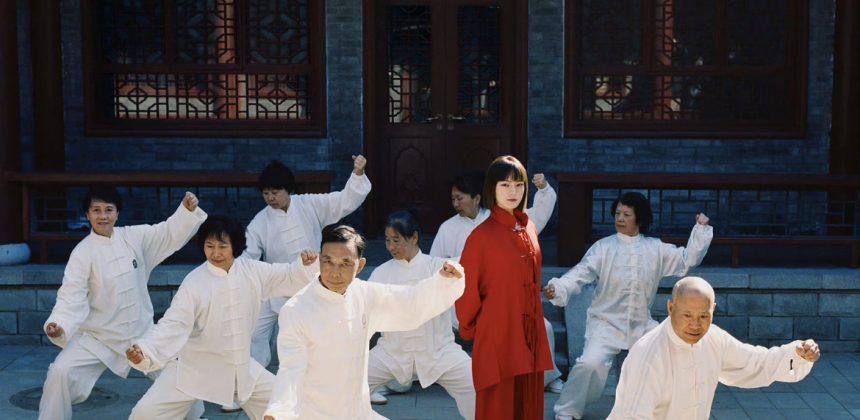
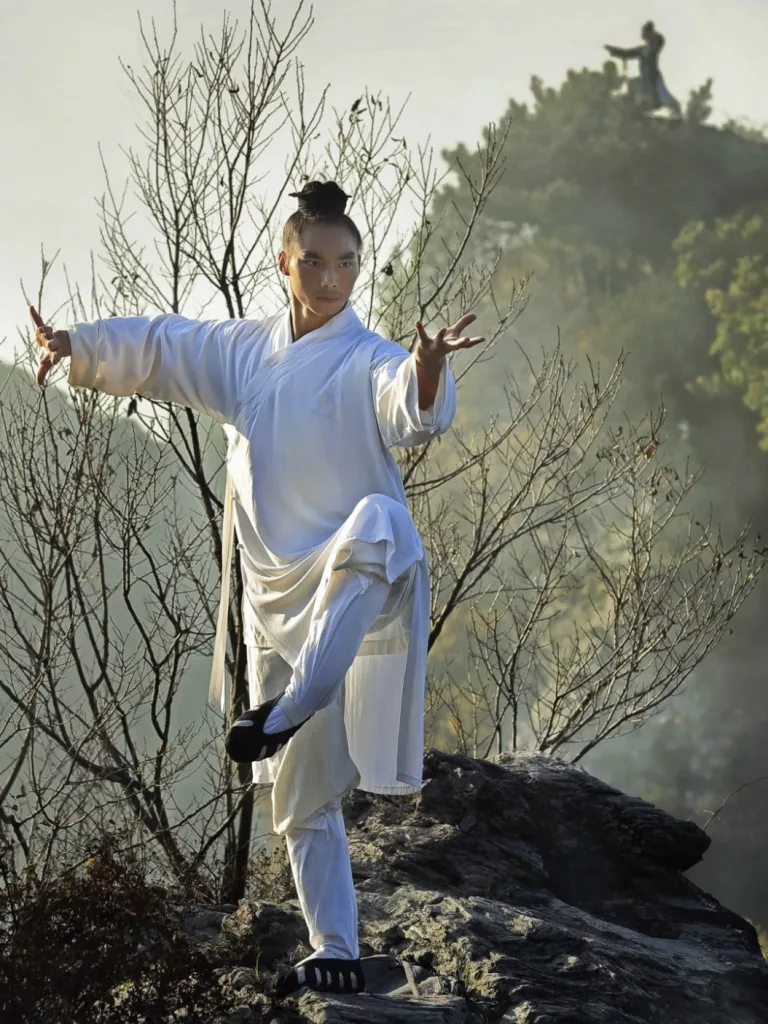
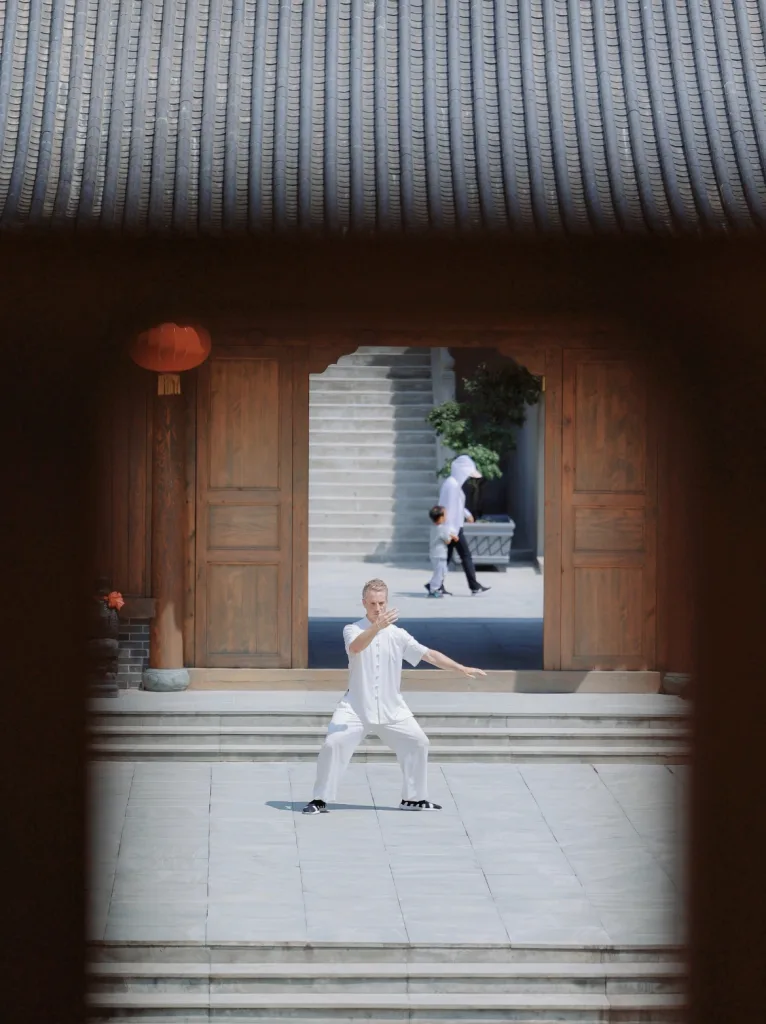
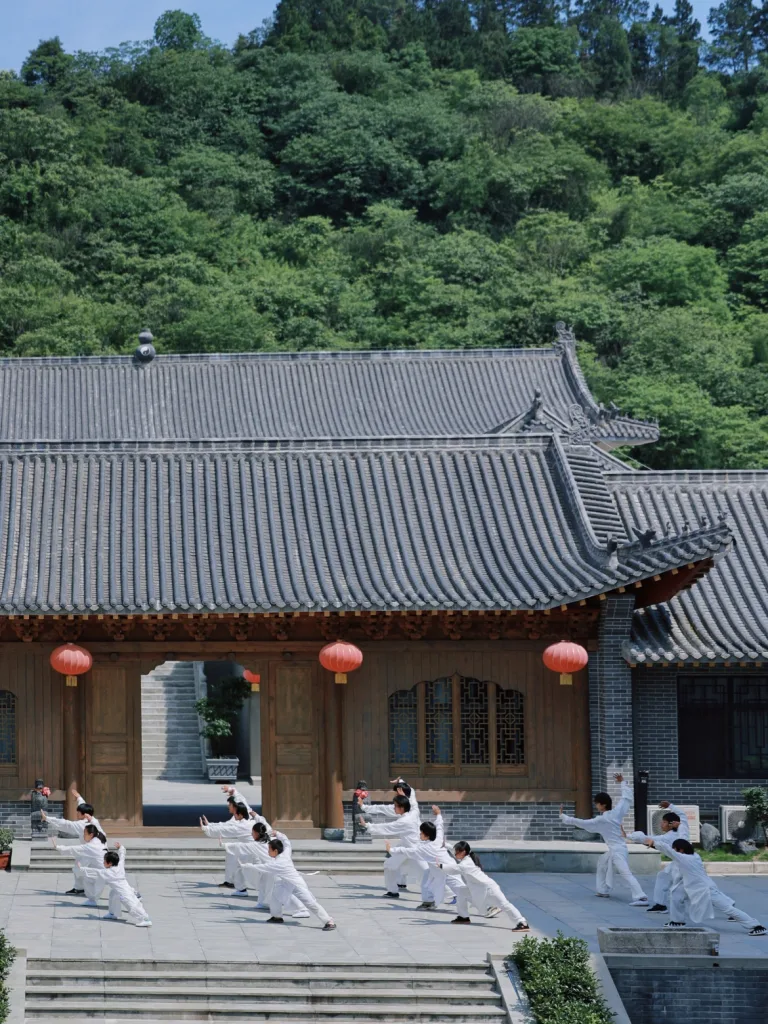
Style Characteristics: Wudang Kung Fu adheres to the principles of overcoming strength with softness and using stillness to respond to movement. It places great emphasis on internal energy cultivation. Tai Chi, a famous form of Wudang Kung Fu, features smooth, continuous movements. Every gesture contains profound Taoist philosophical ideas, achieving the effect of using minimal effort to defeat a powerful opponent through its gentle motions.
Corresponding Attractions: Wudang Mountain in Hubei, with its magnificent scenery, is a Taoist holy land that complements the Wudang Kung Fu culture perfectly. The imposing Zixiao Palace and other buildings stand as testaments to the area’s significance. In the morning, visitors can observe Taoist priests practicing Wudang Kung Fu, immersing themselves in the rich martial arts culture. Some Taoist temples even offer short – term Wudang Kung Fu study courses for the more adventurous.
Emei Martial Arts – Emei Mountain in Sichuan
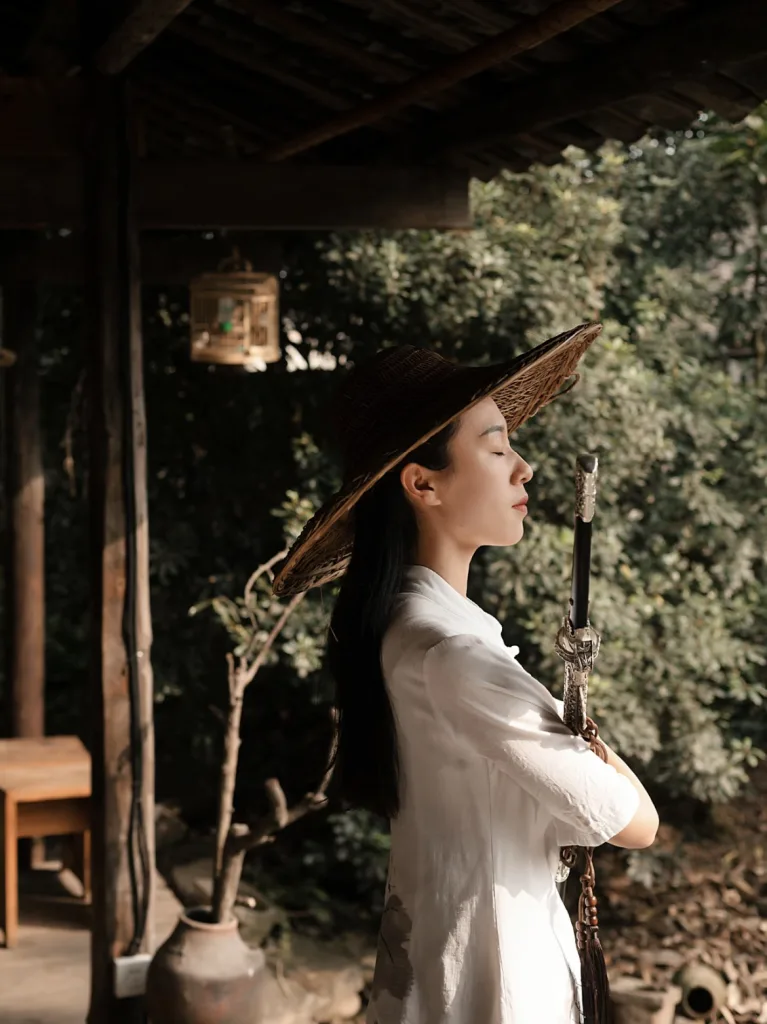
Style Characteristics: Emei Martial Arts have a distinct style. In terms of techniques, they focus on agility of hands and feet and winning with ingenuity. The movements are nimble and full of changes. For instance, the Emei Sword technique is light and elegant, with sharp and swift sword strikes, vividly demonstrating the agility of Emei Martial Arts.
Corresponding Attractions: Emei Mountain in Sichuan boasts breathtaking views. Temples such as Baoguo Temple and Fuhu Temple on the mountain have deep roots with Emei Martial Arts. The Emei Mountain Scenic Area hosts martial arts cultural festivals where visitors can enjoy exciting Emei Martial Arts performances. There are also opportunities to learn simple moves from local martial arts masters.
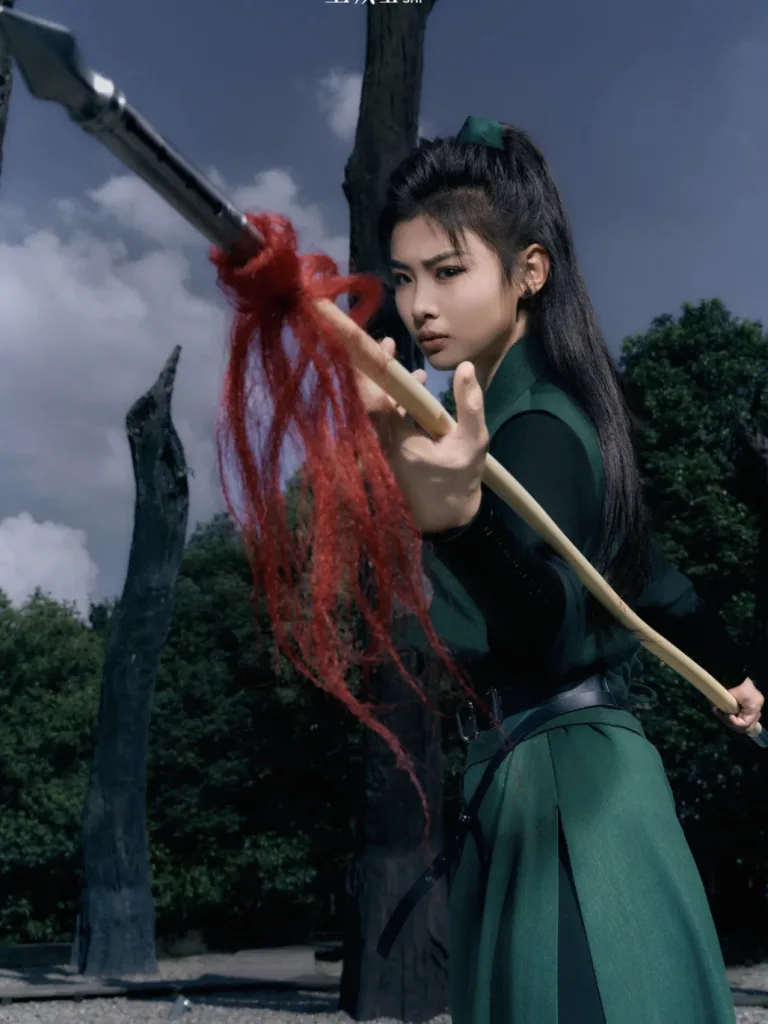
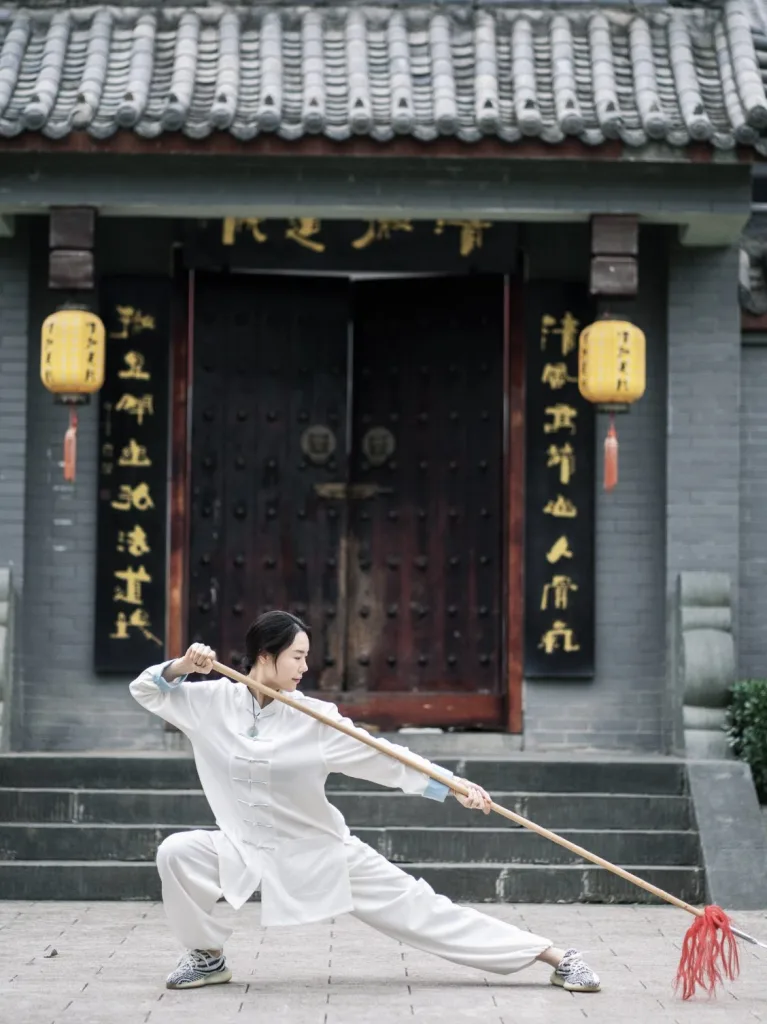
Wing Chun – Foshan in Guangdong
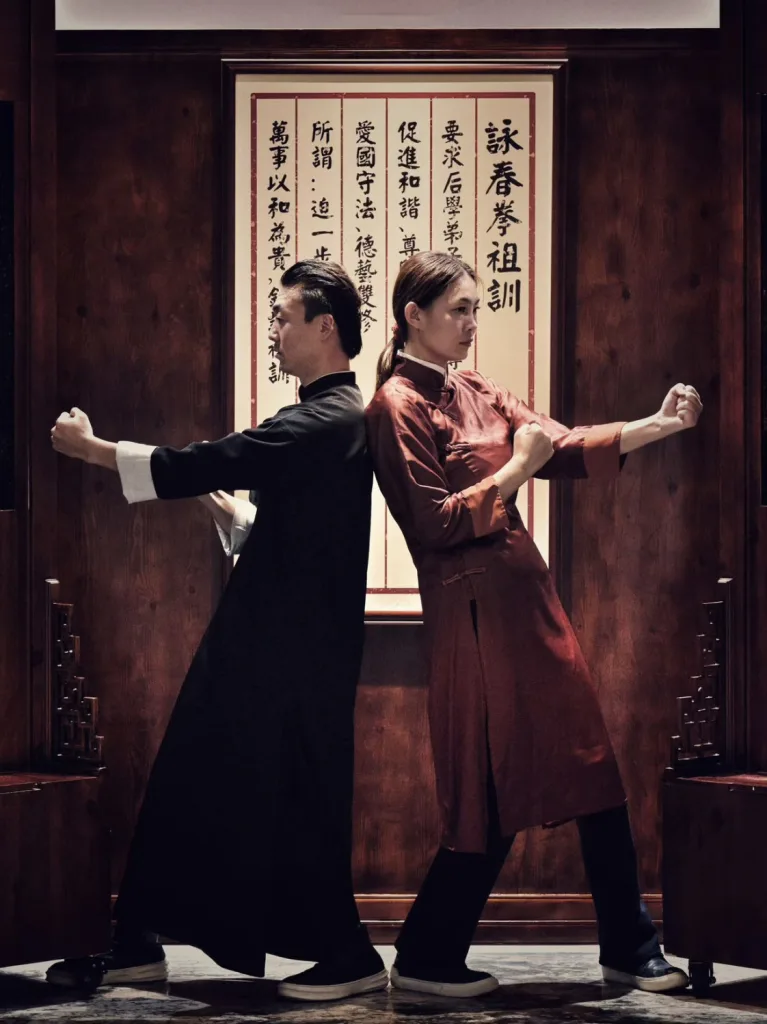
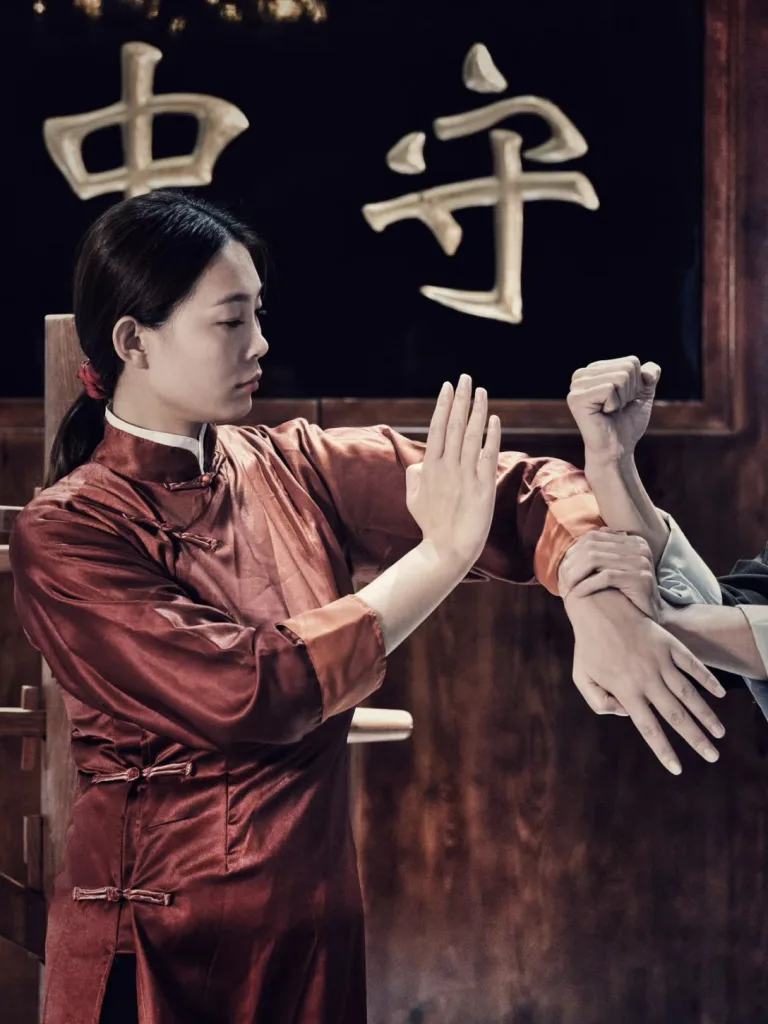
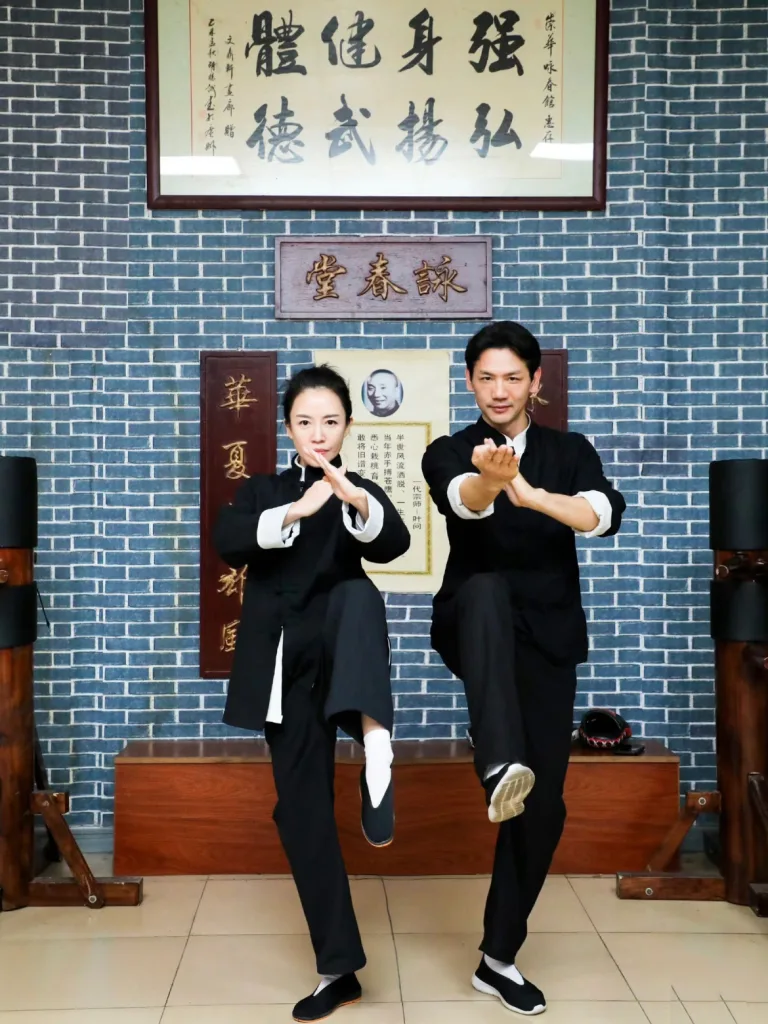
Style Characteristics: Wing Chun emphasizes close – range combat. The movements are compact and practical, generating power through short – distance strikes, with quick transitions between offense and defense. Basic techniques like “Tan, Bong, Fut” hand movements and the “Jab Punch” clearly show the effectiveness of Wing Chun in actual combat.
Corresponding Attractions: Foshan in Guangdong is an important base for the inheritance of Wing Chun. There are numerous Wing Chun martial arts schools in the city. The Ip Man Memorial Hall allows visitors to learn about the life stories of Wing Chun masters like Ip Man. Additionally, in local martial arts schools, tourists can watch Wing Chun teaching sessions and live combat demonstrations. Some schools even offer short – term Wing Chun experience courses for those eager to learn.
Chinese Kung Fu is not merely a means of physical training or self – defense; it is a precious gem that encapsulates China’s profound history and culture. We encourage you to visit these attractions closely associated with Chinese Kung Fu, immerse yourself in the charm of Kung Fu culture, and if possible, try your hand at learning some moves. This way, you can truly appreciate the depth and breadth of Chinese Kung Fu.