Timeless Elegance: The Continuum of Chinese Architecture

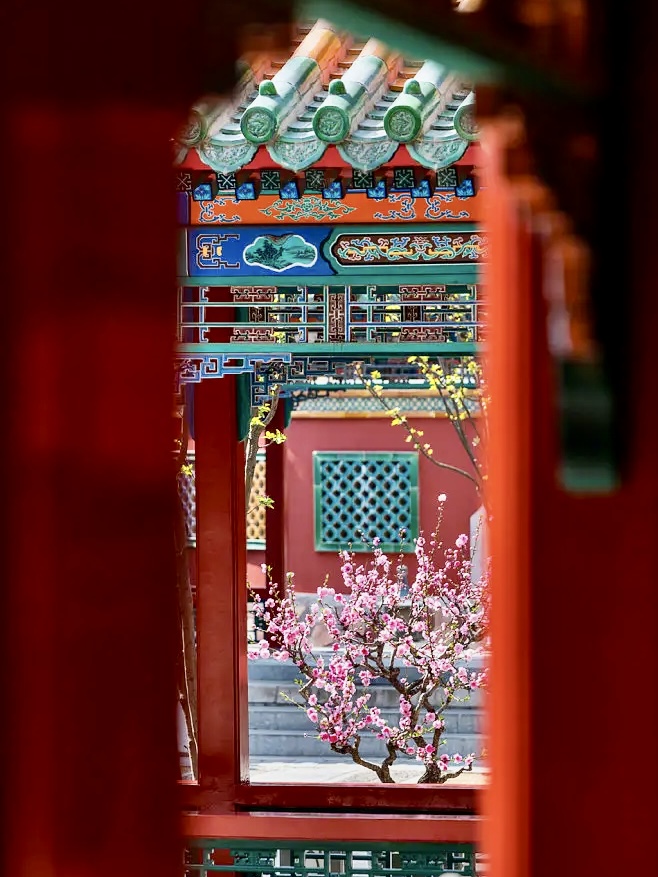
Architectural Masterstrokes: Chinese Structures and Their Significance
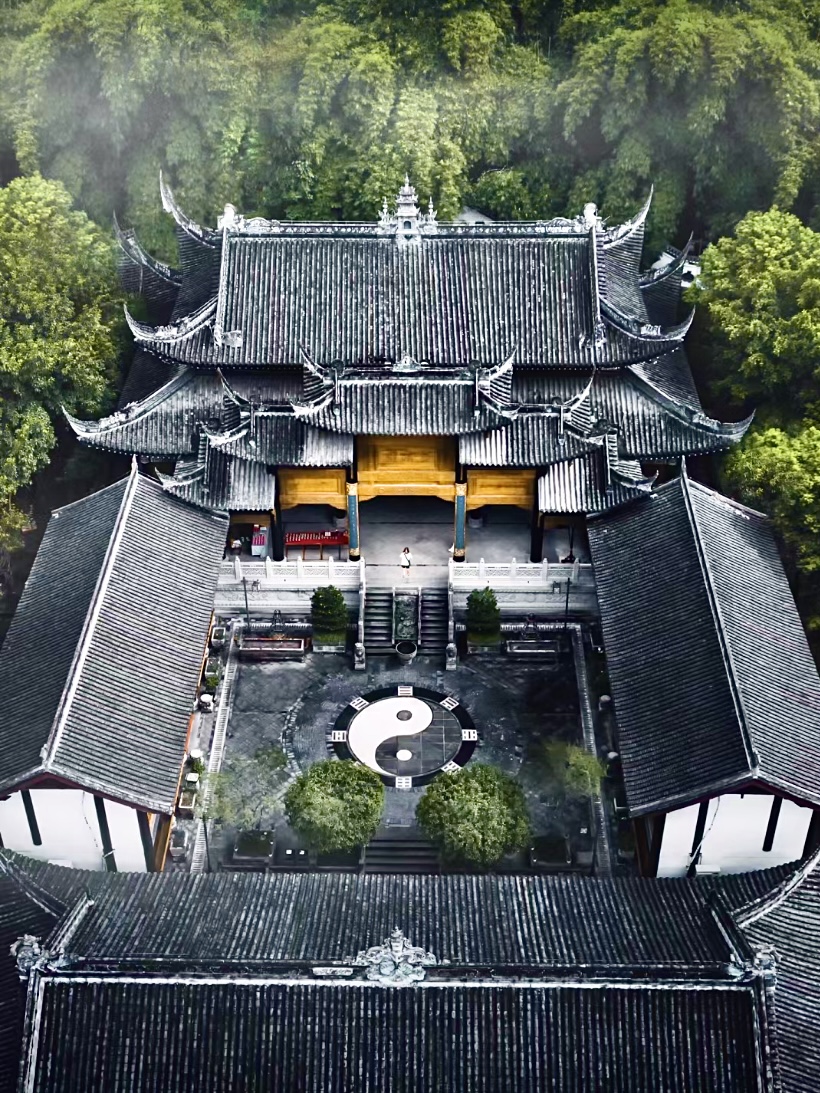
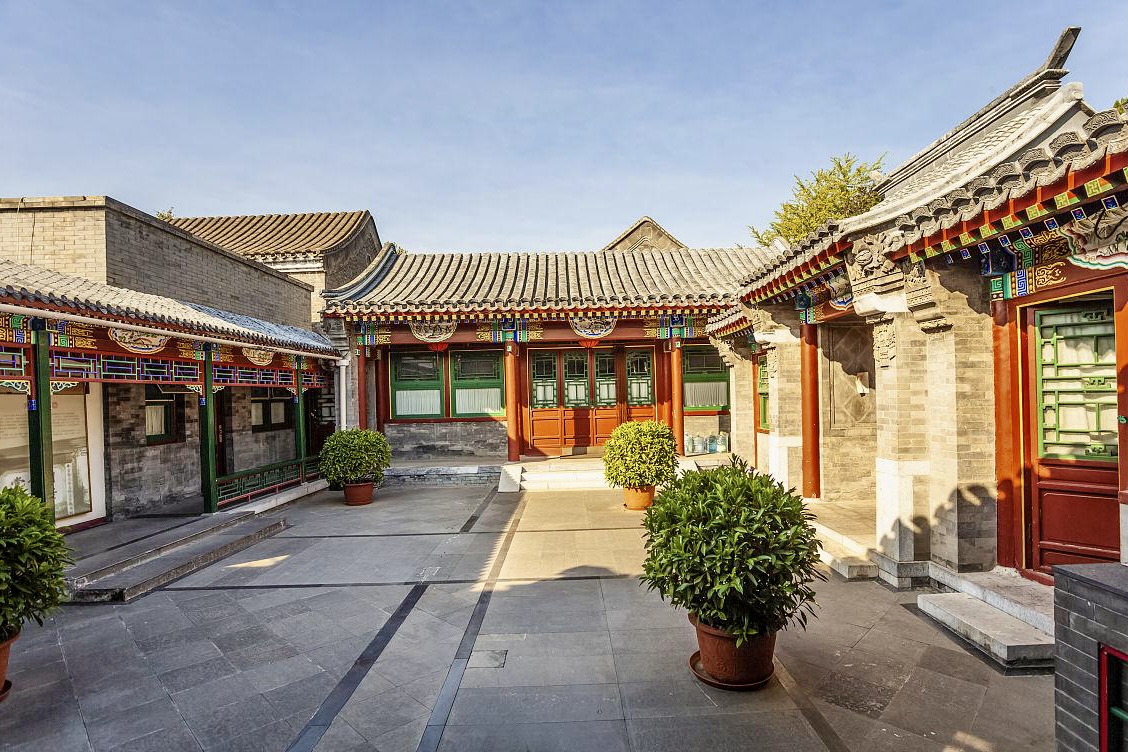
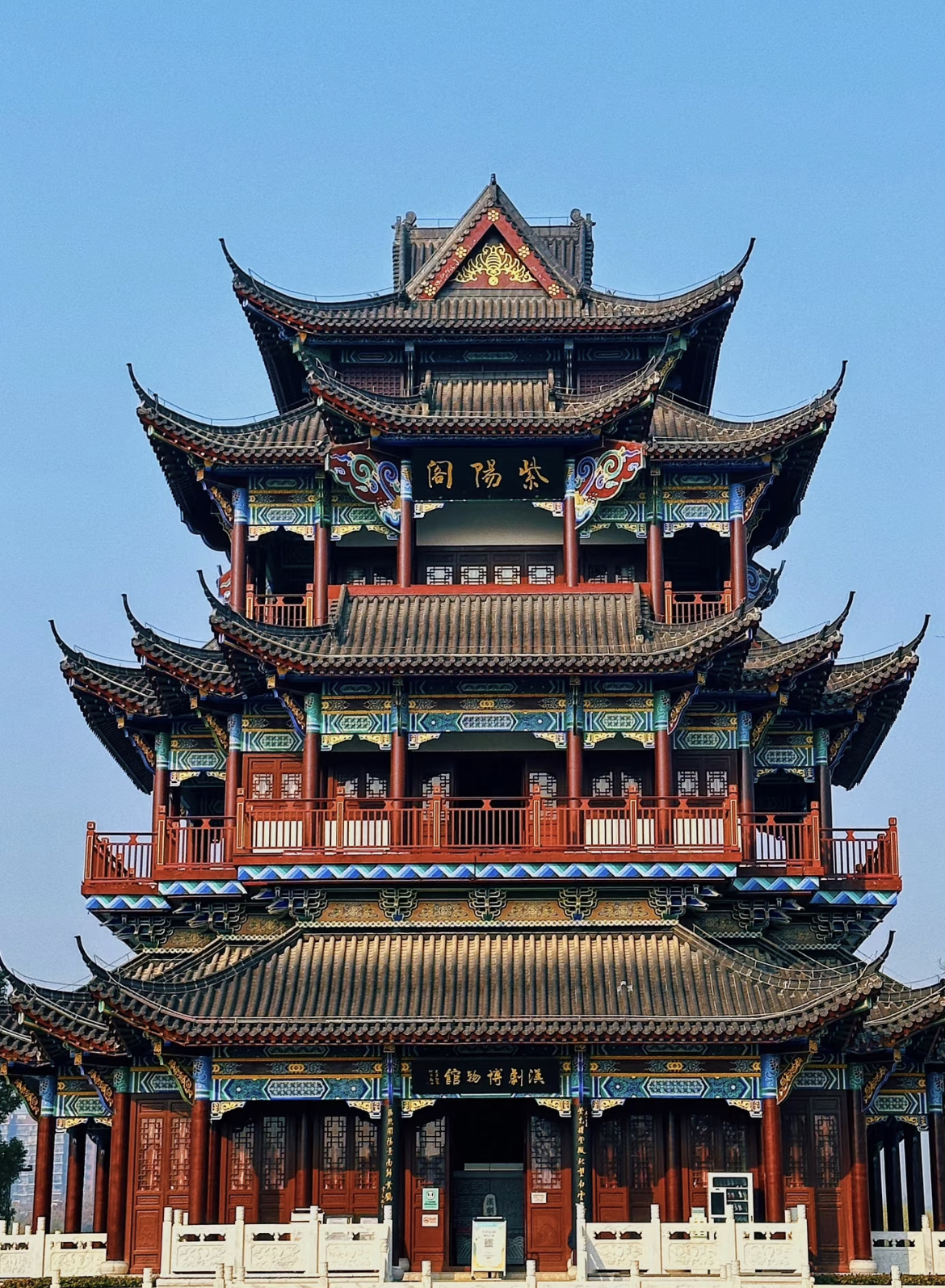
Balanced Symmetry: Central to Chinese architecture is the principle of balance and bilateral symmetry, symbolizing harmony. Whether in a sprawling palace or a modest farmhouse, symmetry is ever-present, creating a harmonious architectural language.
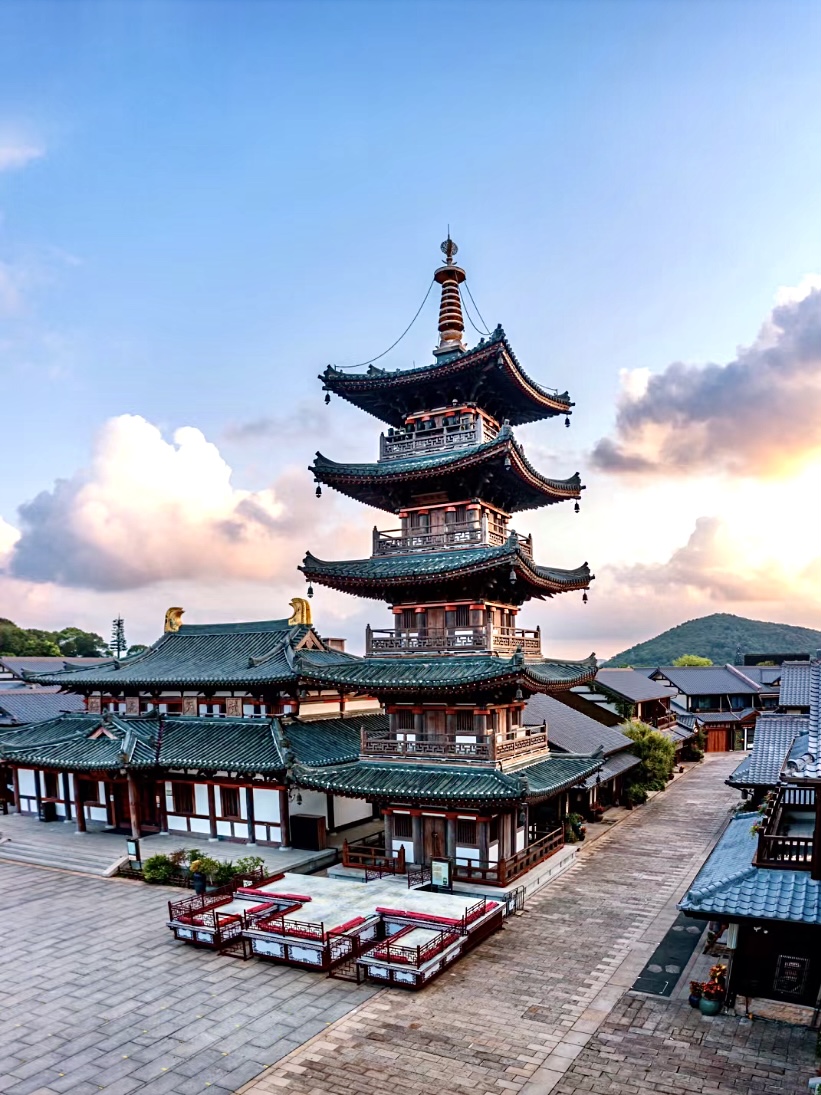
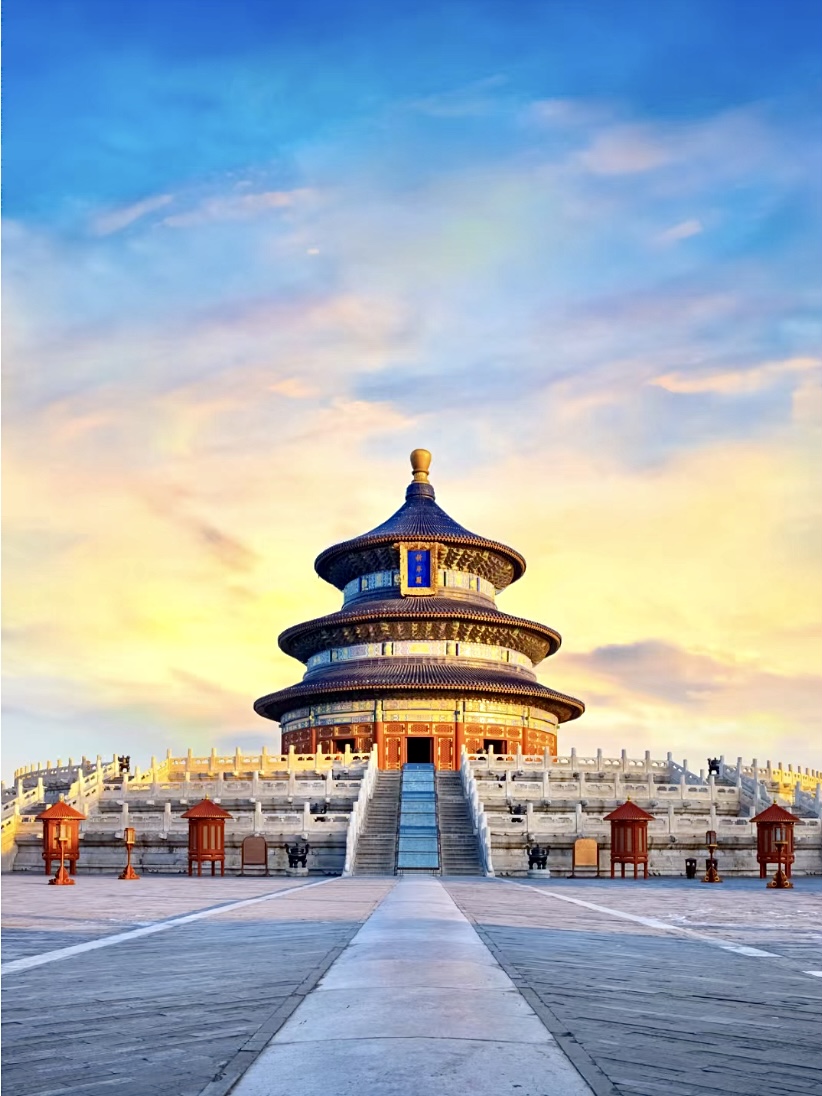
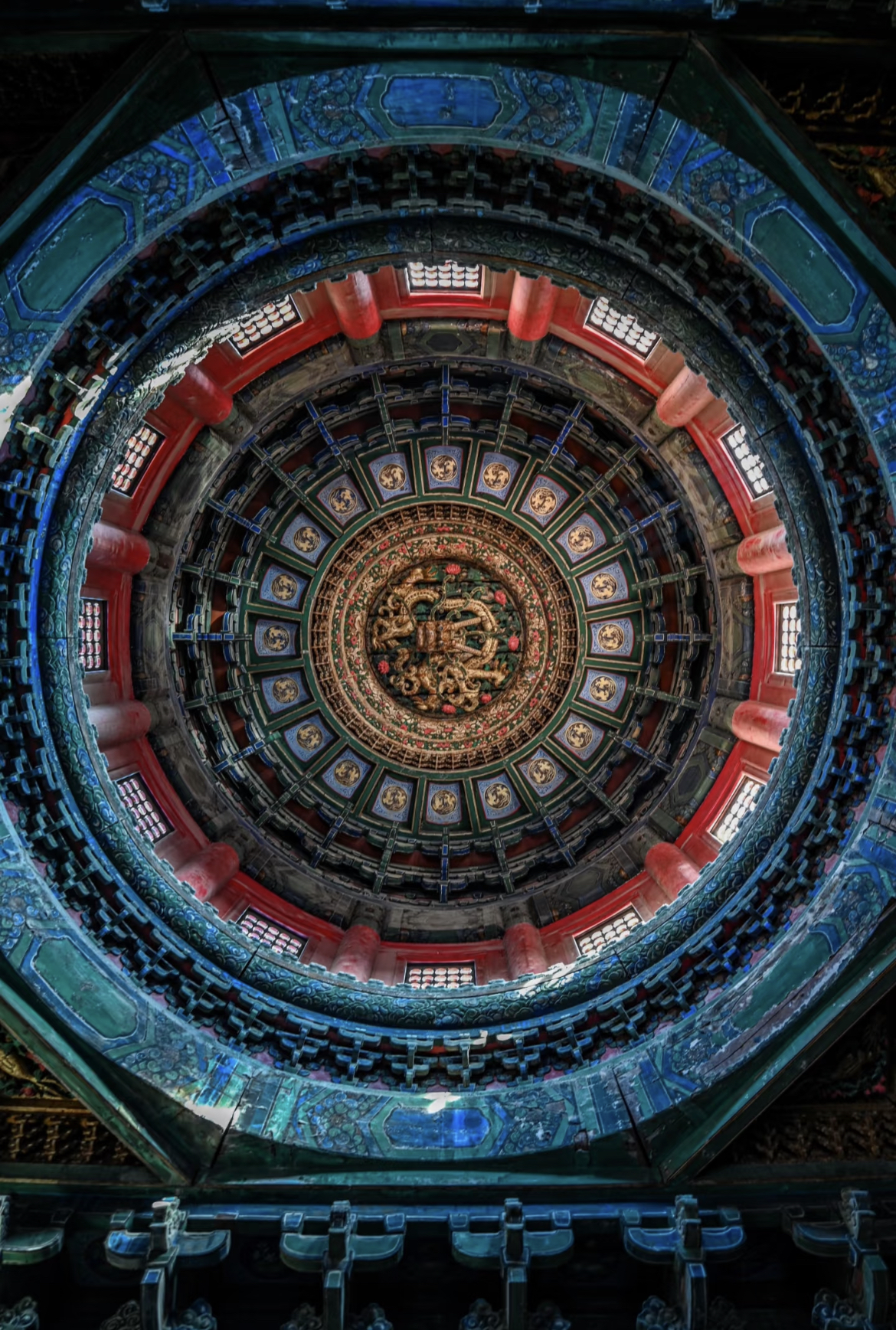
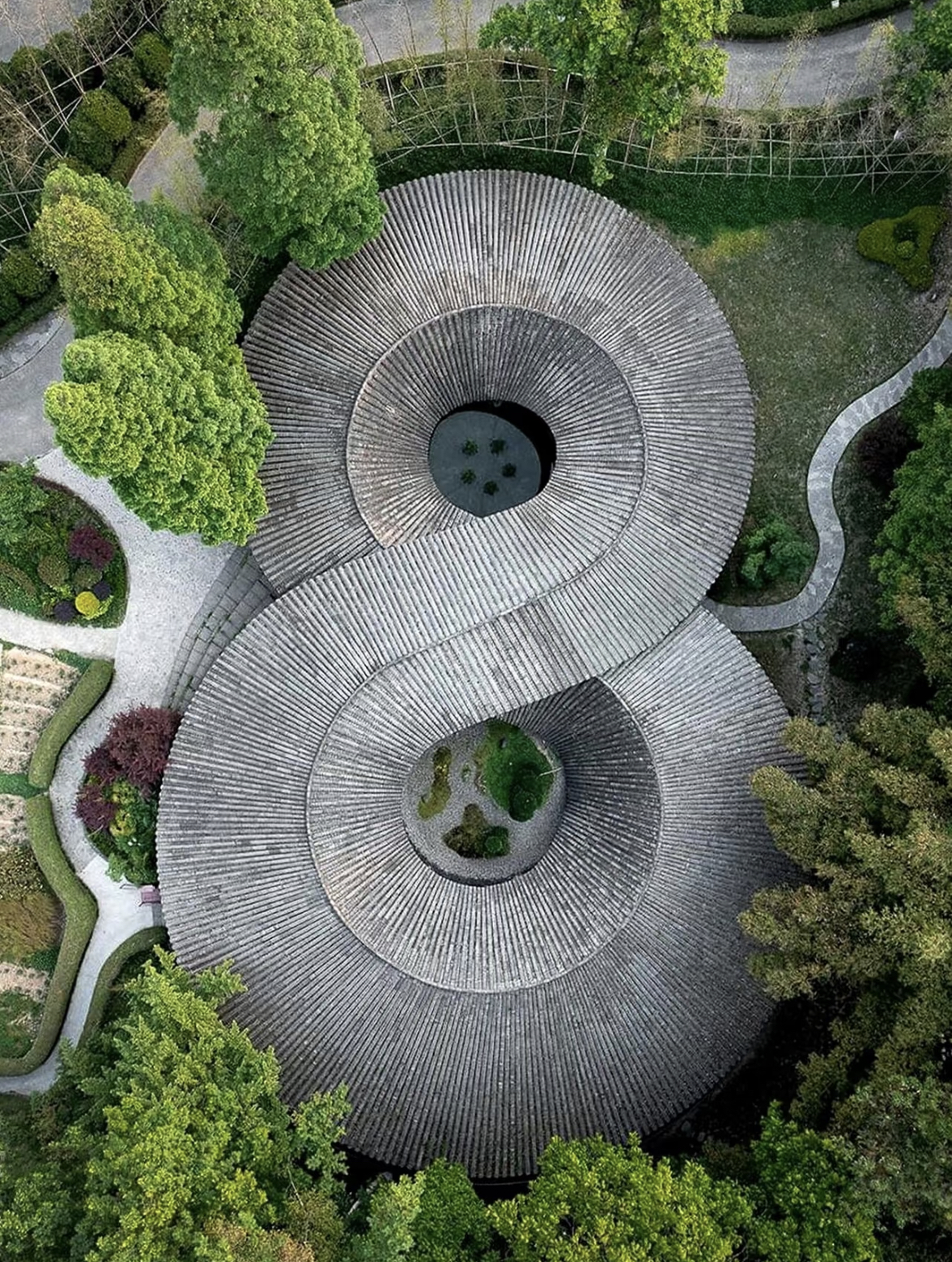
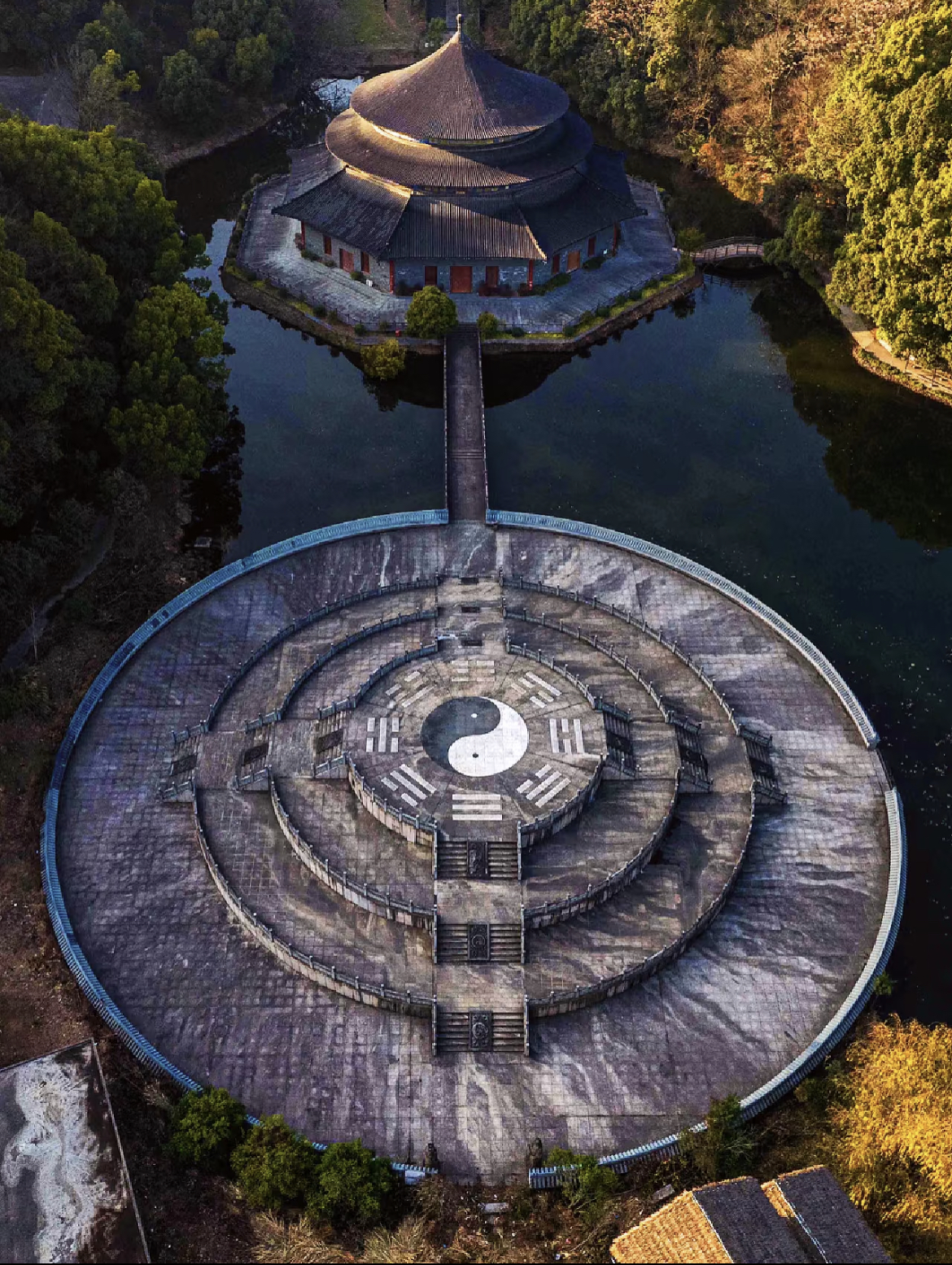
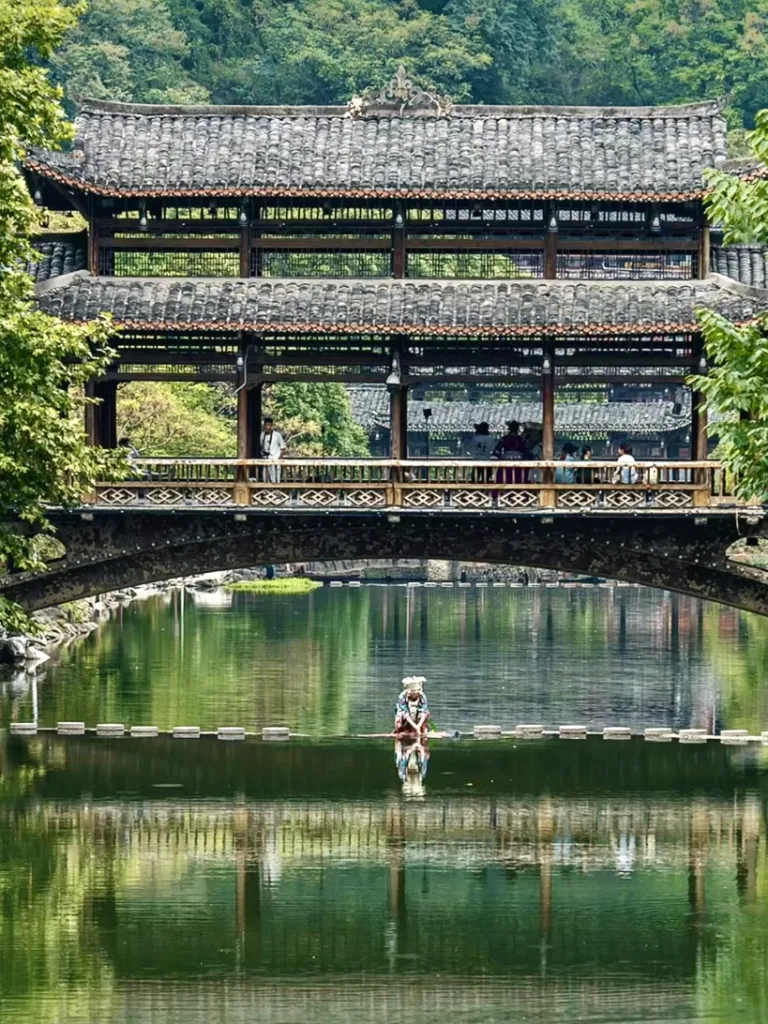
Embrace of Nature: Chinese gardens, in contrast to structured buildings, celebrate asymmetry. Their designs, deeply rooted in the concept of unity between man and nature, often incorporate flowing water and strategically placed stones. Such gardens are not just an oasis of serenity but also echo the Yin-Yang philosophy.


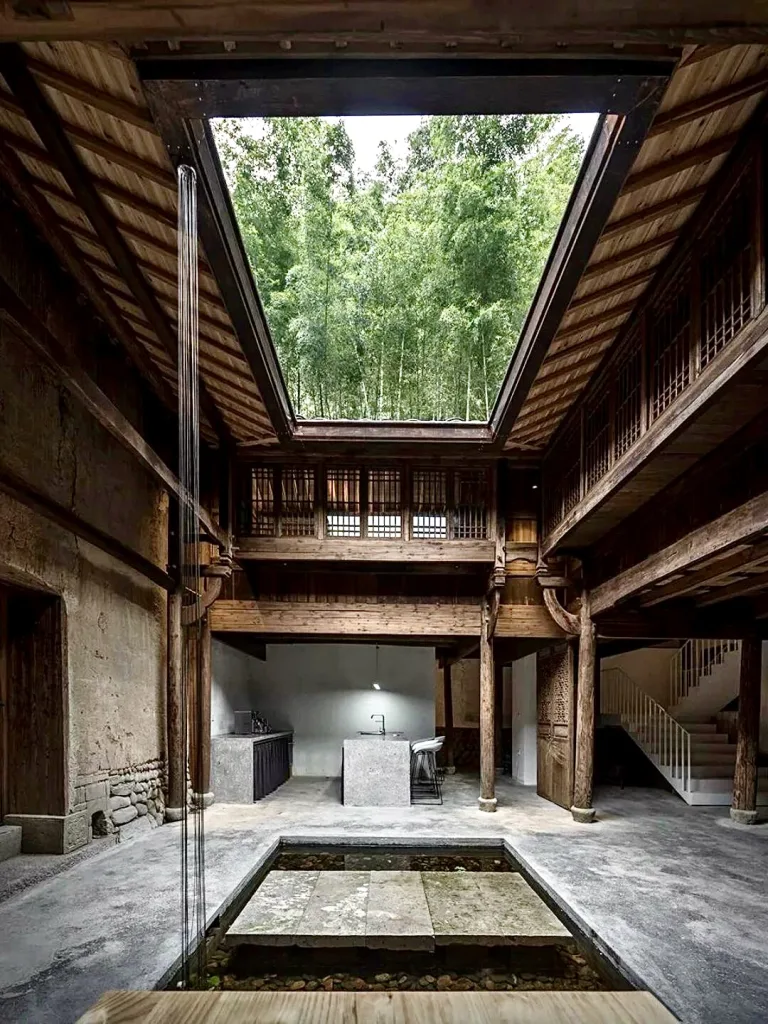
Enclosed Openness: Chinese structures often embrace open spaces. Two main types are:
Courtyards: Open spaces enclosed by interconnected buildings or verandas, typical of the Siheyuan design.
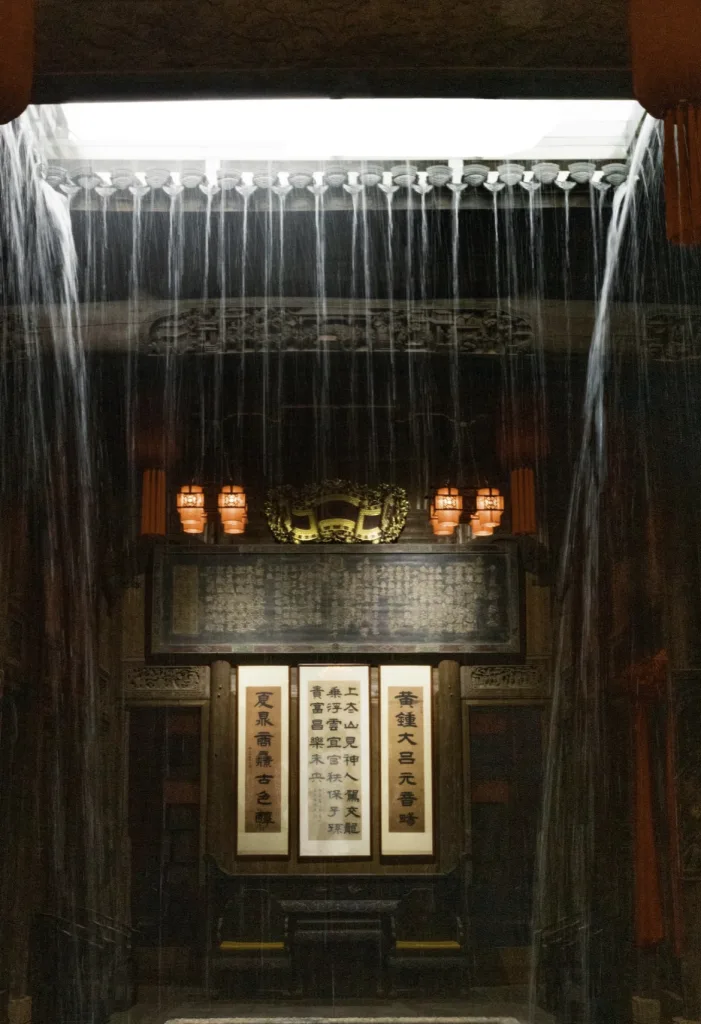
Sky wells: Enclosed spaces, common in southern China, allowing a small aperture to the sky and are essential for ventilation and temperature moderation.

Architectural Priorities
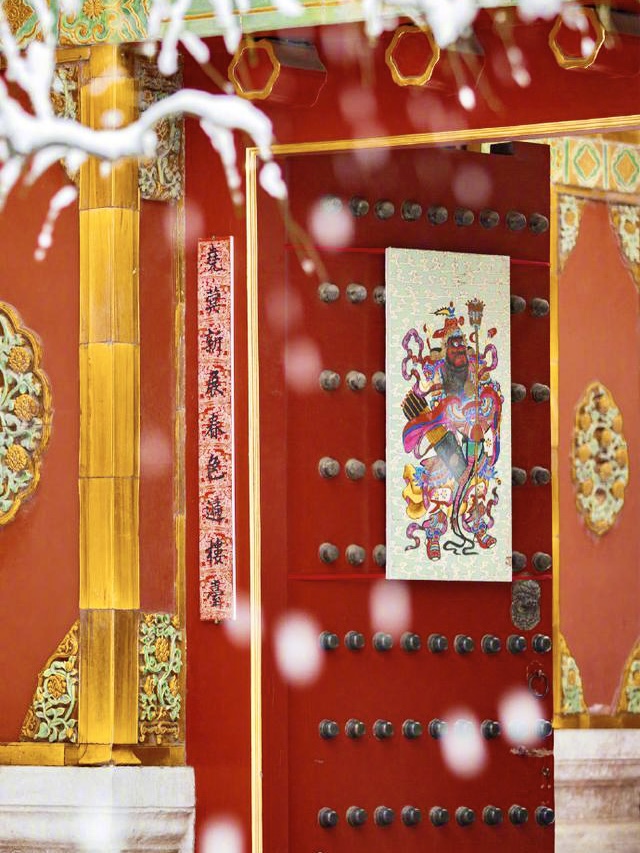
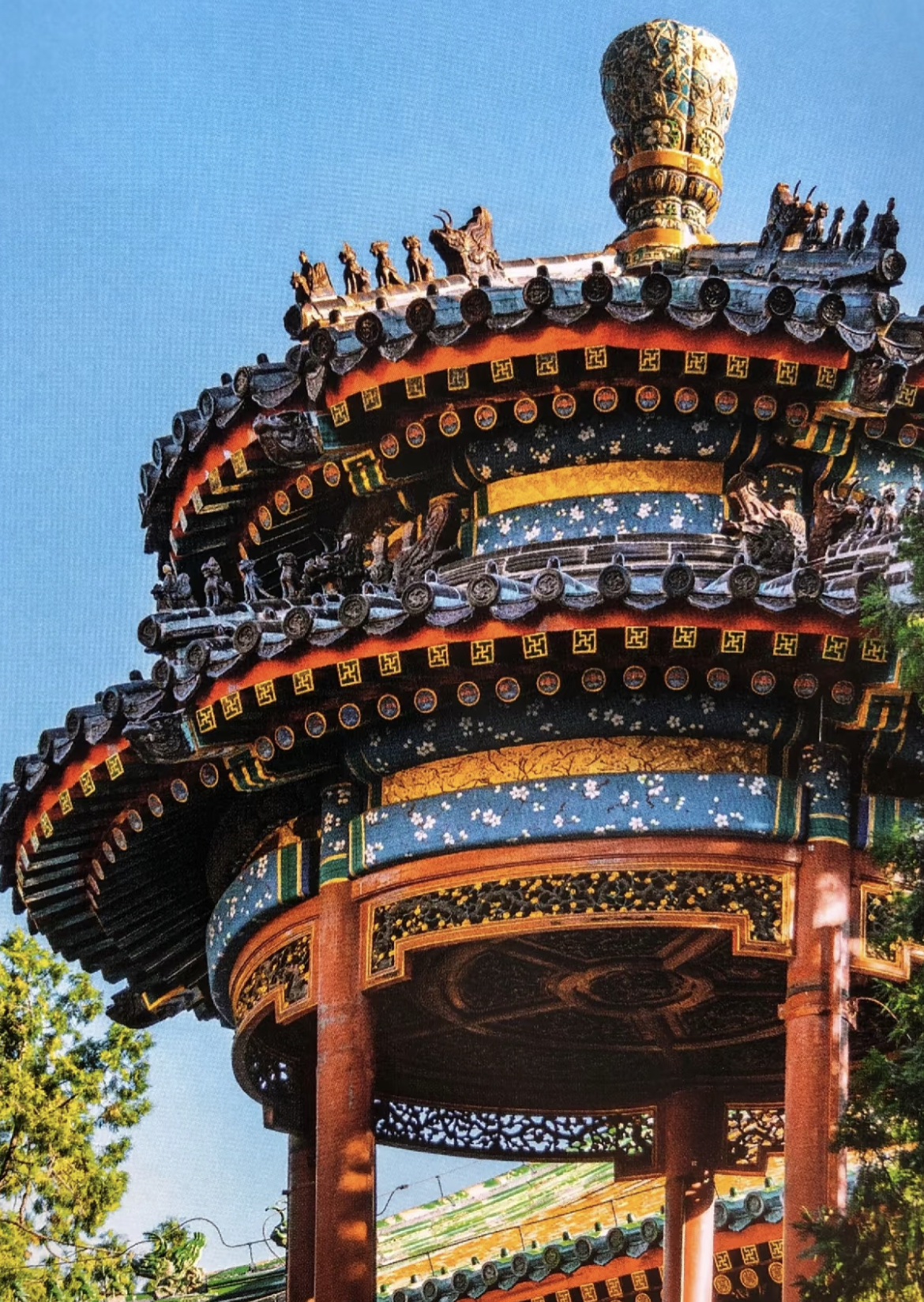
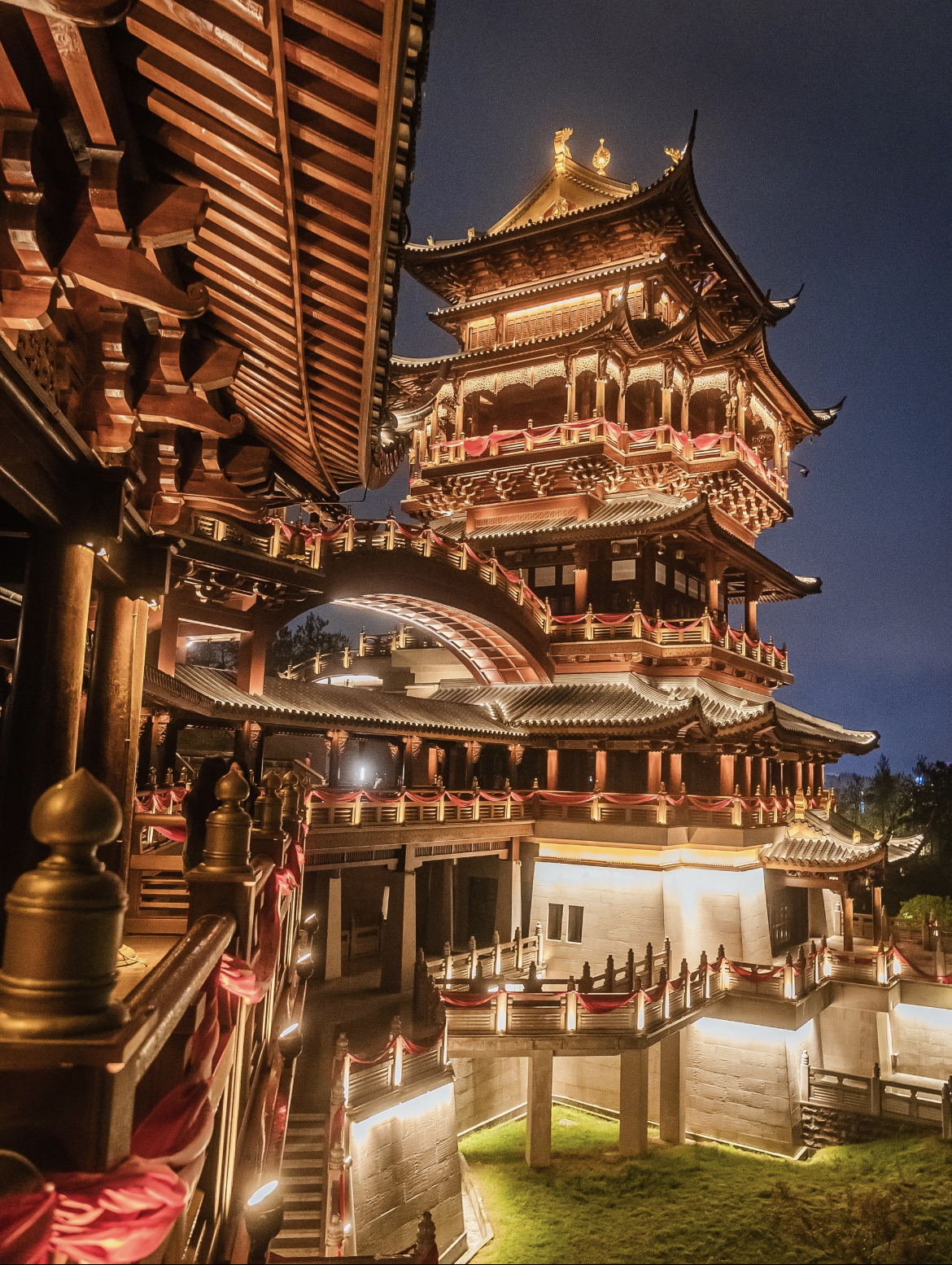
A vivid portrayal from a tomb mural in Xinzhou, hailing from the Northern Qi era (550–577 AD), unveils a hall adorned with tiled roofs, elaborate dougong brackets, and towering doors furnished with colossal knockers, perhaps crafted from bronze. The meticulous alignment of buildings within a property in Chinese architecture mirrors a well-defined hierarchy and significance. Structures that directly face the property’s entrance command greater importance than those positioned sideways, with the least significant ones facing away.
Reserved for the revered elders or to honor ancestral spirits, the south-facing structures, located in more secluded regions of the property, bask in abundant sunlight and hold a special place of esteem. In contrast, the east and west-facing buildings are earmarked for the younger members or different branches of a family. Meanwhile, buildings closer to the entrance typically house servants and other hired personnel.
Celebratory rites find their space in the buildings that face forward but are located towards the rear of the property. This is also where the ancestral halls and plaques are prominently placed. In expansive properties with multiple courtyards, the central courtyard and its adjoining buildings enjoy precedence, while peripheral structures are often relegated to mundane uses like storage, servant quarters, or kitchens.
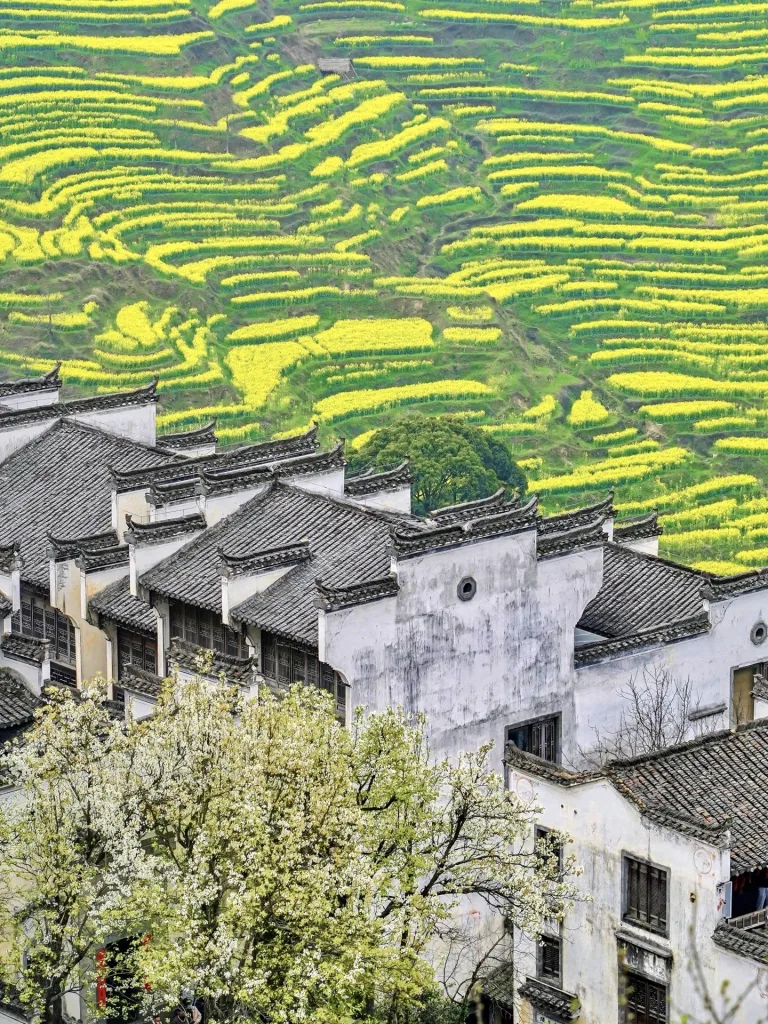
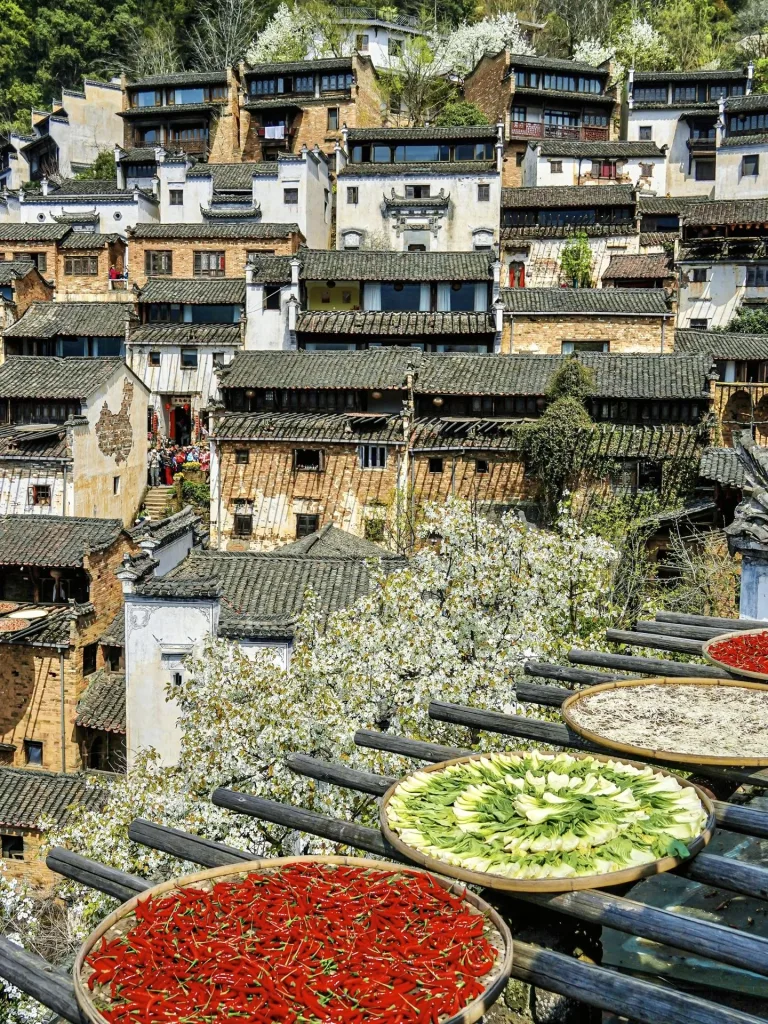
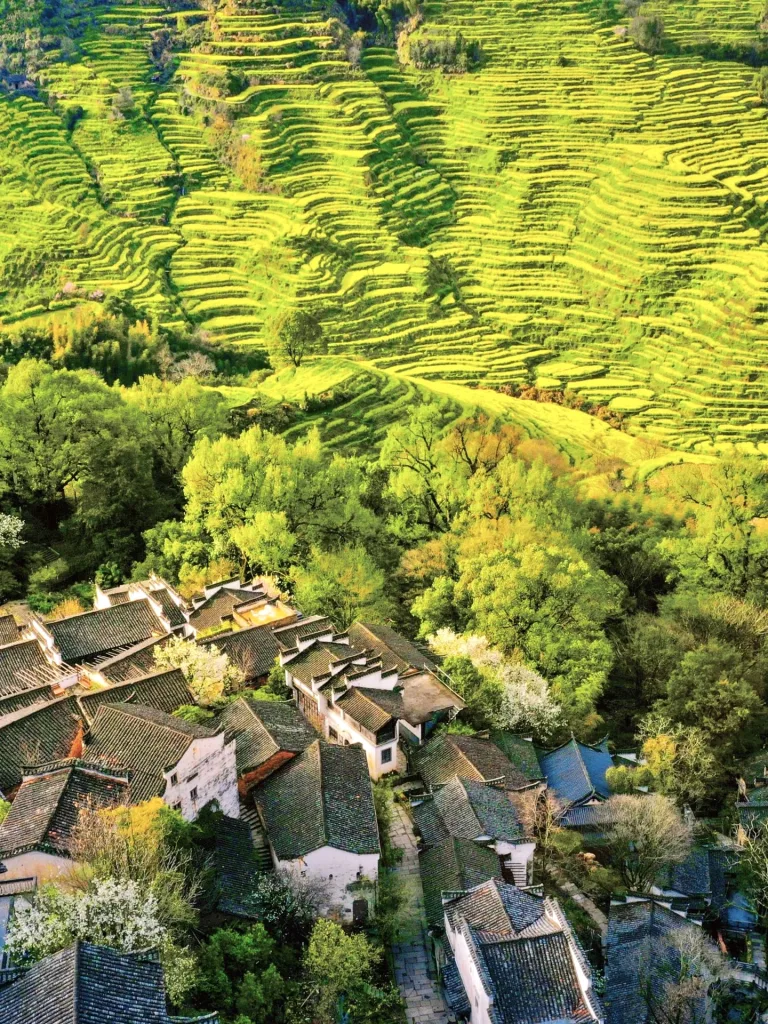
Expansive Elegance
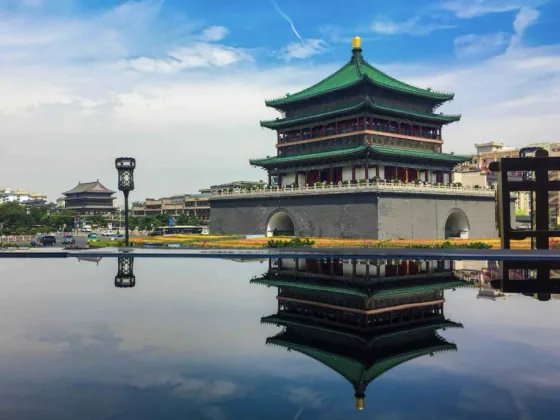
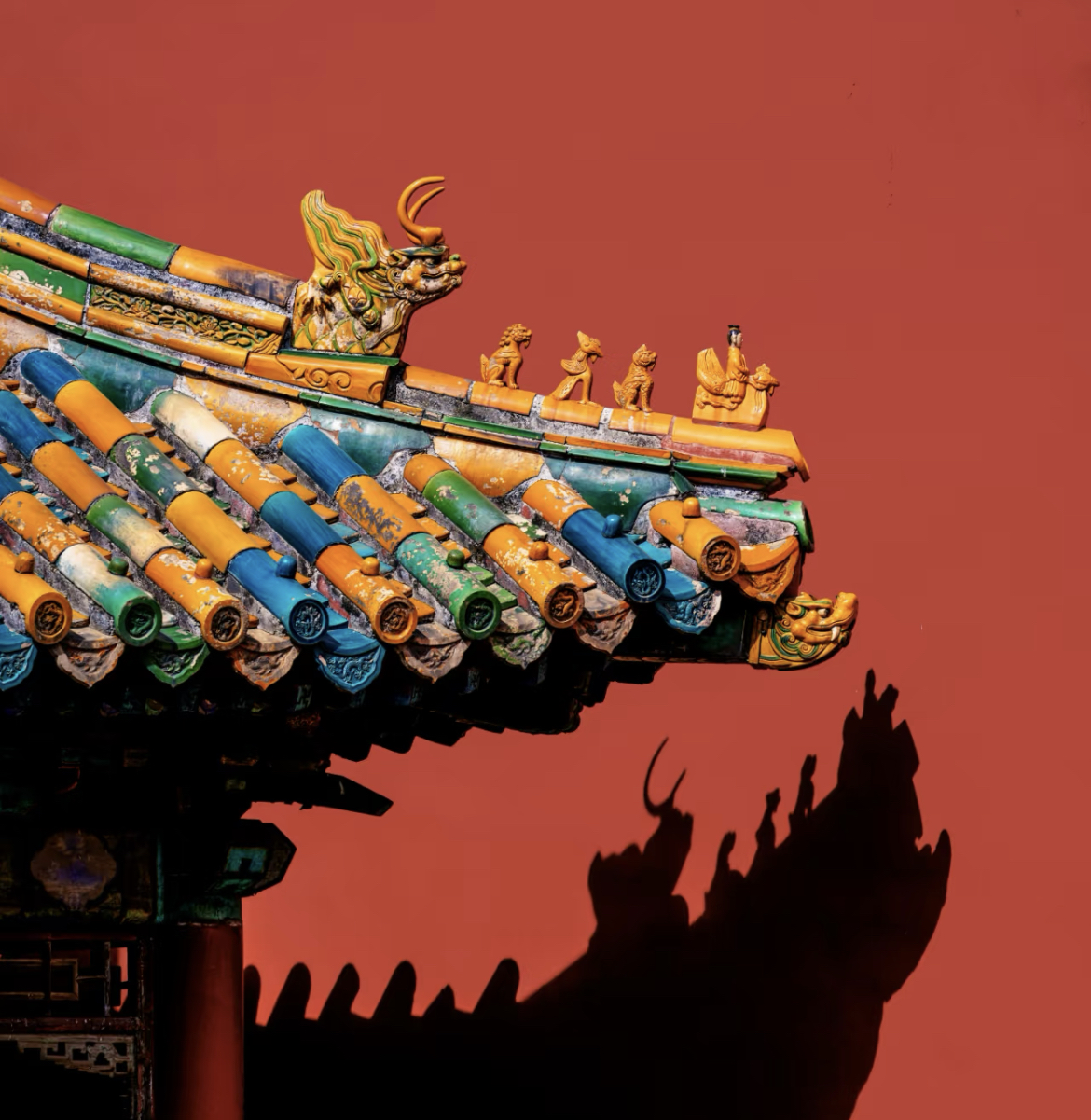
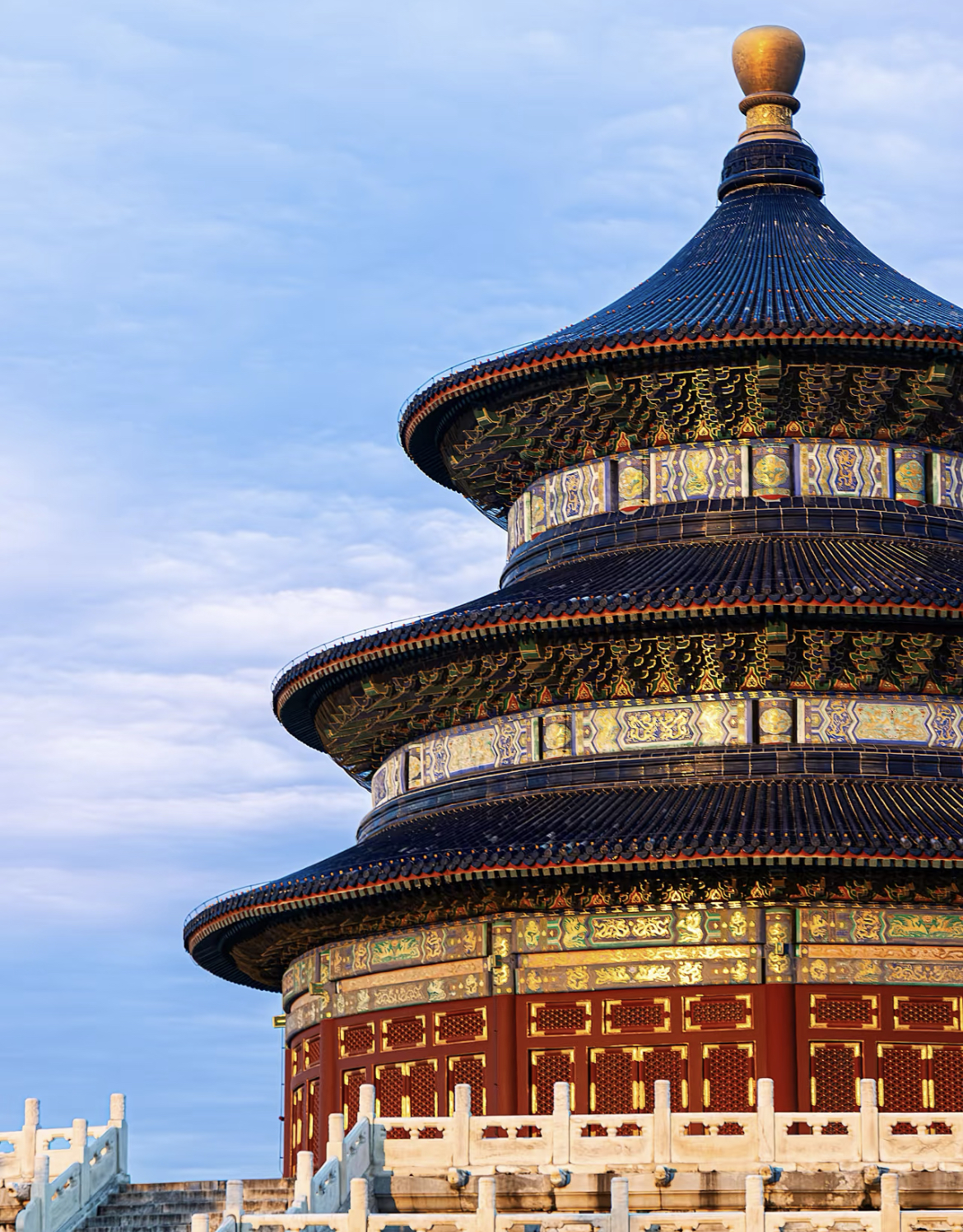
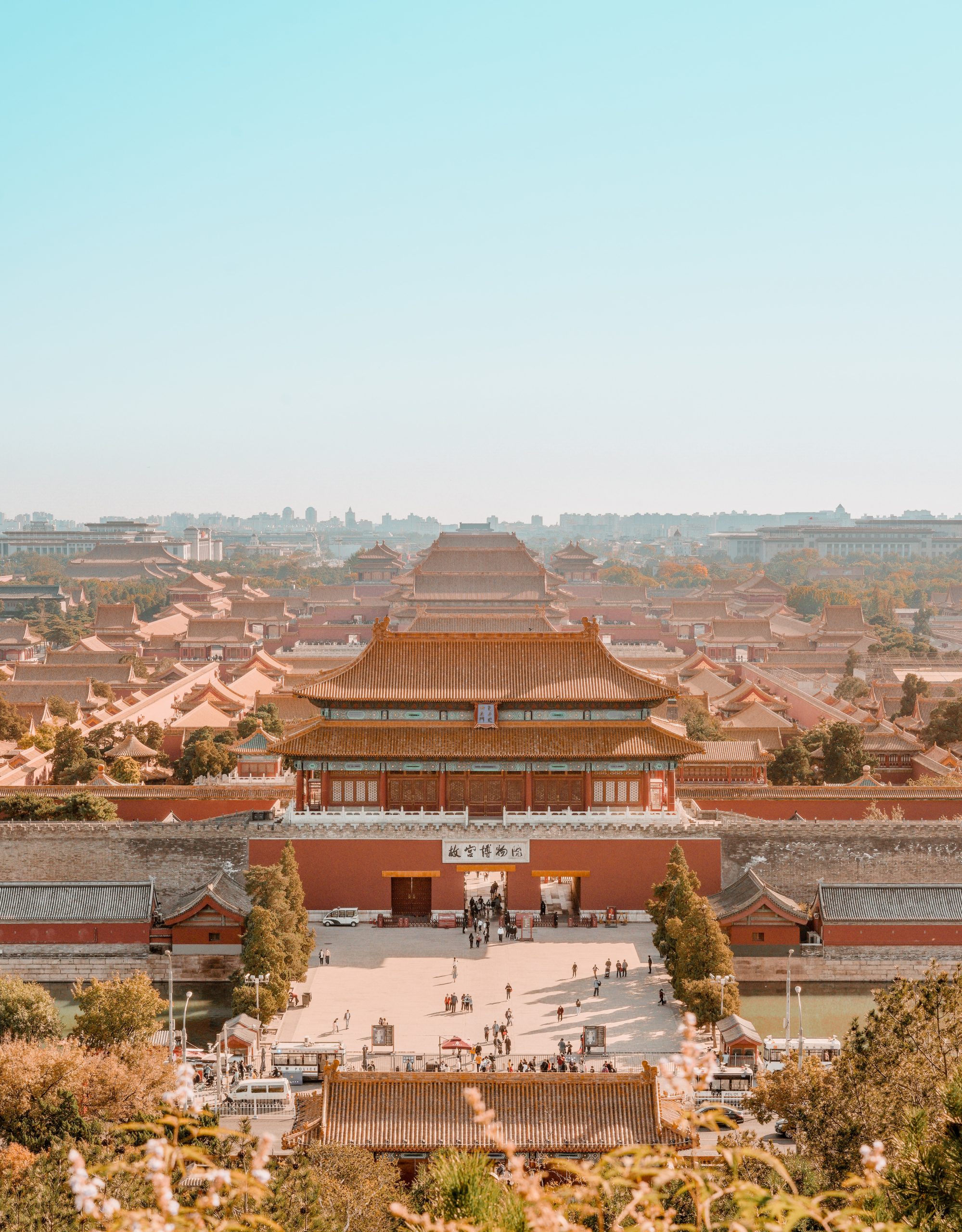
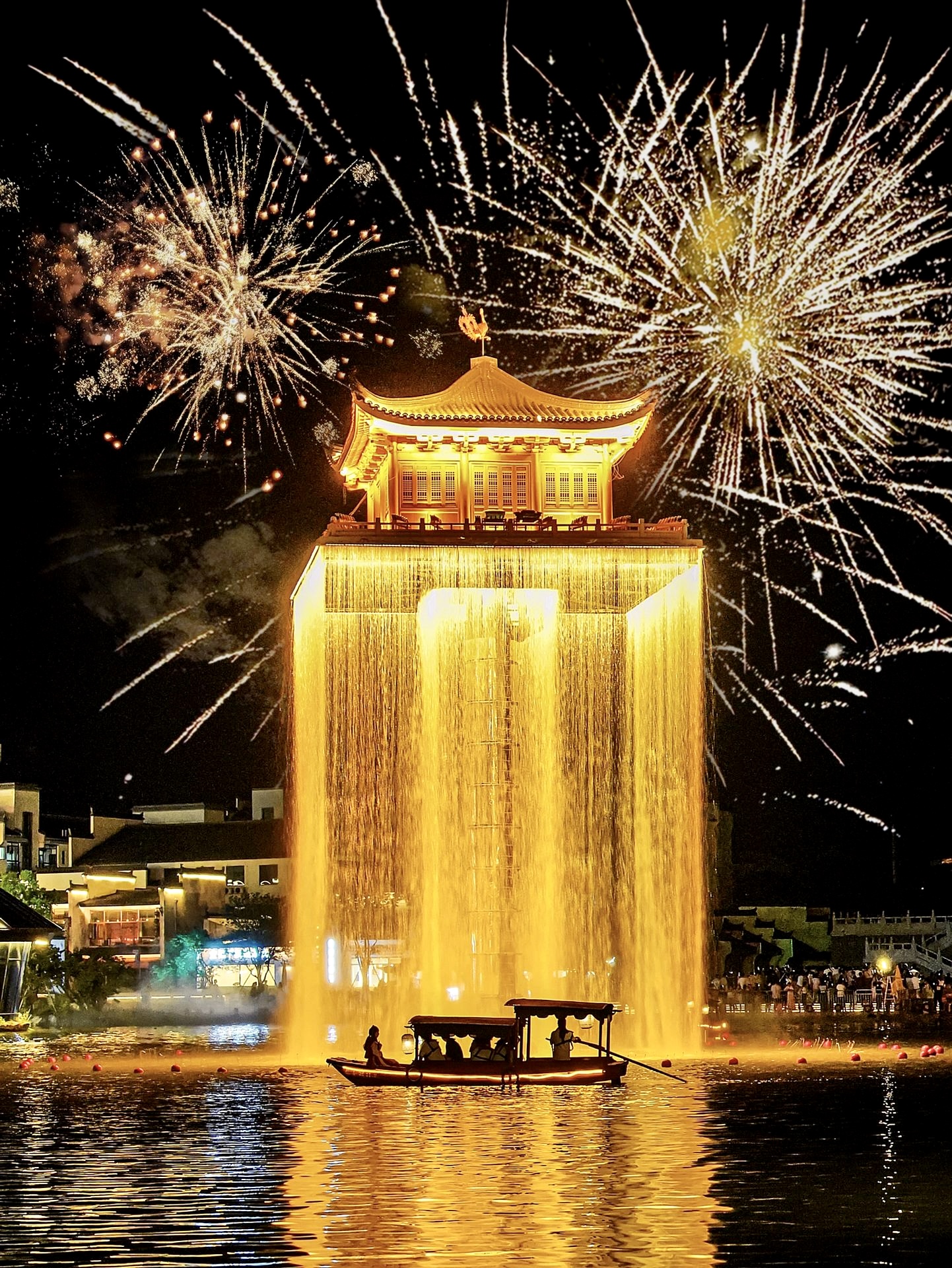
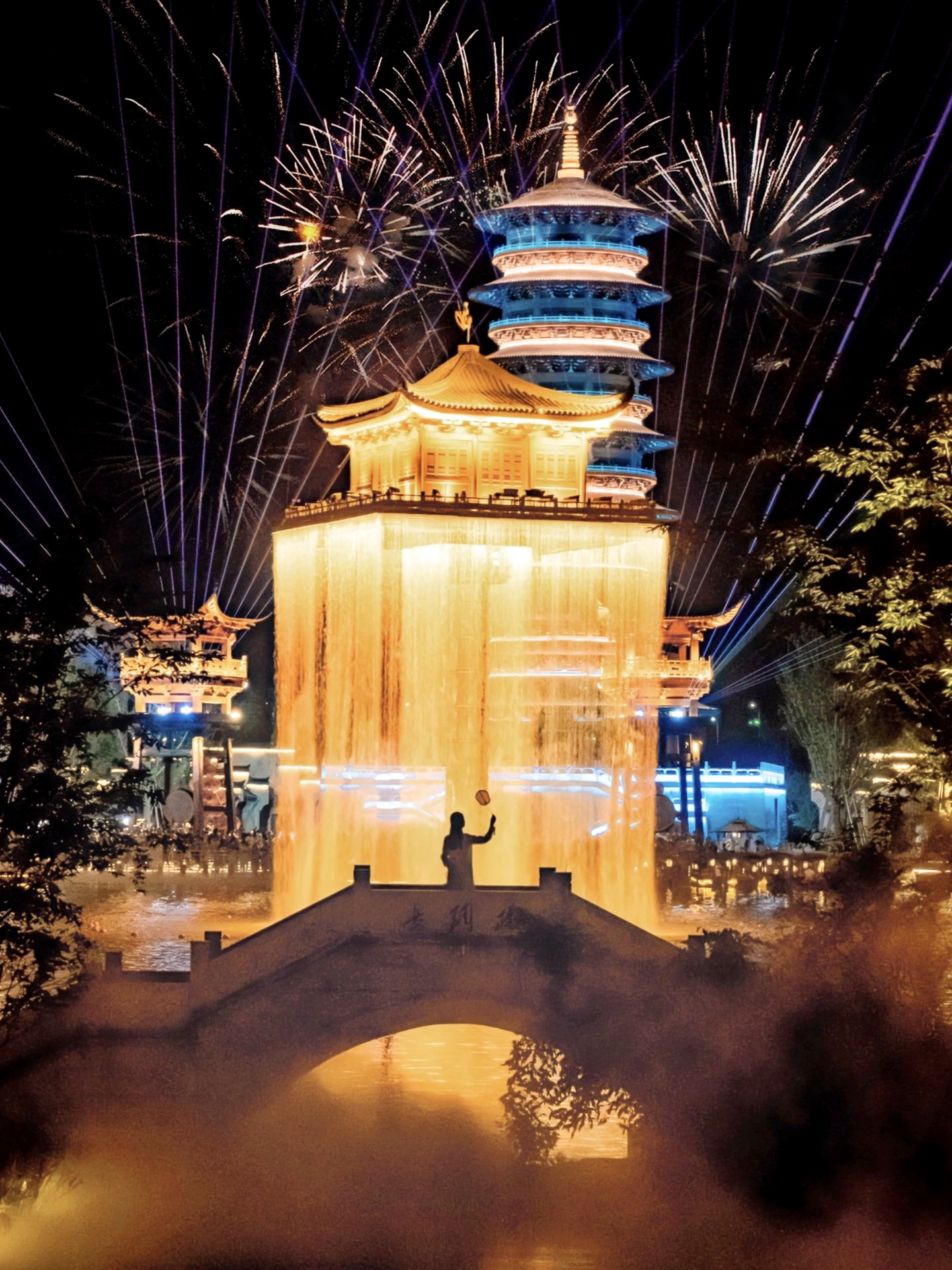
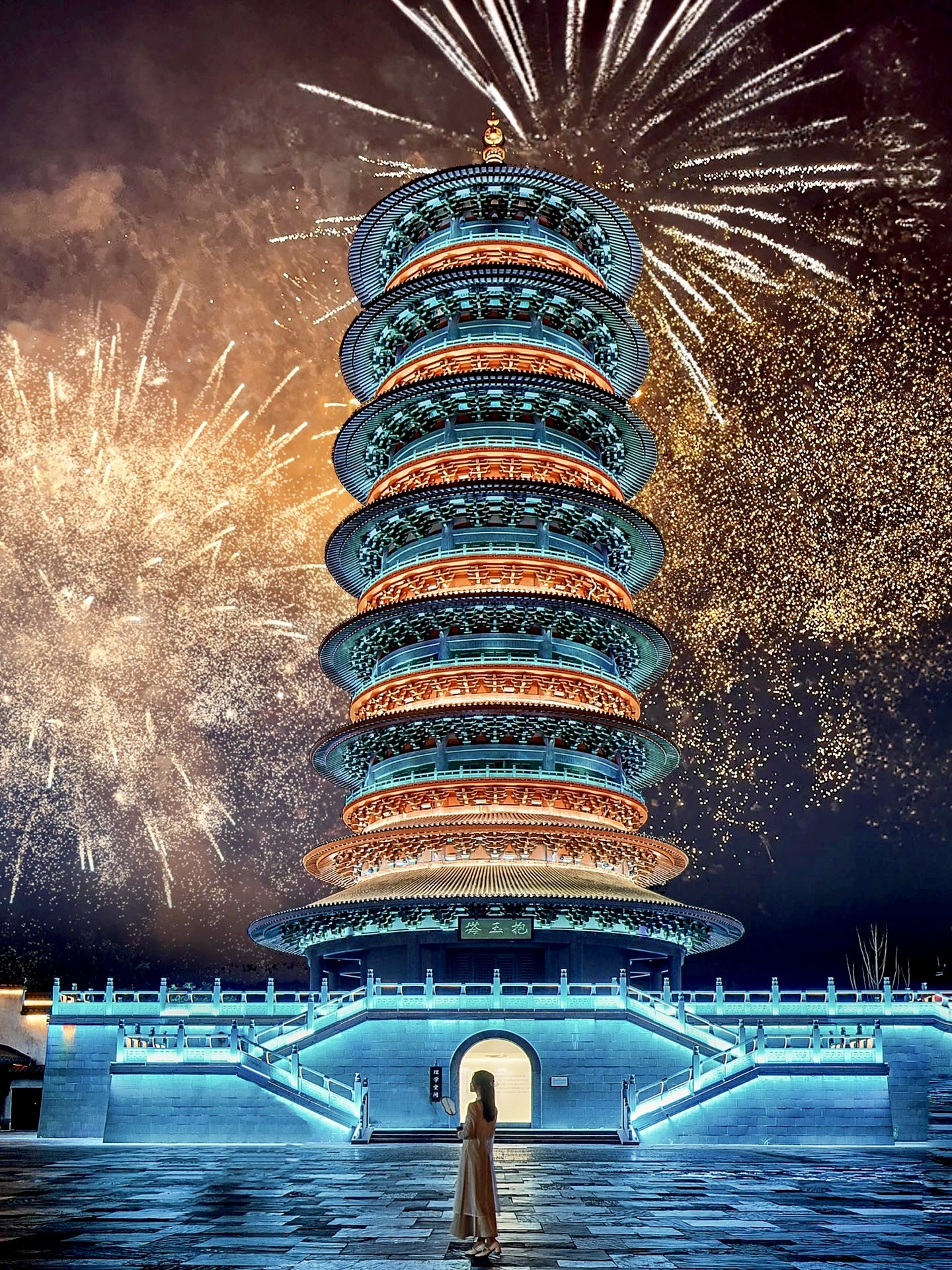
Renowned for their breadth, classical Chinese edifices, especially the residences of the affluent, elevate the sense of expansiveness. Anchored by a heavy, enclosed platform, these structures flaunt a grand roof that majestically hovers over its foundation, rendering vertical walls almost inconspicuous. In the realm of Chinese architecture, buildings that rose too high were deemed an eyesore and were judiciously sidestepped. Instead, the architecture magnified the building’s width to evoke reverence, setting it apart from Western architectural norms that prioritize height and depth. This distinction is most evident when pagodas overshadow neighboring structures.
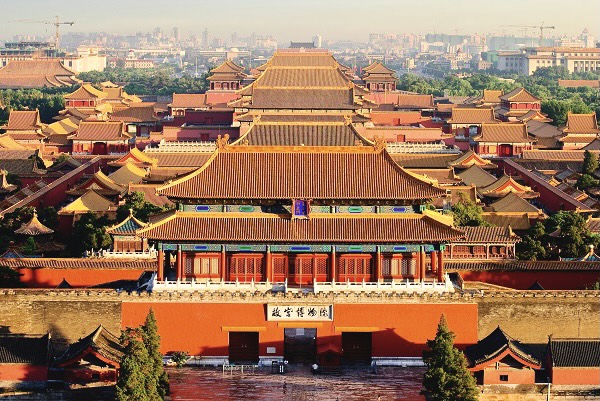
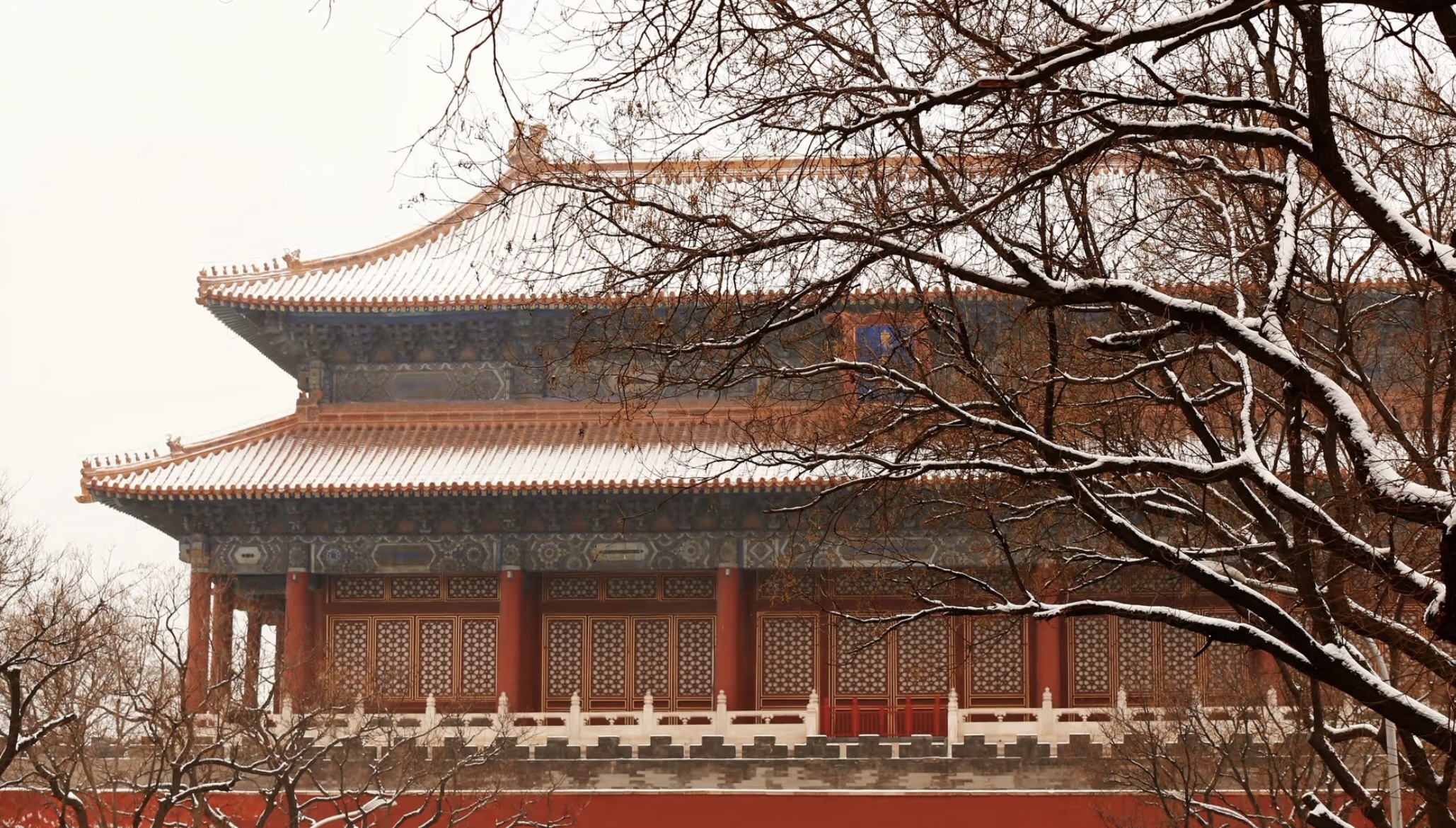
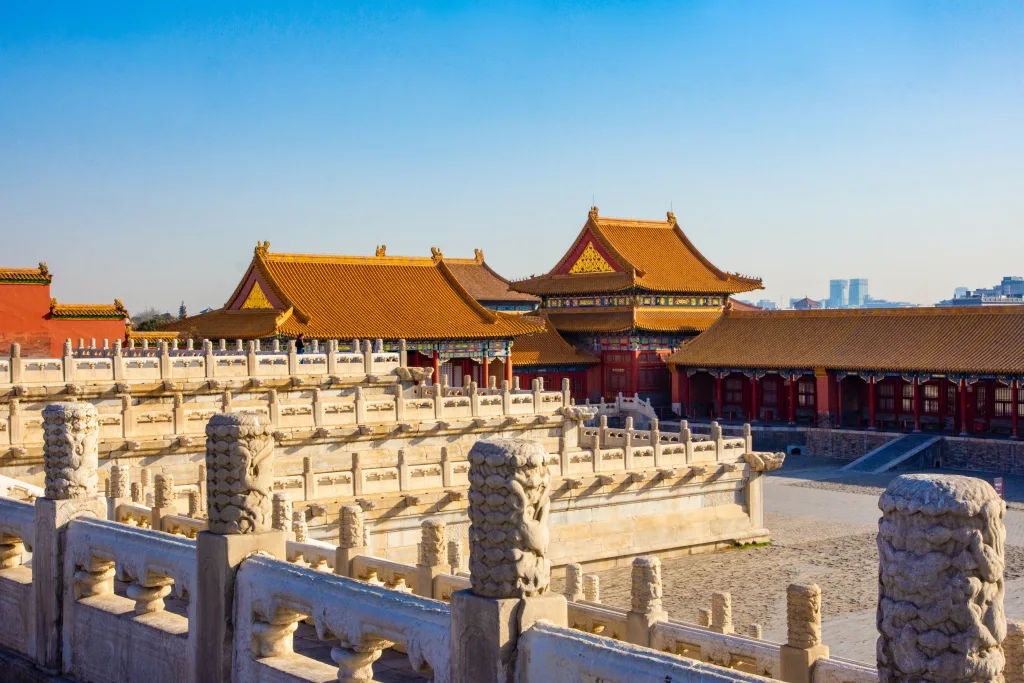
Despite the comparatively modest ceilings of the halls and palaces in the Forbidden City, especially when juxtaposed with their Western counterparts, their grand exteriors echo the omnipotence of Imperial China. This architectural ethos, emphasizing the harmony of expansiveness, has influenced contemporary Western designs, with architects like Jørn Utzon drawing inspiration from it.
Cultural Echoes: Living Narratives in Architecture
The Confucian Connection: Chinese homes aren’t mere structures; they reflect Neo-Confucian values. These buildings often house multiple generations, embodying respect, service, and loyalty. The architecture captures hierarchical relationships and emphasizes social norms.
Cosmic Resonance: Beyond the tangible, Chinese architecture dances with cosmic forces, particularly with the principle of Feng Shui. This ancient practice harmonizes individuals with their surrounding environment, ensuring the flow of positive energy or Qi. Both morally and strategically employed, Feng Shui dictates the layout, orientation, and even cleanliness of a structure.
Feng Shui from the Inside Out: The principles of Feng Shui extend inside homes as well. Arrangements, symmetry, and even daily chores like sweeping are believed to purify and maintain a harmonious energy flow. This underpins the culture’s strong focus on cleanliness and order.
This exploration into Chinese architecture reveals not just a country’s design evolution but also a confluence of philosophy, environment, and societal values. It is a journey of balance, harmony, and profound cultural expression.