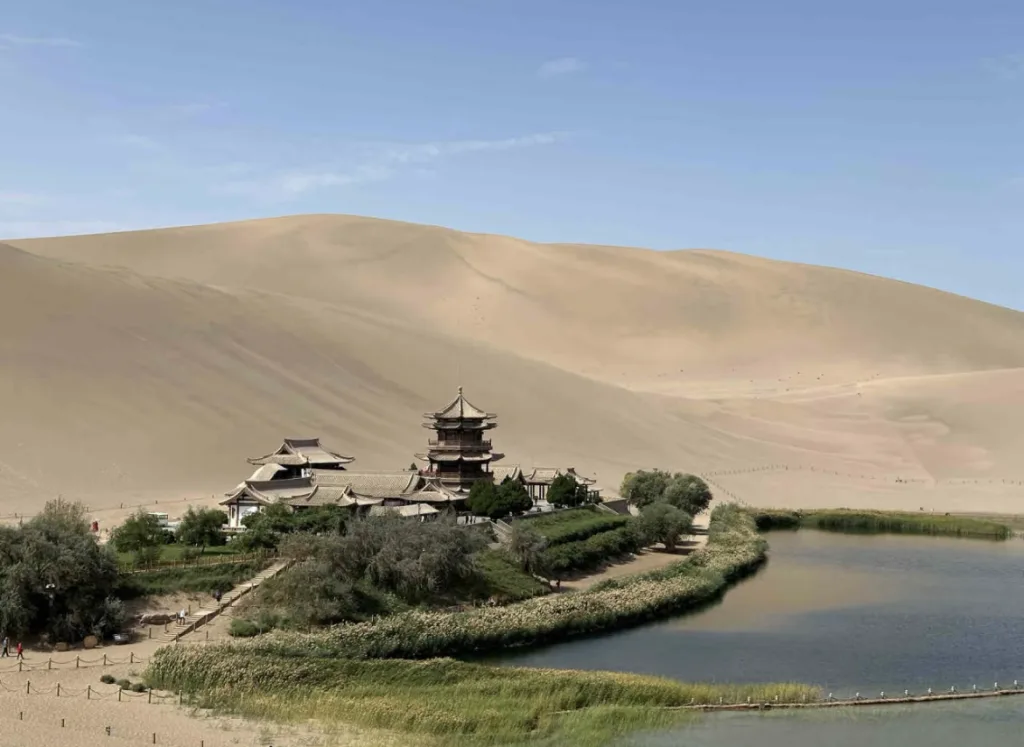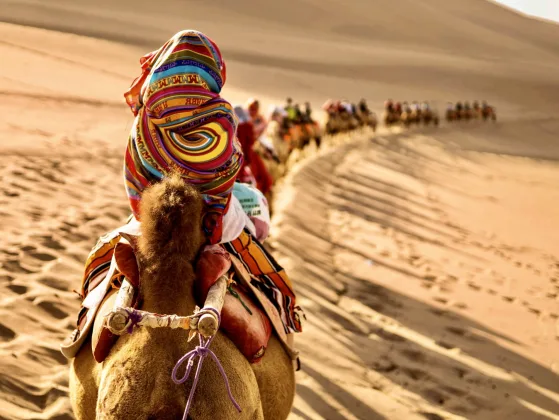
The Silk Road: A Symphony of Cultural Exchange and Heritage
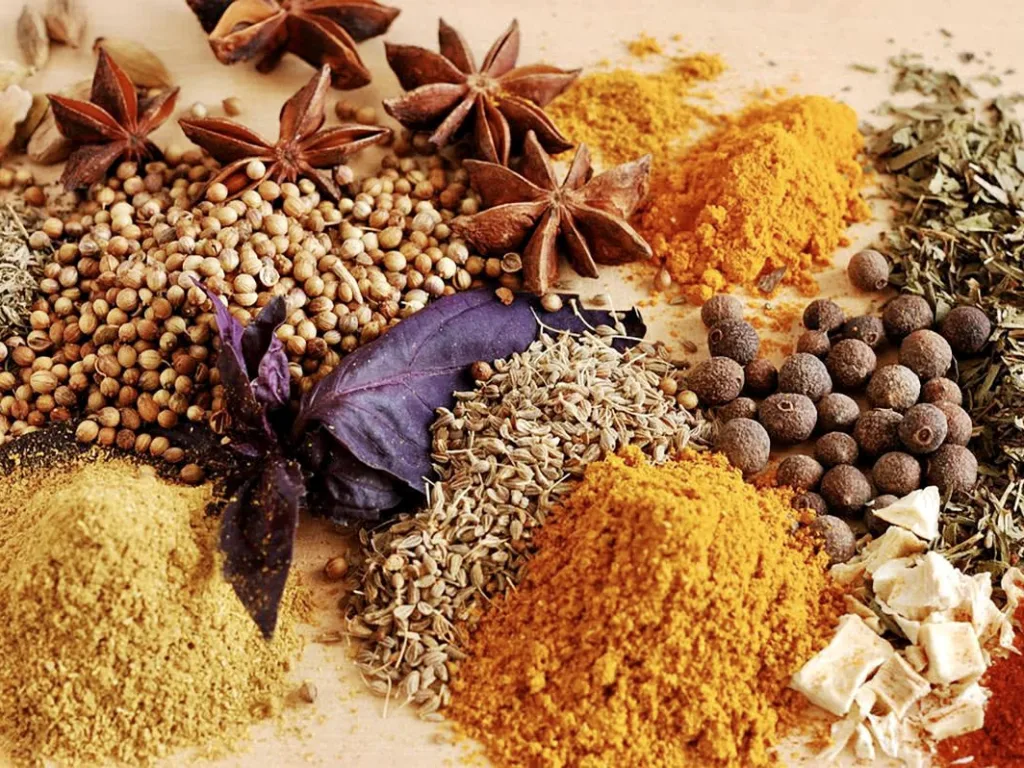
The Silk Road, an ancient web stretching over 4,000 miles, was not merely a route for traders but a cultural artery, linking the East with the West for over a millennium. Born from China’s pursuits into Central Asia during the Han dynasty and inspired by the luminous allure of silk, this intricate network unveiled a world of exchange—spices from the East met wines from the West; exotic teas and perfumes traveled alongside honey and gold.
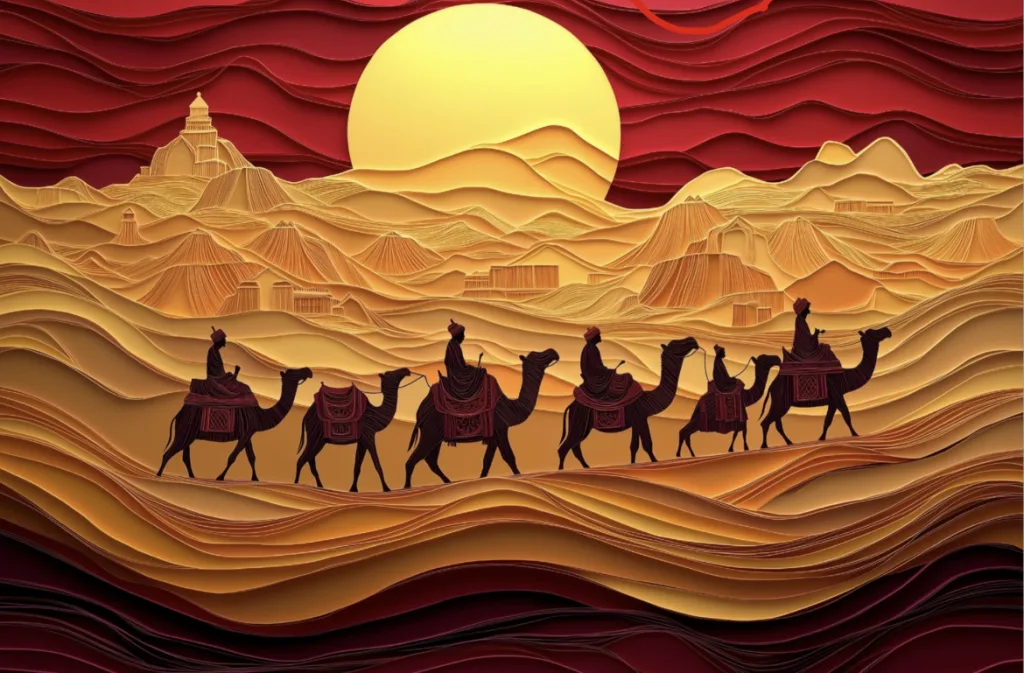
Yet, the Silk Road was never just about commodities. As much as it swayed the fortunes of merchants, it transformed civilizations, igniting a grand confluence of ideas, faiths, and innovations. Buddhism, science, and philosophies flowed along its paths, reshaping societies and leaving indelible marks. But this grand corridor was not without its shadows; the same routes that carried ideas also bore diseases, like the plague, changing the very course of history.
The rise of the Ottoman Empire in the 15th century clipped the Road’s wings, but its legacy was immortal. Europe, hungry for the East’s riches, ventured into uncharted waters, setting the stage for a new global era. Today, echoes of its glory reverberate in projects like the Belt and Road Initiative, reminding us of a time when the world was woven together by silken threads.
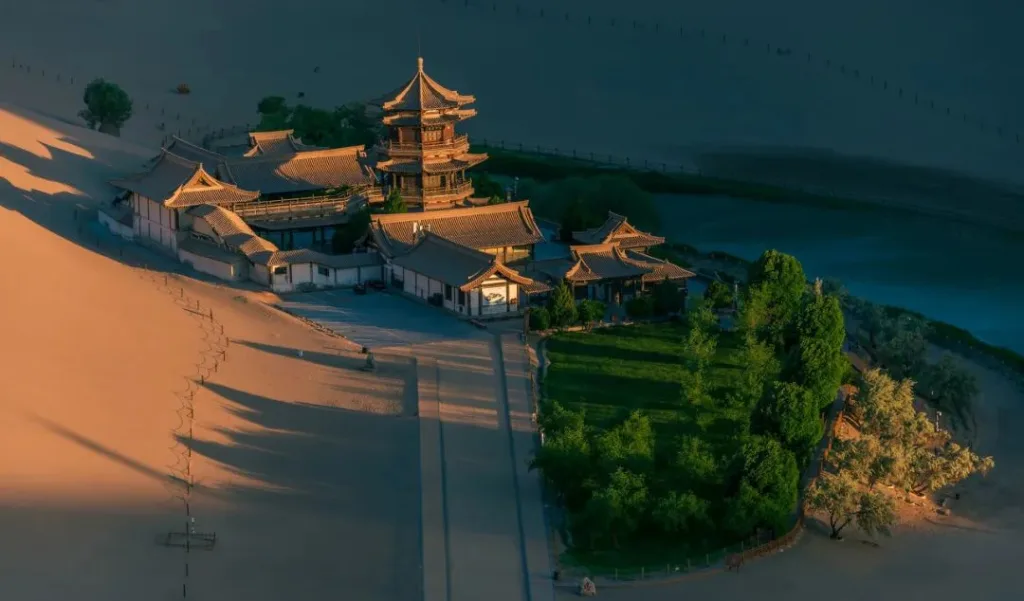
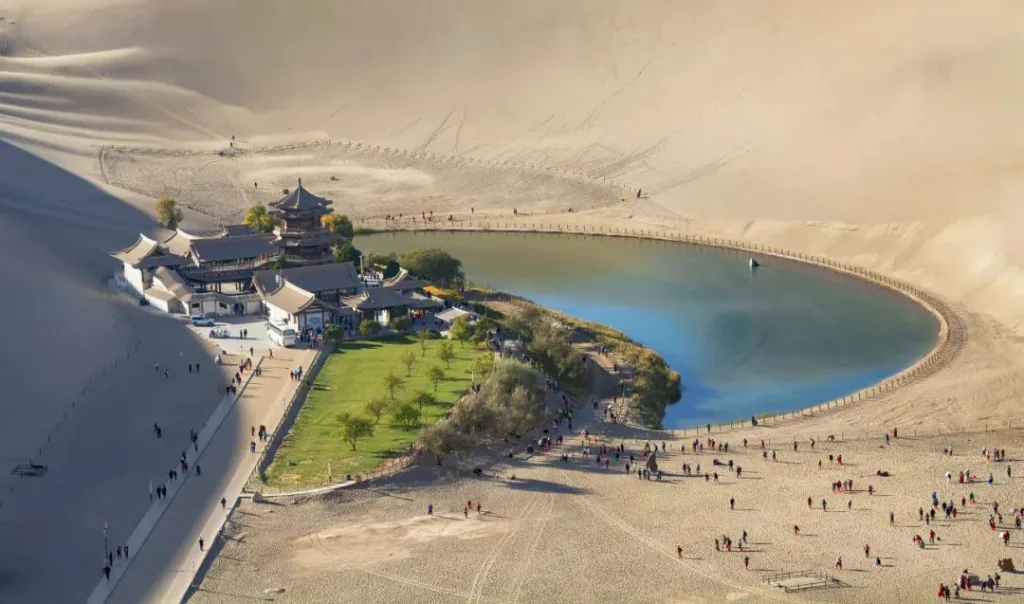
Nexus of Navigators and Nomads: Echoes of the Silken Trail
The Silk Road was not just a route for commerce; it was a symphony of shared secrets, the heartbeat of an ancient world, pulsating through deserts and over mountains. While the tangible goods—silks, spices, and scriptures—left their mark, the intangible exchanges of knowledge, art, and spirituality crafted a legacy that resonated for millennia.
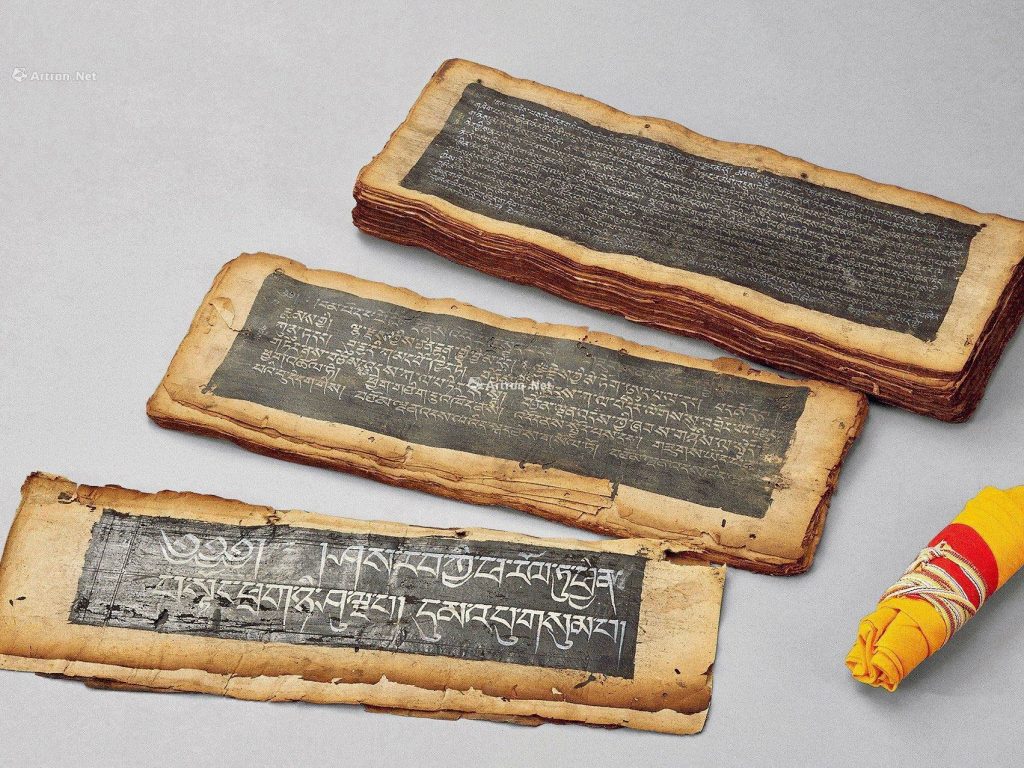
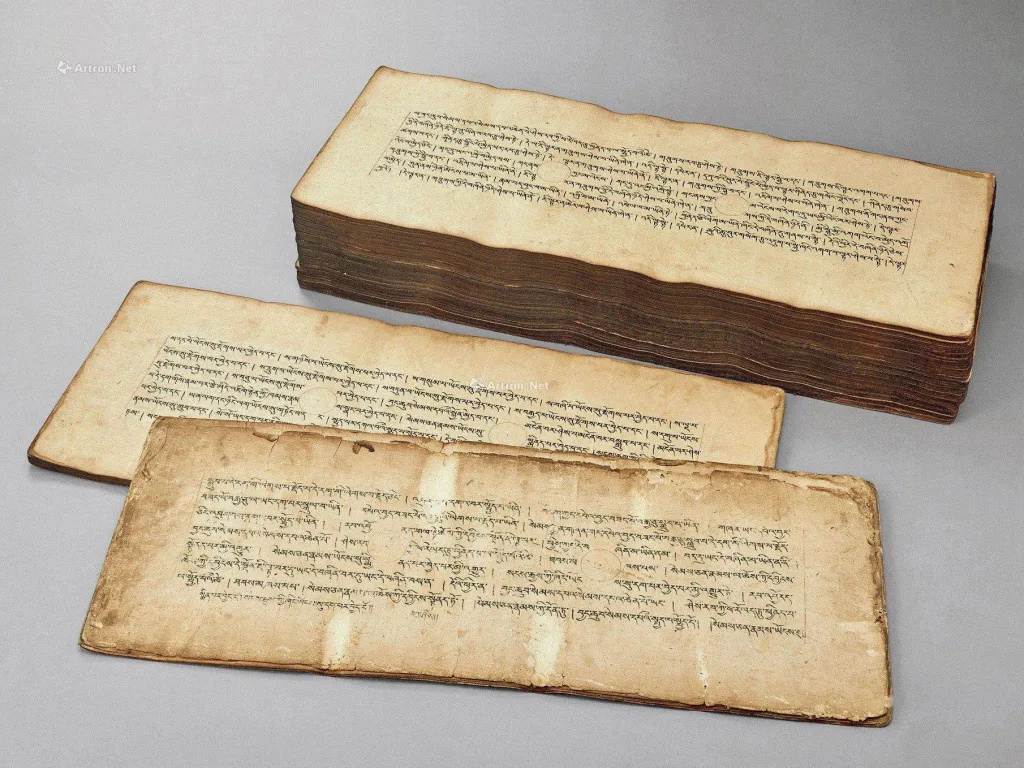
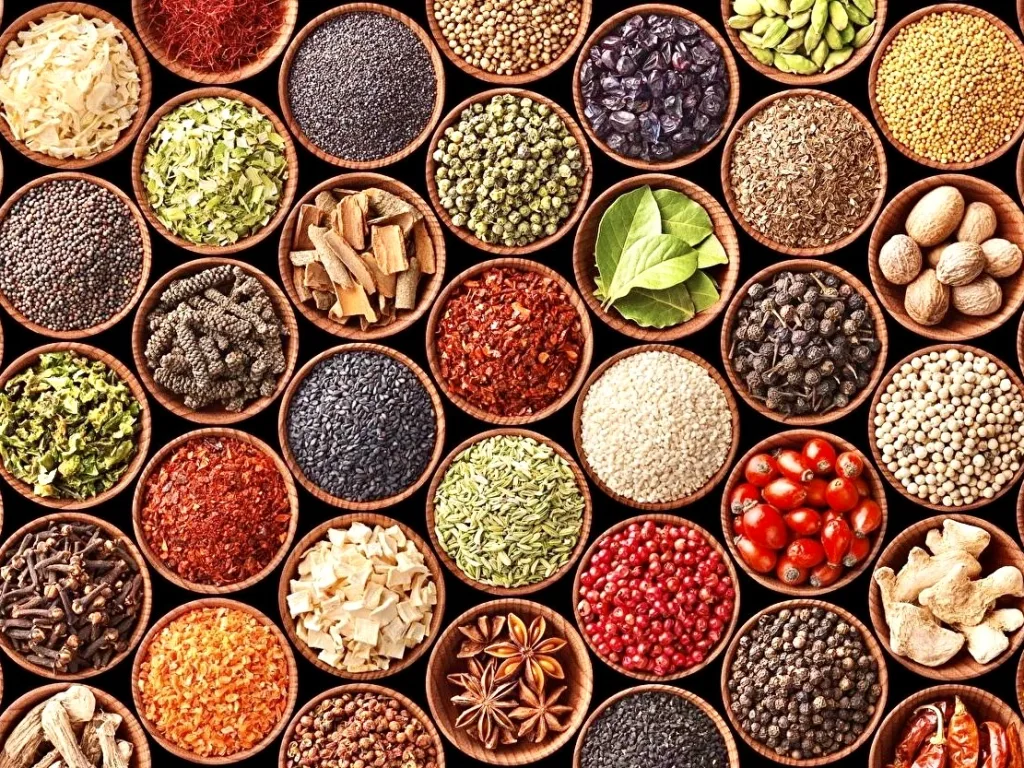
A cornerstone of the Silk Road was its embrace of cultural diversity. Ideas flowed like water, quenching the thirst of societies with newfound wisdom. Religions found new homes, philosophies sparked debate, and science and innovation planted seeds that would grow into revolutionary discoveries.
However, like all great entities, the Silk Road faced its dusk. The rise of empires and changing geopolitical landscapes dimmed its glory. Yet, in the modern era, there’s a renaissance—a yearning to retrace those ancient steps. As nations embark on fresh endeavors to reconnect and rebuild, the spirit of the Silk Road whispers of unity, adventure, and the timeless allure of shared stories.
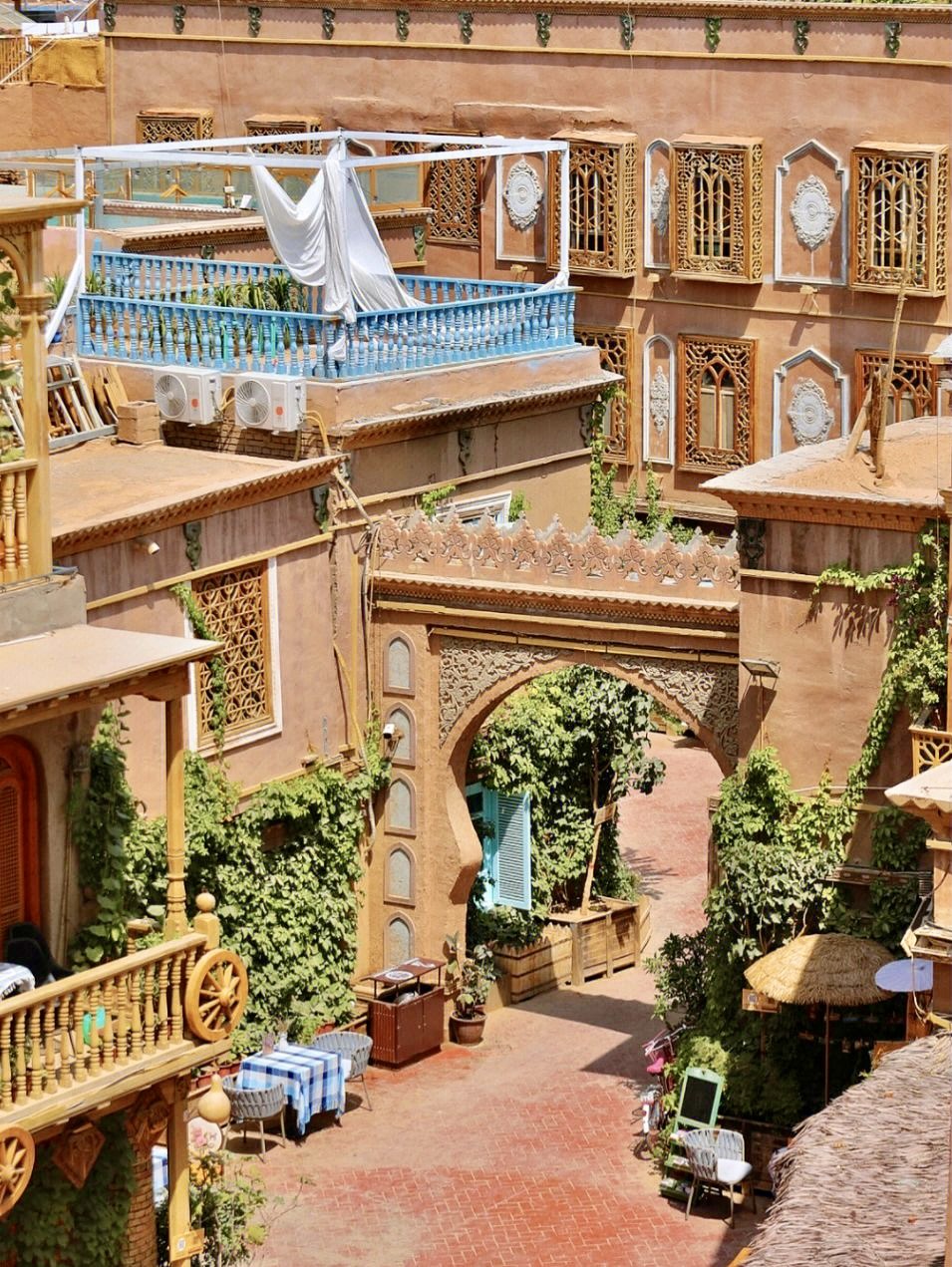
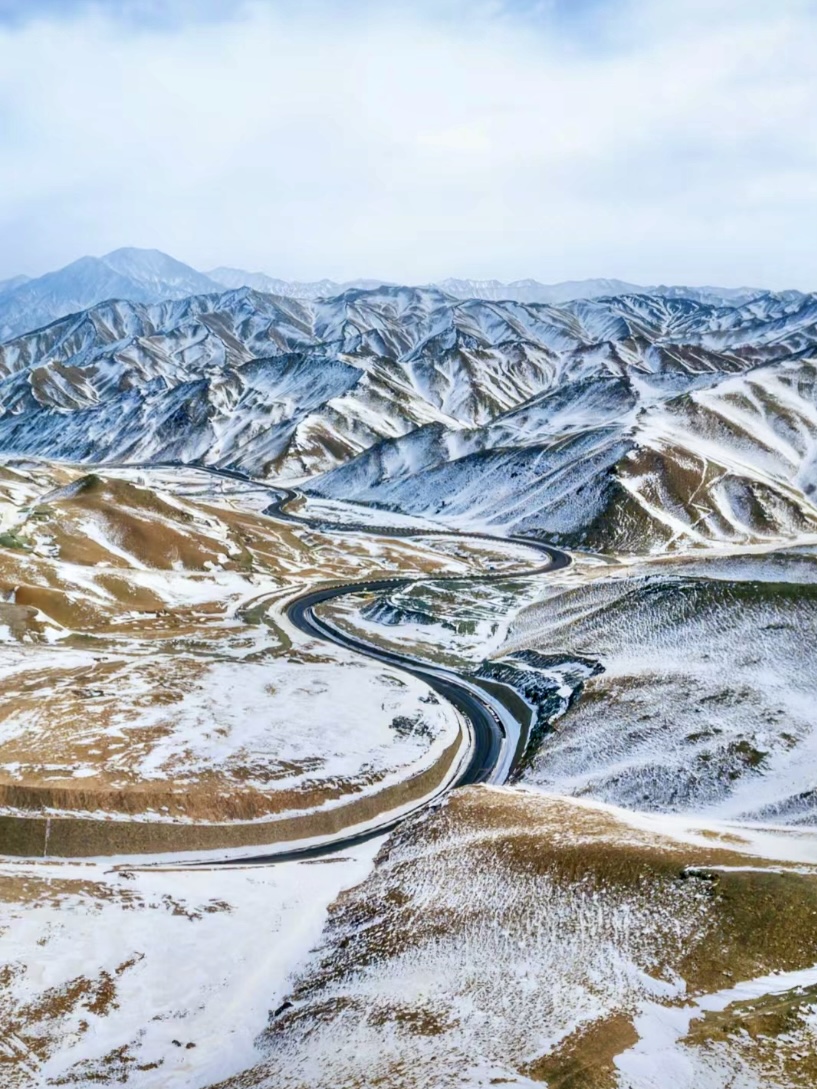
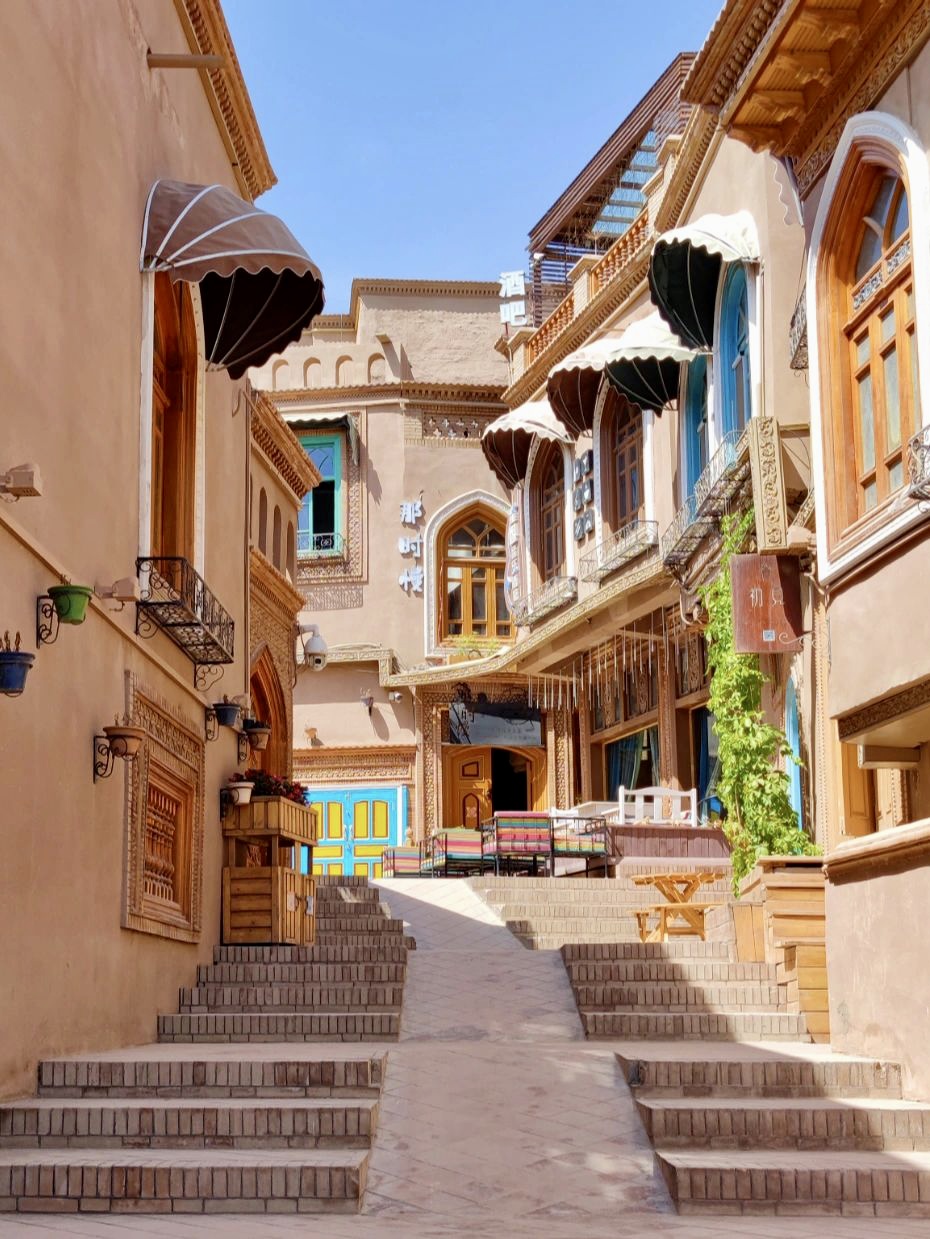
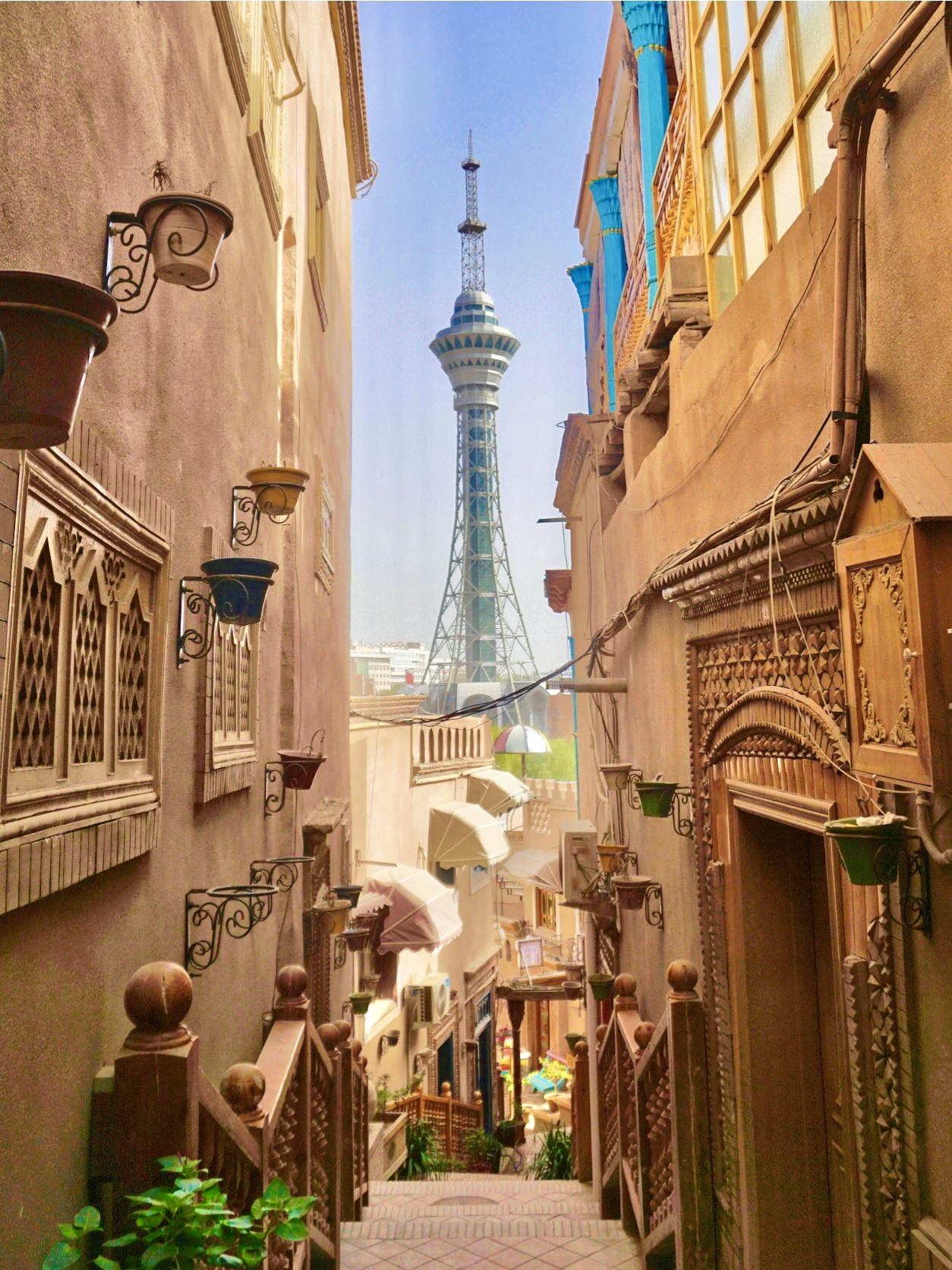

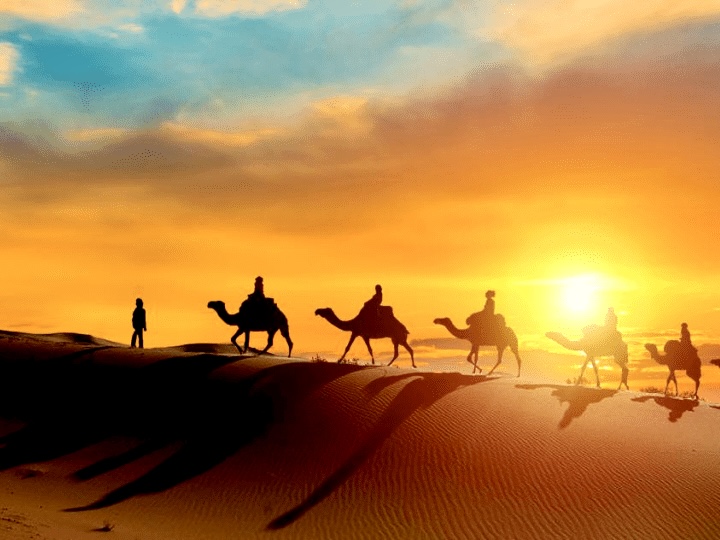

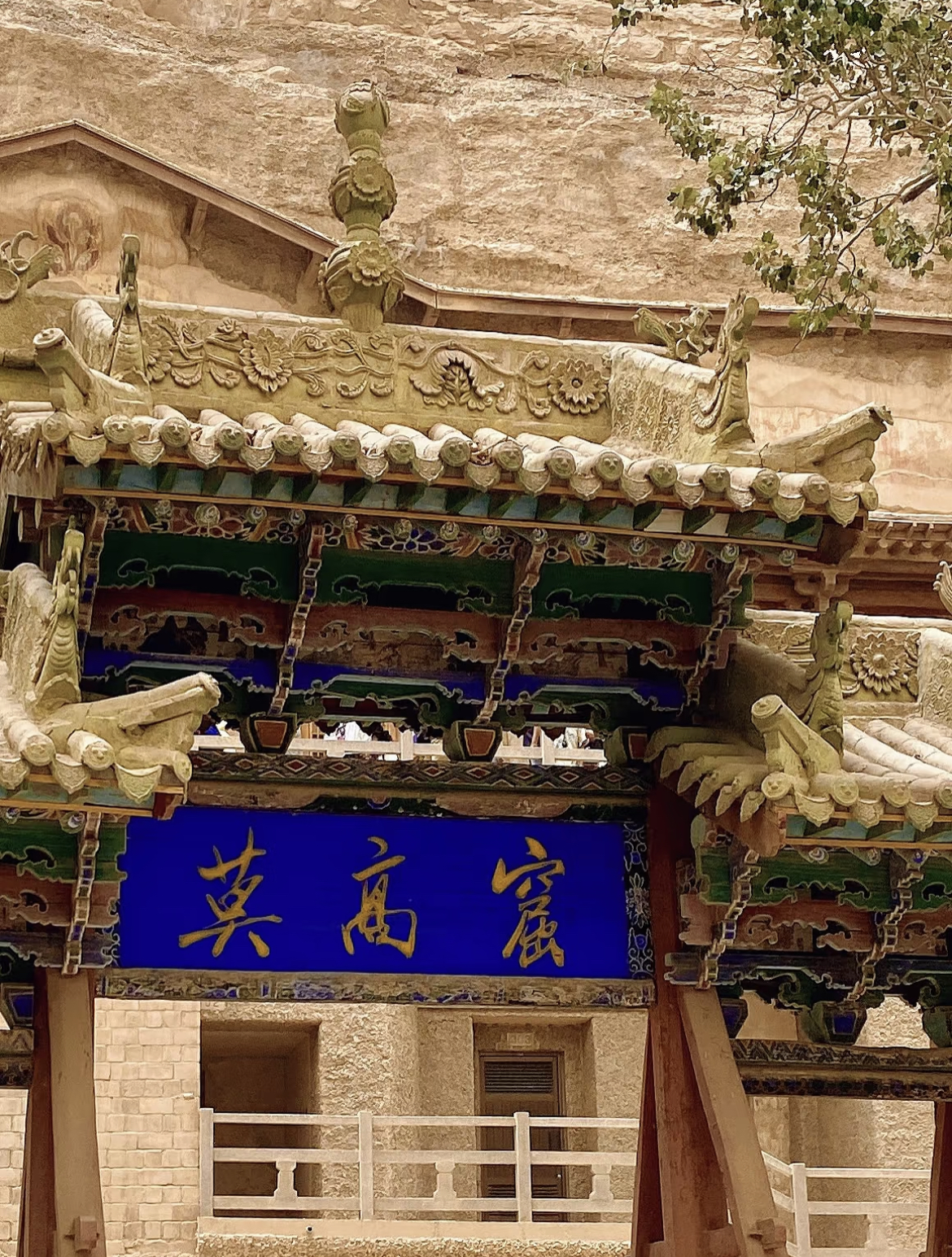
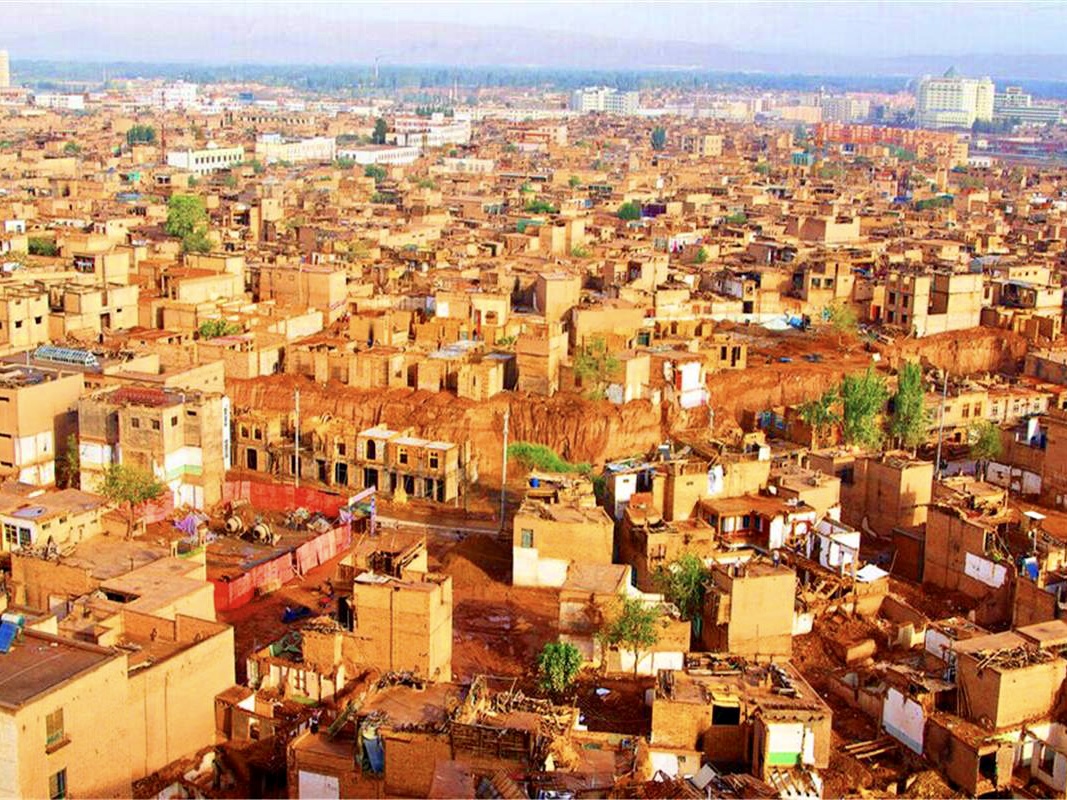
Silk Road Routes: Threads of Ancient Trade
The Silk Road, originating from China’s ancient hubs, split into northern and southern routes around deserts, facilitating multi-step “relay trade”.
1. Northern Route: Beginning in Chang’an (now Xi’an), this path ventured northwest through China’s Gansu province, splitting into three routes to navigate the challenges of the Taklamakan Desert and the Tian Shan mountains. The primary branches eventually converged at Kashgar, stretching further westward, with paths leading towards Termez, Balkh, the Aral Sea, and even the Black Sea. Goods like dates, frankincense, and glass bottles from far-off regions flowed into China via this route, which, in return, exported its famed silk, lacquerware, and porcelain.
2. Southern (Karakoram) Route: Starting from China and journeying through the formidable Karakoram mountains, this route, which remains as the modern Karakoram Highway, progressed westward, with alternative maritime routes branching south. Traversing northern Pakistan, the Hindu Kush mountains, Afghanistan, it then reconvened with the northern route at Merv. From here, it stretched across Iran, Mesopotamia, and entered the Levant, where Mediterranean trade routes carried goods to Italy and North Africa.
3. Southwestern Route: Centered around the Ganges/Brahmaputra Delta, ancient records like those of Roman writer Strabo highlight its importance in international trade. Sites like the Wari-Bateshwar ruins in Bangladesh hint at the region’s historical significance. This route, which traded gemstones from places like Thailand and Java, also had a critical artery, known as the ‘Ledo’ route, transporting bullion from Yunnan through northern Burma into present-day Bangladesh.
4. Maritime Route: Also called the Maritime Silk Route, this aquatic pathway linked China to Southeast Asia, the Indonesian archipelago, the Indian subcontinent, the Arabian Peninsula, Egypt, and further to Europe. The route coursed through several significant water bodies such as the South China Sea, Strait of Malacca, and the Indian Ocean. Overlapping with the historic Spice trade and Arabian naval networks, it also reached east to the Korean Peninsula and Japan.
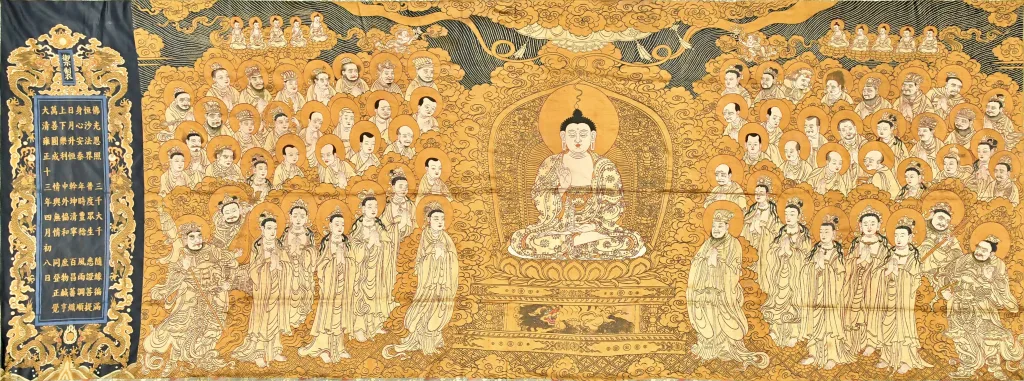
The Silk Road, a historic route spanning the Asian and European continents, remains an invaluable cultural heritage to this day. As early as the Han Dynasty, the Silk Road was established. Serving as a trade route, the Silk Road integrated Chinese culture with cultures around the world, promoting exchanges between civilizations.
The importance of the Silk Road lies in the hidden cultural exchanges it facilitated. Over the years, trade from China to Central Asia, Persia, India, and Rome not only transported goods like silk, tea, and porcelain, but also conveyed Chinese thoughts, philosophy, technology, arts, and religious elements to the world.
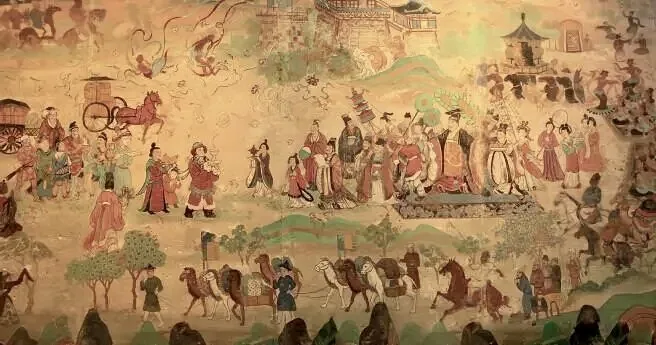
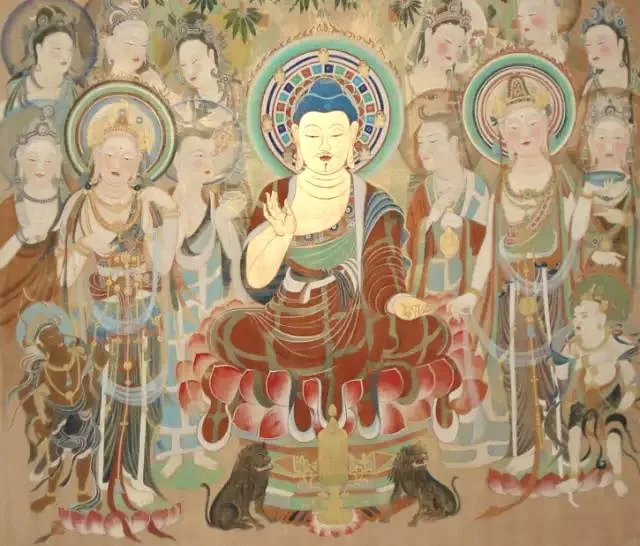
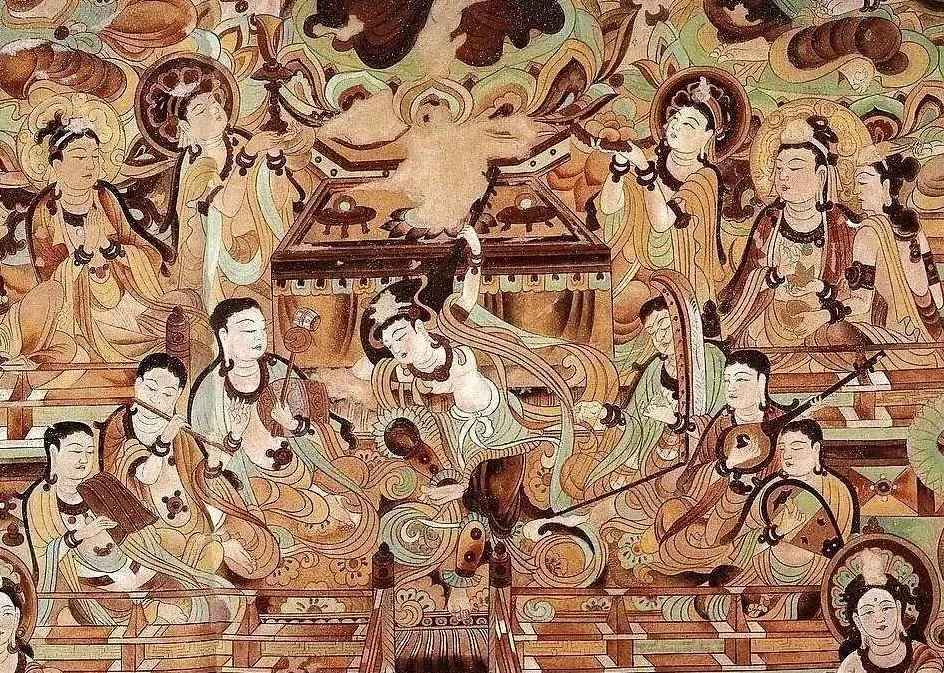
Firstly, the establishment of the Silk Road provided a channel for China to export its goods, fostering interactions between different cultures. Within this trade domain, Central Asia, Persia, and India showcased their unique cultural traits. For instance, Persian literature, ancient Indian religions, and arts, all interacted and integrated with various Chinese cultural elements through the Silk Road.
Secondly, the Silk Road offered a golden opportunity for cultural exchanges and dissemination between the East and West. During the Han Dynasty, trade between the Eastern Han and Rome increased, deepening the intangible exchanges on philosophical, political, and cultural levels. According to historical records, a Chinese princess sent as an envoy to Rome formed a political alliance with the Roman emperor. Rumor even had it that a Chinese legion remained in Rome, referred to as the “Roman Grand Marshal.” Thus, the Silk Road progressively created a new space for cultural interactions, furthering the depth of cultural transmission.
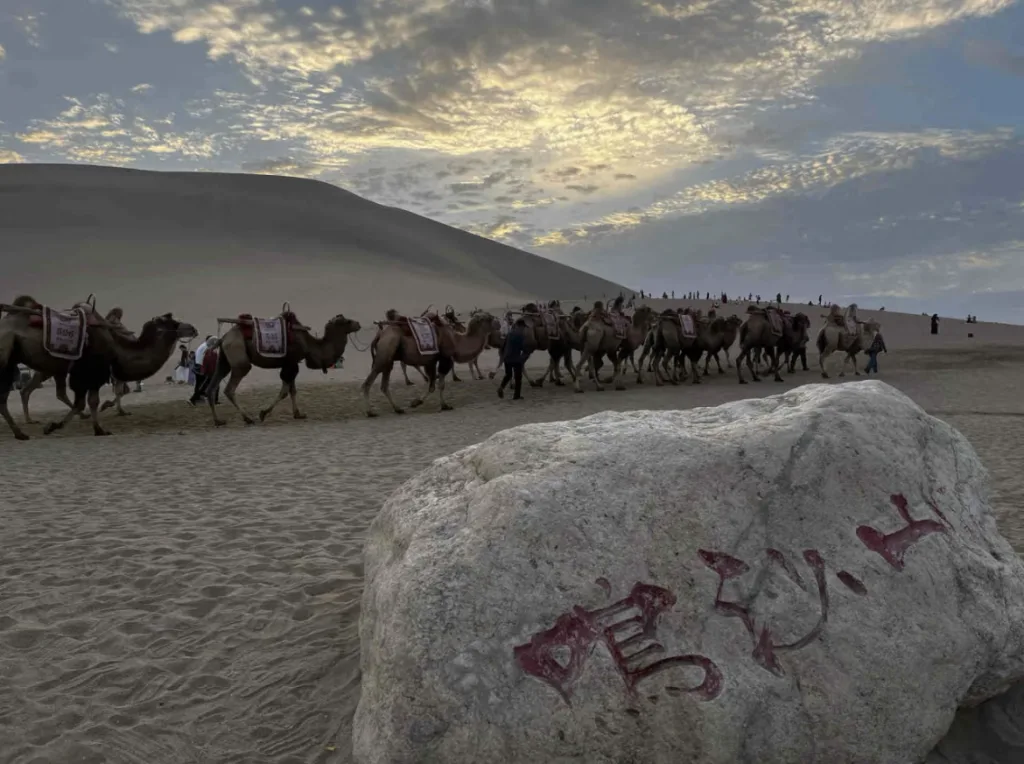
Next, the significance of the Silk Road in religious terms cannot be understated. Legends of Buddhism and Islam emerged alongside trade activities. On the ancient Silk Road in Central Asia, Buddhism spread from the Central Plains to Central Asia and Persia. During the propagation of Buddhism, several Chinese scriptures and ideologies were introduced to Central Asian and Persian warlords, officials, and merchants. The journey of Xuanzang during the Tang Dynasty is an indispensable chapter in the Buddhist realm. The birth and spread of Islam, based on commerce related to the Silk Road, were absorbed into Chinese national culture, forming a unique Chinese cultural blend.
Lastly, the establishment of the Silk Road also served as a crucial channel for the exchange of scientific and technological knowledge. From the Han to the Tang Dynasties, many Chinese technologies and inventions spread along the Silk Road. Some essential Chinese innovations, like paper-making, gunpowder, and the compass, widely disseminated along the route, propelling the exchange and spread of technology, craftsmanship, commerce, and science.
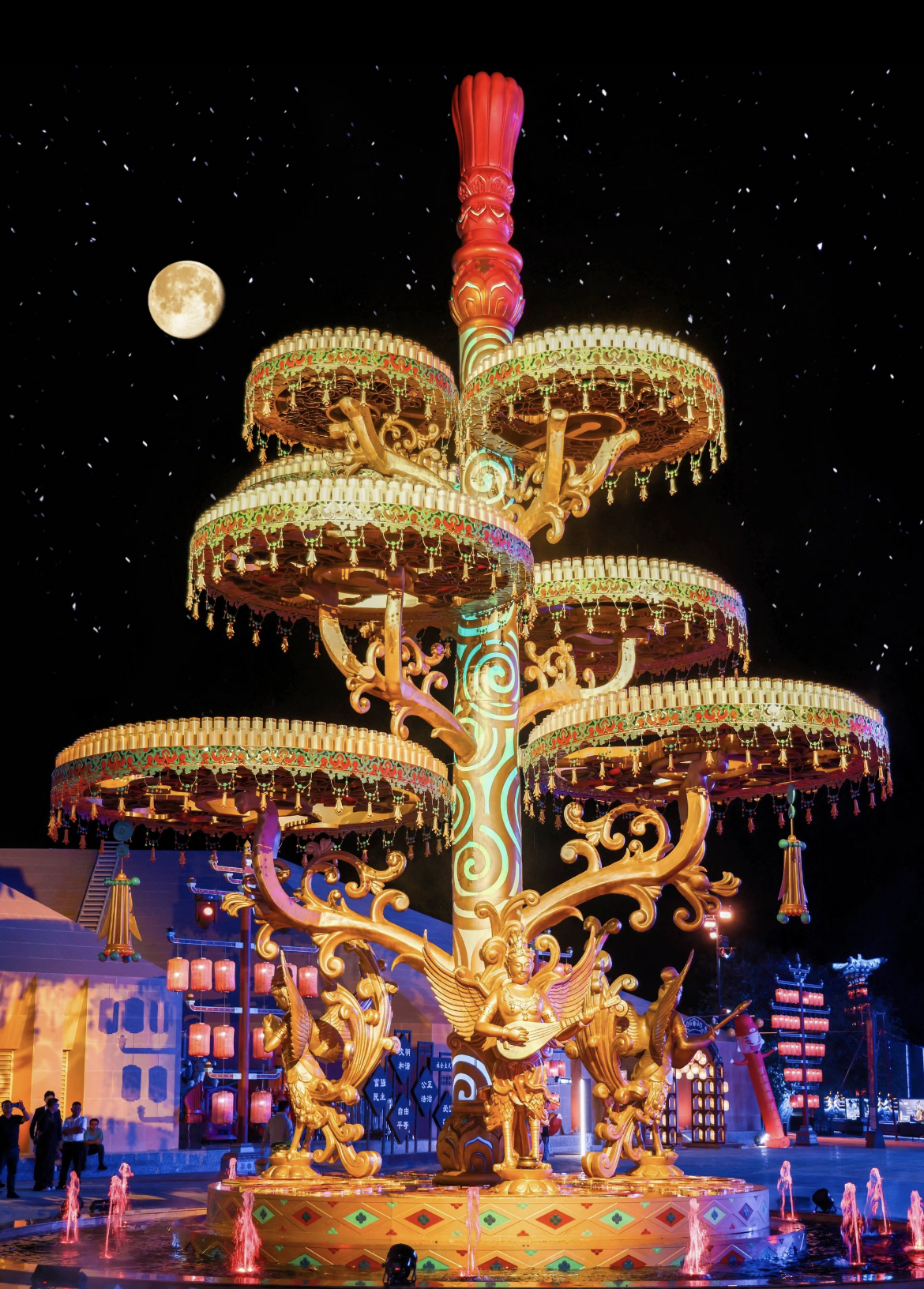
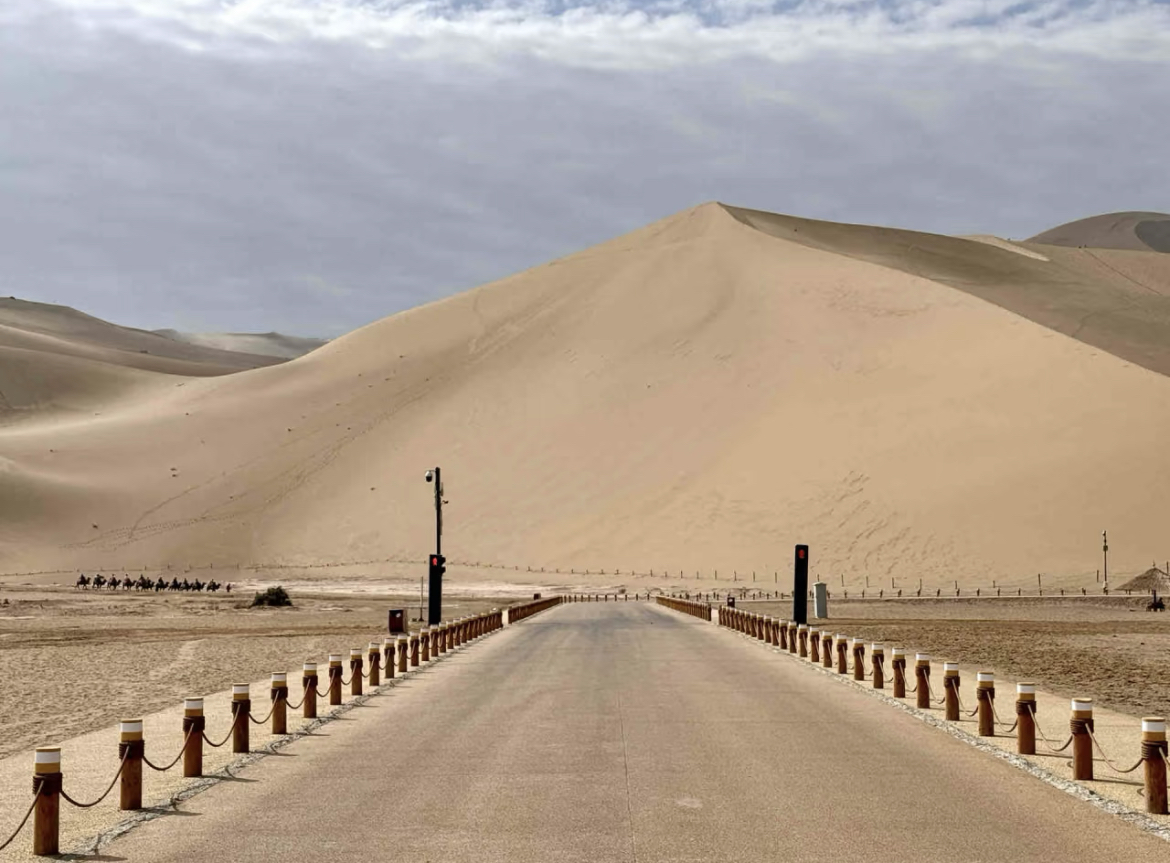
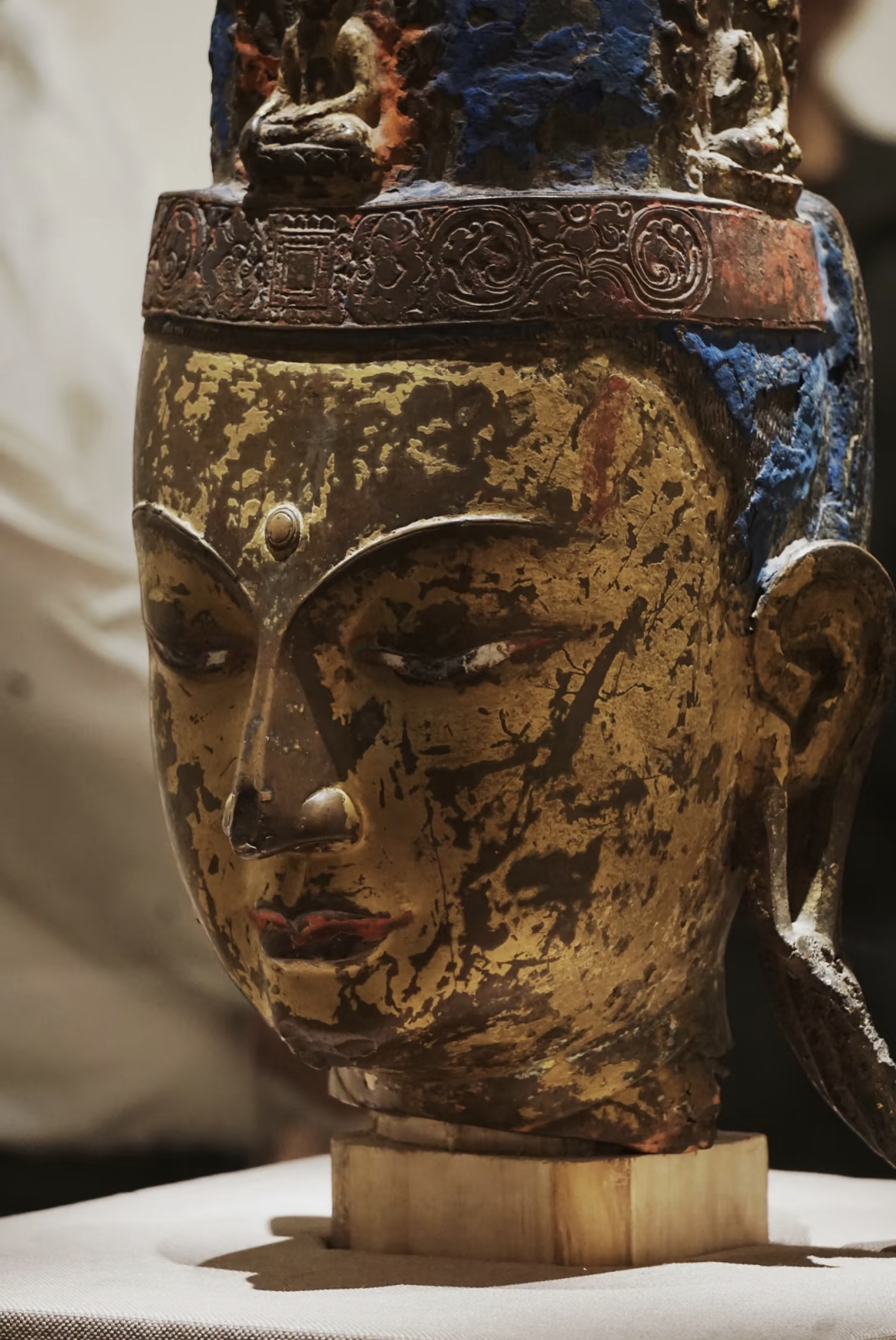
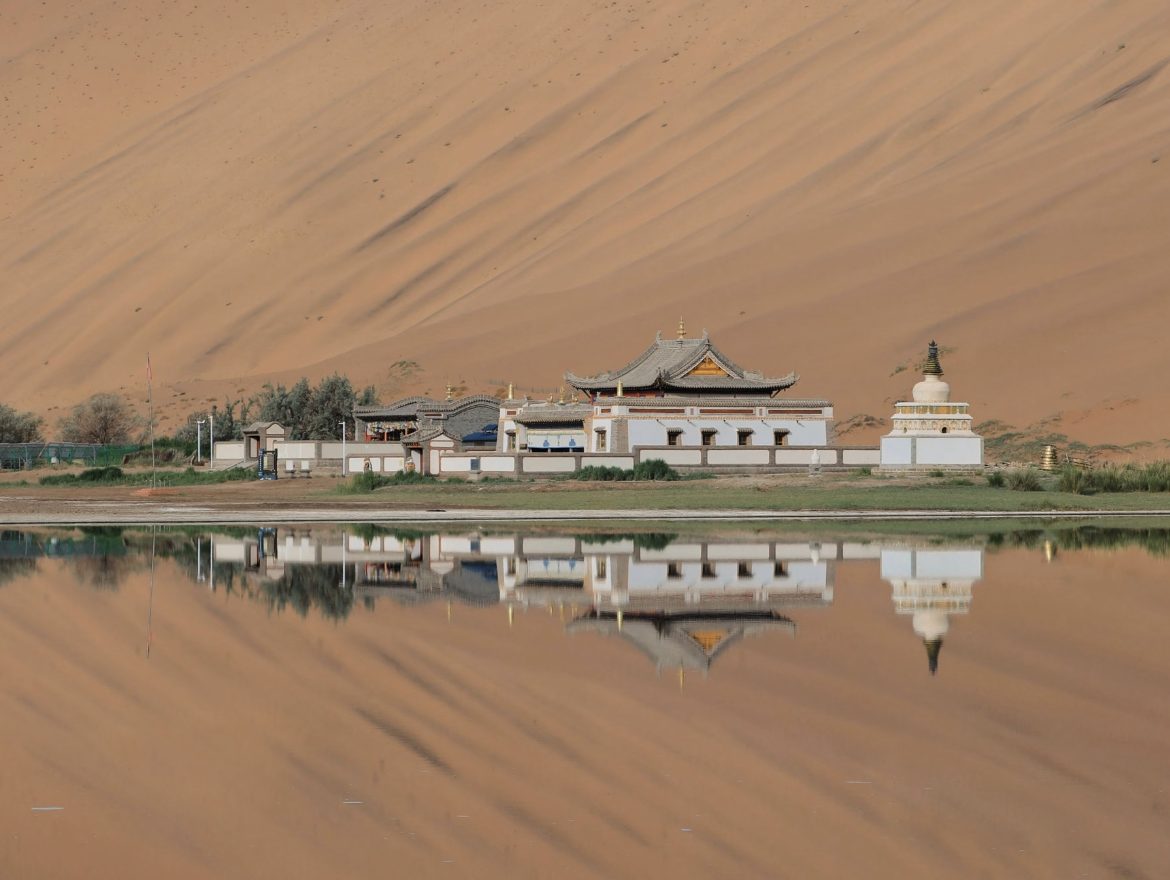
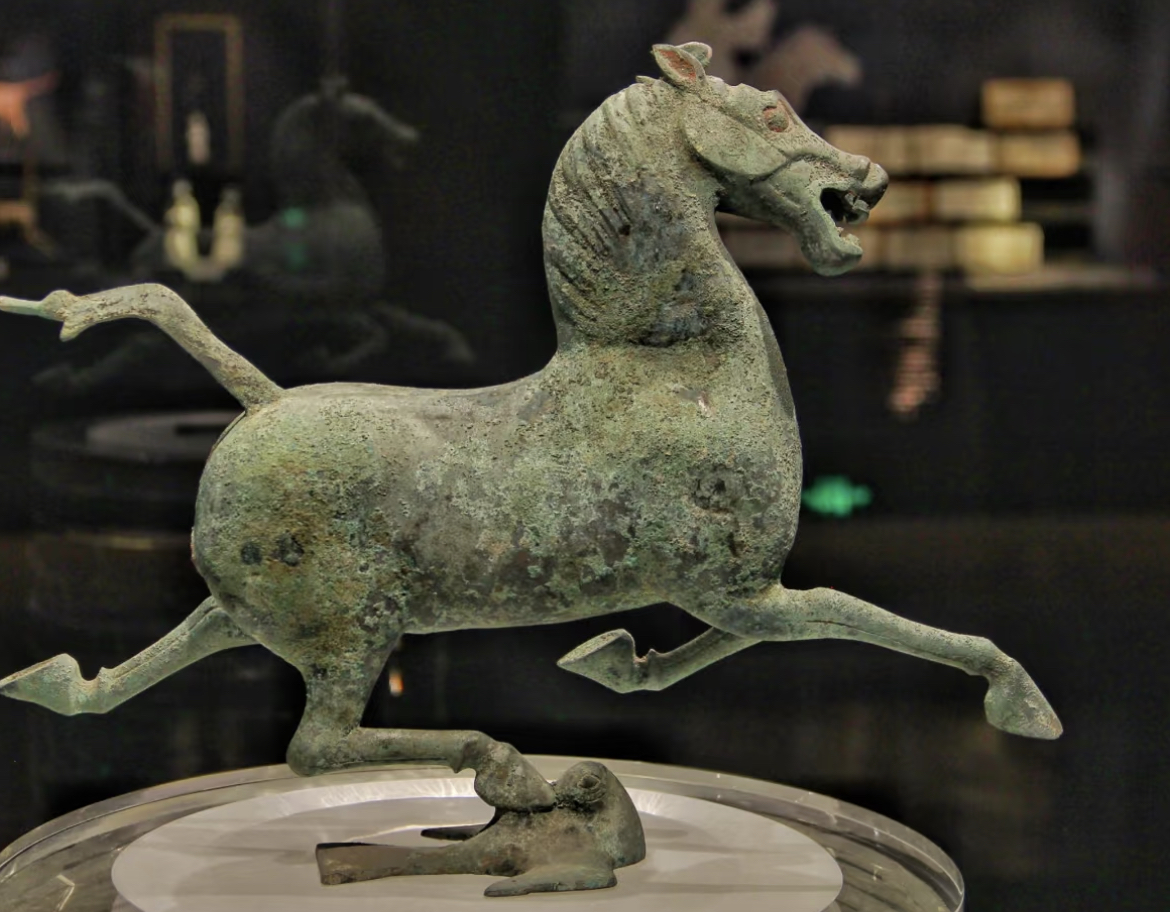
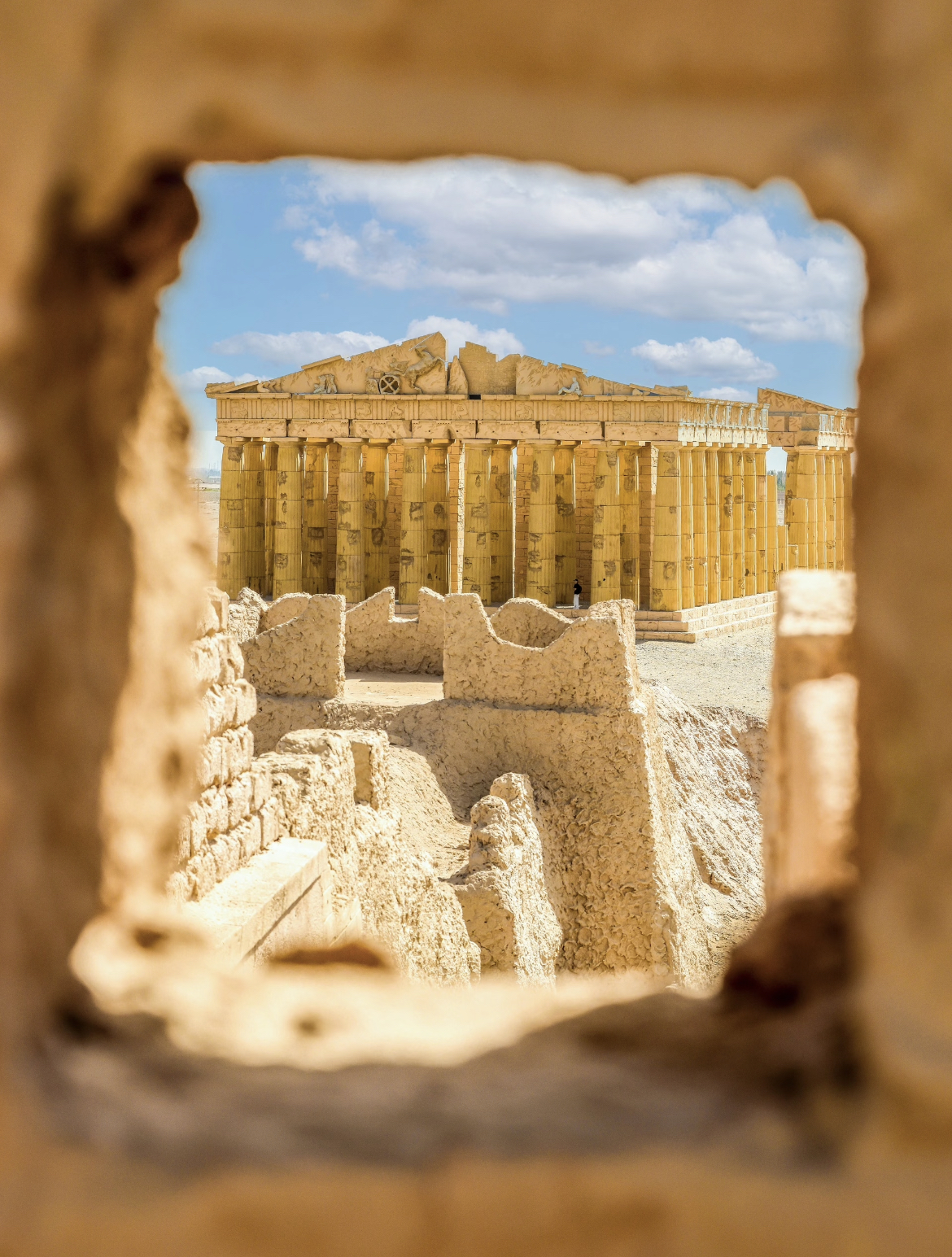

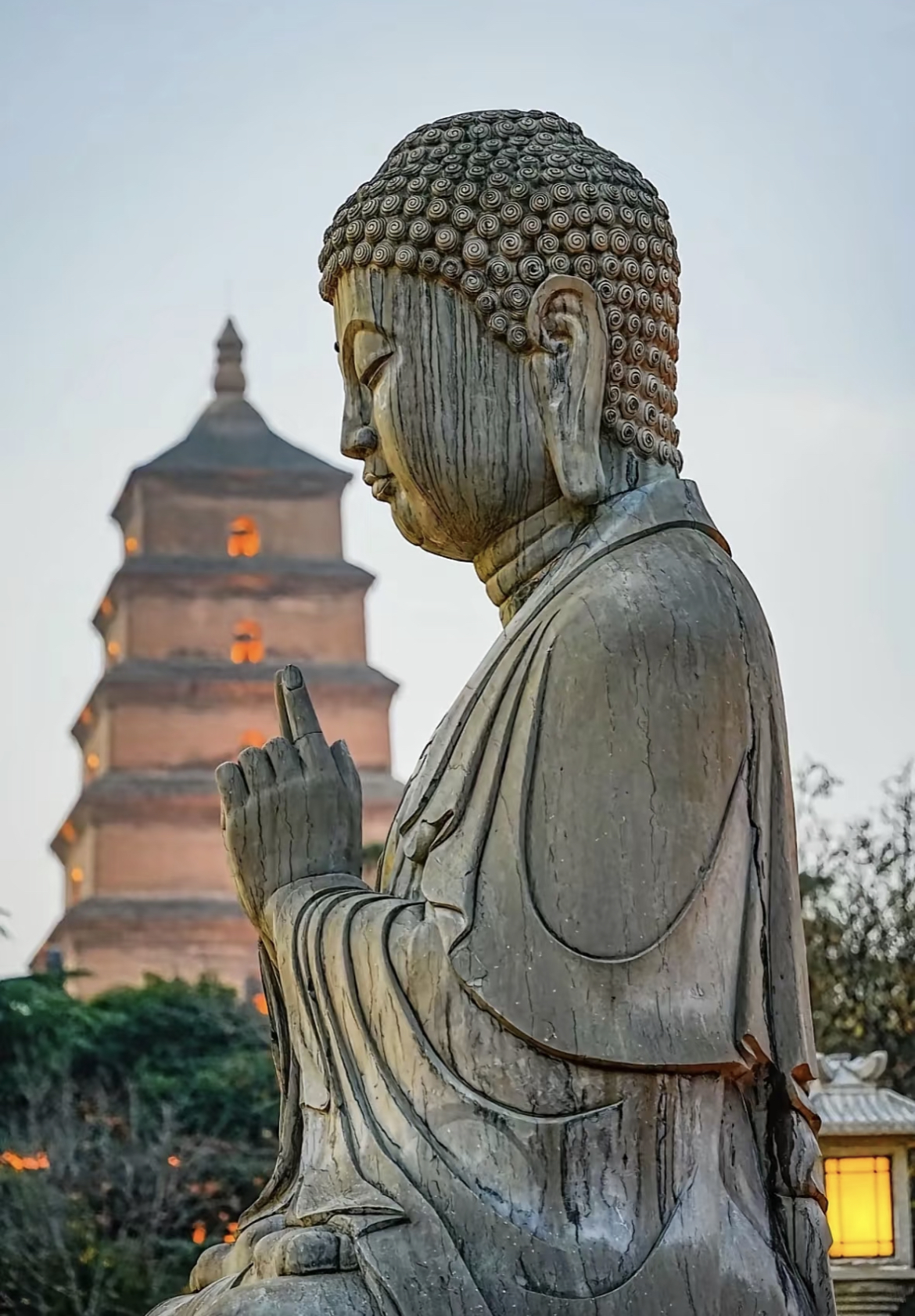
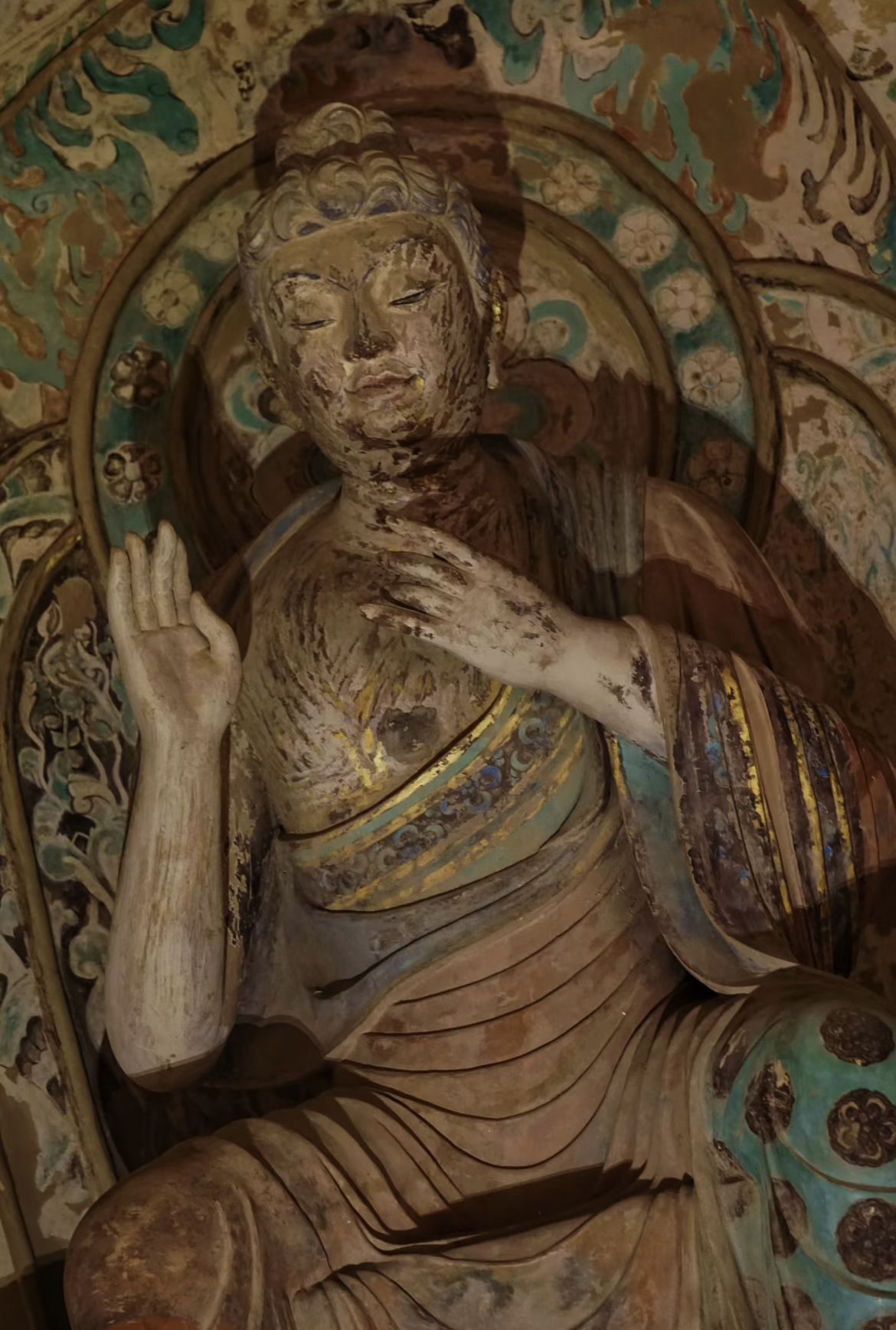
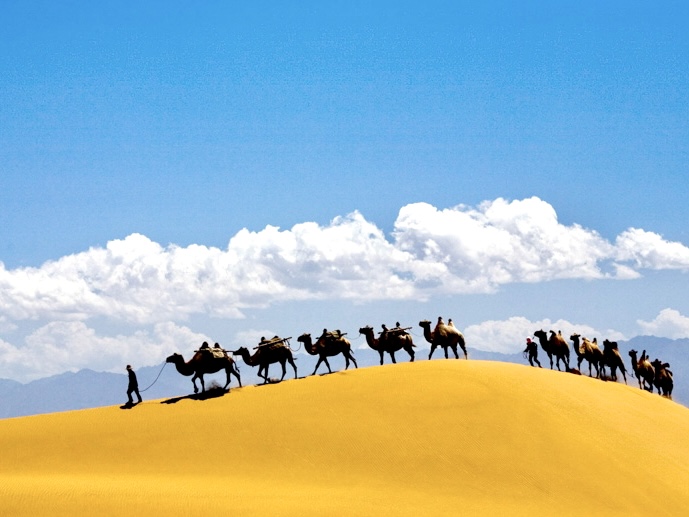
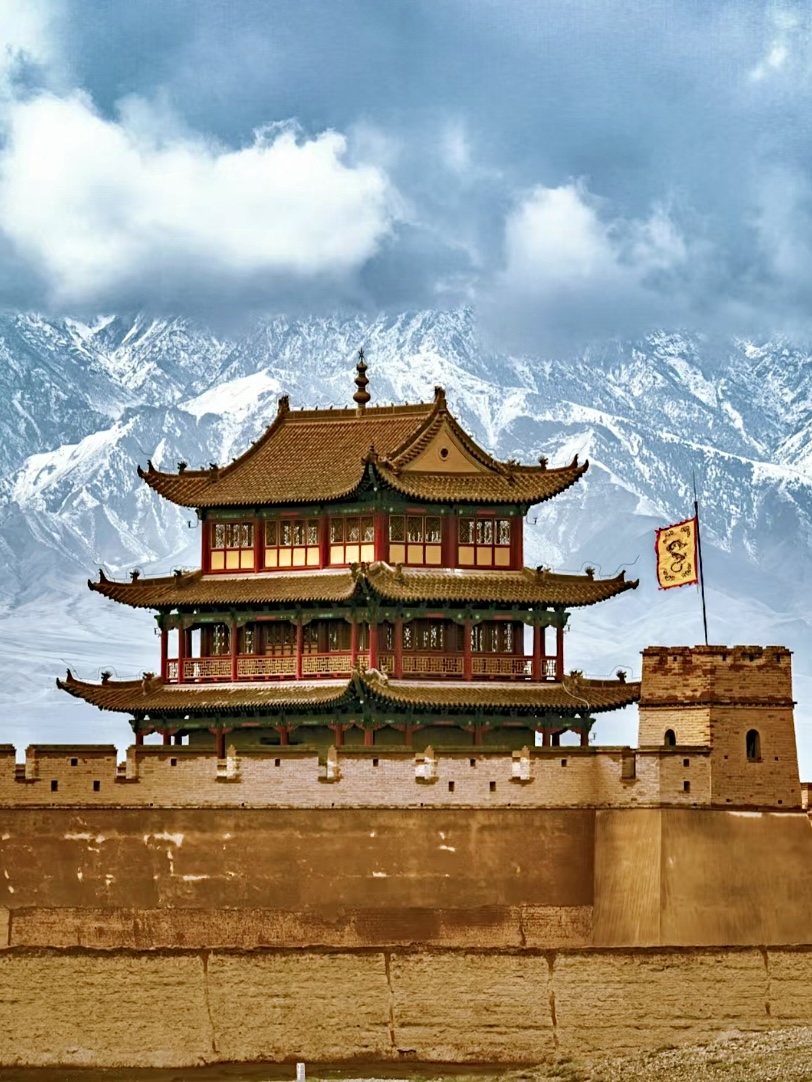
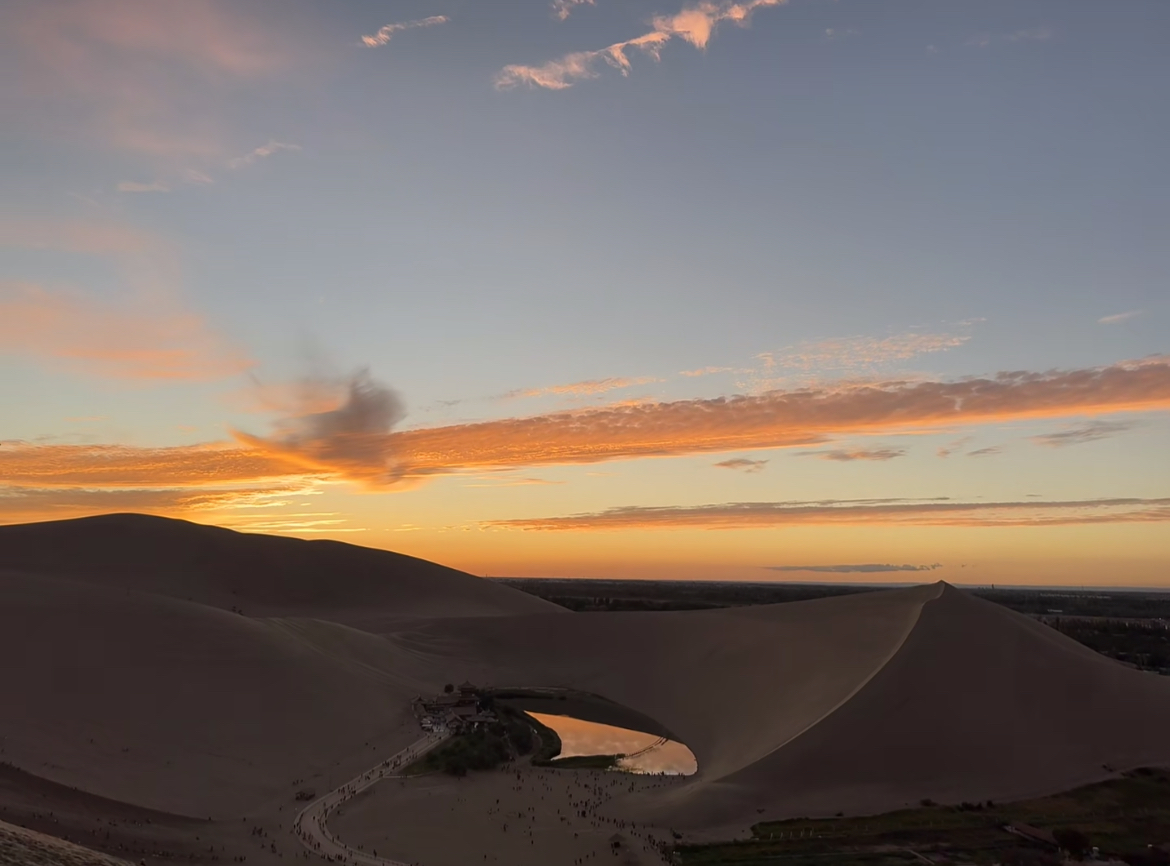

In essence, the Silk Road provided a convenient means to convey Chinese culture. In this process, the core ideas and significant scriptures of Chinese culture were successively disseminated, promoting the integration and exchange of Eastern and Western cultures. On the Silk Road, not only Chinese thoughts and cultural elements were conveyed, but also the culture and ideologies of various ethnic groups. Hence, the Silk Road is hailed as the “bridge for the exchange of civilizations throughout history,” with the trading landscape and the accompanying individuals brimming with vigor and vitality.
In summary, the trade, technology, religion, culture, and comprehensive exchanges on the Silk Road laid the foundation for cultural exchanges and integration between China and the rest of the world. Whether it’s the Han Dynasty’s Silk Road, the Tang Dynasty’s maritime Silk Road, or the current “Belt and Road” initiative, they have all propelled the interactions and mutual influences of Eastern and Western cultures, making an outstanding contribution to the inheritance and progression of human civilization.