

Traditional Chinese Medicine in China: A Guide for Travelers
Understanding Traditional Chinese Medicine (TCM) Without the Confusion
Traditional Chinese Medicine, often shortened to TCM, can feel mysterious at first—but on the ground in China, it’s part of everyday life. You’ll see it in hospitals, pharmacies, restaurants, and even in how locals talk about their health. At its core, TCM isn’t about quick fixes. It’s about balance, prevention, and long-term wellness.
The central idea revolves around Qi (pronounced “chee”), which is described as the body’s vital energy. Think of it as the invisible current that keeps everything functioning smoothly. When Qi flows properly, you feel healthy. When it’s blocked or weak, discomfort or illness can appear.
Then comes the concept of Yin and Yang—two opposing but complementary forces. Yin represents cooling, calming energy, while Yang represents warmth and activity. Health, in TCM, is about keeping these forces in harmony. Too much of one, and your system goes out of balance.
Unlike Western medicine, which often targets symptoms directly, TCM looks at the whole body as a connected system. A headache, for example, might not just be about your head—it could relate to digestion, stress, or sleep patterns.
For travelers, the key thing to understand is this: TCM is deeply personalized. Two people with the same symptoms might receive completely different treatments. That’s not inconsistency—it’s the system working as intended.

written by Bill
Senior Travel Planner | Local China Expert
Updated 2026.03.26
Experience #1: Pulse Reading at a Real TCM Hospital
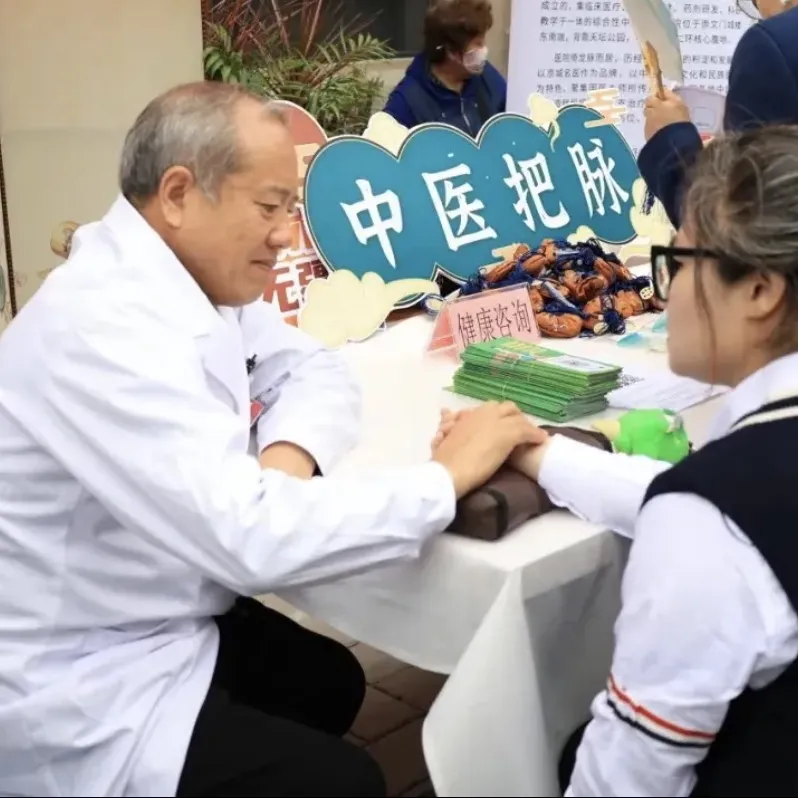
If you want to truly “touch” TCM, start with a pulse reading consultation. This is one of the most fascinating—and surprisingly accessible—experiences for visitors.
In TCM, doctors don’t just check your pulse for speed. They assess its depth, strength, rhythm, and quality, often using three fingers on each wrist. From this, they gather insights about different organ systems and your overall balance.
The key is choosing the right place.
Where to go:
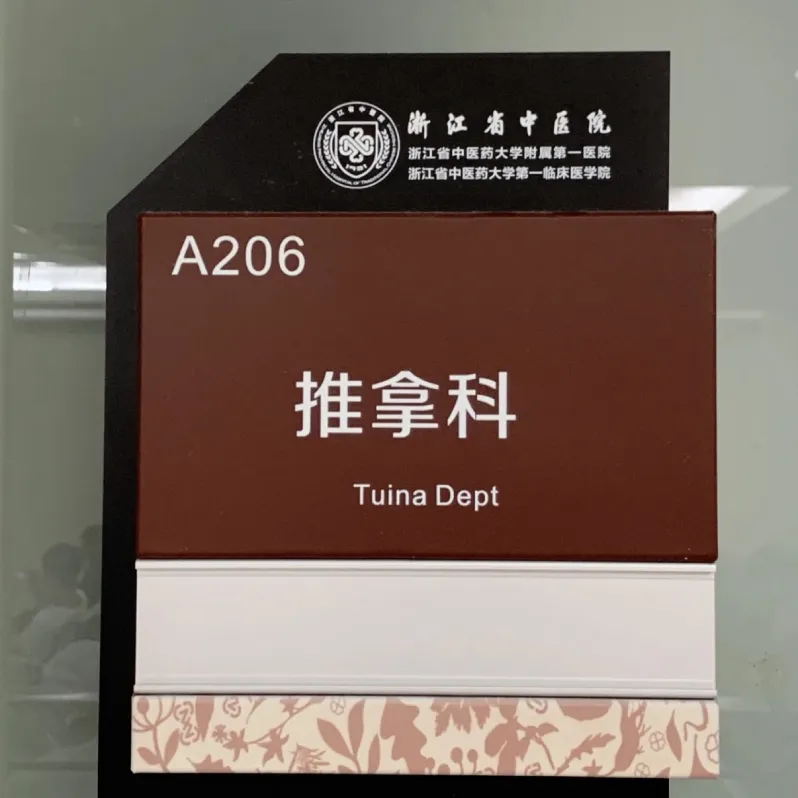
- Public TCM hospitals
- Reputable clinics inside major cities like Beijing, Shanghai, Hangzhou, or Guangzhou
Avoid small, aggressive storefront clinics targeting tourists.
A typical visit is straightforward. You’ll register, wait your turn, and sit down with a doctor who may also examine your tongue and ask a few questions about sleep, digestion, and stress.
Costs are usually reasonable—often between 30–100 RMB for a basic consultation.
What you might receive:
- Herbal prescription (customized for you)
- Lifestyle advice (diet, sleep, habits)
- Recommendations for acupuncture or massage
Experience #2: Visiting a Traditional Herbal Pharmacy
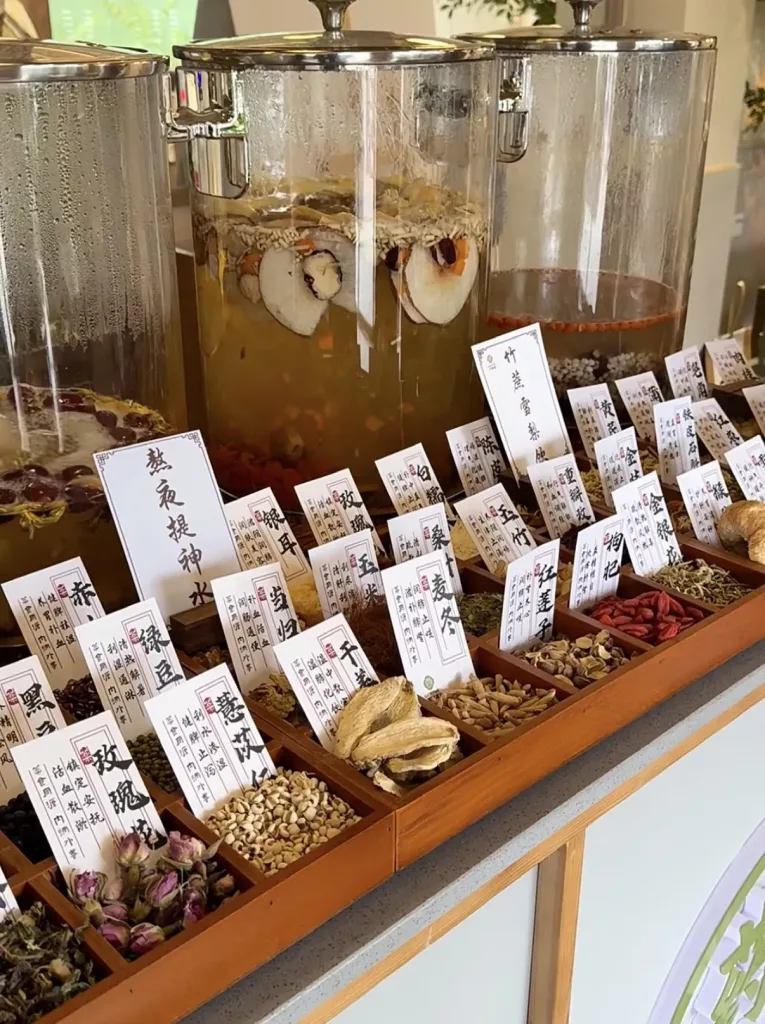
Walking into a Chinese herbal pharmacy is like stepping into a living museum. Wooden drawers line the walls, each filled with dried roots, leaves, berries, and minerals.
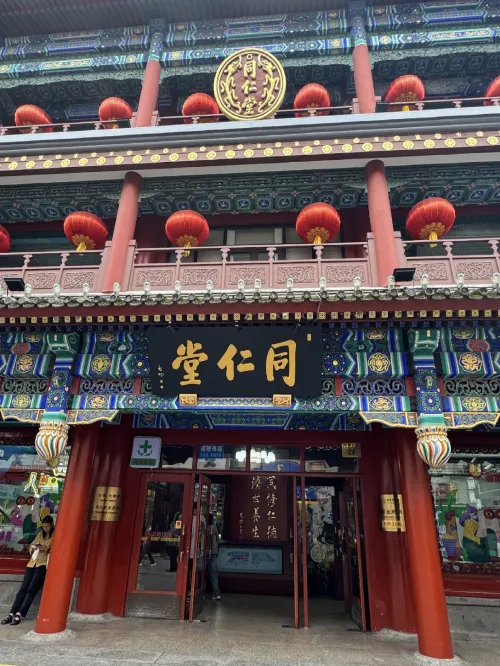
One of the most trusted names you’ll see is Tongrentang, a historic, state-owned pharmacy brand with locations across China. These are safe, reliable, and tourist-friendly.
Inside, you can:
- See how herbs are measured and prepared
- Ask staff for mild wellness teas (like for sleep or digestion)
- Observe prescriptions being filled based on doctor recommendations
The sensory experience alone is worth it—the earthy aroma, the quiet precision, the old-world atmosphere.
What to try as a visitor:
- Pre-packaged herbal teas
- Mild tonics for energy or relaxation
- Ready-made medicinal soups
But here’s the critical rule: never self-prescribe strong herbal medicine. TCM herbs are powerful and should match your body’s condition.
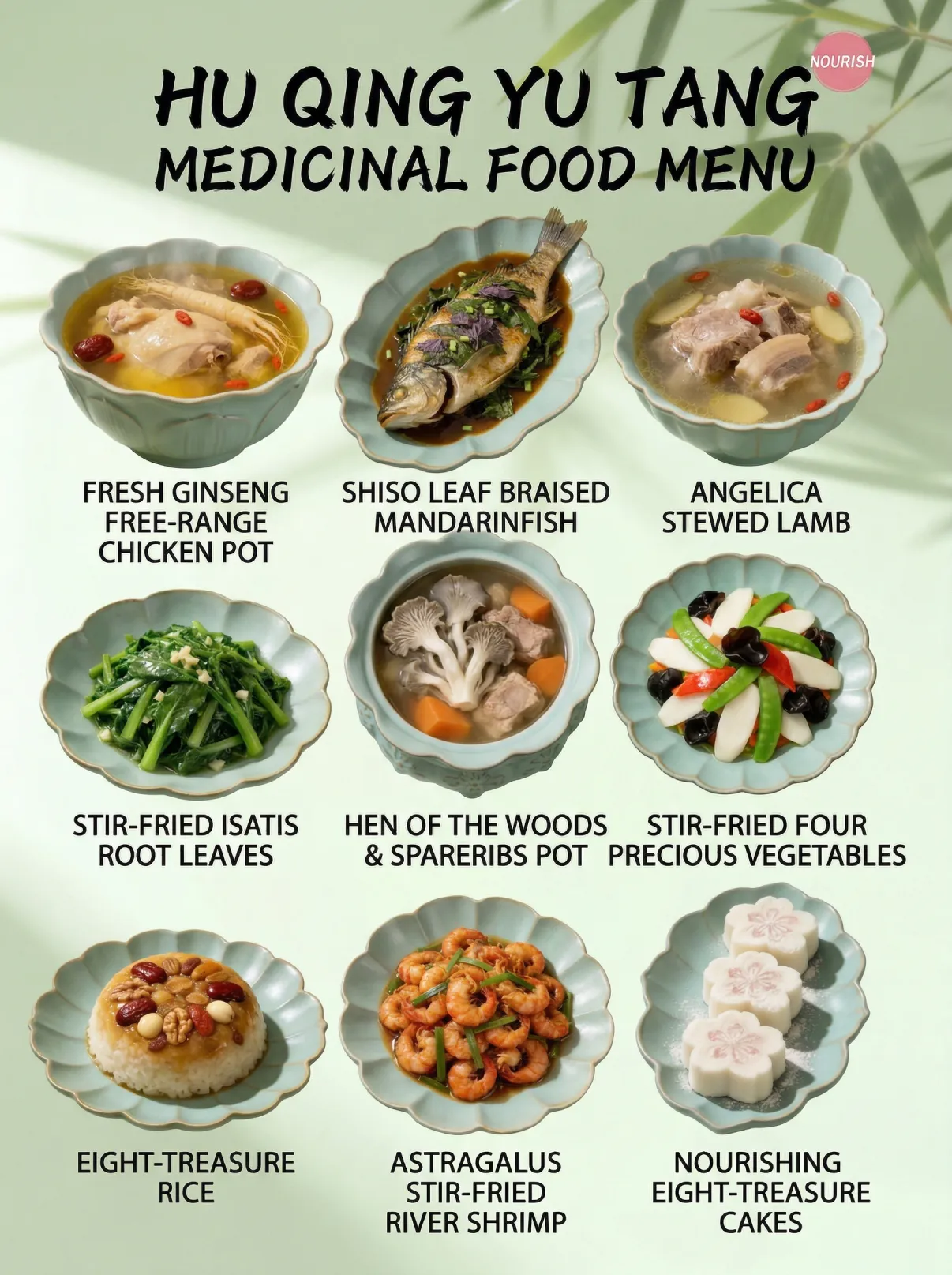
Experience #3: TCM-Inspired Dining You Can Actually Enjoy
Not all TCM experiences involve clinics or medicine. Some of the most approachable ways to engage with it are through food and drink.
In China, there’s a concept called “food as medicine”. Meals are often designed to balance the body, especially during seasonal changes.
You’ll find TCM-inspired options in:
- Local restaurants
- Specialty soup shops
- Traditional tea houses
What to look for:
- Herbal soups with ingredients like goji berries, ginseng, or Chinese yam
- Cooling teas in summer (like chrysanthemum tea)
- Warming tonics in winter (like ginger-based drinks)
These aren’t extreme or strange flavors—they’re subtle, comforting, and deeply rooted in daily life.
A simple bowl of soup might be designed to:
- Improve circulation
- Boost immunity
- Reduce internal “heat”
It’s one of the easiest and safest ways to explore TCM without overthinking it.
Dos and Dont's: Avoiding Scams and Staying Safe
This is where many travelers get it wrong. TCM is legitimate—but like any popular system, it attracts tourist traps.
✅ Do:
- Visit public hospitals or licensed clinics
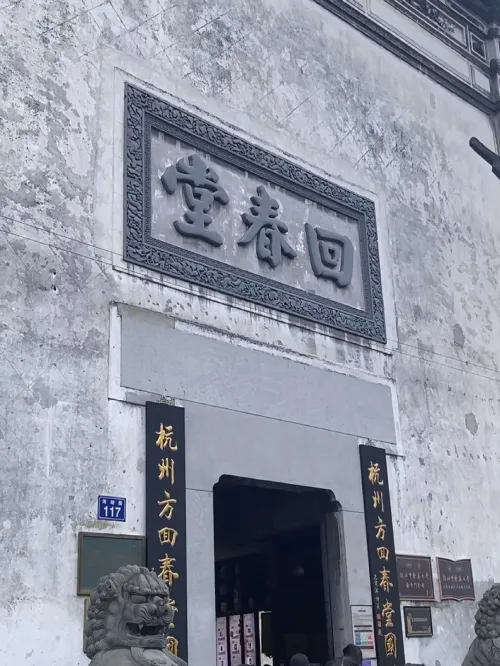
- Choose state-owned pharmacies like Tongrentang, or local old brands like Fanghuichuntang
- Ask for clear pricing before treatment
- Start with mild, non-invasive experiences
❌ Don’t:
- Buy “miracle cures” or expensive secret powders from street vendors
- Trust anyone diagnosing you aggressively in tourist areas
- Take strong herbal medicine without a proper consultation
- Assume “ancient” means “safe” without verification
If someone approaches you on the street offering a “special doctor” or “hidden clinic,” walk away. Real TCM doesn’t operate like that.
Final Thoughts: Turning Curiosity into a Meaningful Experience
Traditional Chinese Medicine isn’t something you need to fully understand to appreciate. What matters is experiencing it in the right way, in the right place, with the right expectations.
Start simple:
- Try a herbal tea
- Visit a trusted pharmacy
- Book a short consultation
And if you want a deeper, stress-free experience, consider joining a 1-on-1 TCM cultural immersion session or a guided tour where everything—from translation to trusted clinics—is arranged for you.
That’s how you move beyond curiosity and actually connect with one of China’s most enduring traditions.