Taoism (道教) is one of China’s most profound spiritual and philosophical traditions. Rooted in nature, balance, and inner peace, it has shaped Chinese culture for over 2,000 years. Whether through the wisdom of the Tao Te Ching, the practice of Tai Chi, or the serene beauty of Taoist temples, Taoism offers a timeless guide to living in harmony with the universe.
Let’s explore its origins, core ideas, practices, and modern influence.
Origins & History: The Birth of Taoism
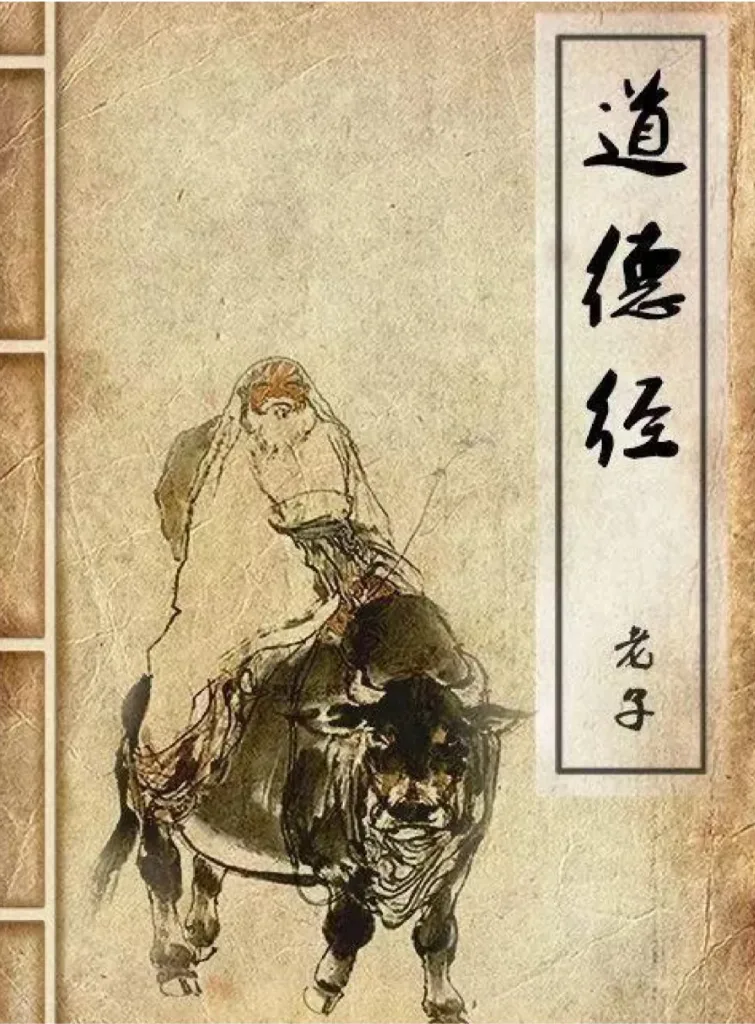
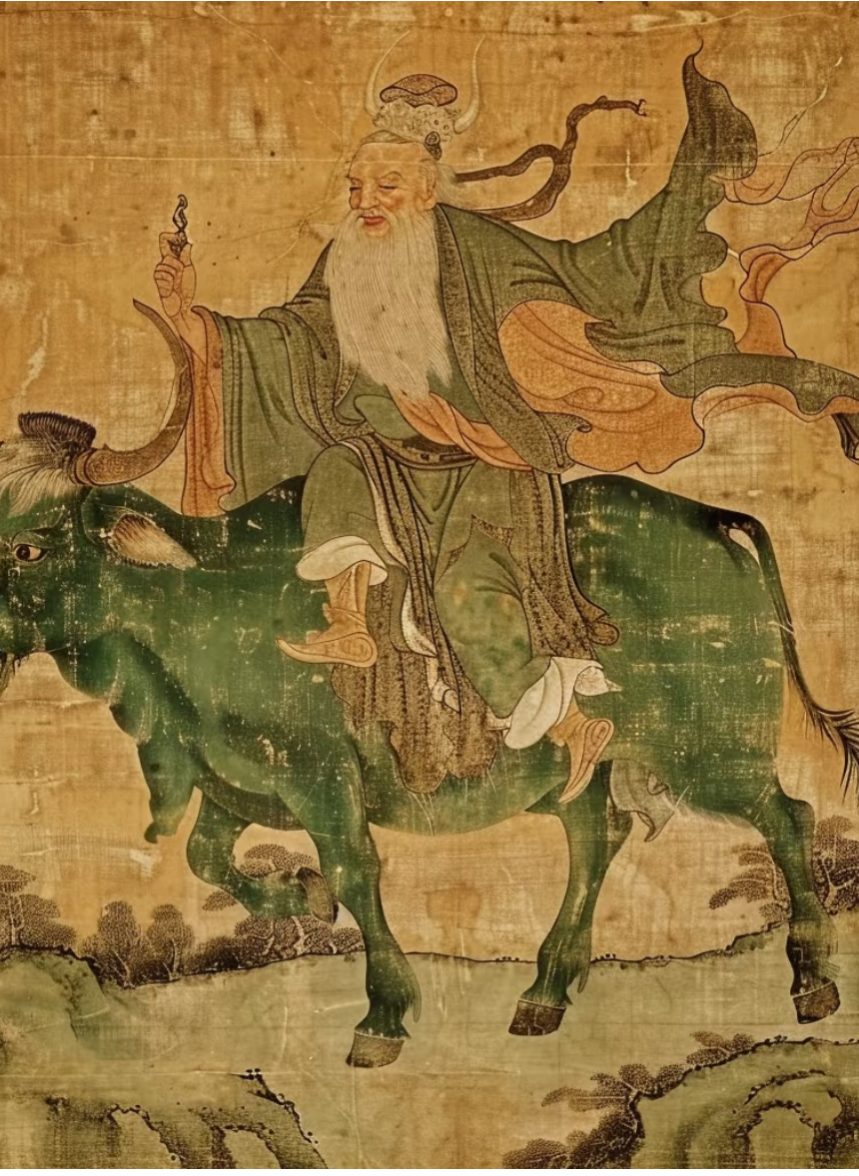
Taoism’s foundations are attributed to Laozi (Lao Tzu, 老子), a semi-legendary sage who lived around the 6th century BCE. He authored the Tao Te Ching (道德经), a short but profound text of 81 verses that explores the Tao (the “Way”)—the natural order of the universe.
Key themes in the Tao Te Ching:
“The Tao that can be spoken is not the eternal Tao.” (Tao is beyond words.)
“Water is soft yet overcomes the hard.” (Flexibility triumphs over rigidity.)
“Knowing others is wisdom, knowing yourself is enlightenment.”
Core Beliefs of Taoism
The Tao (道) – The Ultimate Principle
The Tao is the natural flow of the universe—unknowable yet present in all things. Taoists seek to align with it rather than resist it.
Wu Wei (无为) – Effortless Action
Not laziness, but acting in harmony with nature (like water flowing around rocks).
Avoid forcing outcomes; instead, move with the natural course of events.
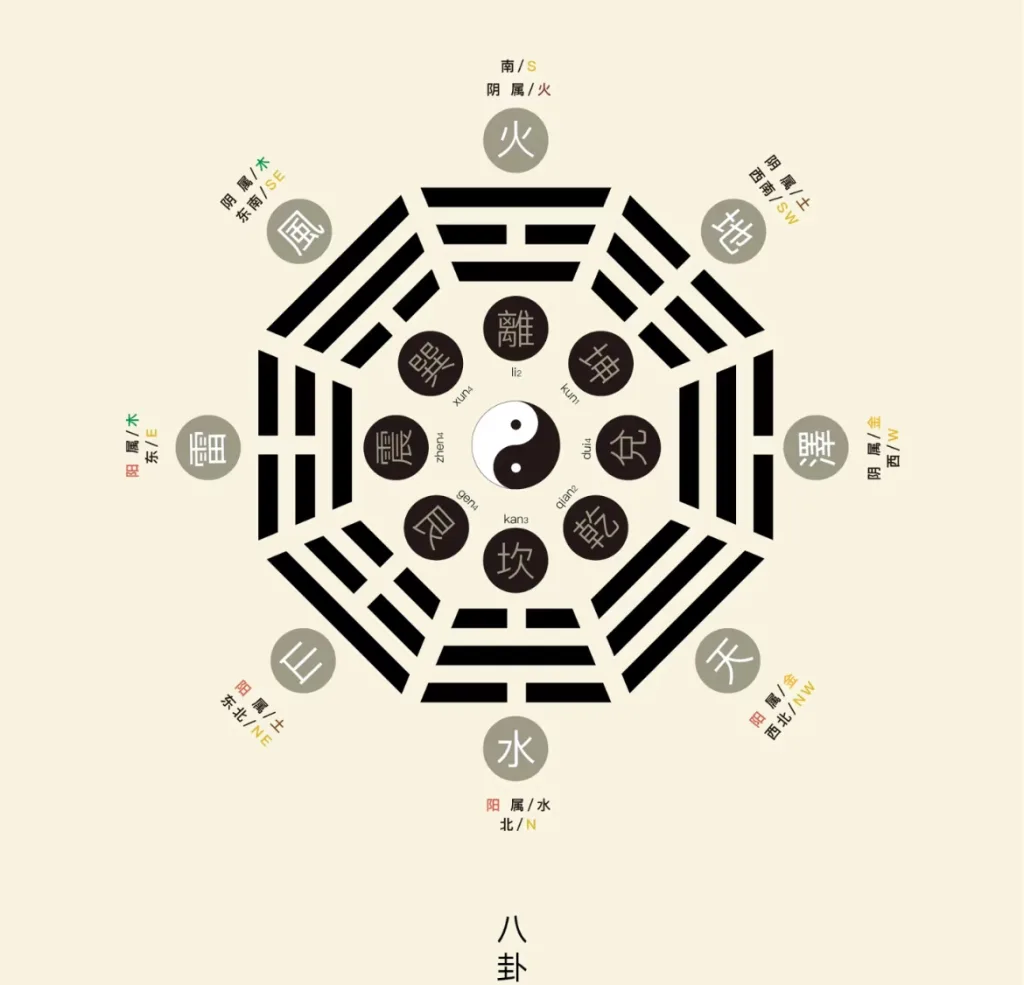
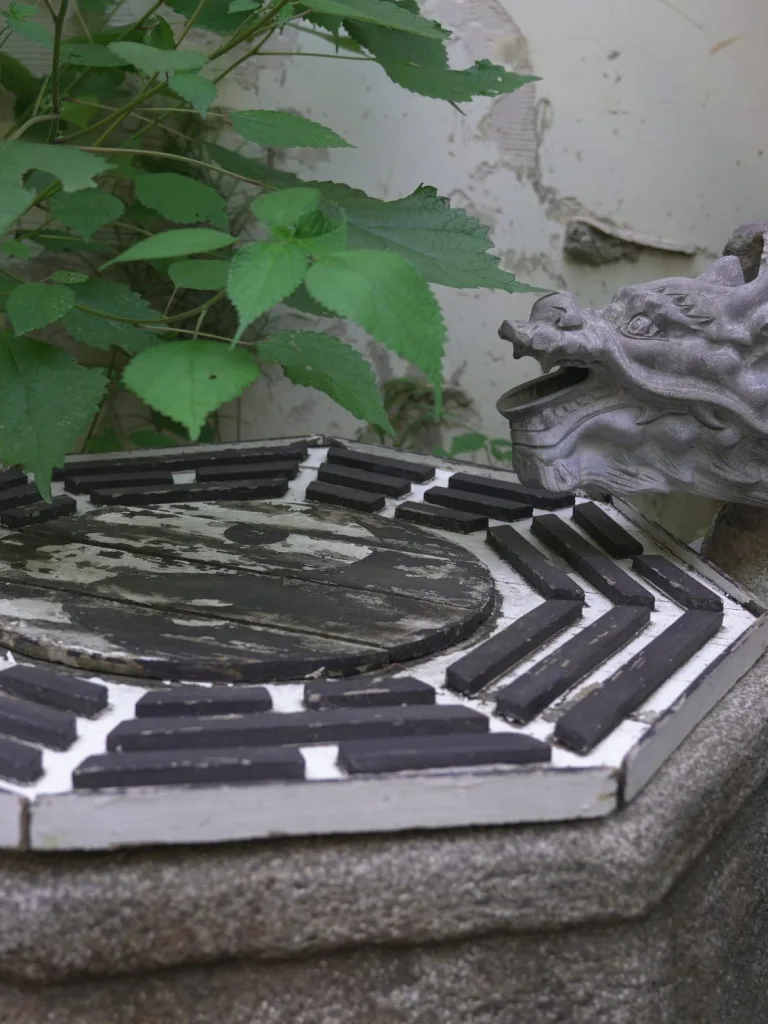
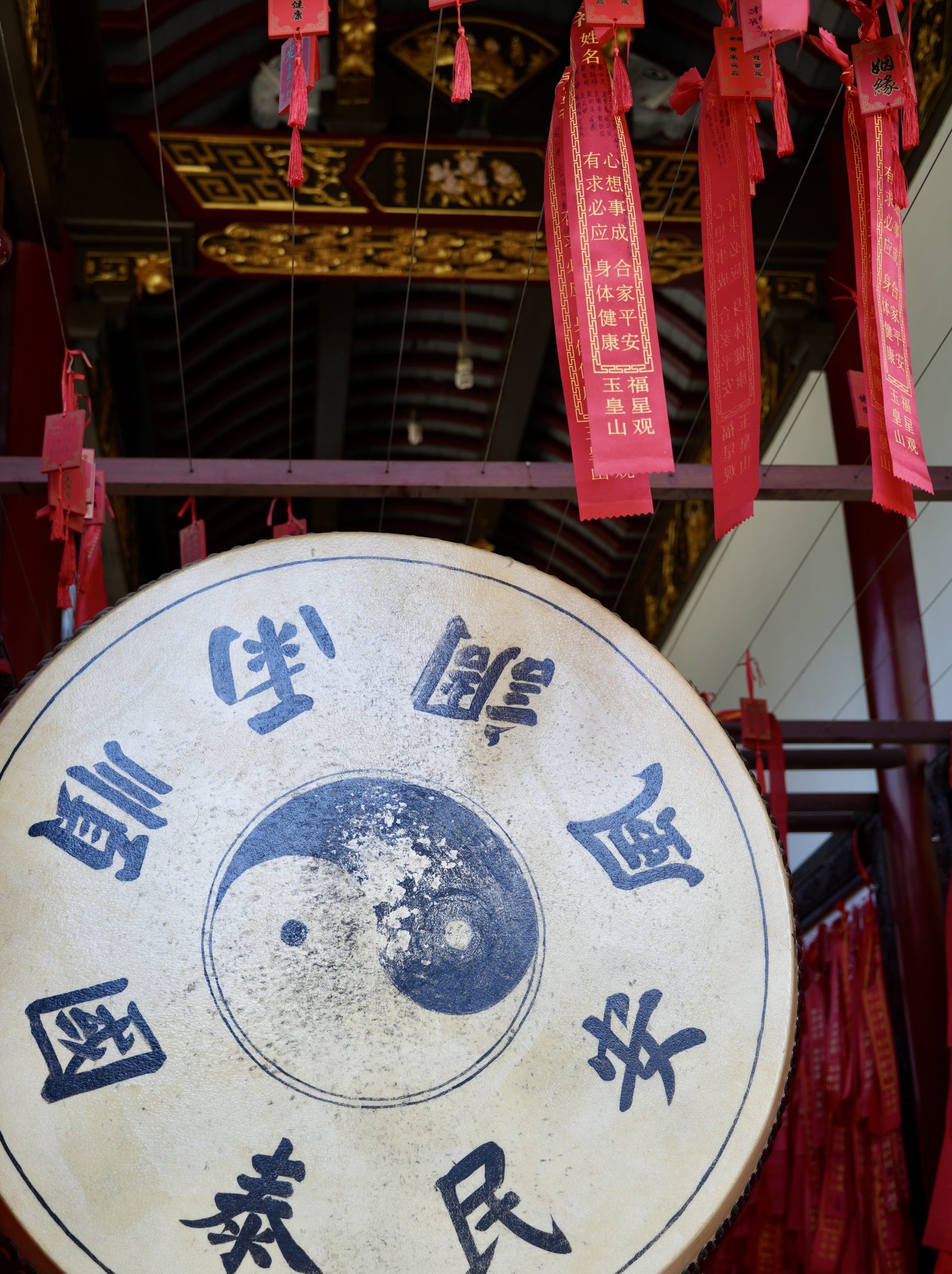
Yin & Yang (阴阳) – Balance of Opposites
Yin (dark, passive, feminine) and Yang (light, active, masculine) are interdependent.
Health, happiness, and harmony come from balancing these forces.
The Three Treasures (三宝)
Compassion (慈)
Moderation (俭)
Humility (不敢为天下先, “Not striving to be first”)
Taoist Practices & Rituals
Meditation & Qi Cultivation
Qi Gong (气功): Exercises to cultivate qi (life energy).
Neidan (内丹, “Inner Alchemy”): Meditation techniques for longevity and spiritual refinement.
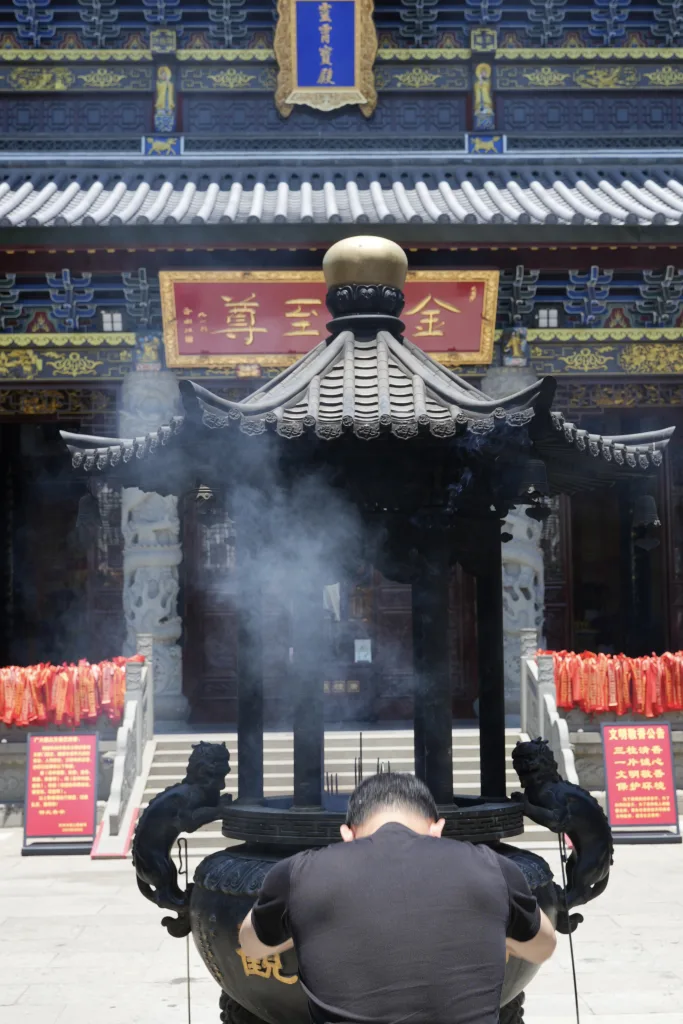
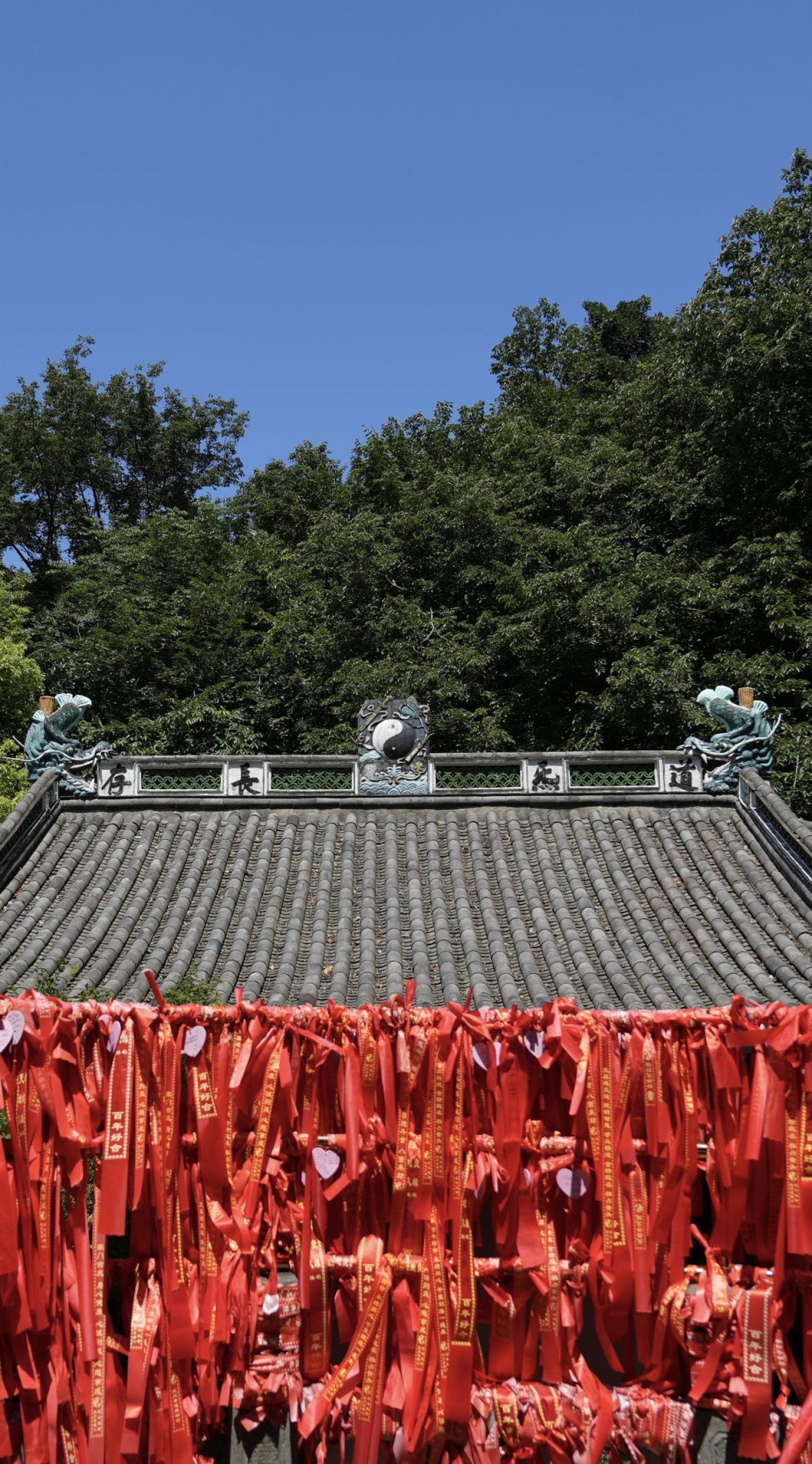
Taoist Temples & Worship
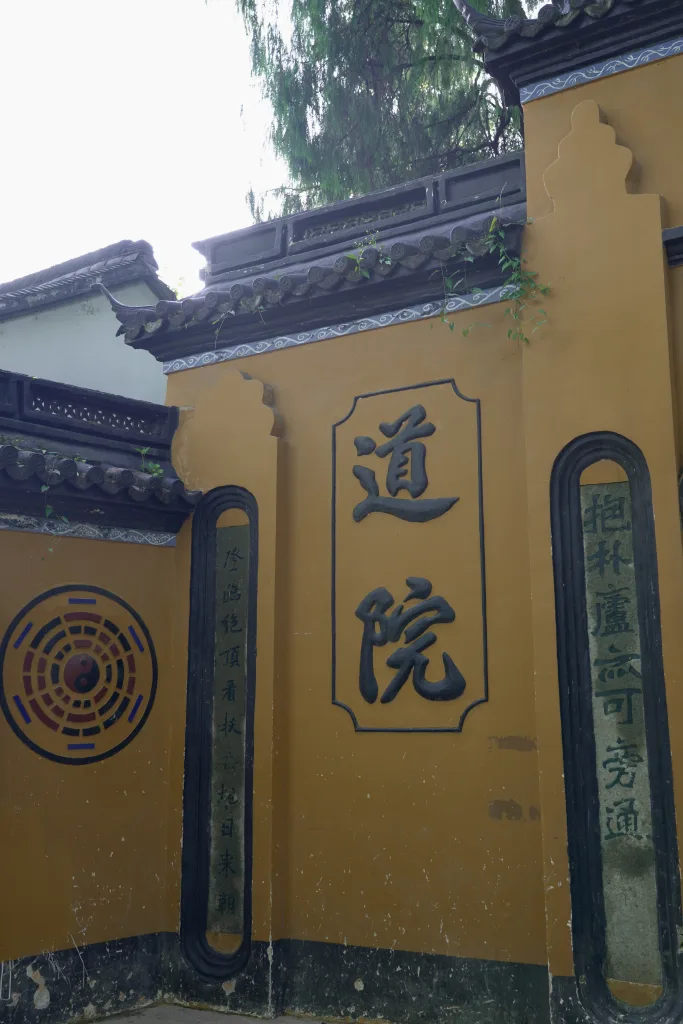
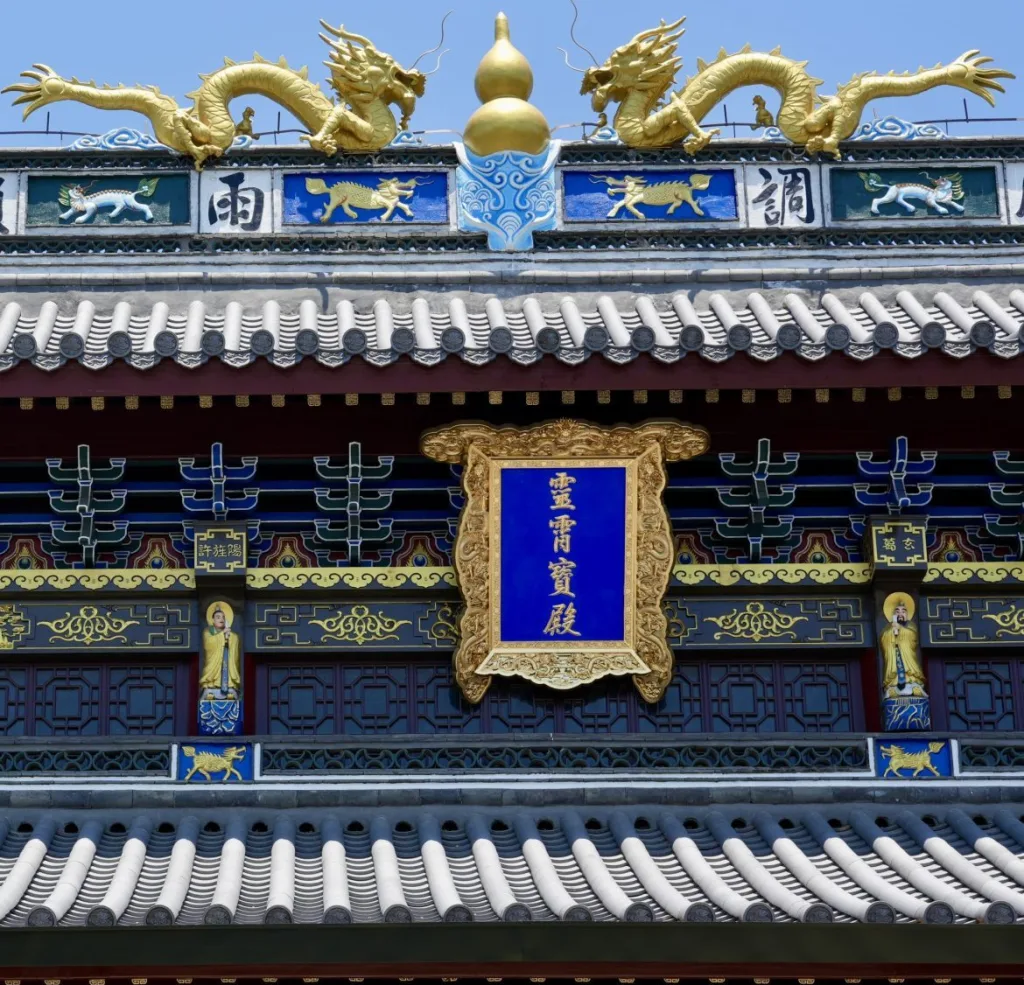
Temples(观) are often built in sacred mountains (e.g., Wudang, Qingcheng).
Rituals include incense offerings, chanting, and divination.
Feng Shui & Chinese Medicine
Taoism influenced feng shui (风水, harmonizing energy in spaces).
Traditional Chinese medicine follows Taoist principles of balance (e.g., acupuncture, herbal remedies).
Martial Arts: Tai Chi & Kung Fu
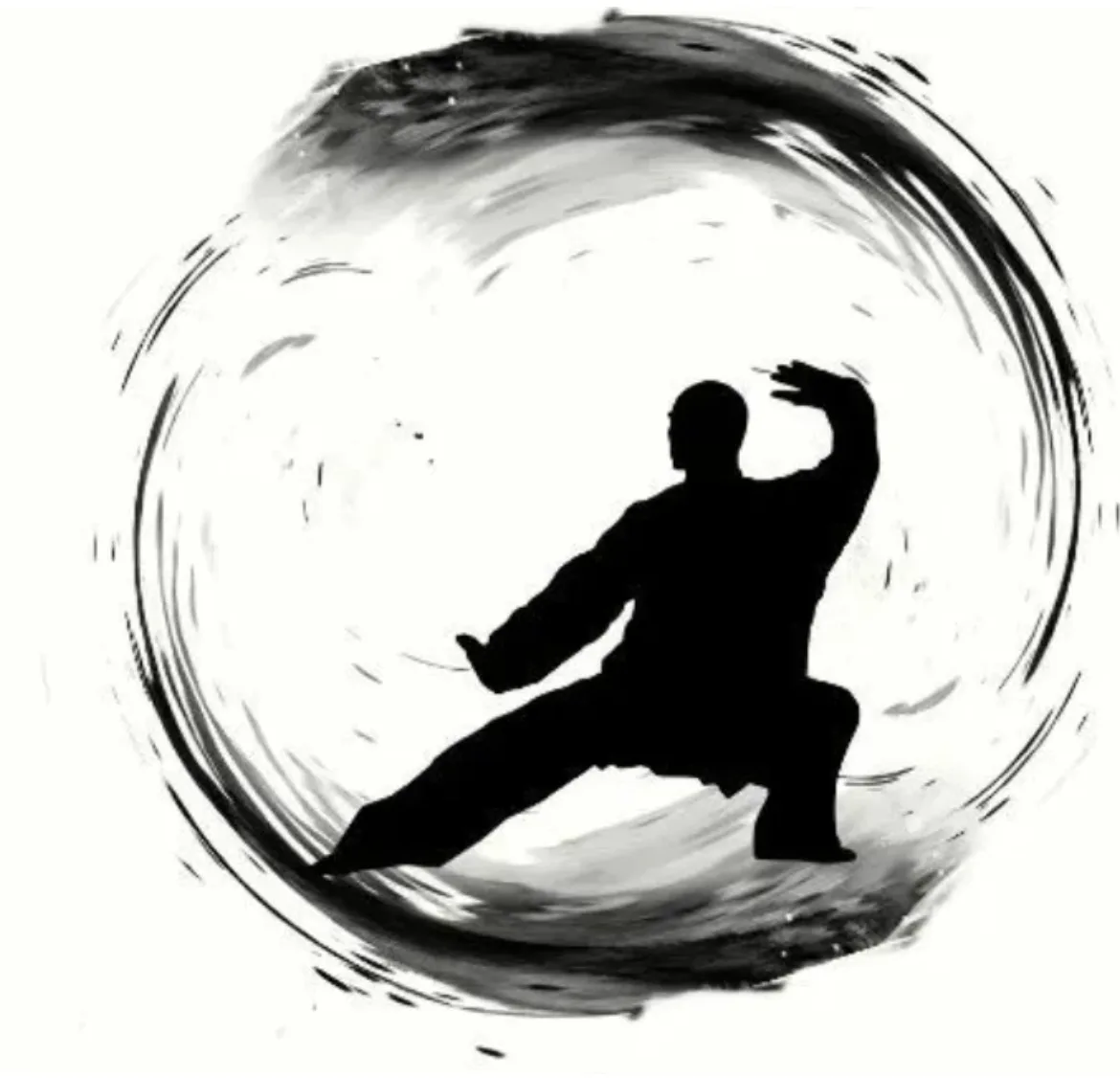
Tai Chi (太极拳): A slow, flowing martial art based on Taoist philosophy.
Wudang Kung Fu: Taoist monks developed this internal martial art.
Taoism in Modern China
Seeking Guidance at Taoist Temples
In times of uncertainty, hardship, or major life decisions, many Chinese people visit Taoist temples to pray for blessings from deities like Laozi, the Jade Emperor ; people will also draw fortune sticks – Bamboo sticks inscribed with poetic verses offer guidance on career, love, or health. Then, the next step is to consult Taoist monks for interpretations of signs or divination.
This tradition reflects Taoism’s enduring role as a source of spiritual solace and practical wisdom in modern life.
Eco-Spirituality: Talismans Made of Rice
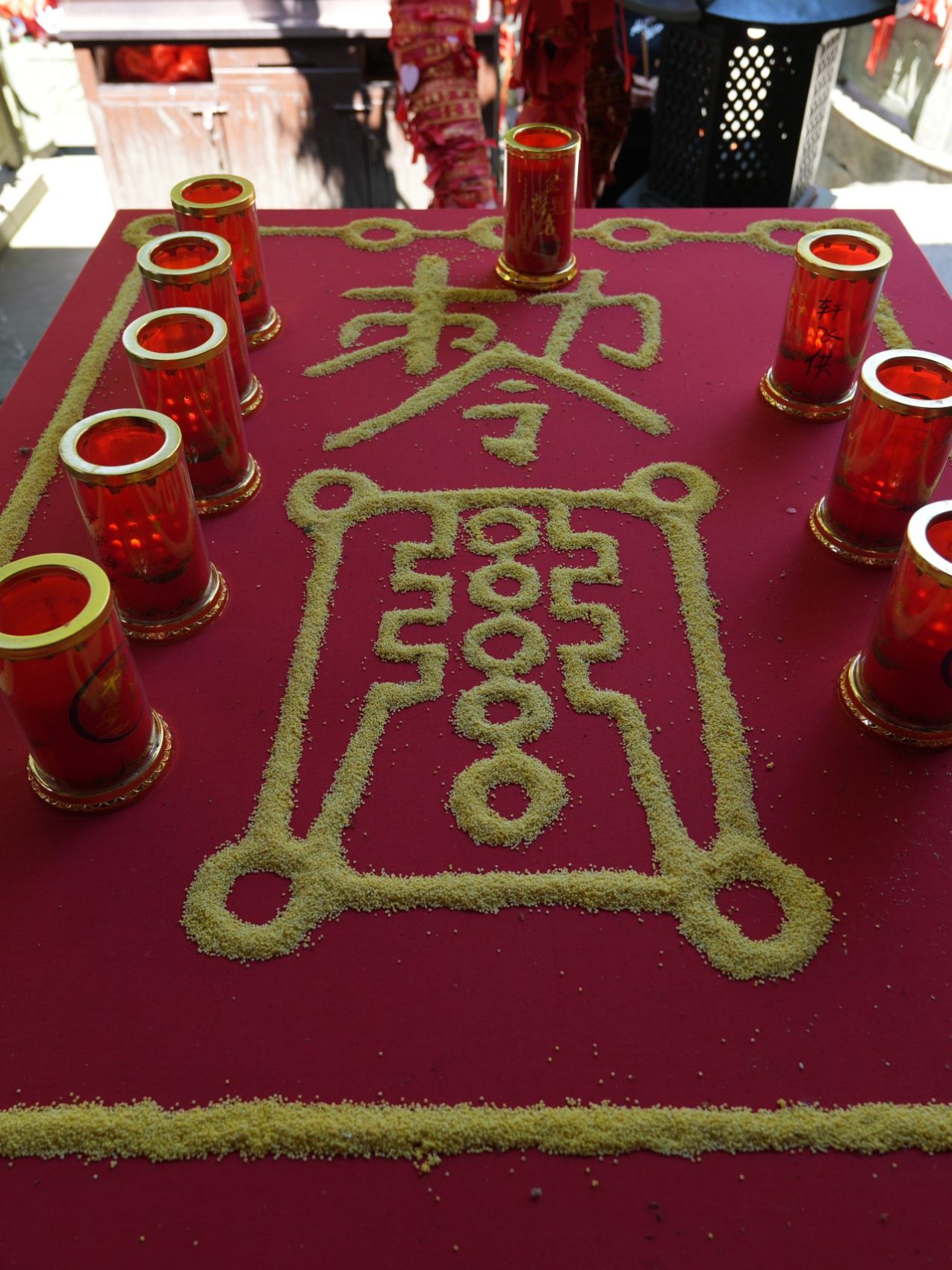
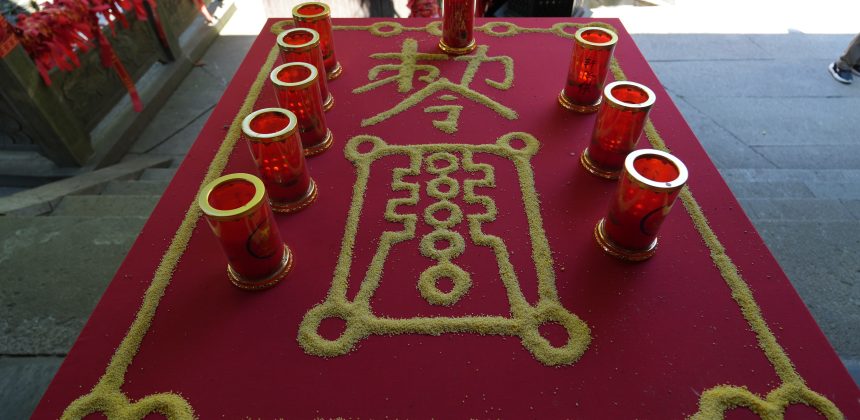
A beautiful example of Taoism’s harmony with nature is the use of rice-paper talismans (符箓). Unlike synthetic materials, these talismans are made from pressed rice grains – biodegradable and non-toxic. Also, the other ingredient is natural inks – often plant-based, avoiding chemical dyes.
After use, the talismans can be left outdoors, where birds and insects safely consume them.
Overall, Taoism teaches us to flow like water—soft yet powerful, yielding yet unstoppable. In a fast-paced world, its wisdom reminds us to pause, reflect, and move in harmony with life’s natural rhythms.