Sip, Savor, and Sail: Discovering the Soul of China in a Cup of Shaoxing Wine
Welcome to Shaoxing (绍兴), a poetic water town in Zhejiang province, where canals replace streets and the air is fragrant with a history that you can taste. This is the home of China’s most celebrated “yellow wine,” or huangjiu (黄酒) – the legendary Shaoxing Rice Wine.
What Exactly is Shaoxing Rice Wine?
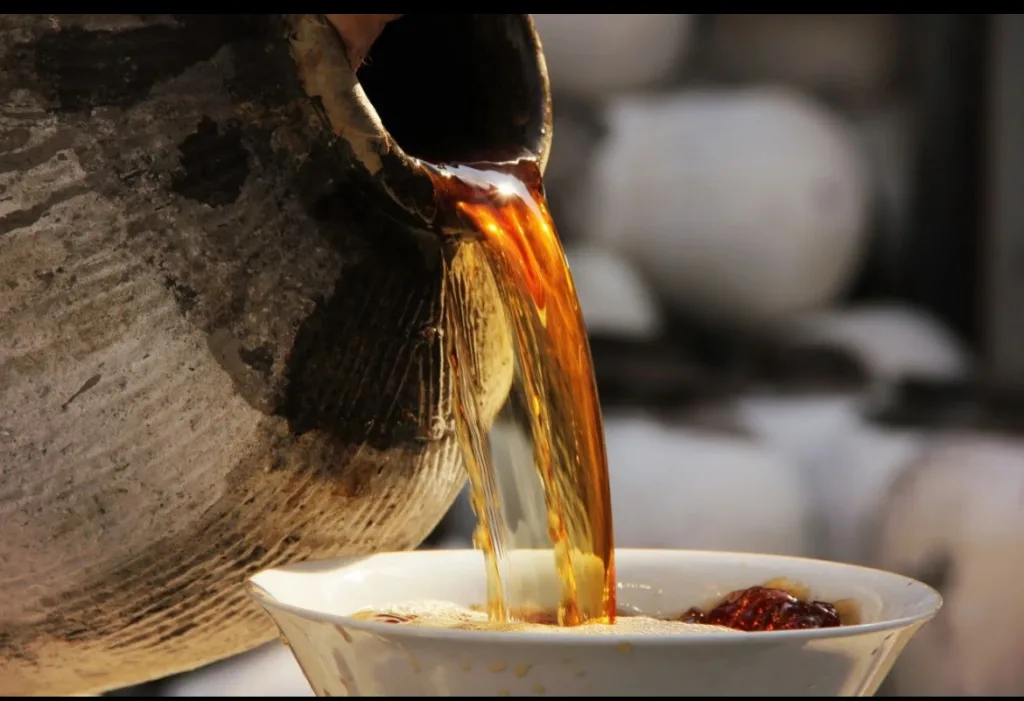
Forget everything you think you know about rice wine. Shaoxing wine is not the clear, potent baijiu or the Japanese sake. It is a rich, amber-hued brew with a history stretching back over 2,500 years. Made from glutinous rice, local wheat, and the famously pure waters of Jianhu Lake, its flavour is complex, mellow, and utterly unique—a smooth symphony of nutty, floral, and subtly sweet notes.
The Secret in the Jar: What Makes It So Special?
The magic of Shaoxing wine lies in its three core elements, often called its “flesh, blood, and bones.”
- The Flesh – High-Quality Glutinous Rice: This provides the starch that converts into sugar and then alcohol, giving the wine its full-bodied character.
- The Blood – Jian Lake Water: This is the soul of the wine. Locals have said for centuries that “only Jian lake water can brew the finest Shaoxing wine.” Its unique mineral composition contributes to the wine’s signature mellow taste.
- The Bones – Wheat Qu: This is the special fermentation starter, a type of yeast culture that kickstarts the entire process and imparts a deep, complex aroma.
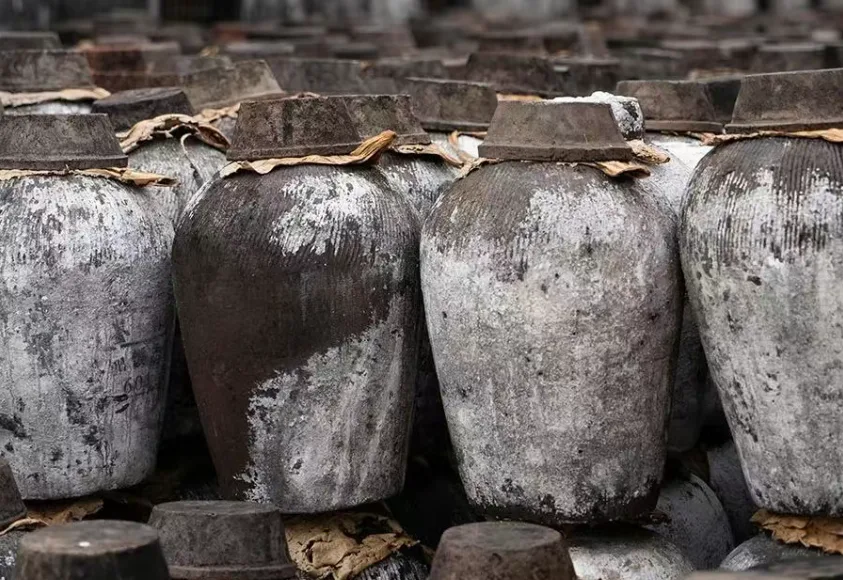
The final ingredient is time. The wine is aged in clay jars for years, sometimes even decades. This patient process transforms it from a simple beverage into a work of art.
From Dry to Sweet: A Guide to the Four Greats
“Shaoxing wine” isn’t a single entity; it’s a family of styles that evolved with the region’s prosperity. As life improved and grain became more plentiful, brewers began to experiment, creating richer and more complex wines. Here’s your guide, from the driest to the sweetest.
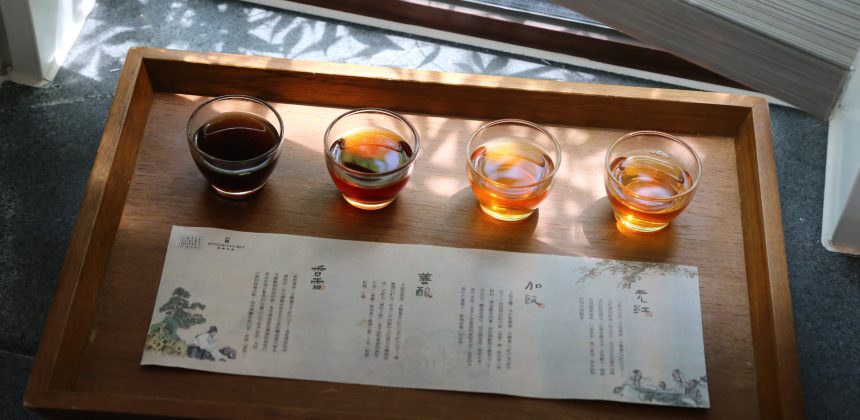
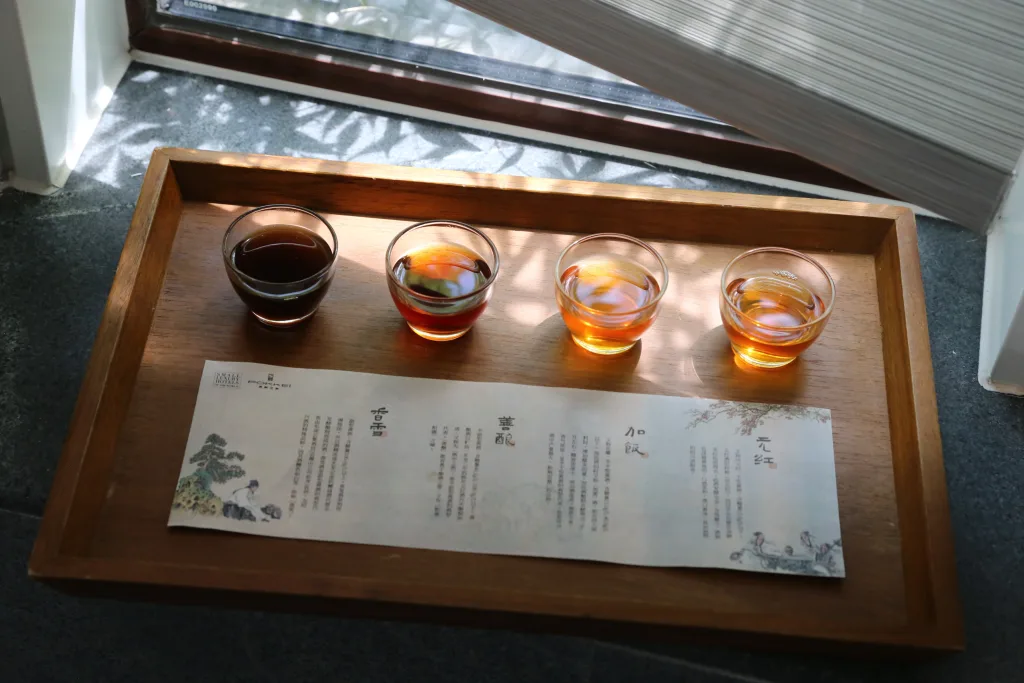
1. Yuanhong Wine (元红酒) – The Foundation (Dry)
- Meaning: “Champion’s Red”
- This is the classic, the original, the foundational wine of Shaoxing. Traditionally the most-consumed local variety, Yuanhong is dry, robust, and the perfect entry point. It represents the authentic, unadorned character of Shaoxing wine.
2. Jiafan Wine (加饭酒) – The Aromatic (Semi-Dry)
- Meaning: “Added More Rice”
- As its name suggests, Jiafan is made by significantly increasing the amount of glutinous rice in the recipe, essentially creating a richer brew on top of the Yuanhong base. The result is a more aromatic, full-bodied, and complex wine with a semi-dry profile. This is often the style you’ll find in high-quality bottlings and the famous “Huadiao(花雕).”
3. Shanniang Wine (善酿酒) – The Mellow (Semi-Sweet)
- Meaning: “Good/Skillful Brew”
- Here’s where things get truly interesting. Instead of using water, the brewers of Shanniang use three-year-aged Yuanhong wine as the base liquid for a new fermentation. This luxurious process creates an exceptionally smooth, mellow, and semi-sweet wine with a deep, satisfying character.
4. Xiangxue Wine (香雪酒) – The Dessert (Sweet)
- Meaning: “Fragrant Snow”
- The most unique of all. To make Xiangxue, brewers take the fragrant, unpressed rice mash (lees) from making Jiafan wine and use it to ferment a new batch, forgoing the traditional wheat starter. The result is a stunning, orange-hued wine that is intensely aromatic, sweet, rich and mellow. Think of it as China’s answer to a fortified dessert wine. It’s perfect with sweet dishes and, unlike its siblings, is often best served chilled.
Your Shaoxing Wine Itinerary: Where to Experience It
To truly understand Shaoxing wine, you must travel to its source. And there’s no better way than by water.
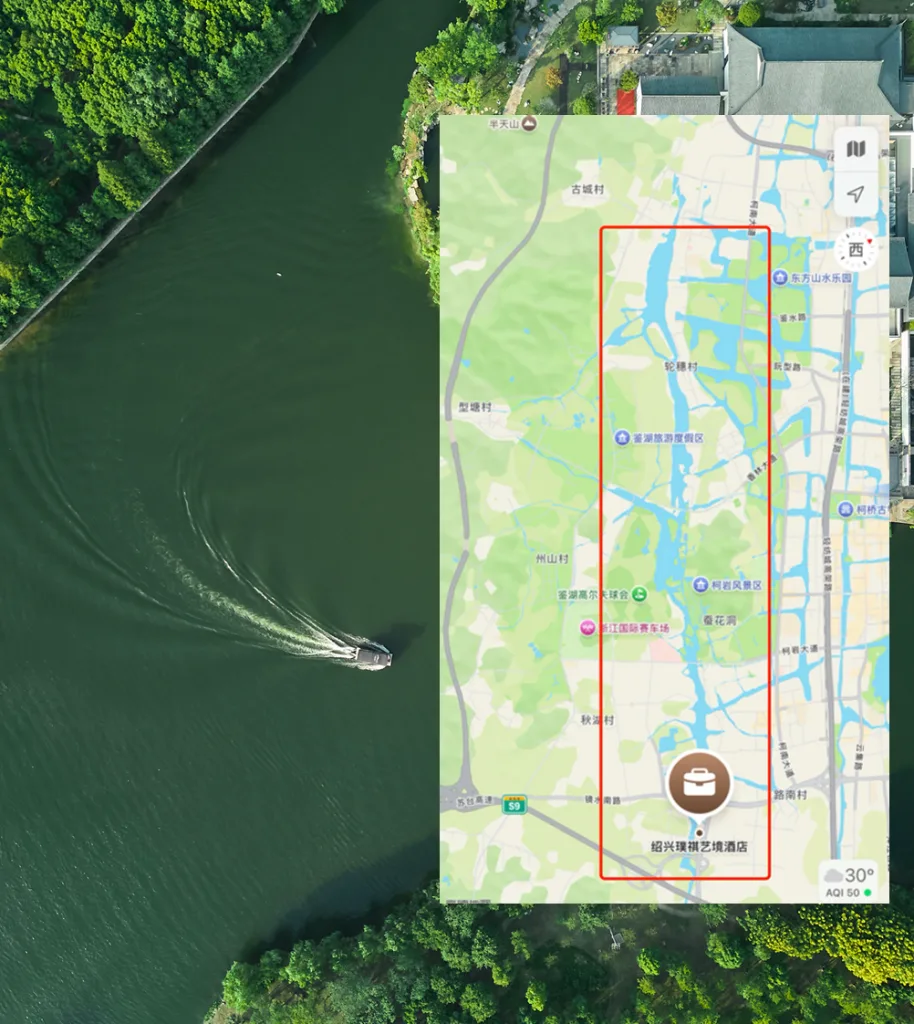
Imagine this: you step aboard a comfortable, private cruise boat, leaving the city behind. As you glide west along the ancient waterways, you are traveling towards the very source of Jian Lake’s famed water, witnessing the timeless landscapes that have inspired poets and artists for centuries. This isn’t just a trip; it’s a journey back in time, revealing the authentic, water-laced soul of the region.
Your destination is a living museum of winemaking: the Jianhu Winery (鉴湖酒坊), a handcrafted workshop that has stood for over 300 years.
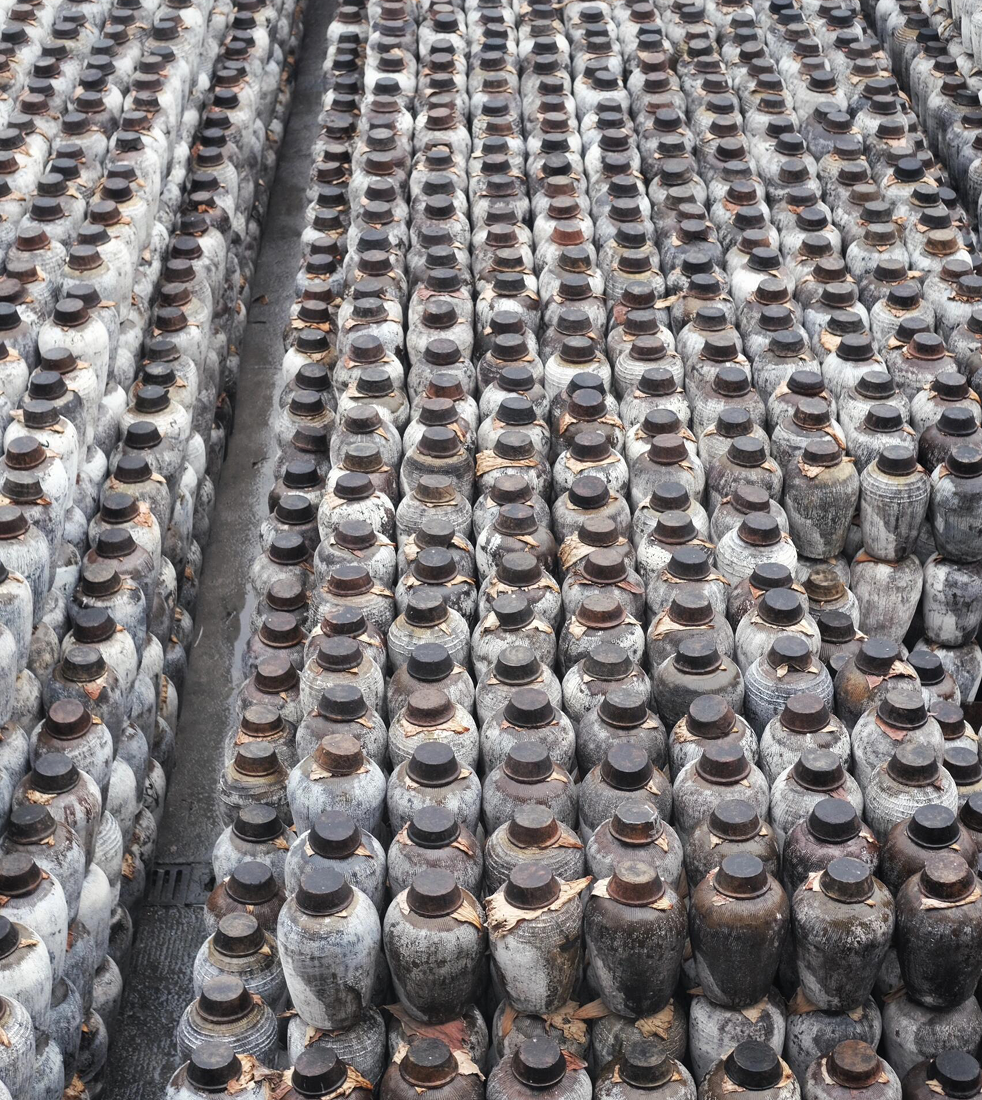
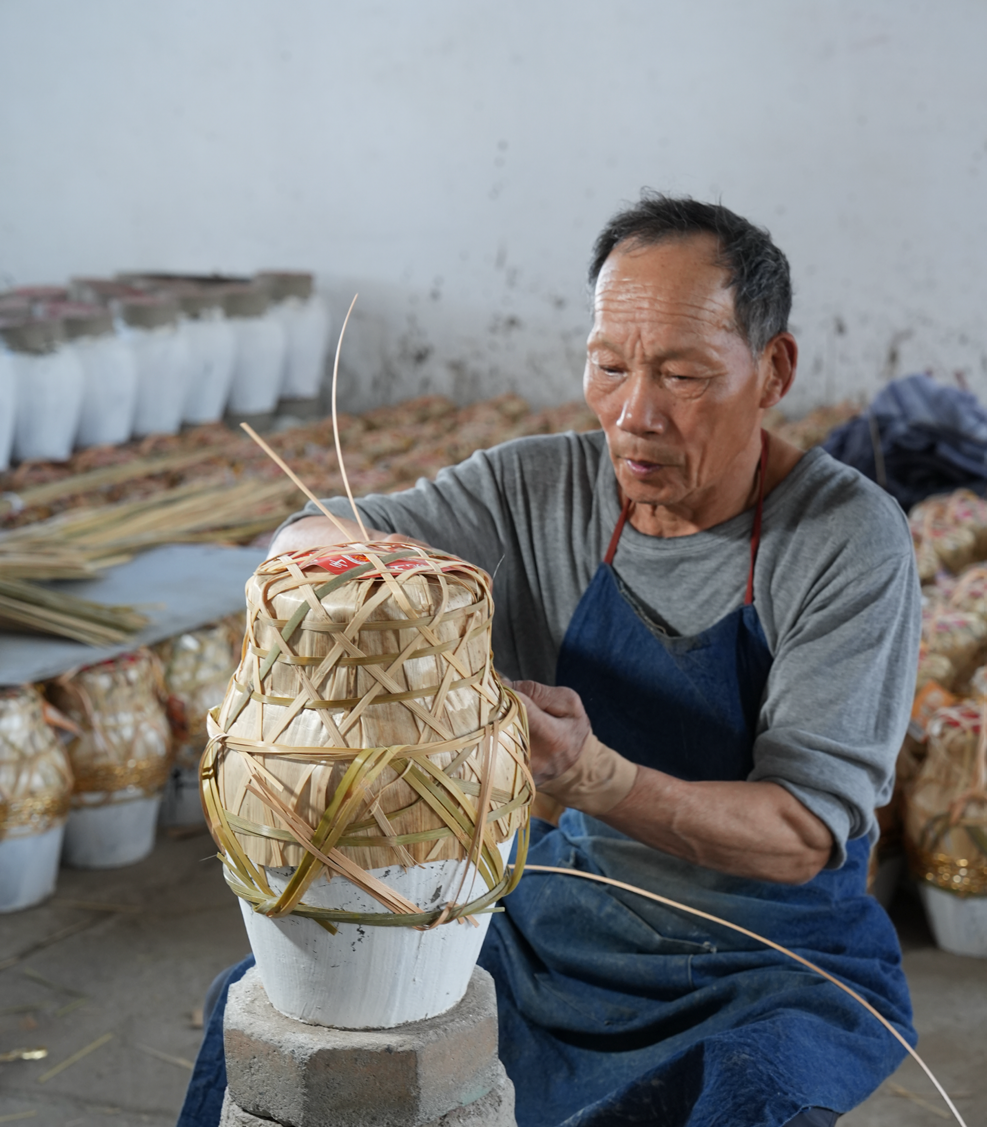
In an age of modern industrialization, this winery remains a bastion of tradition, insisting on crafting wine by hand using methods passed down through generations. Here, the winemaking follows an ancient, poetic calendar:
- The special yeast is prepared in July.
- The Wheat Qu is made in August.
- The initial rice mash is created in September.
- Finally, at the Start of Winter, the key ingredients are combined to begin the brewing process.
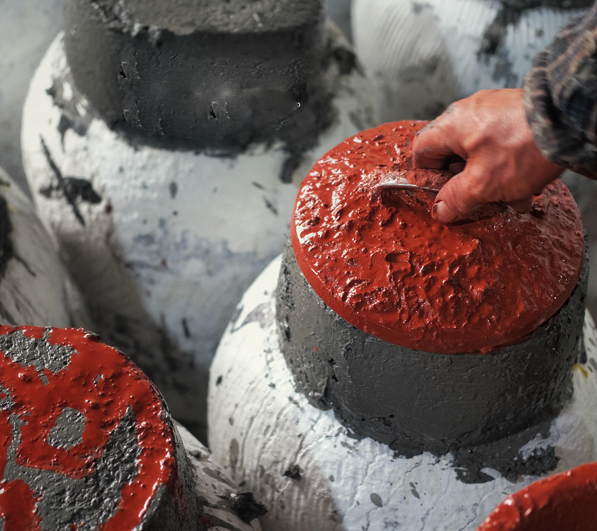
What follows is a testament to patience: a slow fermentation of over 90 days, followed by pressing, clarifying, and then sealing the wine in clay jars to age. From a single grain of rice to the final, mellow wine, it is a three-year, 37-step odyssey.
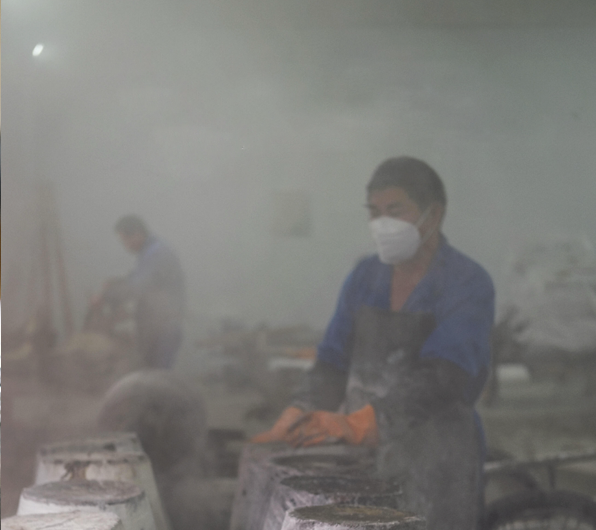
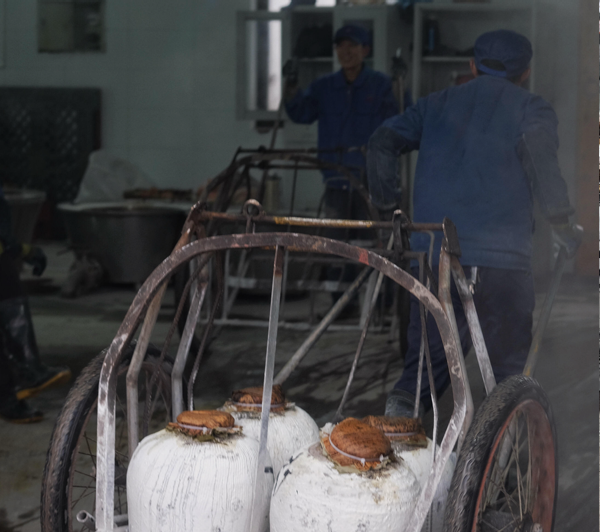
Inside the workshop, you will see the tools of this ancient craft firsthand: towering earthenware vats, antique wooden presses, the simple rakes for turning the mash, and the enormous wooden barrels for steaming rice. This is a place so sacred to the craft that it is even said to hold the secret brewing recipes of Guyue Longshan, the most famous name in Shaoxing wine.
This experience is more than a tour; it’s a sensory immersion into the heart and soul of China’s liquid history.