Shangri-La Travel Guide: Exploring the “Sun and Moon in the Heart” of Tibet
Nestled at the junction of Yunnan, Sichuan, and Tibet, Shangri-La stands as one of China’s most ethereal and culturally rich destinations. Translating to “sun and moon in the heart” in Tibetan, it embodies the idyllic paradise described in James Hilton’s Lost Horizon—a land where sacred snow-capped peaks, ancient Tea Horse Road (茶马古道) towns, and harmonious ethnic cultures converge to create an otherworldly charm.
With its snow-capped mountains, crystal-clear lakes, vast grasslands, and age-old temples, Shangri-La offers both a serene natural retreat and a profound spiritual journey.
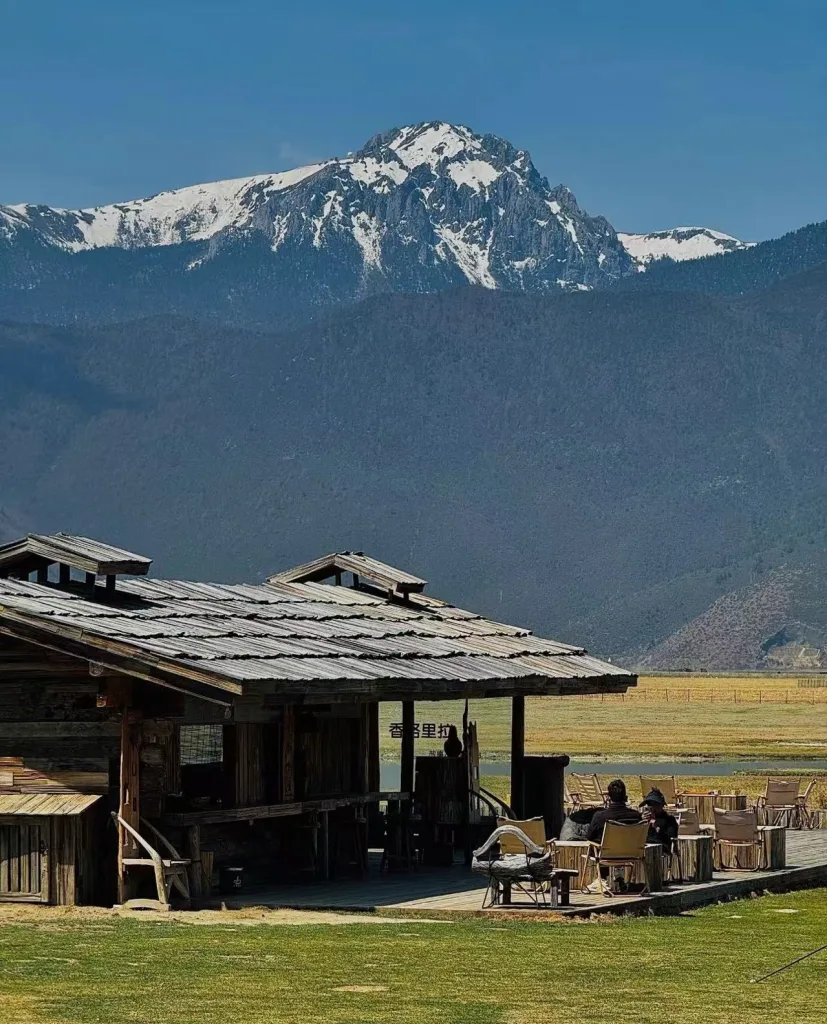
Seasons and Landscapes of Shangri-La
Shangri-La is celebrated for its four distinct alpine seasons, each painting the land in a breathtaking palette:
- Spring (March–May): Ice and snow melt, rhododendrons blanket mountain slopes, and migratory birds like black-necked cranes gather at Napahai Wetland, breathing life into the plateau.
- Summer (June–August): Cool and lush, the grasslands stretch endlessly under clear skies, while wildflowers bloom in a riot of colors—ideal for escaping the heat and joining vibrant Tibetan festivals.
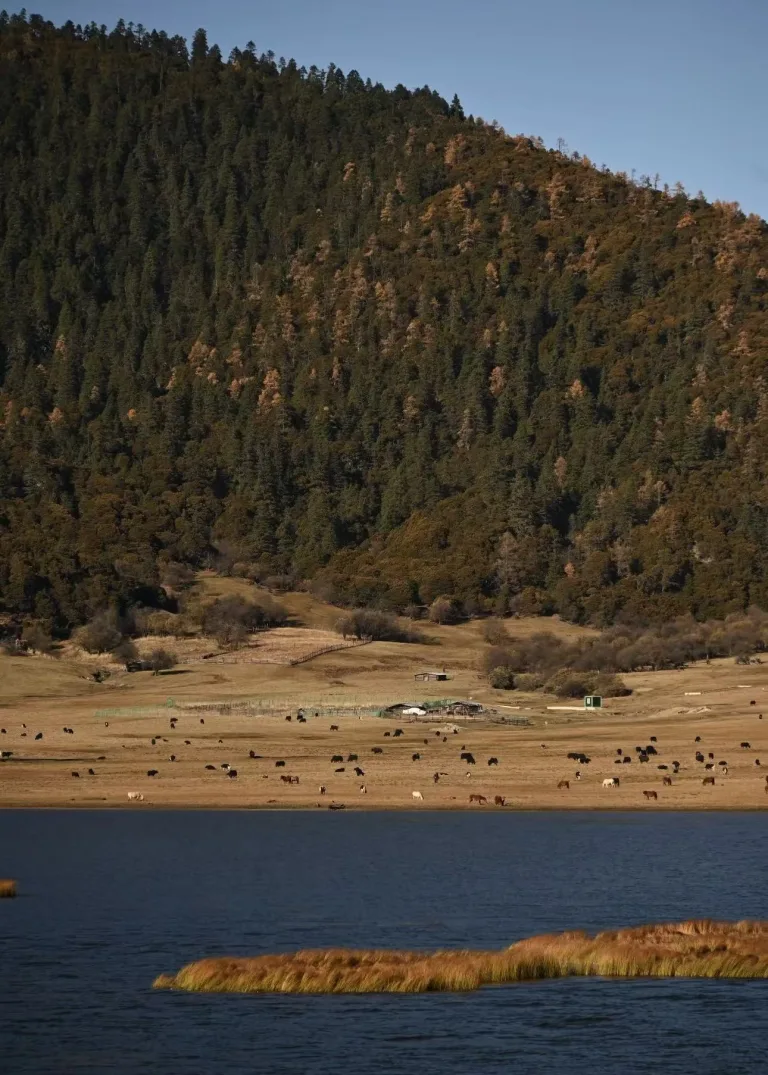
- Autumn (September–November): A photographer’s paradise, with golden forests, crimson wolfsbane flowers, and snow-capped peaks forming a striking contrast, casting the land in warm, magical light.
- Winter (December–February): Snow covers the landscape in a pristine white veil, offering the best chance to witness the “Golden Sunlit Snow Mountains” (Rizhao Jinshan) and experience the quiet solemnity of Tibetan New Year.
This dramatic seasonal rhythm makes Shangri-La a captivating destination year-round.
Meili Snow Mountain: The Sacred Crown of Shangri-La
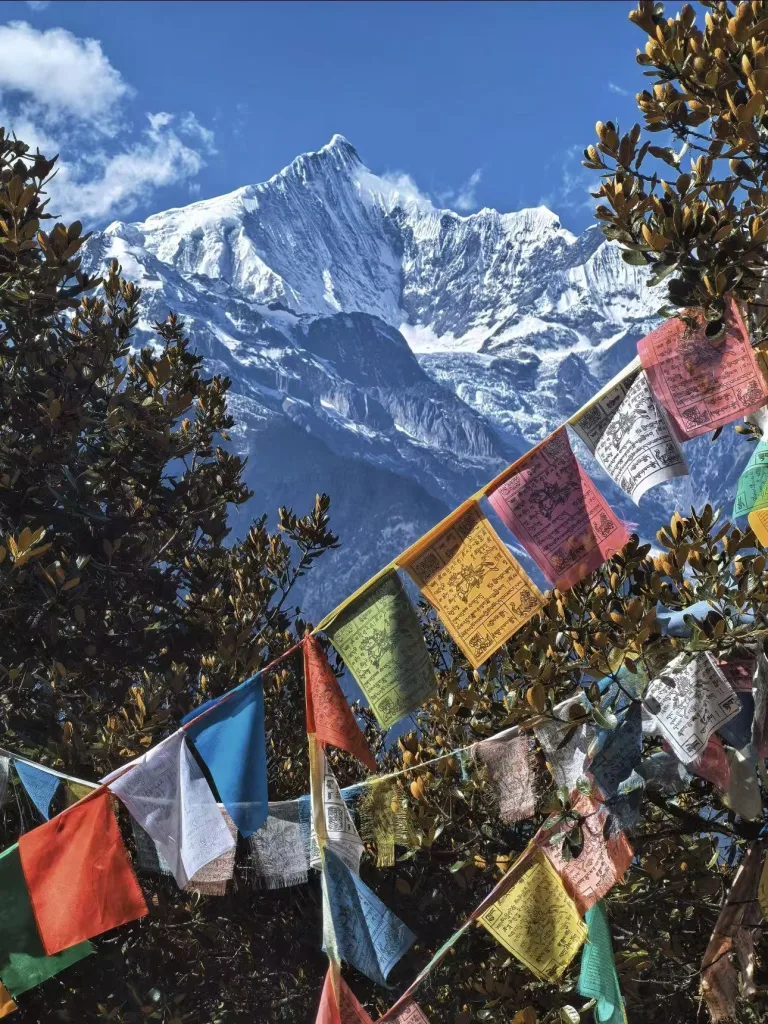
Meili Snow Mountain, the most revered sacred mountain in Tibet, is where faith, nature, and grandeur converge to awe every visitor.
- Altitude: Main peak Kawakarpo reaches 6,740 meters (Yunnan’s highest peak)
- Features: Jagged snow-capped peaks, ancient glaciers, and sacred hiking trails
- Highlights: Witness the legendary “Rizhao Jinshan” at Feilai Temple or Wunongding Viewpoint; hike the Yubeng Valley (a hiker’s paradise) to explore sacred waterfalls and glacial lakes; get up close to Mingyong Glacier, one of the lowest-altitude modern glaciers in the world.
Gazing at the snow-capped peaks at dawn or trekking through its valleys brings not only breathtaking views but also a deep sense of spiritual peace.
Pudacuo National Park: A Tapestry of Alpine Beauty
Pudacuo, a 5A-level scenic area, weaves together plateau lakes, primeval forests, and wetland meadows into a living masterpiece of nature.
Highlights:
- A harmonious blend of lakes (Shudu Lake, Bitahai Lake), forests, and grasslands
- Unique ecological wonders like the “Rhododendron-Drunk Fish” phenomenon at Bitahai Lake (May–June)
- Scenic 3-kilometer wooden plank road around Shudu Lake, offering immersive forest walks
Wandering through Pudacuo feels like stepping into a untouched fairyland, where clear waters reflect snow-capped peaks and fresh air fills the lungs.
Dukezong Ancient City: The Living Legacy of the Tea Horse Road
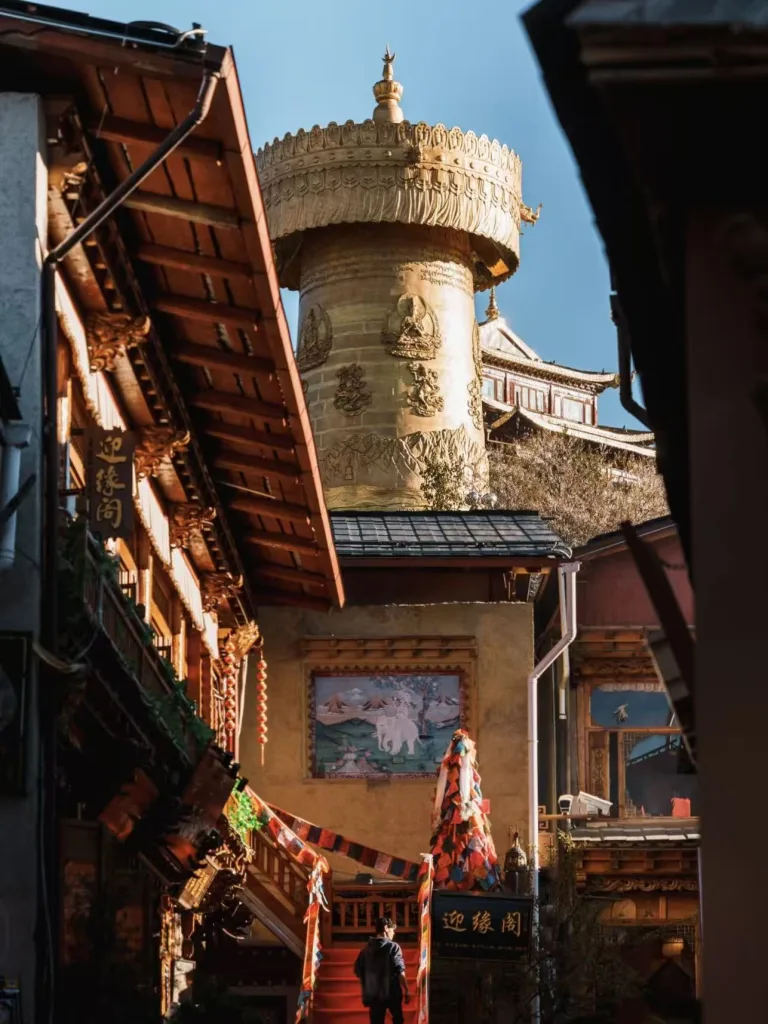
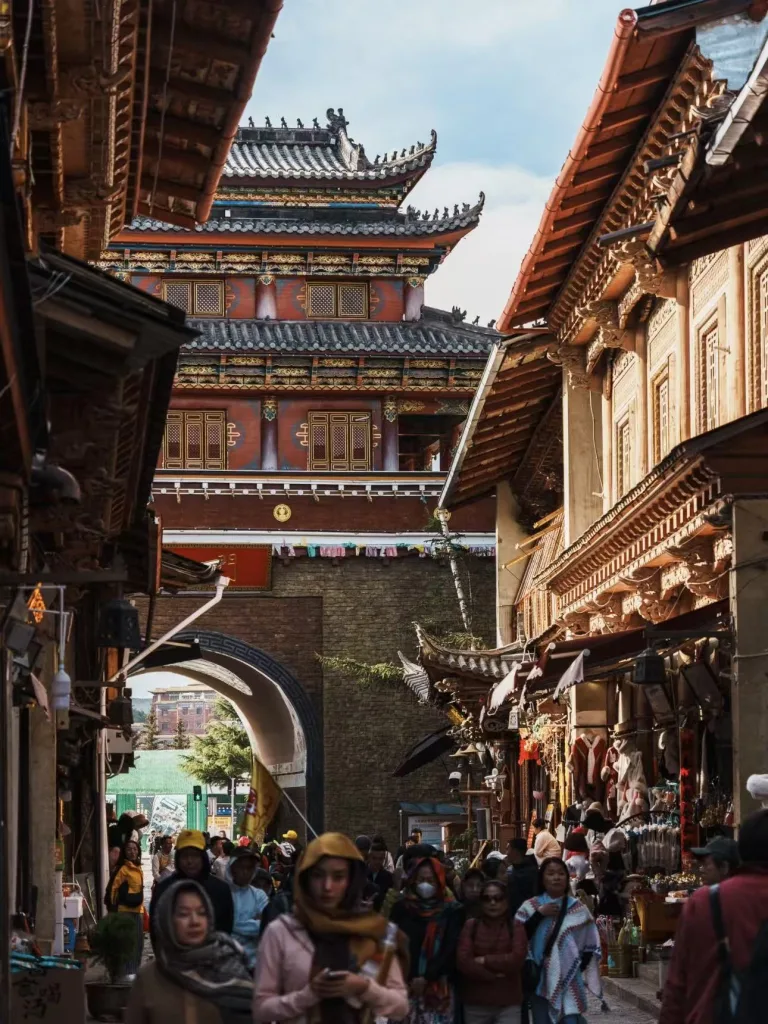
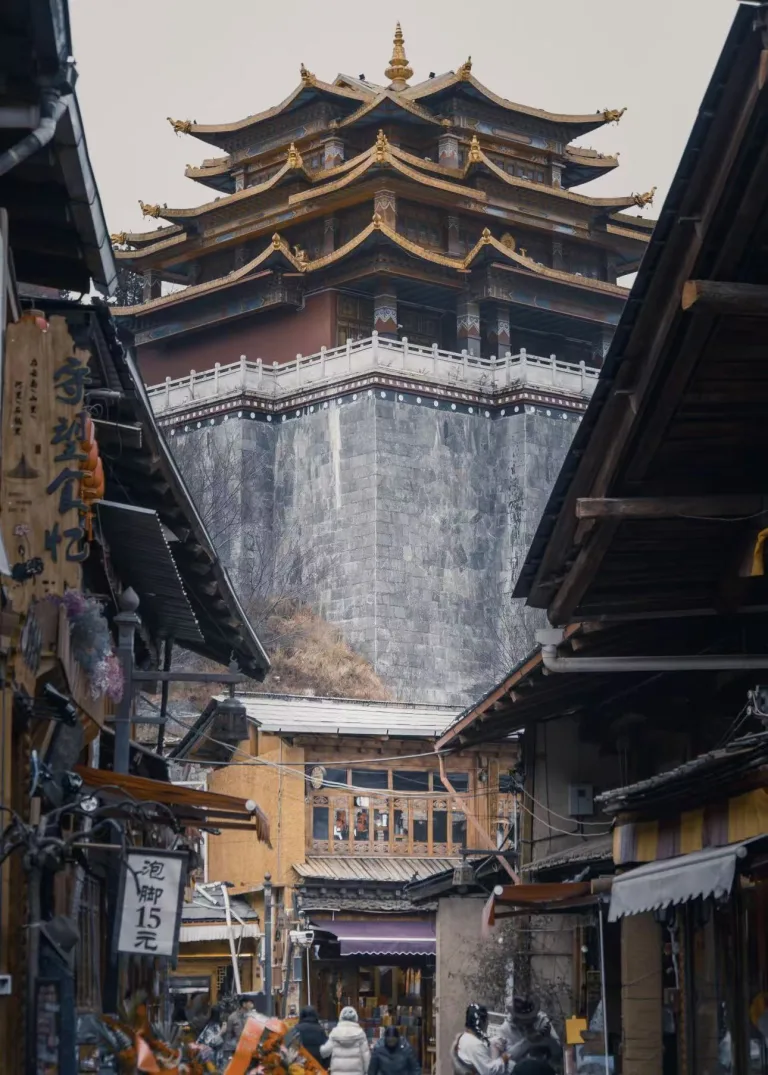
Known as the “Moonlight City,” Dukezong Ancient City is a thousand-old hub of the Tea Horse Road, preserving centuries of cultural exchange and Tibetan heritage.
Why Visit:
- Spin the world’s largest prayer wheel on Daguishan Mountain (needing multiple people to push, 3 rotations for blessings)
- Experience intangible cultural heritage: paint mini thangkas or make Tibetan incense in local workshops
- Wander cobblestone streets lined with traditional Tibetan residences, and join locals in joyful Guozhuang dances at Moonlight Square at night
Whether exploring its ancient lanes or savoring butter tea in a family-run inn, Dukezong offers a nostalgic and authentic taste of Tibetan life.

Travel Tips for Visiting Shangri-La
Activities to Try:
- Admiring the “Rizhao Jinshan” at Meili Snow Mountain
- Hiking the Yubeng Valley or Pudacuo’s scenic trails
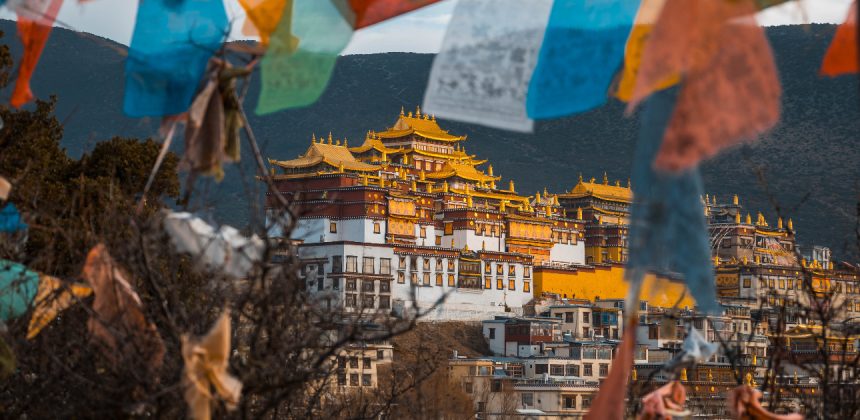
- Visiting Songzanlin Monastery (“Little Potala Palace”) to experience Tibetan Buddhism
- Exploring Dukezong Ancient City’s cultural heritage and ethnic customs
- Joining Tibetan festivals (e.g., Shangri-La International Tourism Festival in July)
How to Get There:
- Nearest airport: Diqing Shangri-La Airport (short distance to downtown, accessible by airport bus or taxi)
- High-speed rail: Lijiang-Shangri-La High-Speed Railway (1.5 hours, F-seat offers views of Jade Dragon Snow Mountain)
- Local transport: Chartered cars or shared rides are recommended for scattered attractions; public buses reach major sites like Songzanlin Monastery


FAQs About Shangri-La
1. Where is Shangri-La located?
It is in northwestern Yunnan, at the junction of Yunnan, Sichuan, and Tibet, in the hinterland of the “Three Parallel Rivers” World Heritage Site.
2. Why is Shangri-La culturally important?
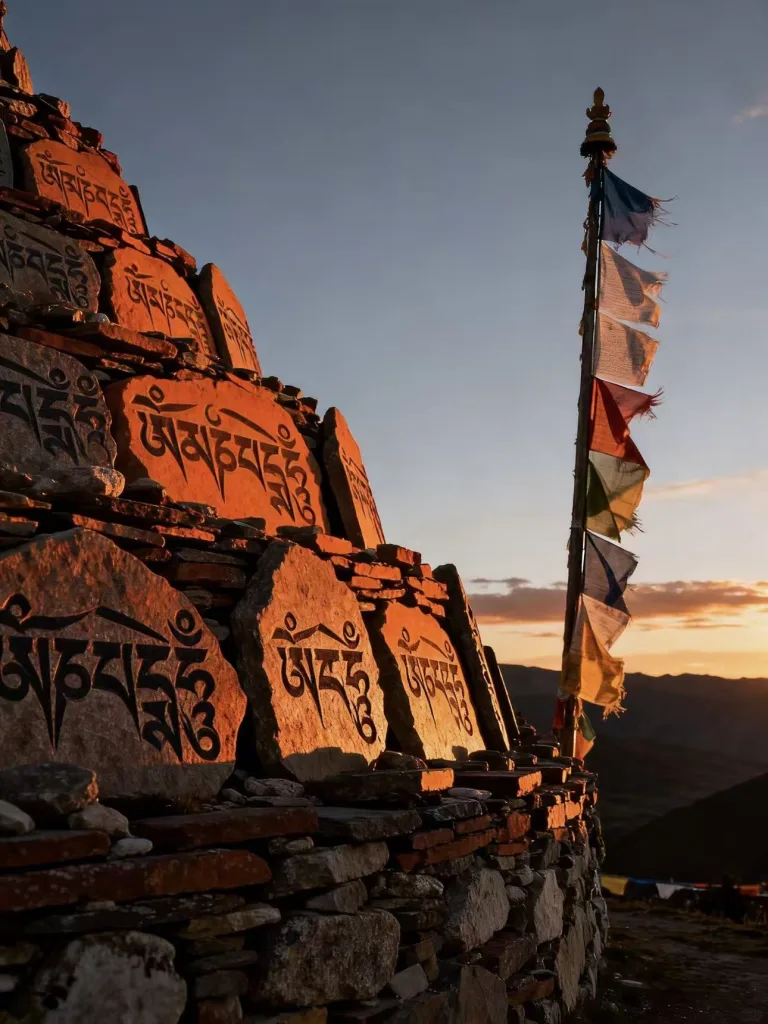
It is a hub of Tibetan, Han, Bai, and Naxi cultures, with a rich legacy of the Tea Horse Road and sacred Tibetan traditions.
3. What are the must-see landmarks?
Meili Snow Mountain, Pudacuo National Park, Dukezong Ancient City, and Songzanlin Monastery are top attractions.
4. Is Shangri-La suitable for nature and spiritual tourism?
Absolutely. It is one of China’s most immersive destinations for alpine scenery, ecological exploration, and cultural/spiritual experiences.
5. Is Shangri-La walkable?
Yes. Scenic areas like Pudacuo and Dukezong Ancient City have well-paved paths perfect for walking; note altitude (around 3,300 meters) and pace yourself.
6. What gives Shangri-La its unique atmosphere?
It balances awe-inspiring natural beauty with profound spiritual traditions—serene yet vibrant, ancient yet timeless.