Nanjing Travel Guide: Exploring China’s Ancient Capital of Six Dynasties
Located along the lower reaches of the Yangtze River, Nanjing stands as one of China’s most historically significant cities. Once the capital of six major dynasties—and ten regimes throughout history—it carries a deep cultural legacy shaped by emperors, scholars, and centuries of change.
With its city walls, riverside charm, imperial tombs, and seasonal beauty, Nanjing offers both a serene and profoundly historical travel experience.
Seasons and Landscapes of Nanjing
Nanjing is celebrated for its four distinct seasons, each painting the city in a different mood:
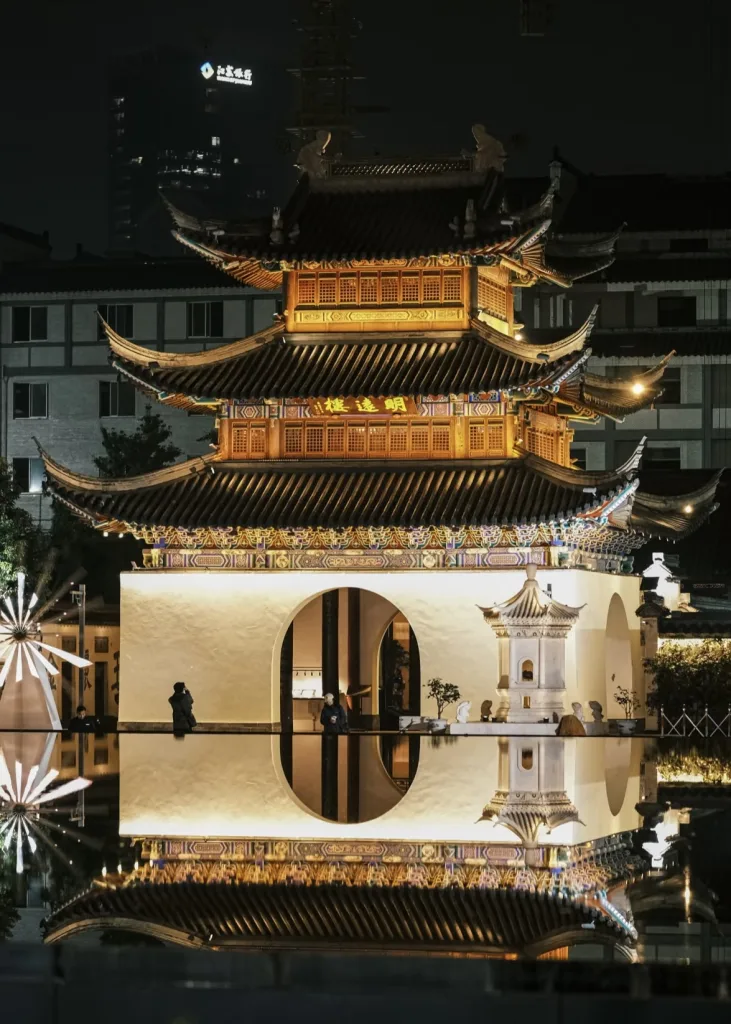
- Spring: Blossoms fill the parks, cherry trees bloom around Jiming Temple, and the city comes alive with gentle warmth.
- Summer: The skyline shines under bright sunlight, while evening walks along the Qinhuai River bring a refreshing calm.
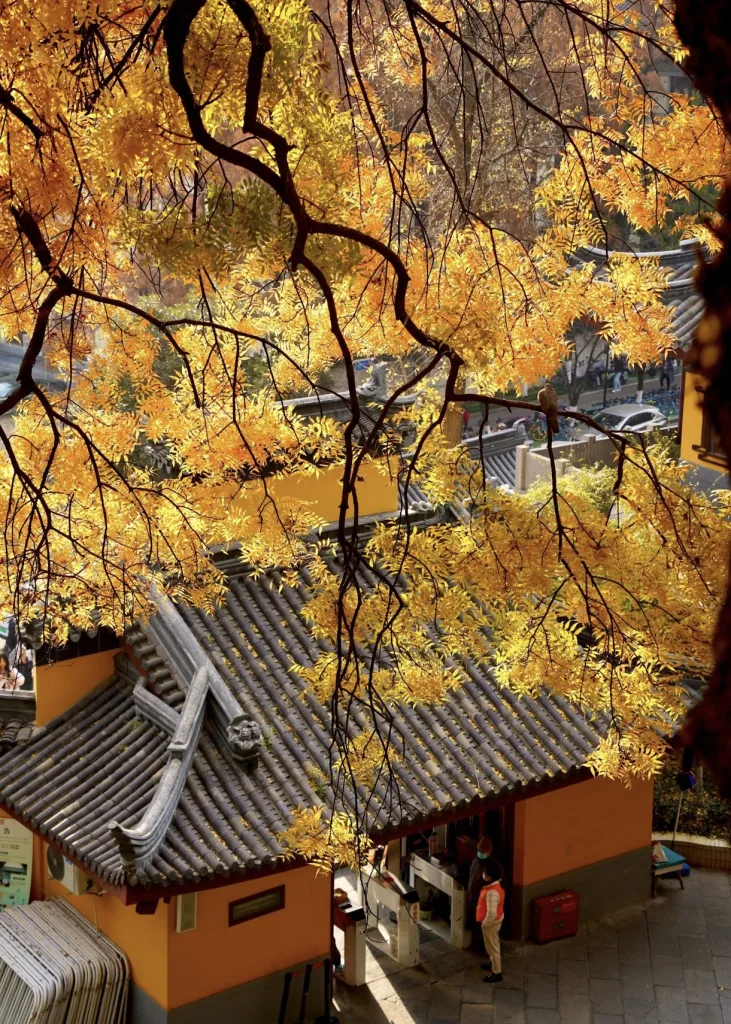
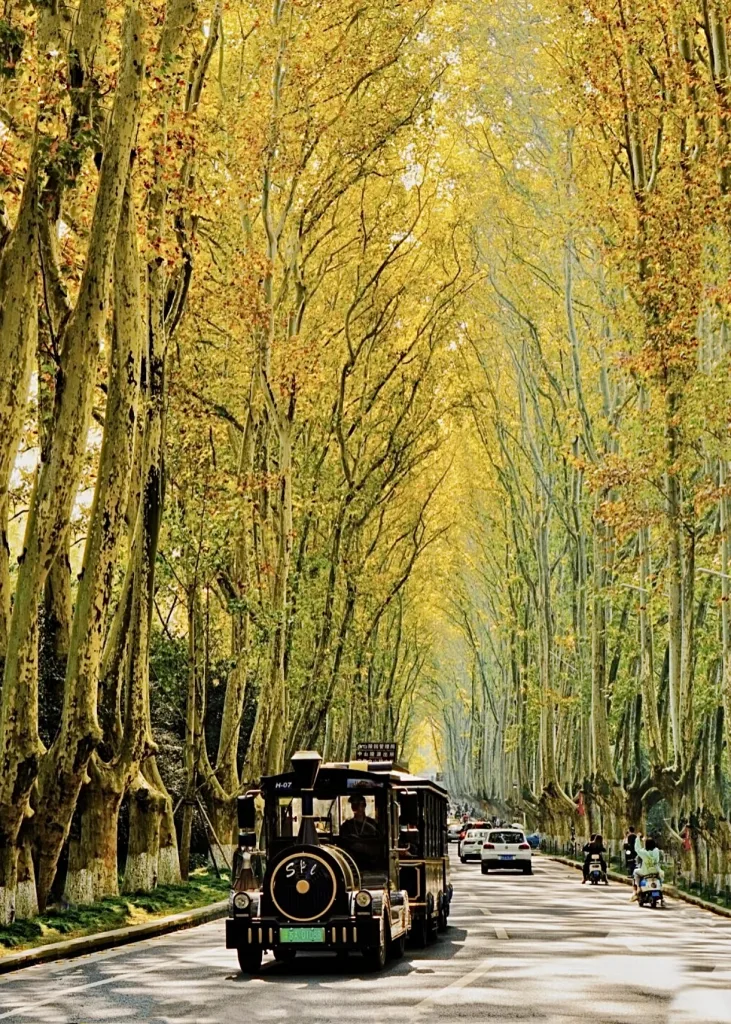
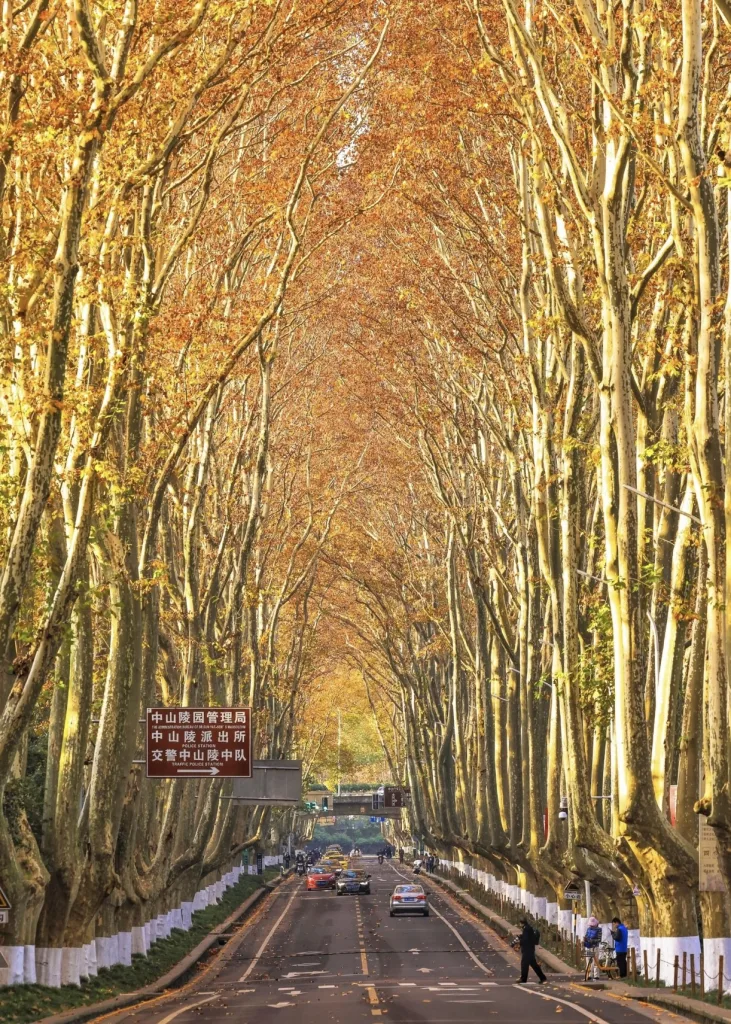
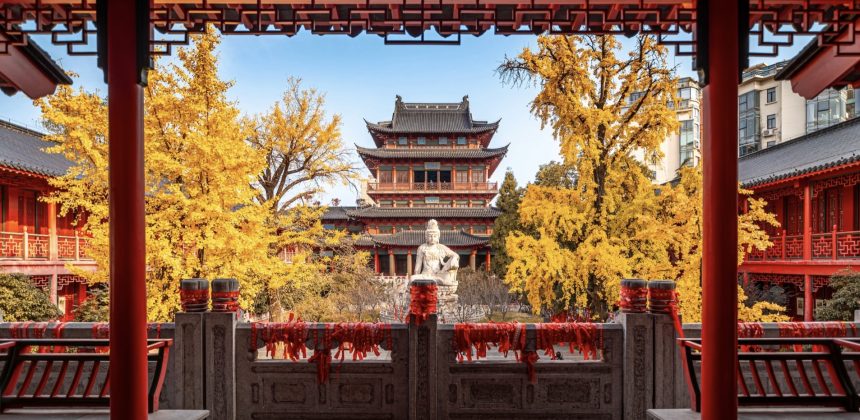
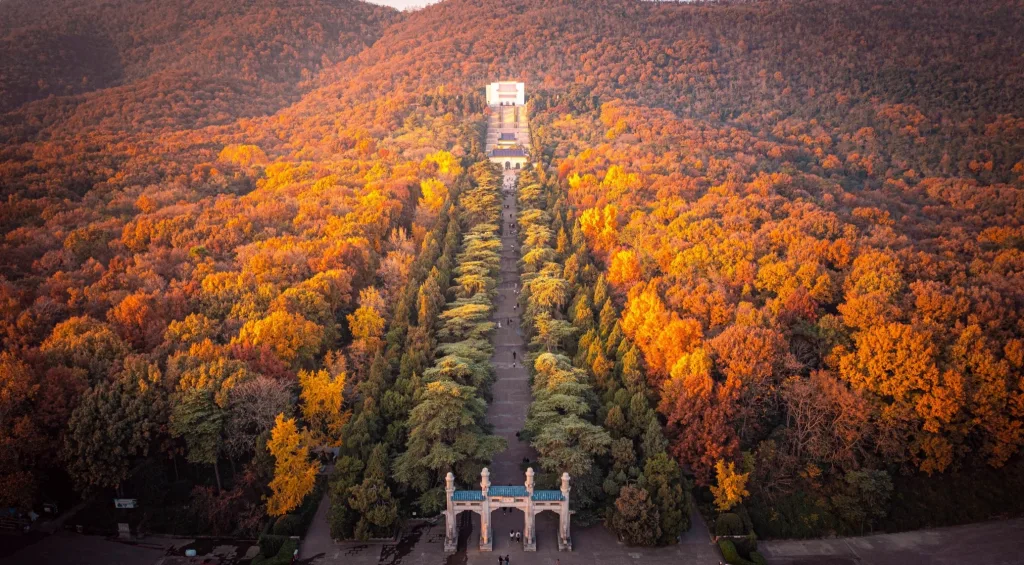
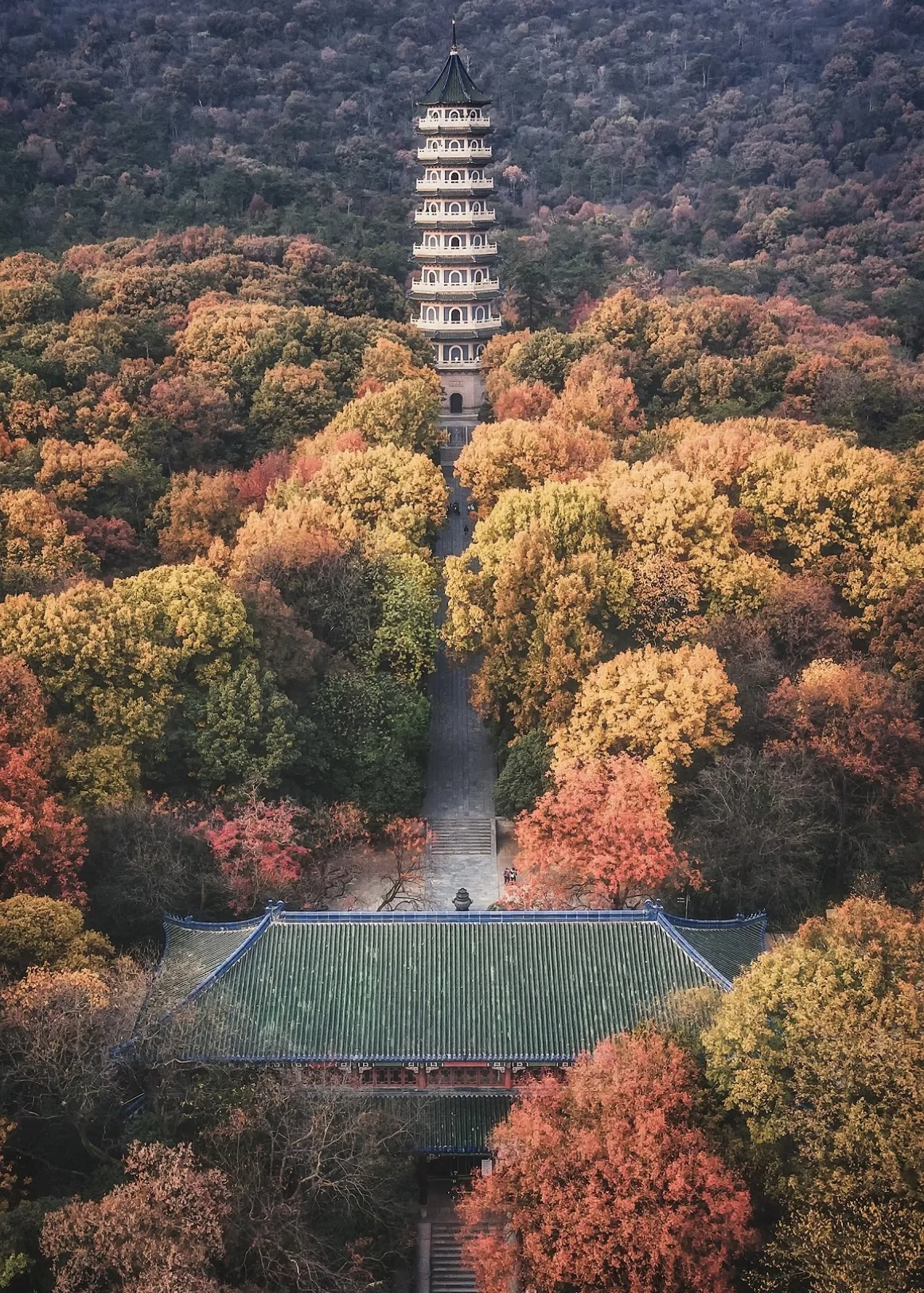
- Autumn: Golden ginkgo trees blanket the paths of the Ming Xiaoling Mausoleum, creating one of China’s most iconic fall scenes.
- Winter: The ancient walls and lakeside scenery become still and quiet, offering a tranquil, introspective beauty.
This clear seasonal rhythm makes Nanjing a destination you can enjoy all year.
Purple Mountain Scenic Area: The Cultural Heart of Nanjing
Purple Mountain (Zijin Mountain) is the city’s most iconic natural landmark—where history, culture, and nature come together.
- Altitude: 448 meters
- Features: Dense forest, historical trails, imperial heritage
- Highlights: Home to several UNESCO World Heritage Sites, including the Ming Xiaoling Mausoleum and the Sun Yat-sen Mausoleum.
A hike up Purple Mountain brings not only fresh mountain air but also a journey through centuries of history.
Ming Xiaoling Mausoleum: Imperial Grandeur Preserved in Time
- UNESCO World Heritage Site
- Famous Sacred Way lined with stone animal sculptures
- Stunning seasonal scenery, especially in autumn when ginkgo leaves turn gold
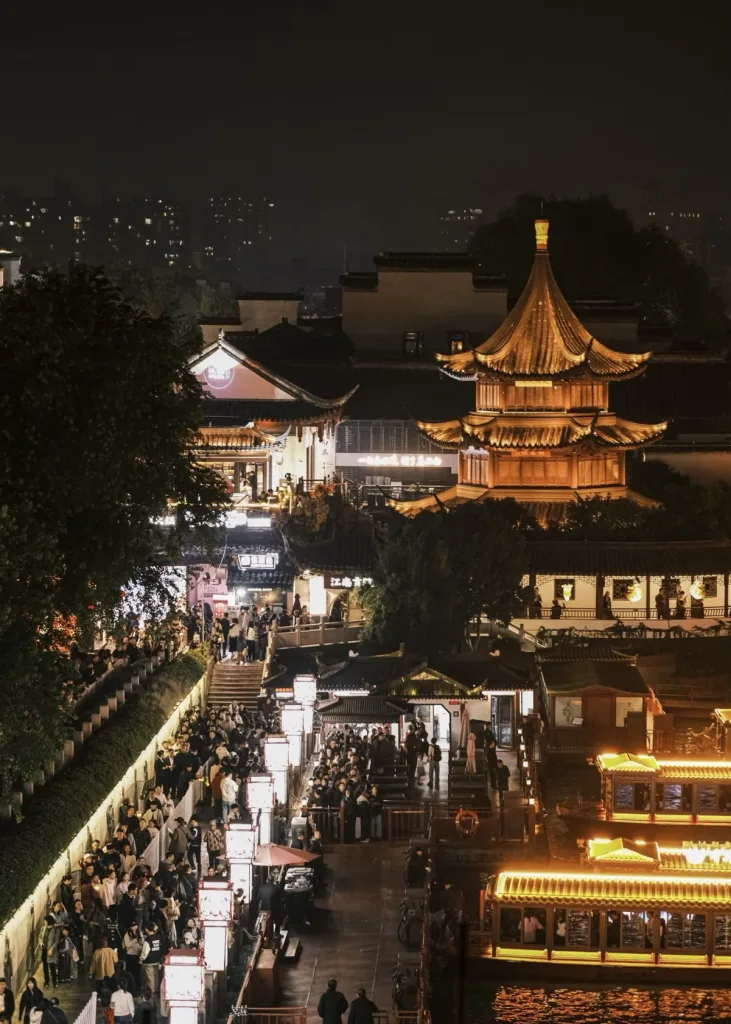
The Qinhuai River: The Living Memory of Nanjing
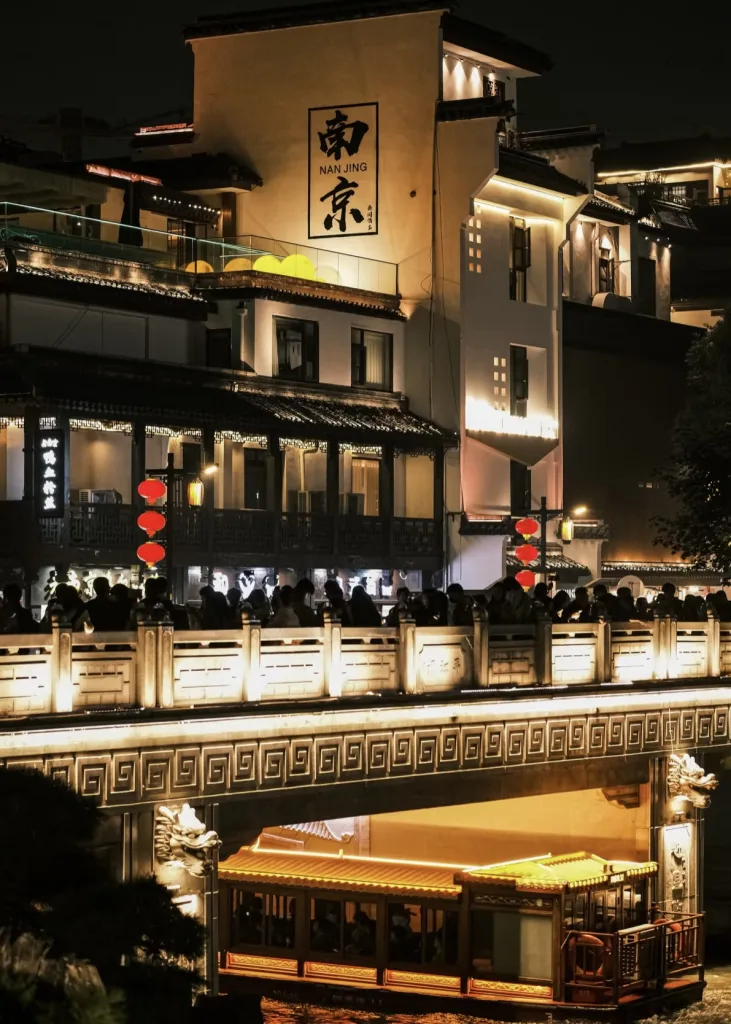
- Traditional architecture and lively streets around the Confucius Temple area
- Night cruises under lantern-lit bridges
- Local snacks, bookstores, and cultural shops along the riverbank


Travel Tips for Visiting Nanjing
Best Time to Visit:
- Spring (March–April): Comfortable weather and blossoms
- Autumn (October–November): Peak scenery with golden ginkgo trees
- Winter (December–January): Quiet, atmospheric landscapes
Activities to Try:
- Hiking in the Purple Mountain Scenic Area
- Exploring the Ming Xiaoling Mausoleum
- Taking a night cruise along the Qinhuai River
- Visiting the Nanjing City Wall, Nanjing Museum, and Presidential Palace
How to Get There:
- Nearest airport: Nanjing Lukou International Airport
- High-speed rail: Nanjing South Railway Station / Nanjing Railway Station (connected to Shanghai, Hangzhou, Hefei, etc.)
FAQs About Nanjing
1. Where is Nanjing located?
It is in eastern China, along the lower Yangtze River.
2. Why is Nanjing historically important?
It served as the capital of six ancient dynasties and has a rich cultural heritage.
3. What are the must-see landmarks?
Purple Mountain, the Ming Xiaoling Mausoleum, and the Sun Yat-sen Mausoleum are among the top attractions.
4. Is Nanjing suitable for cultural tourism?
Absolutely. It is one of China’s most historically and culturally immersive cities.
5. Is Nanjing walkable?
Yes. Many scenic routes, parks, riverside areas, and historical streets are perfect for walking.
6. What gives Nanjing its unique atmosphere?
It balances solemn history with a gentle, human warmth—quiet yet full of life, ancient yet modern.