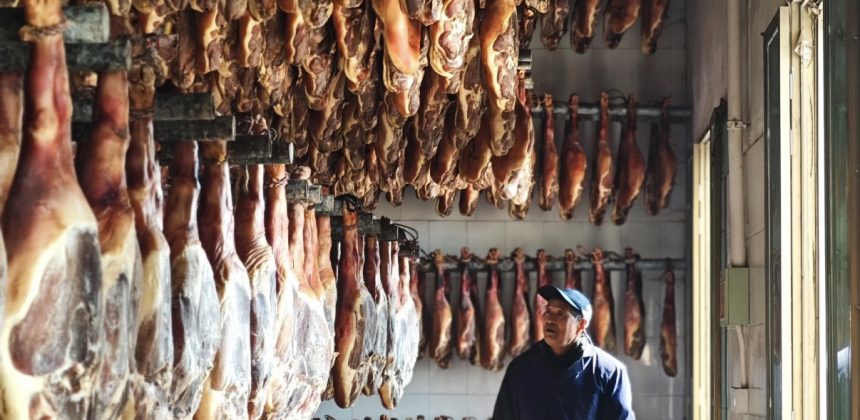
Jinhua Ham: The King of Chinese Cured Meats (A Foodie’s Guide)
If you’ve traveled around East China, you’ve likely tasted soups that were so deep, savory, and rich that you couldn’t put your spoon down. You were probably tasting the secret weapon of Chinese cuisine: Jinhua Ham (金华火腿).
As a local travel planner, I see many visitors overlook this culinary treasure. They often mistake it for a simple cured meat, but in reality, it’s the “King of Chinese Cured Meats.” In this post, I will share why it is special, and how to taste it like a local.
written by bill
Senior Travel Planner | Local China Expert
Updated 2026.03.12
What Makes Jinhua Ham So Special?
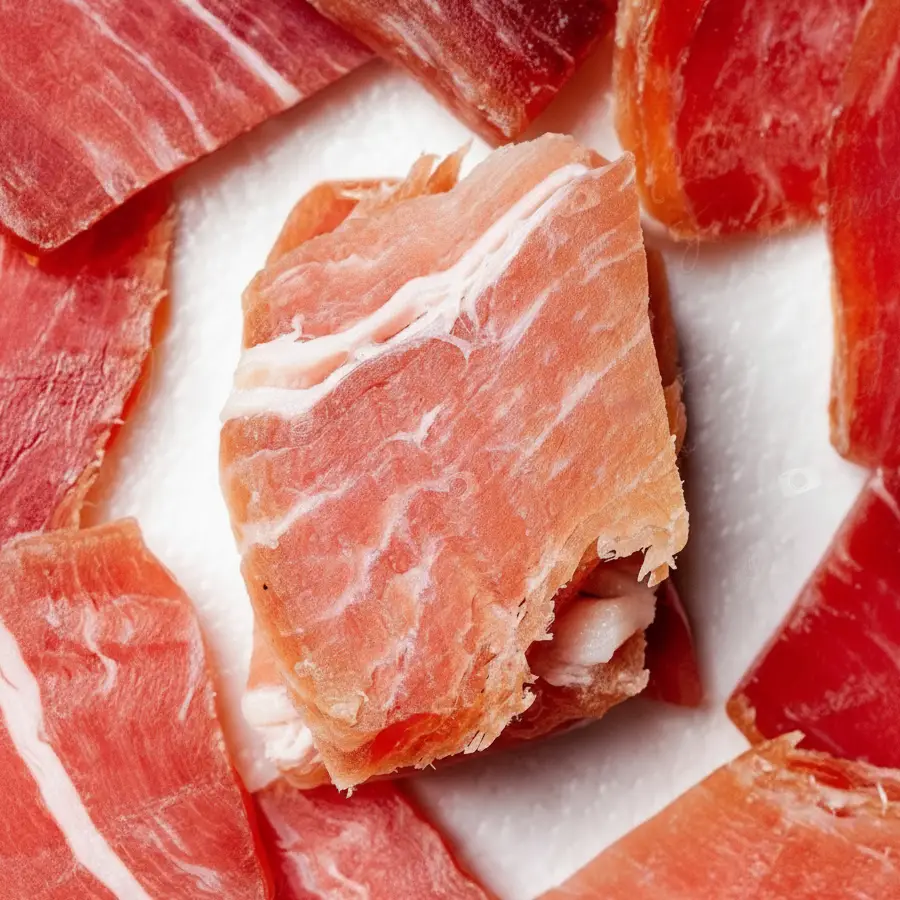
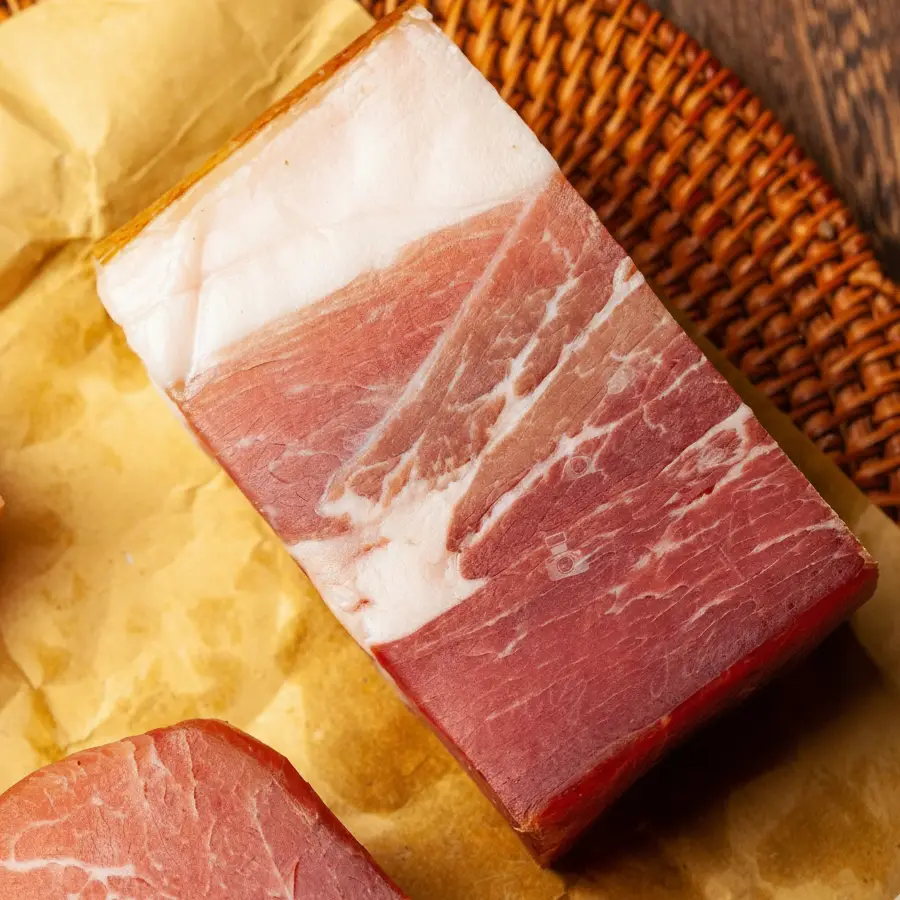
Think of Jinhua ham as the “Prosciutto of the East.” Originating from Jinhua city in Zhejiang Province, it’s made from the hind legs of a specific breed of pig, then cured, dried, and aged for months.
Unlike the Spanish Jamón or Italian Prosciutto which are typically eaten thinly sliced and raw, Jinhua ham is primarily an “Umami Bomb” used for cooking. It’s the essential base for high-end Chinese soups, stir-fries, and braised dishes. When you cook with it, the ham releases a salty, deep, and complex flavor that brings the entire dish together.
Jinhua Ham vs. Iberian Ham: What's the Difference?
I find that comparing new foods to familiar favorites helps paint a clearer picture. So, let’s hold Jinhua ham up against the iconic Iberian ham—that way, you’ll know exactly what to expect from this Chinese delicacy.
The Origin & Breed: Just as Spanish ham is famous for the Iberico pig fed on acorns, Jinhua ham relies on the Liangtouwu (Two-end-black) pig—a local breed prized for its marbling and rich, buttery fat.
The Aging: Both are dry-cured, but the process differs. While Iberian ham is often salt-cured and then aged to be eaten raw, Jinhua ham is specifically crafted to undergo a long, controlled fermentation process. This creates a much more intense, savory, and concentrated umami profile.
The Experience: You wouldn’t eat a thick chunk of Ibérico for dinner—it’s a delicate cold cut. Conversely, Jinhua ham is the “Soul of the Soup.” It’s meant to be used as a high-end seasoning ingredient. When added to a pot, the fat melts and the fibers soften, releasing a complex saltiness that elevates even the simplest ingredients like tofu or winter melon.
Ultimately, it comes down to the purpose of the dish. If you’re looking for a delicate cold cut for a charcuterie board, the raw, melt-in-your-mouth experience of an Iberian ham is unrivaled.
However, when it comes to the art of slow-cooked cuisine, Jinhua ham is in a league of its own. There is simply no substitute for that deep, complex, and savory umami it infuses into a stock. Once you experience that richness, you’ll understand exactly why it has remained a culinary crown jewel in China for centuries.
How to Eat Like a Local
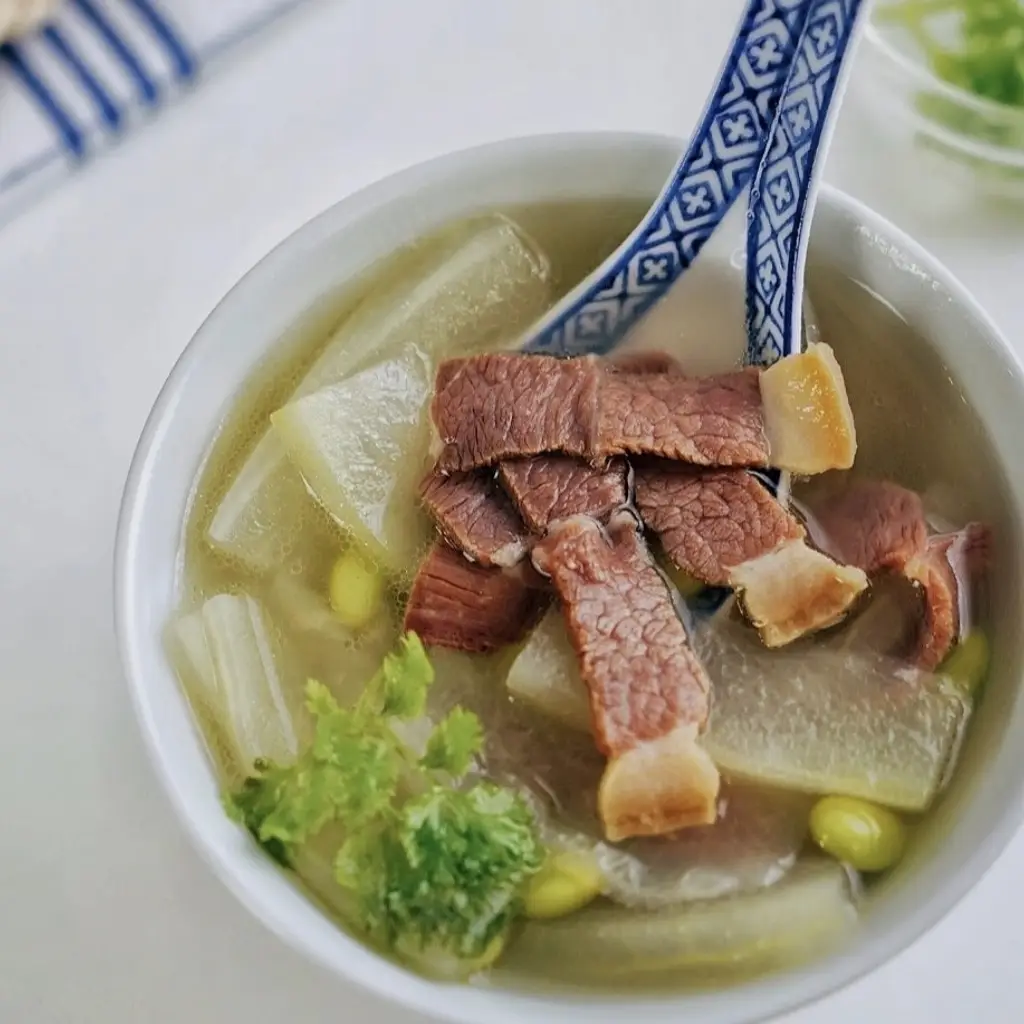
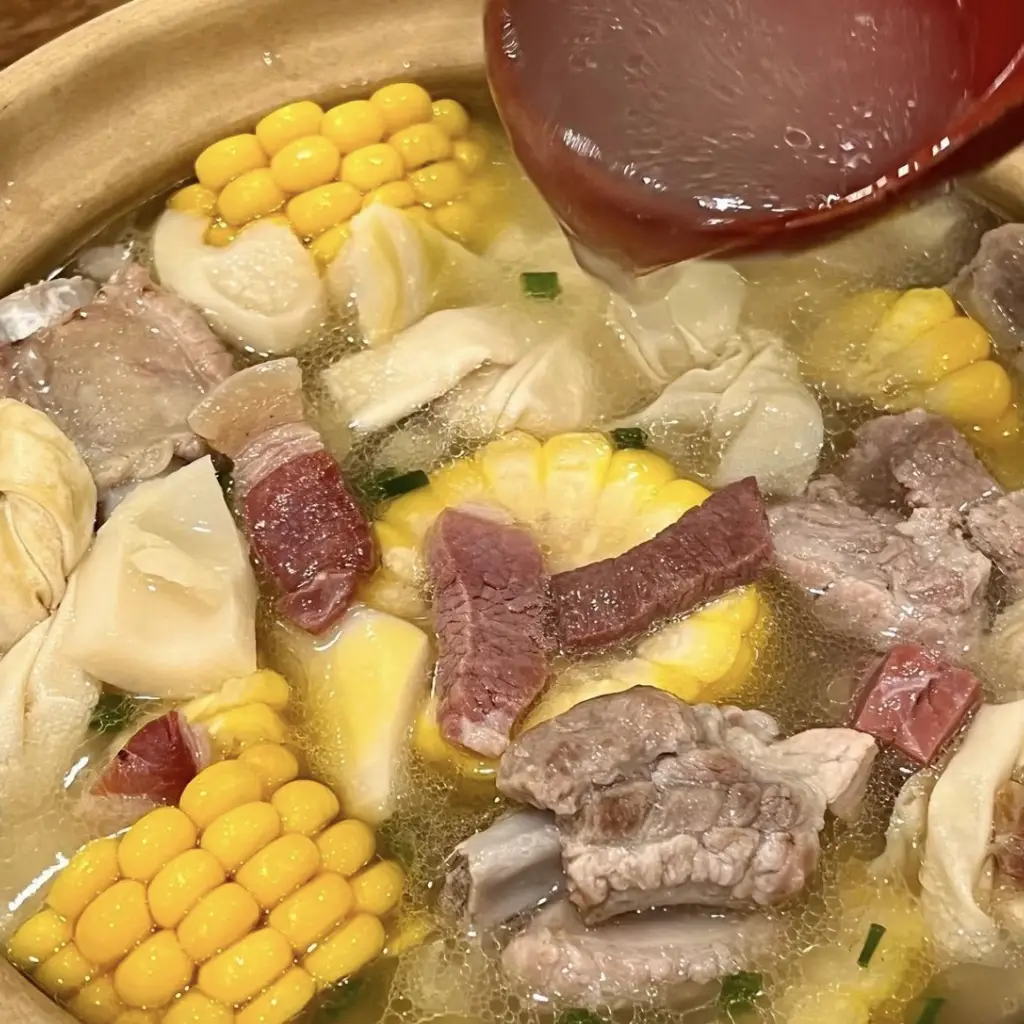
Jinhua Ham & Winter Melon Soup
This is the gold standard. The ham’s savoriness balances perfectly with the mild, refreshing winter melon.
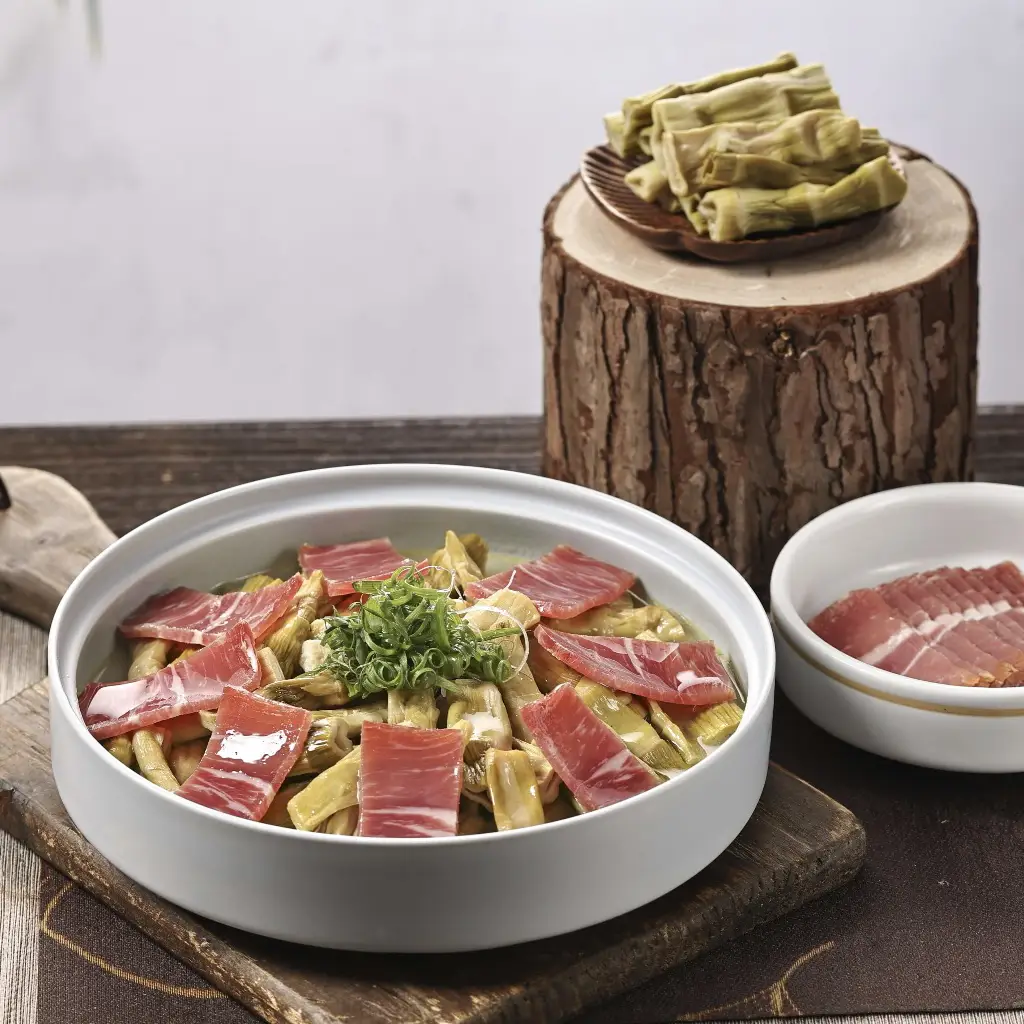
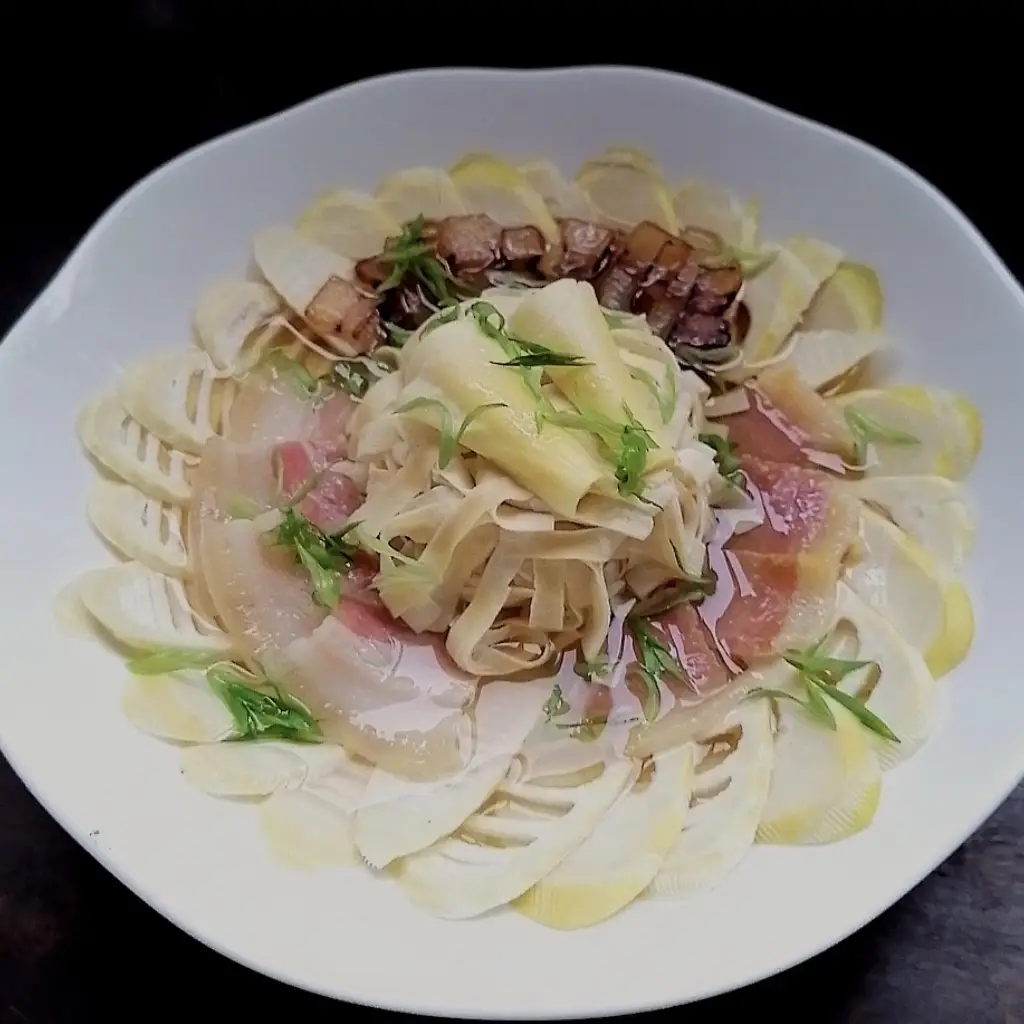
Steamed with Bamboo Shoots
A classic spring dish in Zhejiang that highlights the “fresh” and the “preserved” flavors.
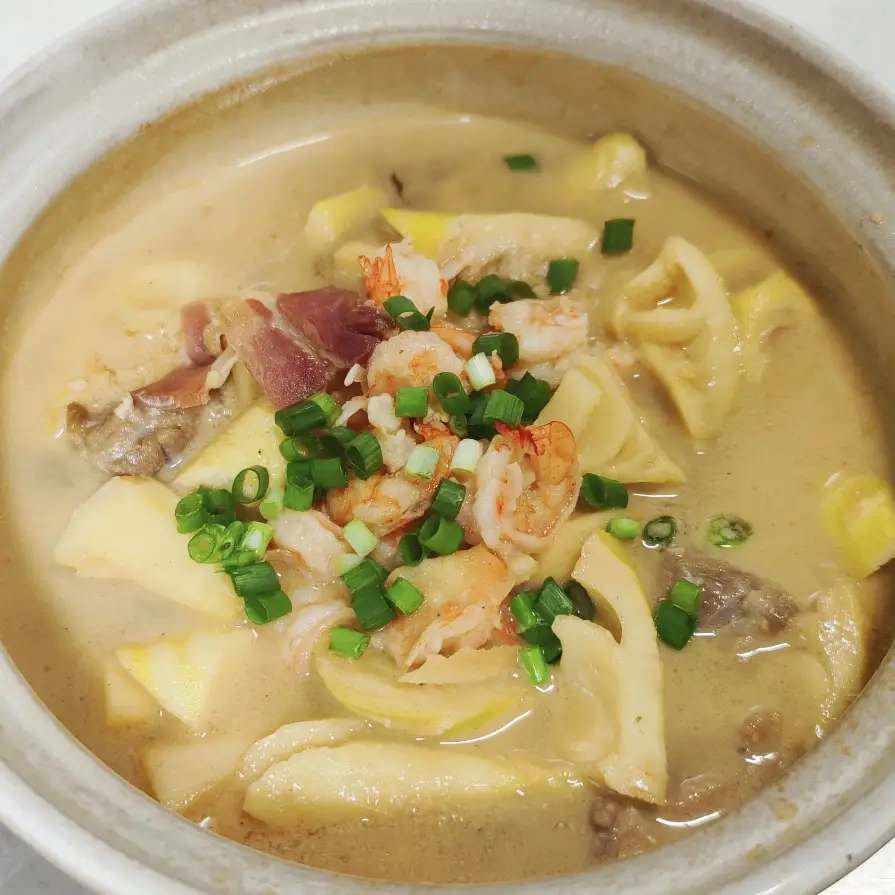
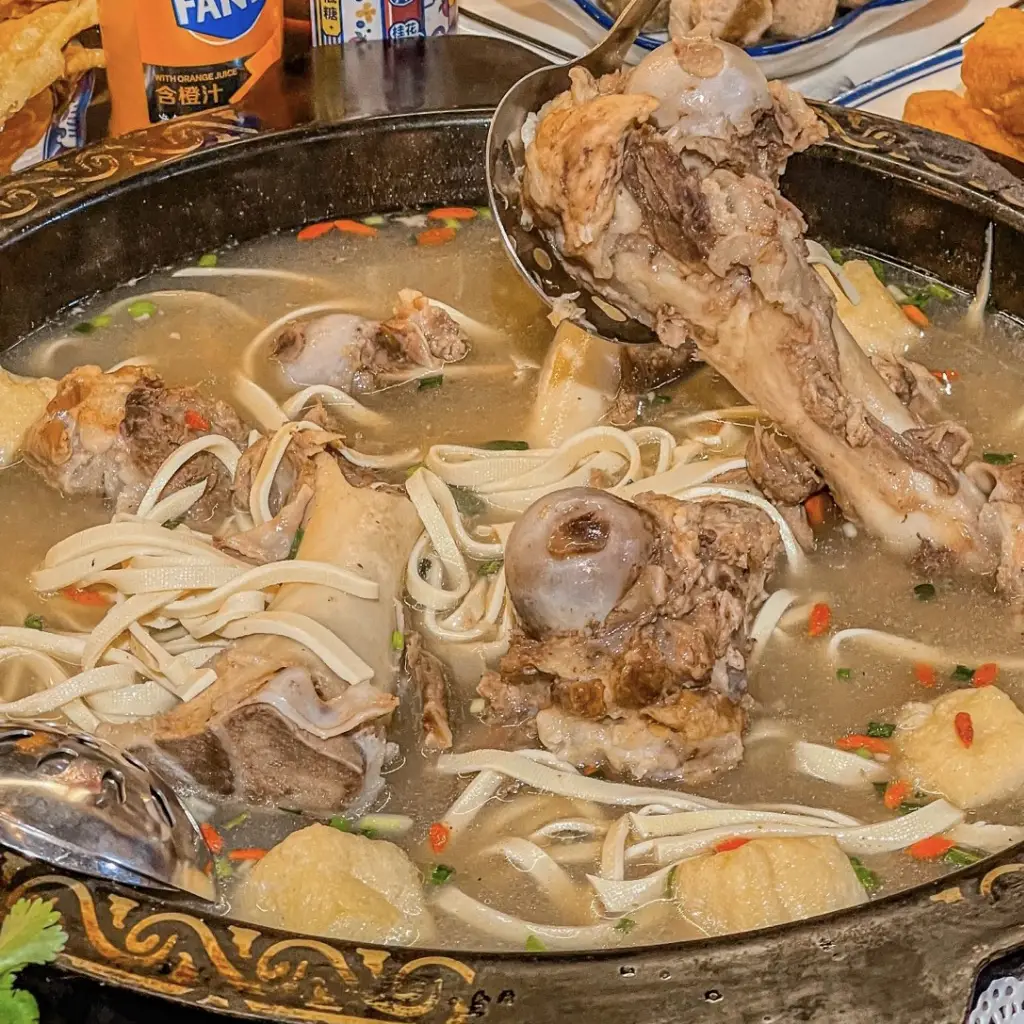
Jinhua Pot
Visit a local restaurant in Zhejiang and look for Jinhua Bao (any soup/hot-pot with Jinhua Ham). It’s a hot-pot-style stew where the ham is the highlight.
⚠️ Important: Can You Bring It Home?
I get asked this often: “Skye, can I bring a leg home?”
My honest advice: Proceed with extreme caution. Most countries (including the US, Australia, and many EU nations) have strict bans on importing raw or cured meat products. Even if it’s vacuum-sealed, custom officers will likely confiscate it.
So enjoy it while you’re here in China! It’s a highlight of the local dining experience that simply can’t be replicated once you fly home.
Want to learn more about navigating the complex, delicious world of Chinese menus? Check out other foodie guides to ensure you never miss out on the best local dishes!
FAQs
1: Is Jinhua Ham the same as Spanish Serrano Ham? They use similar curing techniques, but Jinhua ham is specifically aged and often used as a flavoring agent for soups and stir-fries rather than eaten as a cold cut.
2: Where can I try the best Jinhua Ham dishes? While you can find it in many Chinese restaurants nationwide, the best experience is in its home province of Zhejiang—specifically Hangzhou or Jinhua itself.
3: Is it safe for foreigners to try? Absolutely! It’s a high-quality, government-regulated delicacy. Just remember it is a “seasoning” meat, so you usually eat it in small, flavor-packed portions.