
Five Major Chinese Opera
Peking Opera: A National Treasure, a Magnificent Splendor
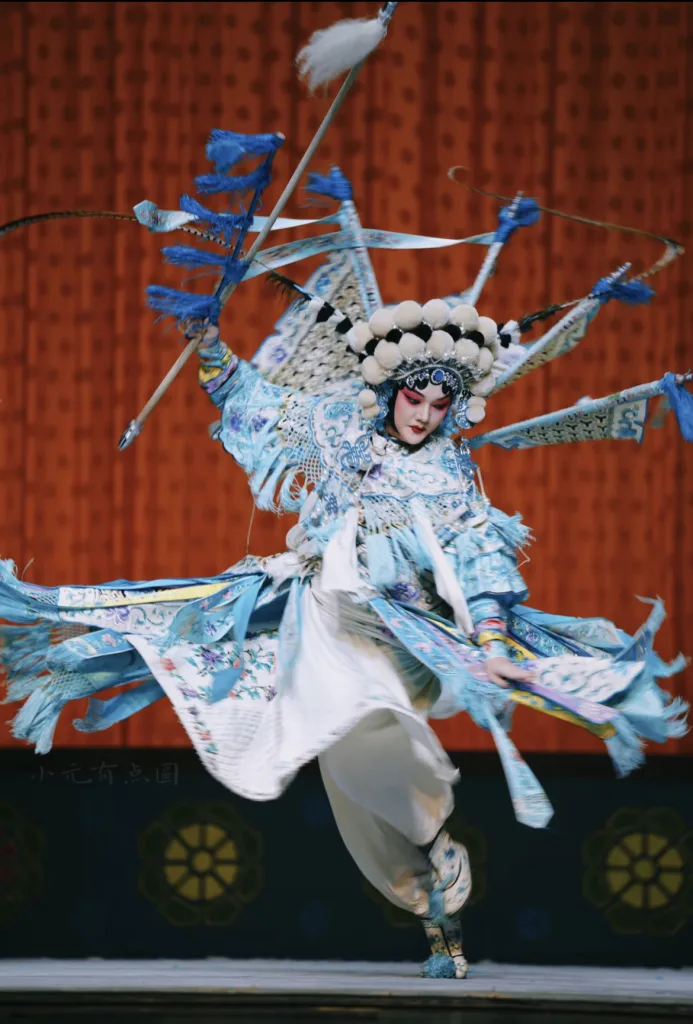

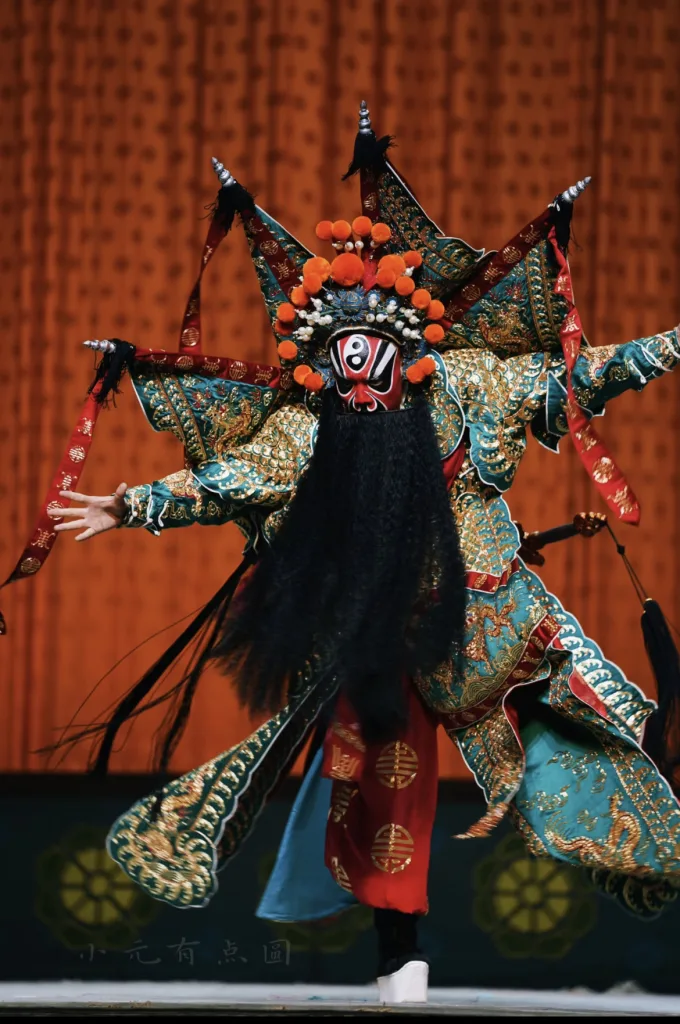
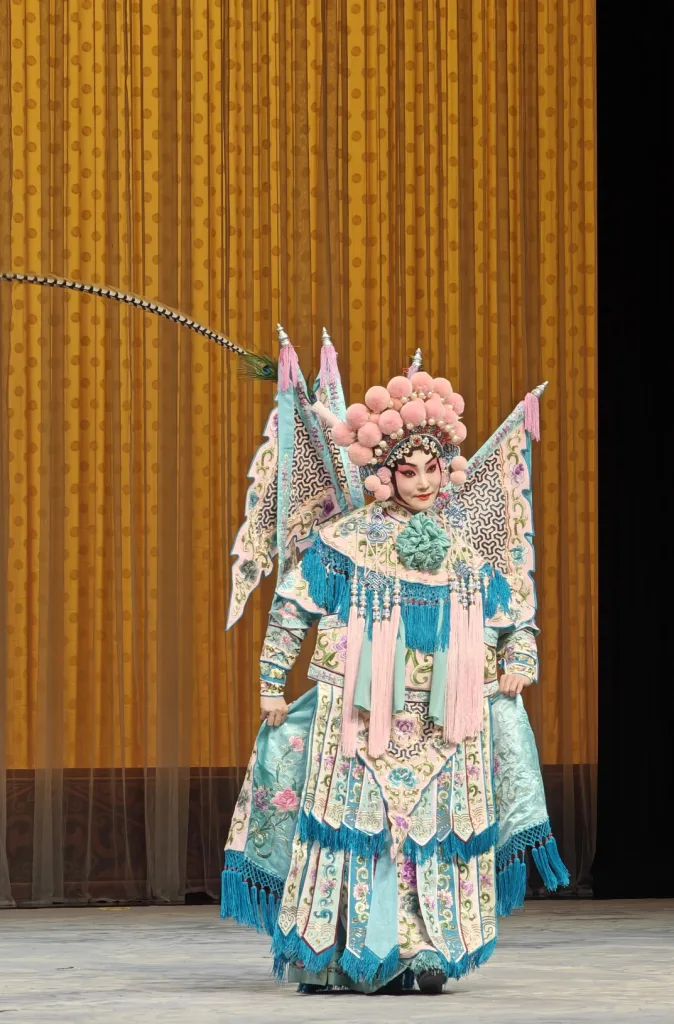
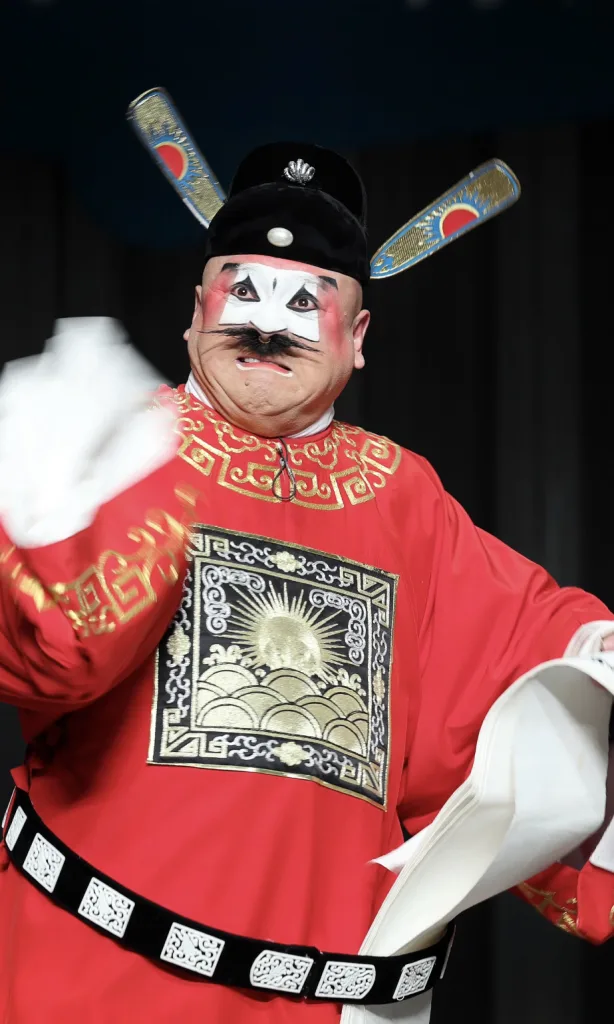
Peking Opera, also known as Pingju or Jingxi, is the most influential Chinese opera type and is hailed as the “national essence” of China. It was formed in the Qing Dynasty by integrating the essence of many opera types such as Hui Opera and Han Opera. It gradually developed and thrived in the Beijing area and spread across the country.
The singing of Peking Opera mainly consists of Xipi and Erhuang. Xipi has a lively and smooth melody, suitable for expressing excited and lively emotions. Erhuang, on the other hand, is more solemn and stable, good at expressing emotions like contemplation and grief. The combination of the two is highly expressive. In terms of performance style, Peking Opera attaches great importance to stylization. Every movement has strict norms, and each gesture and posture is full of dance and rhythm. Actors vividly show the characters’ personalities and emotions through their exquisite body movements and rich facial expressions. The costumes of Peking Opera are gorgeous and delicate, with bright colors. Different role types have specific costumes. For example, the mang robe shows nobility, the pei reflects elegance, and the zhezi is suitable for various characters. The facial makeup is also highly symbolic. A red face represents loyalty, a black face symbolizes integrity, and a white face indicates treachery, allowing the audience to understand the character’s nature at a glance.
Three Classic Representative Works:
The Drunken Concubine (《贵妃醉酒》): It tells the story of Yang Yuhuan, a concubine of Emperor Xuanzong of the Tang Dynasty, who gets drunk in the palace garden due to her disappointment and loneliness.
Farewell My Concubine (《霸王别姬》): This opera is about the love story between Xiang Yu, a heroic figure in ancient China, and his concubine Yu Ji during the end of the Qin Dynasty.
The Monkey King Makes Havoc in Heaven (《大闹天宫》): Based on the classic Chinese novel Journey to the West, it showcases the bold and rebellious Monkey King causing chaos in the Heavenly Palace.
Yue Opera: The Grace of Jiangnan, Gentle and Tender
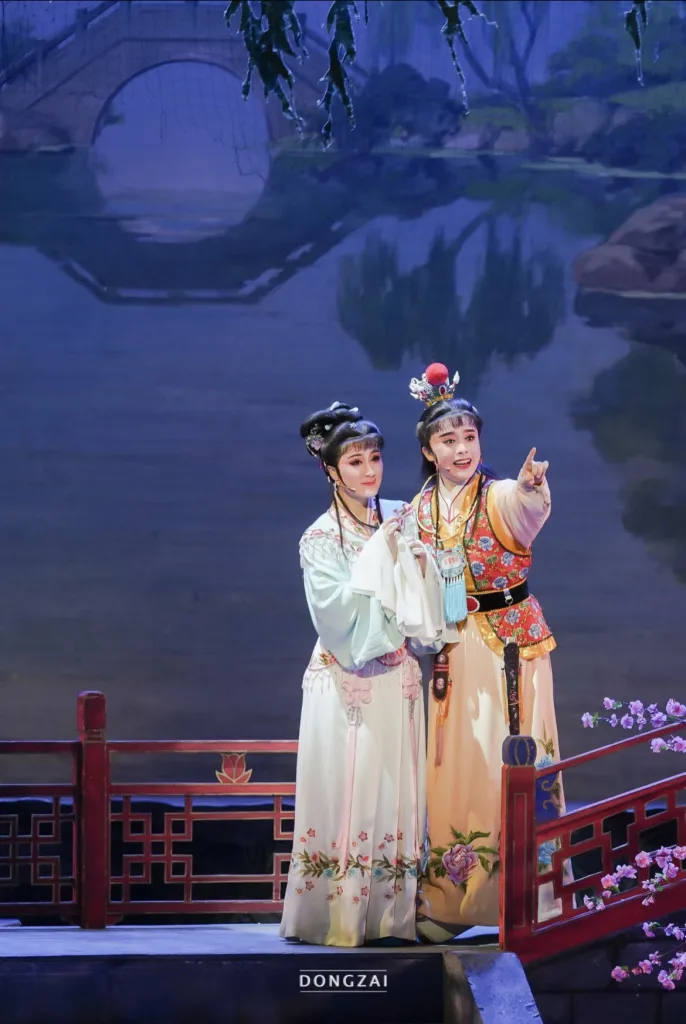
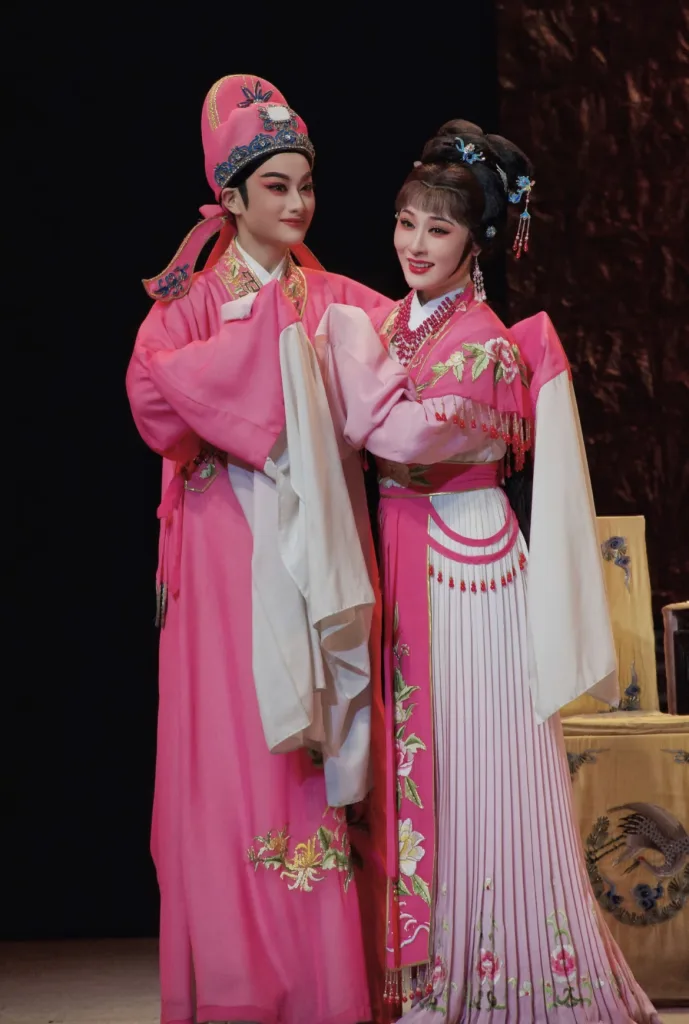
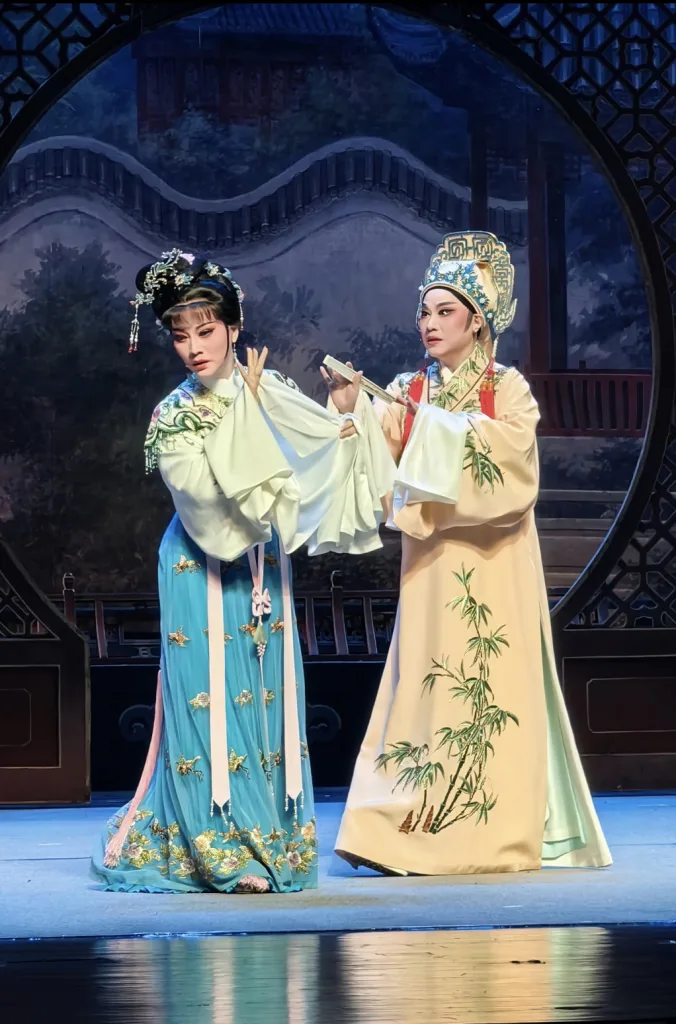
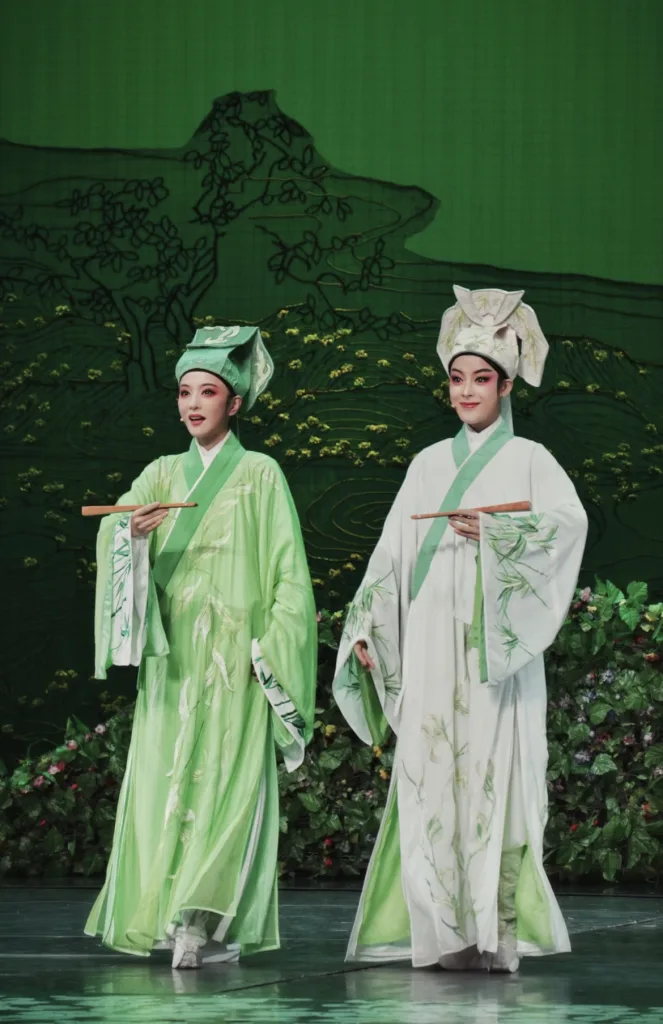
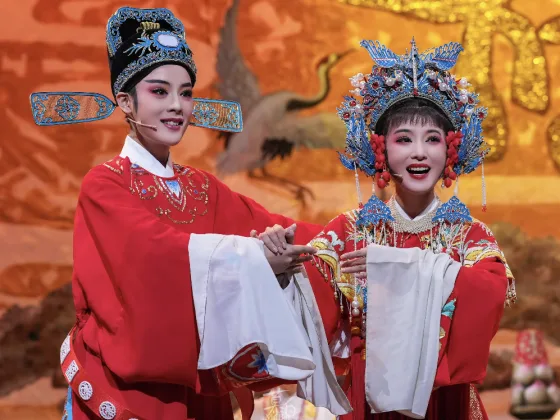
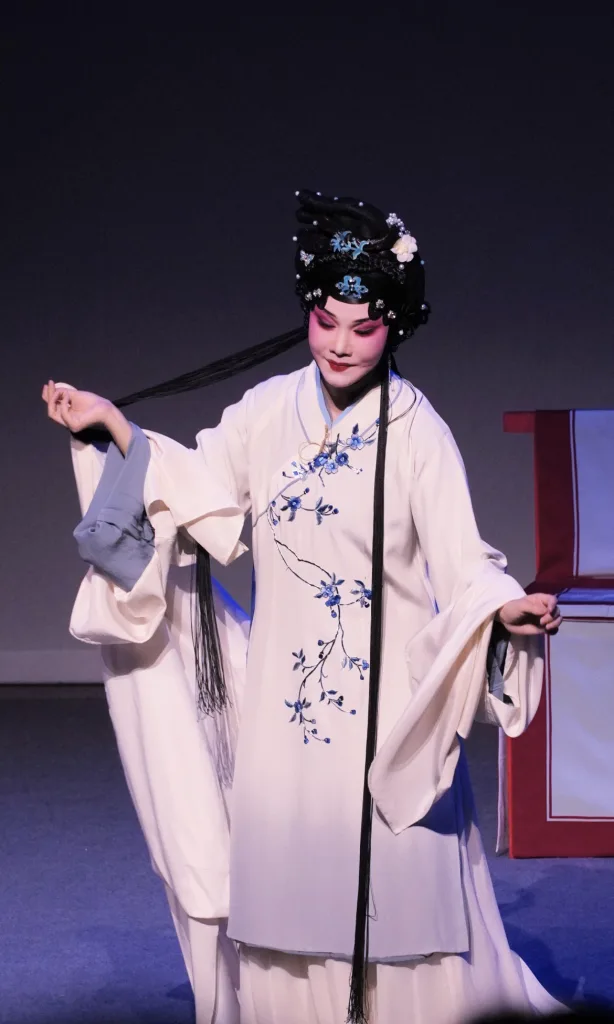
Yue Opera originated in Shengzhou, Zhejiang Province and is a highly representative opera type in the Jiangnan region. It shows the gentle and delicate charm of the Jiangnan water town with its delicate emotional expressions and beautiful singing, and is deeply loved by the audience.
Yue Opera has a rich variety of singing schools. The Yuan School is euphemistic and delicate, the Yin School is fresh and elegant, and the Fan School is mellow and simple, each with its own unique charm. Its performance style is gentle and graceful, focusing on the portrayal of the characters’ inner worlds. Actors vividly show the emotional changes of the characters through gentle body movements and delicate facial expressions, which is highly infectious. The costumes of Yue Opera are elegant and beautiful, mostly drawing on the elements of ancient lady paintings. The colors are light and soft, and the styles are simple and beautiful, focusing on showing the characters’ temperament and charm, which complements the overall gentle style of Yue Opera.
Three Classic Representative Works:
Butterfly Lovers (《梁山伯与祝英台》): A tragic love story about Liang Shanbo and Zhu Yingtai, two young scholars whose love is doomed and they eventually turn into butterflies.
Dream of the Red Chamber (《红楼梦》): Adapted from the famous Chinese classic novel, it depicts the complex relationships and tragic fates of the characters in the Jia family.
The Romance of the Western Chamber (《西厢记》): Tells the love story between Zhang Sheng and Cui Yingying, who overcome various obstacles to be together.
Huangmei Opera: A Fresh Voice, Simple Beauty
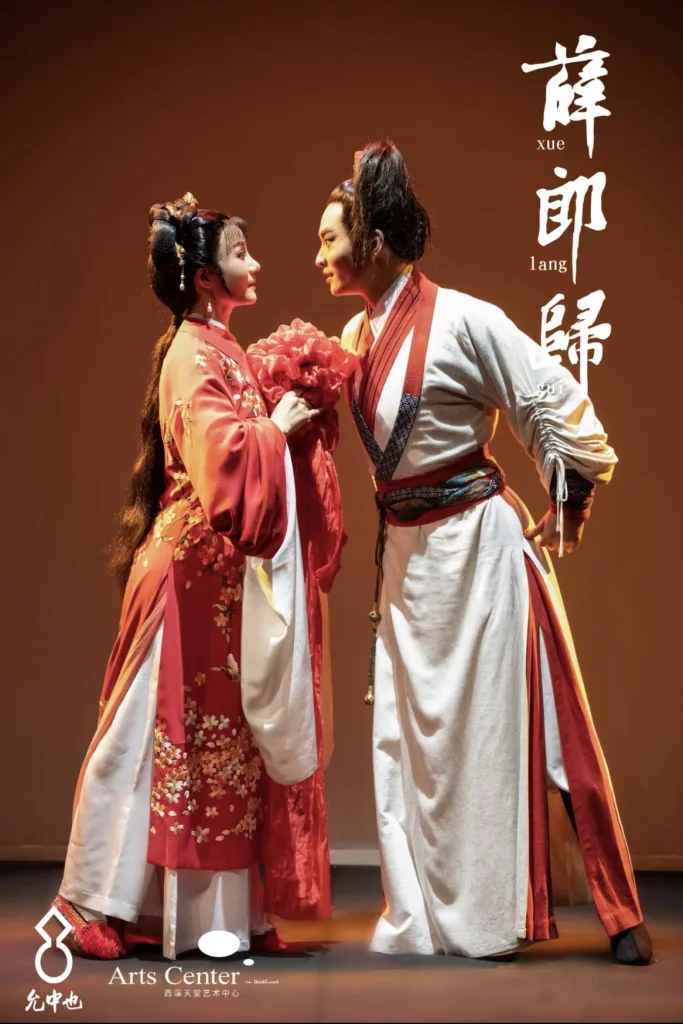
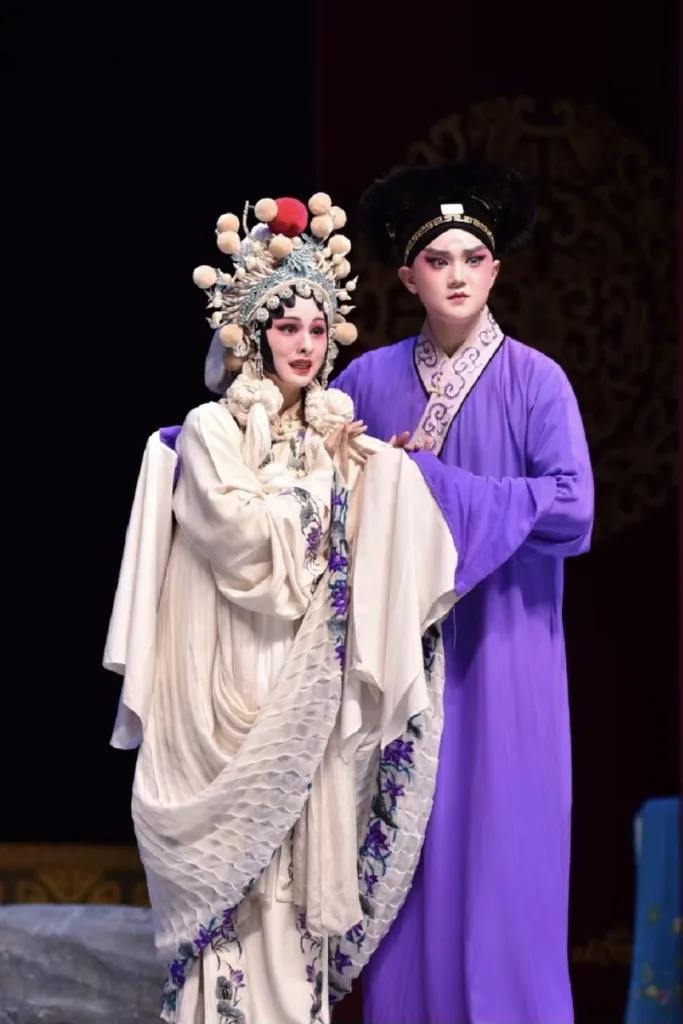
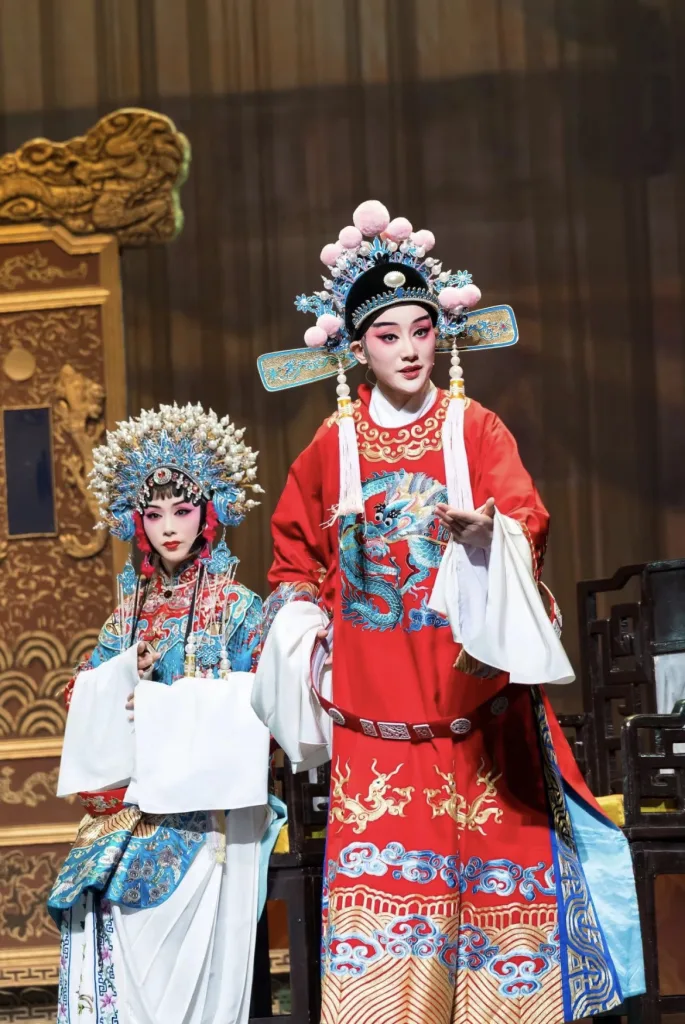
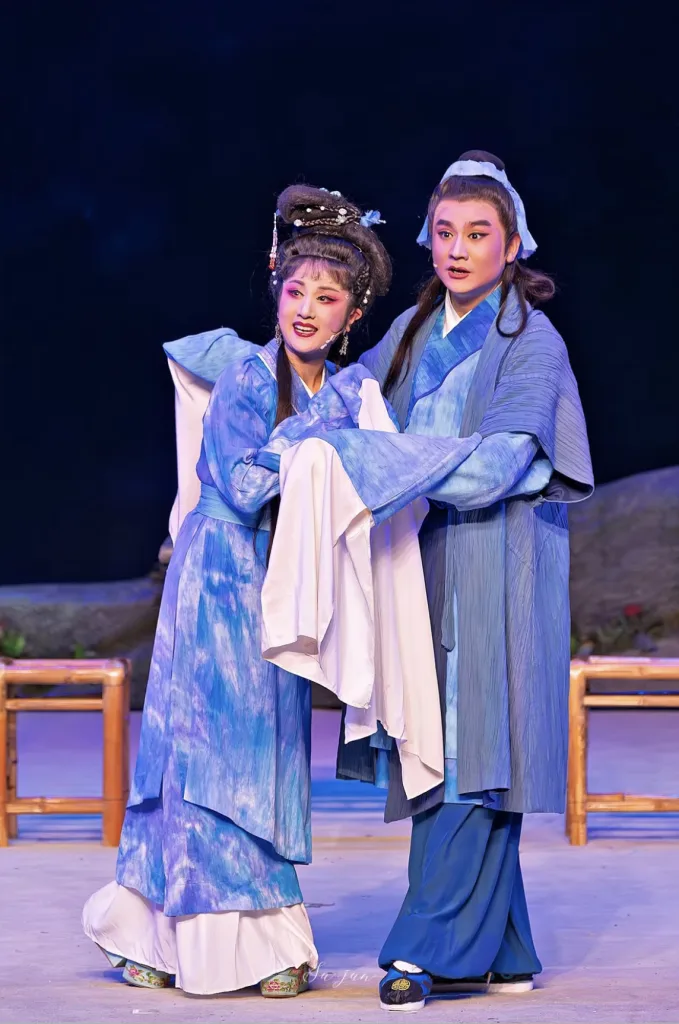
Huangmei Opera originated in Huangmei, Hubei Province and developed and thrived in Anqing, Anhui Province. With its fresh and natural style and easy-to-understand lyrics, it has become a widely popular opera type.
The singing of Huangmei Opera is simple and smooth, with a focus on lyricism and rich expressiveness. Its singing is divided into three major tune systems: Huaqiang, Caiqiang, and Zhudiao. Huaqiang is lively and cheerful, Caiqiang is beautiful and gorgeous, and Zhudiao has both narrative and lyric functions. The performance style is close to life, simple and natural. The actors’ movements and expressions are vivid and full of life, making the audience resonate strongly. The costumes of Huangmei Opera are relatively simple and fresh, with bright color combinations, focusing on the fit with the plot and the characters’ identities. The makeup style is natural and simple, emphasizing the actors’ facial expressions and emotional transmission.
Three Classic Representative Works:
The Heavenly Maid and the Mortal (《天仙配》): A love story between the Seventh Fairy and Dong Yong, a kind – hearted mortal.
The Female Imperial Scholar (《女驸马》): About a woman who disguises herself as a man to take the imperial examination and becomes an imperial scholar, involving love and adventure.
The Cowherd and the Weaver Girl (《牛郎织女》): Based on the famous Chinese folk tale, it tells the love story between the Cowherd and the Weaver Girl who are separated by the Milky Way.
Yu Opera: The Voice of the Central Plains, Full of Passion

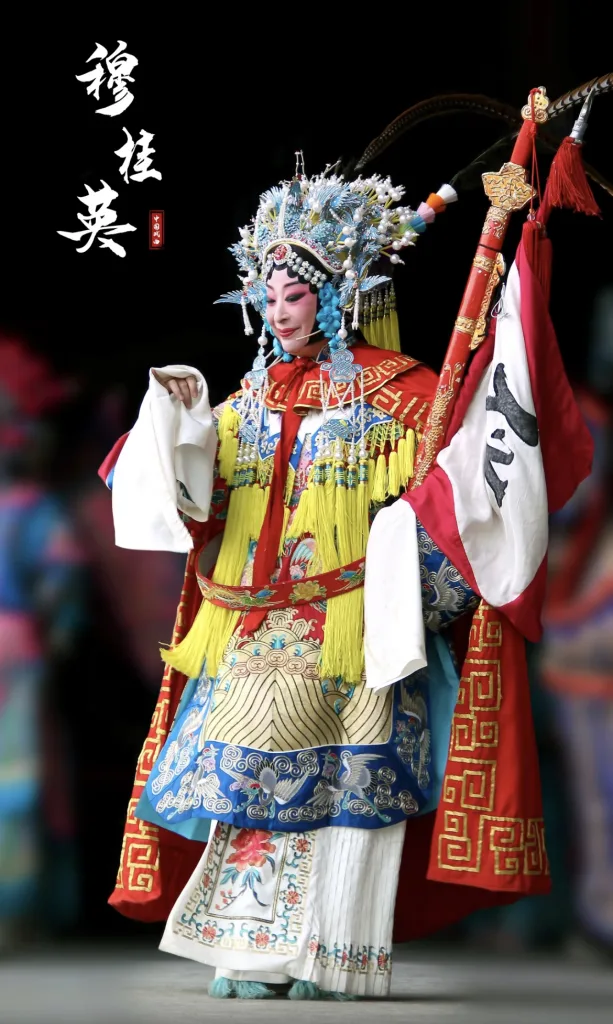
Mu Guiying Takes Command (《穆桂英挂帅》): Features Mu Guiying, a heroic female general, who takes command of the army to defend the country.
The Story of Hong Niang (《红娘》): The story focuses on Hong Niang, a maid who helps the lovers Zhang Sheng and Cui Yingying get together.
Chaoyanggou (《朝阳沟》): It reflects the story of urban youth going to the countryside to support rural construction, full of local flavor.
Ping Opera: The Folk Flavor, the Voice of the Times
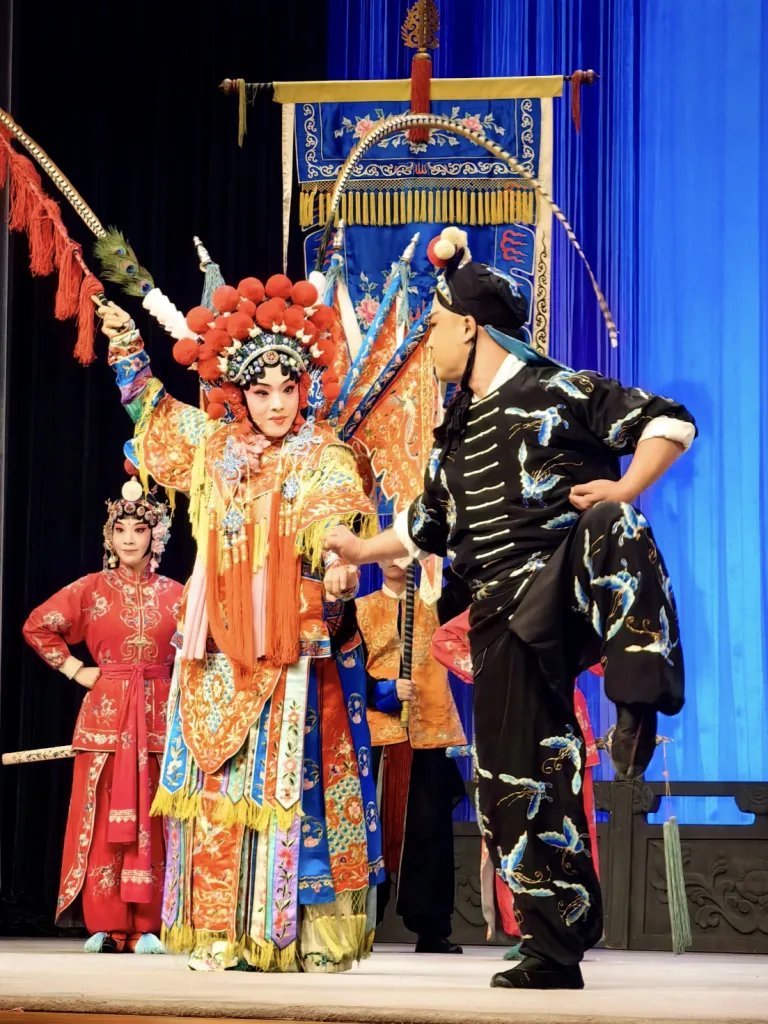
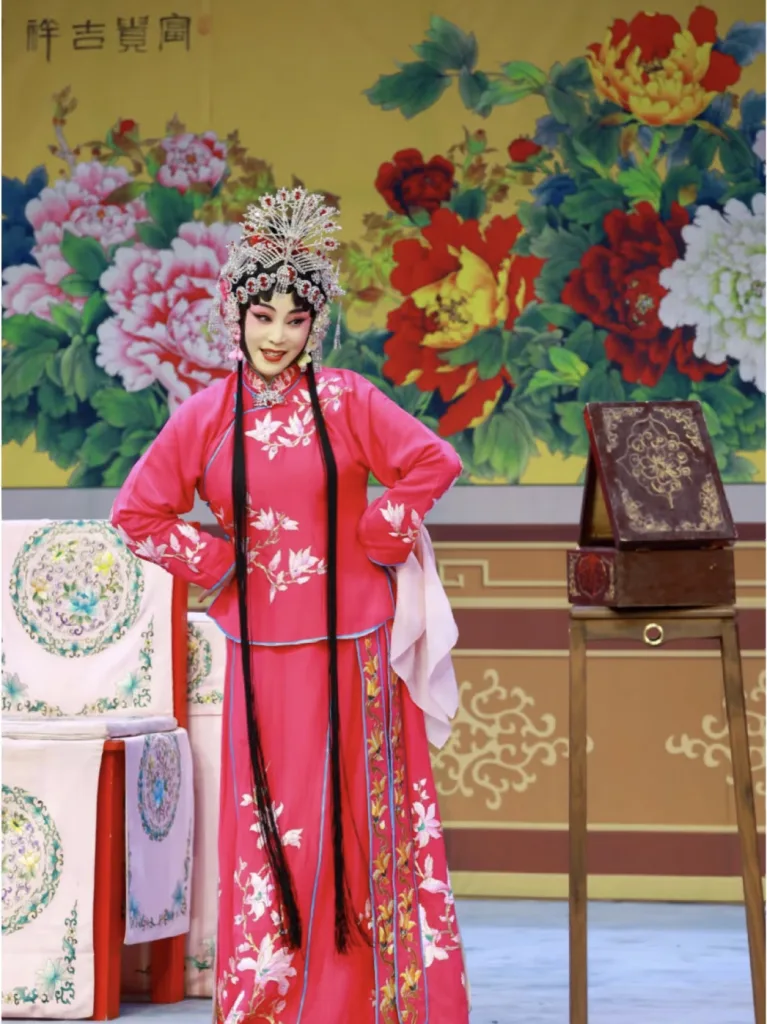
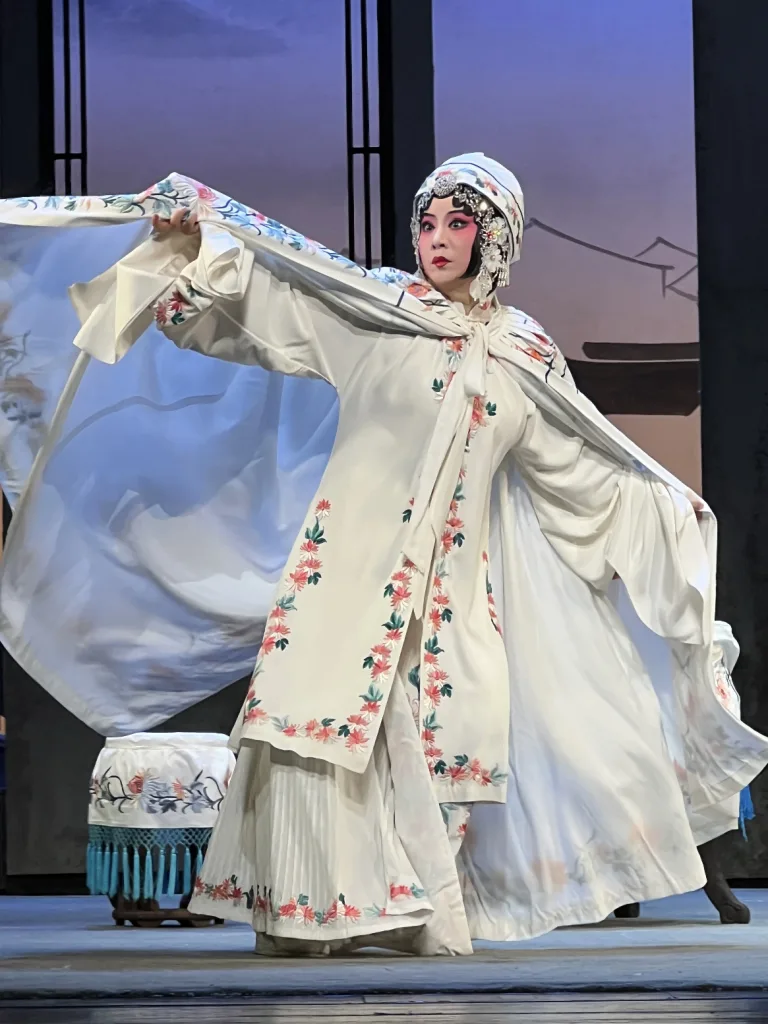
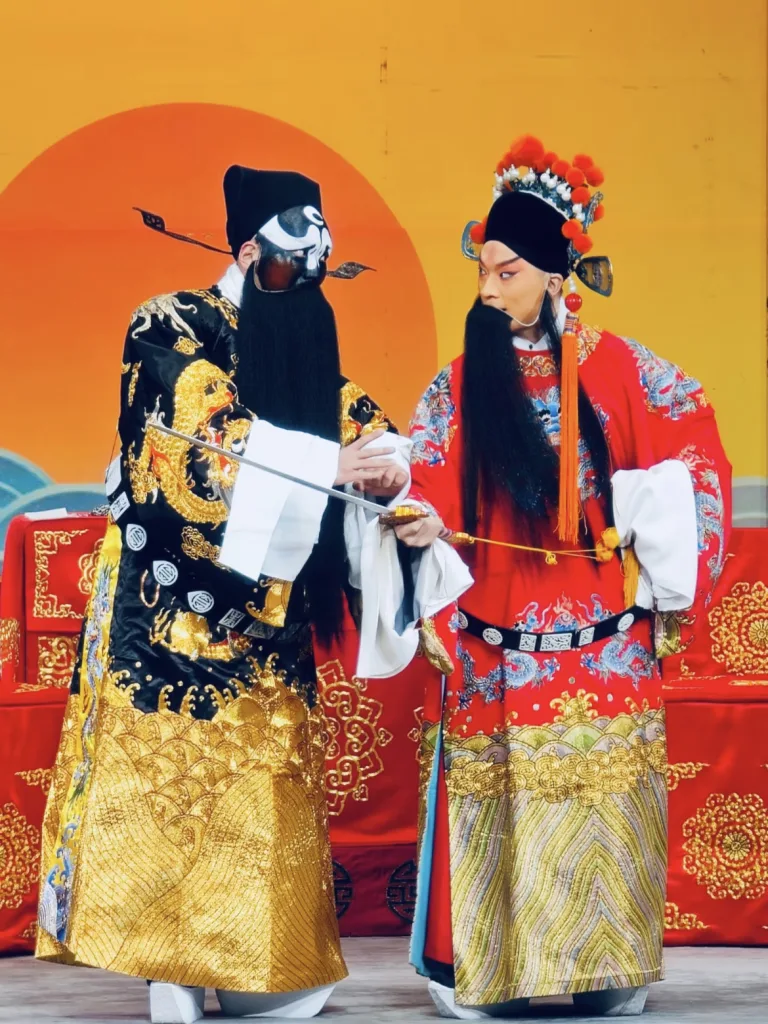
Ping Opera originated in Luanxian, Hebei Province in the late Qing Dynasty and developed on the basis of the folk rap “Lianhualuo”. It is deeply loved by the masses for its plots close to life and easy-to-understand lyrics.
The singing of Ping Opera is of the banqiang style, with flexible and changeable rhythms, smooth and natural melodies, and colloquial lyrics that are easy to sing. Its performance style is close to real life, and it is good at vividly showing the life scenes and emotional worlds of ordinary people through performances. The actors’ performances are natural and smooth, full of life. The costumes of Ping Opera are relatively simple and bright. On the basis of traditional opera costumes, more attention is paid to practicality and the sense of the times. The color combinations are harmonious, and the makeup is mainly natural and realistic, highlighting the actors’ expressions and performances.
Three Classic Representative Works:
Liu Qiao’er (《刘巧儿》): Tells the story of Liu Qiao’er, a rural girl who pursues free love and independence.
The Love – For – Sale (《花为媒》): A romantic comedy about the love between two young people, with a matchmaker playing an important role.
Qin Xianglian (《秦香莲》): It is about Qin Xianglian, a wronged wife, who fights against her unfaithful husband.