Explore the Delights of Suzhou’s Exquisite Cuisine
Suzhou cuisine is an important part of Jiangsu Province’s food culture, famous for its light and delicate flavors, careful cooking methods, and focus on fresh ingredients. Inspired by the beautiful scenery and rich history of the area, Suzhou dishes combine savory, sweet, and mild flavors that are both visually appealing and tasty.
Suzhou food is known for being light and balanced, often using fresh ingredients like fish, shrimp, and seasonal vegetables. The cuisine is also unique for its use of sugar, which adds a subtle sweetness to many dishes, creating a refined and layered taste. One of the key features of Suzhou cooking is its careful preparation and beautiful presentation, with each dish made to look as good as it tastes.
Flavor Profile
Suzhou cuisine is known for its delicate and balanced flavors, where no single taste overwhelms the others. The primary elements of the flavor profile include:
- Mild sweetness: A hallmark of Suzhou cuisine is its use of sugar, which adds a gentle sweetness to many dishes without overpowering the other flavors.
- Umami: Suzhou dishes often incorporate freshwater fish, shrimp, crab and soy sauce, which contribute a deep umami flavor, enhancing the overall taste of the dish.
- Savory and aromatic: The cuisine relies on a delicate balance of savory and aromatic ingredients, such as ginger, garlic, and scallions, to bring out the natural flavors of the main ingredients without making them too strong.
- Freshness: Ingredients are chosen for their seasonality and freshness, so the flavors of vegetables, fish, and meats shine through naturally, often with a clean, light taste.
Cooking Techniques
Suzhou cuisine is characterized by precise and refined cooking techniques that emphasize the natural flavors of the ingredients. Some key methods include:
- Steaming: Steaming is a common technique in Suzhou cooking, especially for fish and dumplings. This method preserves the natural flavor and moisture of the ingredients, making the dishes light and tender. For example, steamed crab or dumplings are often prepared this way.
- Stir-frying: Stir-frying is a quick and high-heat method that helps preserve the crispness of vegetables while keeping their natural flavor intact. It’s often used in dishes with seasonal vegetables like snow peas and bok choy.
- Simmering: For soups and broths, simmering is used to extract the flavors of ingredients slowly. For example, Sweet and Sour Soup relies on long simmering to balance the flavors of vinegar, sugar, and other ingredients, giving the soup a smooth, layered taste.
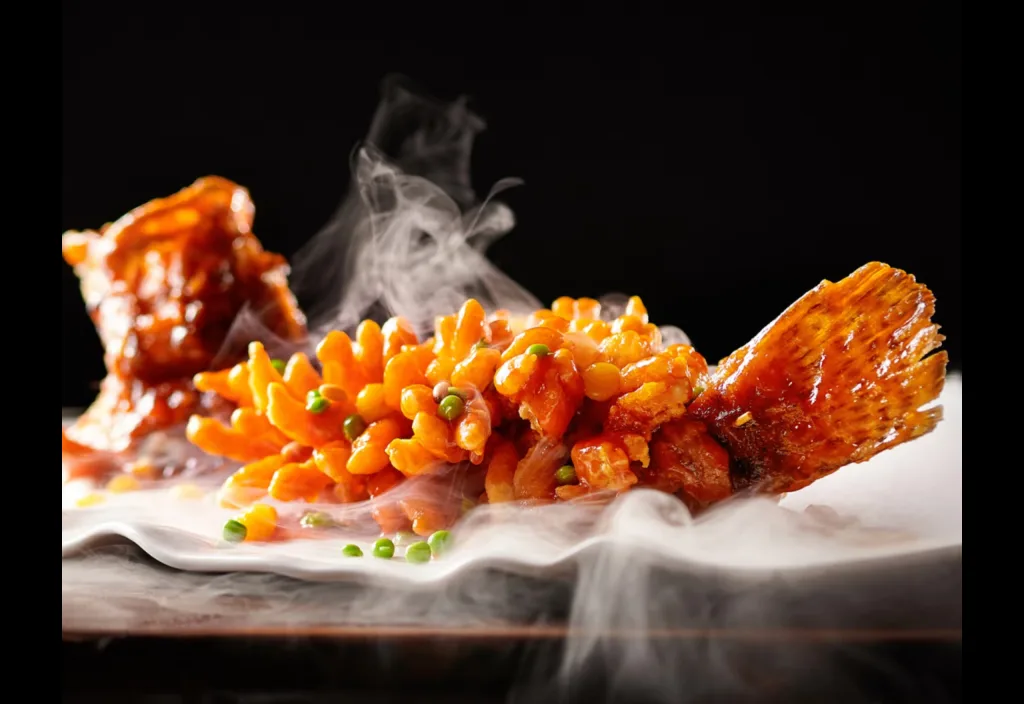
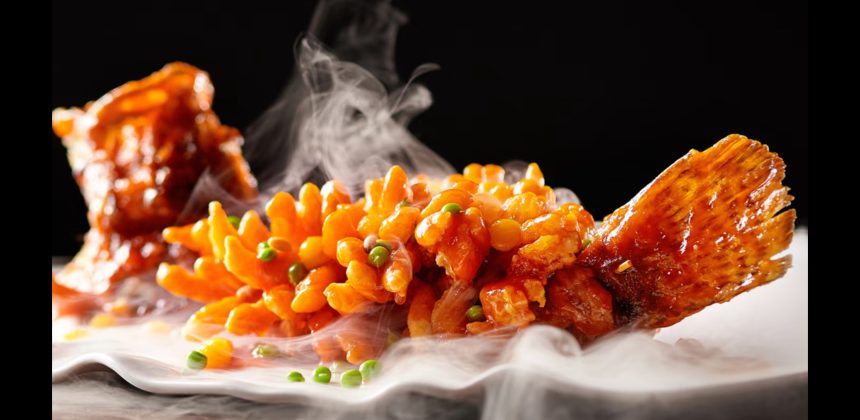
- Searing and shallow frying: Dishes like Squirrel-shaped Mandarin Fish involve shallow frying or searing, creating a crispy texture while keeping the inside moist. The delicate balance between frying and finishing with a sweet-sour glaze highlights the importance of careful technique in achieving the perfect texture.
Must-Try Dishes
Squirrel-shaped Mandarin Fish (松鼠桂鱼)
This iconic Suzhou dish is known for its unique presentation, where the fish is deep-fried and shaped to resemble a squirrel. The fish is then coated with a sweet and sour sauce, balancing delicate sweetness with a touch of tanginess. The crispy exterior and tender interior make it a must-try.
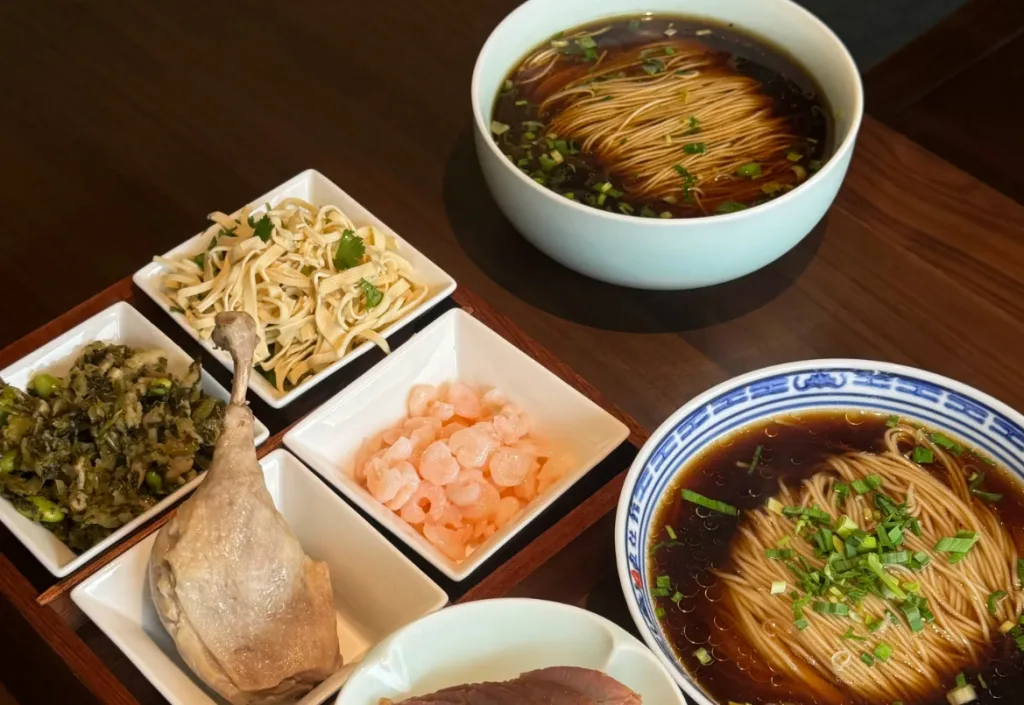
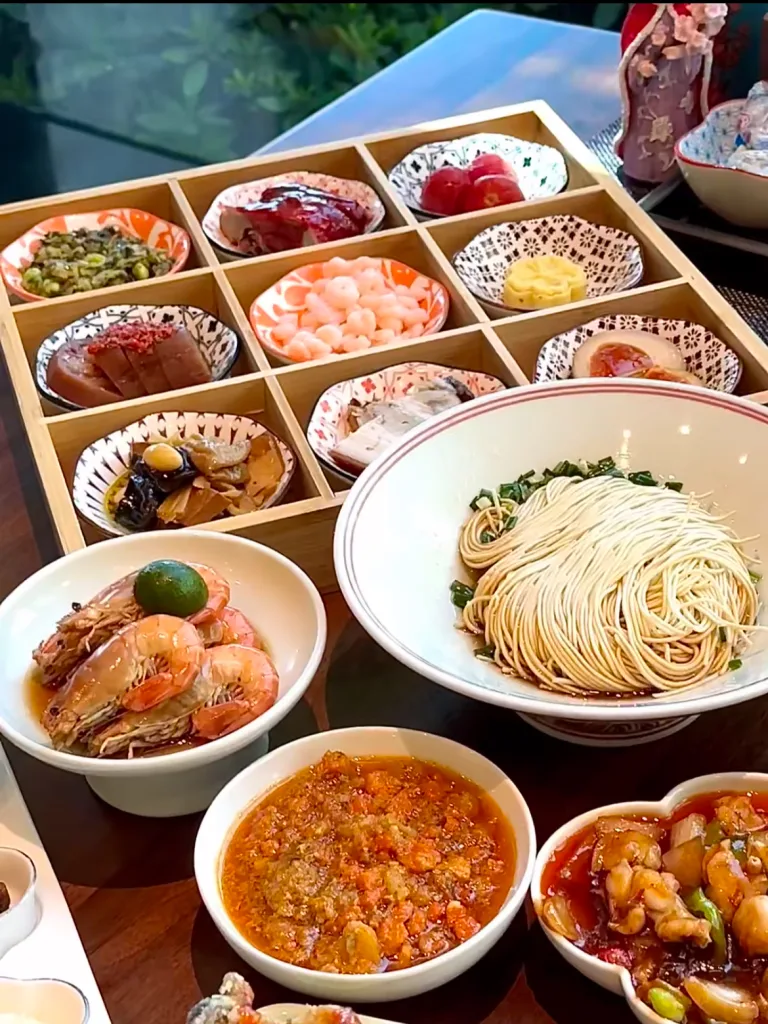
Suzhou Soup Noodles (苏式汤面)
A comforting and light dish that features delicate noodles served in a savory broth, often made with pork or chicken. Topped with fresh vegetables, such as bok choy, and sometimes shredded meat, this dish is known for its simple yet flavorful taste, reflecting the balance and elegance of Suzhou cuisine. It’s a popular breakfast choice and a beloved comfort food for locals.
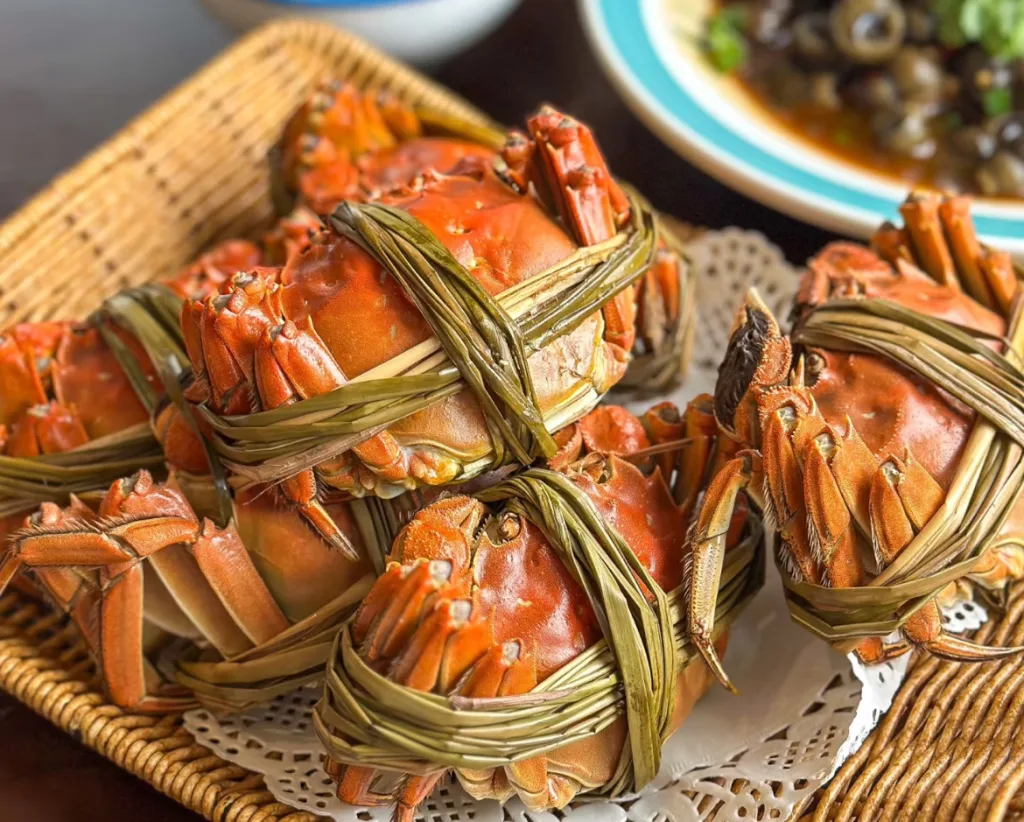
Hairy Crab (大闸蟹)
A seasonal delicacy famous in Suzhou and the surrounding regions, especially during the autumn months. Known for its rich, sweet meat and delicate flavor, the crabs are typically steamed and served with a dipping sauce of ginger and vinegar, allowing the natural sweetness of the crab to shine. The tender meat, combined with the unique roe, makes this dish a must-try for seafood lovers.
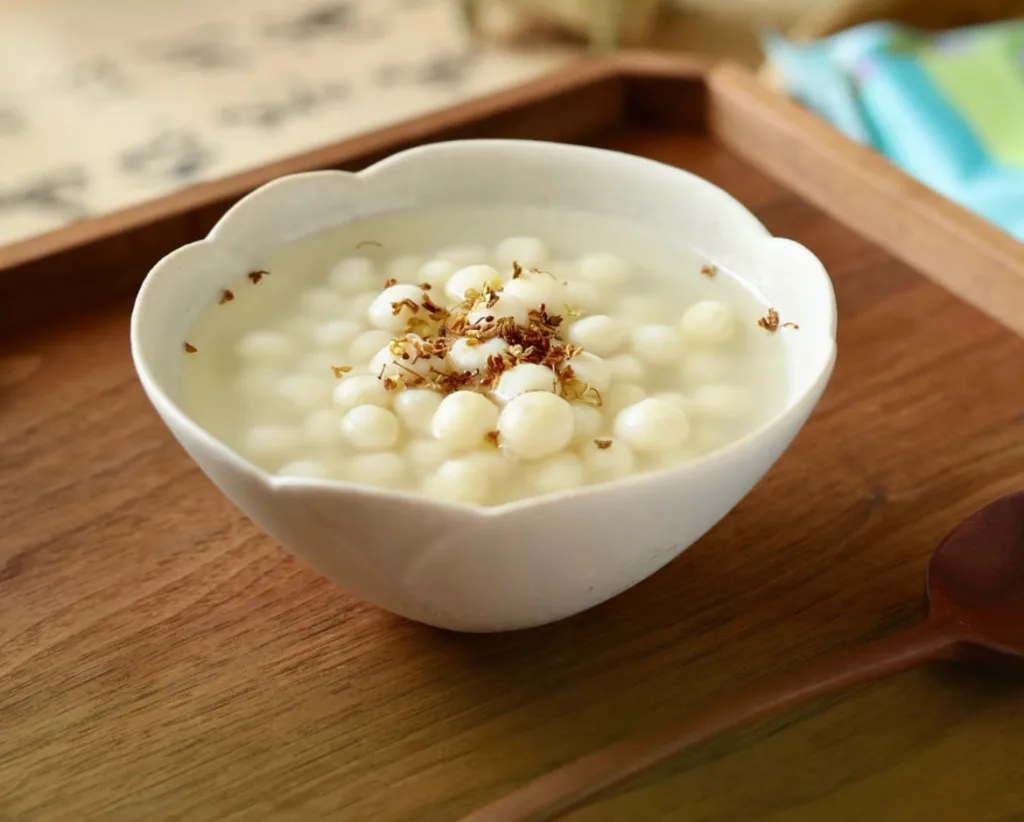
Osmanthus Flowers with Lotus Seeds (桂花鸡头米)
A traditional Suzhou dessert made with lotus seeds, which are simmered in a sweet, fragrant syrup flavored with osmanthus flowers. The lotus seeds have a soft, chewy texture, and when combined with the delicate floral aroma of osmanthus, this dish offers a refreshing, light sweetness that’s both soothing and aromatic. It is often enjoyed as a dessert or snack, especially during the autumn season when osmanthus flowers are in bloom.