Eastern Healing Arts of Traditional Chinese Medicine
Traditional Chinese Medicine (TCM) is one of the great treasures of ancient Chinese civilization. For thousands of years, it has flourished across the land of China, embodying not only a system of healing but also a philosophy about life and the harmony between humans and nature.
Today, as global attention toward holistic health continues to grow, TCM is stepping onto the world stage, allowing more people to discover the profound wisdom of preventive care and the deep beauty of Eastern wellness traditions.
The Origins and Development of TCM
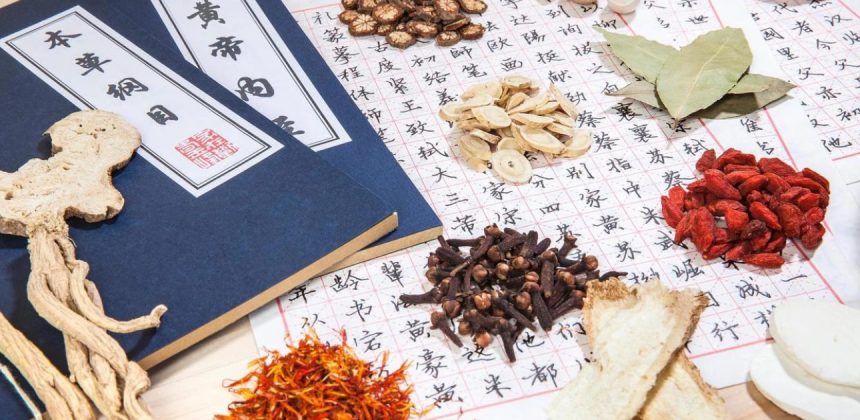
The history of Traditional Chinese Medicine can be traced back to ancient times. According to legend, Shennong tasted hundreds of herbs and the Yellow Emperor consulted with the sage Qi Bo, laying the philosophical foundation for early Chinese medicine.During the Spring and Autumn and Warring States periods, the Huangdi Neijing (The Yellow Emperor’s Inner Canon) systematically summarized theories of yin and yang, the five elements, internal organs, and meridians—establishing the framework of TCM.By the Tang and Song dynasties, TCM had merged with pharmacology, acupuncture, massage, and health preservation practices, forming a comprehensive system. The Ming and Qing dynasties saw the publication of masterpieces such as Compendium of Materia Medica and The Great Compendium of Acupuncture and Moxibustion, marking the maturity and prosperity of TCM.
Core Principles of Traditional Chinese Medicine
TCM emphasizes the idea of “the unity of man and nature”—the belief that the human body is an organic whole closely connected with the natural world.
Yin–Yang Balance: Disharmony between yin and yang is seen as the root of illness; restoring their balance is the key to health.
Five Elements Theory: Metal, Wood, Water, Fire, and Earth represent the interrelated functions of human organs and the dynamic balance within the body.
Pattern Differentiation and Treatment: TCM does not apply one cure to all diseases. Instead, it diagnoses each individual’s condition through observation, listening, inquiry, and pulse-taking, then prescribes personalized treatment.
This holistic and individualized approach reflects the true essence of TCM—treating the person, not just the disease.
Major Branches of TCM
1.Herbal Medicine
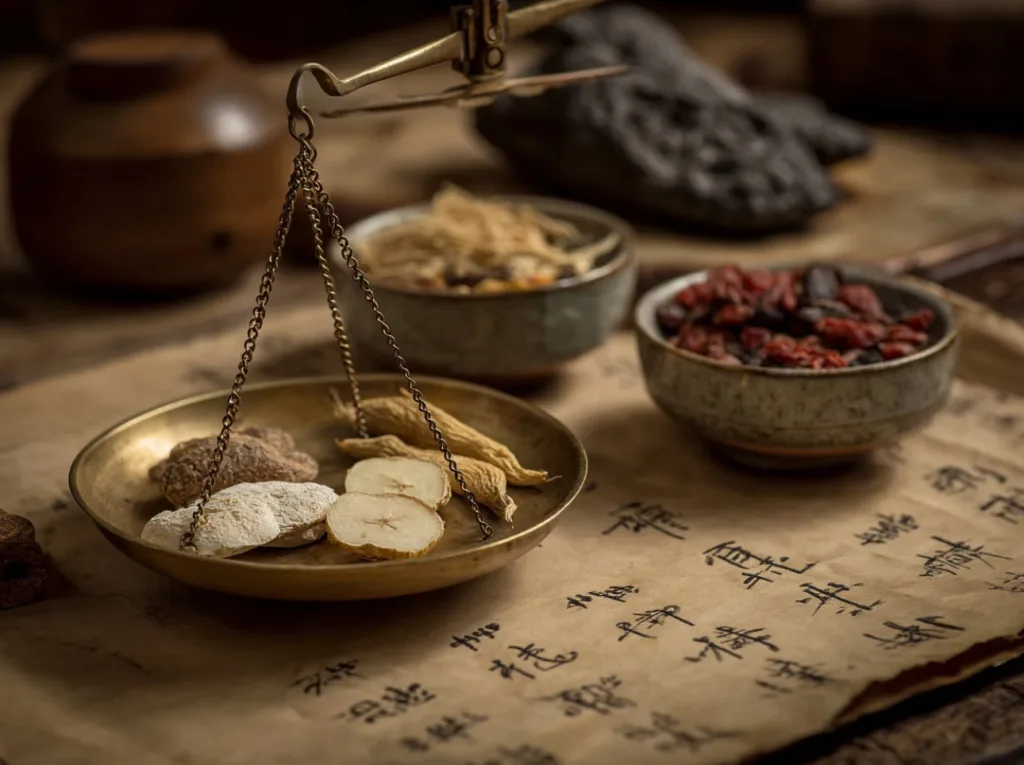
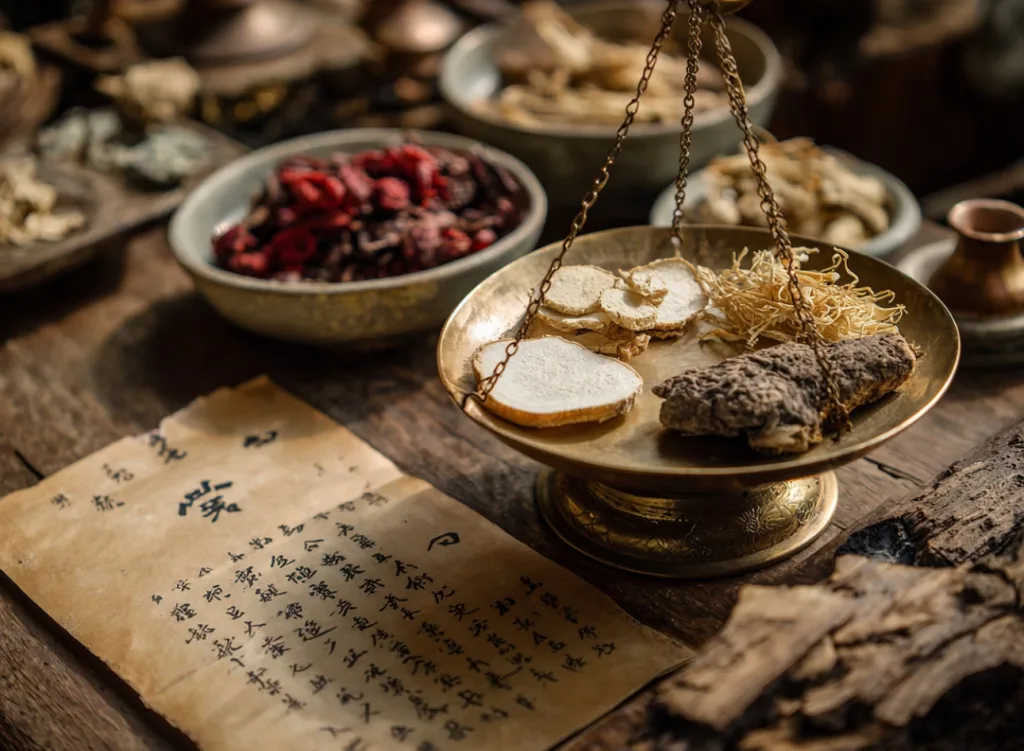
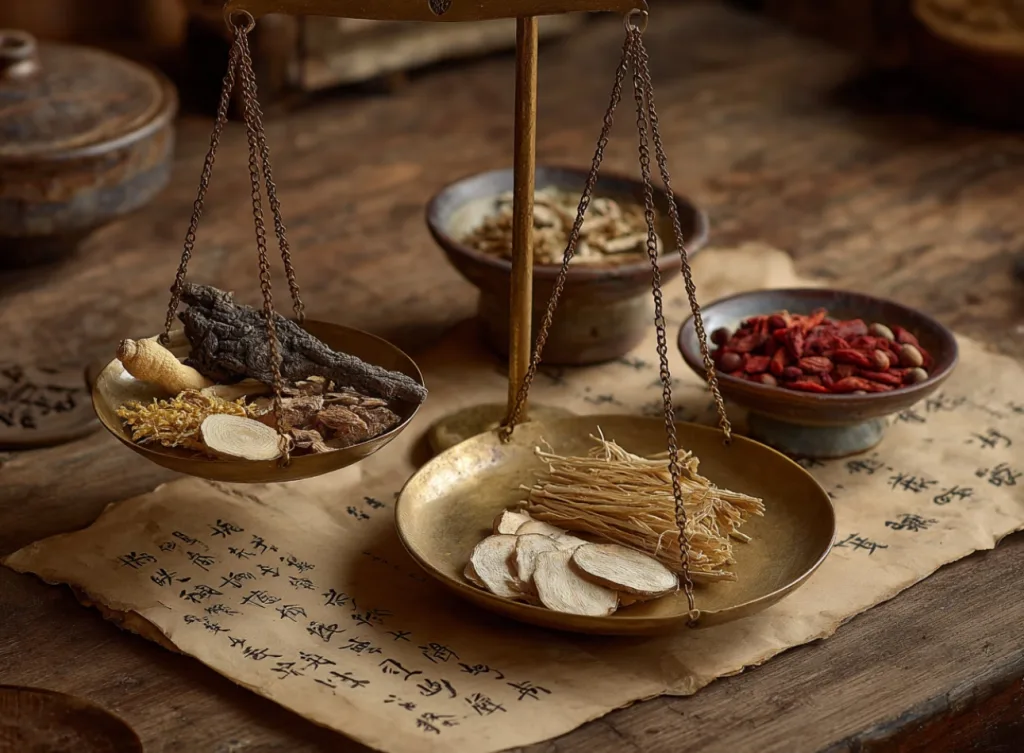
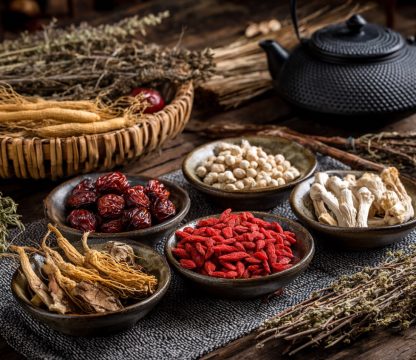
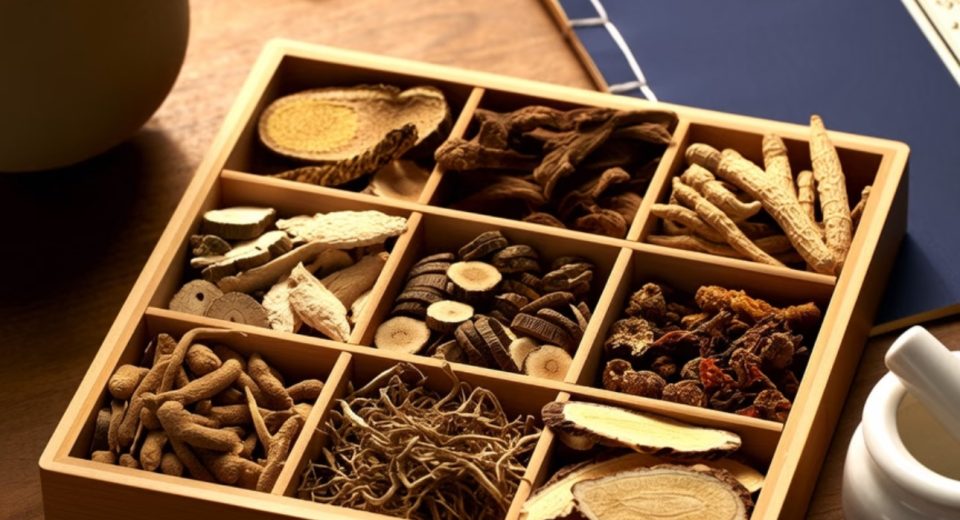
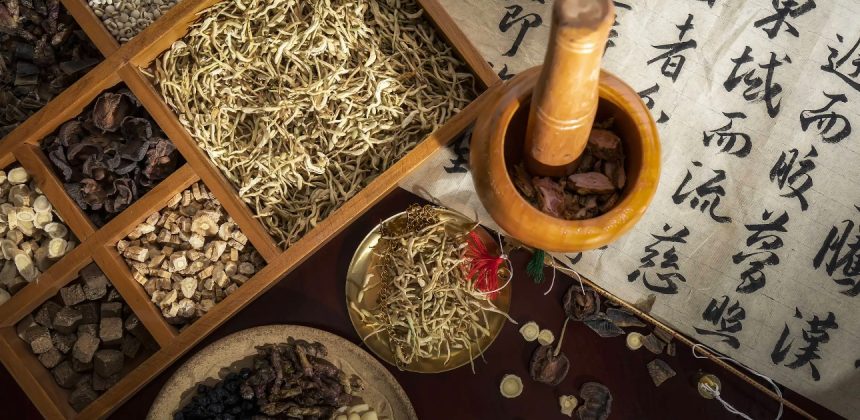
Chinese herbal medicine draws from nature—plants, minerals, and even animals can become medicinal ingredients. Formulas are created under the principle of “sovereign, minister, assistant, and guide,” ensuring harmony among the ingredients.
Common tonics such as ginseng (to replenish energy), astragalus (to strengthen the body’s defenses), and goji berries (to nourish yin) are well-known examples.
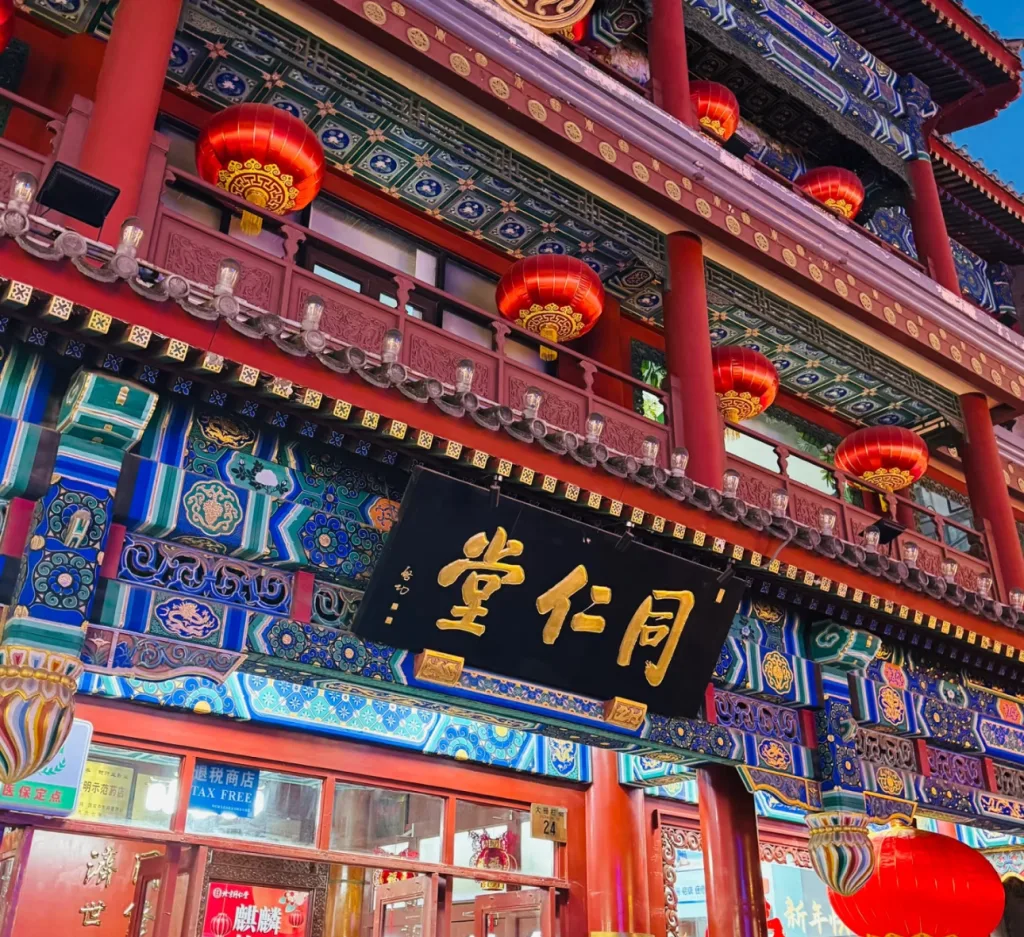
For those interested in exploring traditional apothecaries, Hu Qing Yu Tang in Hangzhou and Tong Ren Tang in Beijing offer authentic cultural experiences.
2.Acupuncture
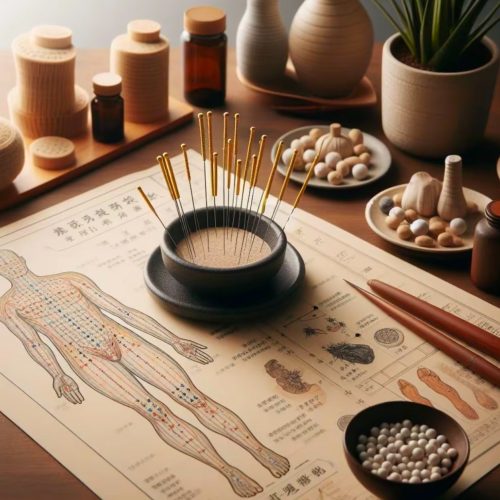
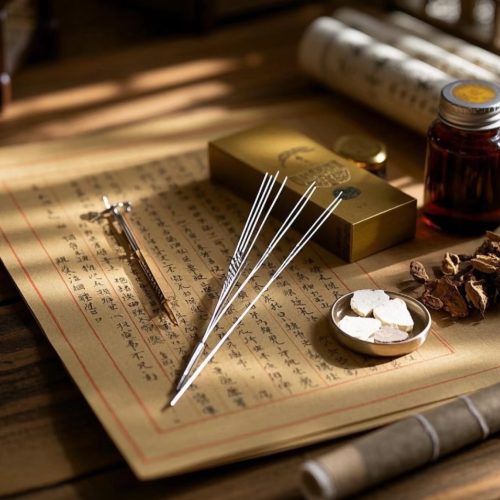
Based on meridian theory, acupuncture stimulates specific acupoints to unblock energy channels and restore internal harmony. Today, the World Health Organization recognizes acupuncture as an effective therapeutic method.
Visitors to Luoyang or Beijing’s national medical halls can witness or even experience professional acupuncture treatment, discovering the delicate art of “healing with needles instead of medicine.”
3.Massage and Health Preservation
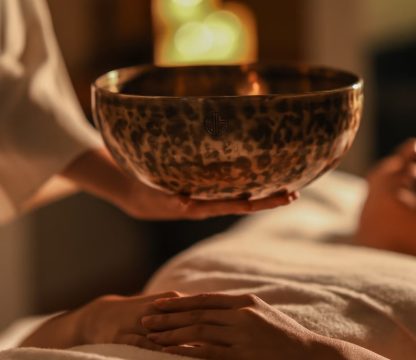
TCM massage, or tuina, focuses on gentle techniques such as pressing, kneading, and pushing to promote circulation and relieve tension.
Daily health preservation is another vital part of TCM—through dietary therapy, Tai Chi, and moxibustion, it encourages people to adapt to seasonal changes, exercise moderately, and maintain emotional balance.
Traditional Chinese Medicine is more than a branch of medical science—it is a way of life and a philosophy of harmony.
It teaches us to coexist peacefully with nature and to nurture both body and mind through balance and awareness. Whether you are intrigued by the fragrance of herbs or fascinated by the precision of acupuncture, stepping into the world of TCM is like embarking on a journey—one that bridges science and philosophy, and reveals the enduring beauty of Eastern wisdom.