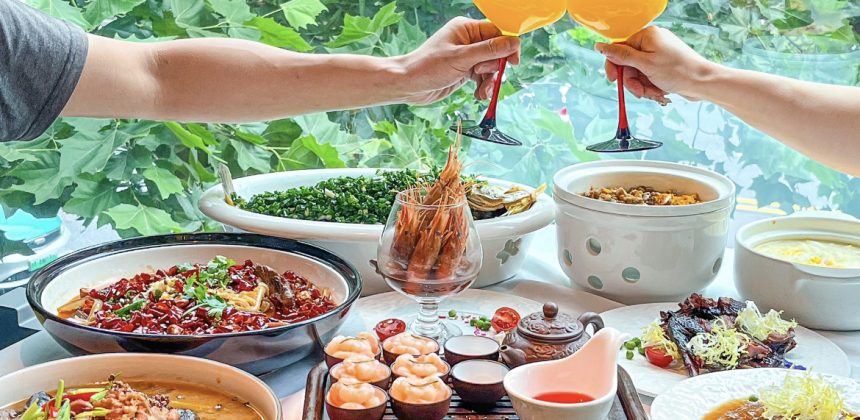
Discover the Delights of Hangzhou Cuisine
Hangzhou cuisine, a shining star within the vast galaxy of Chinese culinary traditions, has a long – standing reputation for its refined flavors, delicate presentation, and a harmonious blend of ingredients. Hailing from the beautiful city of Hangzhou, known as “Paradise on Earth,” this cuisine is deeply influenced by the region’s bountiful lakes, rivers, and fertile lands, as well as its rich cultural heritage.
Flavor Profile
Balanced and Subtle: Hangzhou cuisine is celebrated for its well – balanced flavors. It avoids extreme spiciness or over – powering tastes. Instead, it presents a gentle combination of sweet, salty, sour, and umami. For example, many dishes have a slightly sweet undertone, which is not overly sugary but enhances the natural flavors of the ingredients.
Emphasis on Freshness: Given Hangzhou’s proximity to water sources and fertile farmlands, the use of fresh, seasonal ingredients is a cornerstone of this cuisine. Seafood like fish and shrimp from the nearby West Lake, as well as fresh vegetables and herbs, are used at their peak of freshness. This focus on freshness ensures that the dishes burst with natural flavors.
Cooking Techniques
Steaming: Steaming is a popular method in Hangzhou cuisine as it helps to preserve the nutrients and natural flavors of the ingredients. Dishes such as steamed fish are a prime example. The fish is carefully prepared and steamed to perfection, then dressed with a light sauce made from soy sauce, scallions, and ginger, allowing the delicate taste of the fish to shine through.
Braising: Braising is another commonly used technique. Slow – braising meats and vegetables in flavorful broths gives the dishes a rich, deep – seated flavor. The long cooking process tenderizes the ingredients and infuses them with the essence of the seasonings.
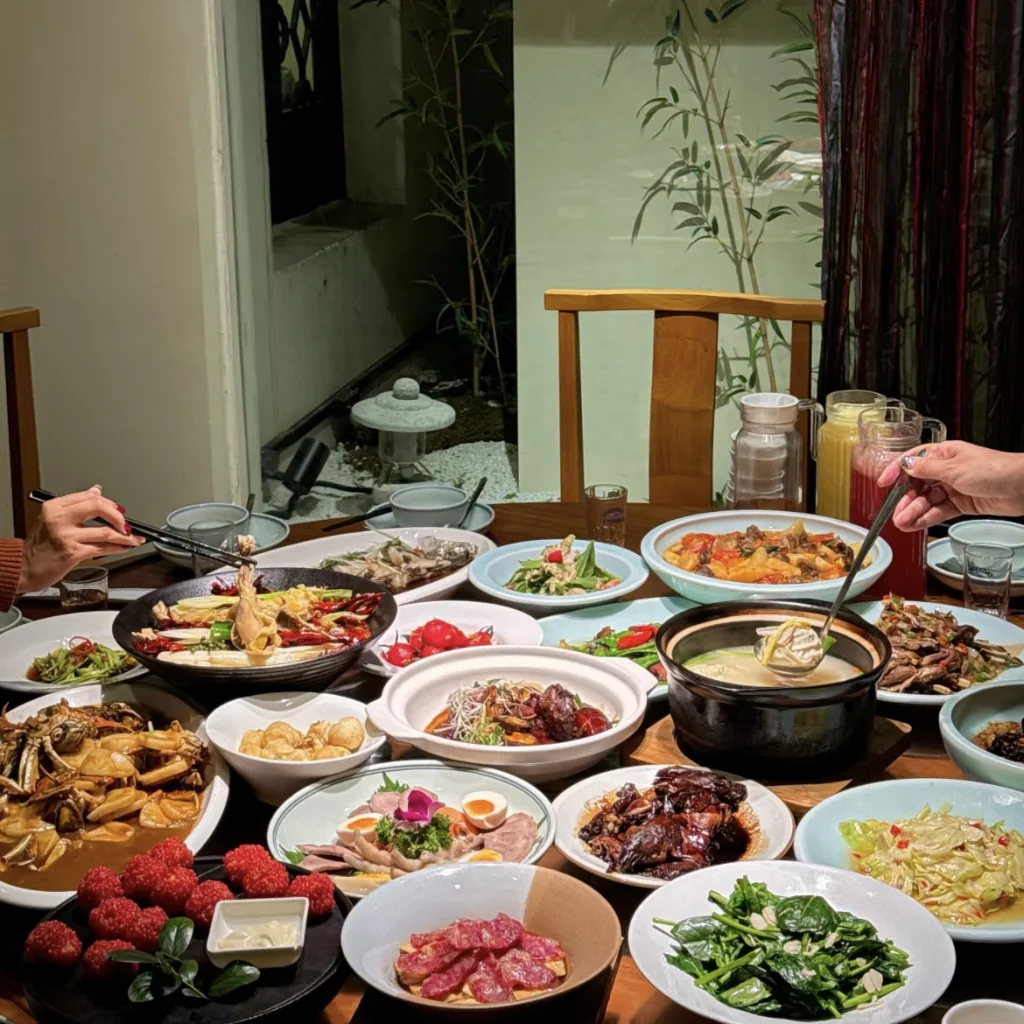
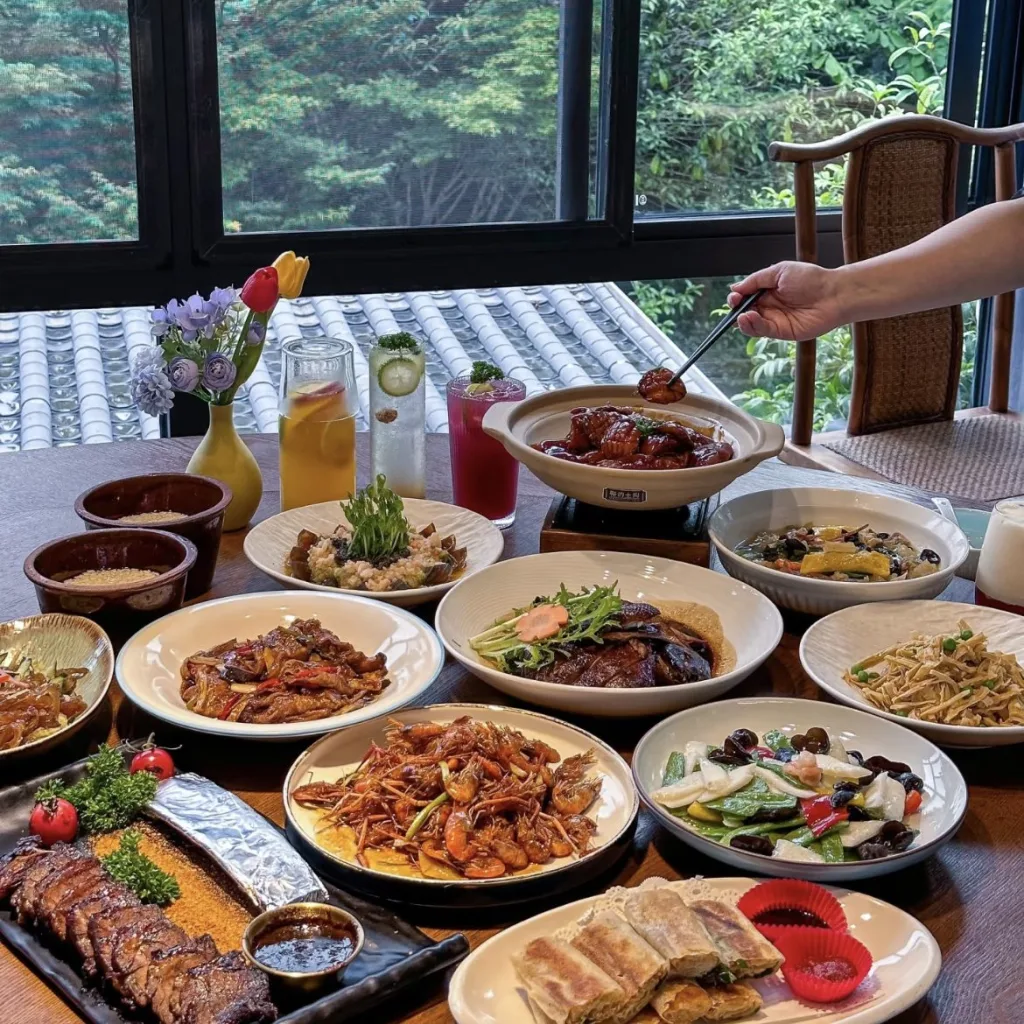
Must-Try Dishes
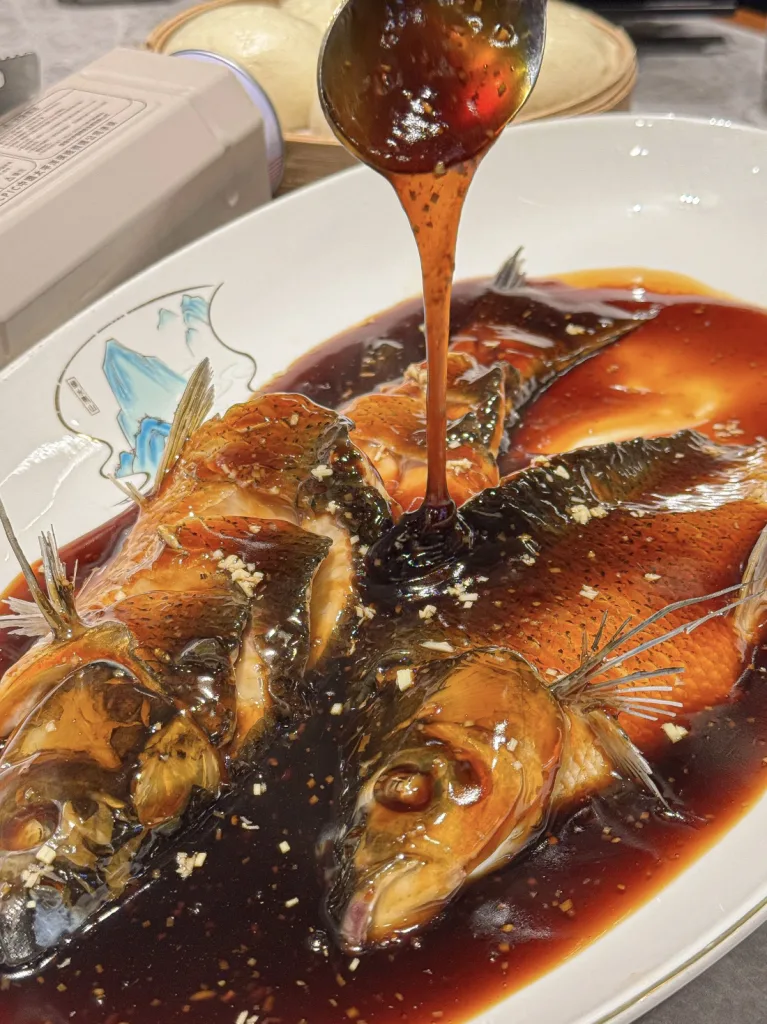
West Lake Fish in Vinegar Gravy (西湖醋鱼)
This is perhaps the most iconic Hangzhou dish. Freshly caught fish from West Lake is cooked and then topped with a tangy – sweet vinegar – based sauce. The sauce, made from a blend of rice vinegar, sugar, and soy sauce, is thickened to a glossy consistency. The fish has a tender, flaky texture, and the sauce provides a perfect balance of sweet and sour flavors, with a hint of umami from the fish.
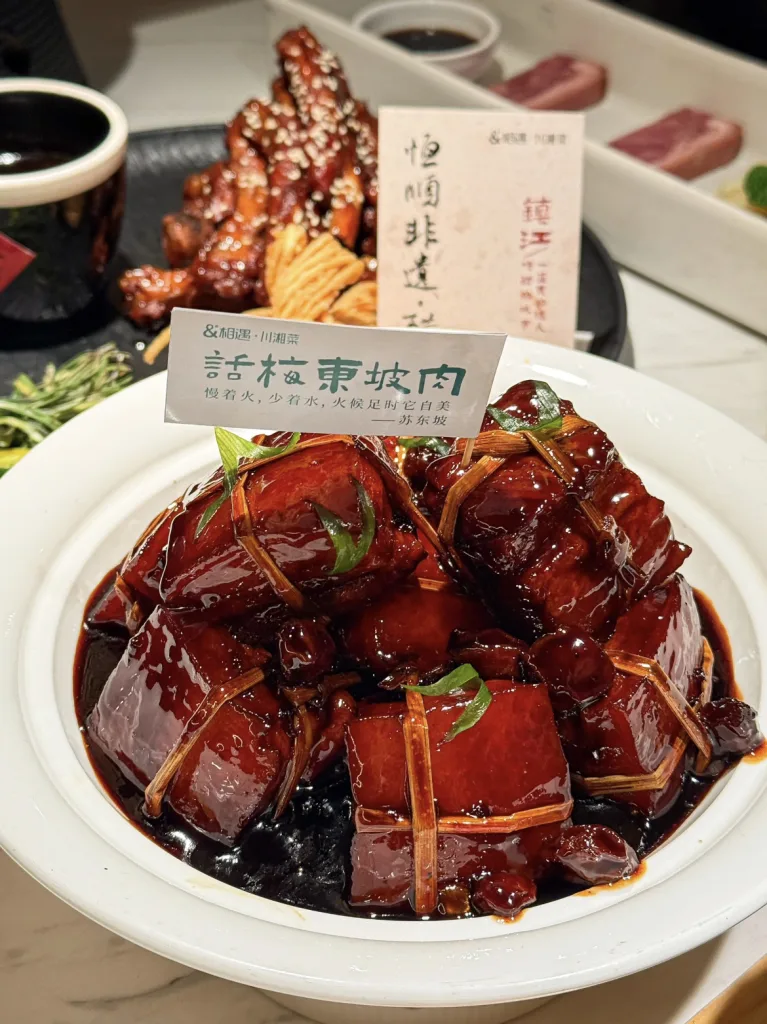
Dongpo Pork (东坡肉)
Named after the famous Song Dynasty poet Su Dongpo, this dish consists of slow – braised pork belly. The pork is cut into large, square pieces and cooked in a rich broth of soy sauce, rice wine, and sugar until it becomes incredibly tender and melts in the mouth. The outer layer of the pork has a beautiful red – brown color, and the fat has rendered down, leaving the meat moist and flavorful.
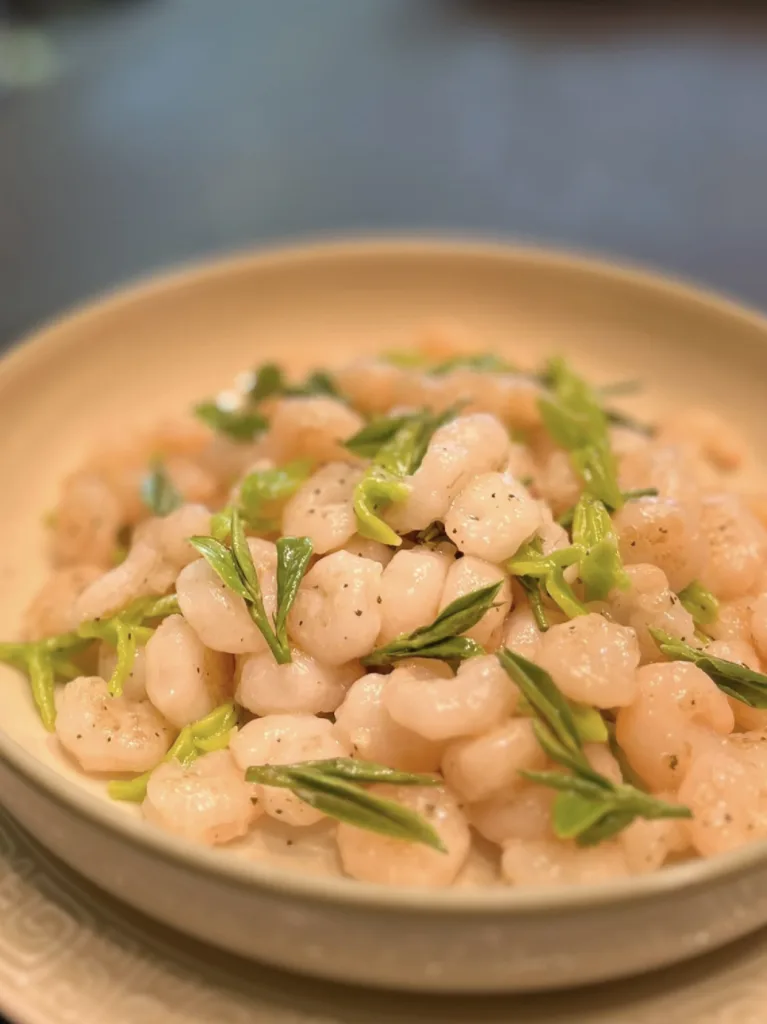
Longjing Shrimp (龙井虾仁)
In this dish, fresh river shrimp are stir – fried with tender shoots of Longjing tea, one of China’s most famous green teas. The shrimp are plump and sweet, and the tea imparts a delicate, fragrant flavor to the dish. The green color of the tea shoots also adds an elegant touch to the presentation, making it as visually appealing as it is delicious.
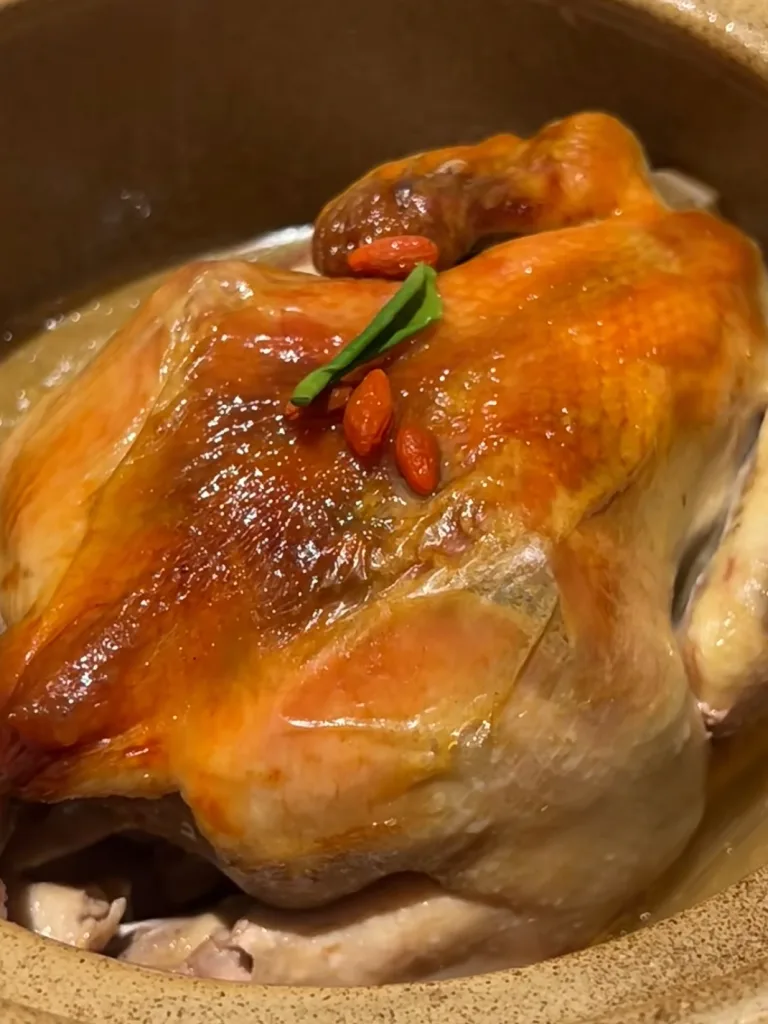
Tea – Scented Chicken (茶香鸡)
Tea – Scented Chicken is a unique and fragrant dish in Hangzhou cuisine. The chicken is typically marinated with a blend of seasonings including star anise, cinnamon, and a generous amount of high – quality green tea, often Longjing tea. After marination, the chicken is either slow – roasted or steamed. During the cooking process, the tea’s fragrance permeates the chicken, infusing it with a delicate, refreshing aroma. The result is a chicken with a tender, juicy interior and a subtle, lingering tea flavor on the surface.