
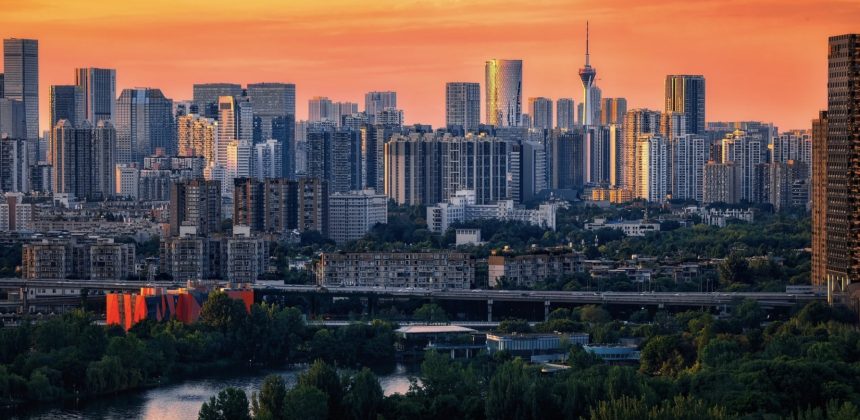
Chengdu: A Timeless Fusion of Ancient Sichuan Charm and Modern Flair
Nestled in the fertile Chengdu Plain along the upper reaches of the Yangtze River, this city seamlessly blends 2,300 years of historical legacy with vibrant modernity. It is the birthplace of giant pandas, a paradise for food lovers, a haven for leisurely teahouse culture, and a hub of international trends. Chengdu, just a 2-hour high-speed rail ride from Chongqing, is captivating the world with its unique allure.
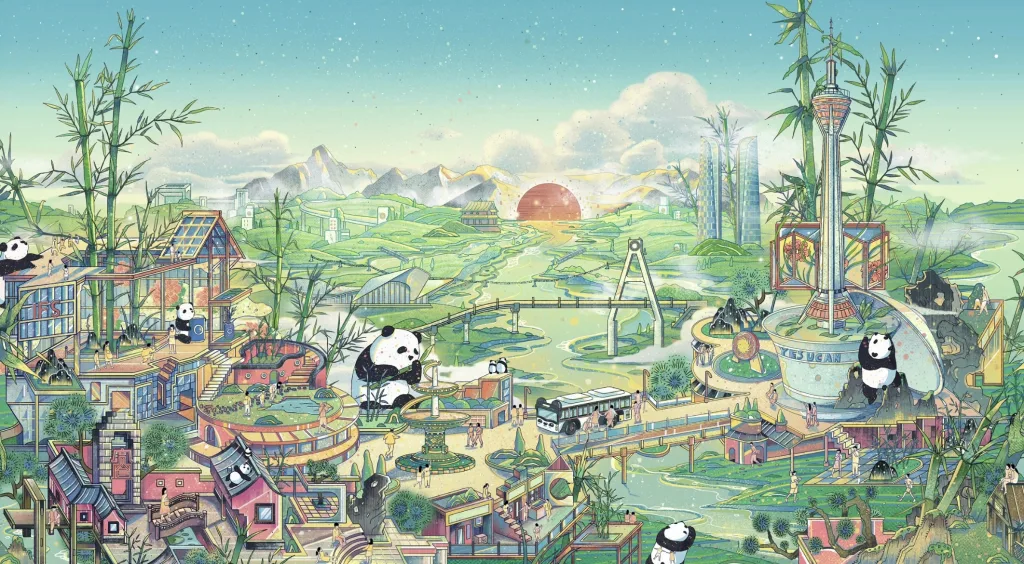
A Tale of Two Cities: Chengdu and Chongqing in Dialogue
Must-Visit Attractions: From National Treasures to Urban Vibe
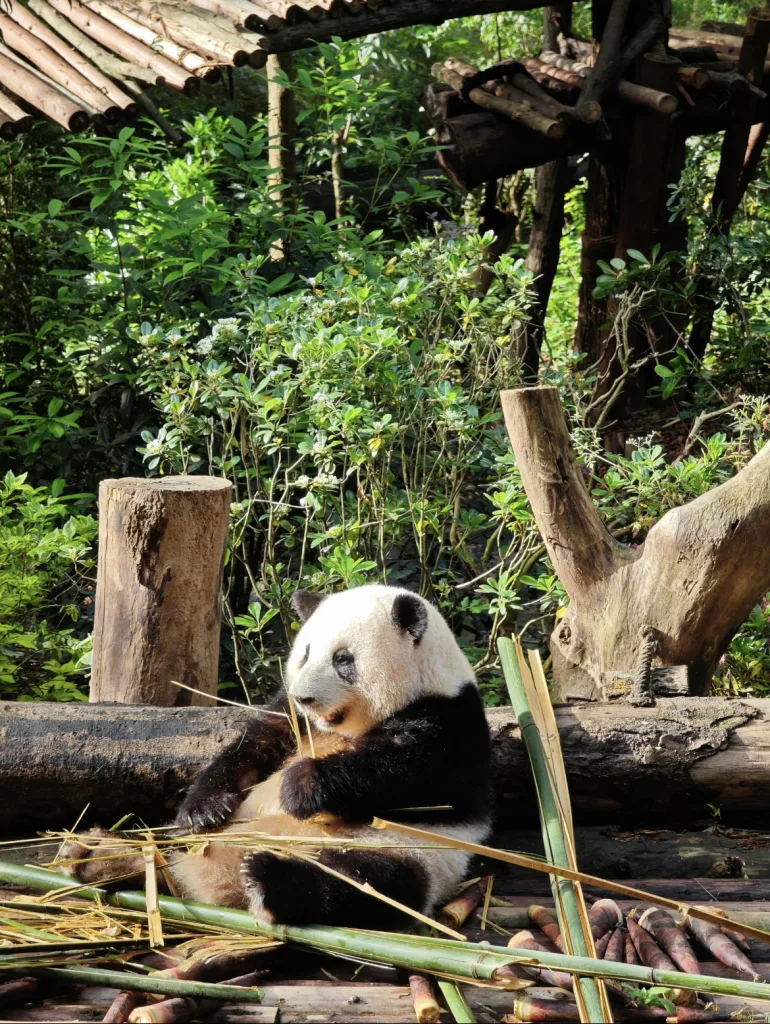
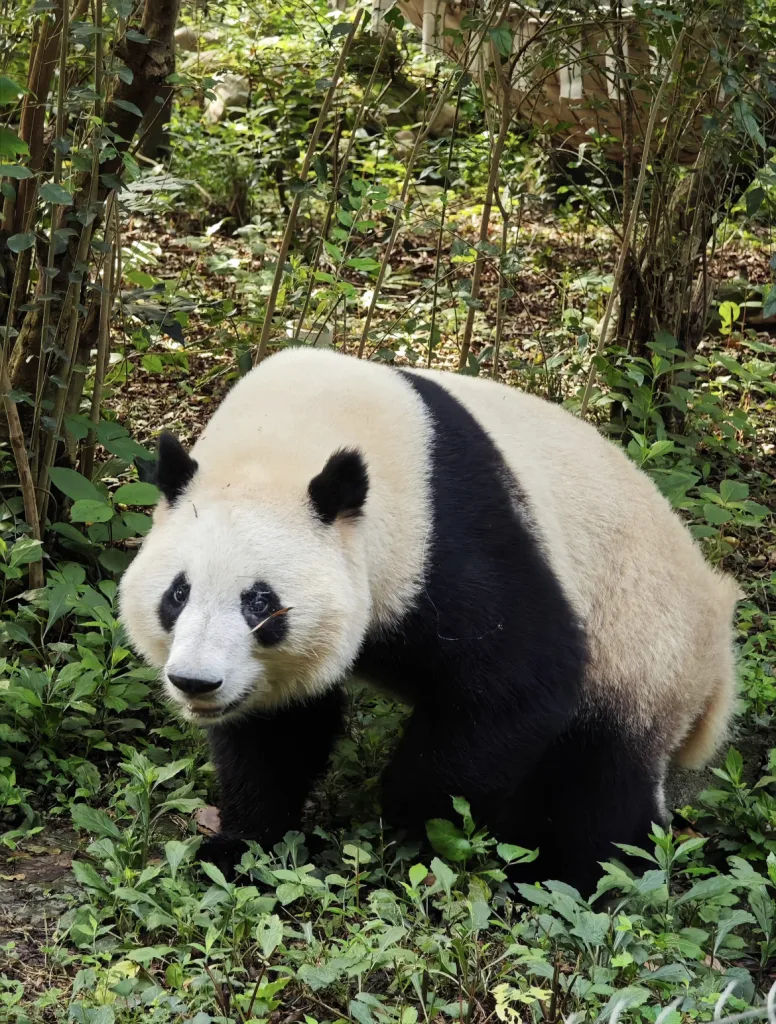
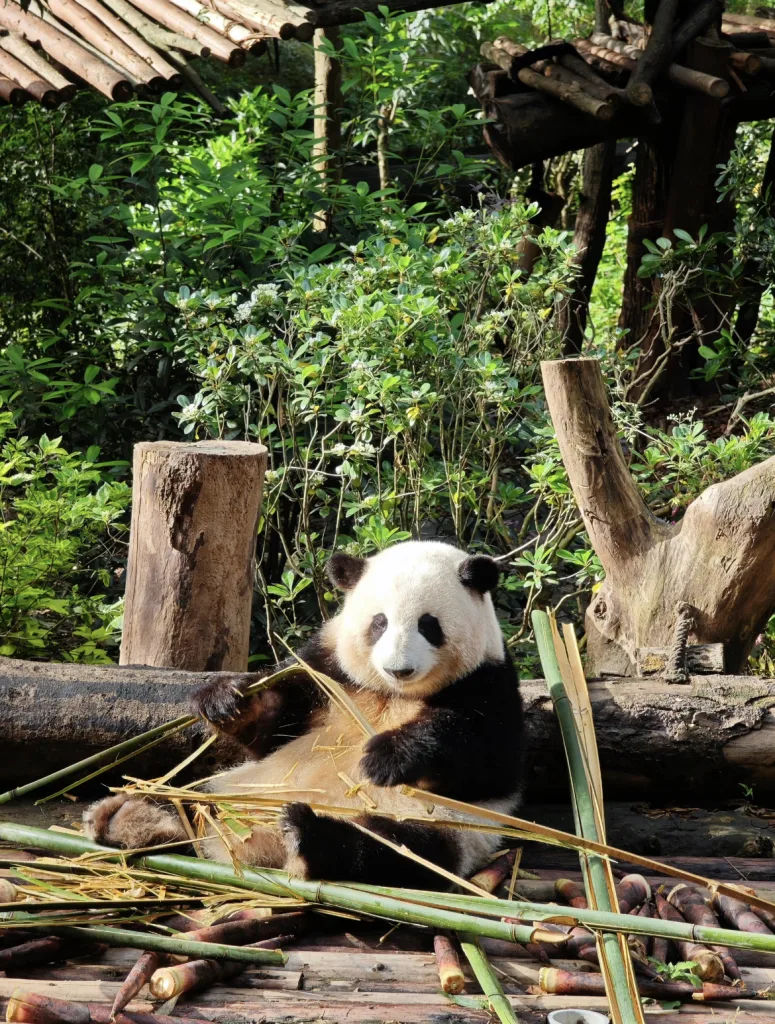
Chengdu Research Base of Giant Panda Breeding
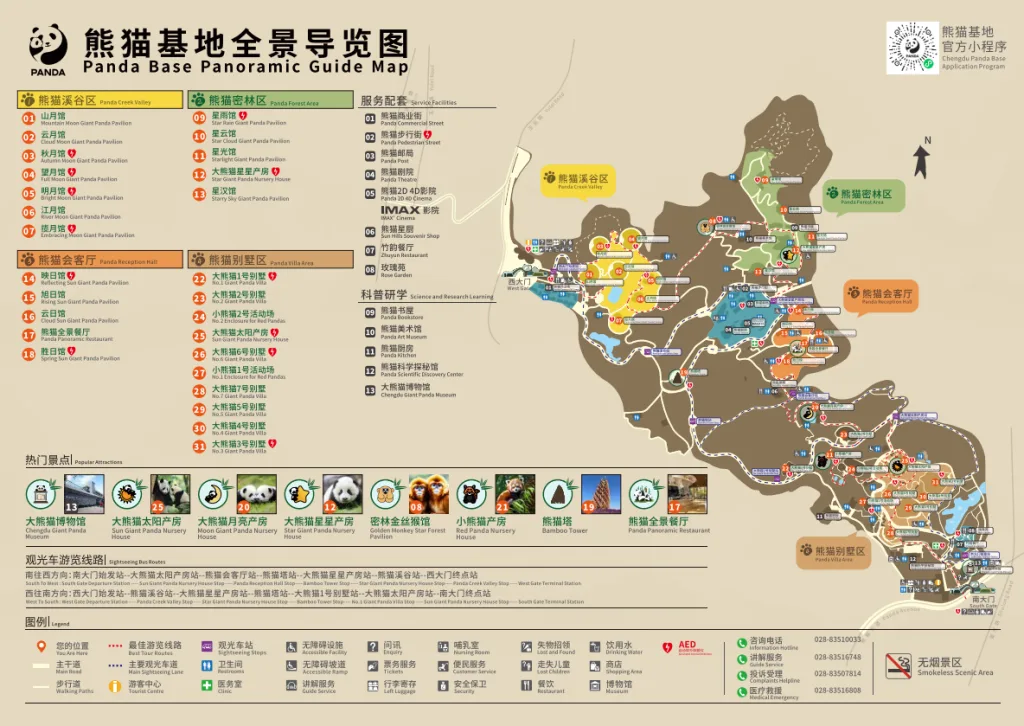
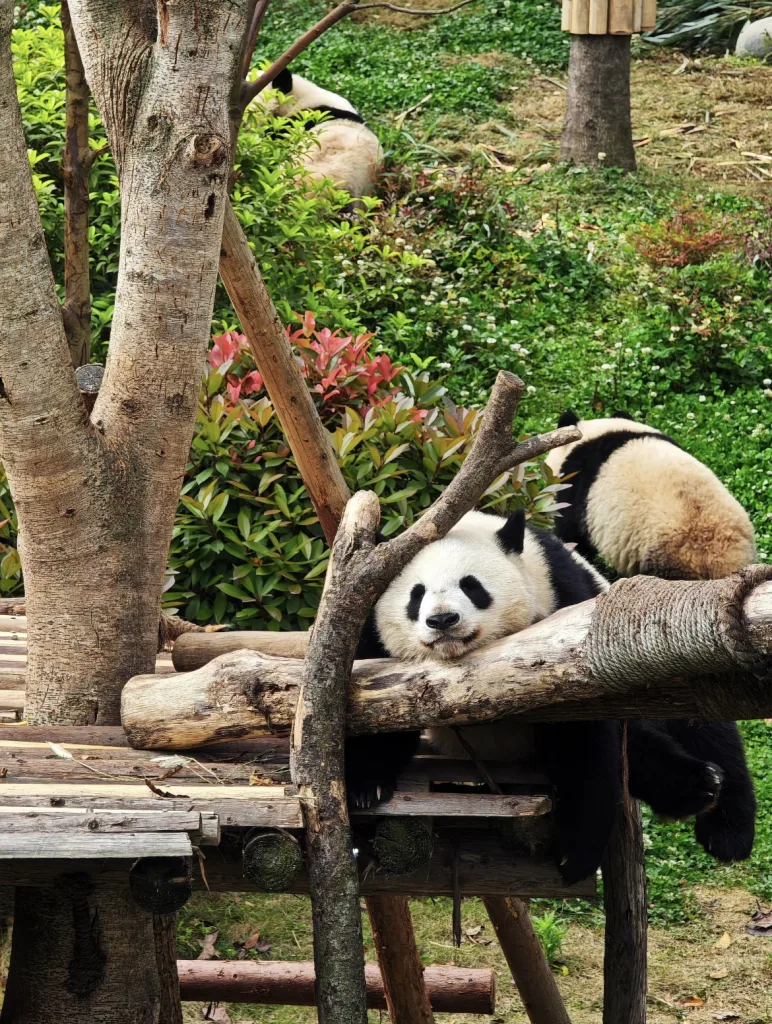
The Chengdu Panda Base is an unmissable destination for wildlife enthusiasts and culture seekers alike. As the world’s largest artificial breeding center for giant pandas, it has pioneered the successful birth of over 200 cubs, including rare brown-and-white pandas and miraculous panda twins – a testament to China’s conservation efforts. The base’s immersive design recreates pandas’ natural habitats, with 96% of the 3570-acre area covered in bamboo forests. Visitors can observe these iconic creatures munching on bamboo from elevated skywalks or explore the groundbreaking “Panda Poop Museum”, where exhibits reveal how undigested bamboo fibers are recycled into eco-friendly paper. What truly sets it apart is its transparency: it’s the only place globally where you can witness the full life cycle of pandas, from mating rituals and prenatal care to the heartwarming scenes of cubs learning to climb trees.
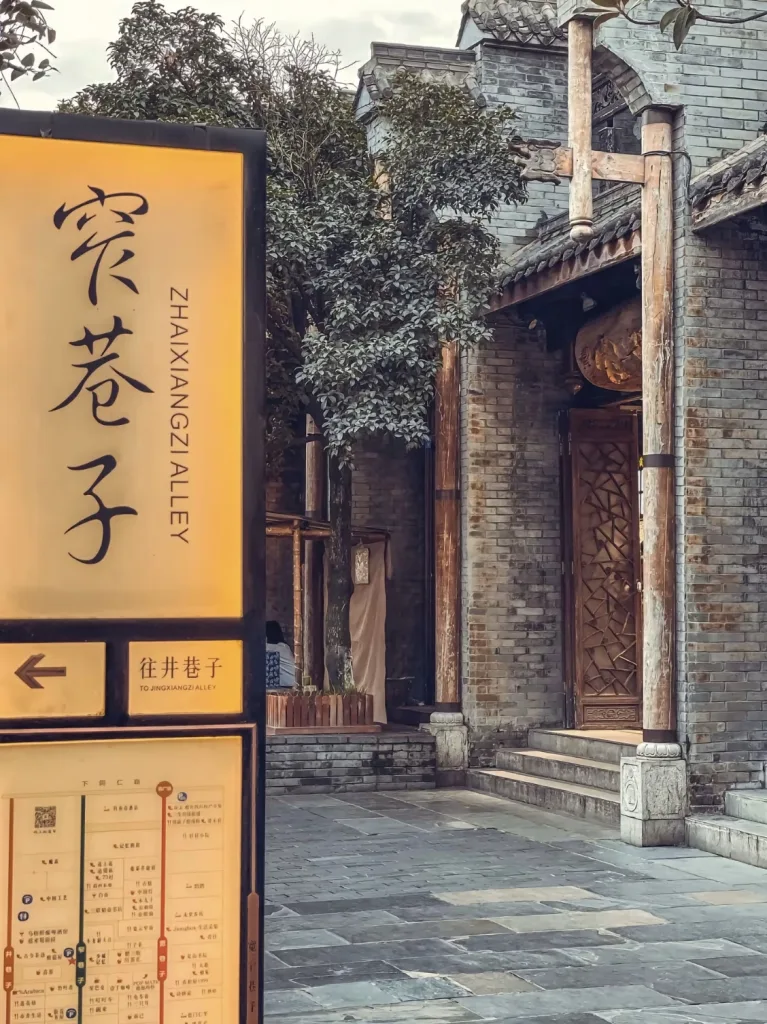
Kuanzhai Alley & Jinli Ancient Street
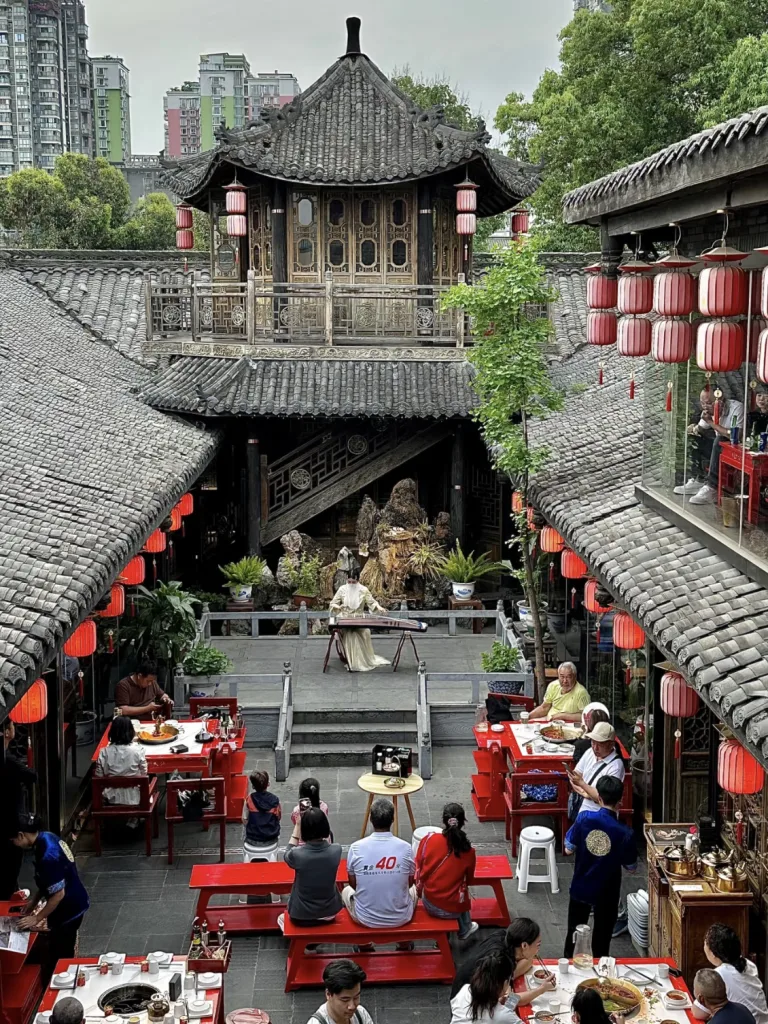
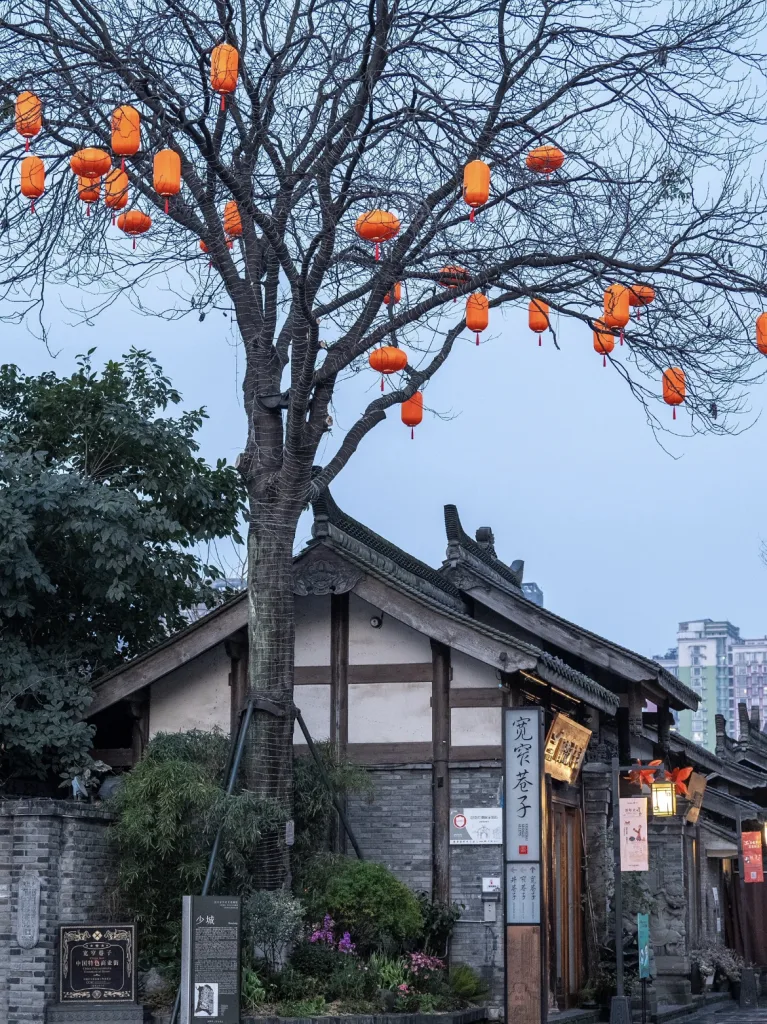
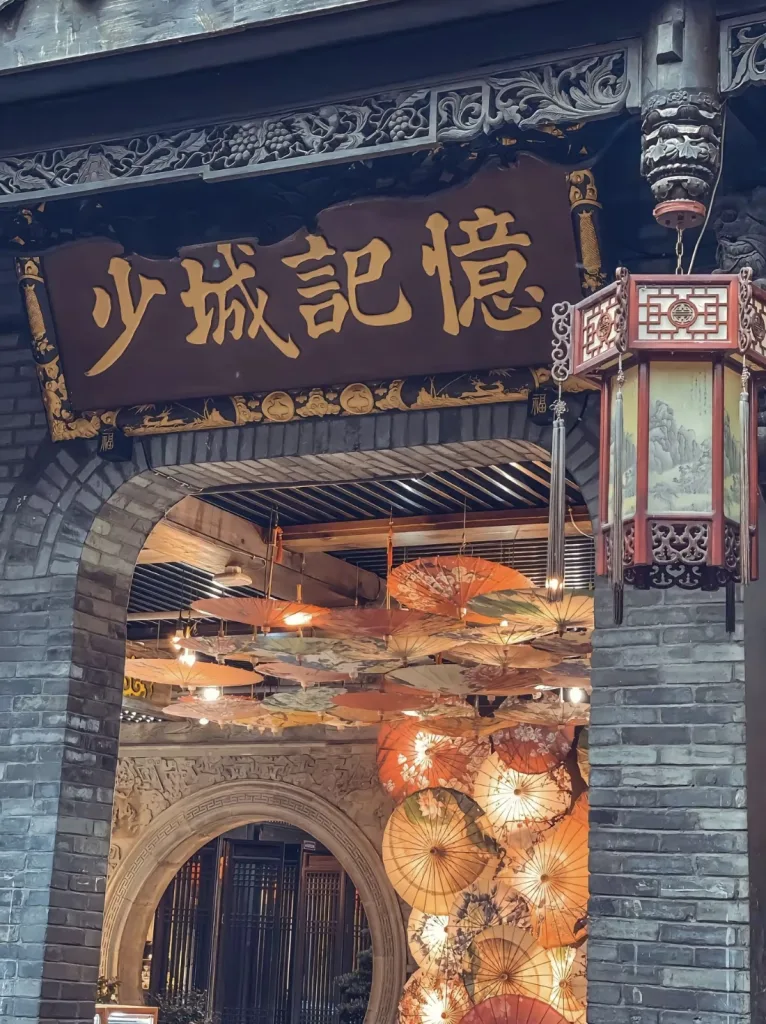
Qingcheng Mountain & Dujiangyan
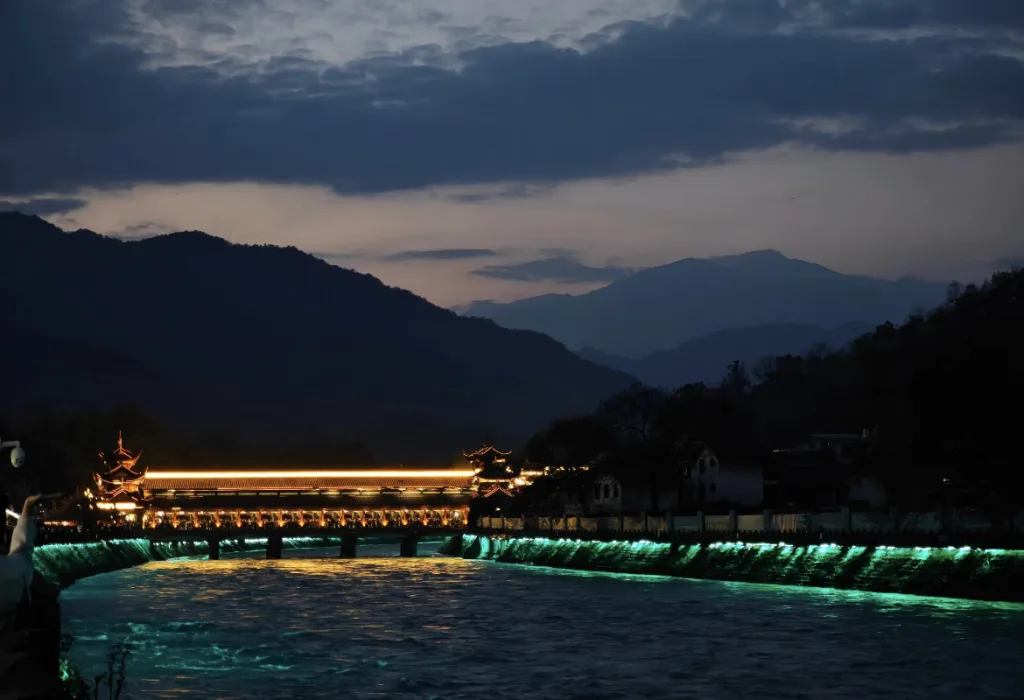
In 256 BCE, Li Bing and his son, governors of Shu County, built Dujiangyan with the philosophy of “harnessing natural forces and adapting to local conditions.” The Fish Mouth diverts the Minjiang River into the inner channel (for irrigation) and the outer channel (for flood control), while the Feisha Weir automatically removes sediment and the Baopingkou regulates water flow. This transformed the Chengdu Plain from a “flood-prone land” into a “land of abundance.” This dam-free irrigation system still irrigates millions of mu of farmland in Sichuan today and is hailed by UNESCO as the “originator of world hydraulic culture.”
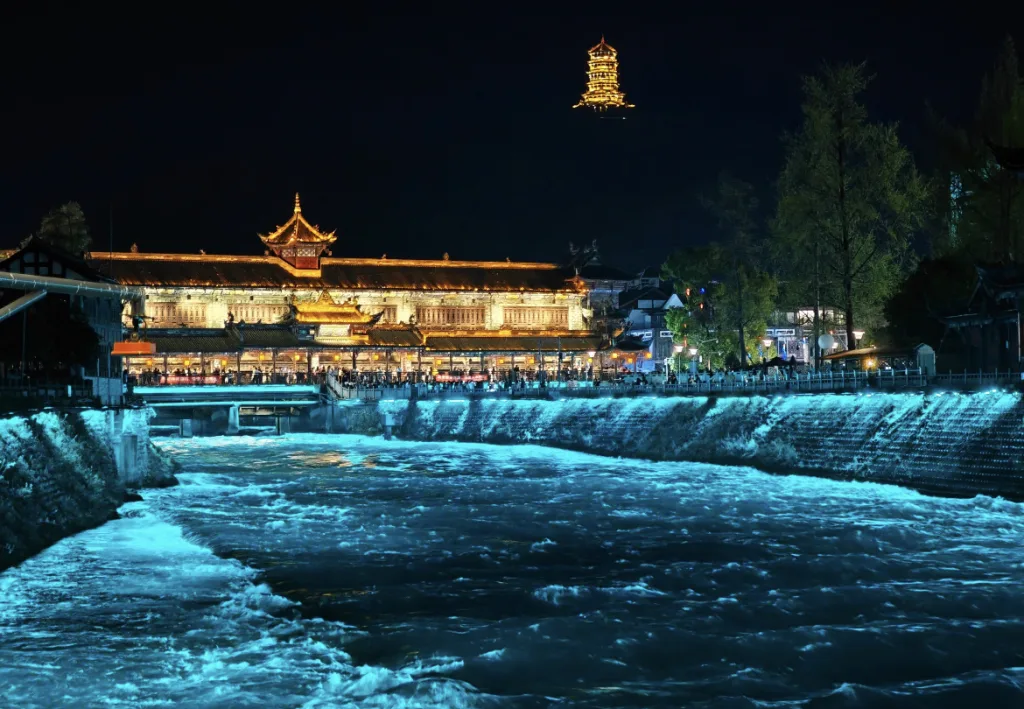
In recent years, Dujiangyan has become a TikTok sensation thanks to its “blue tear” night views, thrilling perspectives from Anlan Cable Bridge, and millennia-old cultural relics at Fulongguan Temple. British influencers Tom and Nick’s 2019 “Hanfu Traversal” video garnered 300,000 likes, showcasing their guzheng performances by the Nanqiao Bridge and explanations of hydraulic principles at the Fish Mouth, introducing the world to the “living water conservancy museum.”
Teahouses & Sichuan Opera: The Soul of Slow Living
Heming Teahouse in People’s Park is the perfect place to experience the “gaiwan tea” culture, where tea masters perform the “Eighteen Moves of the Dragon” with long-spouted copper kettles. As night falls, the Sichuan Opera performances at Shufeng Yayun Theater are breathtaking, with actors changing over a dozen facial masks in the blink of an eye and fire-breathing stunts that electrify the audience.
At the ear cleaning studio in Kuanzhai Alley, professional technicians use silver ear spoons and goose feather sticks to clean visitors’ ear canals, providing a relaxing and tingling sensation. In teahouses near Wenshu Monastery, locals gather around mahjong tables, the clatter of tiles mixing with the aroma of tea to create a unique symphony of urban life.
Sanxingdui Museum: Unlocking the Mysteries of Ancient Shu Civilization
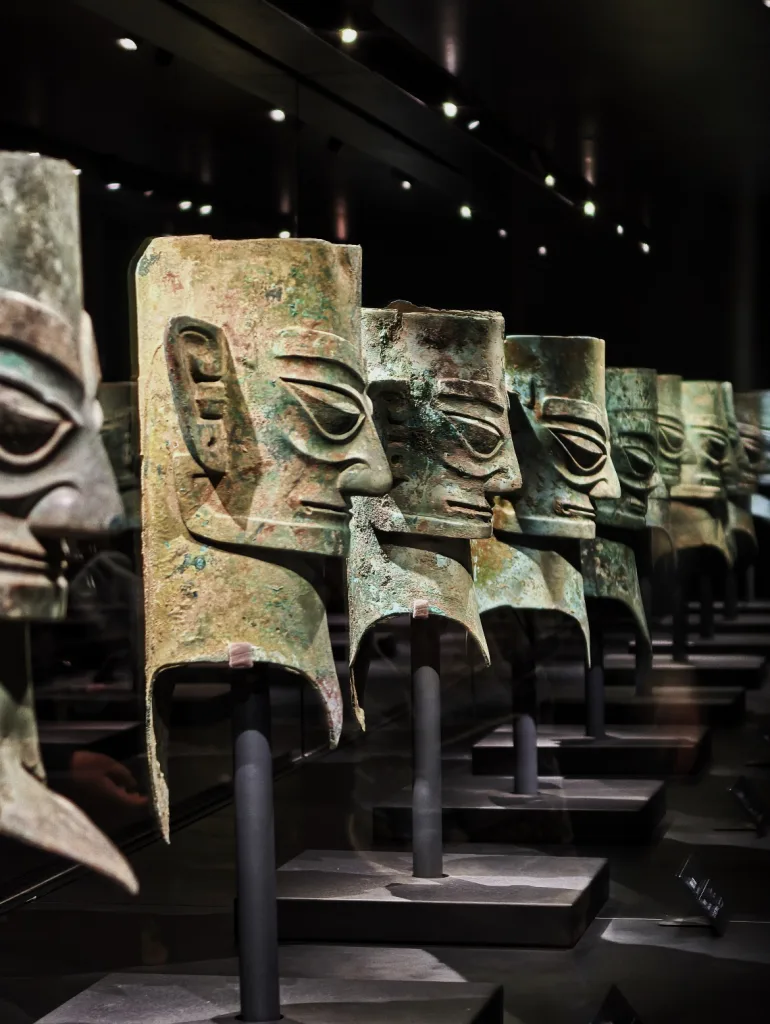
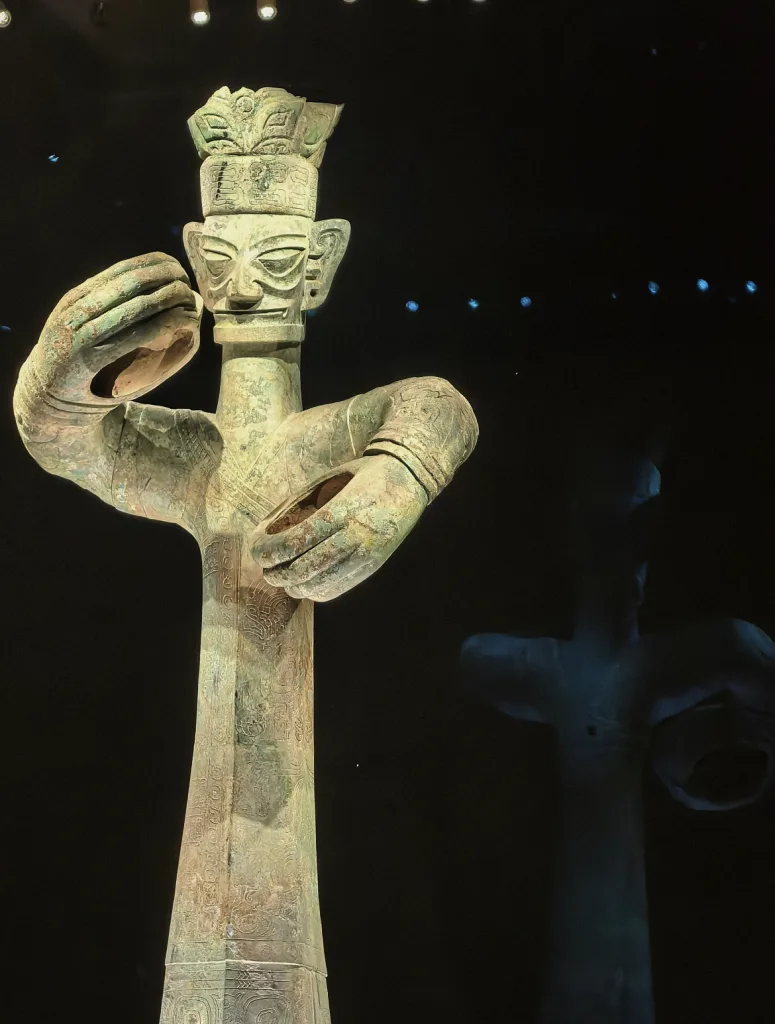
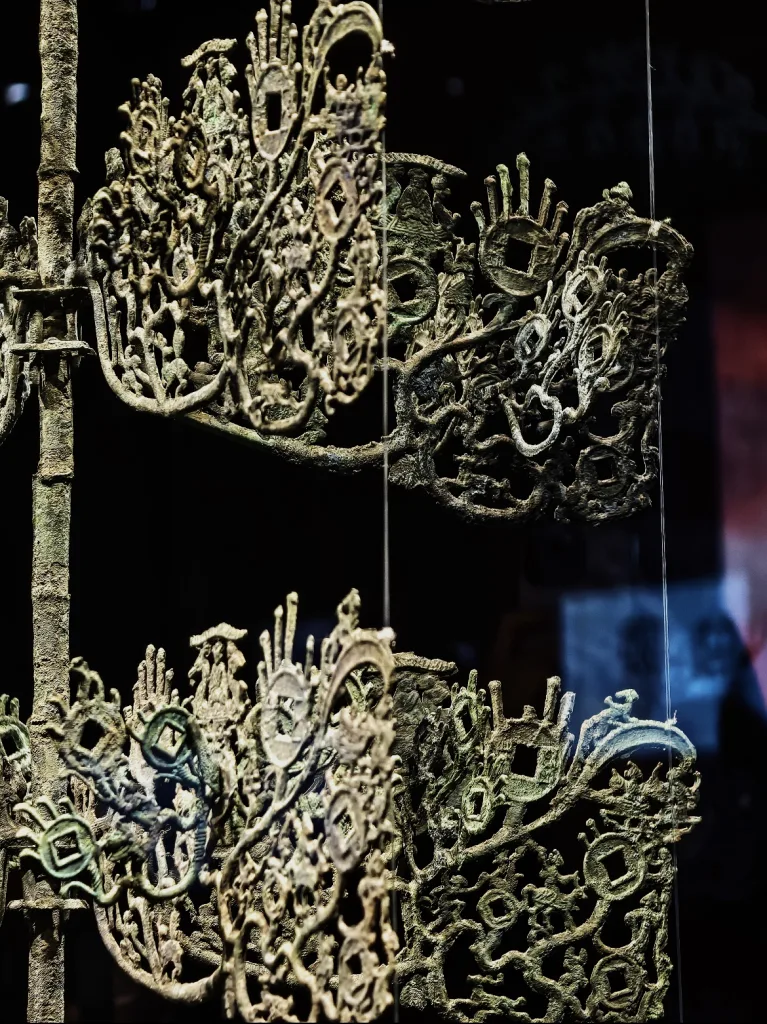
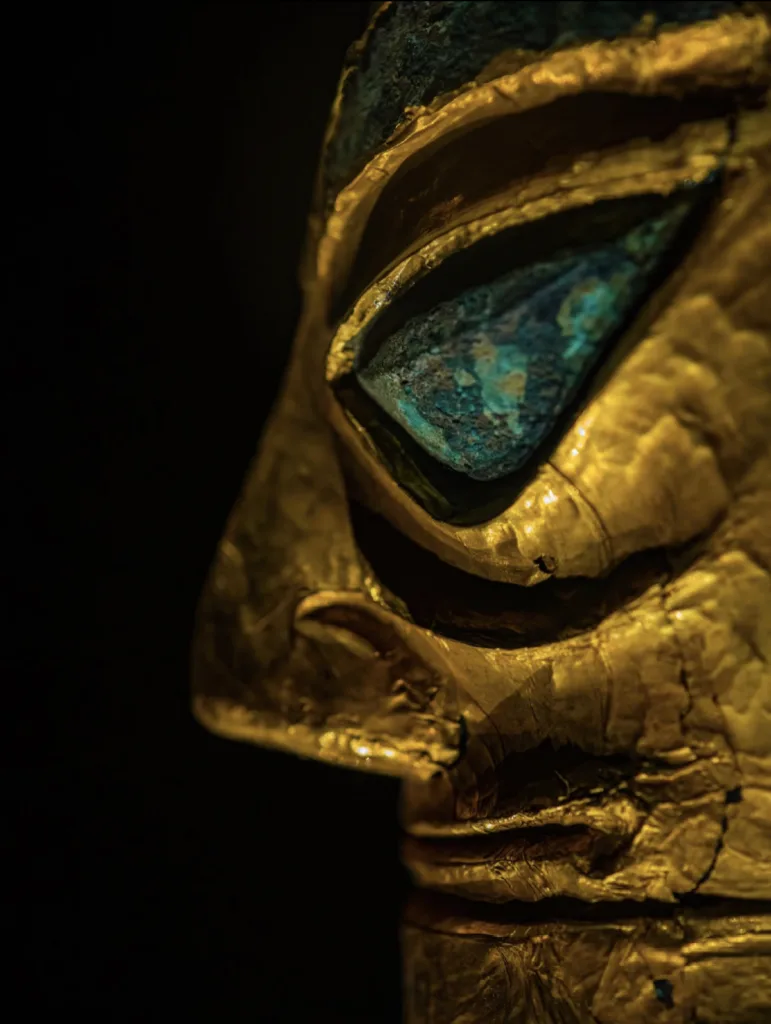
Dating back approximately 3,000 to 5,000 years, Sanxingdui culture is a core representative of ancient Shu civilization. The 1986 excavation of two sacrificial pits shocked the world—over a thousand artifacts such as bronze sacred trees, gold scepters, and bronze masks were unearthed, their bizarre shapes and exquisite craftsmanship challenging perceptions of the Upper Yangtze River civilization.
- Bronze Sacred Tree: Standing 3.96 meters tall, it features three tiers with nine branches, each adorned with divine birds and a coiled dragon at the base, symbolizing the cosmic view of “heaven, earth, humanity, and divinity” .
- Gold Scepter: Measuring 143 centimeters in length, it is crafted from a gold-silver alloy and decorated with fish-bird-arrow patterns and crowned human faces, embodying the unity of royal power, divine authority, and wealth .
- Bronze Vertical-Eyed Mask: With protruding eyes extending 16 centimeters and wing-like ears, it is speculated to represent the deified image of the ancient Shu king “Can Cong” .
The newly opened museum in 2023 covers 54,400 square meters, designed with the concept of “Three Stars Aligned, the Eye of Ancient Shu.” A giant spiral ramp connects exhibition halls across floors, symbolizing the exploration of history and the vision for the future.
From the adorable giant pandas to the awe-inspiring Dujiangyan, from the spicy hot pot to the leisurely teahouses, Chengdu weaves its own legend with 2,300 years of history and vibrant modernity. Whether sharing the dreamy “blue tears” on TikTok or savoring the warmth of “gaiwan tea” in a teahouse, this city reveals that true charm lies in the folds of time and blossoms in the present-day hustle and bustle.