Changbai Mountain Travel Guide: Exploring China’s Sacred Volcanic Peak
Nestled on the border between China and North Korea, Changbai Mountain (长白山) rises as the highest mountain range in Jilin Province and one of China’s top ten famous mountains. Revered as the “ancestor of thousands of mountains,” it holds a unique place in both natural heritage and cultural tradition.
With its volcanic peaks, dense forests, rich biodiversity, and the mysterious Tianchi Lake, Changbai Mountain has become both a popular travel destination and a hub for scientific research.
Seasons and Landscapes of Changbai Mountain
One of the reasons Changbai Mountain is so captivating is its distinct four-season beauty:
- Spring: Wildflowers bloom across the slopes.
- Summer: Lush greenery and rushing waterfalls dominate.
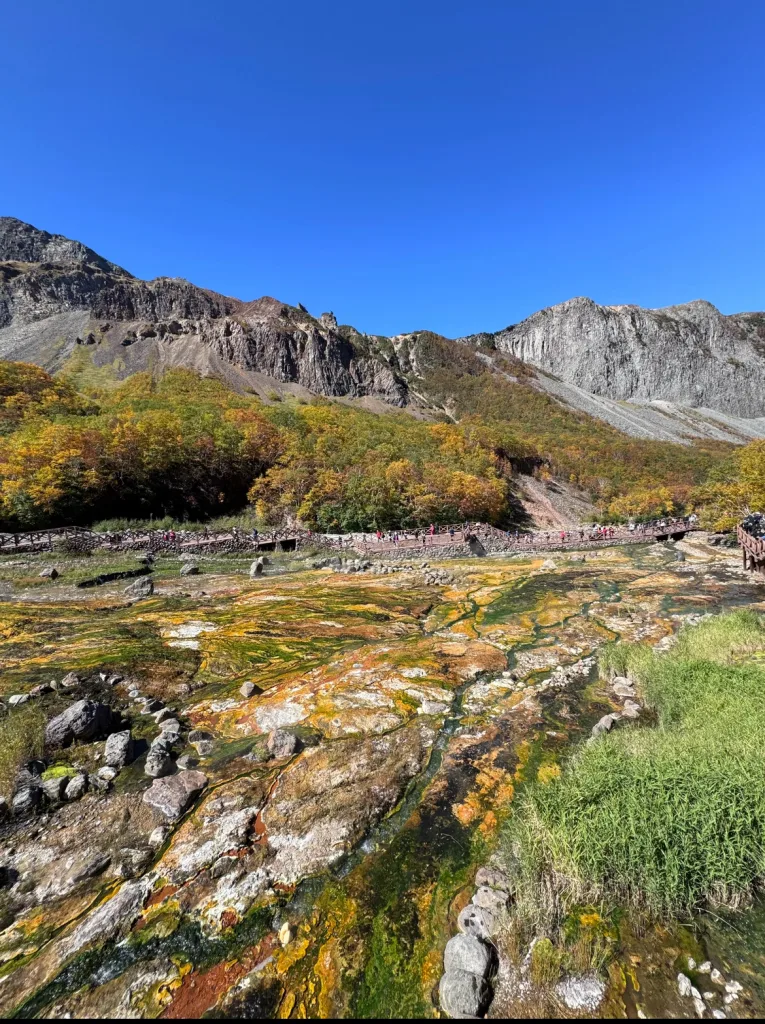
- Autumn: Fiery red and golden leaves paint the mountain.
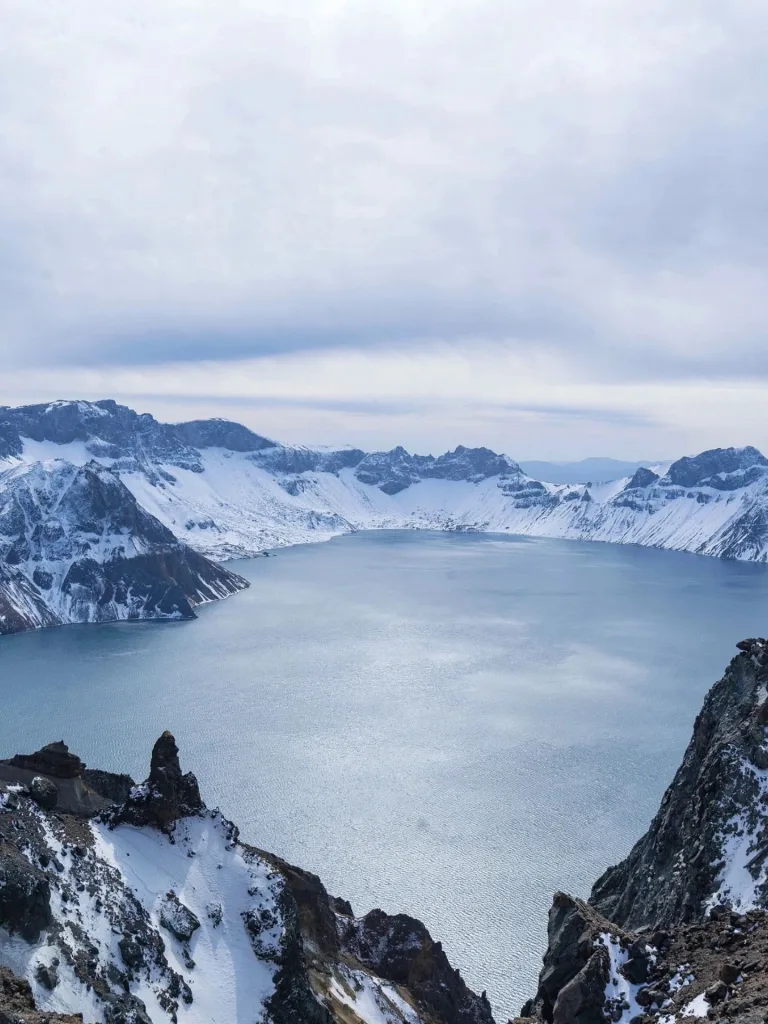
- Winter: Snow blankets the peaks, turning the region into a frozen wonderland.
This diverse seasonal scenery makes Changbai Mountain a destination worth visiting year-round.
Tianchi Lake: The “Deepest Water Under Heaven”
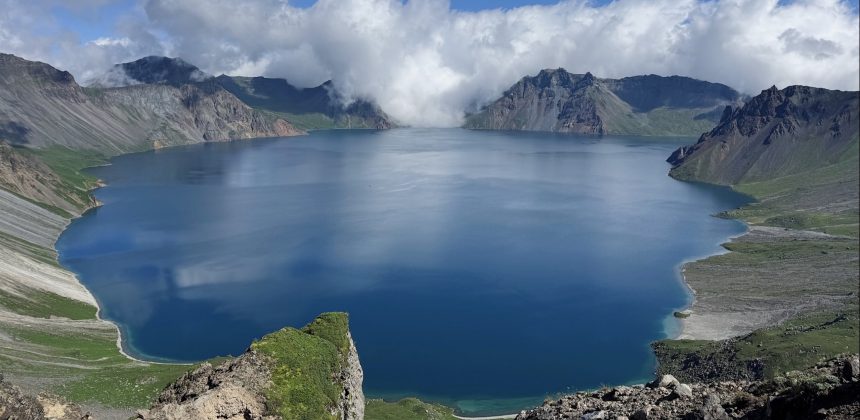
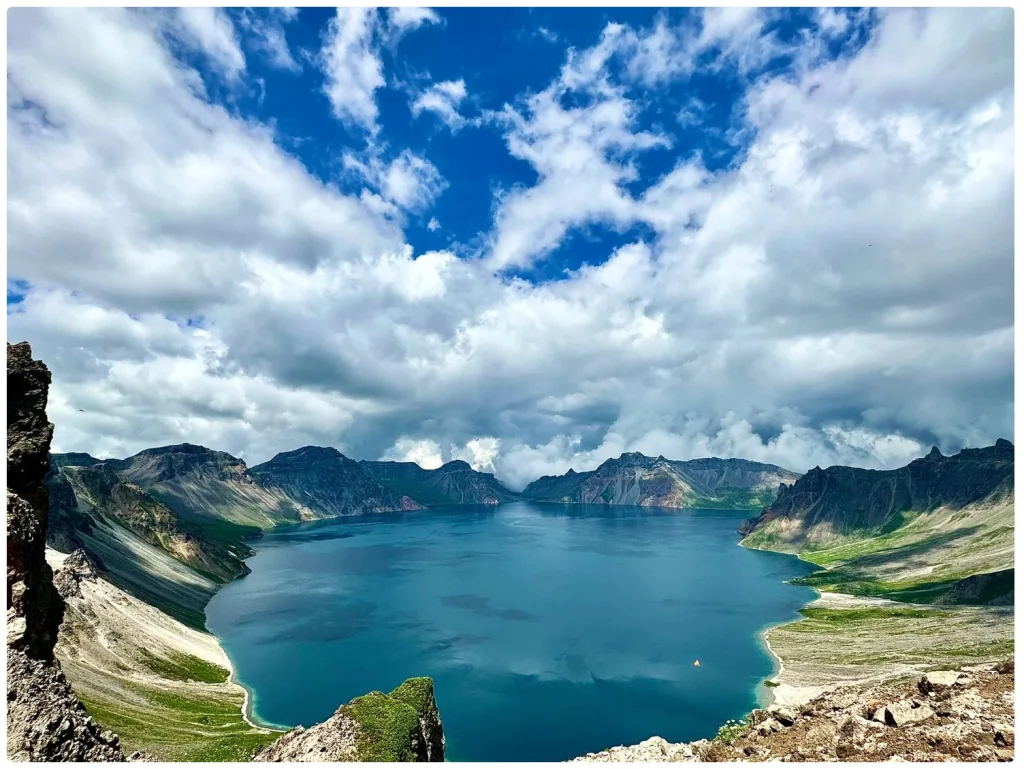
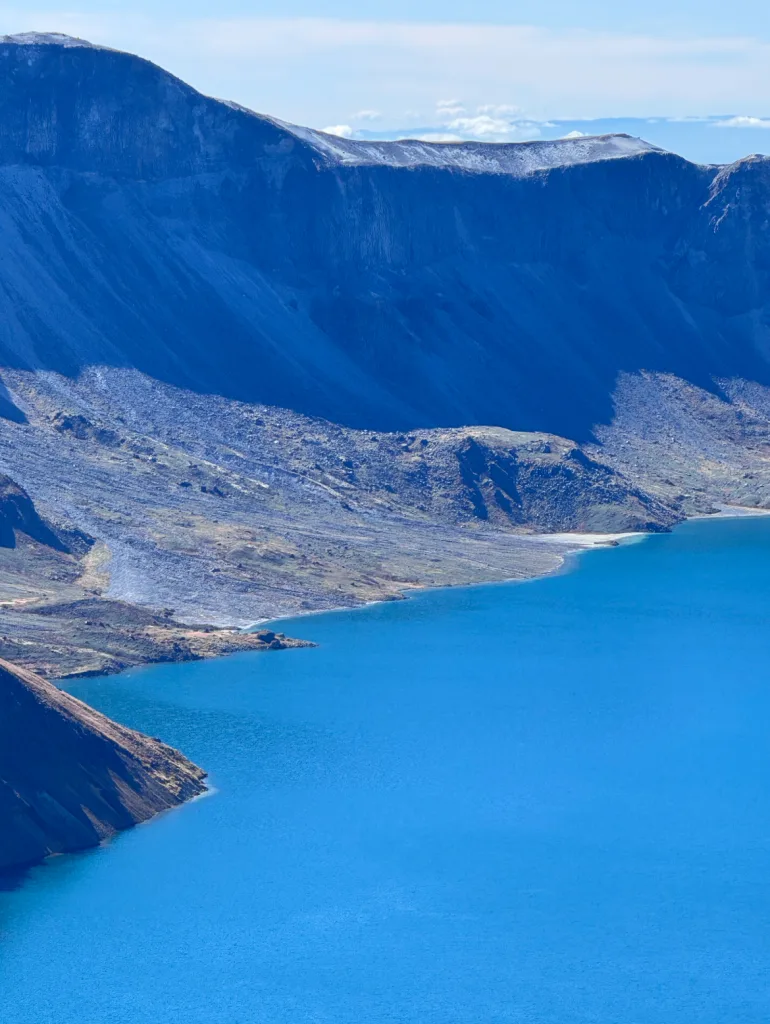
The crown jewel of Changbai Mountain is Tianchi Lake (天池), China’s largest volcanic lake.
- Altitude: 2,195 meters above sea level
- Depth: Up to 373 meters
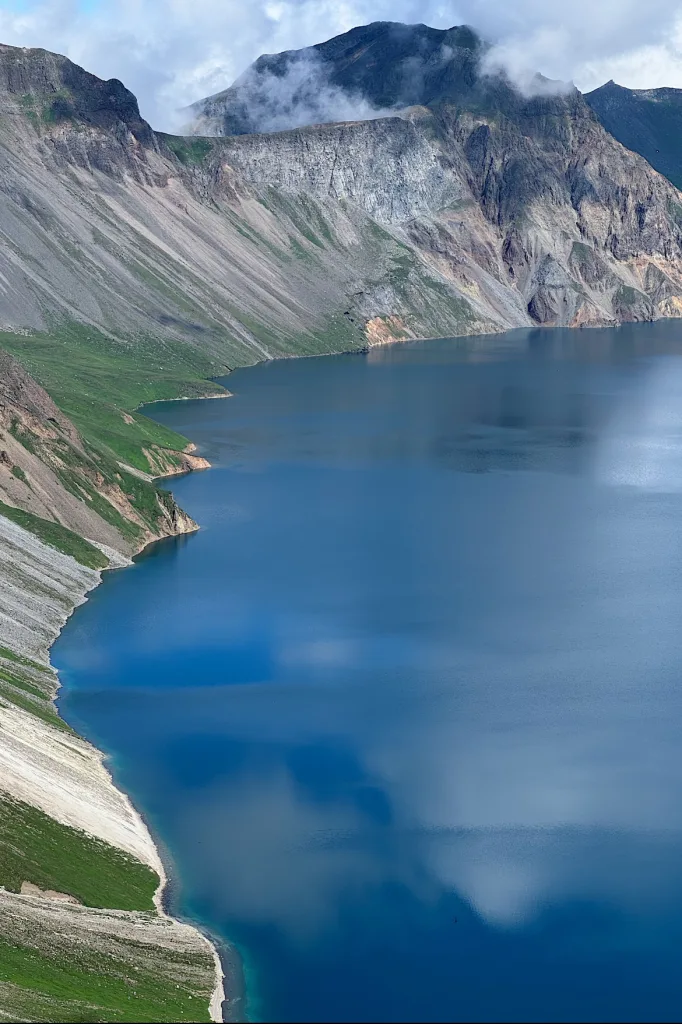
- Shape: Elliptical, surrounded by volcanic peaks
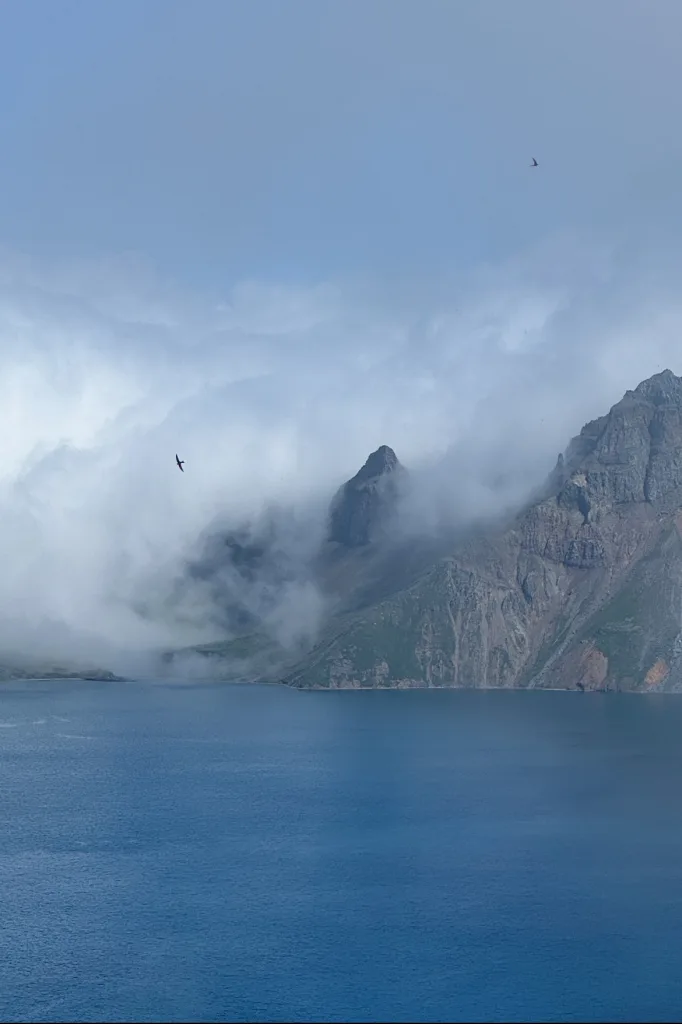
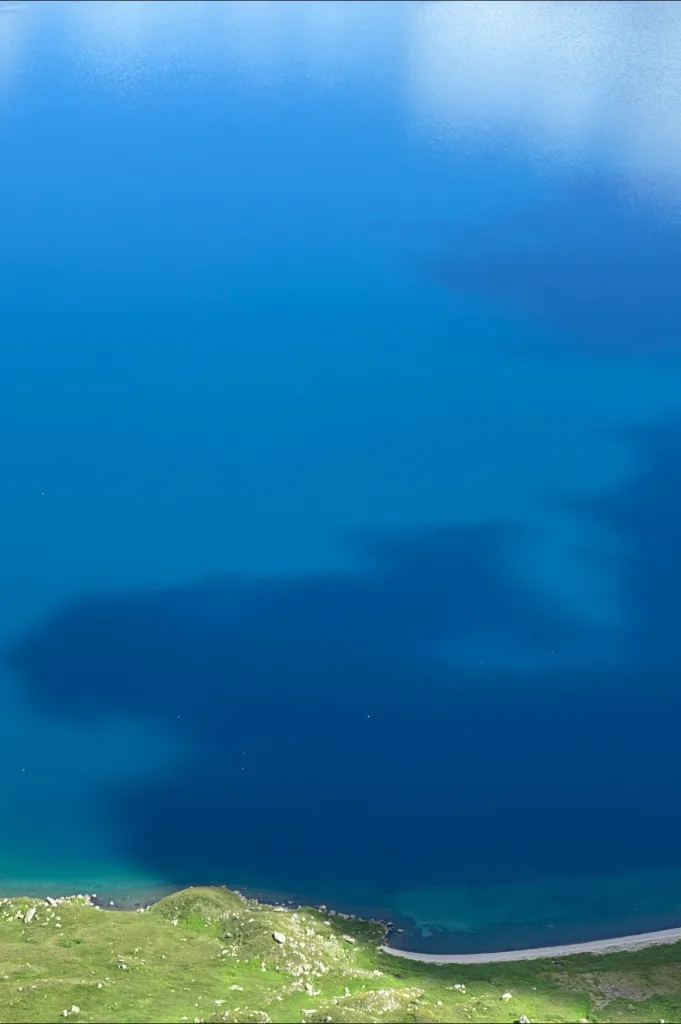
On clear days, the surface of Tianchi mirrors the blue sky and drifting clouds, creating a breathtaking reflection. When fog and mist descend, the lake transforms into a mysterious, almost otherworldly landscape.
Legends add to its allure — from tales of mystical creatures said to inhabit the lake to stories of divine energy associated with its waters.
Beyond the myths, Tianchi is also a conservation hotspot, home to rare flora and fauna, making it a site of scientific interest.
Changbai Mountain Waterfall: Nature’s Power on Display
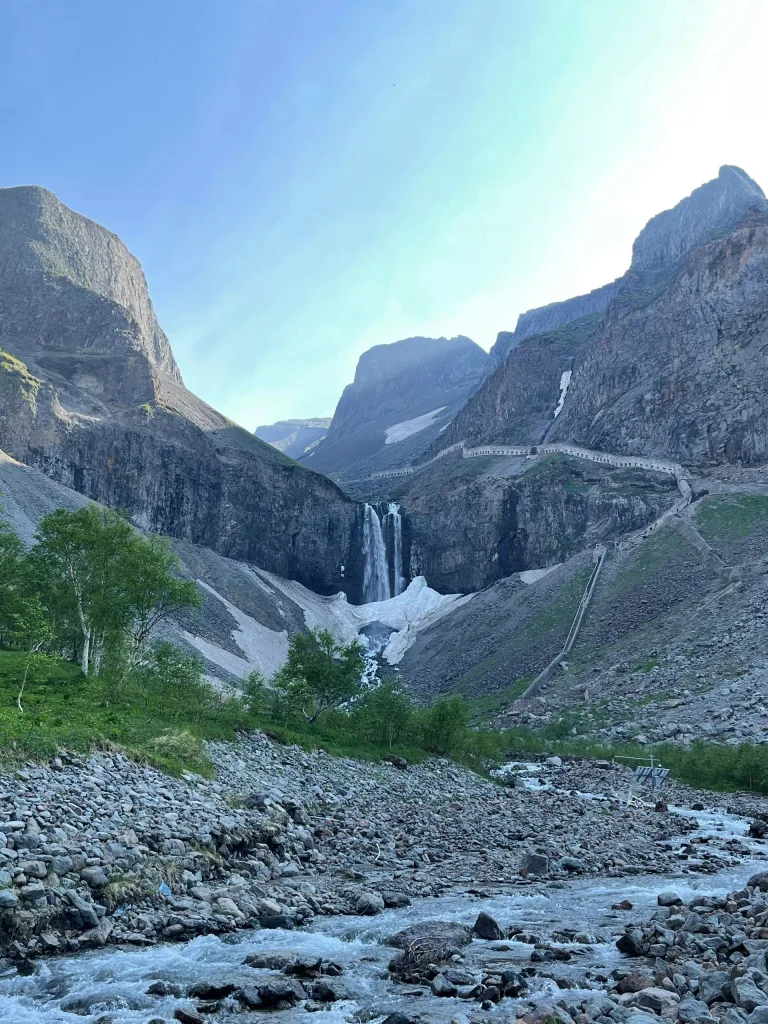
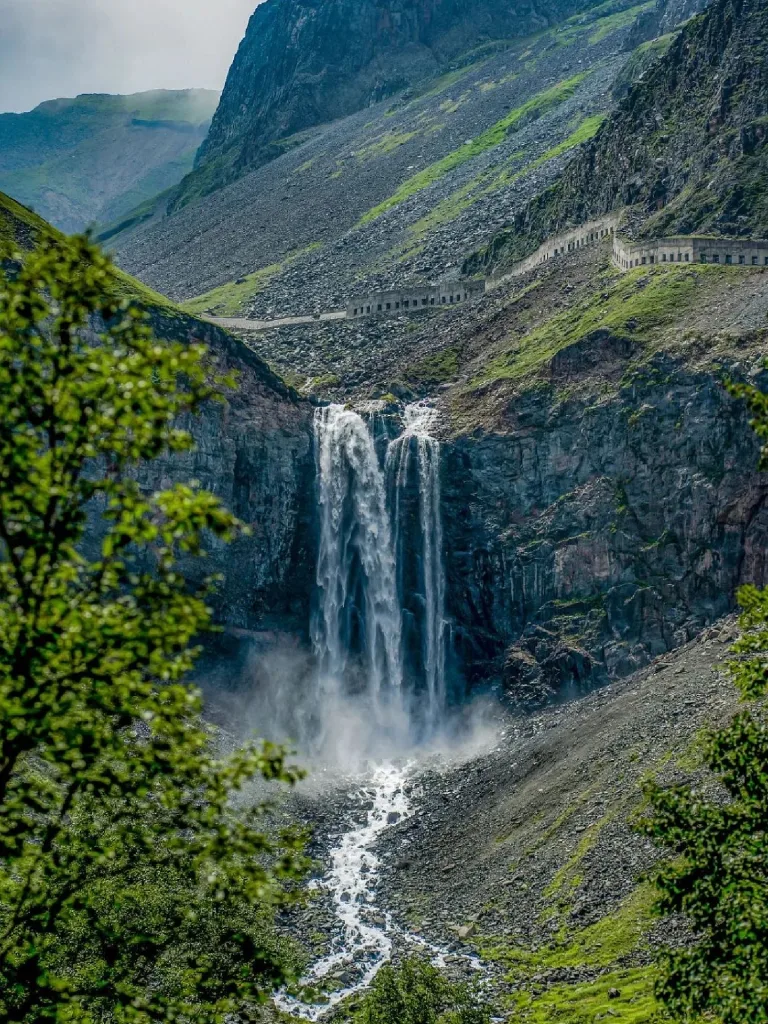
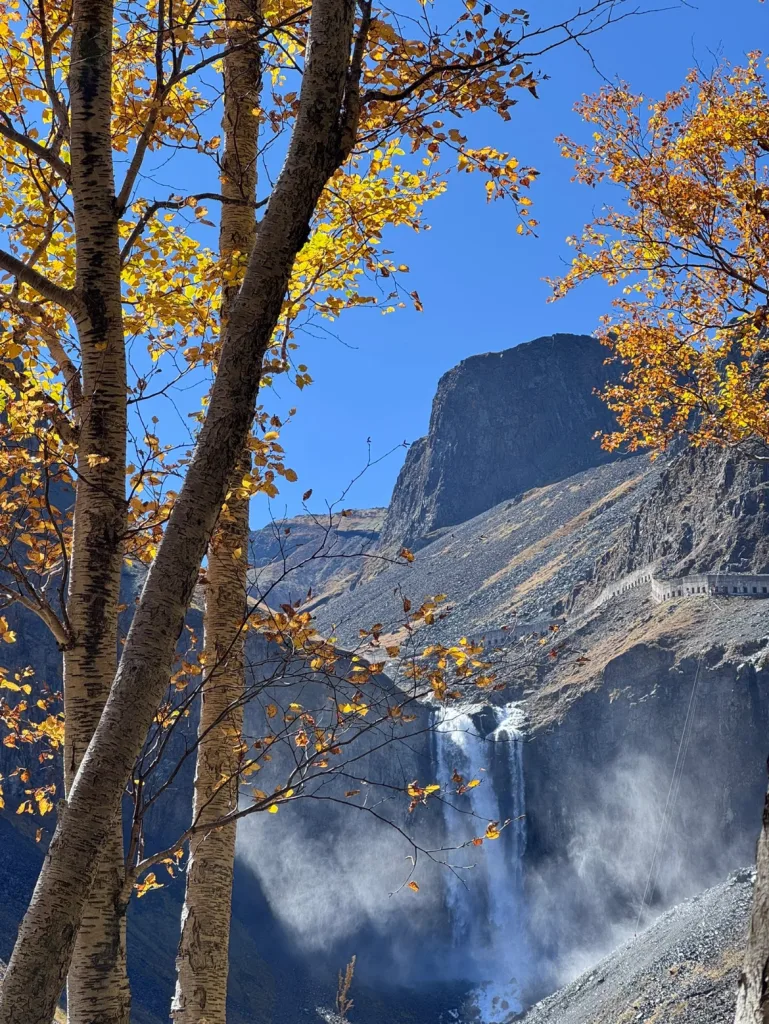
Just north of Tianchi lies the Changbai Mountain Waterfall (长白瀑布), also known as Baiyun Waterfall.
- Height: 68 meters (the highest waterfall in North China)
- Origin: Formed by the outflow of Tianchi’s waters through volcanic cracks
In spring and summer, melting snow and rainfall swell the lake, turning the waterfall into a roaring cascade. Sunlight creates rainbows in the mist, making it a favorite spot for photographers.
In winter, the waterfall freezes, transforming into an icy sculpture that is equally spectacular and unique.
For travelers, standing before the waterfall is both humbling and exhilarating — a reminder of nature’s raw force.
Travel Tips for Visiting Changbai Mountain
Best Time to Visit:
- Summer (June–August): Lush greenery, full waterfall, and mild temperatures.
- Autumn (September–October): Stunning fall colors.
- Winter (December–February): Snowy landscapes for skiing and ice scenery.
Activities to Try:
- Hiking to Tianchi Lake and surrounding peaks.
- Photographing the Changbai Waterfall.
- Experiencing the Changbai hot springs in winter.
- Exploring the diverse wildlife and forests.
How to Get There:
- Closest airport: Changbaishan Airport in Erdaobaihe Town.
- High-speed trains connect Changbai Mountain with Shenyang, Changchun, and other Northeast cities.
FAQs About Changbai Mountain
1. Where is Changbai Mountain located?
Changbai Mountain lies on the border between China and North Korea, in Jilin Province.
2. What is Tianchi Lake famous for?
Tianchi is China’s largest volcanic lake and is known as the “deepest water under heaven.”
3. Is Changbai Mountain a volcano?
Yes. Changbai Mountain is an active stratovolcano, though its last major eruption was in the 18th century.
4. What is the best time to see the waterfall?
The summer months provide the most powerful flow, while winter offers the chance to see a frozen ice waterfall.
5. Can I visit from both China and North Korea?
Most tourists access Changbai Mountain from the Chinese side. North Korea also has a side of the mountain, but travel restrictions apply.
6. Why is Changbai Mountain considered sacred?
It has long been a symbol of mystery, divine power, and ancestral roots, especially in Manchu culture.