
The Best (and Worst) Time to Visit Hangzhou: A Local’s 2026 Guide
Skye’s Verdict Summary
- The best time to visit Hangzhou in 2026 is late March to May and late September to November for balanced weather and scenery.
- Avoid Golden Weeks (Oct 1–7 & Spring Festival) unless you enjoy crowds. Summer offers vibrant nights but intense heat, while winter delivers quiet beauty and rare snow views.
written by skye
Senior Travel Planner | Local China Expert
Updated 2026.03.24
At-a-Glance: Weather & Crowd Levels in Hangzhou
| Season | Months | Weather | Crowd Level | Travel Verdict |
|---|---|---|---|---|
| Spring | Mar–May | Mild, rainy in April | High | Beautiful but crowded |
| Summer | Jun–Aug | Hot, humid | Medium | Best for night culture |
| Autumn | Sep–Nov | Cool, clear | High | Best overall |
| Winter | Dec–Feb | Cold, damp | Low | Quiet, underrated |
Spring in Hangzhou (March–May): Beauty Meets the Rain
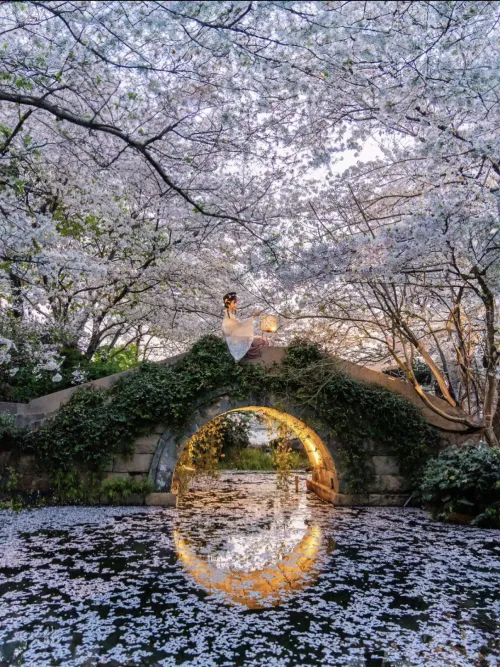
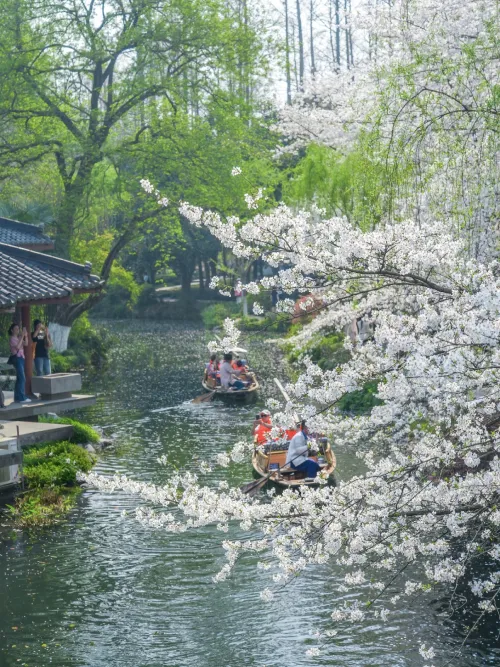
Spring is often advertised as the best time to visit Hangzhou 2026, and visually, that claim holds weight. The city literally comes to live, especially around West Lake, where cherry blossoms, peach blossoms, and fresh greenery dominate the landscape. But there’s something most guides won’t tell you—the rain defines this season. For a detailed breakdown of the best viewing spots and bloom timing, check out our complete Spring flower bloom guide in Hangzhou.
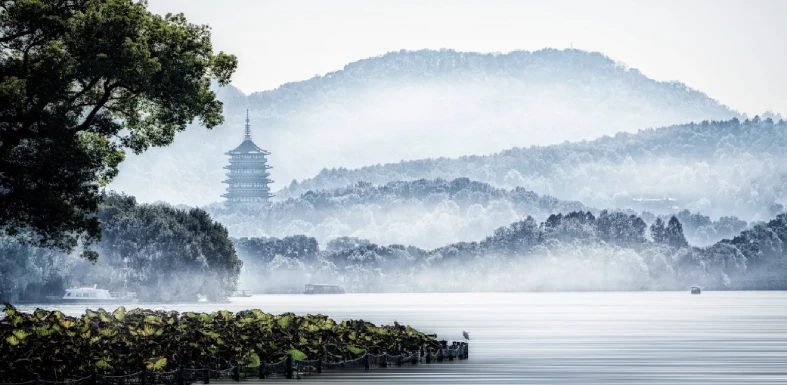
April brings a persistent drizzle to Hangzhou, but it’s far from a “bad” experience. As the local saying goes: West Lake in the rain is even more enchanting than in the sun. The soft, lingering mist transforms the landscape into what we called “traditional ink Chinese painting”, turning every view into a poetic masterpiece.
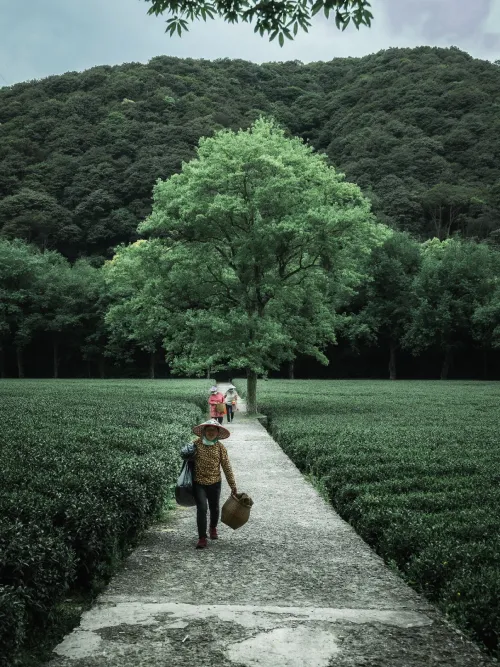
Spring is also tea season. Hangzhou is the home of Longjing (Dragon Well) tea, one of China’s most famous (I would argue it’s actually THE MOST FAMOUS) green teas. Visiting during harvest means you can:
- Watch or even try traditional tea picking in Longjing Village, Weijiawu Village, or Longwu Villega
- Taste freshly roasted tea leaves
- Walk through terraced tea plantations
- Experience Song Dynasty Tea Whisking
However, crowds peak sharply during this time, especially around public holidays. Expect packed pathways, long queues, and inflated hotel prices.
a quick summary:
Pros:
- Iconic scenery and blooming flowers
- Fresh tea harvest experiences
- Ideal temperatures (10–22°C)
Cons:
- Heavy rain in April
- High tourist density
- Rising accommodation costs
Summer in Hangzhou (June–August): Heat, Lotus, and Night Energy
Summer in Hangzhou is intense. Temperatures regularly climb above 35°C, and humidity makes it feel even heavier. Walking around West Lake during midday can be exhausting, even for seasoned travelers.
Yet dismissing summer entirely would be a mistake. This is when Hangzhou reveals a different personality—one that’s more vibrant, social, and alive after dark.
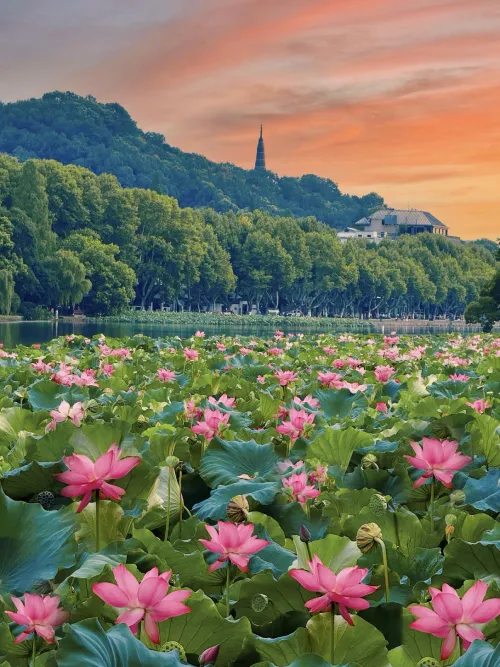
The highlight of summer is the lotus bloom season. West Lake fills with large green lotus leaves and pink blossoms, creating one of the most photogenic scenes of the year. Early morning is the best time to experience it before the heat sets in.
Evenings are where summer shines. The city’s night economy comes alive:
- West Lake light shows and evening cruises
- Bustling night markets with local snacks
- Cooler lakeside walks after sunset
Rain also returns in June during the plum rain season (Meiyu). These rains are heavier and more concentrated than spring drizzle.
a quick summary:
Pros:
- Stunning lotus flowers
- Lively night activities
- Fewer international and domestic tourists compared to spring/autumn
Cons:
- Extreme heat and humidity
- Sudden heavy rains
- Less comfortable daytime sightseeing
Autumn in Hangzhou (Late September–November): The Sweet Spot
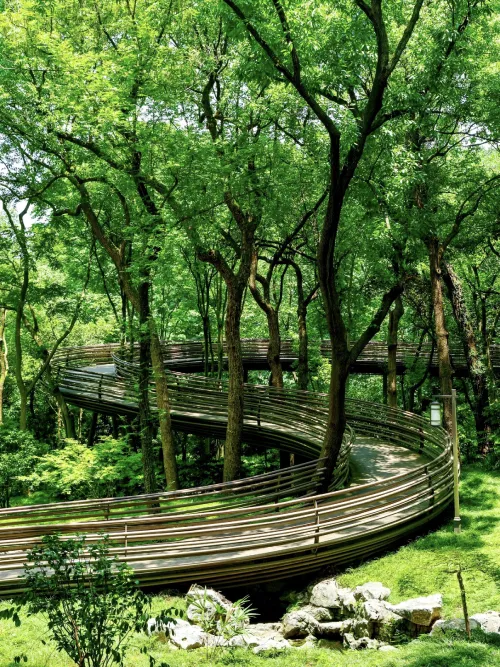
If I had to choose just one period as the absolute best time to visit Hangzhou 2026, autumn would win without hesitation. The weather stabilizes, the skies clear, and the city reaches a perfect balance between beauty and comfort.
Temperatures range from 15–25°C, making it ideal for walking, cycling, and full-day exploration. Unlike spring, rainfall drops significantly, giving you consistent clear days—perfect for photography.
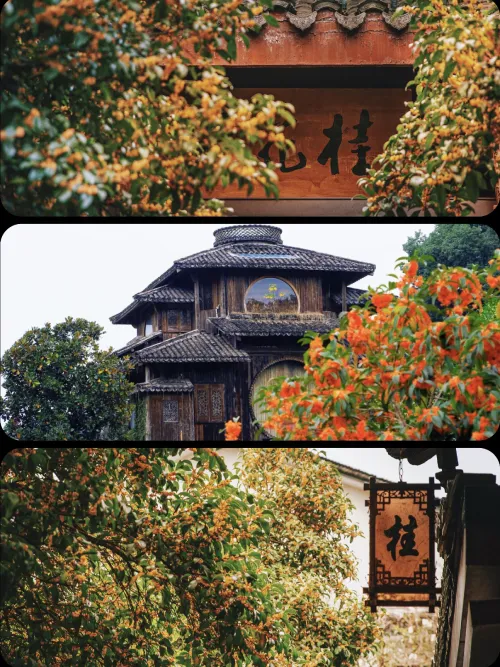
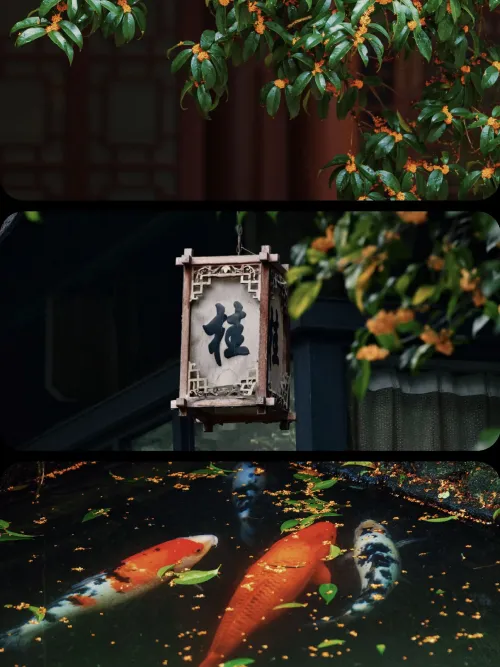
Autumn also introduces one of Hangzhou’s most unique sensory experiences: osmanthus season (fun fact: osmanthus is the “City Flower”). Around late September to October, the city fills with the subtle, sweet fragrance of osmanthus flowers.
The best place to experience this is Manjuelong Village, where:
- Osmanthus trees line the pathways
- The air carries a natural floral perfume
- Local desserts infused with osmanthus are widely available
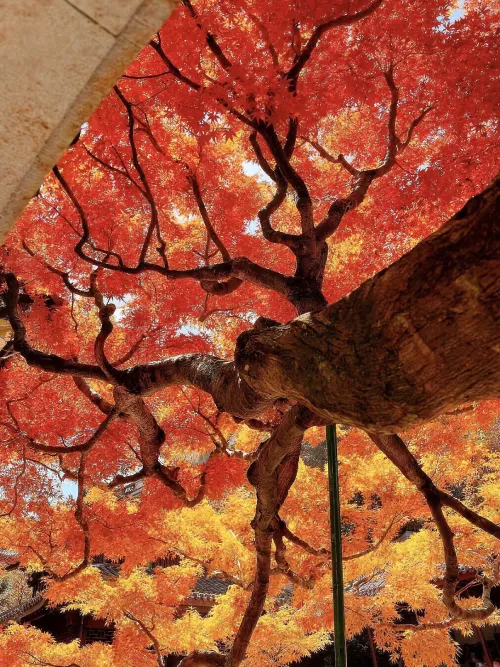
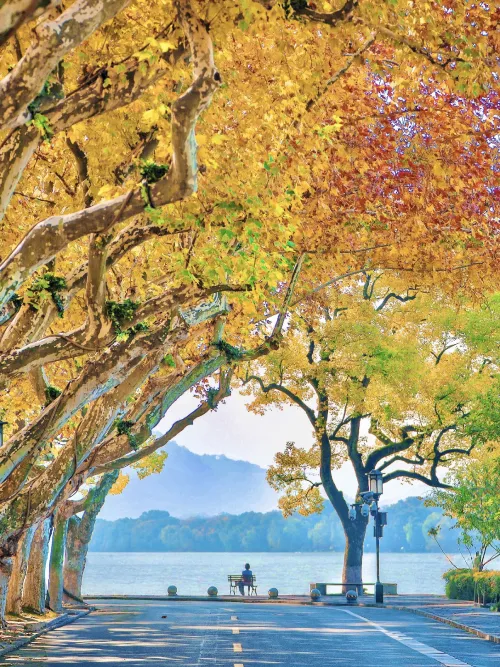
As autumn deepens into late October and November, another visual highlight takes over—maple trees. Hangzhou’s hills and temples begin to glow with fiery red and golden foliage, creating dramatic contrasts against dark green pines and traditional architecture. The most iconic spots to experience this seasonal shift include:
- Lingyin Temple and Feilai Peak – where ancient temples are framed by vivid red leaves
- Nine Creeks (Jiuxi Yanshu) – a quieter trail with layered autumn colors and flowing streams
- West Lake’s northern shores – offering reflections of red maples on calm water
However, autumn has one major drawback: Golden Week (October 1–7). This is literally overwhelming and all you can experience is the crowds. Tourist numbers surge nationwide, and Hangzhou becomes one of the most crowded destinations in China.
a quick summary:
Pros:
- Best weather of the year
- Clear skies and excellent visibility
- Unique osmanthus fragrance experience
Cons:
- Extremely crowded during Golden Week
- Premium pricing for hotels and transport
Winter in Hangzhou (December–February): Quiet, Cold, and Underrated
Winter is often overlooked, but it offers a completely different—and surprisingly rewarding—side of Hangzhou. The city slows down, crowds disappear, and popular attractions become accessible.
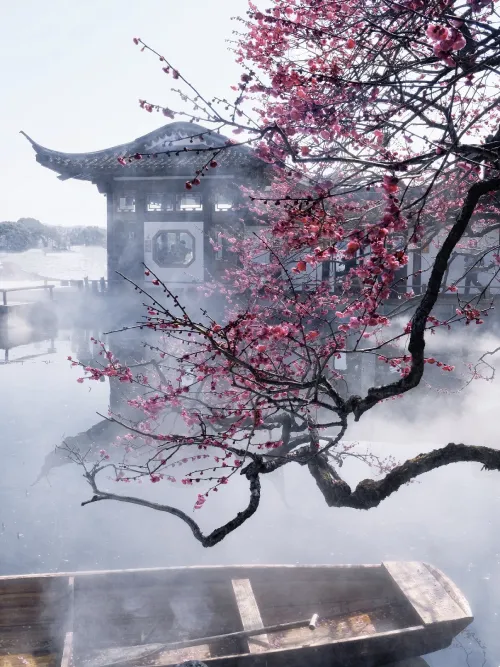
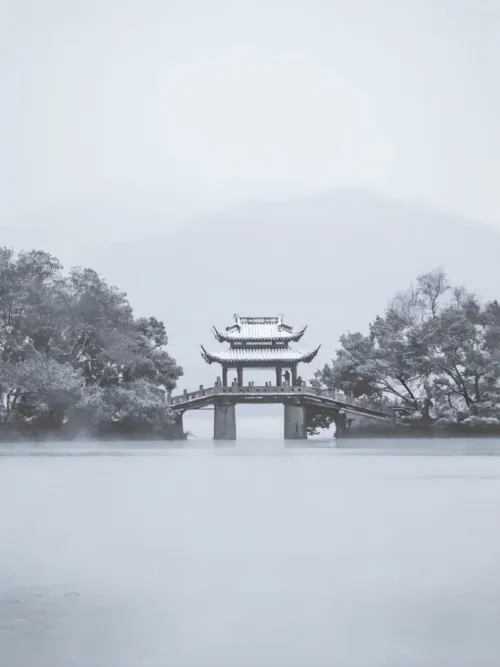
Temperatures typically range from 0–10°C, but the humidity makes it feel colder than it is. Snow is rare, but when it does fall, it transforms Hangzhou into something extraordinary.
The most iconic winter scene is “Snow on the Broken Bridge.” This poetic landmark becomes a must-see when lightly covered in snow. It’s not guaranteed, but if you catch it, it’s unforgettable.
Winter is also ideal for experiencing local life and culture:
- Temple visits with less crowds
- Traditional teahouse experiences (Tea brew)
This is also the cheapest time to visit, with lower hotel rates and fewer tourists.
a quick summary:
Pros:
- Minimal crowds
- Unique snow scenery (if lucky)
- Lower travel costs
Cons:
- Cold and damp conditions
- Limited greenery and floral scenery
- Shorter daylight hours
Avoiding Hangzhou Crowds: Critical Travel Warnings
If your goal is avoiding Hangzhou crowds, there are two periods you must plan around carefully:
- Golden Week (October 1–7)
- Spring Festival (Chinese New Year, Jan/Feb)
- The Labor’s day holiday weekend (days near May 1st)
During these times:
- Attractions operate at full capacity
- Transport systems become overloaded
- Prices surge across hotels and flights
Even locals avoid traveling during these windows. If your schedule overlaps, consider visiting lesser-known areas instead of major hotspots like West Lake. If you want to see what this actually looks like on the ground & what to do instead, watch our real Golden Week crowds in Hangzhou video on TikTok.
FAQs
1. What is the absolute best month to visit Hangzhou?
October (after Golden Week) and November are the best months due to clear skies, comfortable temperatures, and seasonal fragrance from osmanthus flowers.
2. When should I avoid visiting Hangzhou?
Avoid October 1–7 (Golden Week), Chinese New Year, and National Labor’s Day, as these are peak travel periods with overwhelming crowds.
3. Is Hangzhou worth visiting in the rain?
Yes. Rain enhances the city’s atmosphere, especially around West Lake, creating misty, poetic scenery unique to Hangzhou.
4. How hot does Hangzhou get in summer?
Temperatures often exceed 35°C with high humidity, making daytime exploration challenging.
5. Does it snow in Hangzhou?
Snow is rare but possible. When it happens, locations like the Broken Bridge become exceptionally beautiful and photogenic.