
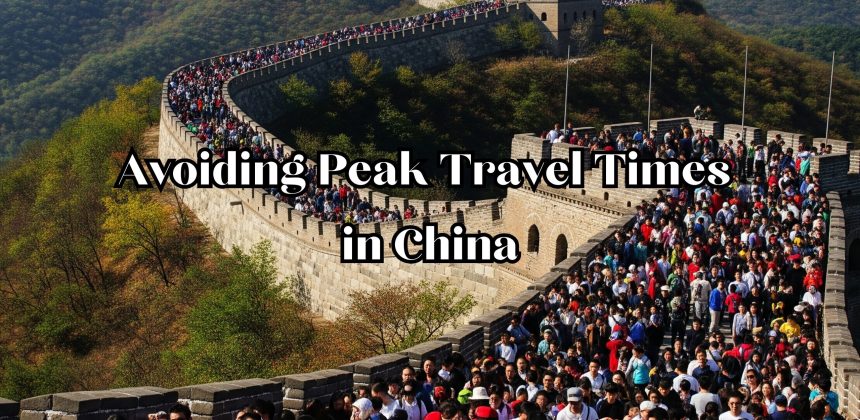
Avoiding Peak Travel Times in China: A First-Time Visitor’s Essential Guide
The Impact of Crowds on Your Travel Experience
Traveling during China’s peak public holidays can feel like joining a national festival — with millions of participants. While the energy is electric, the practical challenges are real:
- Long Queues – Expect to wait hours to enter major attractions like the Forbidden City or the Great Wall’s Badaling section.
- Overbooked Transport – High-speed train tickets and domestic flights sell out weeks in advance.
- Packed Streets – Scenic spots like West Lake or Zhangjiajie become shoulder-to-shoulder with tourists.
- Strain on Services – Restaurants, hotels, and taxis are in high demand, leading to slower service and limited availability.
If you’re traveling for the first time, these conditions can make sightseeing exhausting instead of enjoyable.
How Public Holidays Affect Prices and Availability
During China’s official holidays, the law grants many workers multiple days off — often combined with “make-up workdays” to create extended breaks. This means:
- Price Hikes – Hotels and flights can double in cost during Golden Week and Chinese New Year.
- Scarce Rooms – Popular tourist cities like Beijing, Xi’an, and Guilin get fully booked.
- Limited Discount Options – Off-season deals vanish during these periods.
- Higher Local Demand – It’s not just foreign travelers — millions of Chinese tourists hit the road at the same time.
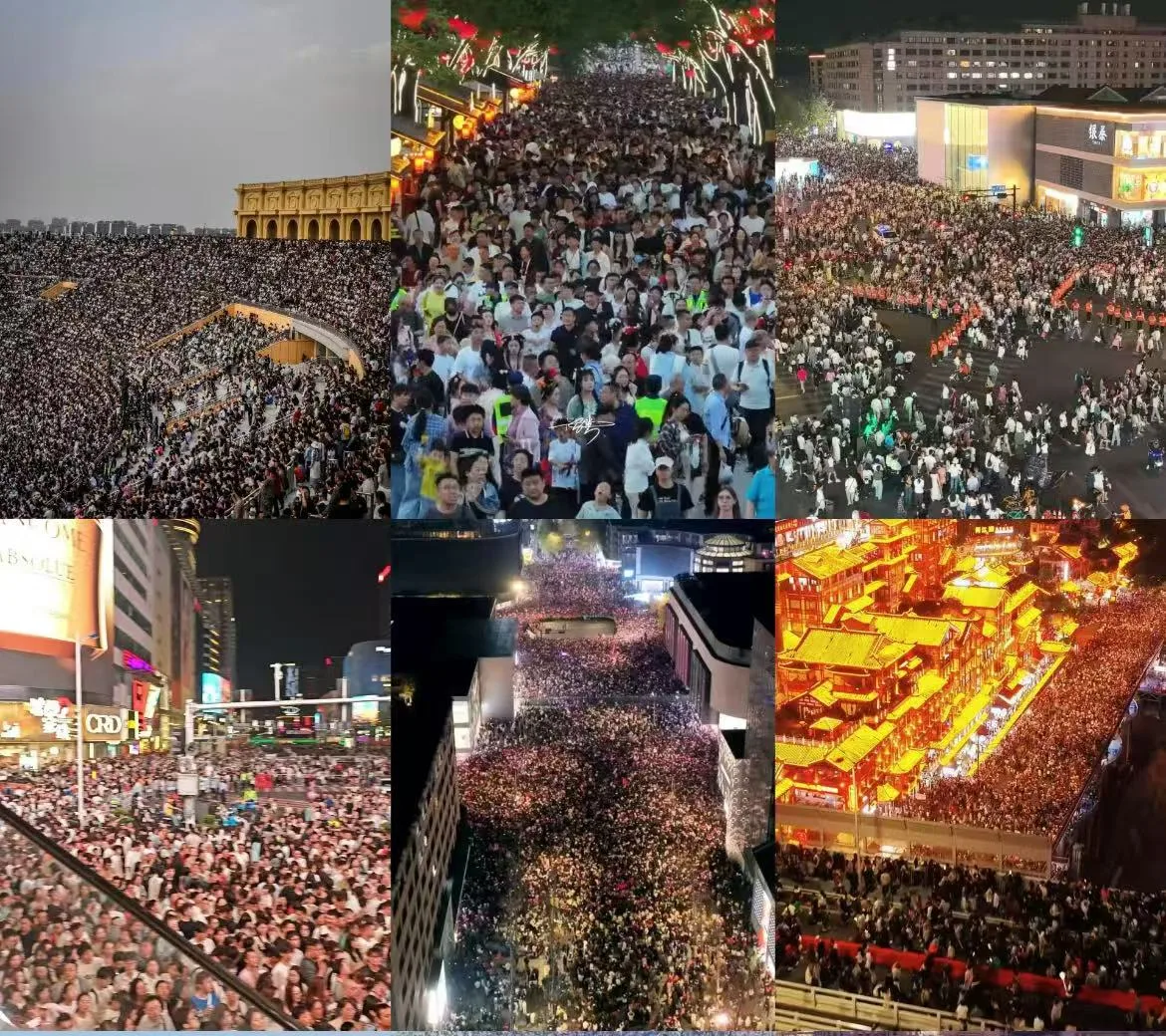
Major Chinese Public Holidays to Avoid
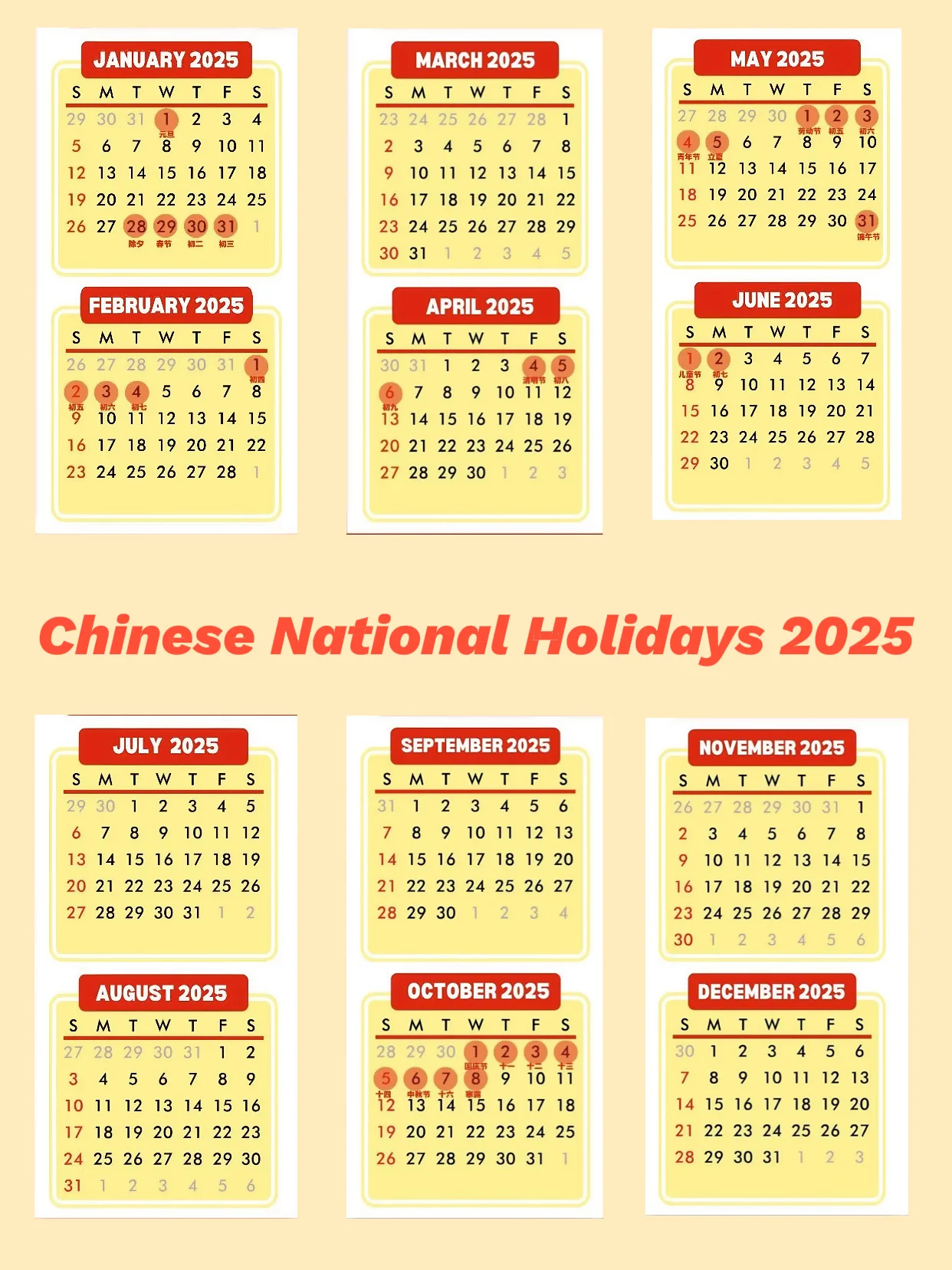
Here are the biggest travel rush periods in China — listed with their usual annual timeframes.
Chinese New Year (Spring Festival) — Late January to Mid-February
- The largest annual human migration in the world.
- Transport hubs are at maximum capacity.
- Many small shops and restaurants close for family reunions.
Qingming Festival (Tomb-Sweeping Day) — Early April
- Families travel to ancestral gravesites.
- Spring weather draws crowds to parks and flower-viewing spots.
Labour Day (May Day Holiday) — Early May
- Officially three days, but many people extend their leave.
- Major cities and scenic sites become crowded and more expensive.
Dragon Boat Festival — June (varies by lunar calendar)
- Famous for boat races and traditional celebrations.
- Popular riverside towns like Hangzhou and Suzhou see big spikes in visitors.
Golden Week (National Day Holiday) — October 1–7
- Celebrates the founding of the People’s Republic of China.
- Tourist sites nationwide overflow with visitors.
- One of the most expensive weeks to travel in China.
FAQs
Q1: Is it worth visiting China during public holidays?
A: It can be, if you plan carefully — but expect high prices and large crowds.
Q2: How far in advance should I book transport and hotels?
A: For peak holidays, at least 30–40 days ahead.
Q3: What if my trip overlaps a holiday?
A: Choose rural or lesser-known destinations to avoid major congestion.
Q4: Are there places in China that remain quiet during holidays?
A: Yes — remote provinces like Qinghai, Gansu, or certain parts of Yunnan.
Q5: What’s the best time to avoid crowds altogether?
A: Late November, early December, and the weeks between major holidays.
Q6: Can I experience Chinese festivals without the worst crowds?
A: Visit smaller towns during festivals, where celebrations are more local and less commercial.