

How to Use Alipay Pay in China (Updated 2026)
Hi, I’m Skye. If you’re coming to China in 2026 and feeling nervous about the whole “cashless society” thing… take a deep breath. I deal with this question every single week from my foreign friends.
You’re probably wondering:
- How to use Alipay in China as a foreigner?
- Can I really link my Visa or Mastercard?
- Do I need cash in China?
- What if it doesn’t work?
I will show you everything step by step. Dummy-proof. No guesswork. No panic.
The Reality: China Is 99% Cashless (Yes, Really)
Let me be honest with you.
China travel is almost completely cashless now. Even small restaurants, taxis, street food stalls, and convenience stores expect you to scan to pay in China using a QR code.
Cash is technically still legal. But in real life? Some vendors and taxi drivers don’t carry change, and most vending machines, bike rentals, and ticket machines don’t accept cash at all.
Credit cards like Visa or Mastercard are accepted in major hotels and shopping malls — but that’s it.
If you arrive without setting up mobile payments, you’ll feel stuck.
So here’s Rule #1.

written by skye
Senior Travel Planner | Local China Expert
Updated 2026.02.09
Rule #1: Set Everything Up AT HOME (This Is Critical)
I cannot stress this enough. Do not wait until you land in China.
You must:
✅ Download the apps
✅ Register your account
✅ Verify your identity
✅ Link your foreign credit card
…before leaving your home country.
Why?
Because: You will need SMS verification codes, and you need to upload passport photos or personal IDs. Most importantly, if something goes wrong, it’s always easier to fix at home.
I’ve seen tourists arrive at the airport unable to pay for a taxi because they tried setting it up using airport WiFi. Don’t be that person. Set it up comfortably from your couch.
Now let’s start with how to set up Alipay.
Alipay (My Top Recommendation for 2026)
If you ask me which one is easier for foreigners, I will always say: Start with Alipay. In 2026, it’s the most foreigner-friendly option.
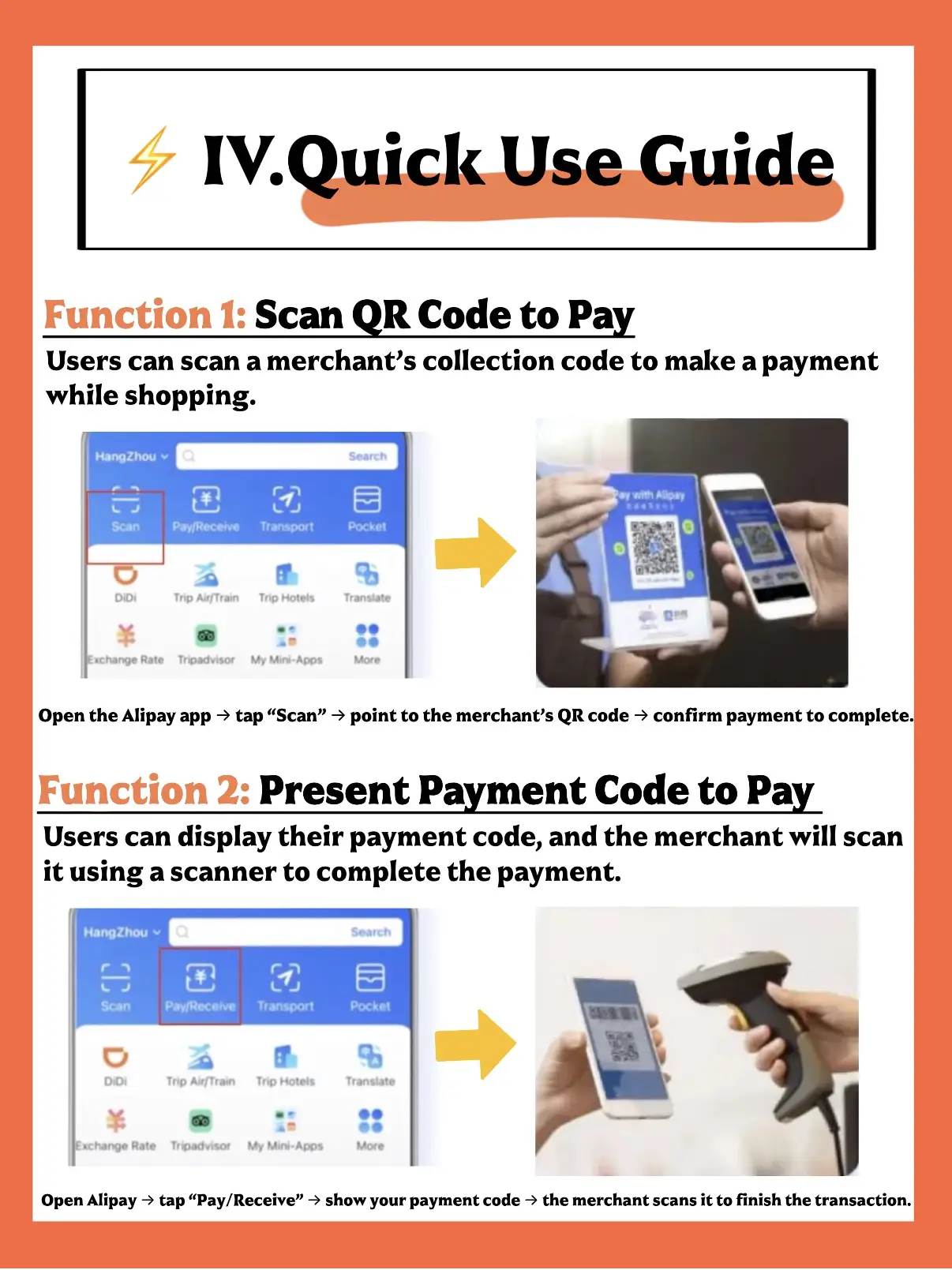
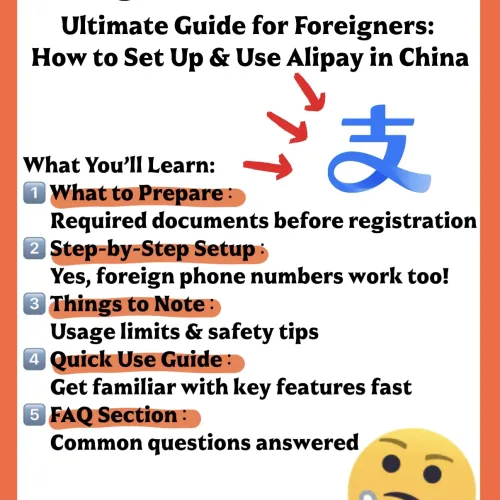
This section answers: How to use Alipay in China as a foreigner and linking foreign credit card to Alipay step-by-step. I also shared similar tips on RedNote here.
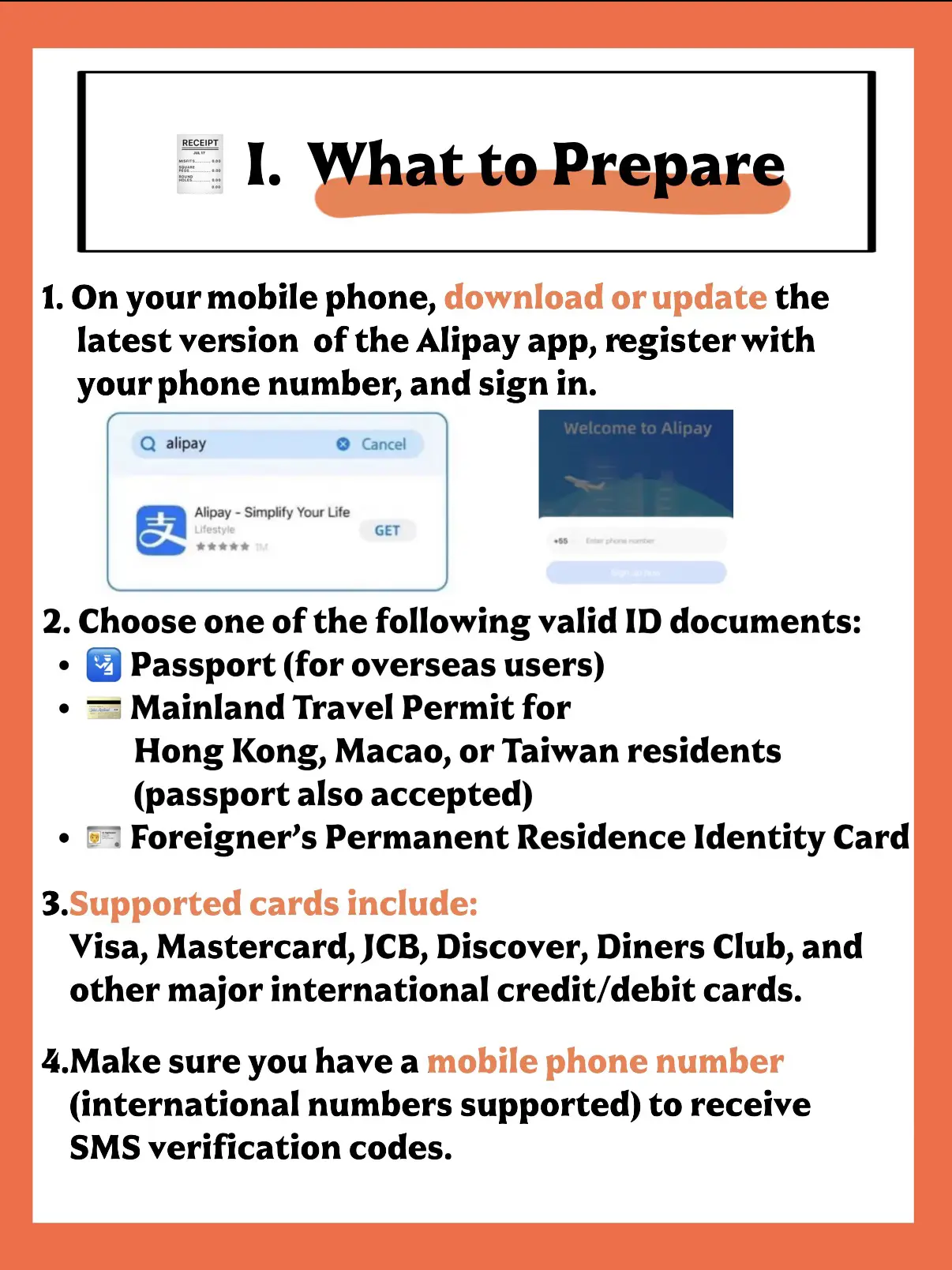
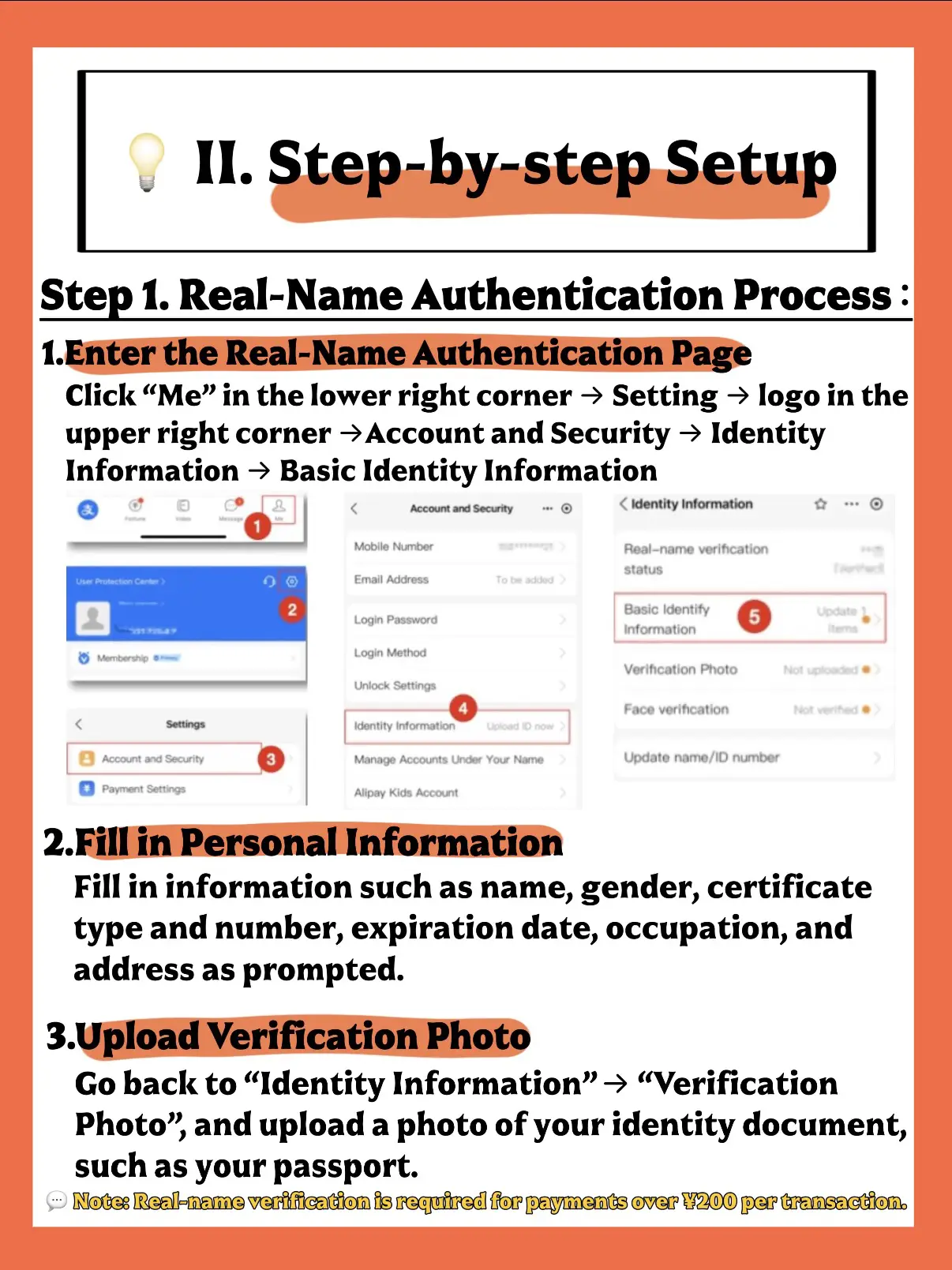
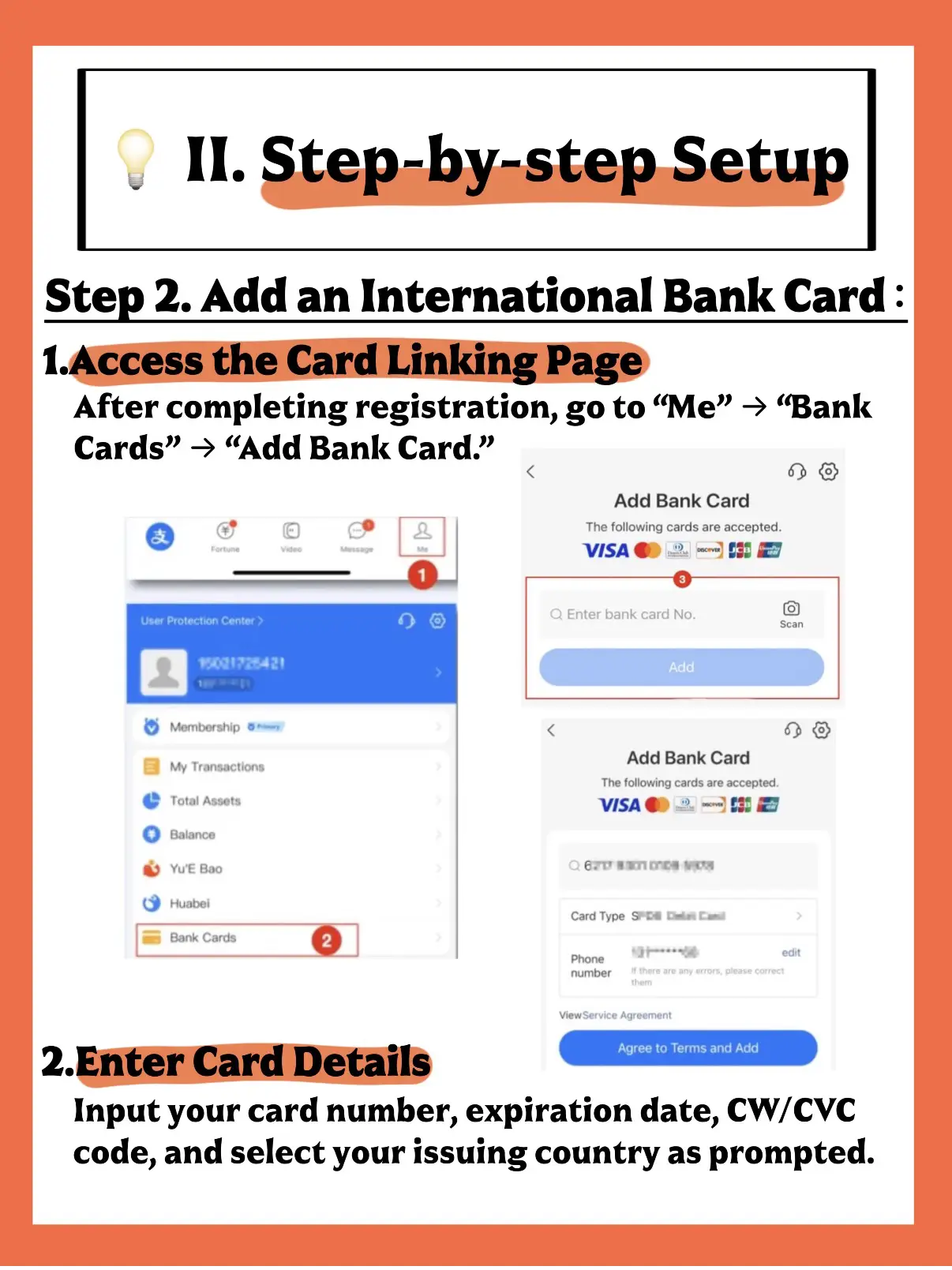
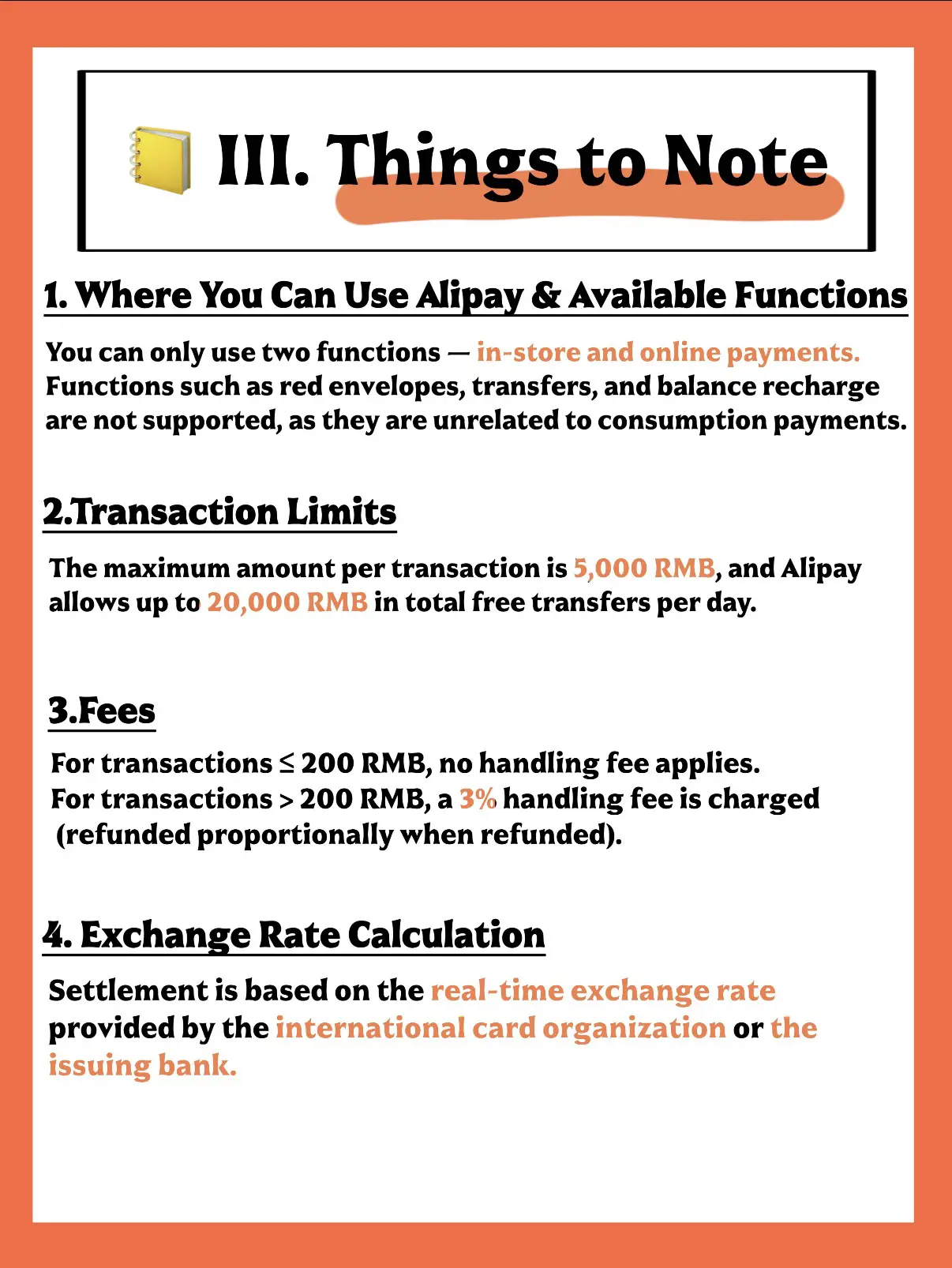
The 3% Transaction Fee Rule (Very Important)
Now let’s talk about something many guides forget. Here’s the rule in 2026:
1. Transactions under 200 RMB → No fee
2. Transactions over 200 RMB → 3% platform fee
This applies when using foreign credit cards.
Let’s say: You pay 180 RMB for dinner → No fee.
You pay 1,000 RMB for hotel → You’ll pay 30 RMB extra.
It’s not huge — but it adds up.
My Local Tip to Avoid the 3% Fee:
For expensive things like hotels, high-speed train tickets, flights, and tour packages, book them on international platforms like Trip.com or Agoda, pay directly with your credit card there.
Then use Alipay for daily expenses under 200 RMB. That’s how I advise my foreign friends to save money.
FAQs
1. Why don’t I just use Apple Pay or Google Pay?
This is one of the most common questions I get. Short answer: because they barely work in China.
Unlike in the US or Europe, China does not rely on NFC tap-to-pay systems like Apple Pay or Google Pay for daily life. The entire country runs on QR code payments through Alipay and WeChat Pay. Most small businesses, taxis, street vendors, and even many restaurants do not have card terminals that support Apple Pay or Google Pay. In high-end malls or international hotel chain, yes they might work, but the moment you step outside those environments — local restaurants, convenience stores, metro ticket machines, tourist attractions — you’ll need to scan to pay in China using Alipay or WeChat Pay.
Google Pay is even less accepted due to Google services being restricted in mainland China.
2. Is Alipay and WeChat Pay safe?
Yes. Extremely safe. China’s mobile payment system has strong fraud protection. It’s safer than carrying cash.
3. Do I need a Chinese bank account?
No.You can use foreign Visa, Mastercard, or Amex directly inside Alipay and WeChat Pay. No Chinese bank required.
4. What if my account gets blocked?
Usually it’s identity verification related. Fix it by: Re-uploading passport or contacting customer support in-app. This is why I say: set everything up before departure.
5. Can I use this everywhere in China?
Yes, almost everywhere, restaurants, taxis, metro, tourist attractions, convenience stores, street food stalls… you name it. Even small countryside shops accept QR codes now.
6. What happens if it fails?
Sometimes you may encounter situations like payment declines or account temporarily freezes. If that happens, remember to check your bank app first. Then try smaller payment (under 200 RMB). If non of these help, contact in-app customer service (English available). This is rare if you set everything up at home.