
A Traveler’s Guide to Halal Food in China: How to Find and What to Order
Finding Halal food in China can feel like a treasure hunt—especially for first-time visitors. But rest assured: with over 20 million Muslims in the country and a rich tradition of Islamic cuisine, China offers an incredible variety of Halal dishes that are both flavorful and authentic.
This guide is your go-to companion for locating Halal meals, identifying Muslim-friendly restaurants, and ordering unforgettable dishes that align with your faith.
Where to Find Halal Food in China: Top Cities & Regions
China’s vast geography means regional specialties differ dramatically—from spicy Xinjiang kebabs to steaming Lanzhou noodles. Here’s where to find the most traveler-friendly Halal food experiences:
Xi’an: The Heart of Muslim Heritage
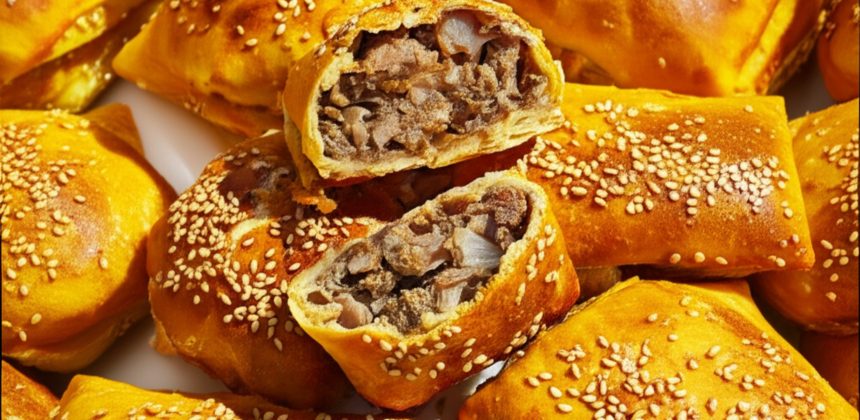
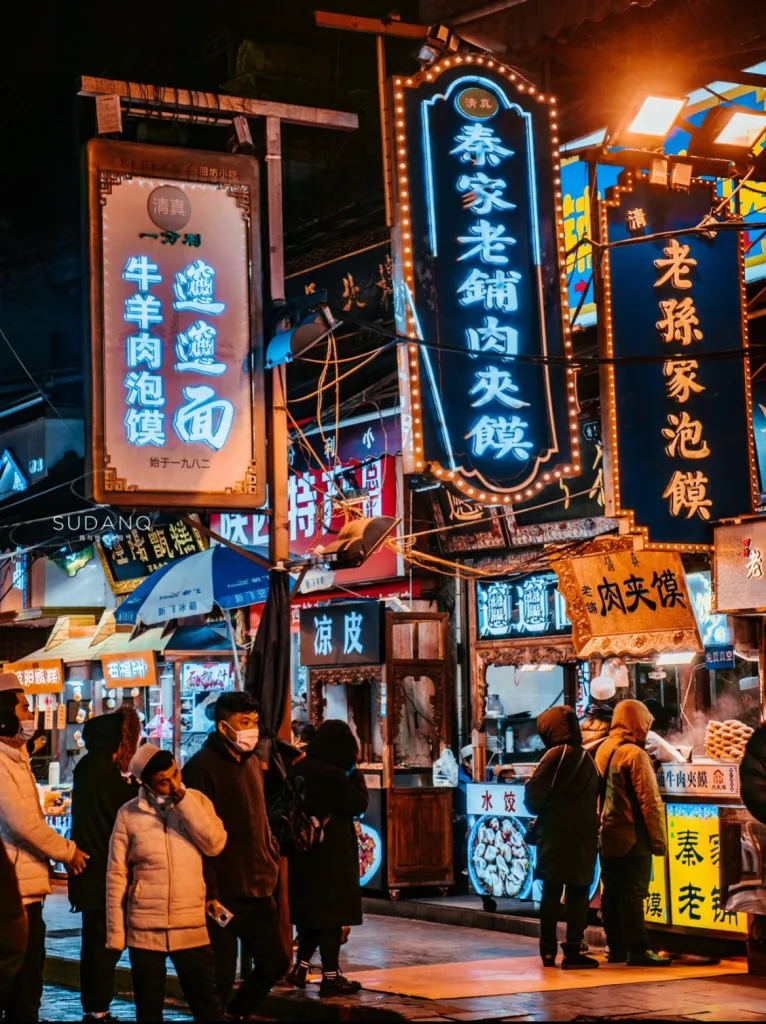
The Muslim Quarter (回民街) in Xi’an is a paradise for Halal eaters. With its famous lamb skewers, persimmon cakes, and beef pancakes, this area is a sensory overload. It’s also home to the Great Mosque of Xi’an, one of the oldest in China.
Beijing: Halal History in the Capital
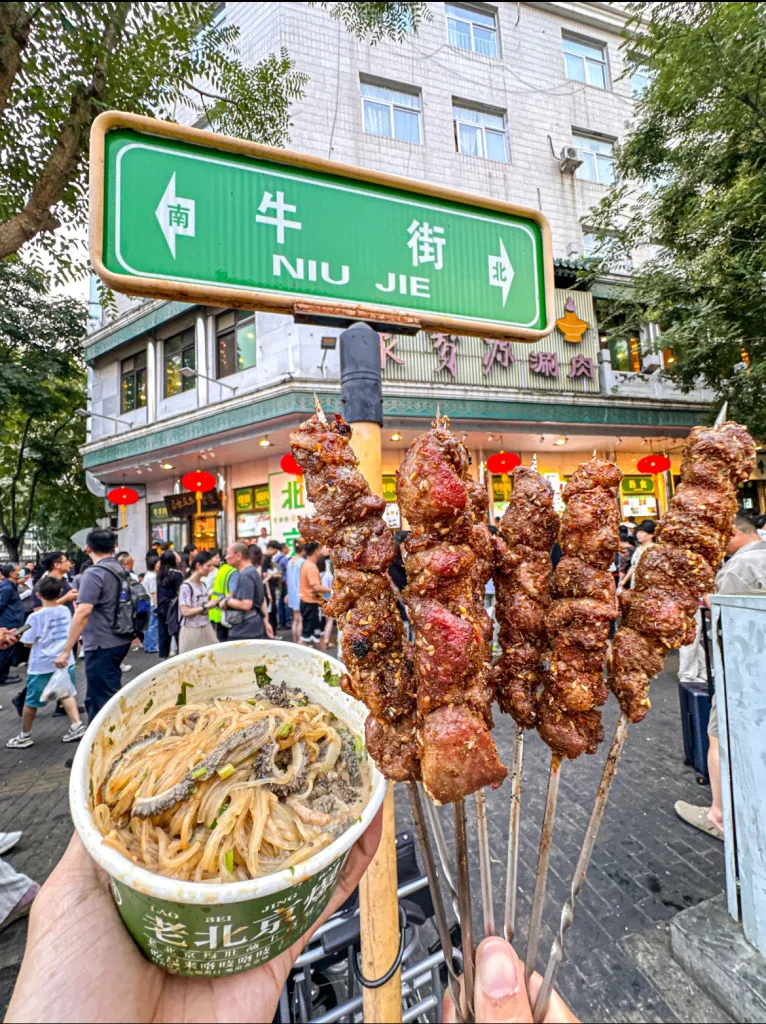
Head to Niujie (Ox Street) in Beijing, the city’s traditional Hui Muslim area. It’s full of authentic Halal restaurants serving dishes like Halal Peking duck and steamed beef dumplings. Many places have bilingual menus and Halal signage.
Lanzhou: The Home of Halal Noodles
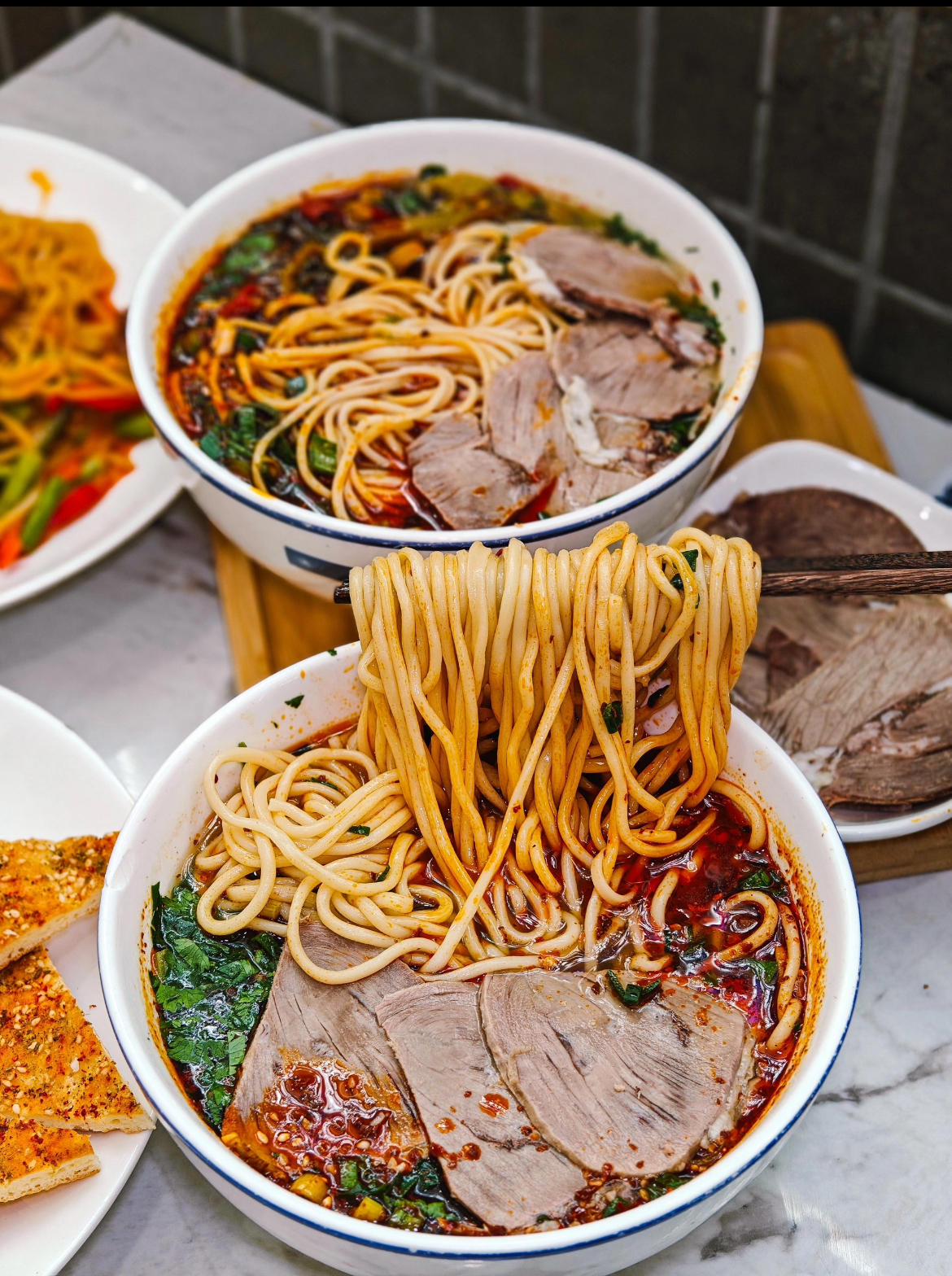
Famous for Lanzhou beef noodles (兰州牛肉面), the city has countless noodle shops certified Halal. The chefs are often Hui Muslims who follow strict Halal preparation standards. If you’re into noodles, this is your city.
Urumqi & Kashgar: The Uyghur Food Trail
In Xinjiang, the majority-Muslim population ensures that most restaurants are Halal. Expect dishes like Big Plate Chicken (大盘鸡), Uyghur polo rice, and naan-style breads served with spicy lamb stews.
Smaller Cities and Train Stations
In Yinchuan, Zhengzhou, or near university districts, you’ll often find hidden Halal gems run by Hui families. Look for restaurants near mosques, as they almost always offer Halal food.
How to Identify Halal Restaurants While Traveling
When you don’t speak Mandarin, finding Halal food might feel overwhelming. But a few practical signs and tools can help you navigate like a pro.
Look for “清真” (Qingzhen) Signs
The most common way to identify a Halal restaurant is to look for the Chinese characters “清真”, meaning “pure and true”—China’s equivalent of Halal. These signs are often green and may also include Arabic script or symbols like the crescent moon.
Use Travel Apps to Find Halal Options
Here are some reliable apps that help locate Halal food:
- HappyCow – Though mainly for vegetarians, it lists Halal-friendly places.
- Zabihah – A global Halal restaurant finder, with some Chinese listings.
- Dianping (大众点评) – China’s version of Yelp; type “清真” into the search bar.
Many places even have user-uploaded photos of dishes, so you can preview before you visit.
Ask Locals or Visit a Mosque
Chinese Muslims are incredibly hospitable. If you’re unsure where to eat, simply visit a local mosque and ask for suggestions. Chances are, you’ll find a great family-run restaurant just a street or two away.
Top Must-Try Halal Dishes in China
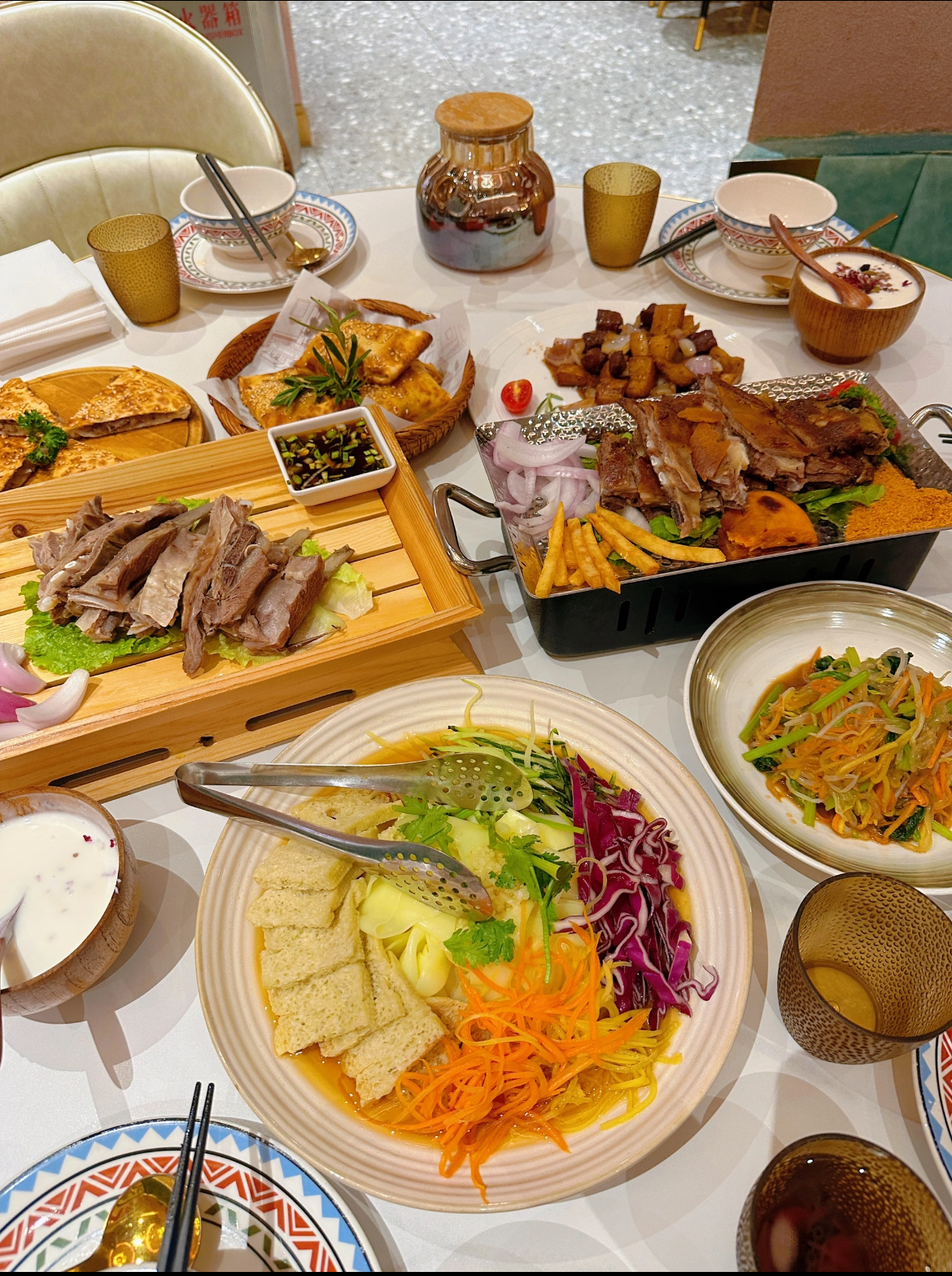
Forget bland food. Chinese Halal cuisine is packed with bold spices, tender meats, and centuries of tradition. Here are must-eat dishes you’ll remember long after your trip:
Lanzhou Beef Noodles (兰州牛肉面)
- Hand-pulled noodles in a fragrant beef broth with chili oil, cilantro, and radish.
- Available nationwide but best in Lanzhou.
- Affordable and always filling.
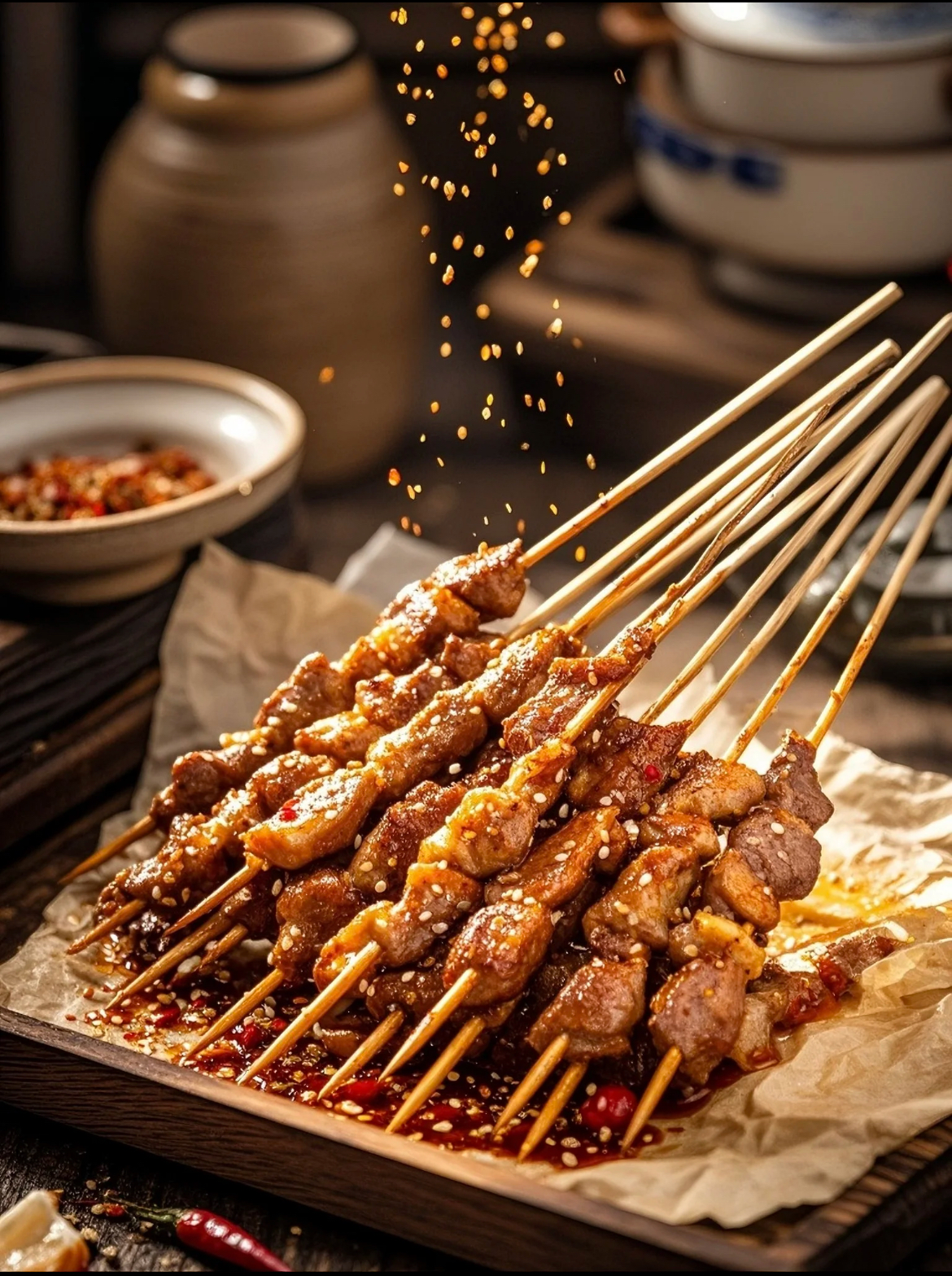
Lamb Kebabs (羊肉串)
- A Uyghur specialty from Xinjiang.
- Chargrilled skewers seasoned with cumin, chili powder, and salt.
- Often sold in night markets and Muslim street stalls.
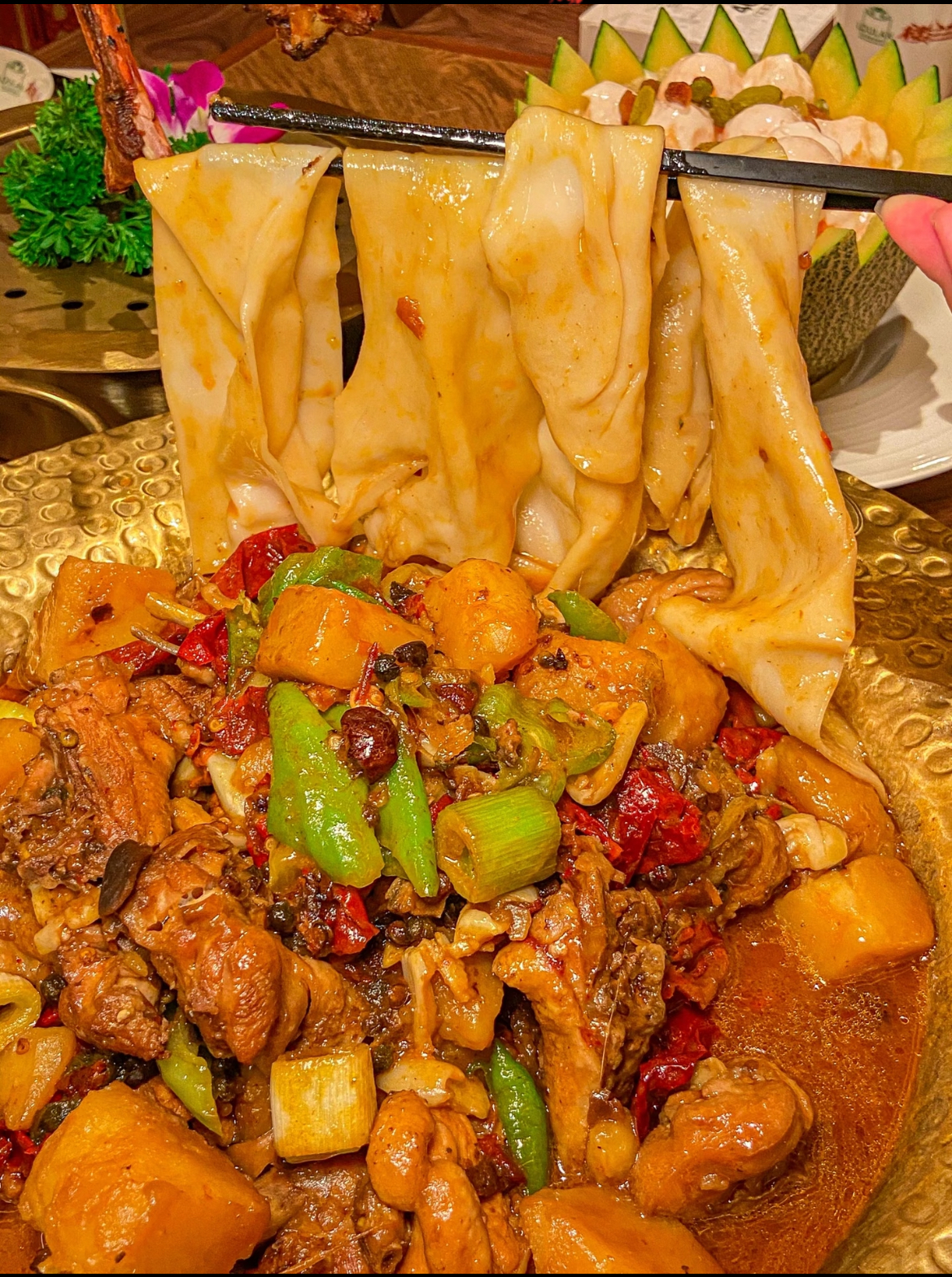
Dapanji – Big Plate Chicken (大盘鸡)
- A Xinjiang classic made with chicken, potatoes, and peppers.
- Served on a huge platter with noodles.
- Great for sharing with friends or fellow travelers.
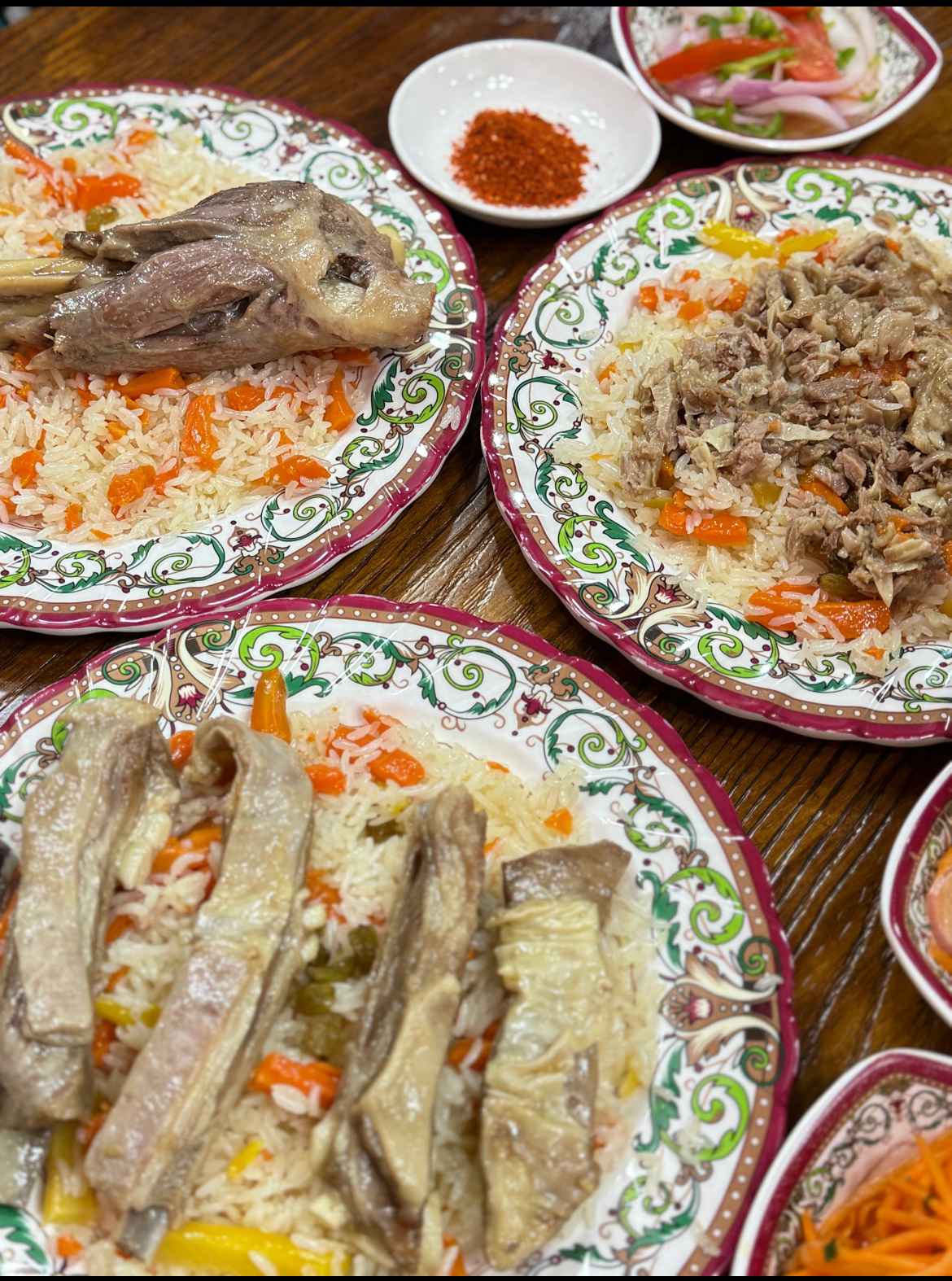
Uyghur Polo (Pilaf)
- Fragrant rice dish with lamb chunks, carrots, onions, and raisins.
- Usually cooked in sheep fat for rich flavor.
- A staple in Uyghur restaurants.
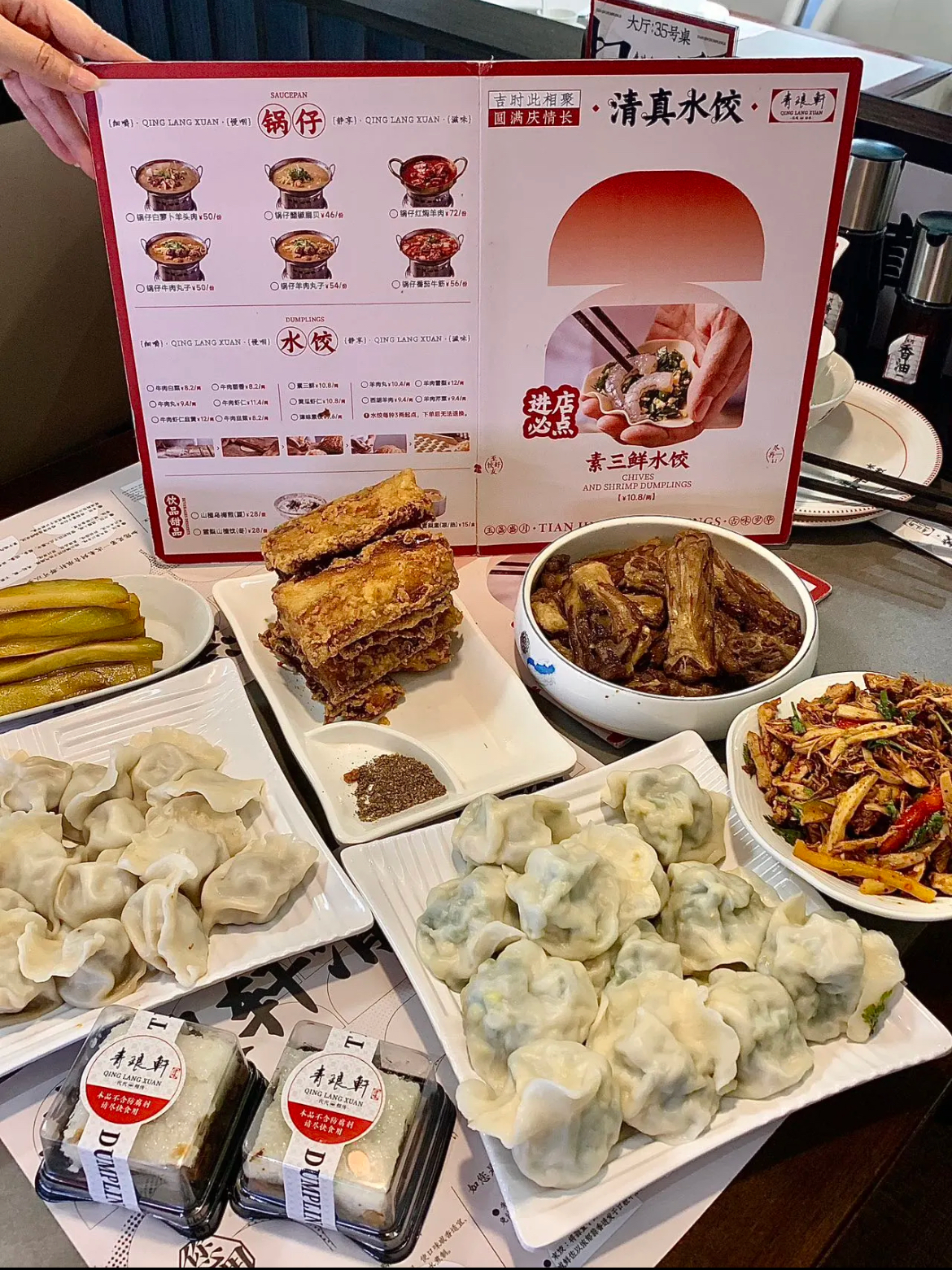
Halal Dumplings & Dim Sum Variants
- Halal versions of dumplings filled with beef, lamb, or veggies.
- Look for these in larger cities like Xi’an and Beijing.
- Often steamed or pan-fried to perfection.
FAQs About Halal Food in China
1. Is it easy to find Halal food in China?
Yes, especially in cities with large Muslim communities like Xi’an, Lanzhou, and Urumqi. Apps and mosque visits can help in other areas.
2. What does the “清真” sign mean?
It means “pure and true” and is the Chinese word for Halal. It’s your go-to sign when looking for Halal eateries.
3. Are all noodle shops in China Halal?
No. Many use pork-based broths or non-Halal meat. Always look for Halal signage or ask.
4. Can I find Halal food at train stations or airports?
Some major train stations and airports have Halal stalls, especially in regions with Muslim populations. It’s always good to bring snacks just in case.
5. What should I do if I can’t find Halal food?
You can eat vegetarian dishes, cook your own food, or bring Halal instant meals and snacks while on long journeys.
6. Do Halal restaurants have English menus?
Not always. But many in tourist-friendly areas do. You can also use Google Translate or show pictures of dishes from your phone.