
A Sip of History: Discovering China’s Ancient Tea Culture
From misty mountain terraces to bustling city teahouses, tea is the soul of China. Join us as we explore 5,000 years of tradition, health benefits, and rituals that make Chinese tea a global treasure.
The Origins of Tea: A Legend and a Legacy
- Myth:According to Chinese mythology, the discovery of tea dates back to 2737 BCE and is credited to Emperor Shennong (神农氏), revered as the “Divine Farmer” and a legendary ruler of ancient China. Here’s the story:While boiling water under a wild Camellia sinensis tree, a few leaves fell into Shennong’s cauldron. Intrigued by the aromatic scent and golden hue, he sipped the brew and felt instantly revitalized. Recognizing its potential, he began studying tea’s medicinal properties and promoting its cultivation.
- Historical Milestones:
- Tang Dynasty (618–907 CE): Tea became an art form; Lu Yu’s The Classic of Tea (茶经) standardized cultivation and brewing.
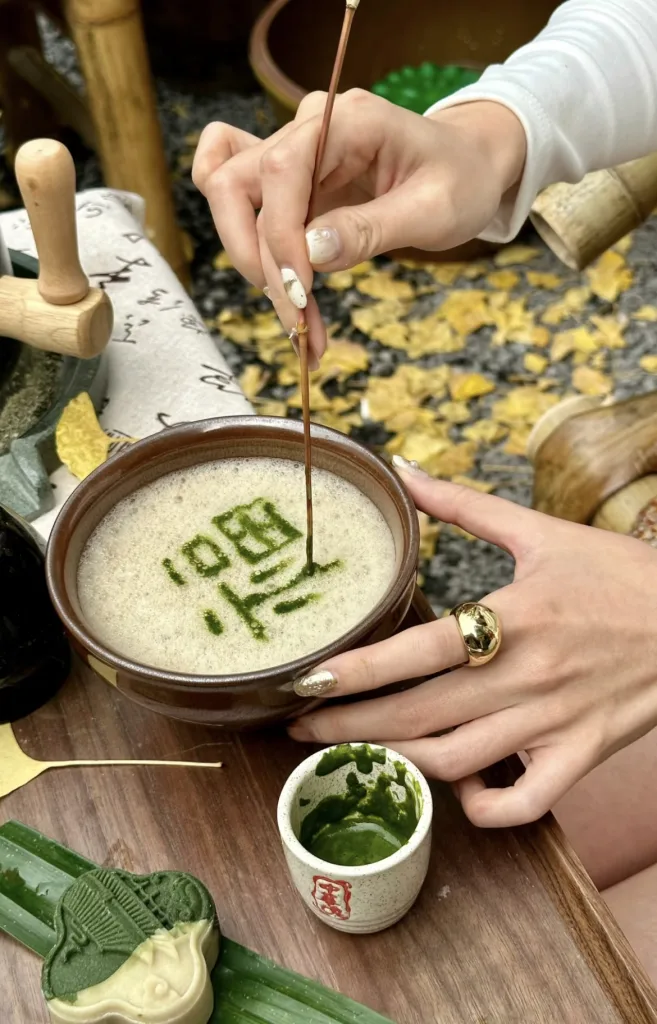
- Song Dynasty (960–1279 CE): Tea competitions and powdered tea (matcha) flourished.
- Ming Dynasty (1368–1644 CE): Fermented teas and loose-leaf brewing emerged.
China’s Six Tea Categories
- Green Tea (绿茶)
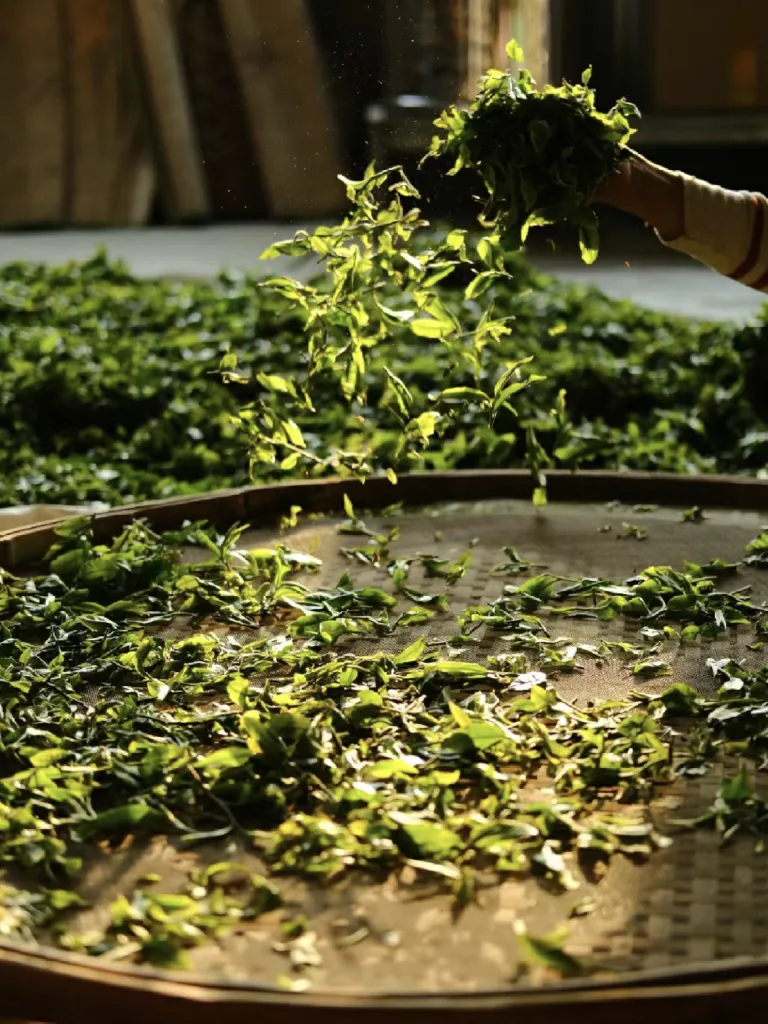
- Process: Unfermented, steamed/fired to retain freshness.
- Examples: Longjing (Dragon Well, 龙井茶) from Hangzhou, Biluochun (碧螺春) from Jiangsu.
- Taste: Crisp, grassy, slightly bitter.
- Black Tea (红茶)
- Process: Fully fermented for a rich, malty flavor.
- Examples: Lapsang Souchong (正山小种), Dianhong (滇红) from Yunnan.
- Fun Fact: Known as “red tea” in Chinese—its oxidized leaves turn reddish-brown.
- Oolong Tea (乌龙茶)
- Process: Semi-fermented, balancing green and black tea characteristics.
- Examples: Tieguanyin (铁观音) from Fujian, Da Hong Pao (大红袍) from Wuyi Mountains.
- Taste: Floral, roasted, with a smooth finish.
- White Tea (白茶)
- Process: Lightly oxidized, minimally processed for delicate flavor.
- Examples: Baihao Yinzhen (白毫银针), Shoumei (寿眉).
- Health Boost: High in antioxidants!
- Yellow Tea (黄茶)
- Process: Oxidized and “smothered” to create a mellow taste.
- Example: Junshan Yinzhen (君山银针).
- Dark Tea (黑茶)
- Process: Post-fermented, often aged like Pu’er (普洱茶) from Yunnan.
- Cultural Role: Historically traded along the Tea Horse Road.
The Art of Tea Ceremony
- Key Elements:
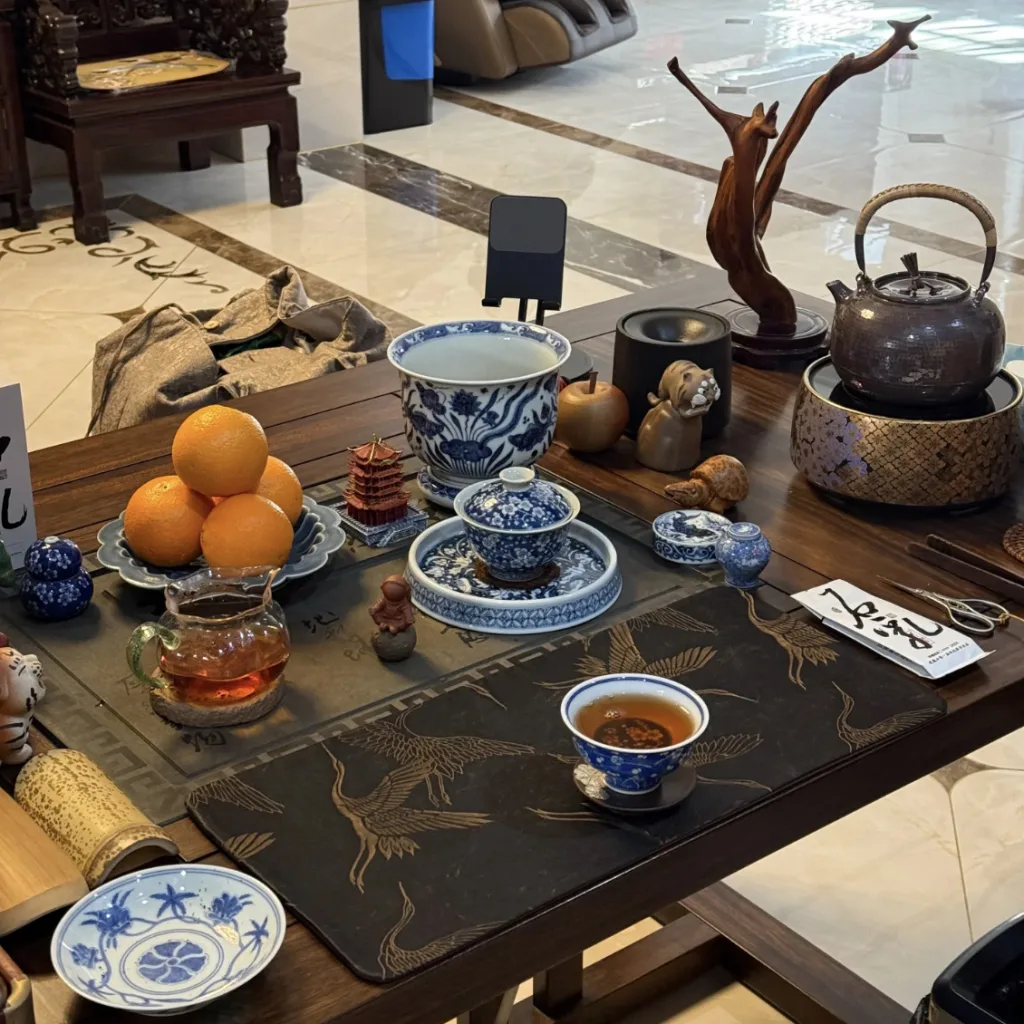
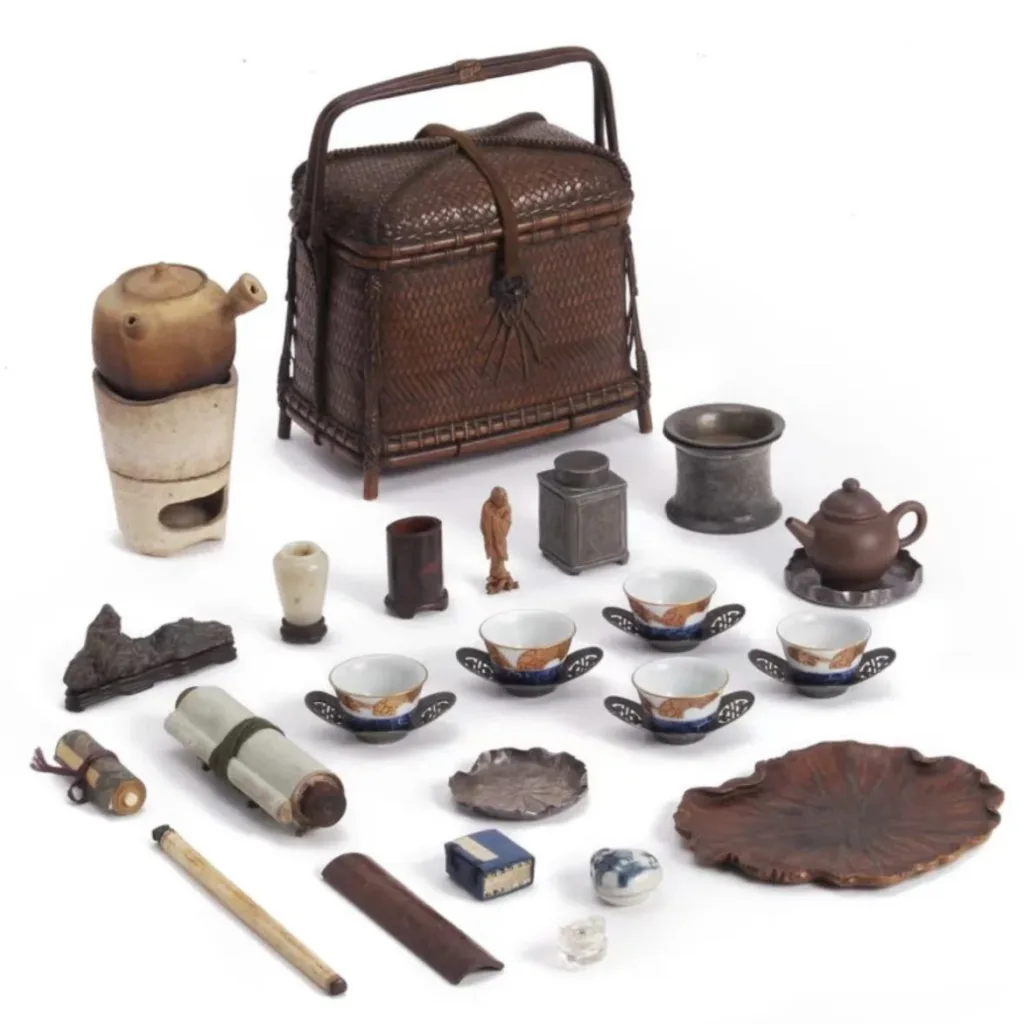
- Gongfu Cha (功夫茶): A ritual using small clay teapots (紫砂壶) to maximize flavor.
- Zisha Teapots: Porous clay vessels that absorb tea essence over time.
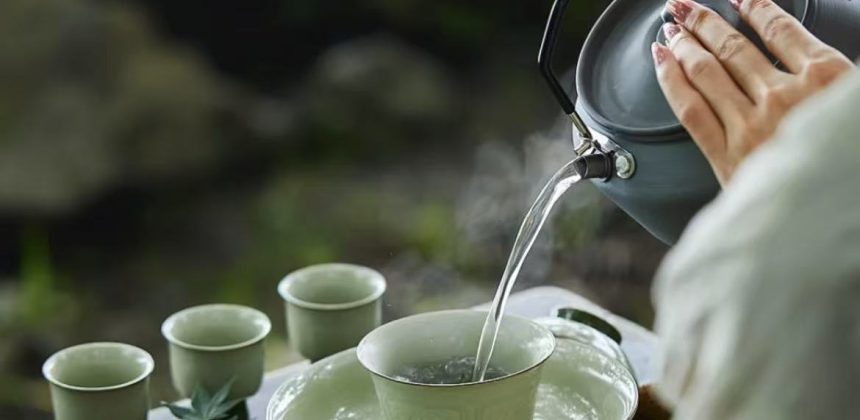
- Steps: Warm the pot, add tea leaves, pour hot water, and serve in tiny cups.
- Regional Variations:
- Tibet: Butter tea (酥油茶) with yak butter and salt.
- Sichuan: Gaiwan (盖碗) brewing in bamboo-padded teahouses.
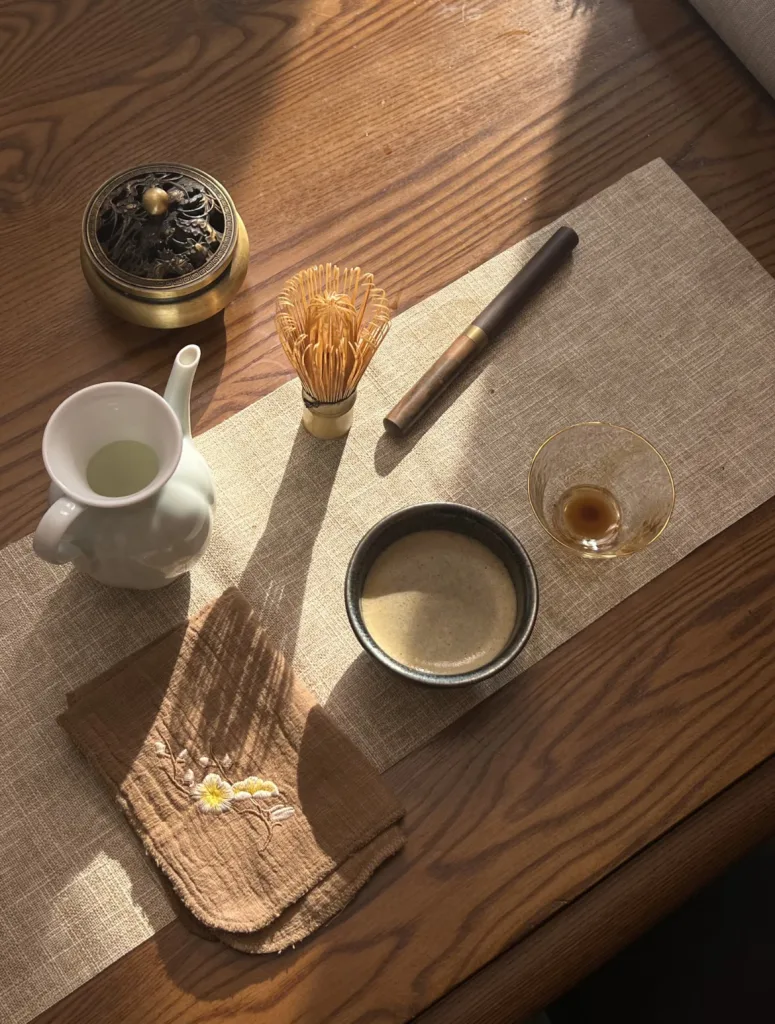
Tea and Chinese Culture
- Social Bonding: Tea is served to guests as a sign of respect and hospitality.
- Medicine: Traditional Chinese Medicine (TCM) uses tea for digestion, stress relief, and detox.
- Symbolism:
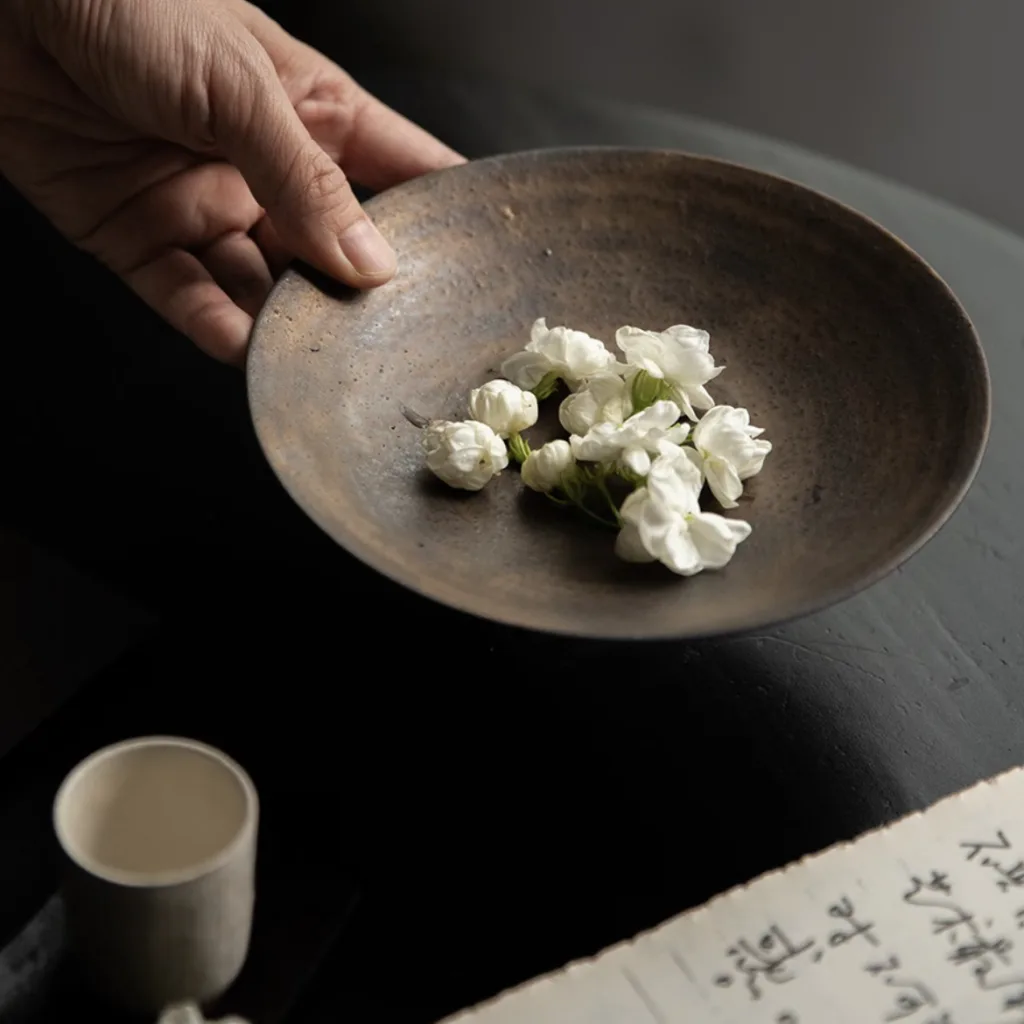
- Lotus leaf wrapping for tea represents purity.
- Tea gift sets are popular during festivals like Mid-Autumn Festival.
Where to Experience Tea in China
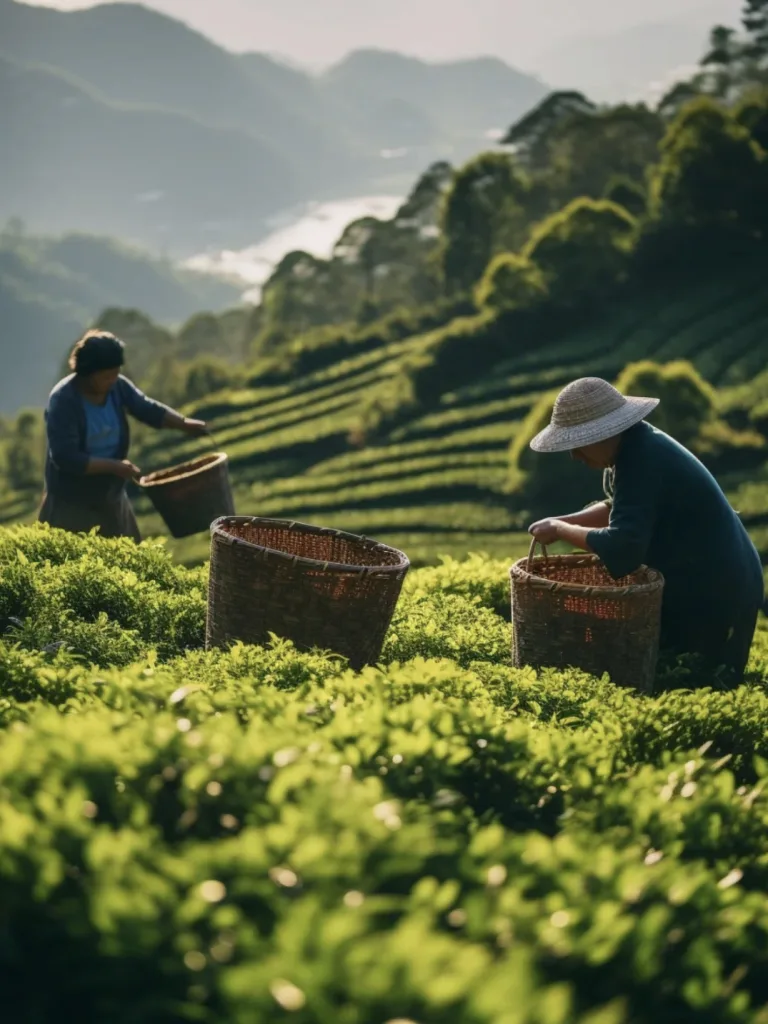
- Hangzhou, Zhejiang: Stroll West Lake’s Longjing tea fields.
- Wuyi Mountains, Fujian: Hike to ancient tea plantations and try Da Hong Pao.
- Chengdu, Sichuan: Relax in a bamboo teahouse with a gaiwan and snacks.
- Yunnan: Visit Pu’er tea villages and learn about aging processes.
Tea isn’t just a drink in China—it’s a journey through time, nature, and philosophy. Whether you’re sipping a delicate green tea or savoring aged Pu’er, let China’s tea culture warm your soul. Join our Tea & Culture Tour to taste history for yourself!