8 Main Cuisines of Chinese Dishes
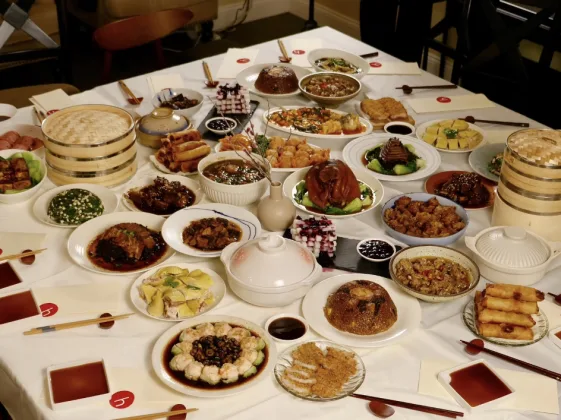
Lu, Su (also known as Huaiyang), Sichuan, Guangdong, Zhejiang, Fujian, Hunan and Huizhou make up the “eight major cuisines” of the Chinese Han cuisine.
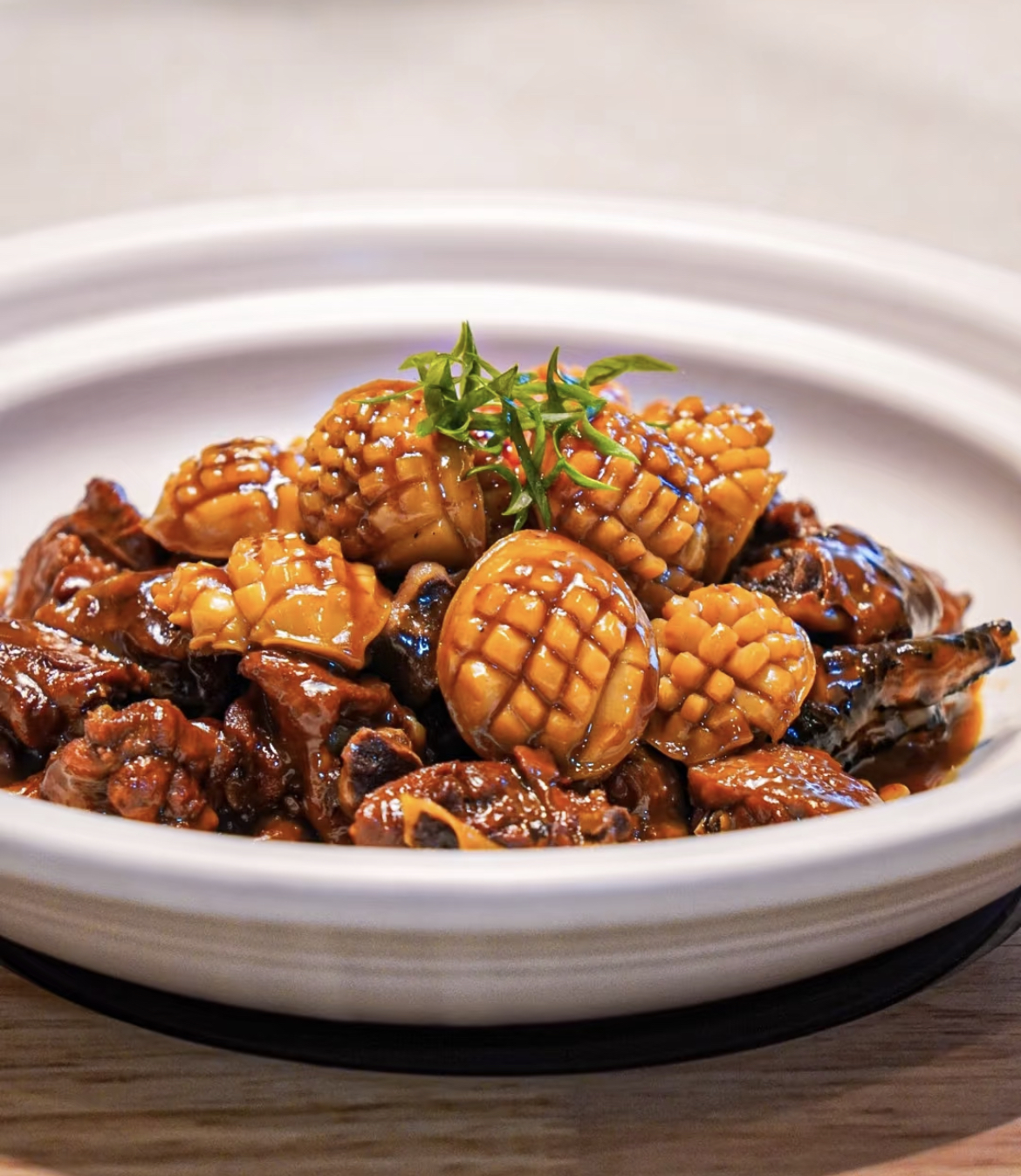
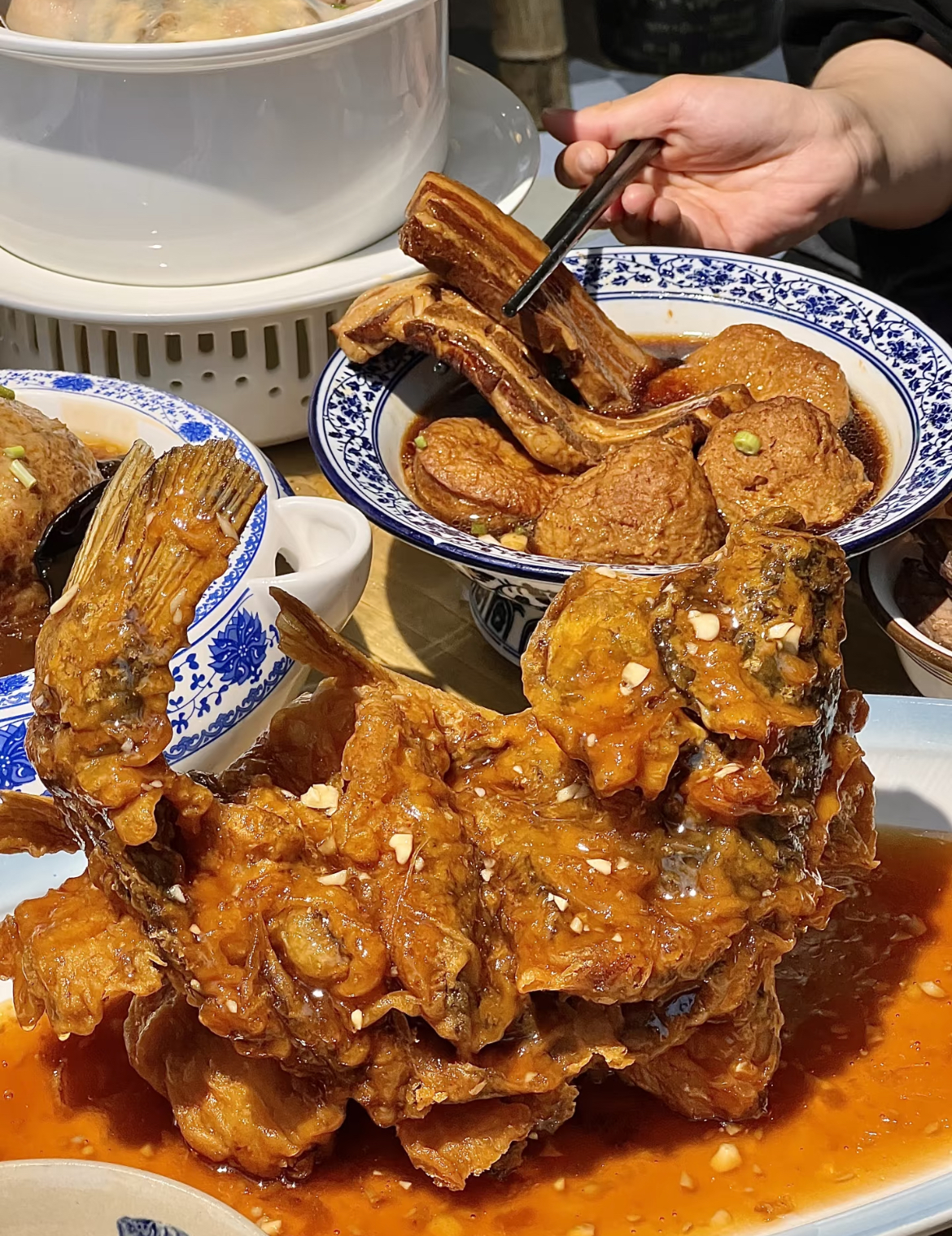
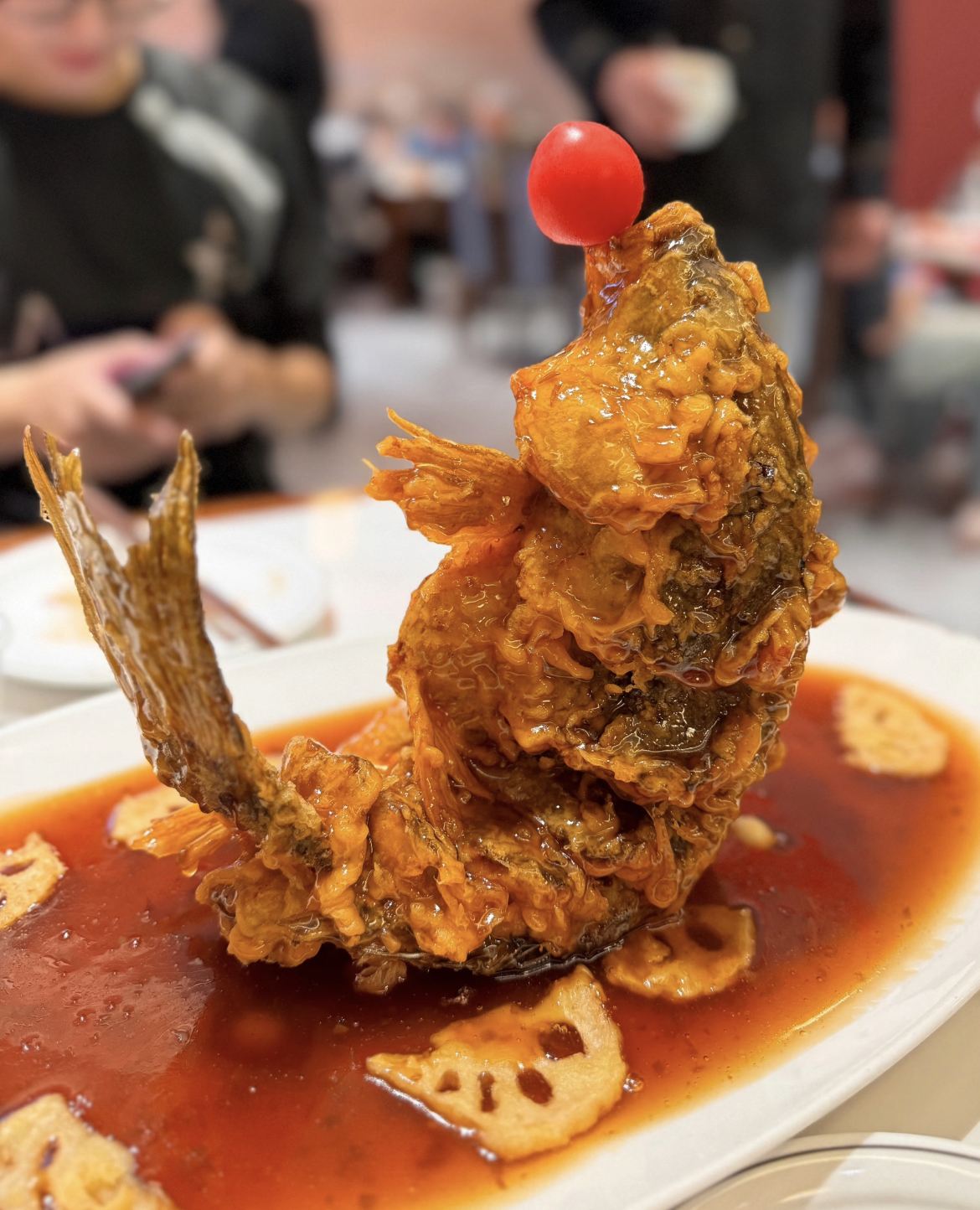
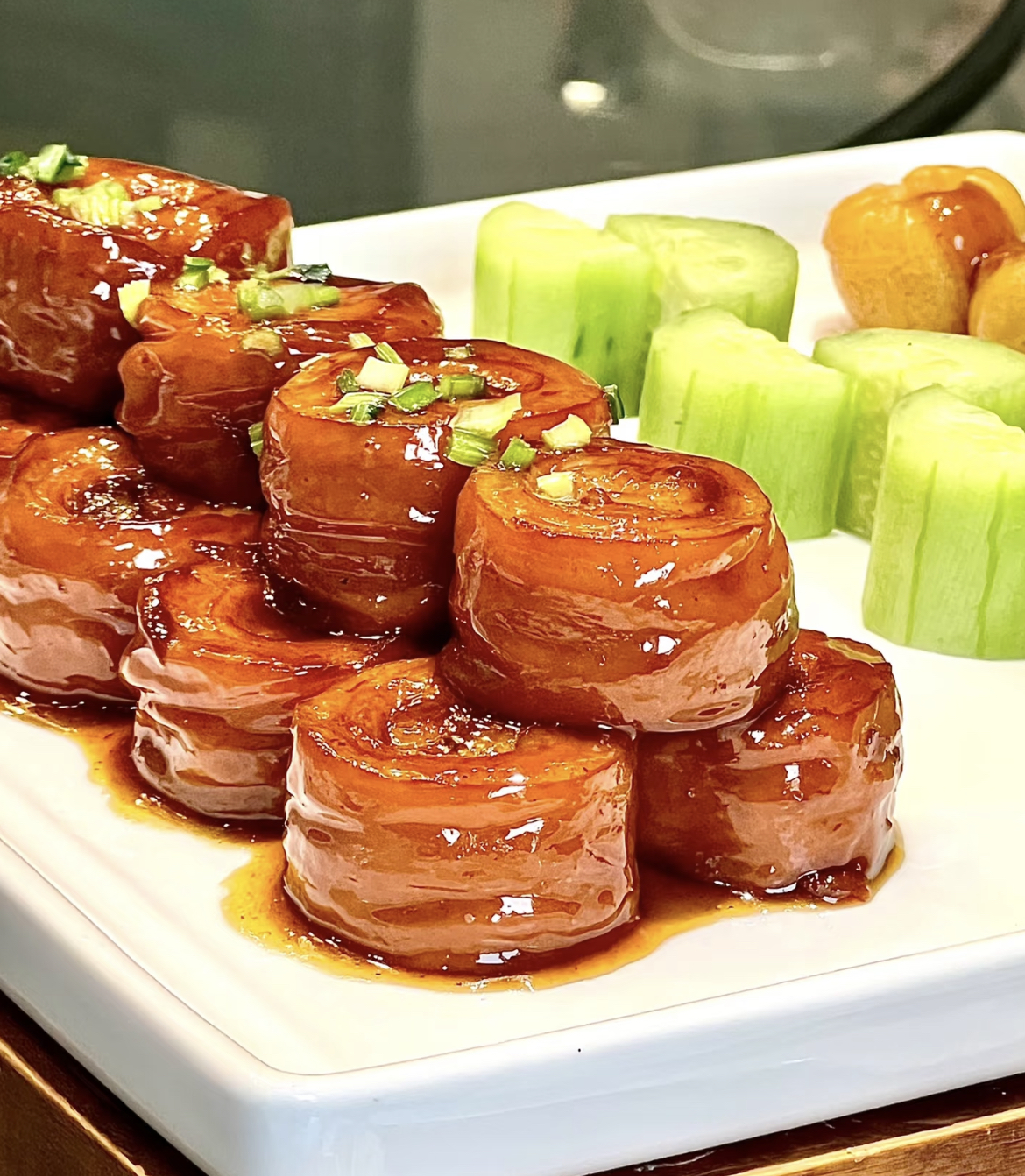
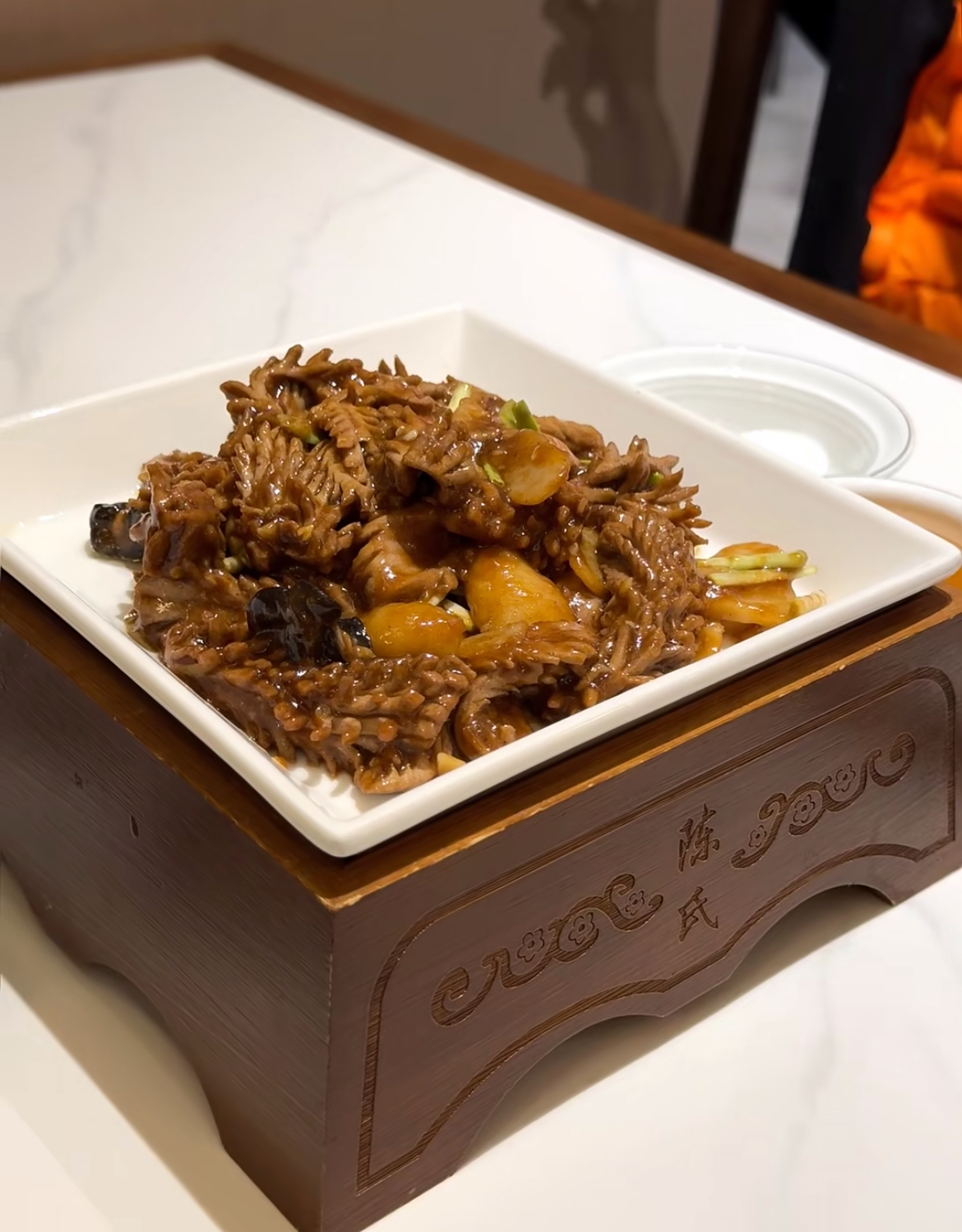
Shandong Cuisine: With a long history and profound heritage, it is the top of the traditional four major cuisines. It emphasizes high – quality raw materials, uses salt to enhance freshness and soup to strengthen flavor. The seasoning is mainly about pure salty – freshness, highlighting the original taste. It is good at using scallions, ginger and garlic, and has the characteristics of freshness, tenderness, fragrance and crispness. Classic dishes include Sweet and Sour Carp, Braised Sea Cucumber with Scallions, etc.
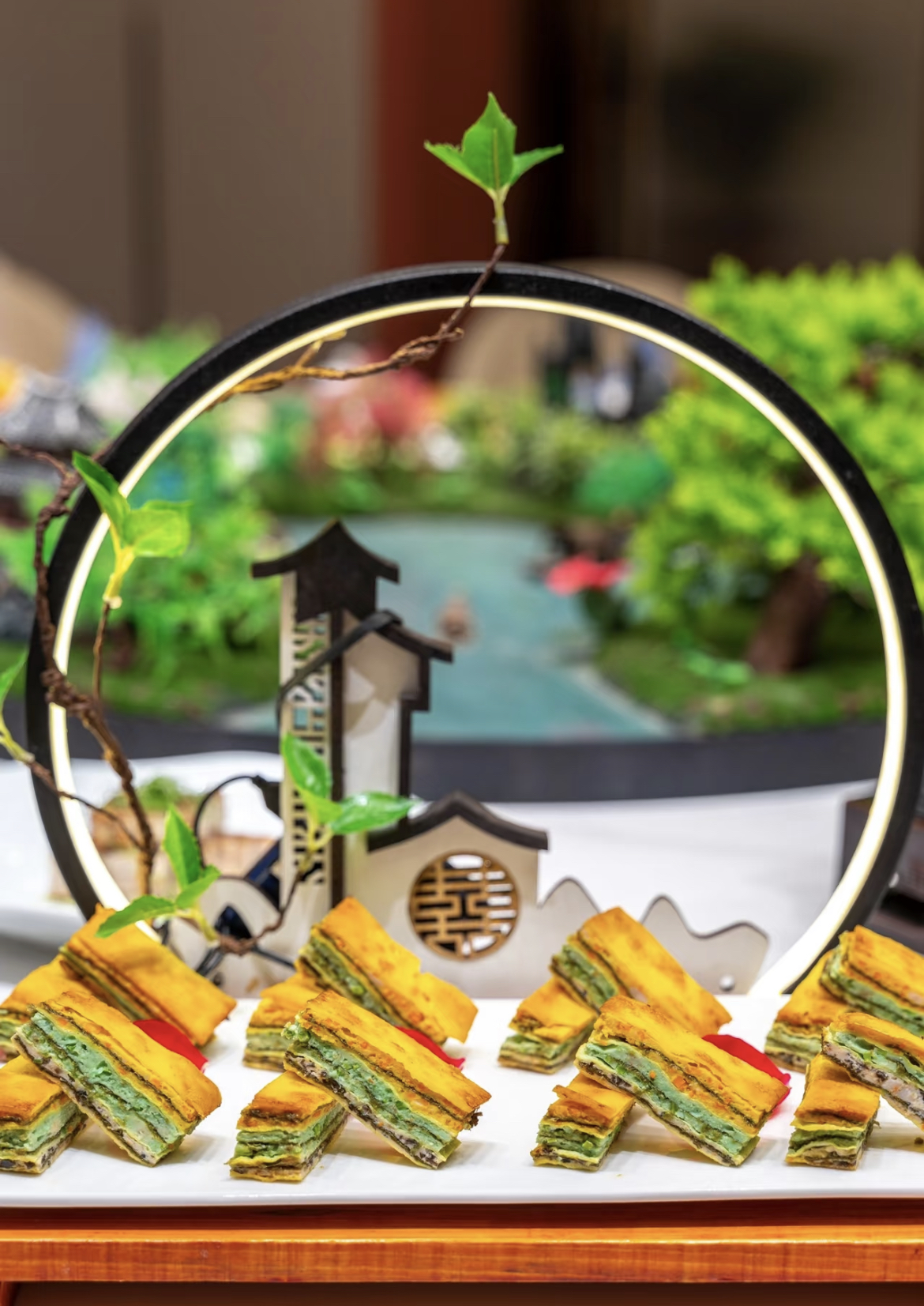
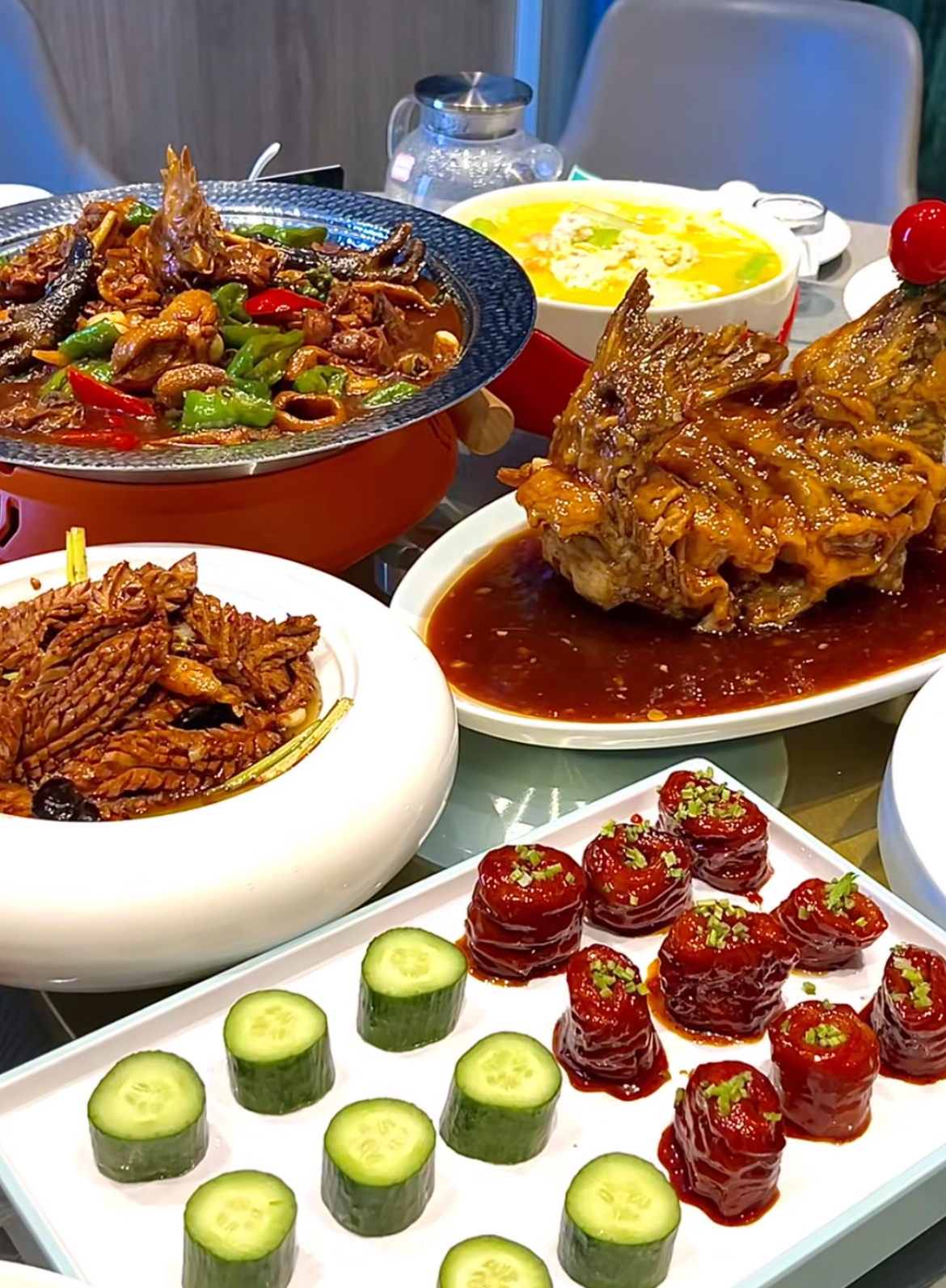
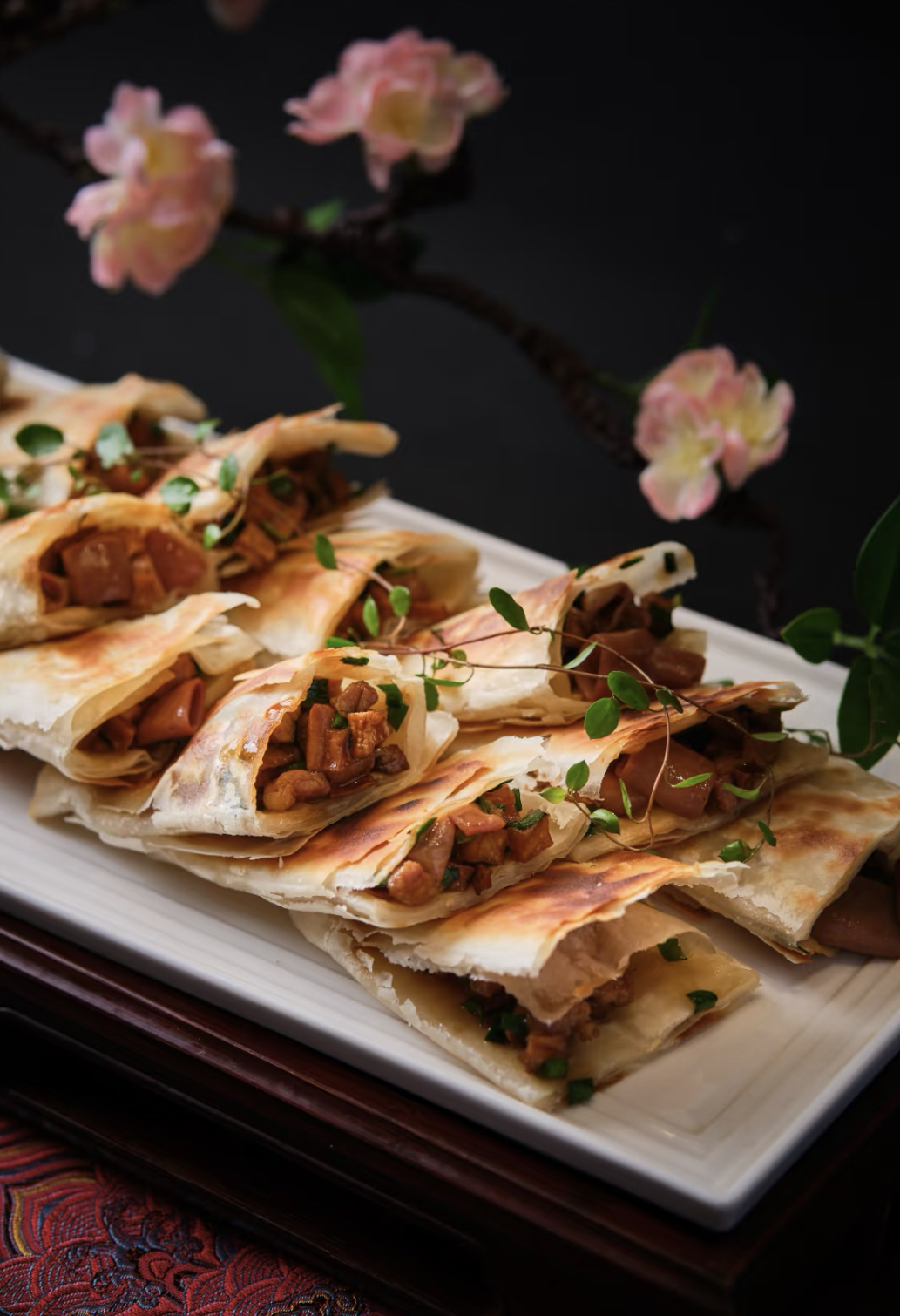
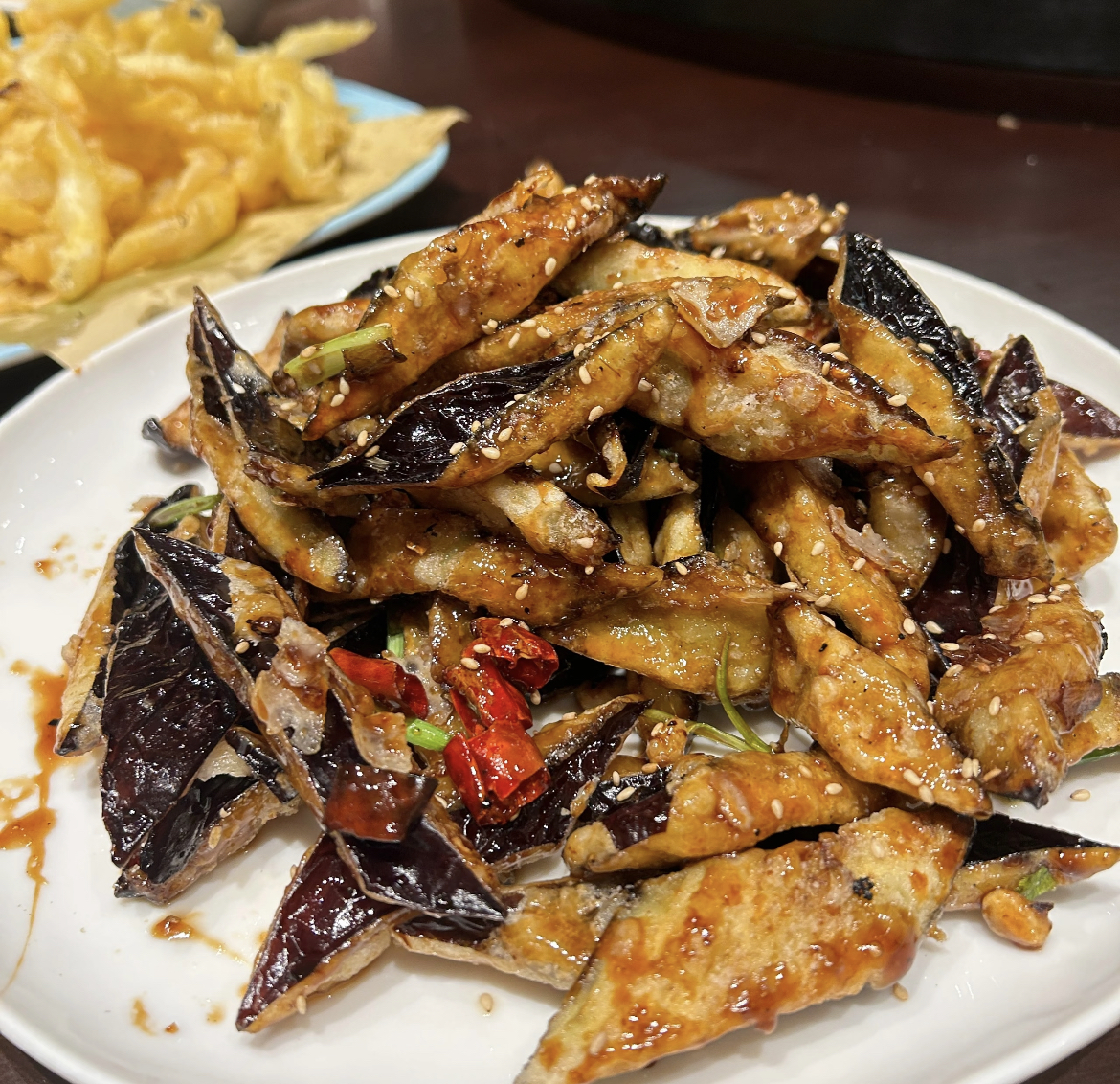
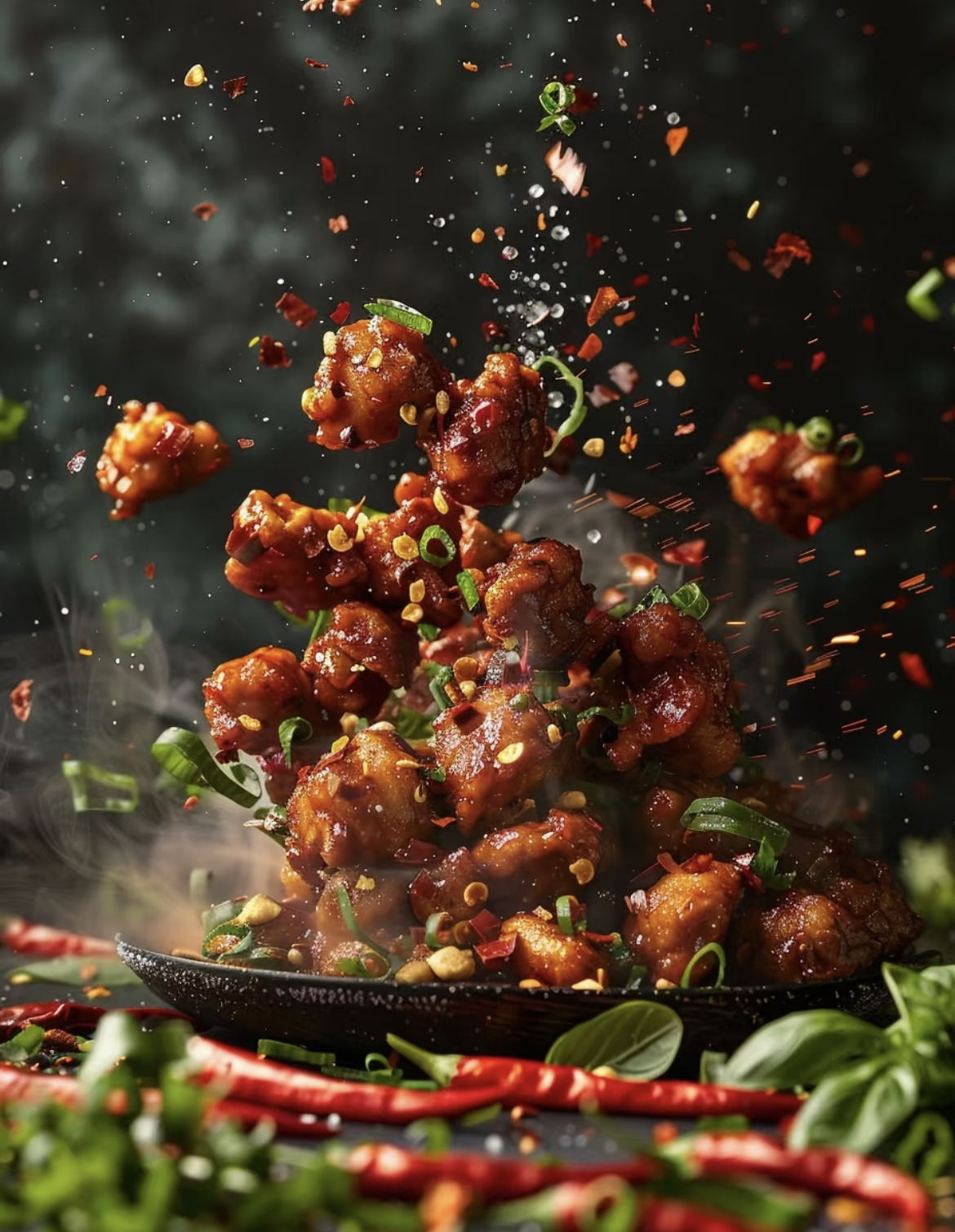
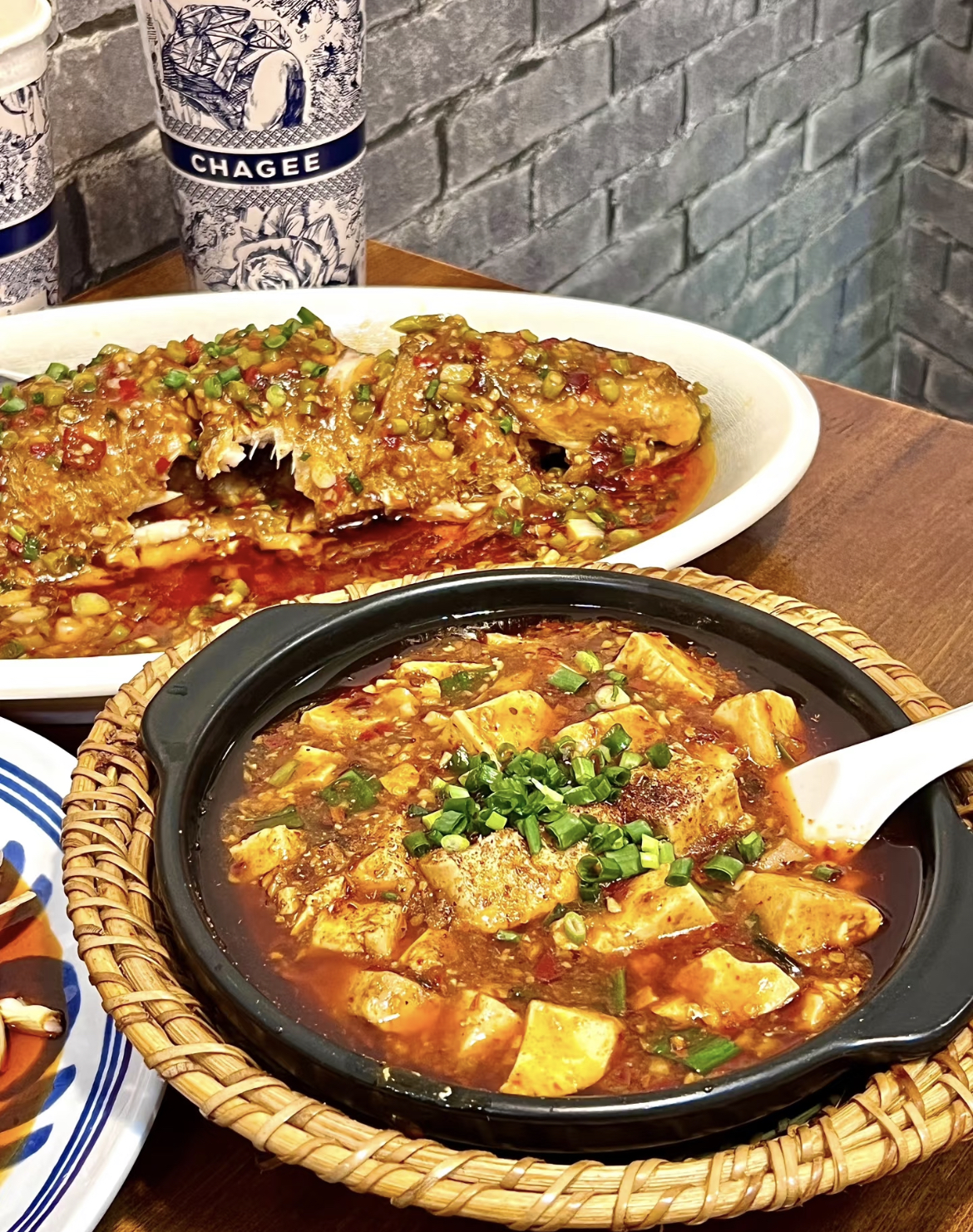
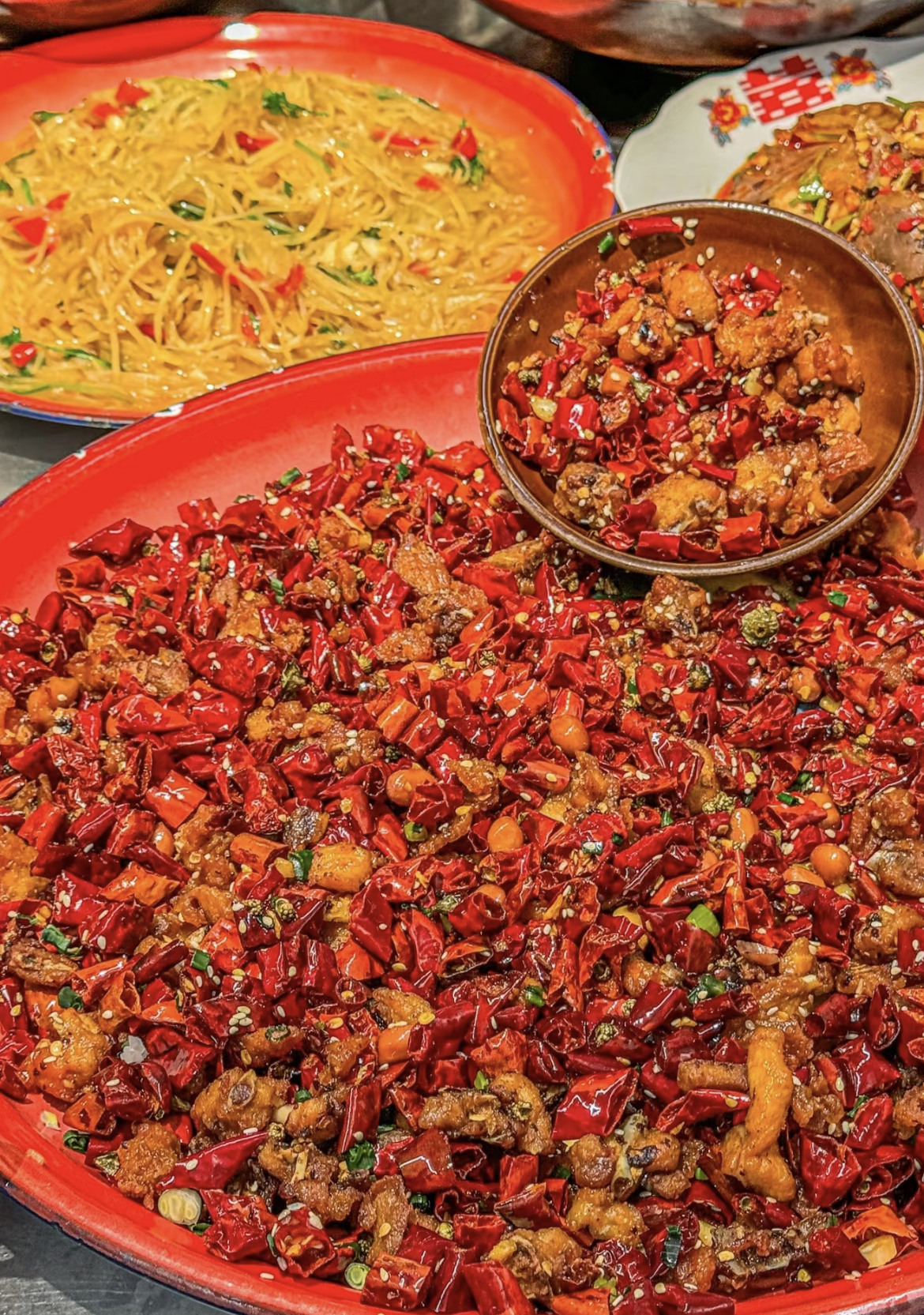
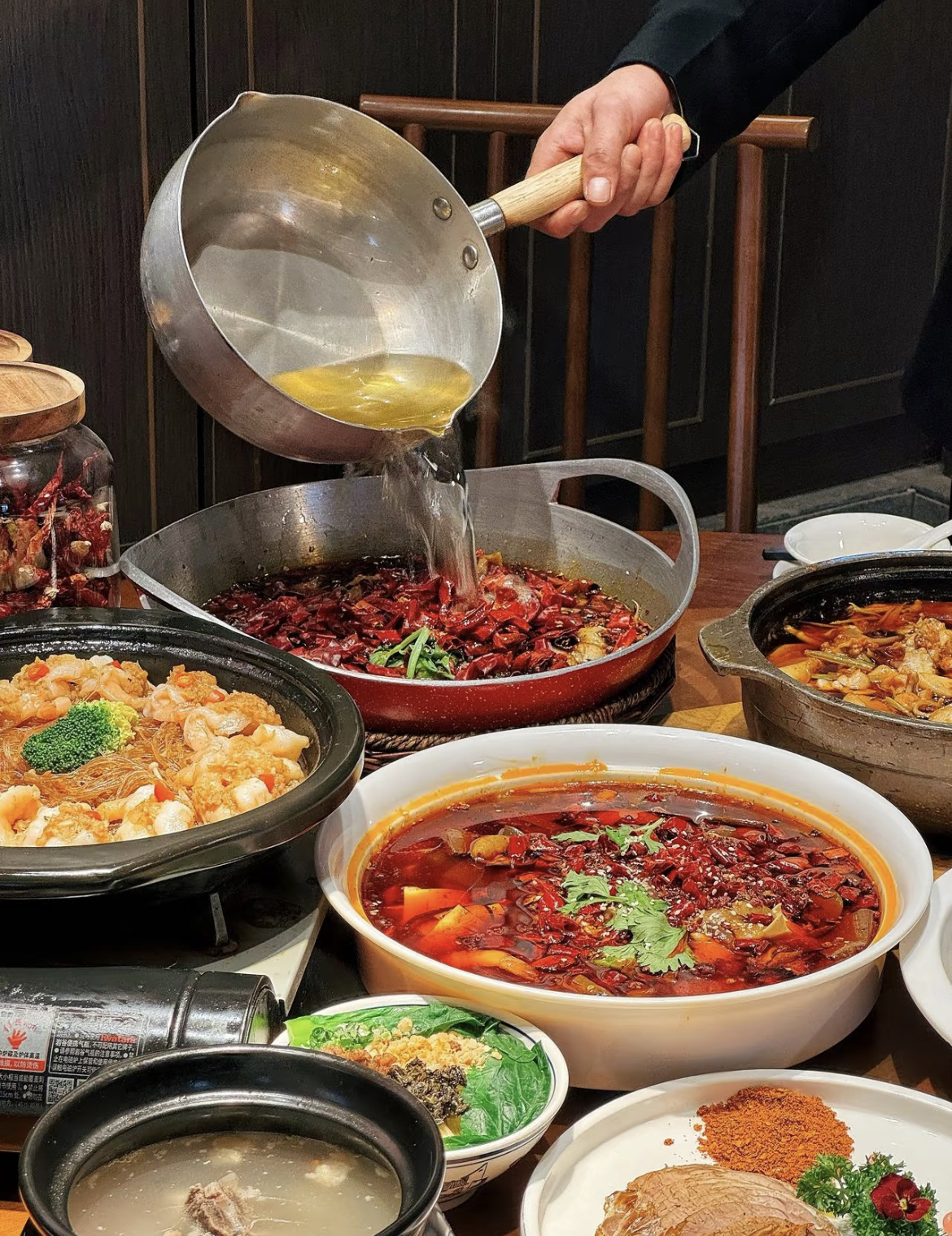
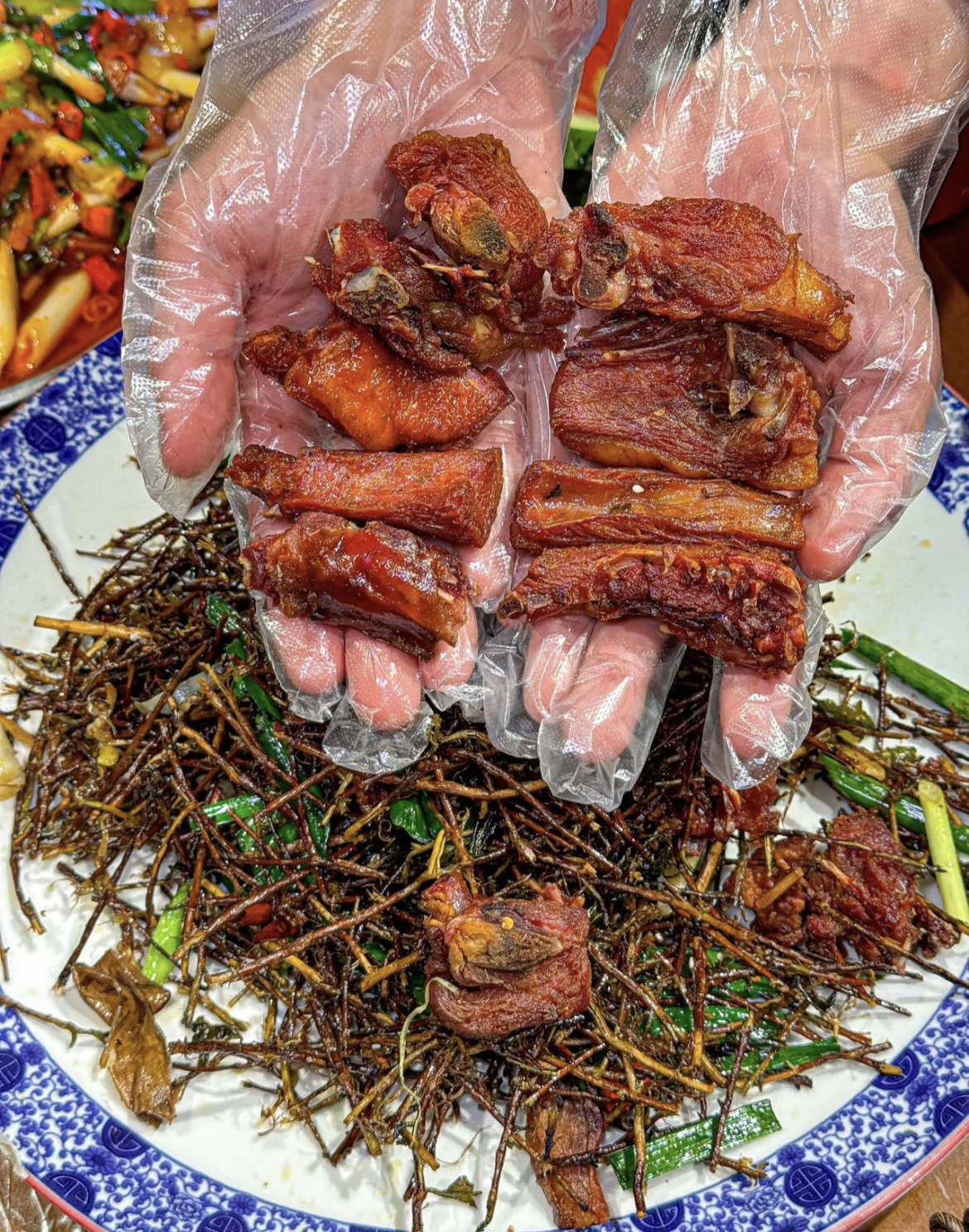
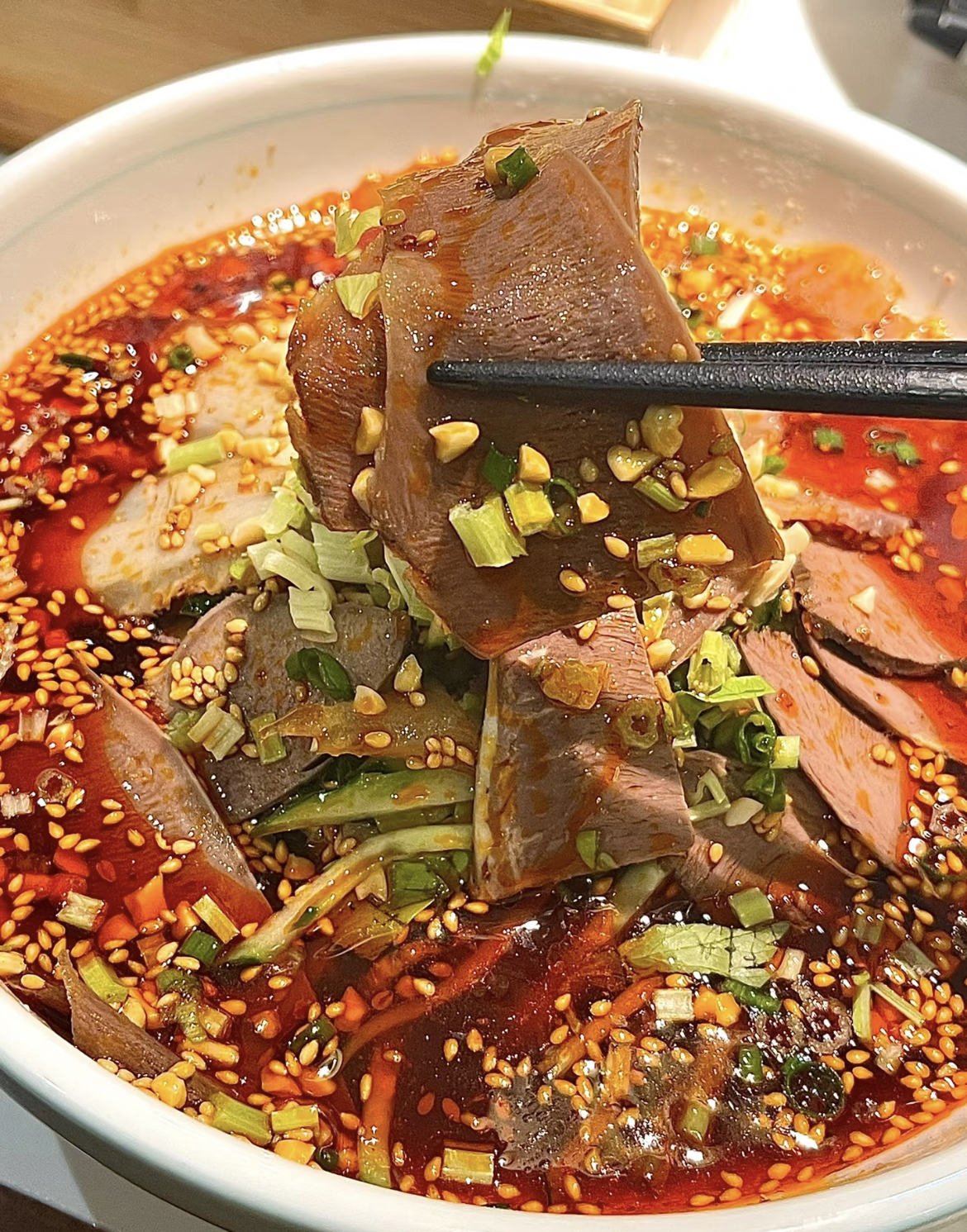
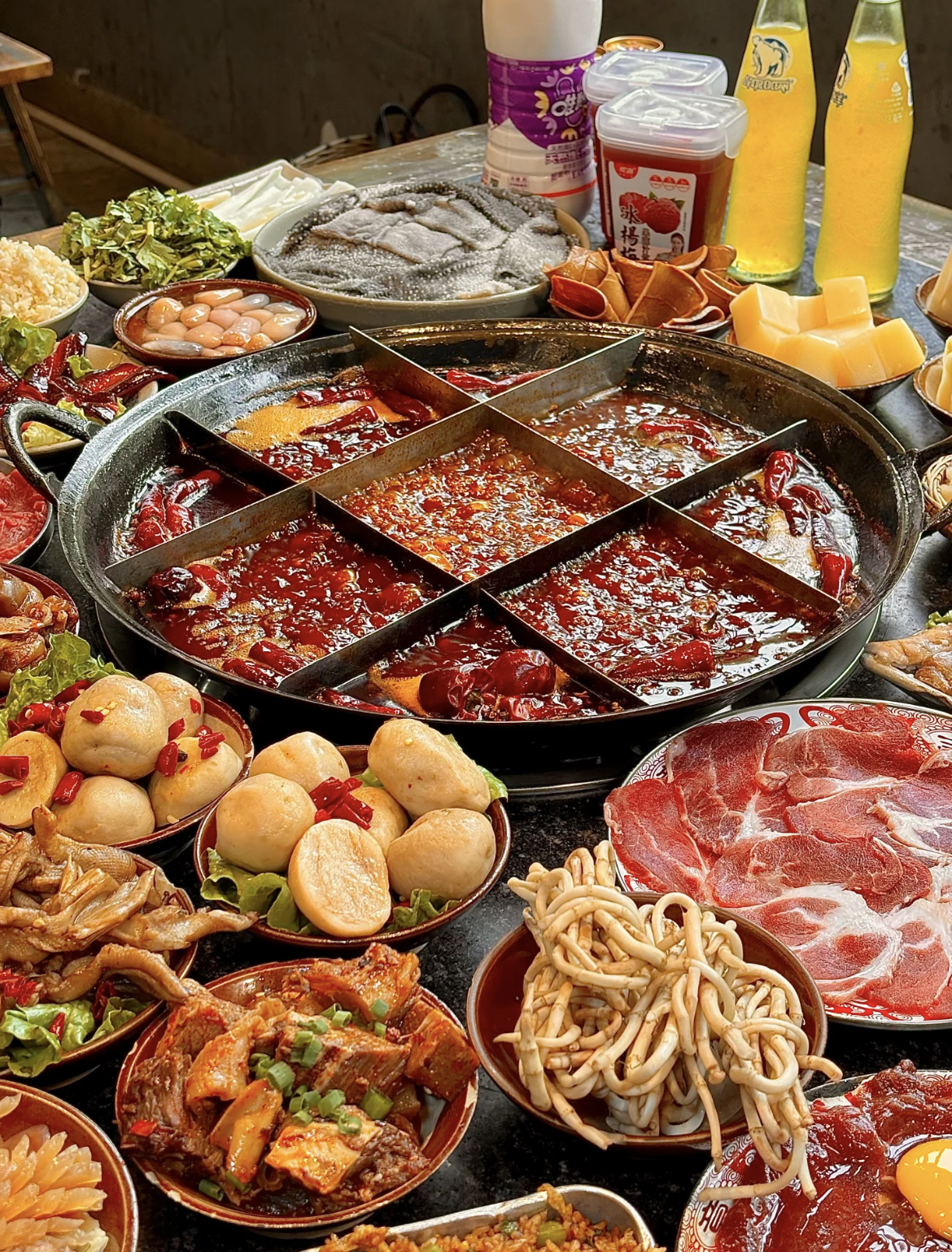
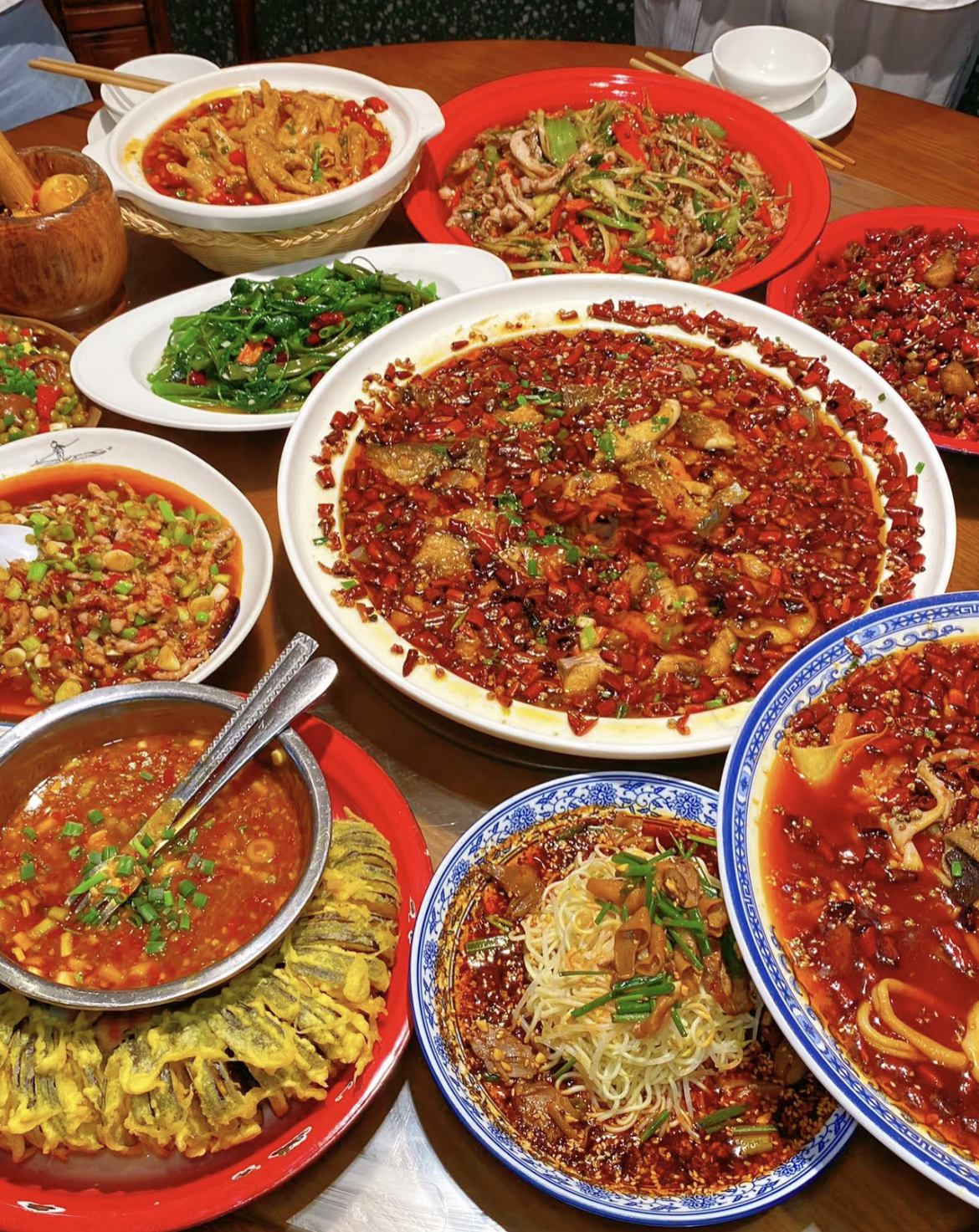
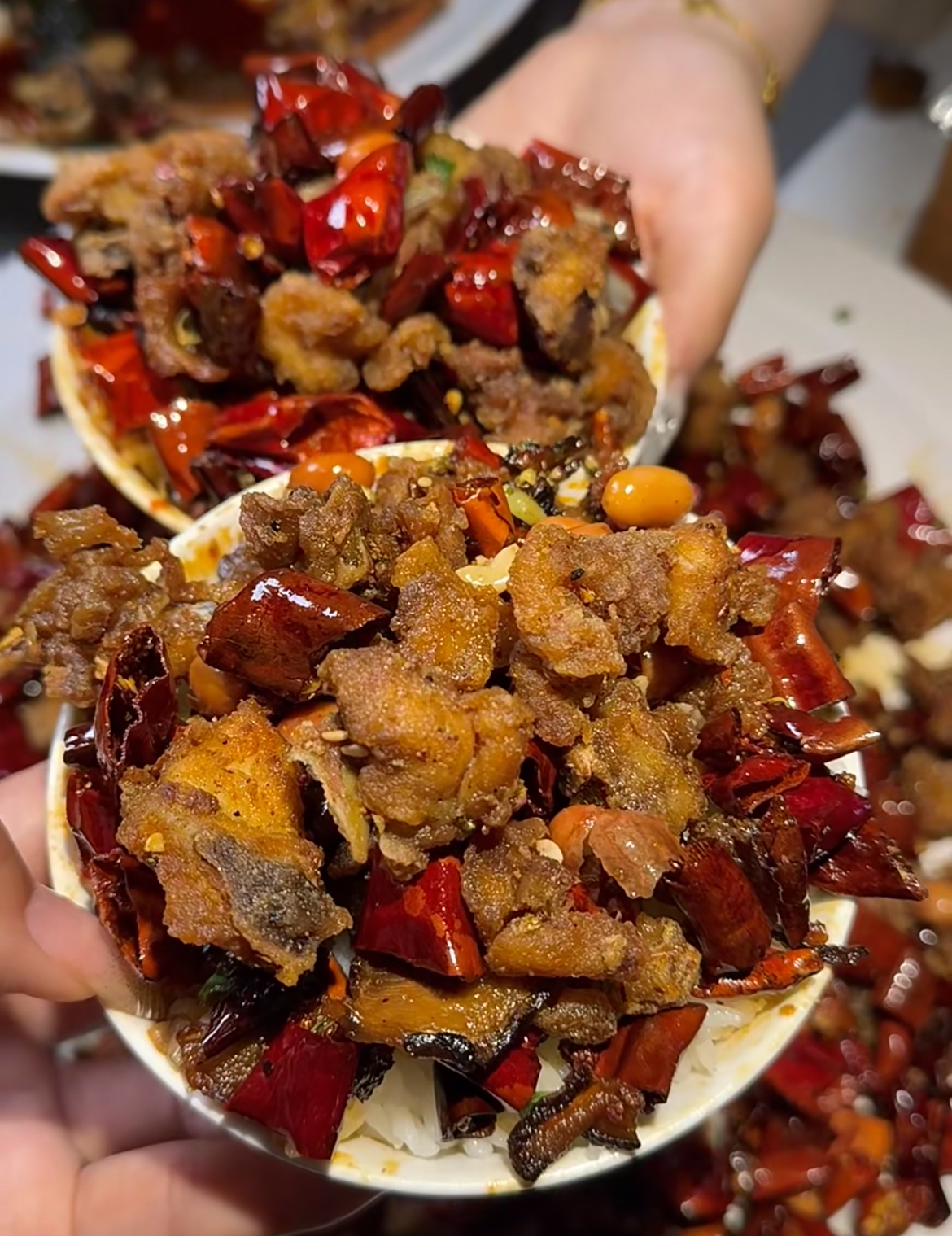
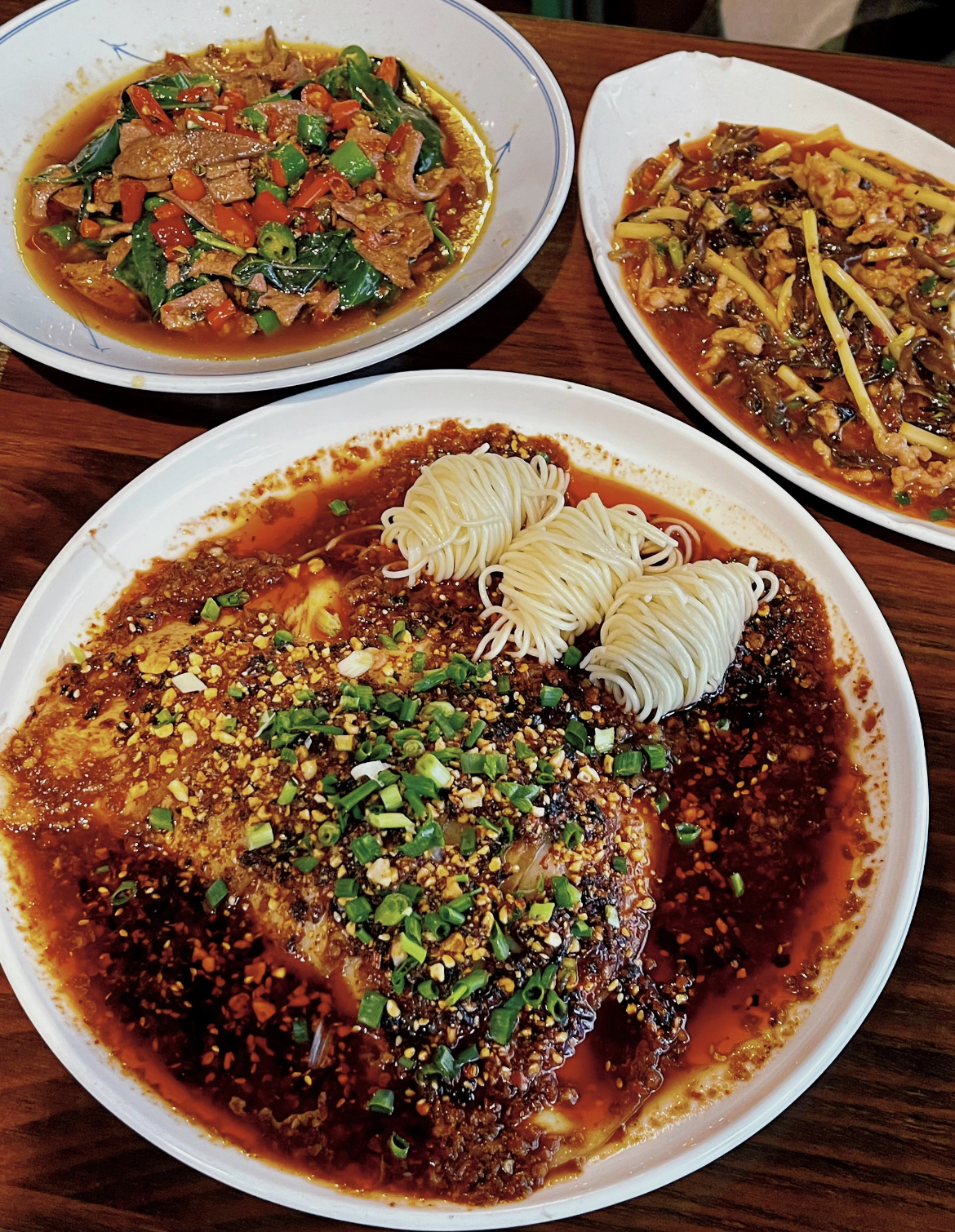
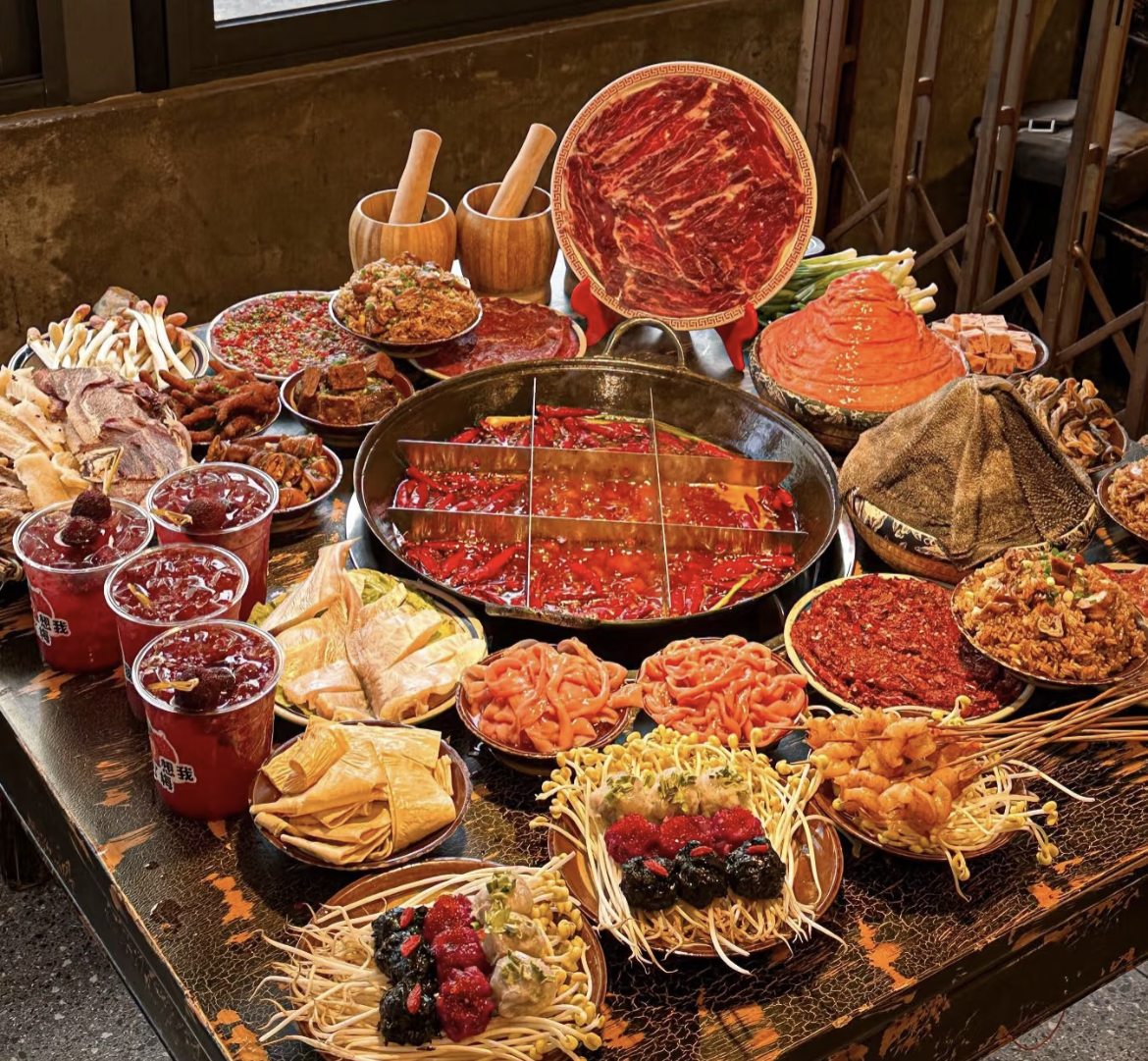
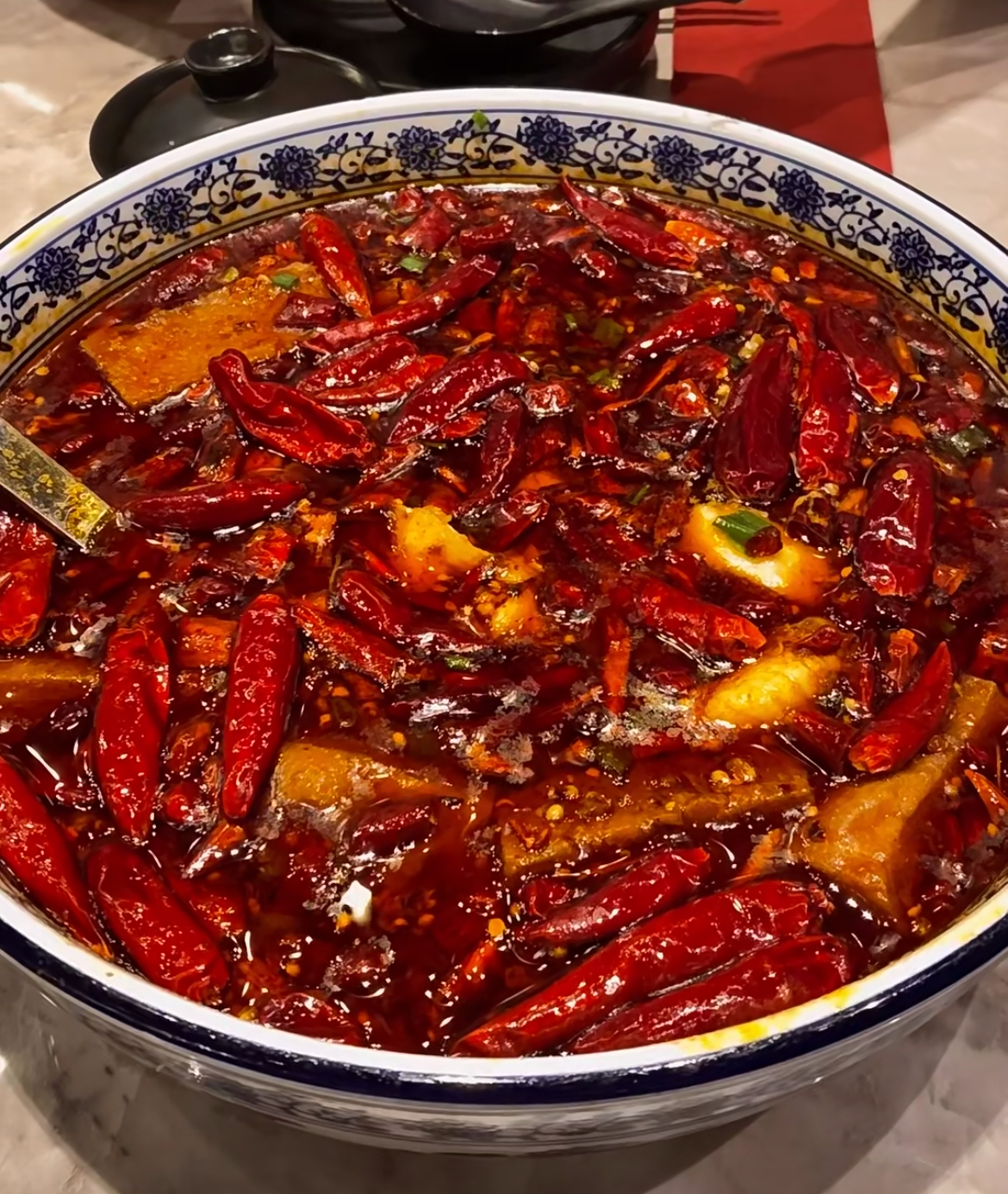
Sichuan Cuisine: It is famous for its skillful use of spicy and numbing seasonings, with a wide variety of flavors. “Each dish has its own style, and a hundred dishes have a hundred flavors” is its distinct feature. Chuan cuisine is famous for its hot and spicy dishes. Hot chili, wild pepper and ginger are the ever-present ingredients. It has a wide range of ingredients and various dish styles, including fish – flavored, home-style, spicy, red-oil and other flavor types. Representative dishes include Mapo Tofu, Fish-flavored Shredded Pork, Kung Pao Chicken, etc.
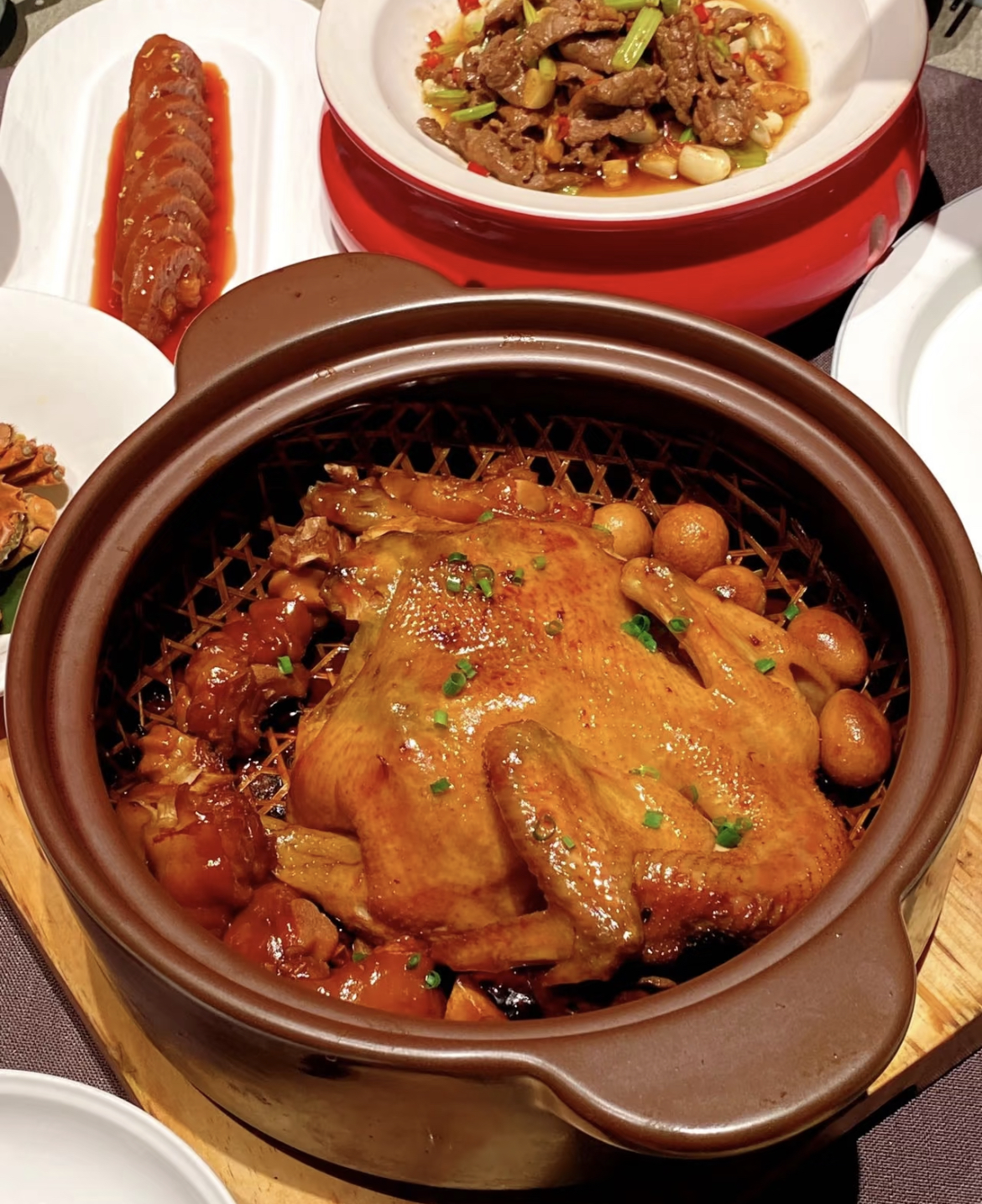
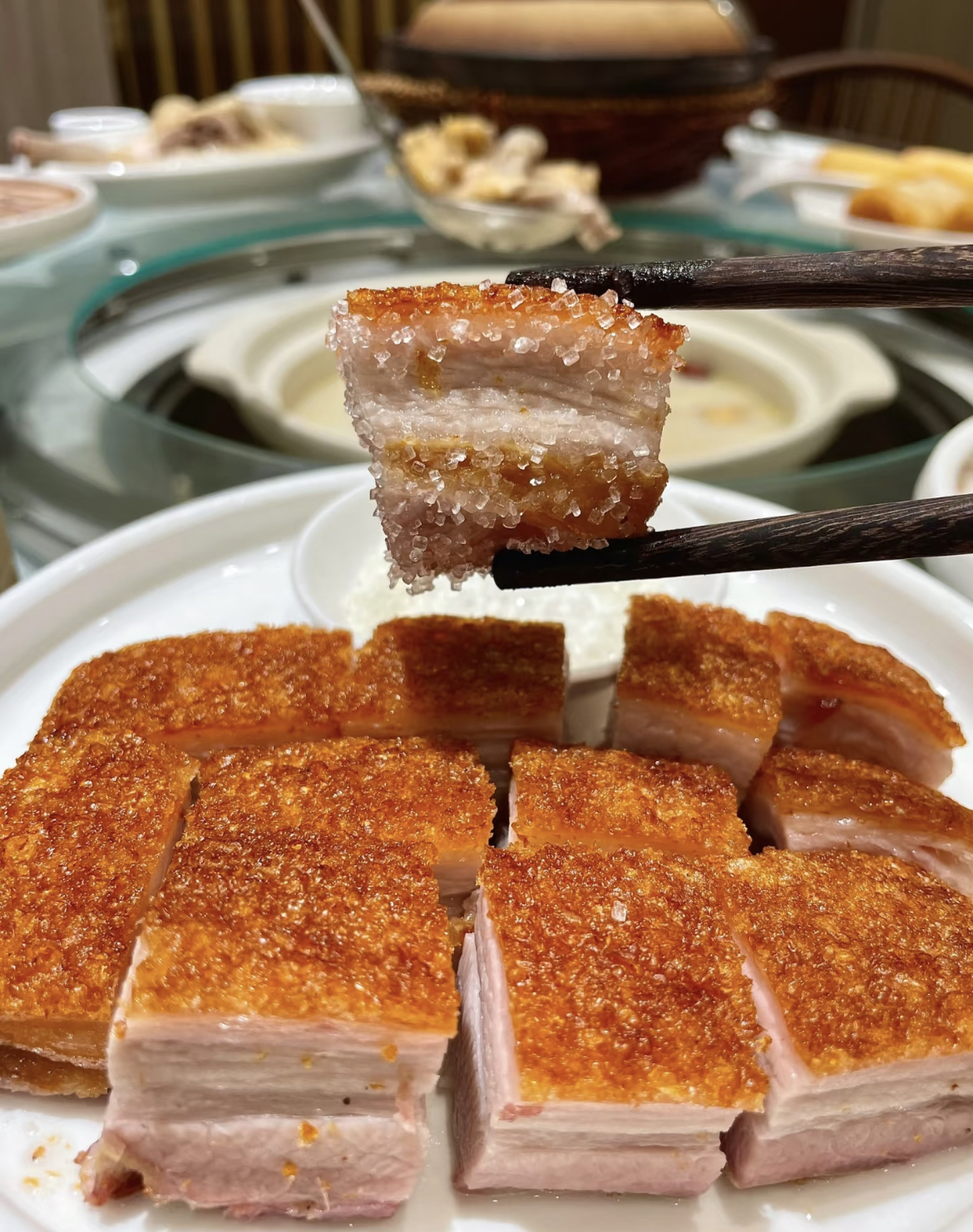
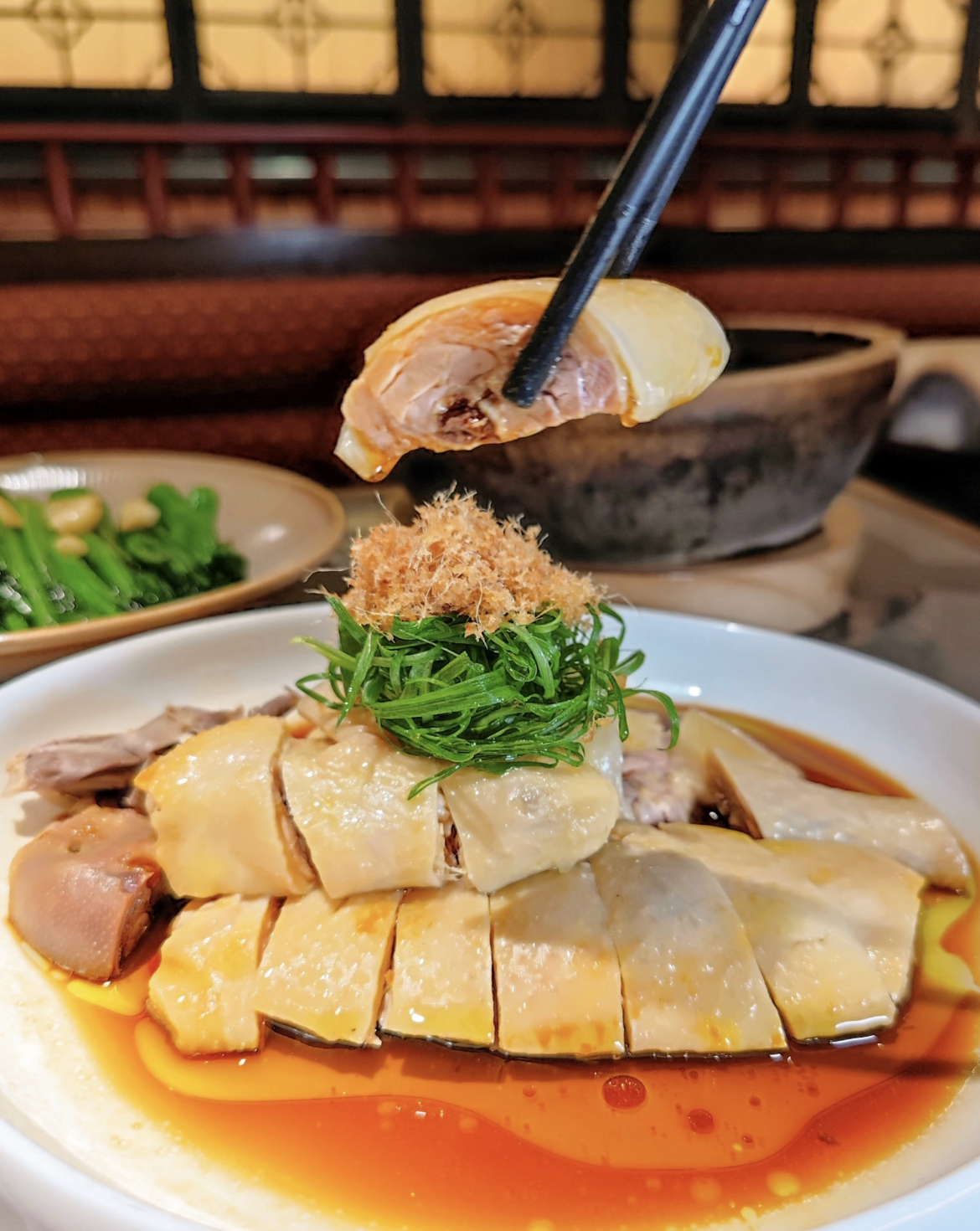
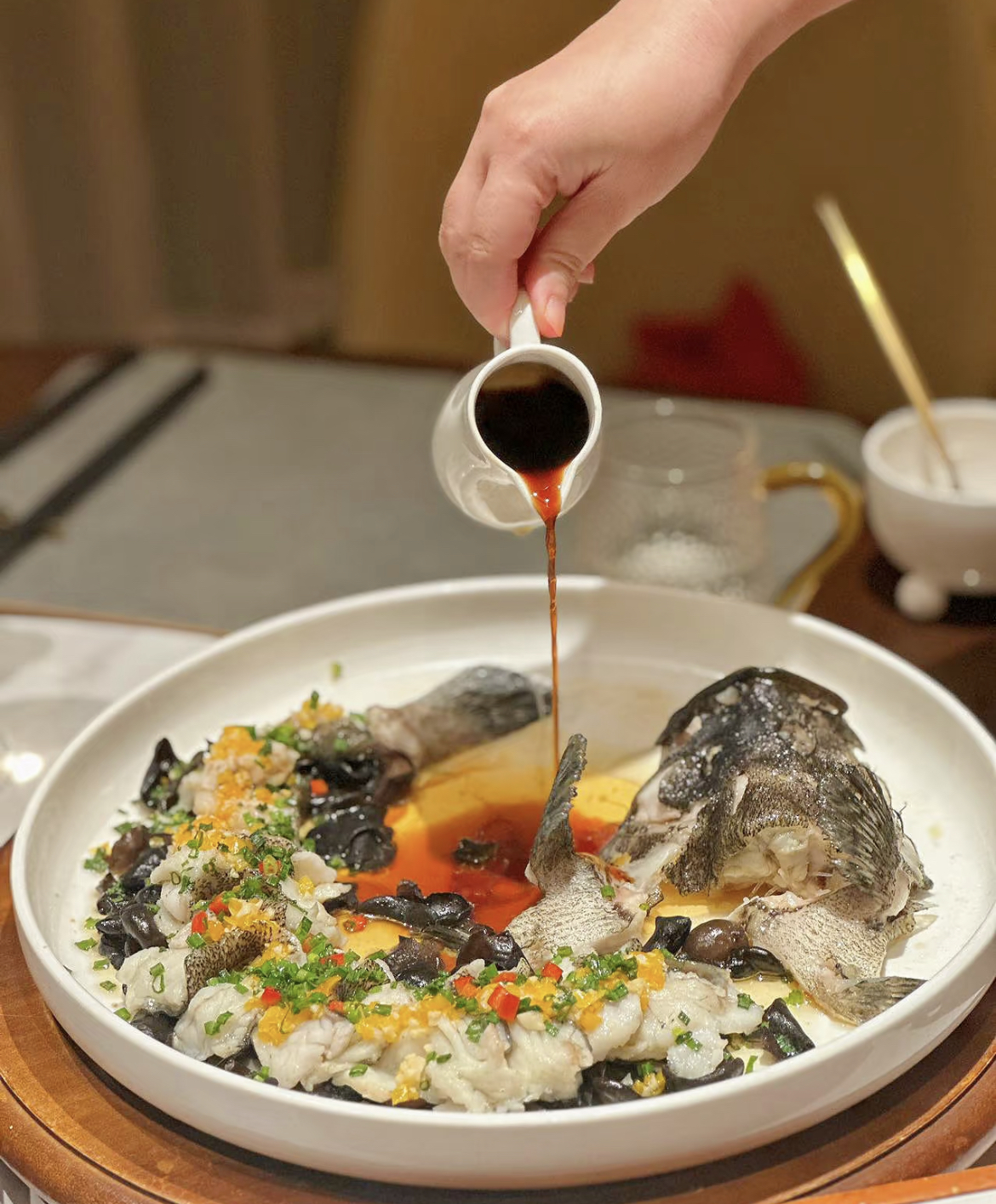
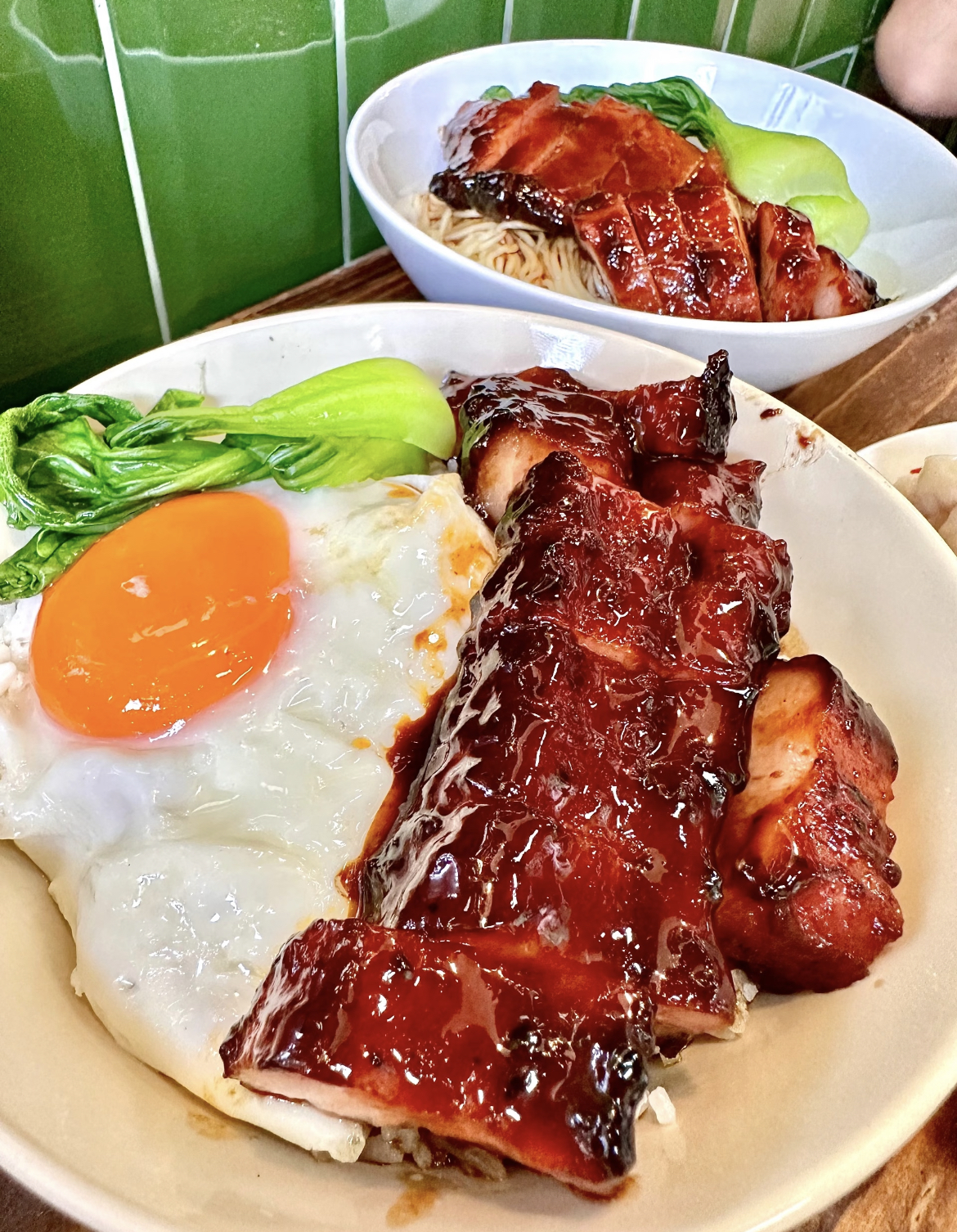
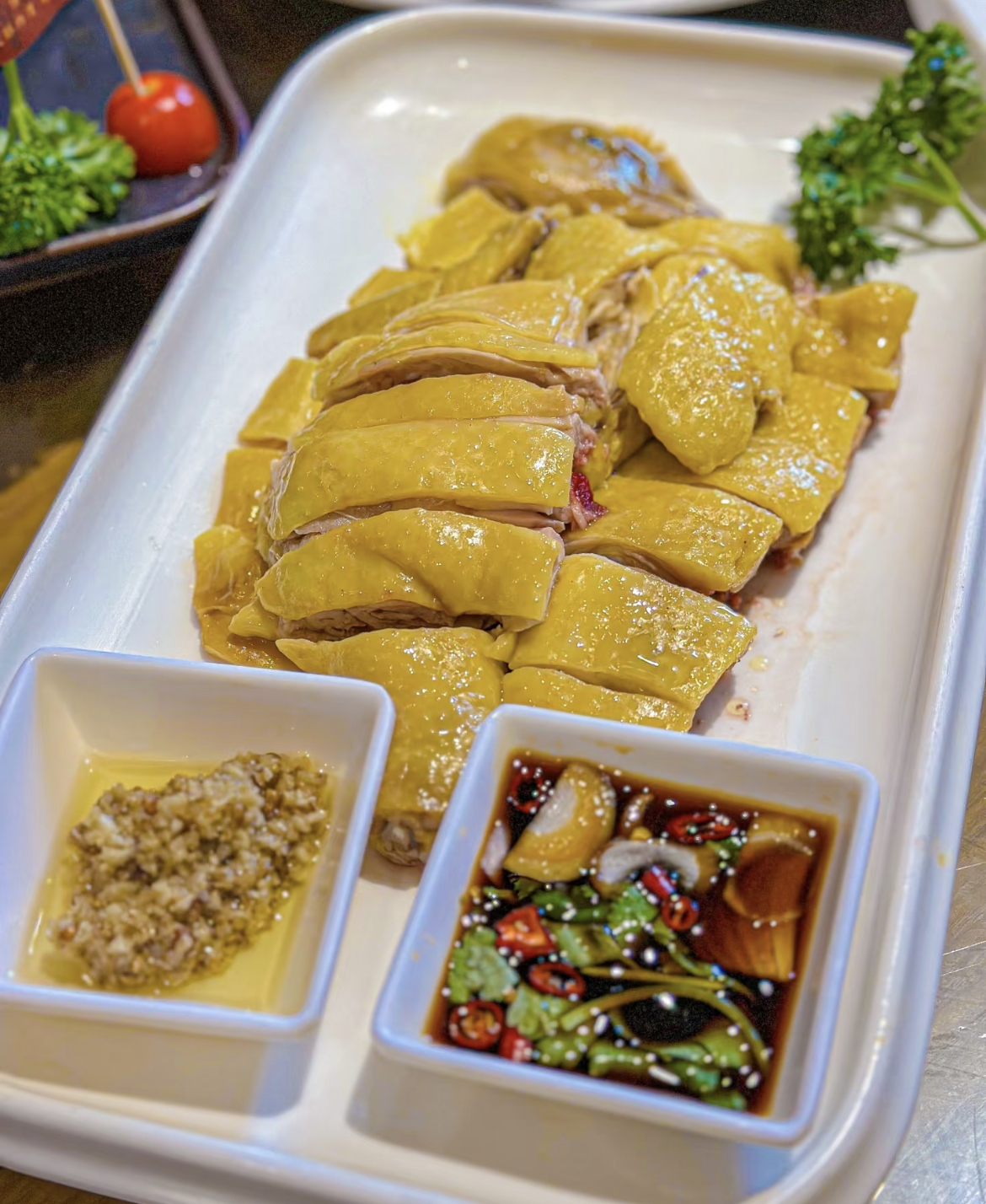
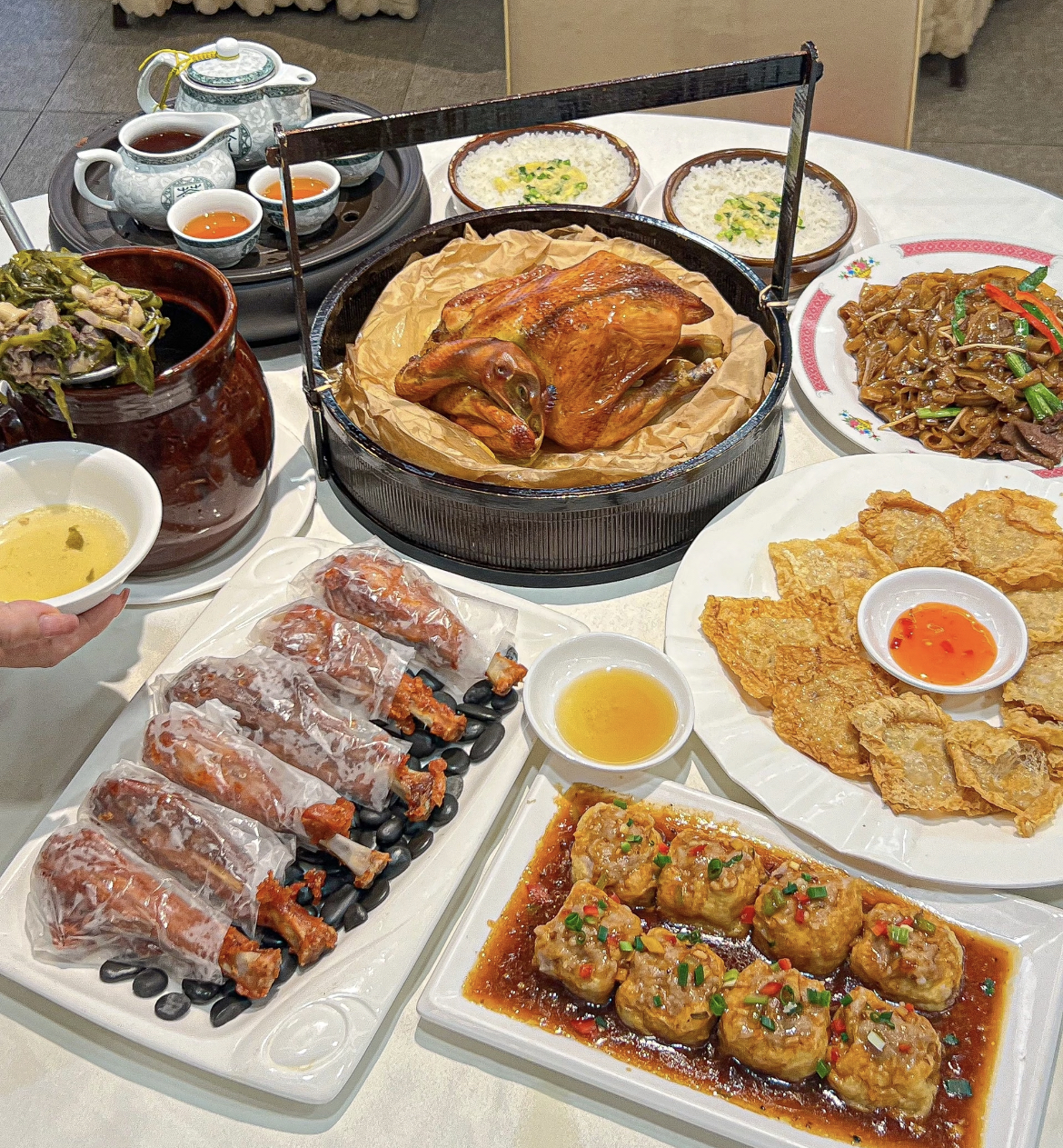
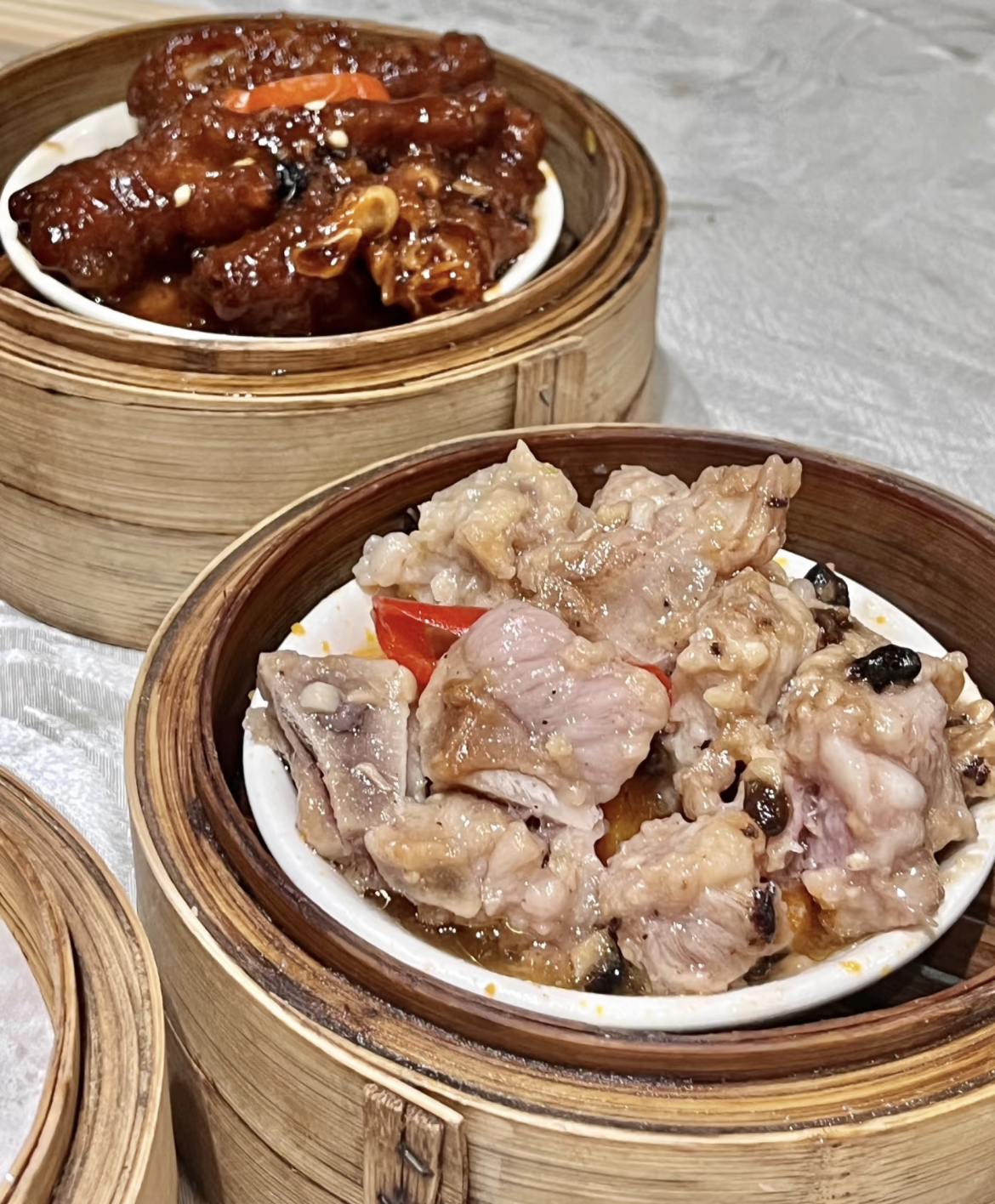
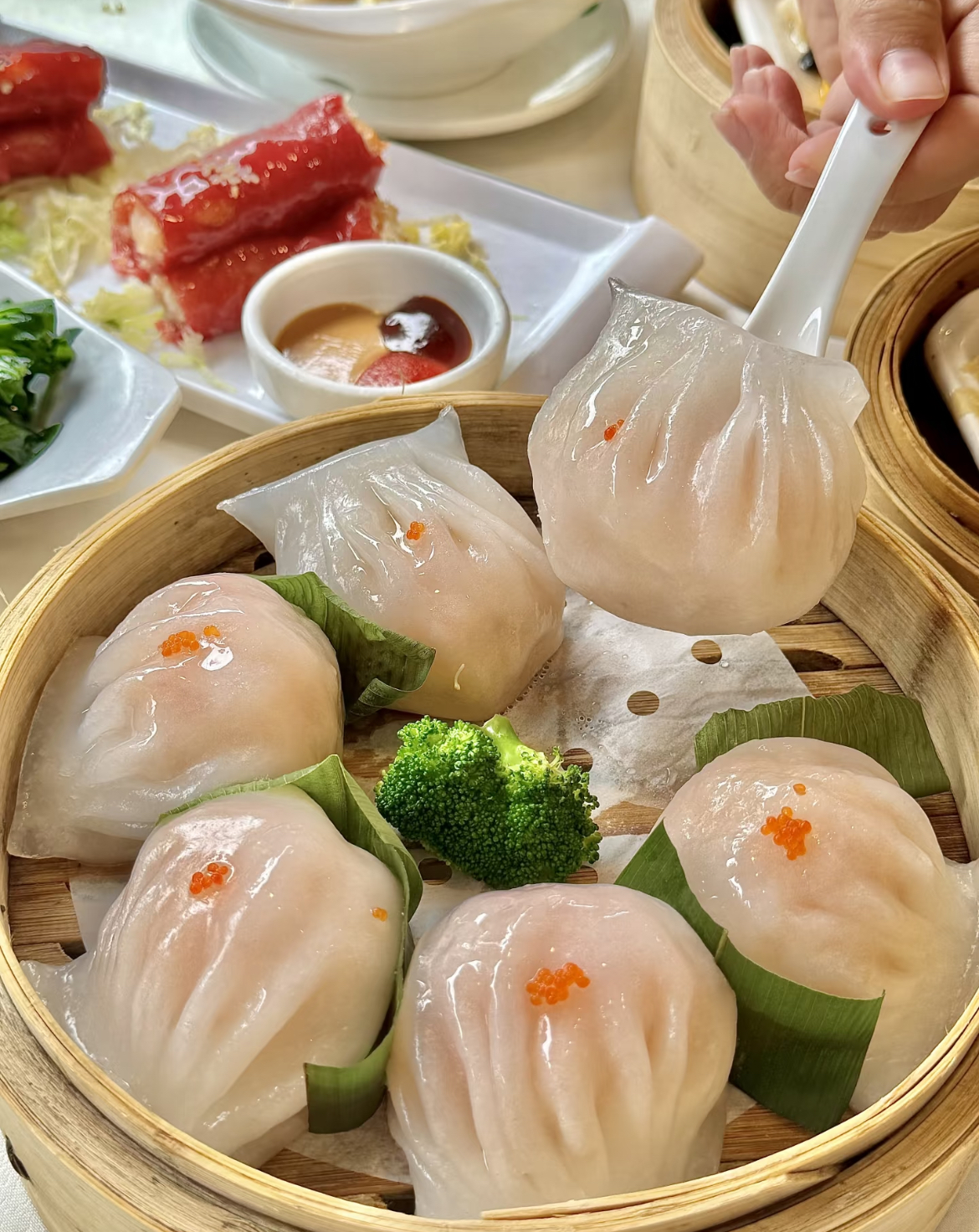
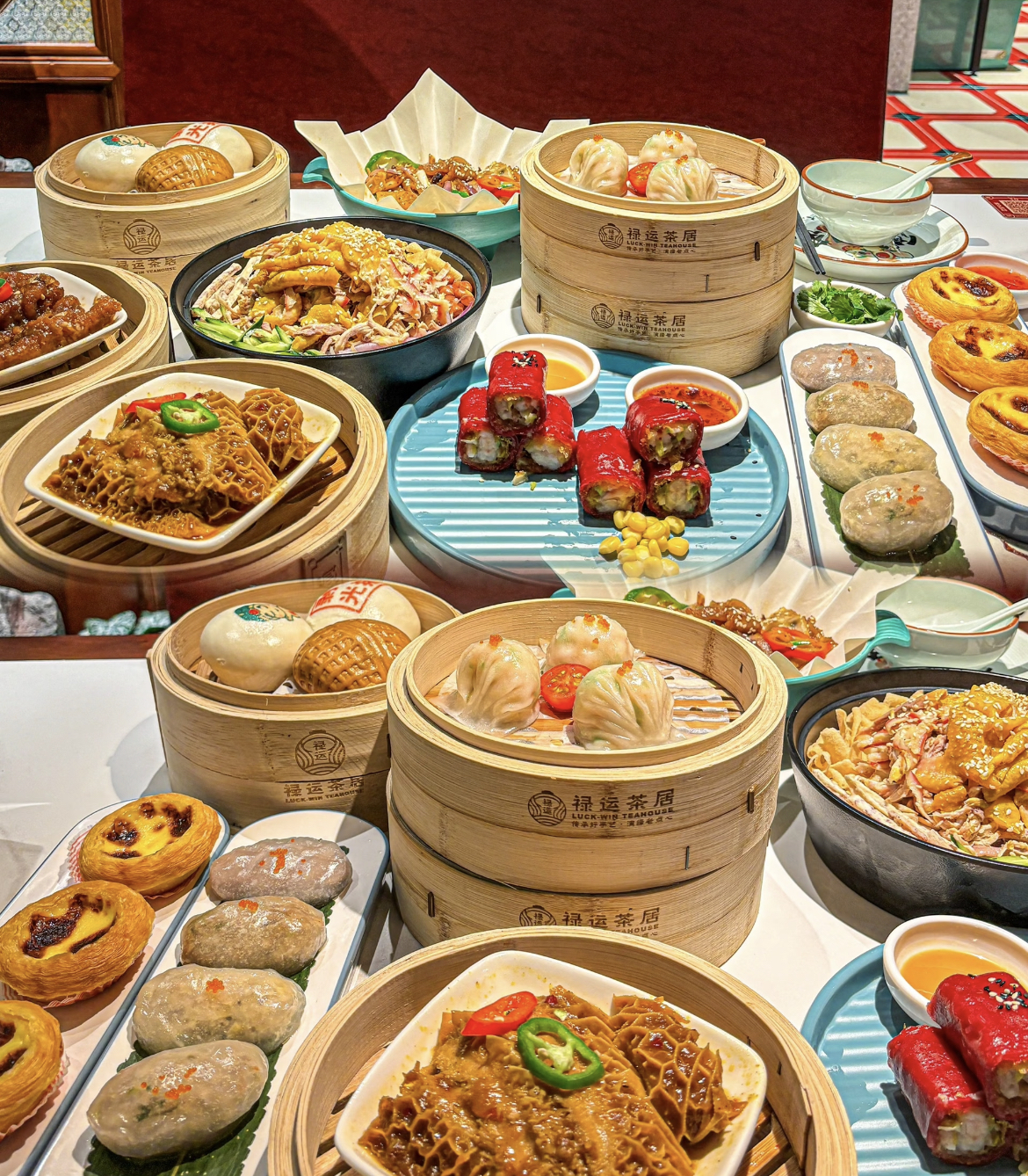
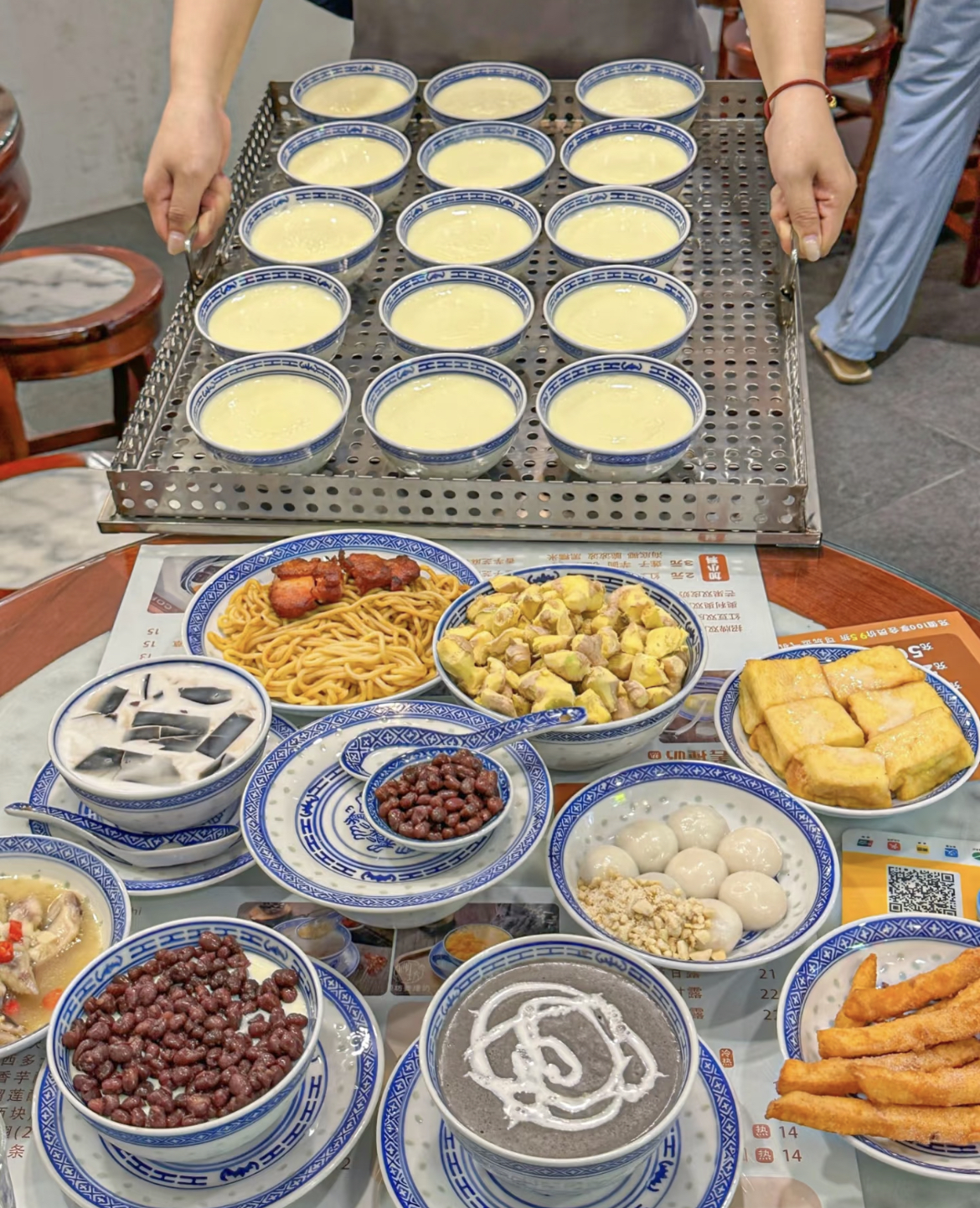
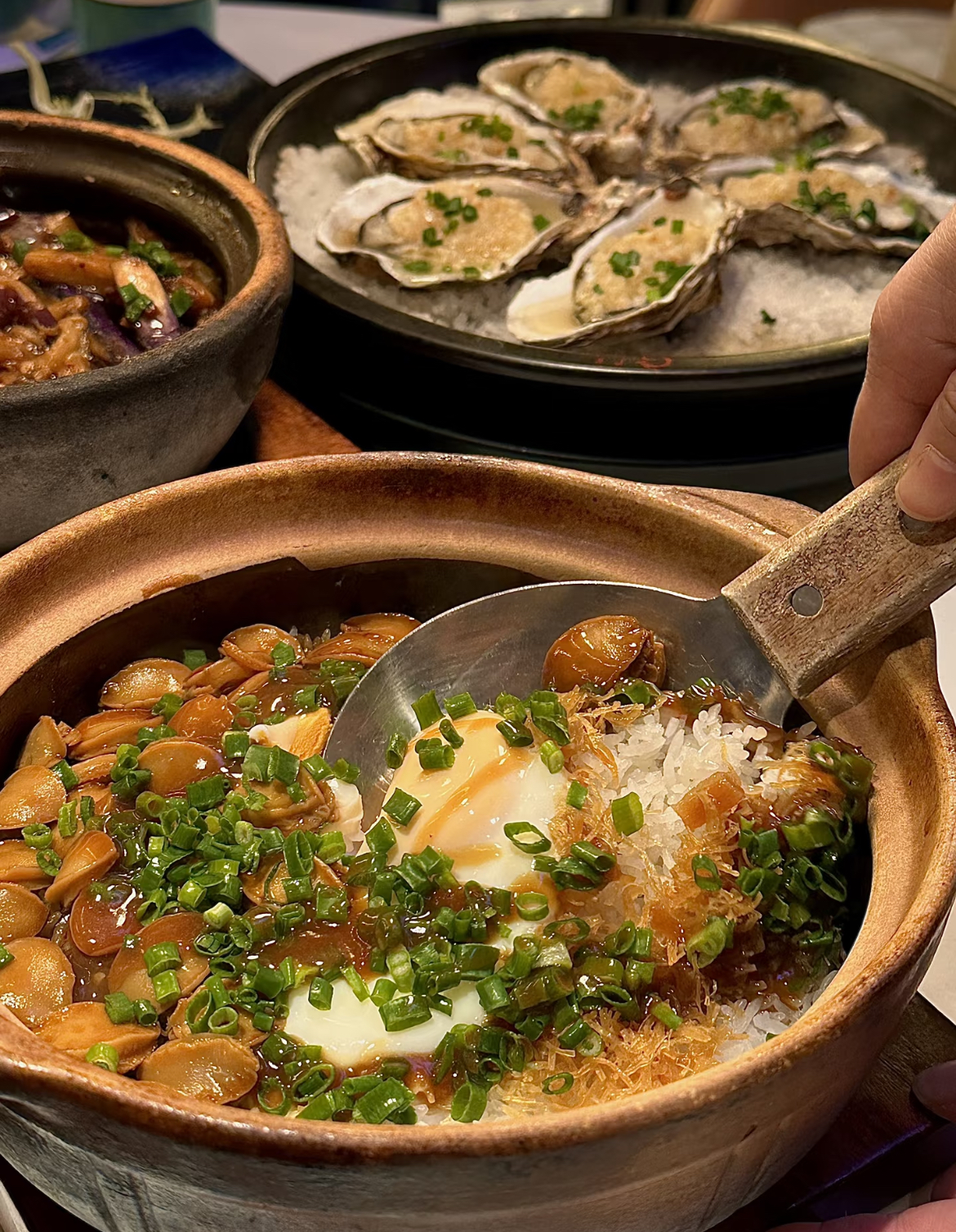
Cantonese Cuisine: It has a wide and exotic selection of ingredients, and is good at using seafood. The taste is light, focusing on freshness, tenderness, briskness, smoothness and fragrance. The cooking methods are rich and diverse, including frying, stir-frying, boiling, deep-frying, stewing, braising, steaming, etc. Yue cuisine has the largest diversity of ingredients. Besides, it combines western cooking methods with local traditional ways, making Yue Cuisine the most creative one cuisine in China. Classic Cantonese dishes include Boiled Chicken, Honey-Glazed Barbecued Pork, Steamed Spare Ribs with Black Bean Sauce, etc.
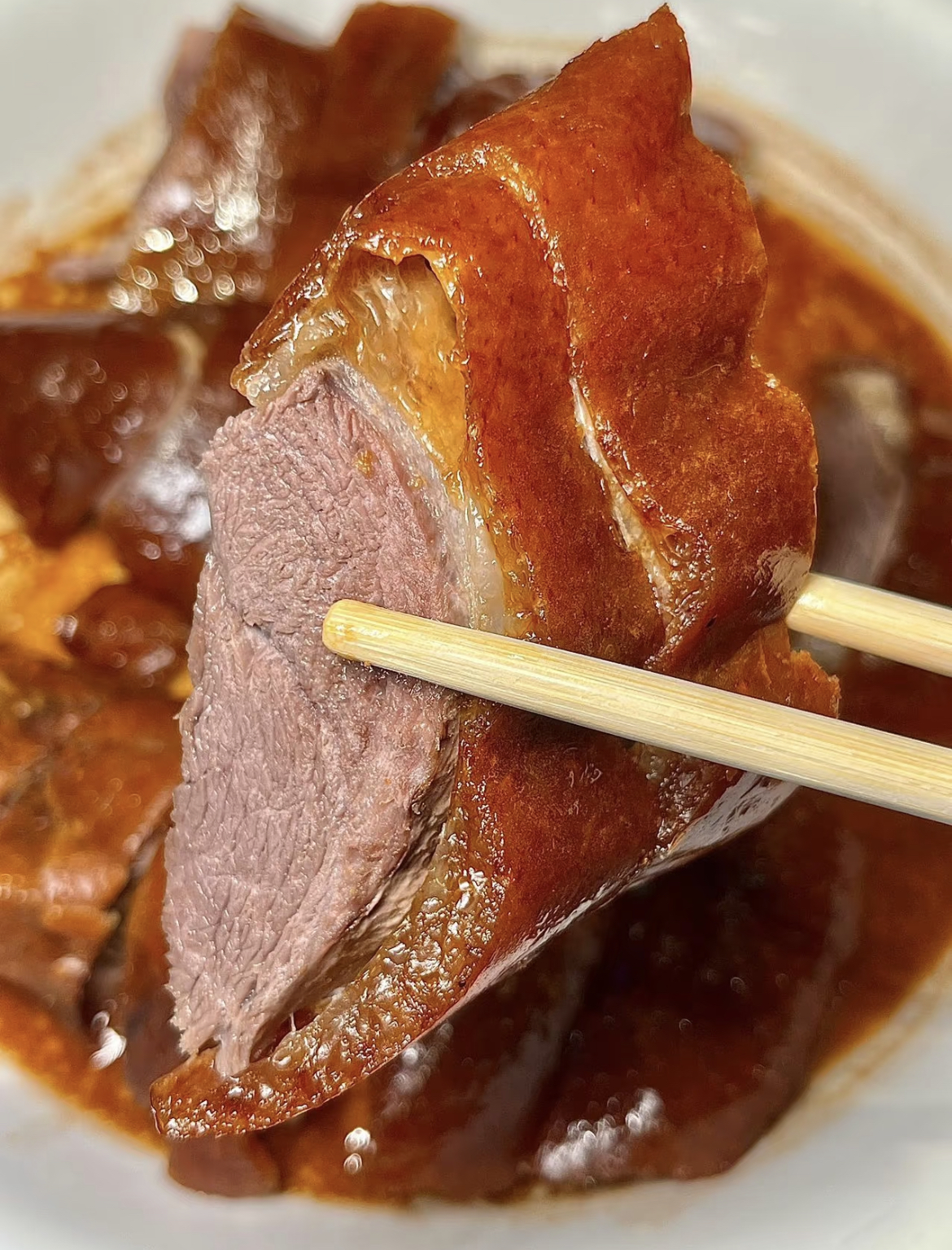
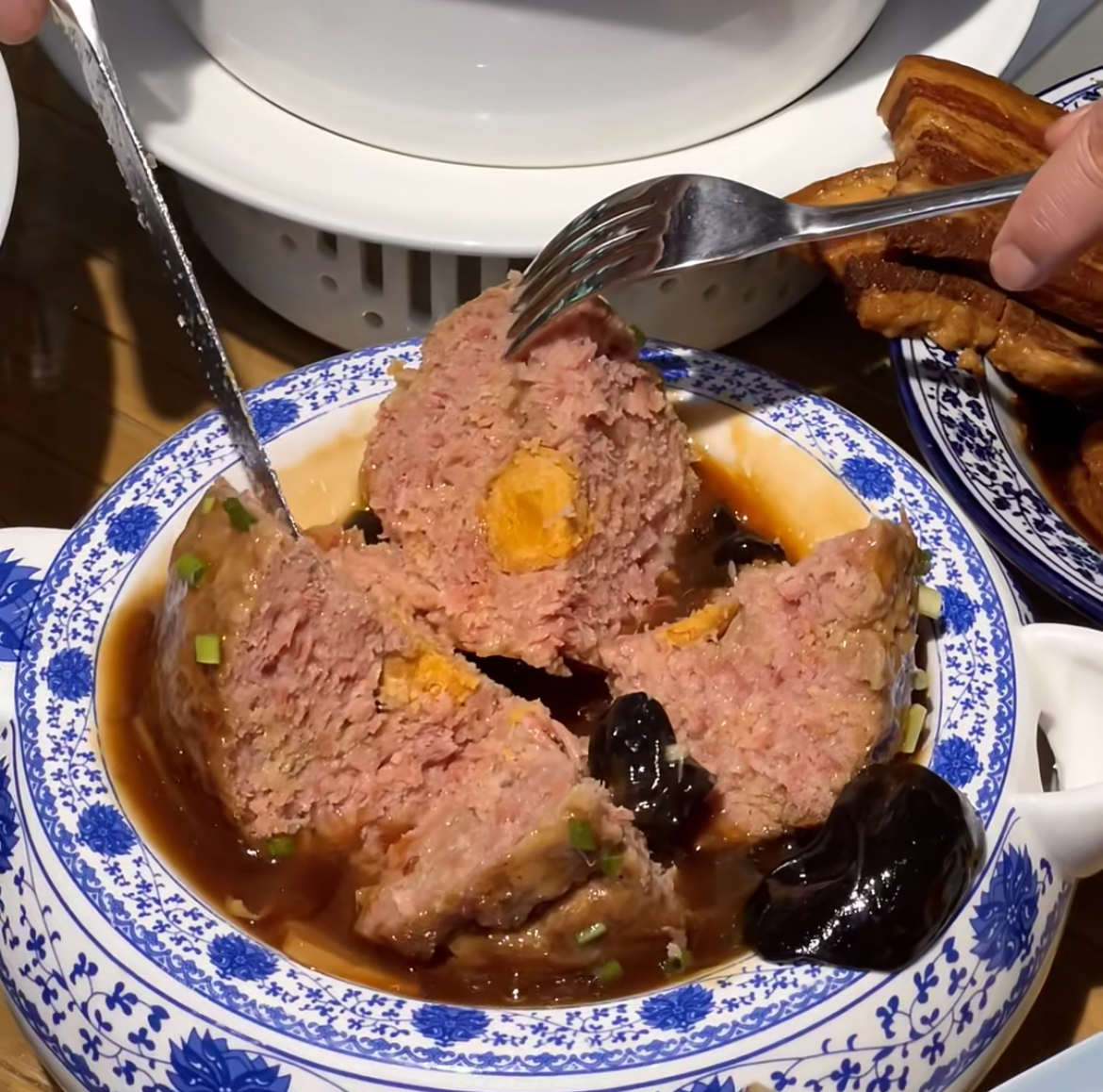
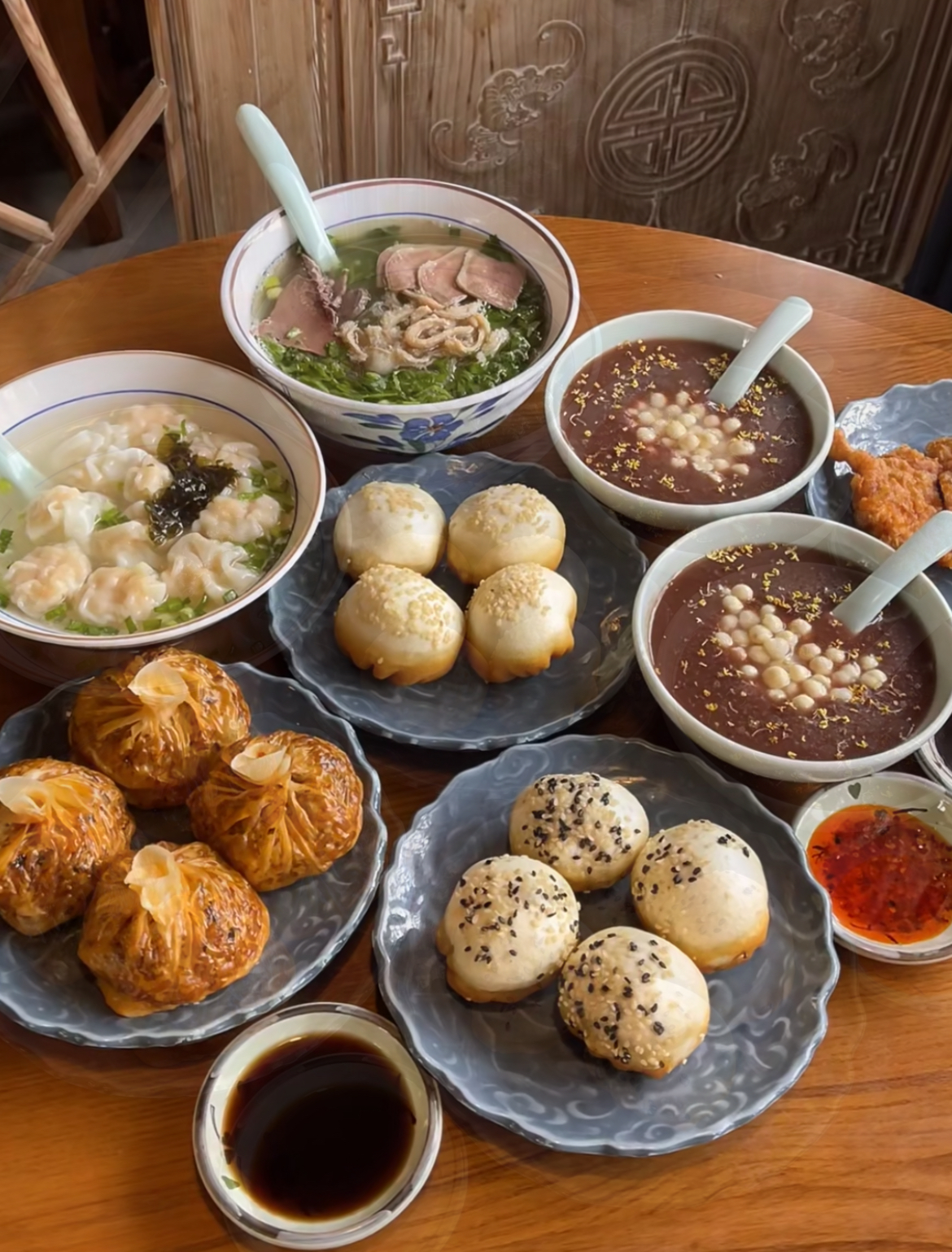
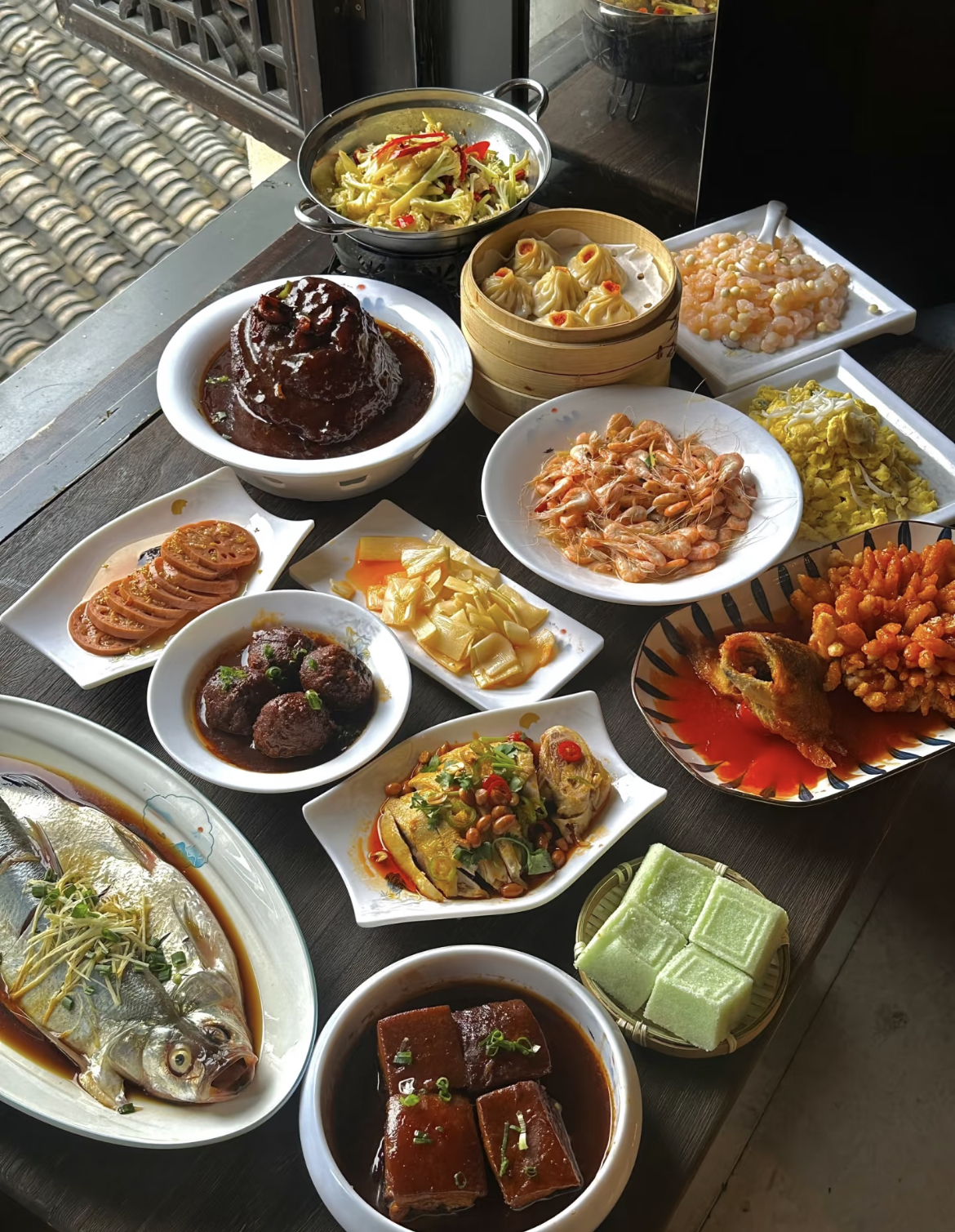
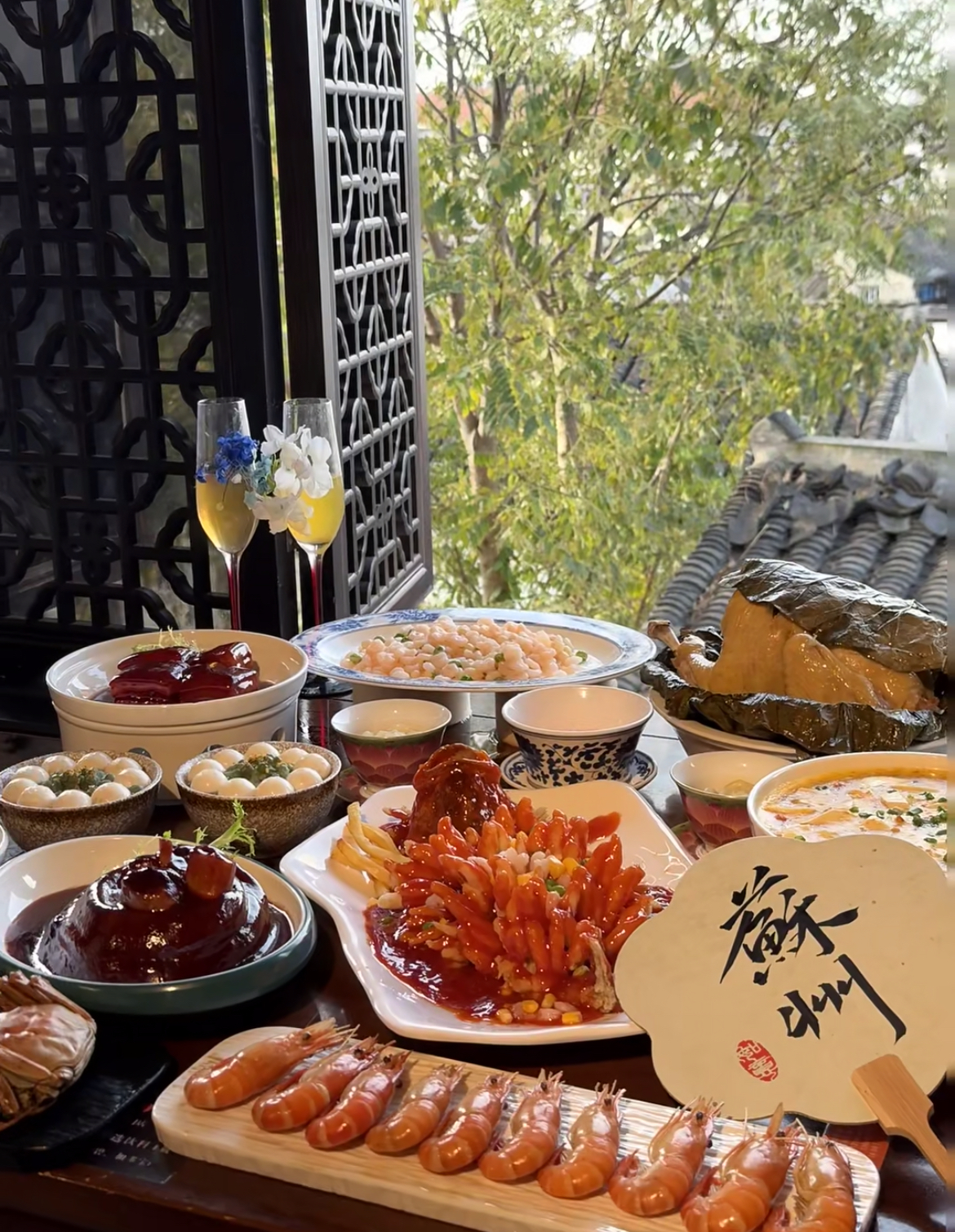
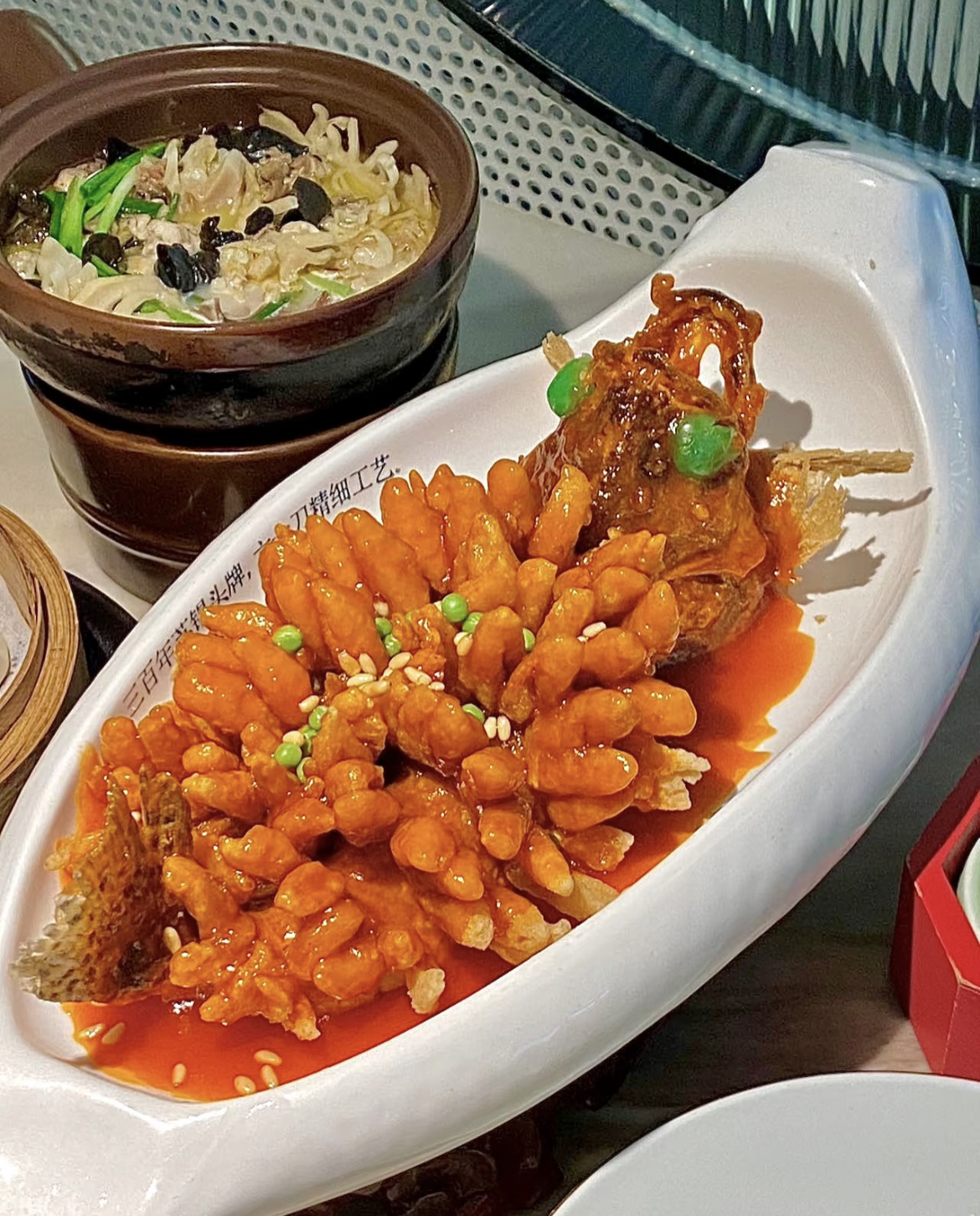
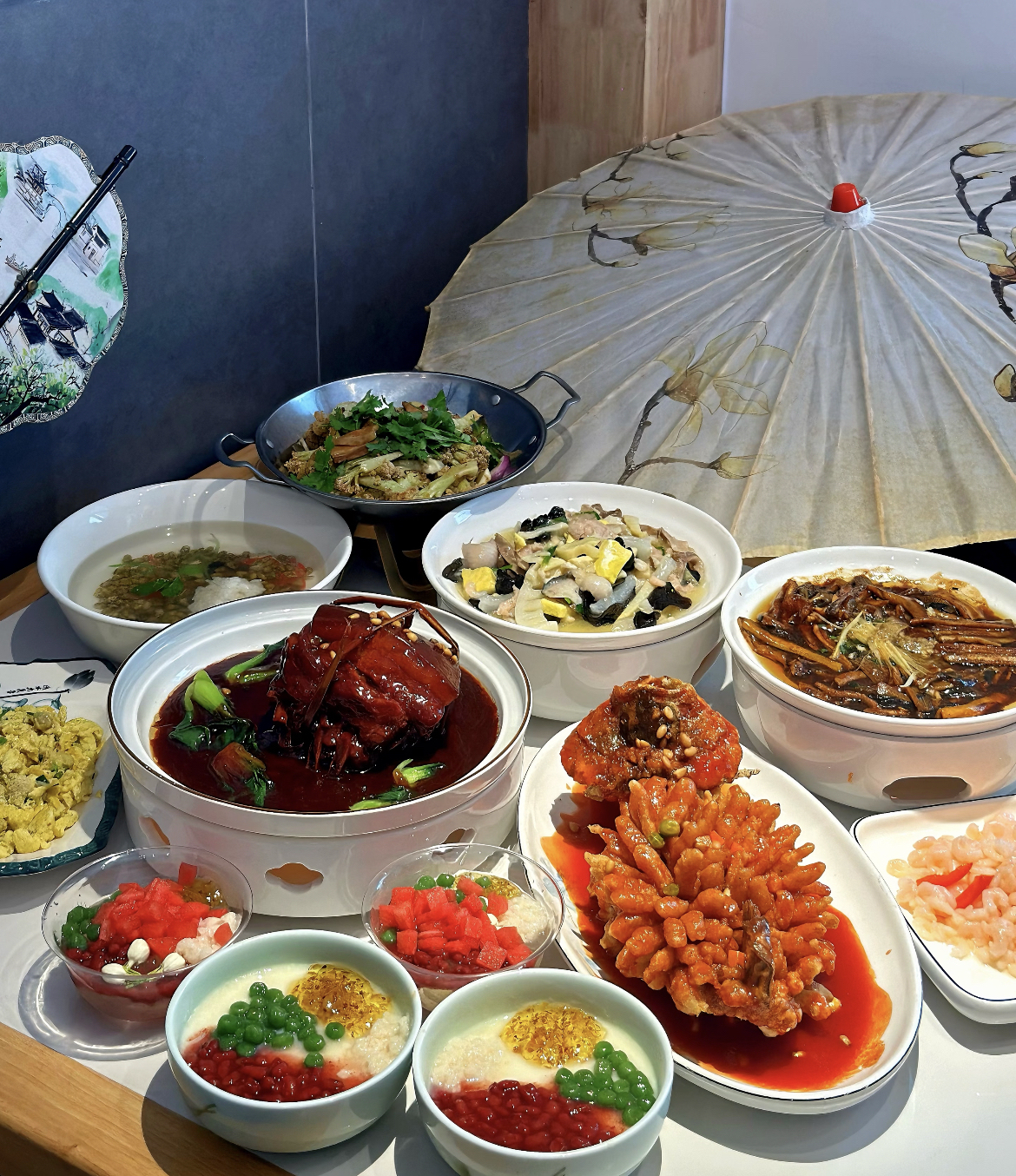
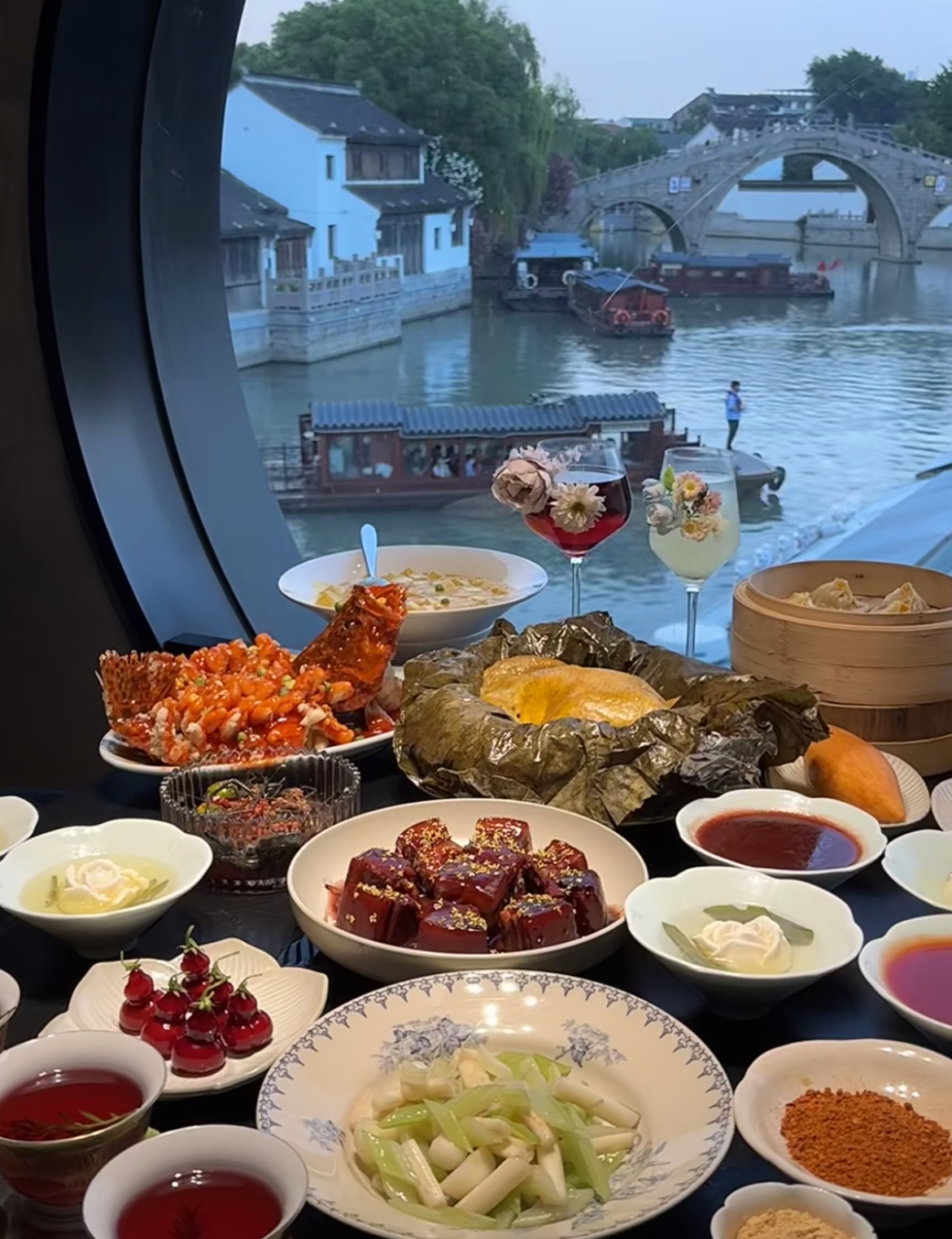
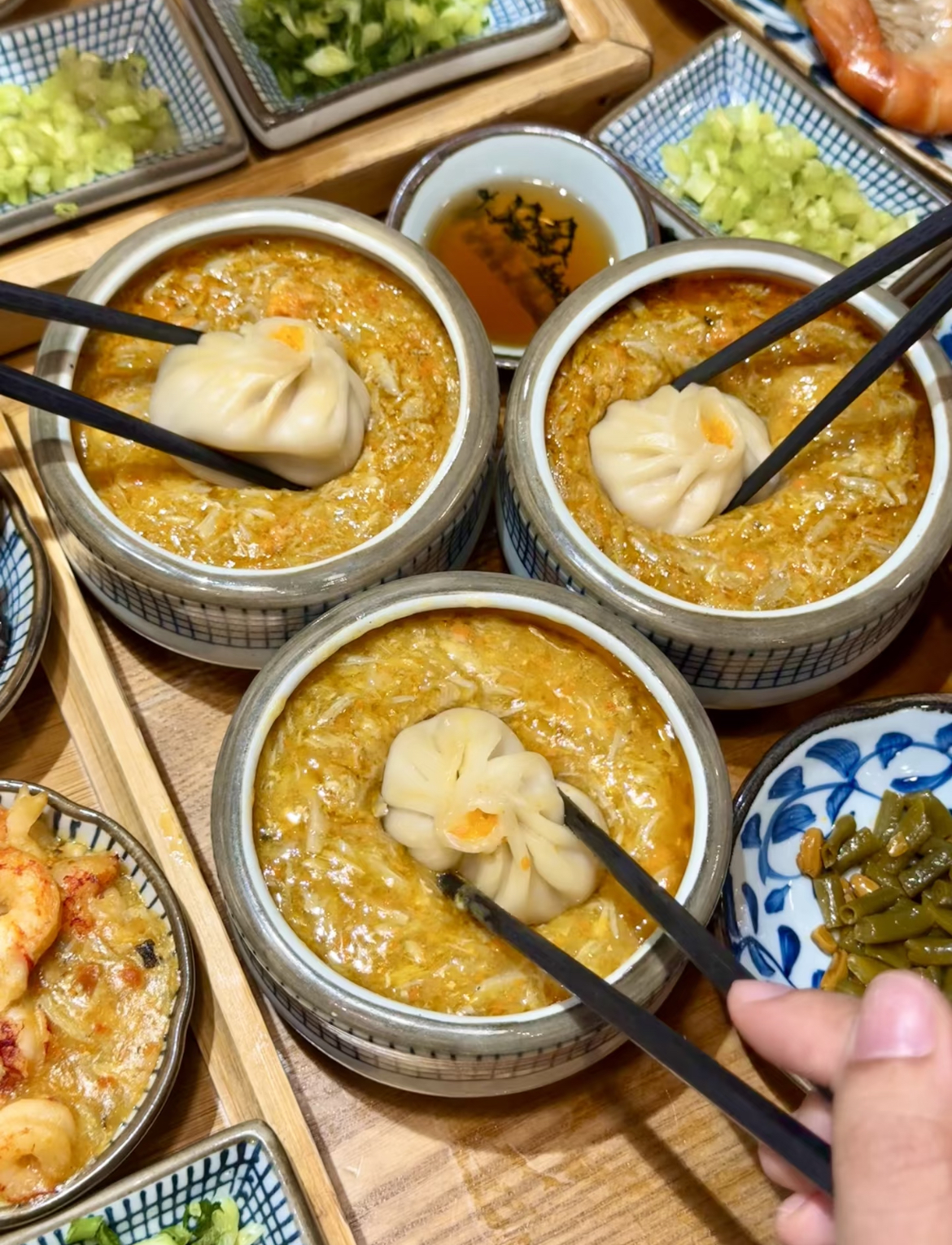
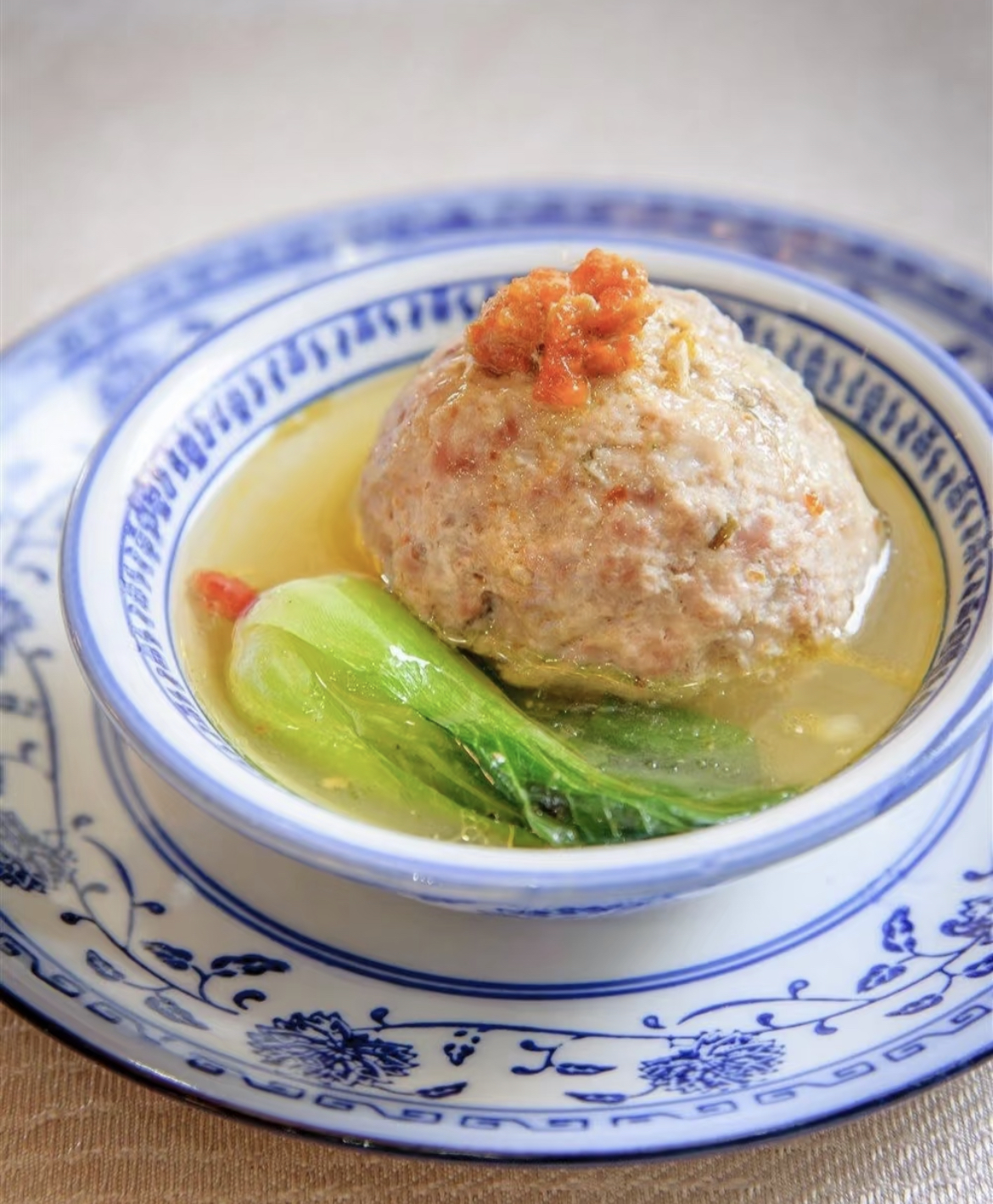
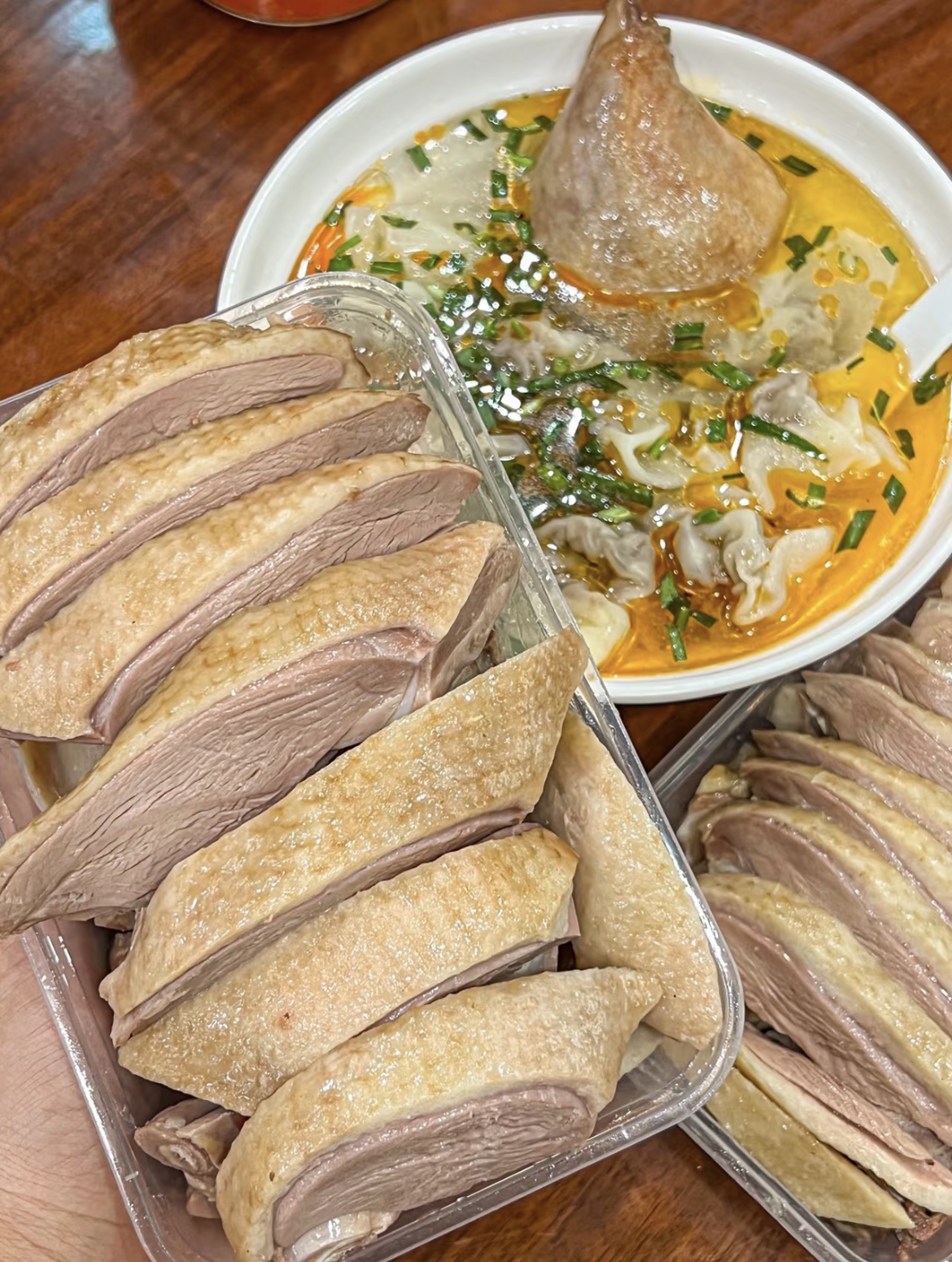
Jiangsu Cuisine: It pursues the original taste, is fresh and mild. The dishes are elegant in style, particular in shape and vary with the seasons. It is good at stewing, braising, steaming and stir-frying, and attaches great importance to soup – making to maintain the original juice of the dishes. Representative dishes include Squirrel – Shaped Mandarin Fish, Nanjing Salted Duck, Crab-Meat Lion’s Head.
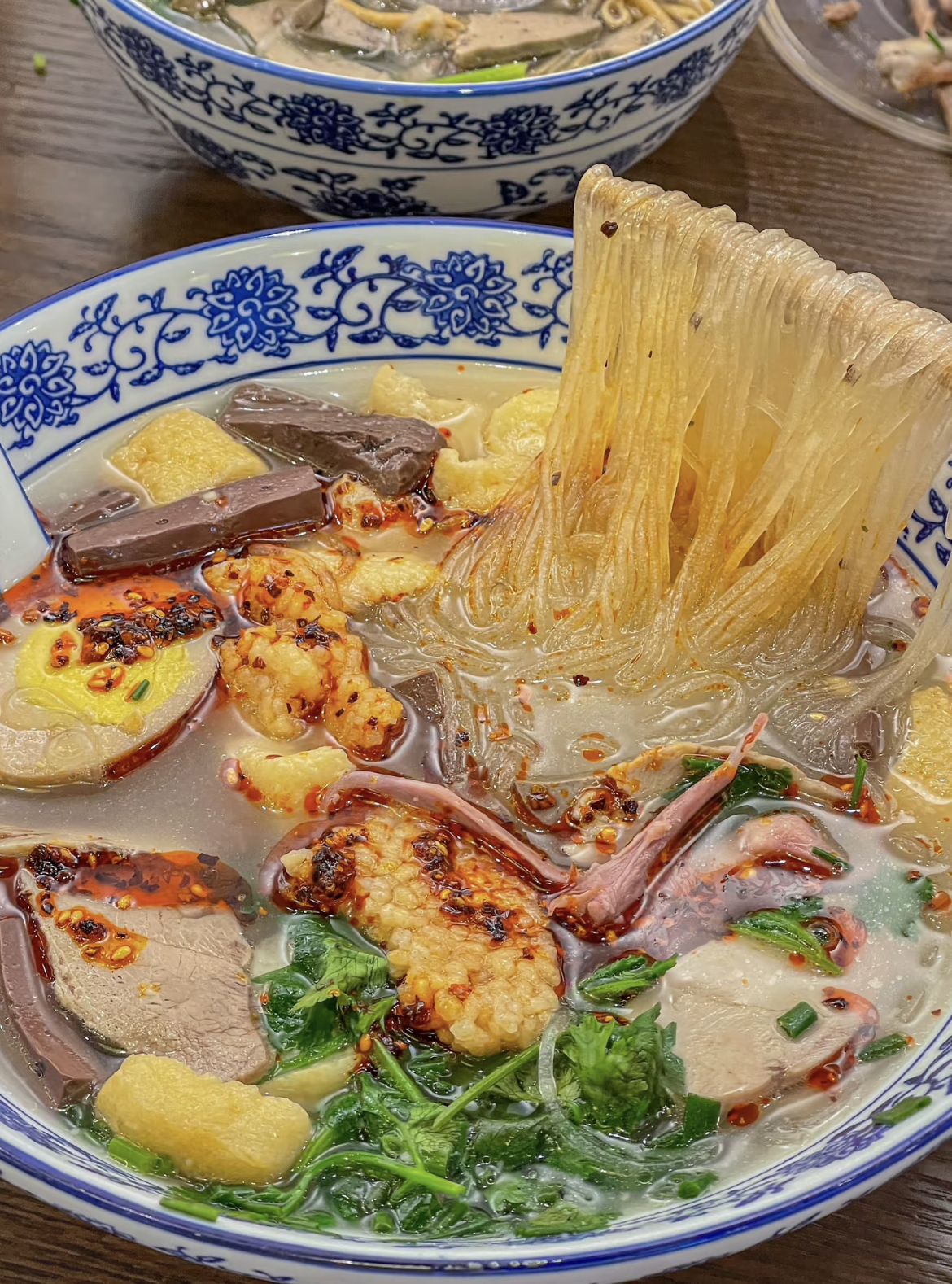
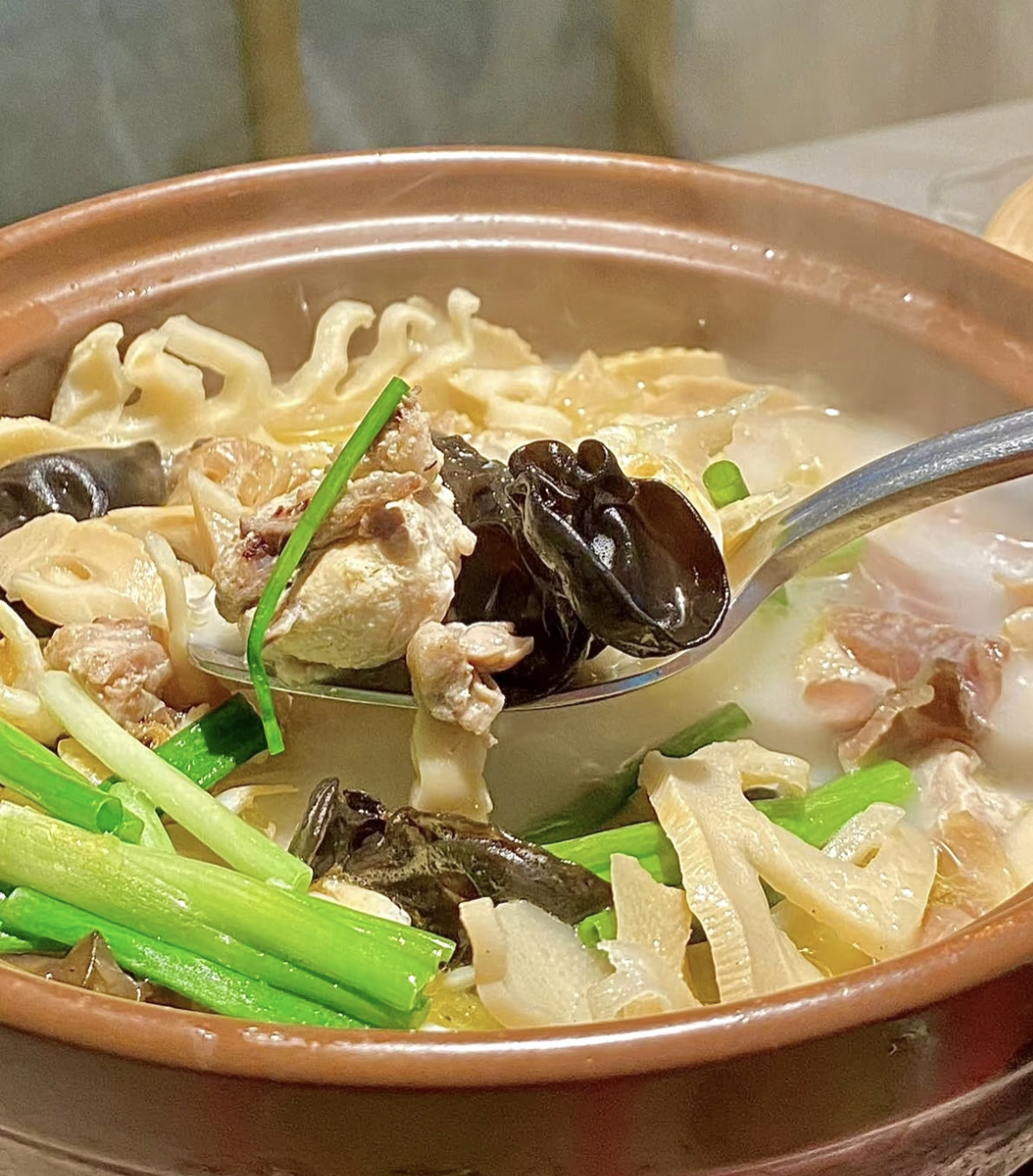
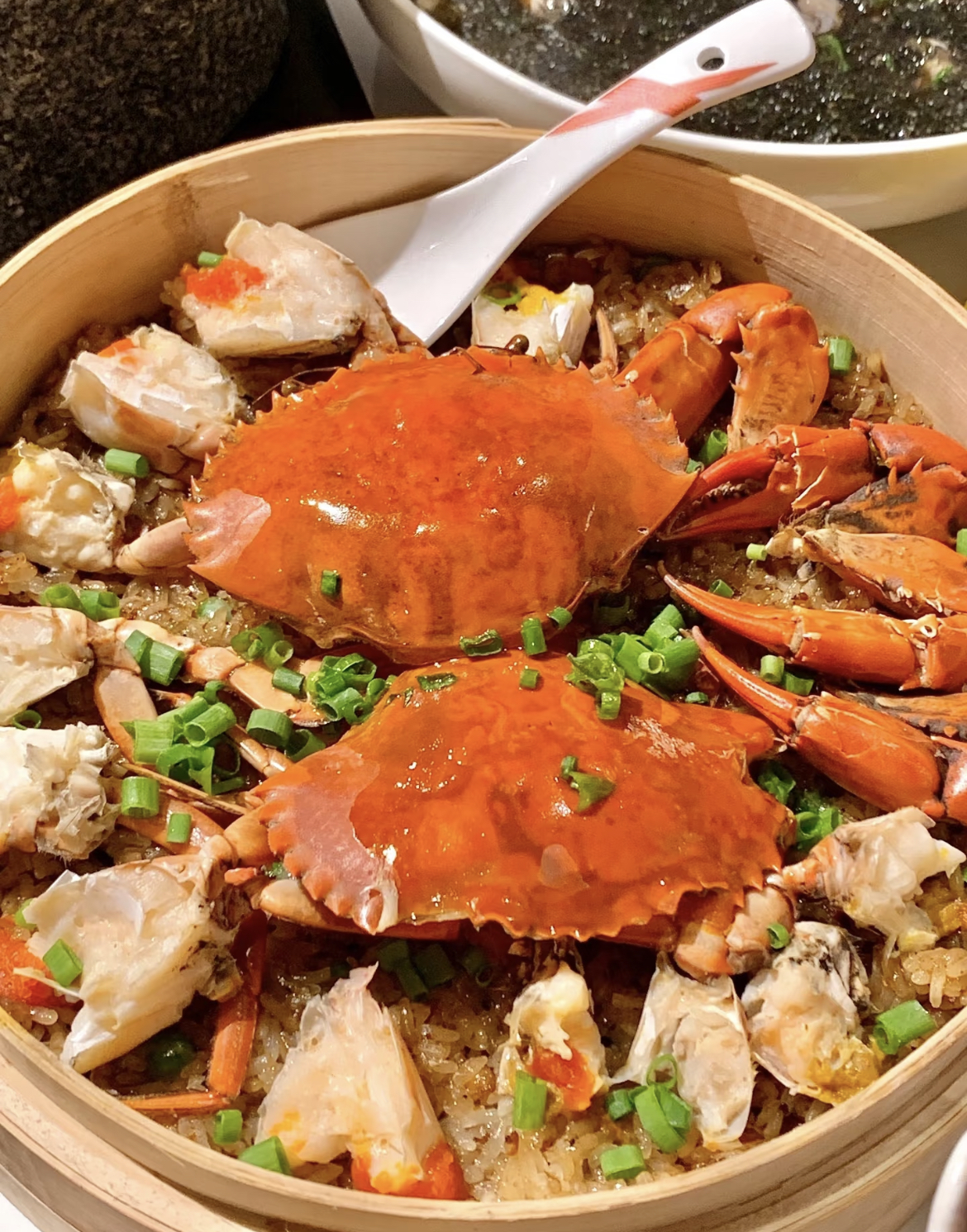
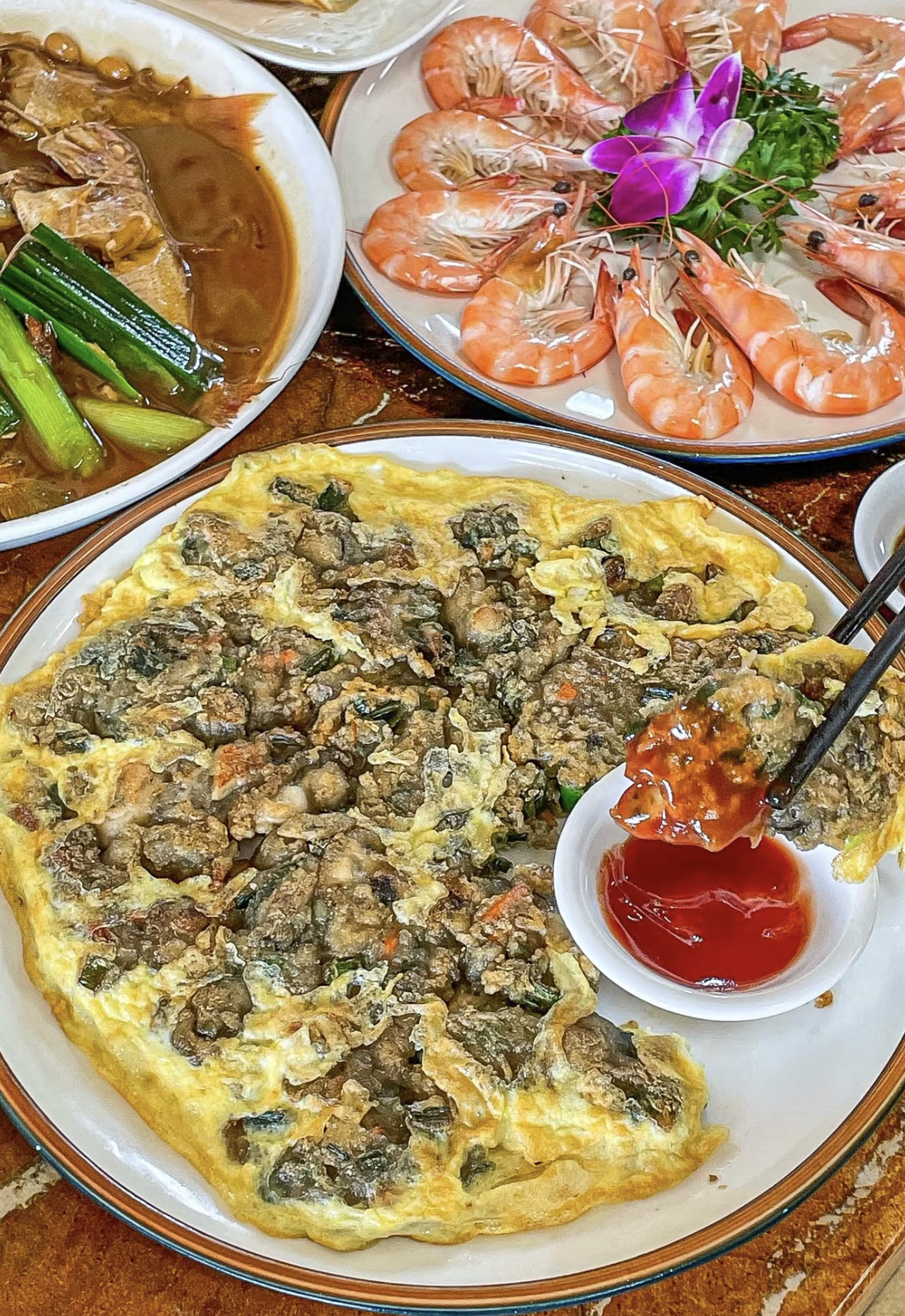
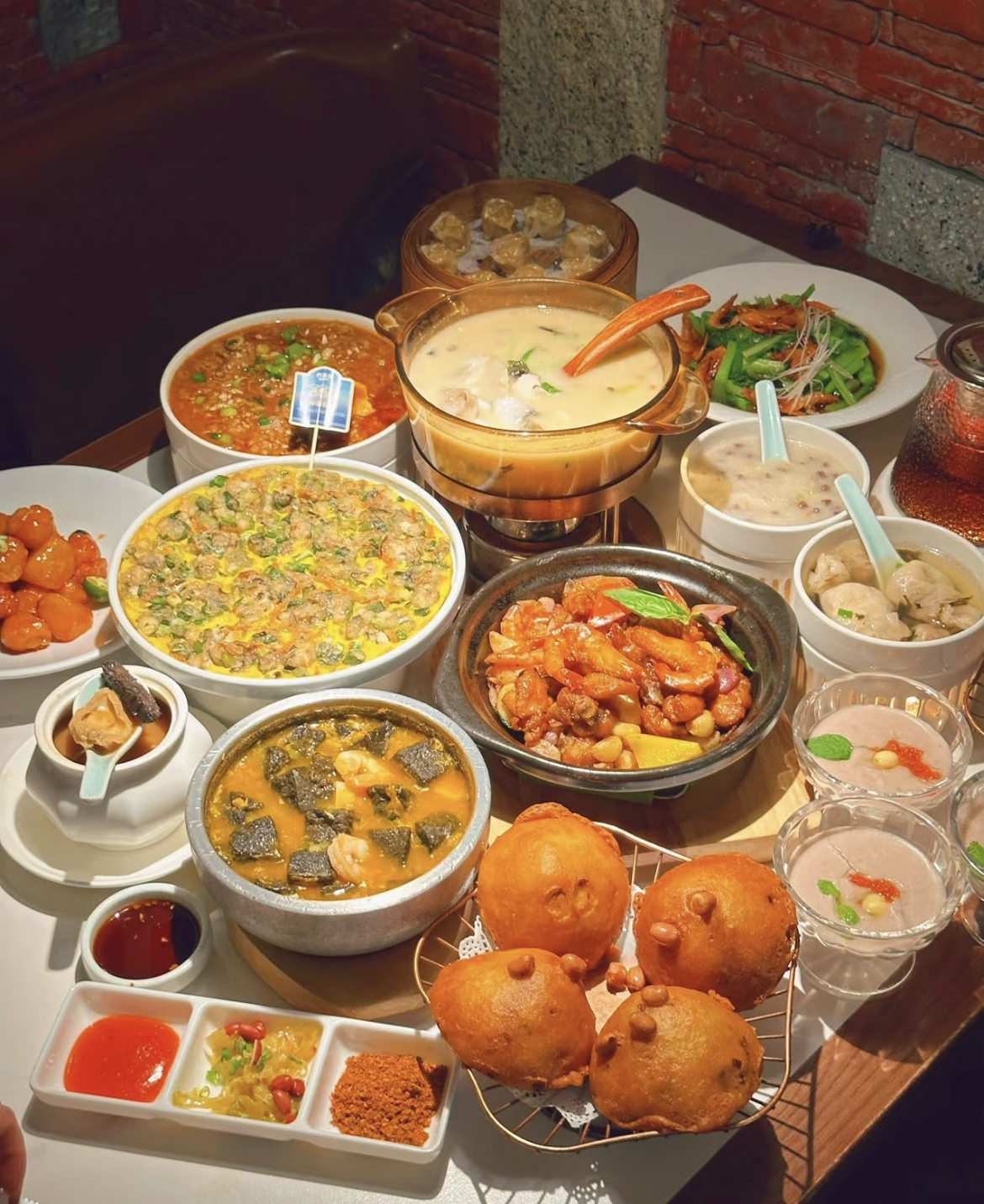
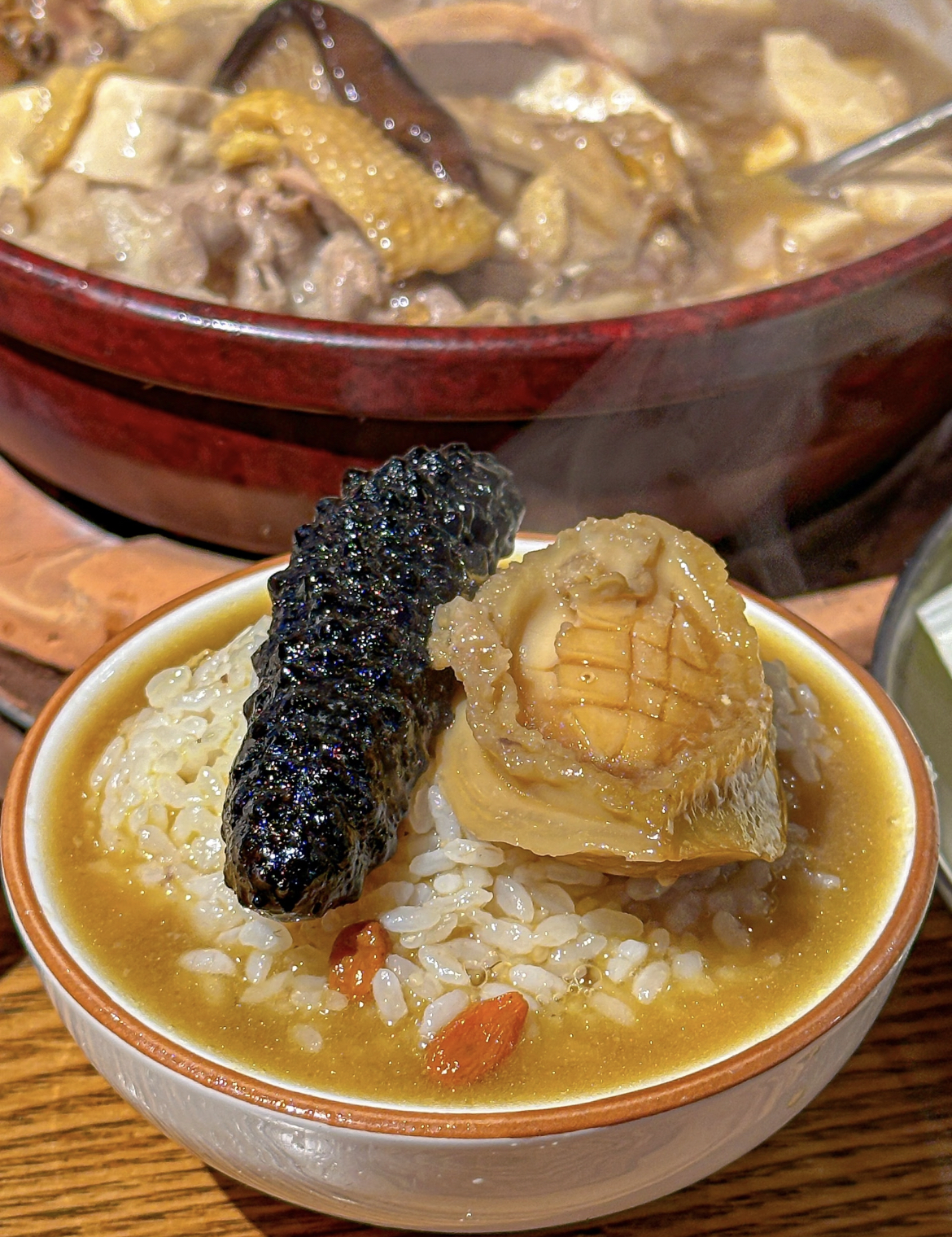
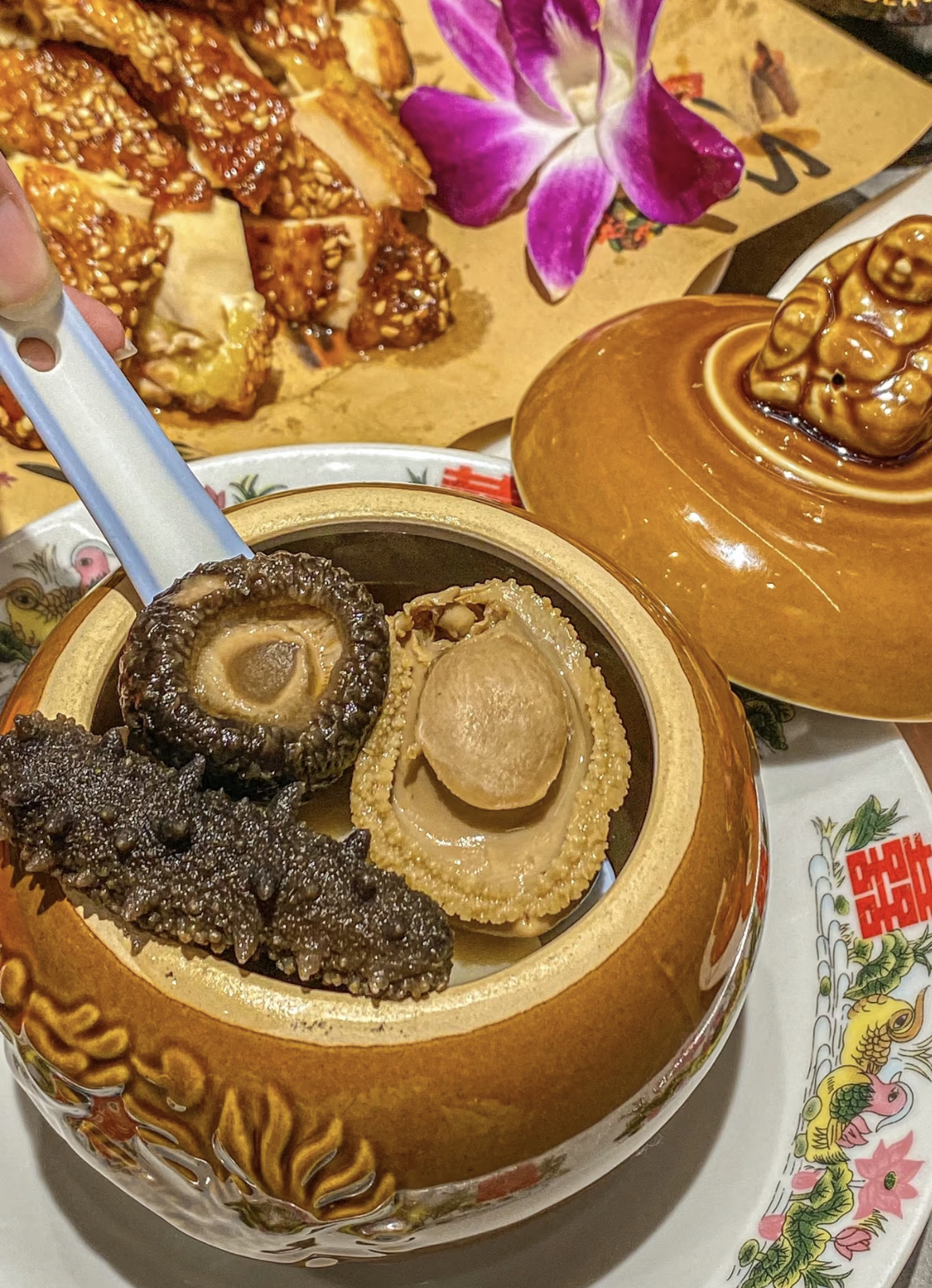
Fujian Cuisine: It mainly uses seafood as raw materials, focuses on using soup to enhance freshness, and there are many soup – based dishes. The taste is fresh and mellow. The cooking methods include steaming, boiling, stir-frying, deep-frying, braising, stewing, etc. Special dishes include Buddha Jumps Over the Wall, Lychee-Shaped Pork, Sliced Conch in Light Yellow Wine Sauce, etc.
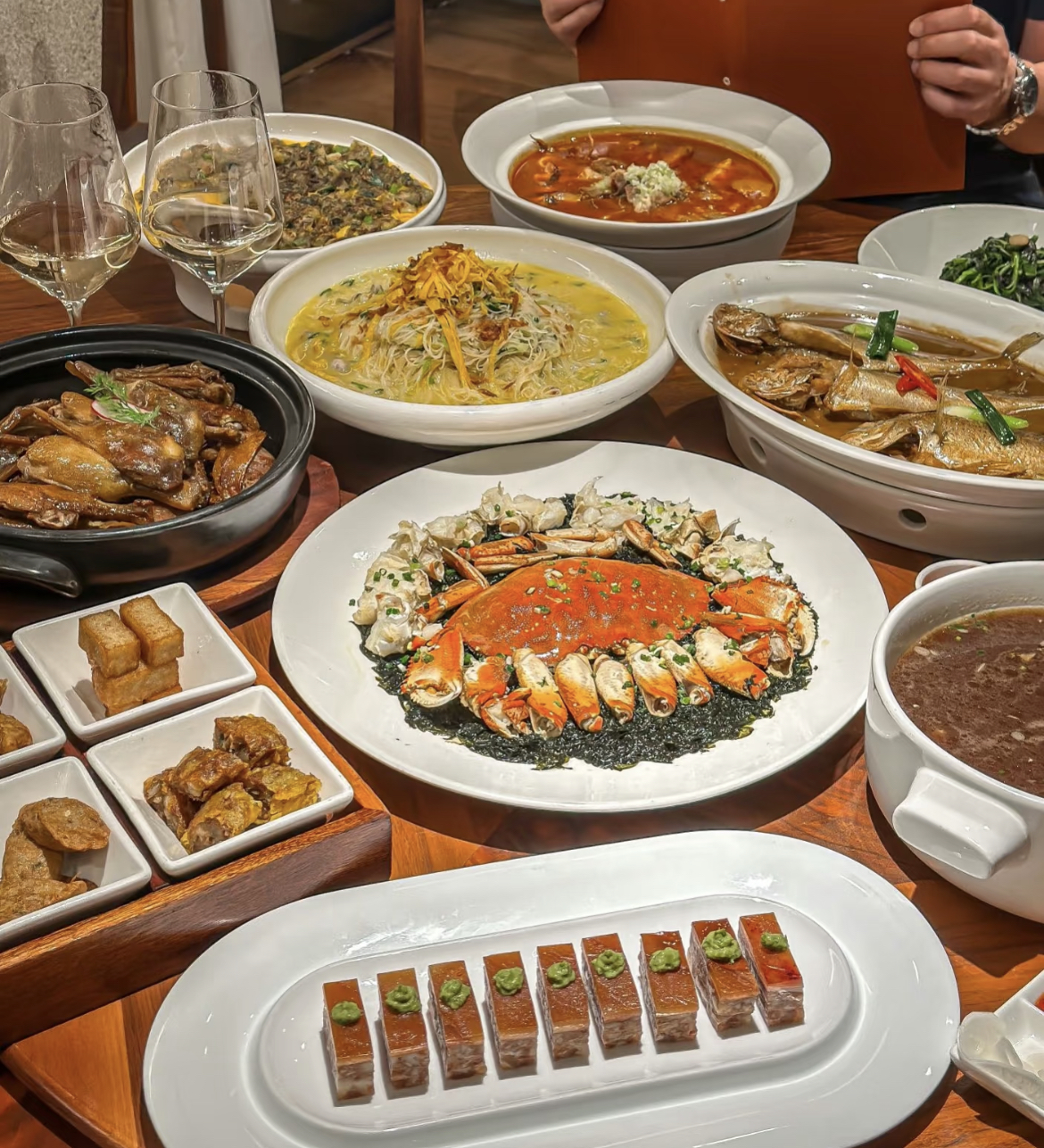
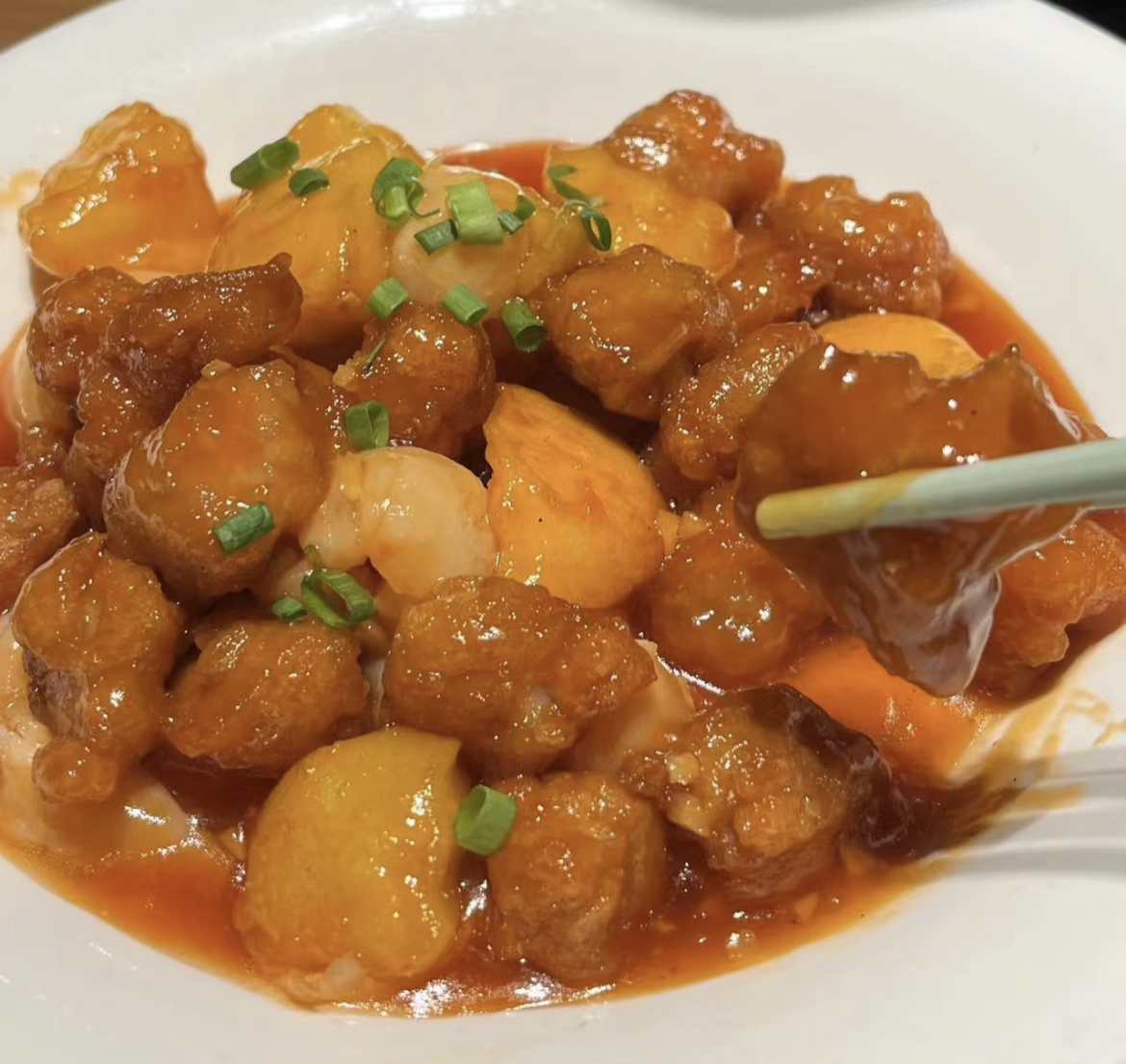
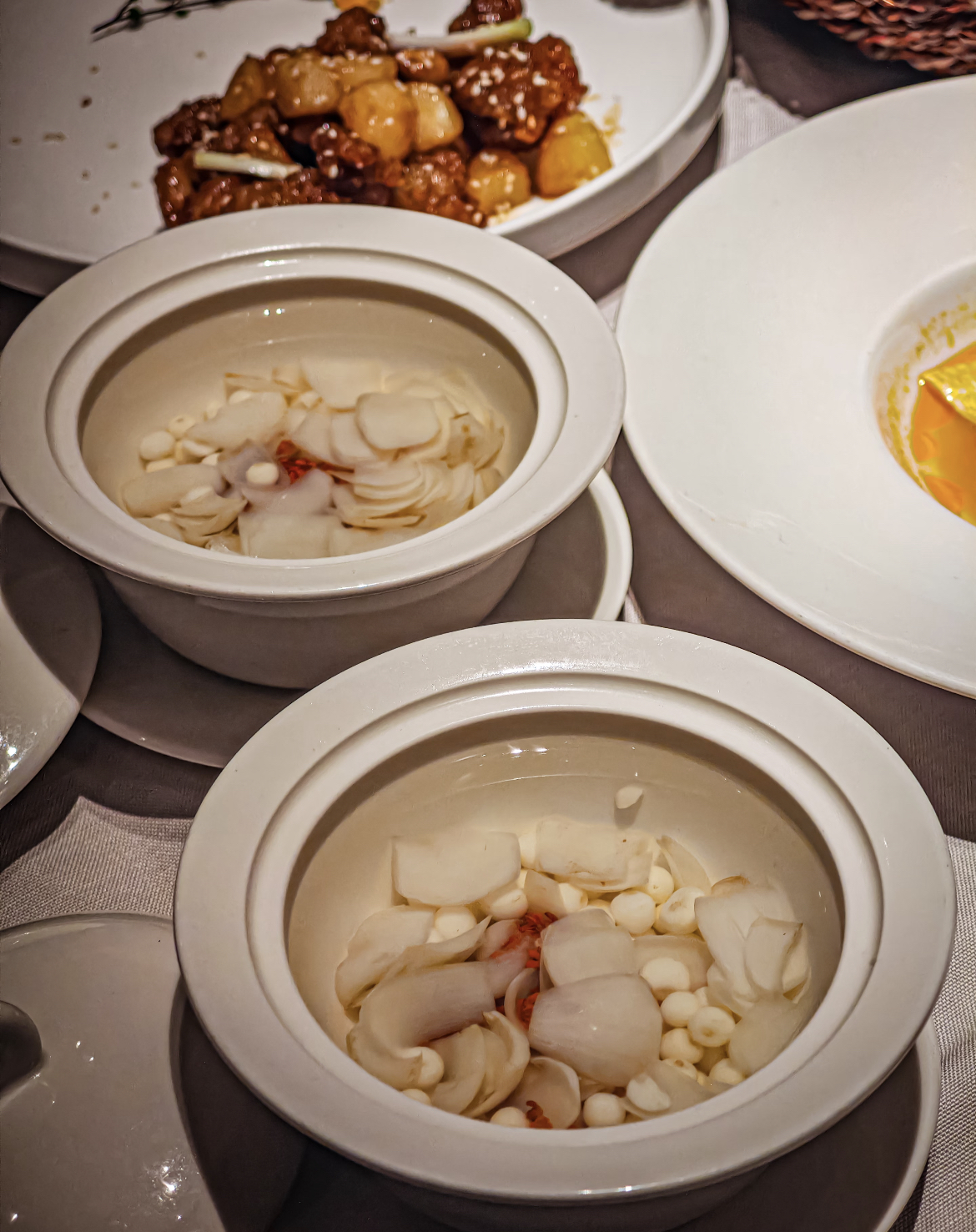
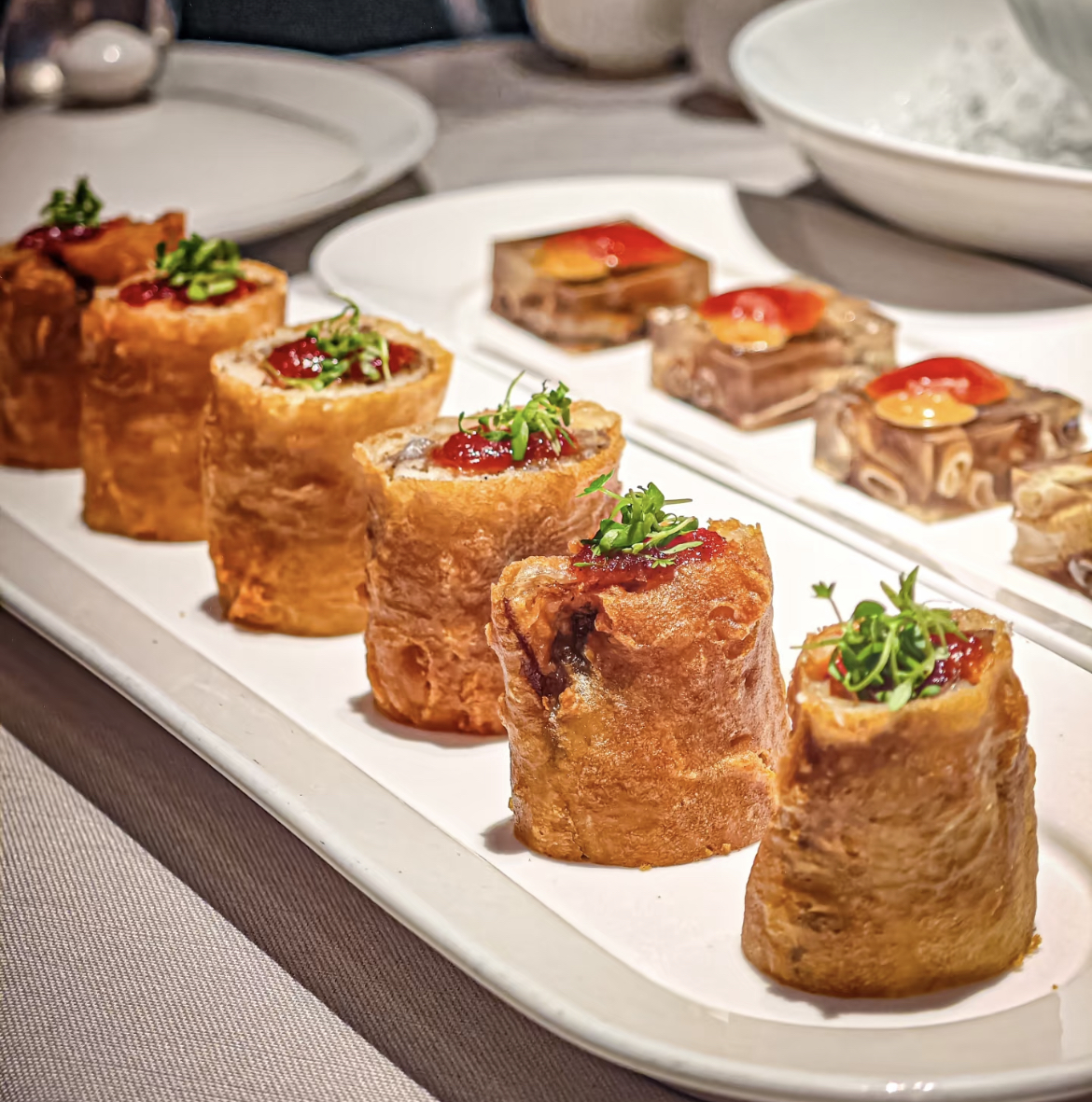
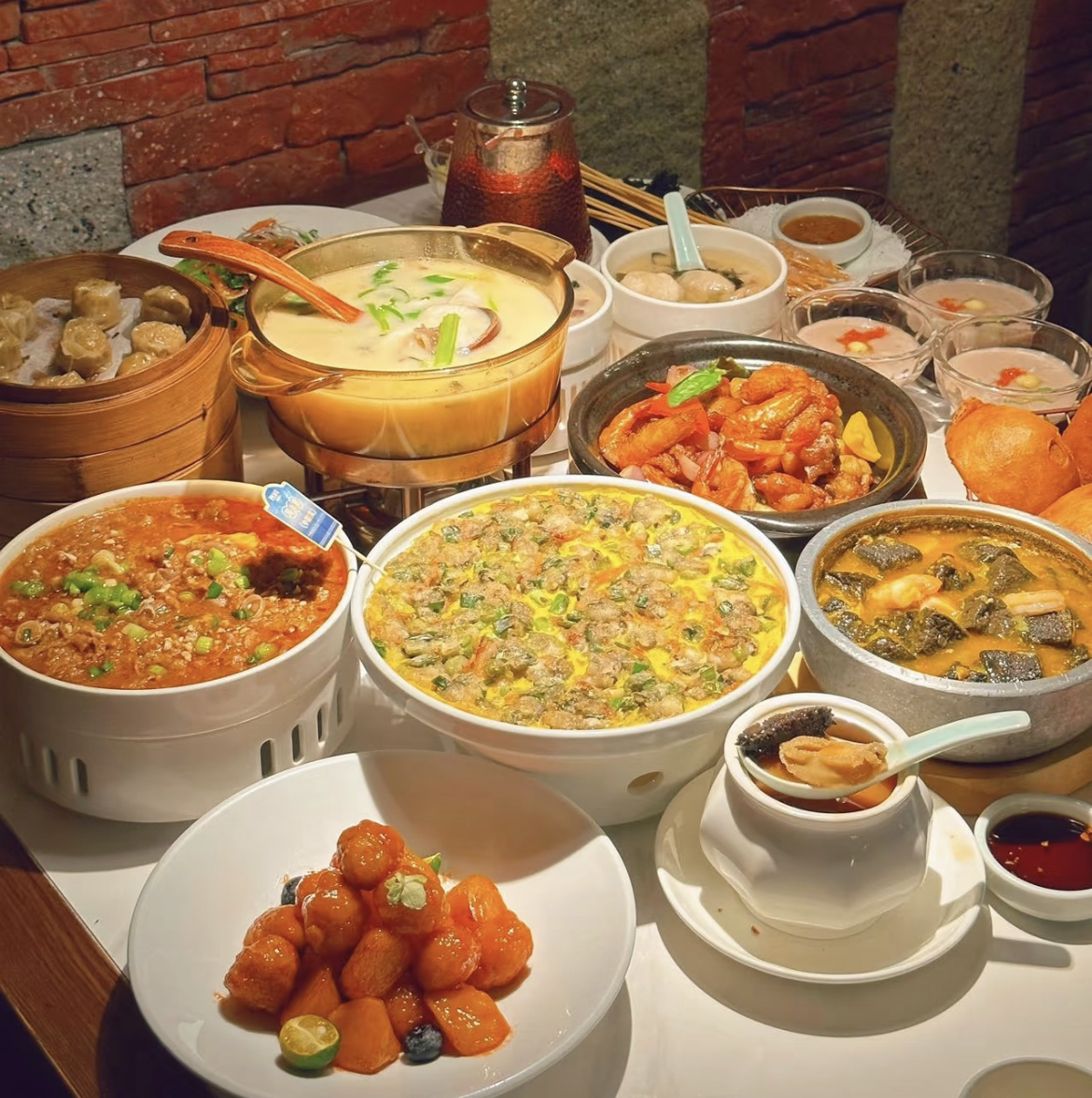
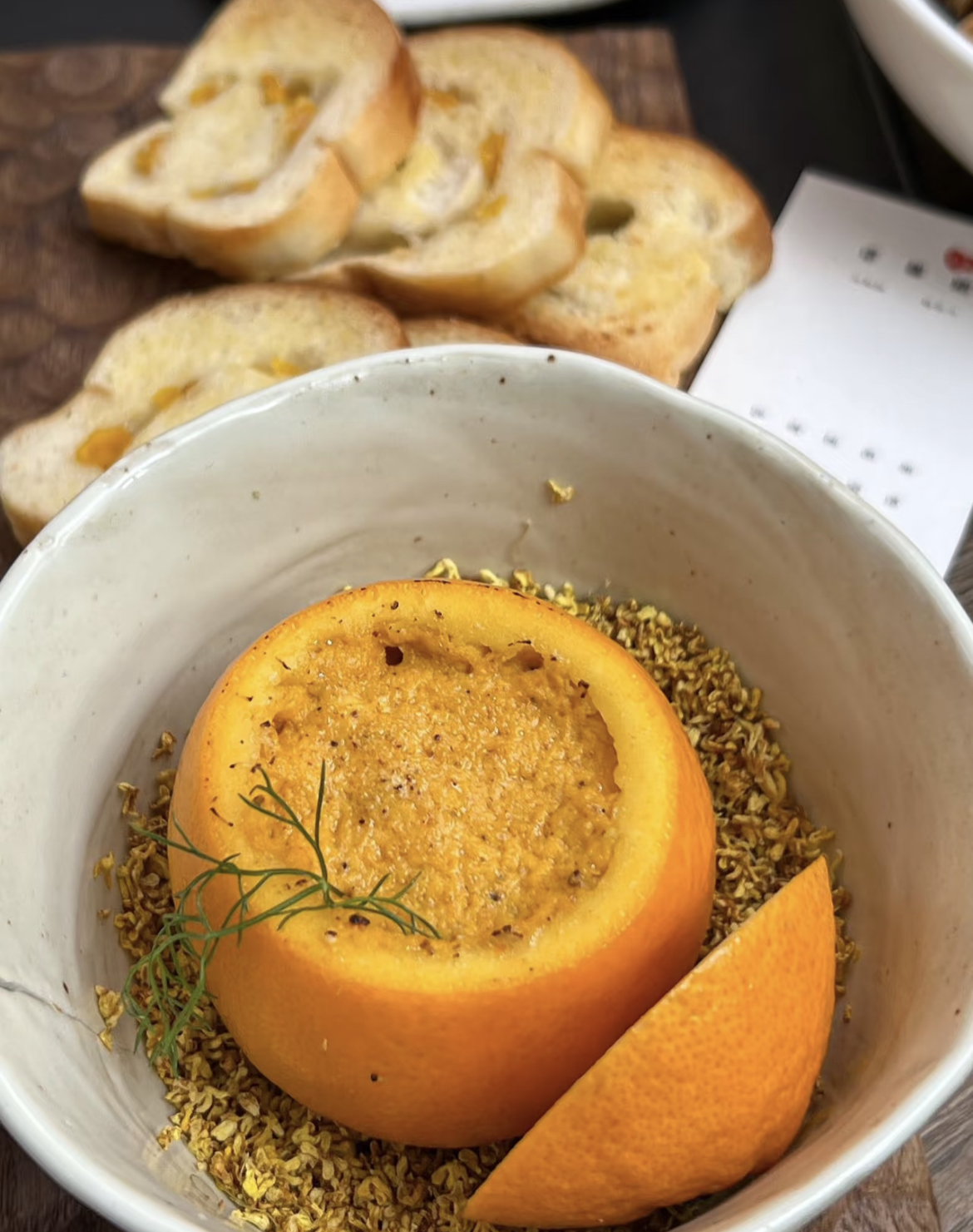
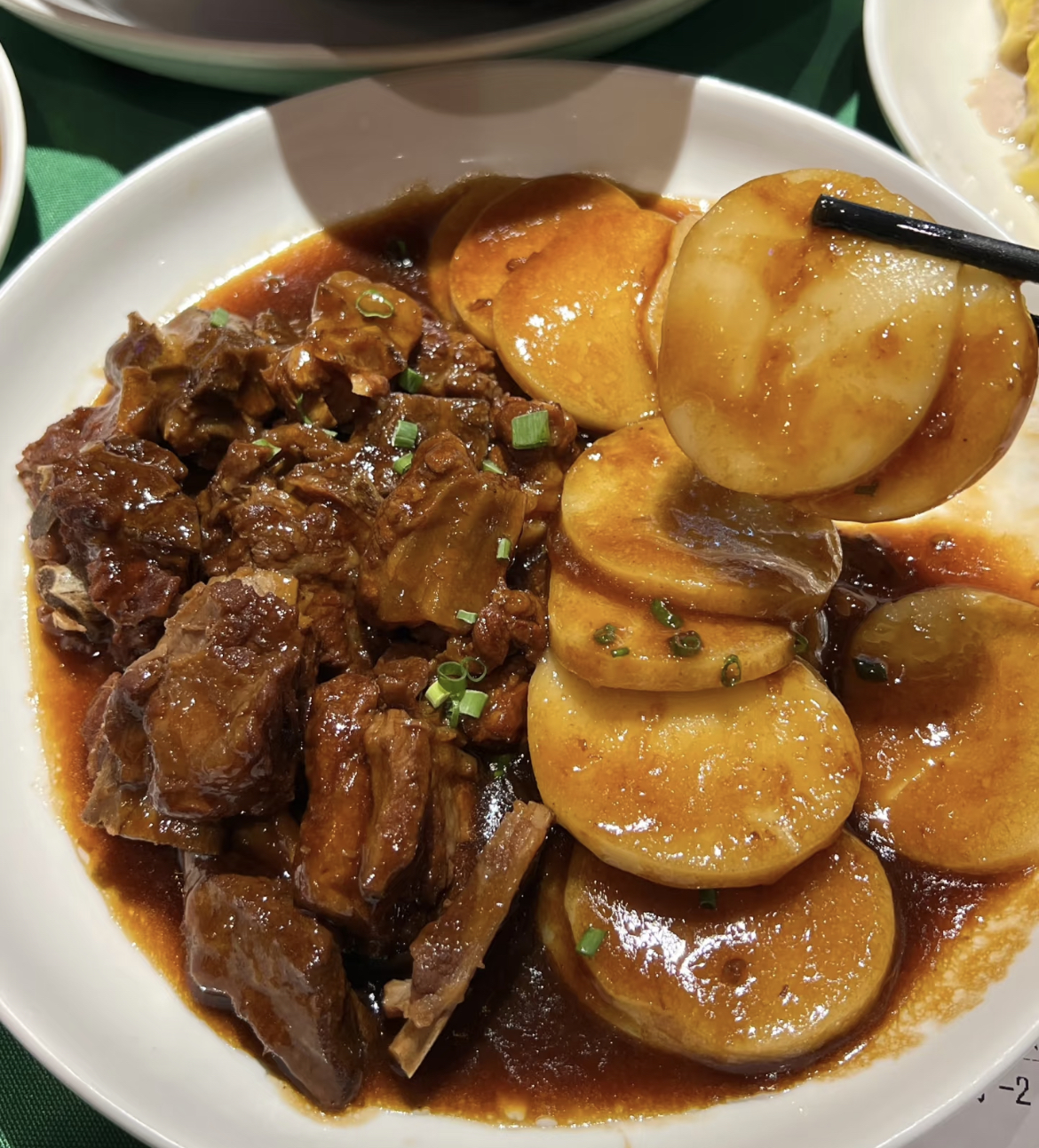
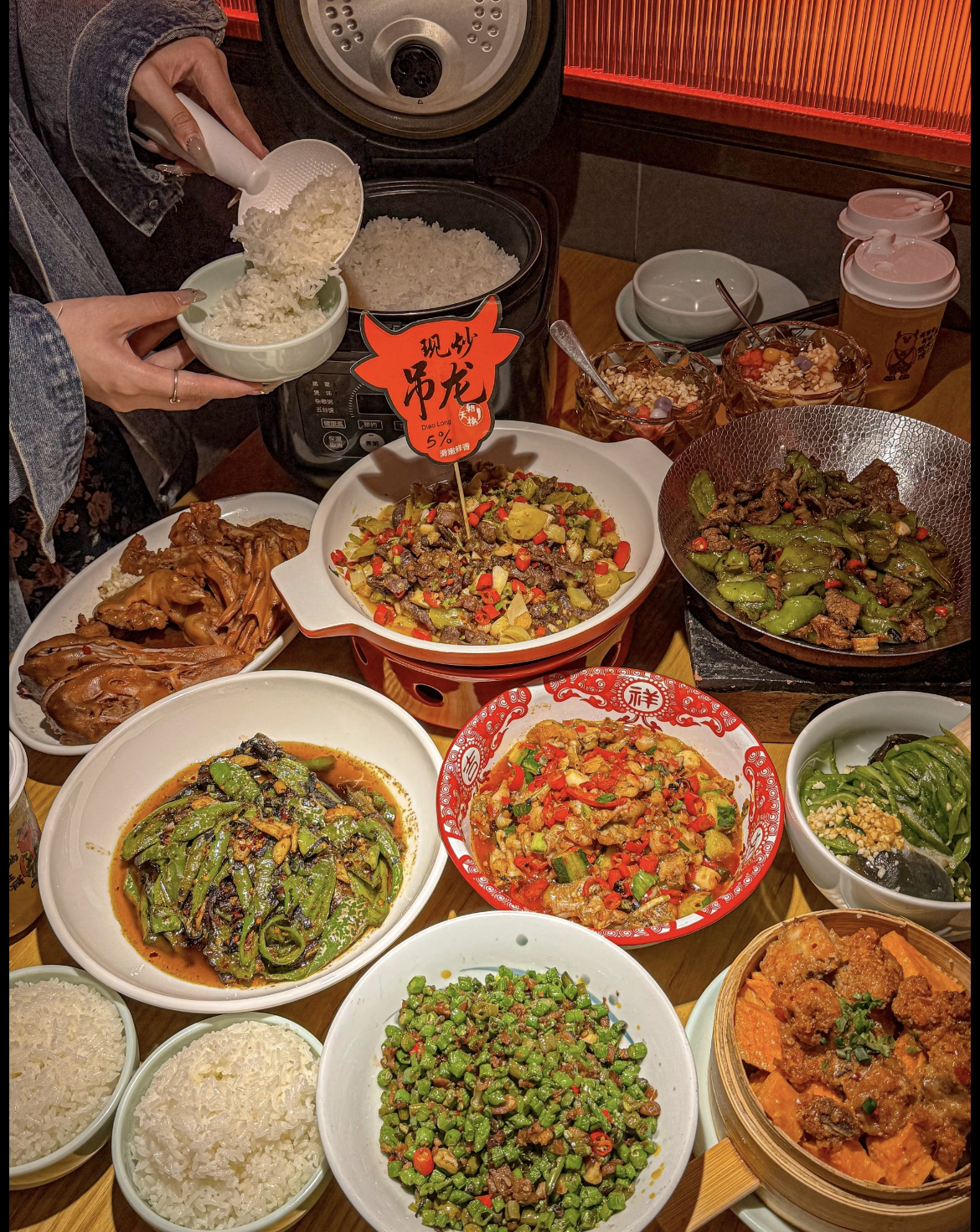
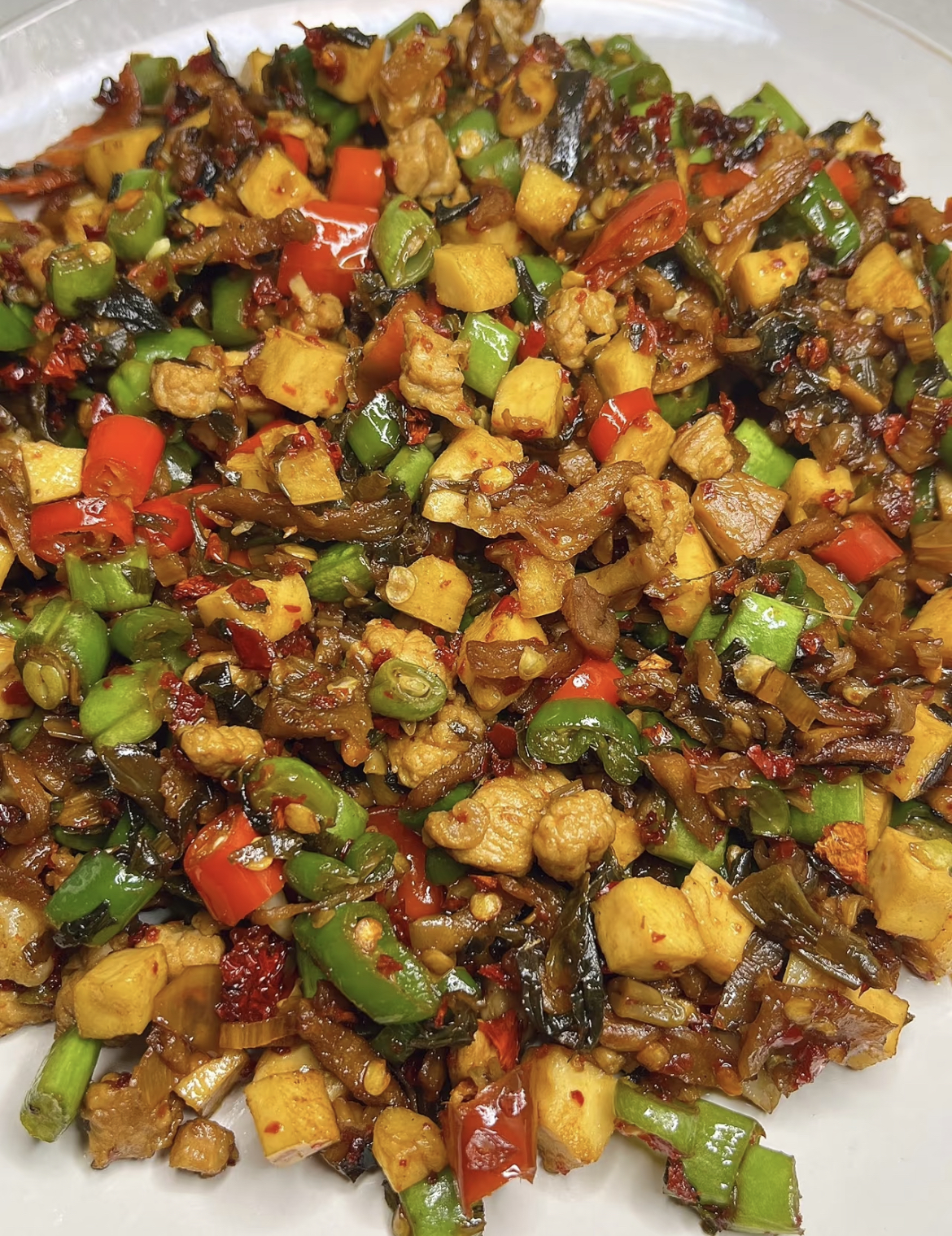
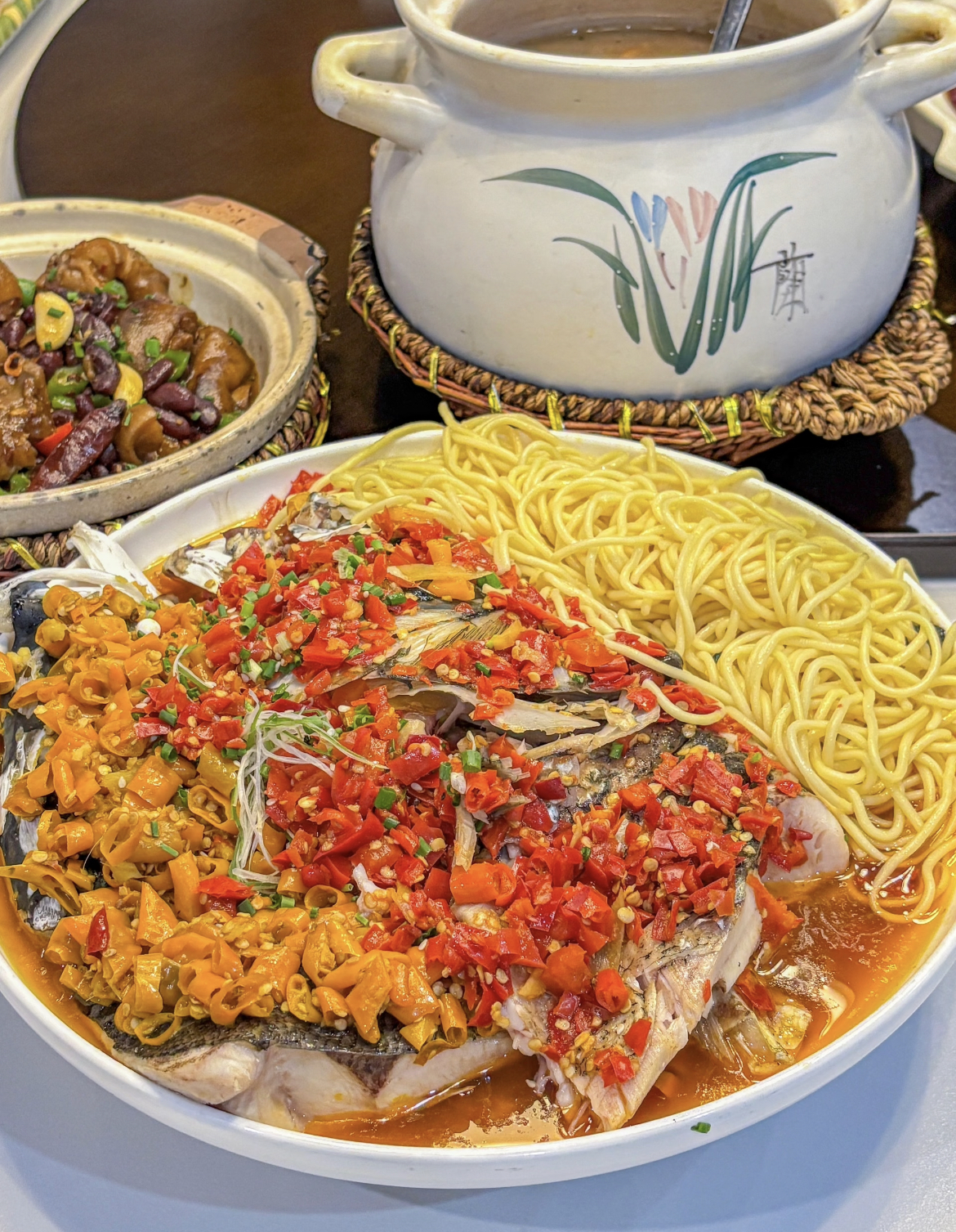
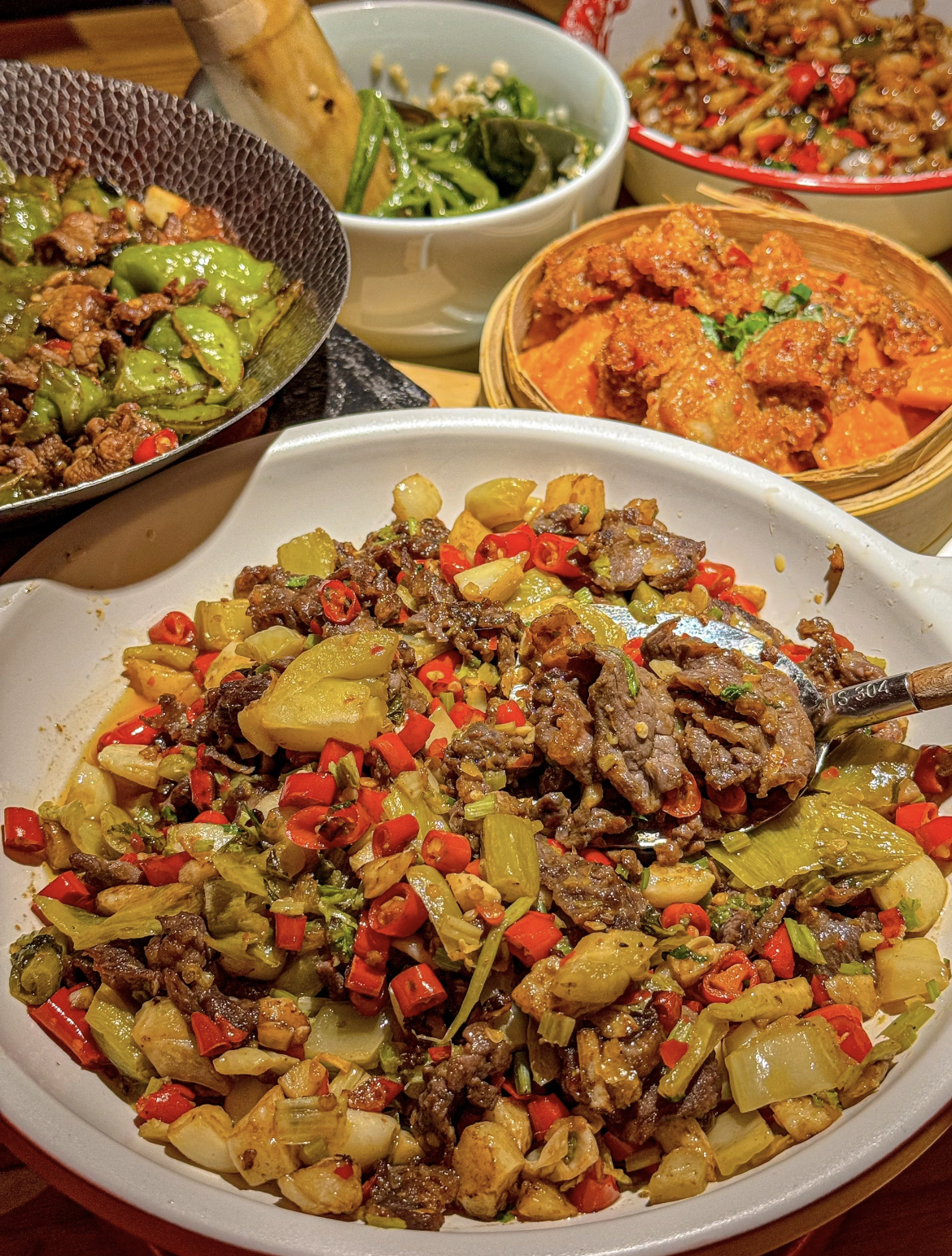
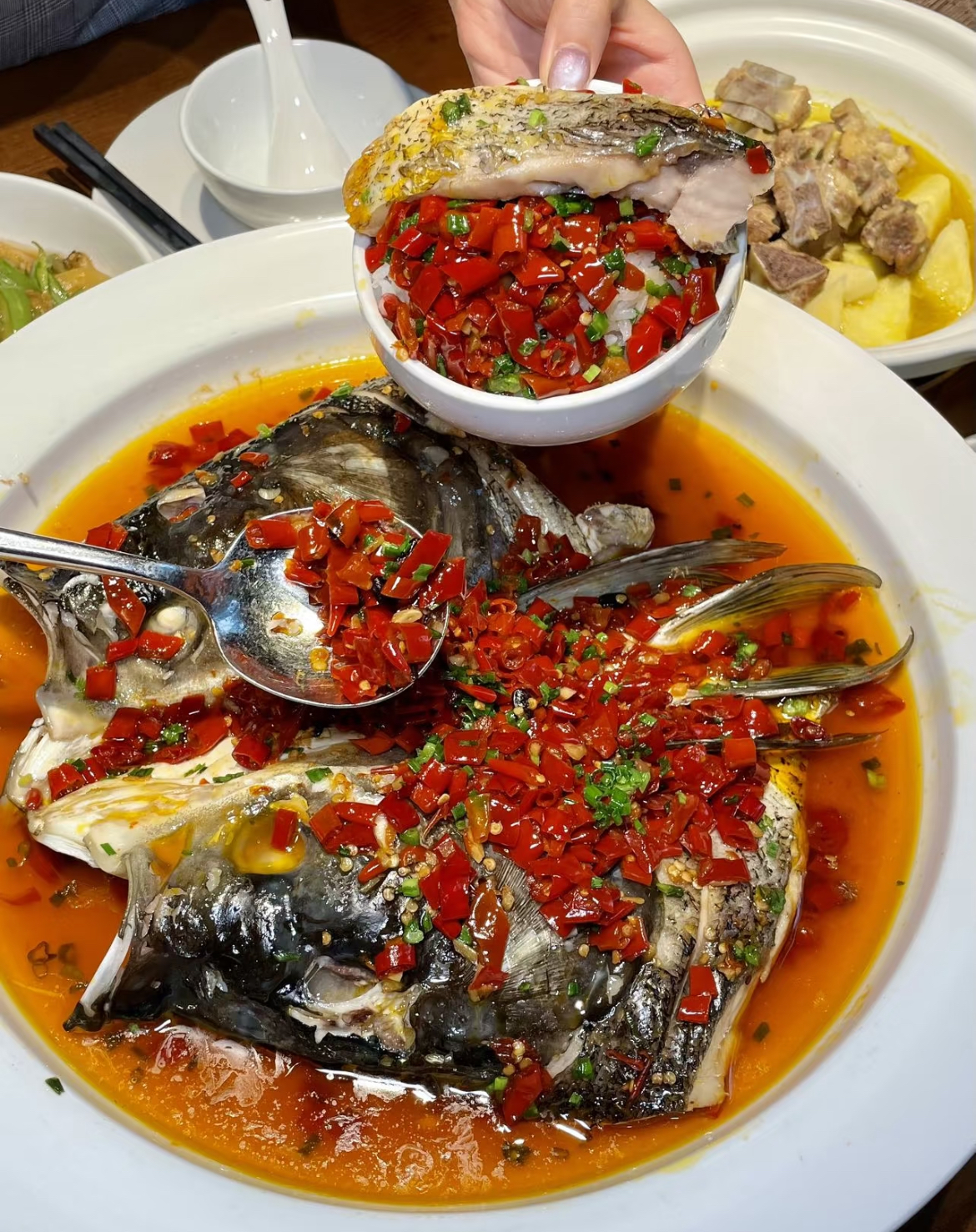
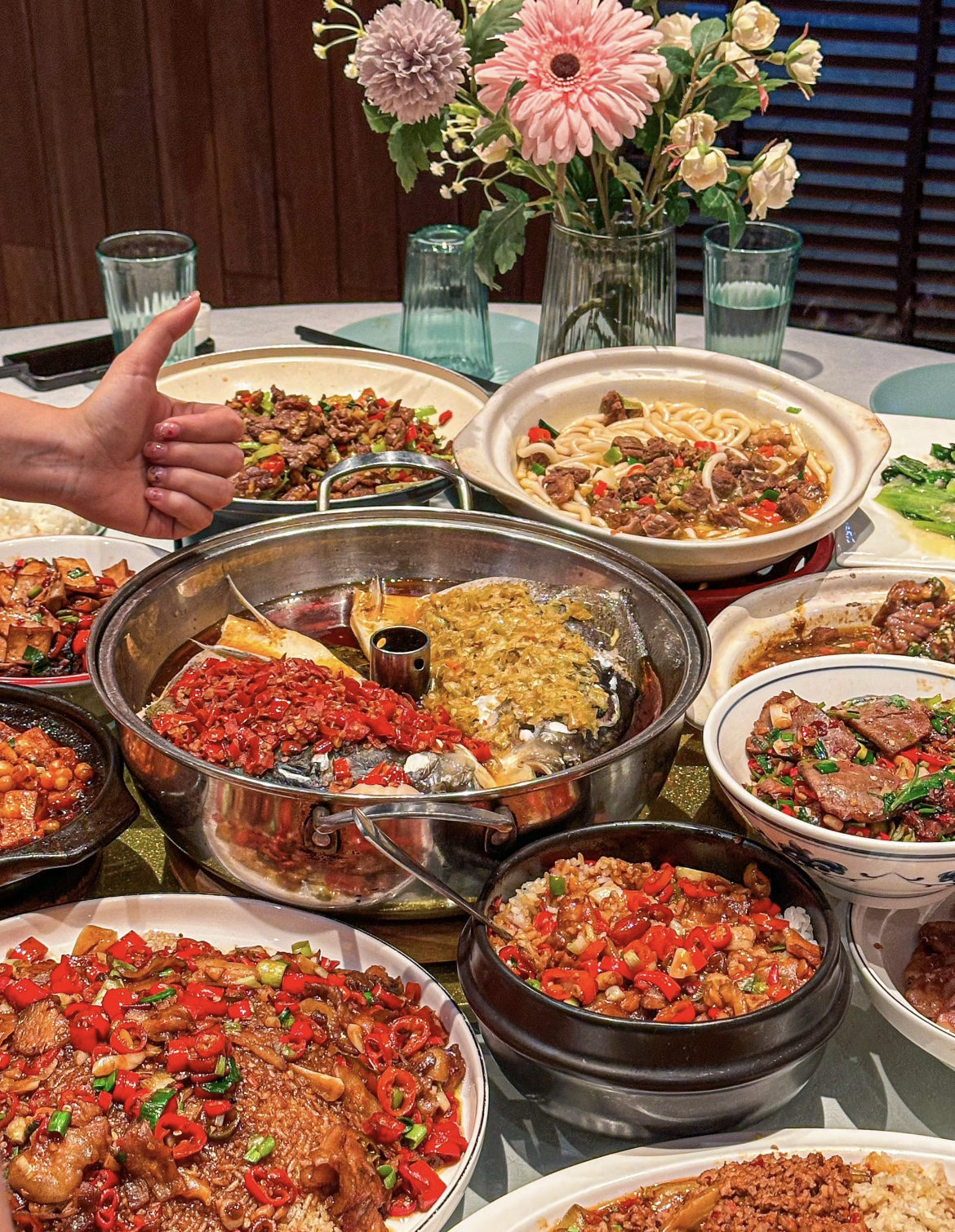
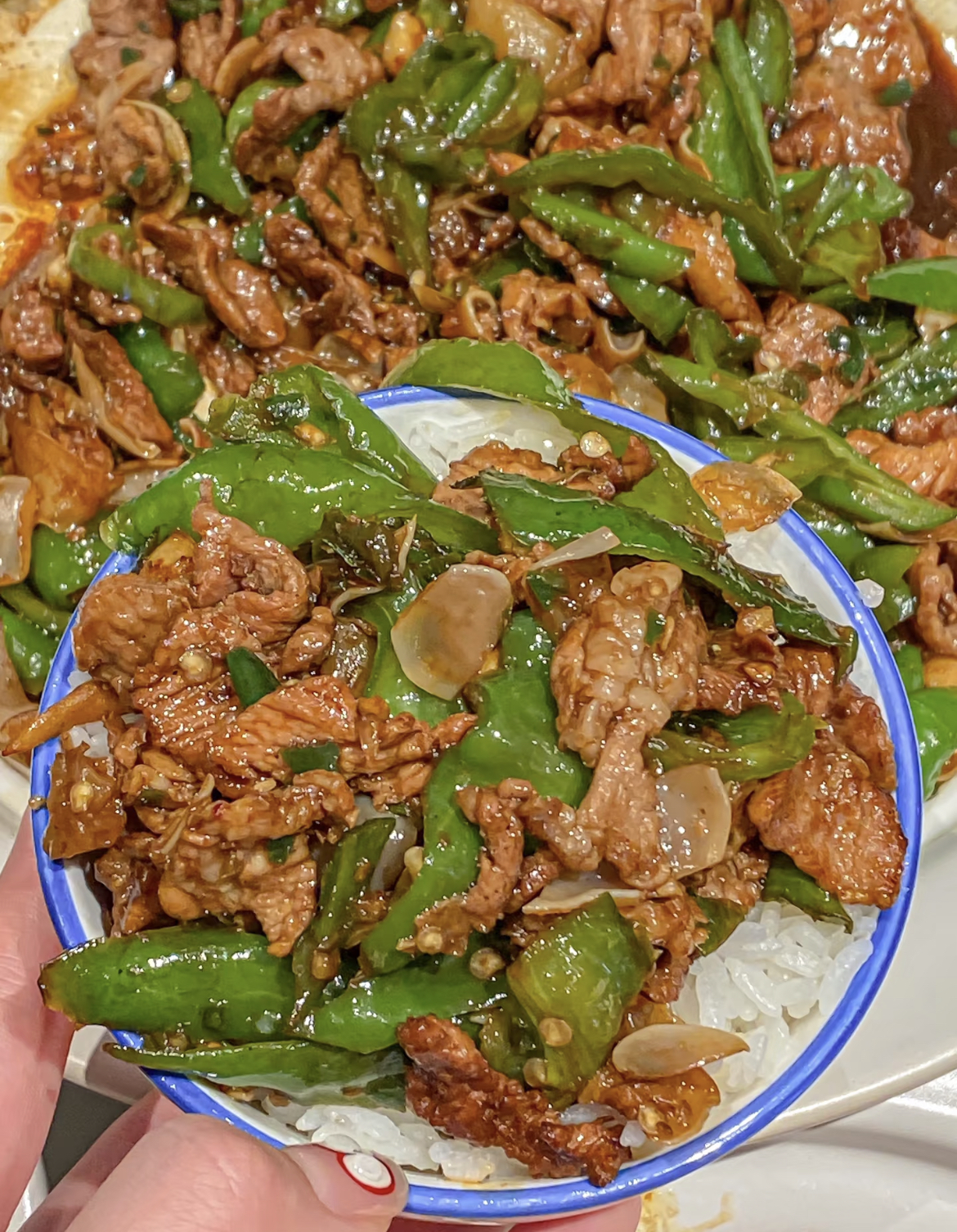
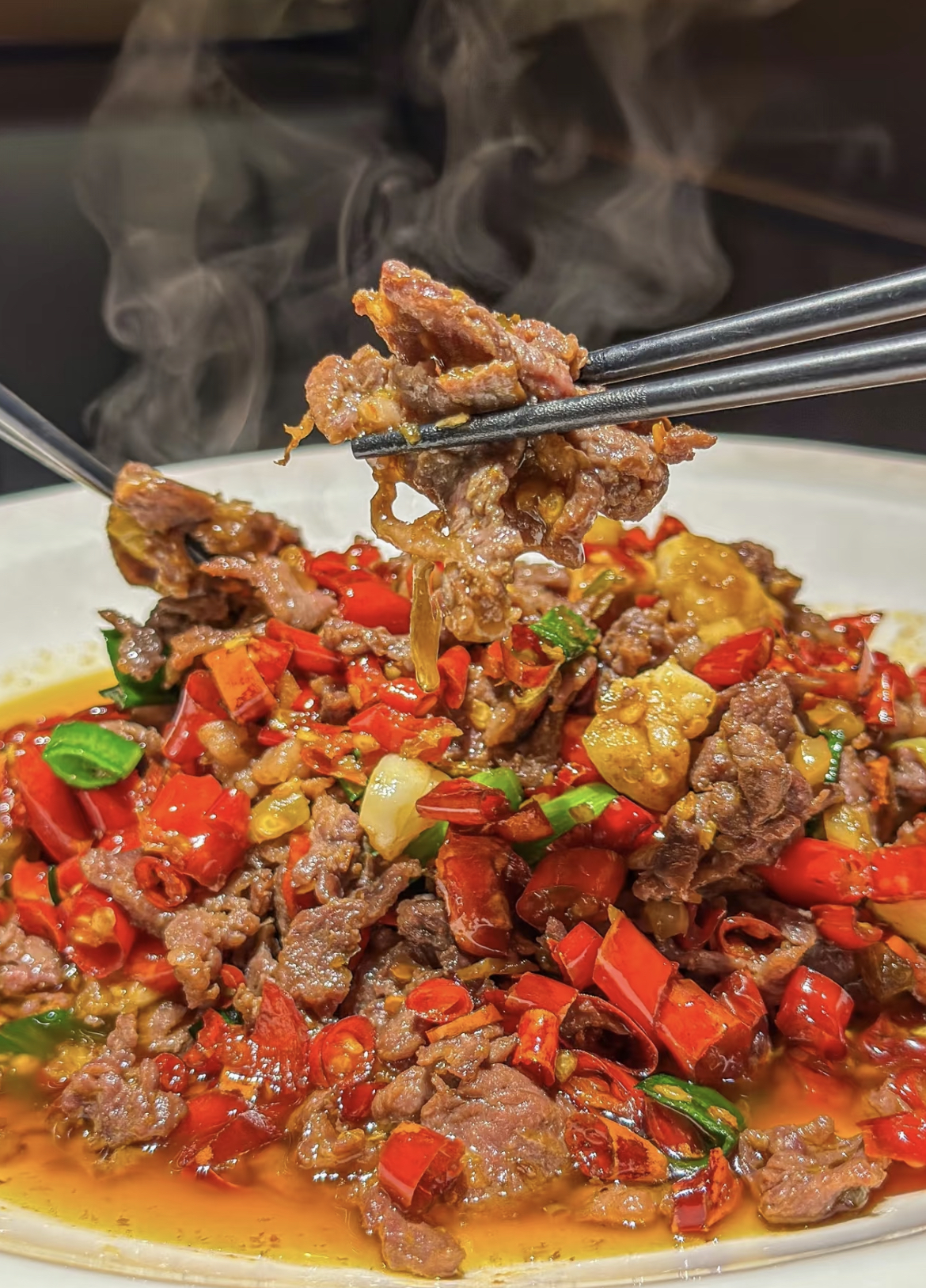
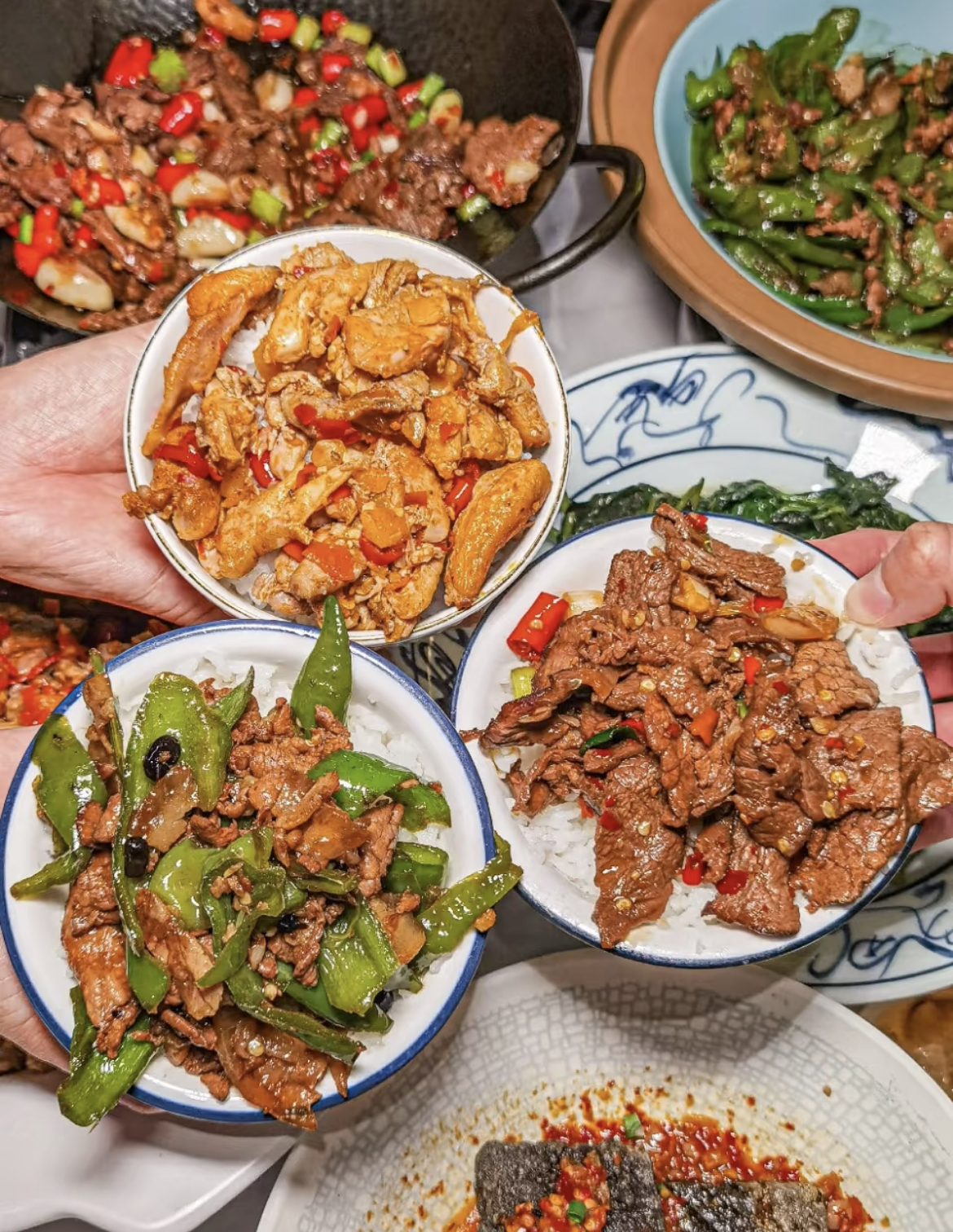
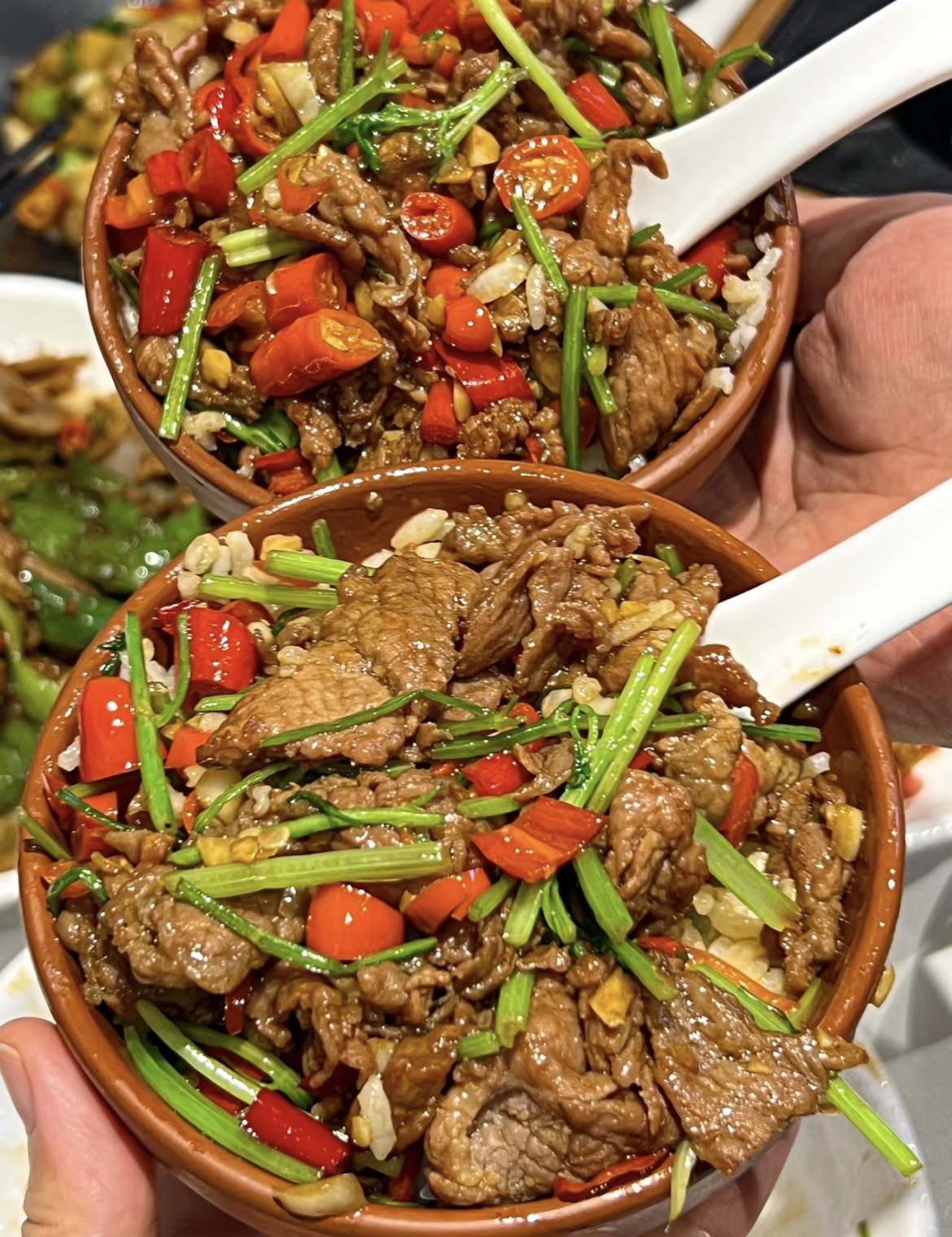
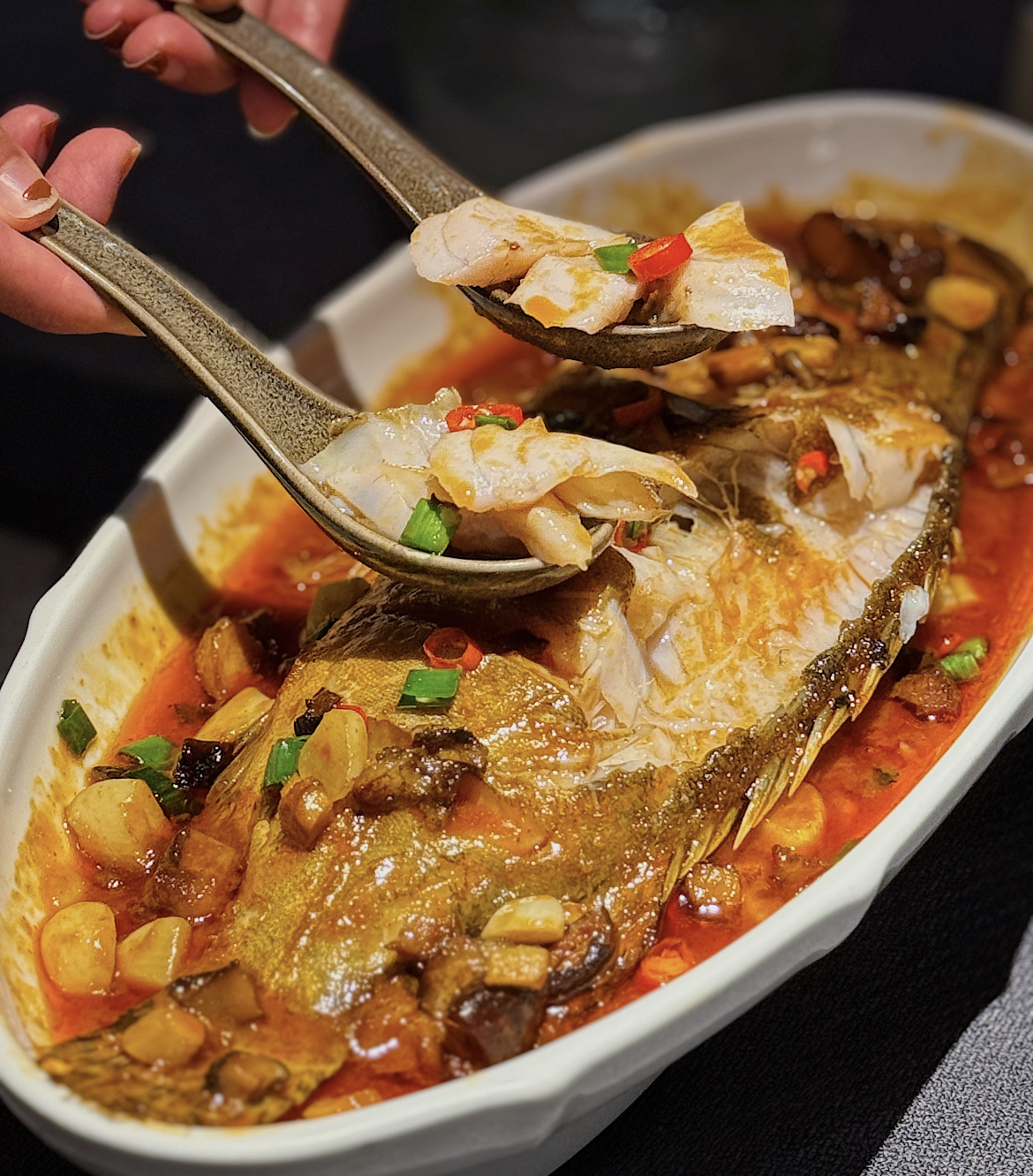
Hunan Cuisine: The taste is changeable, and it is famous for its spiciness, freshness, fragrance, sourness and cured flavor. It uses a wide range of ingredients, with rich oil and strong color, focusing on freshness, spiciness, sourness and tenderness. The cooking methods include simmering, stewing, curing, steaming, stir-frying, etc. Classic Hunan dishes include Steamed Fish Head with Chopped Chili, Xiangxi Grandma’s Vegetables, Mao’s Braised Pork, etc.
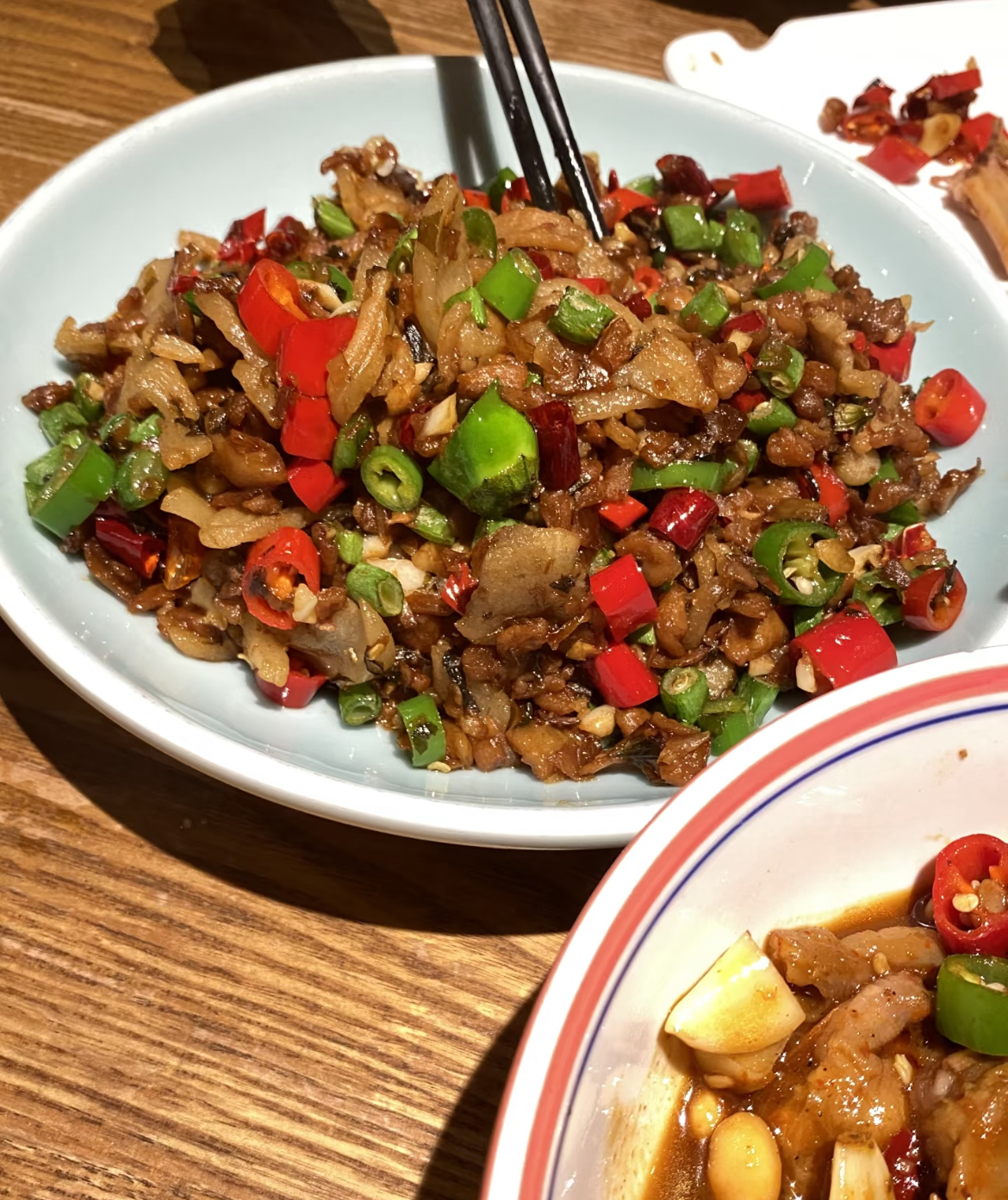
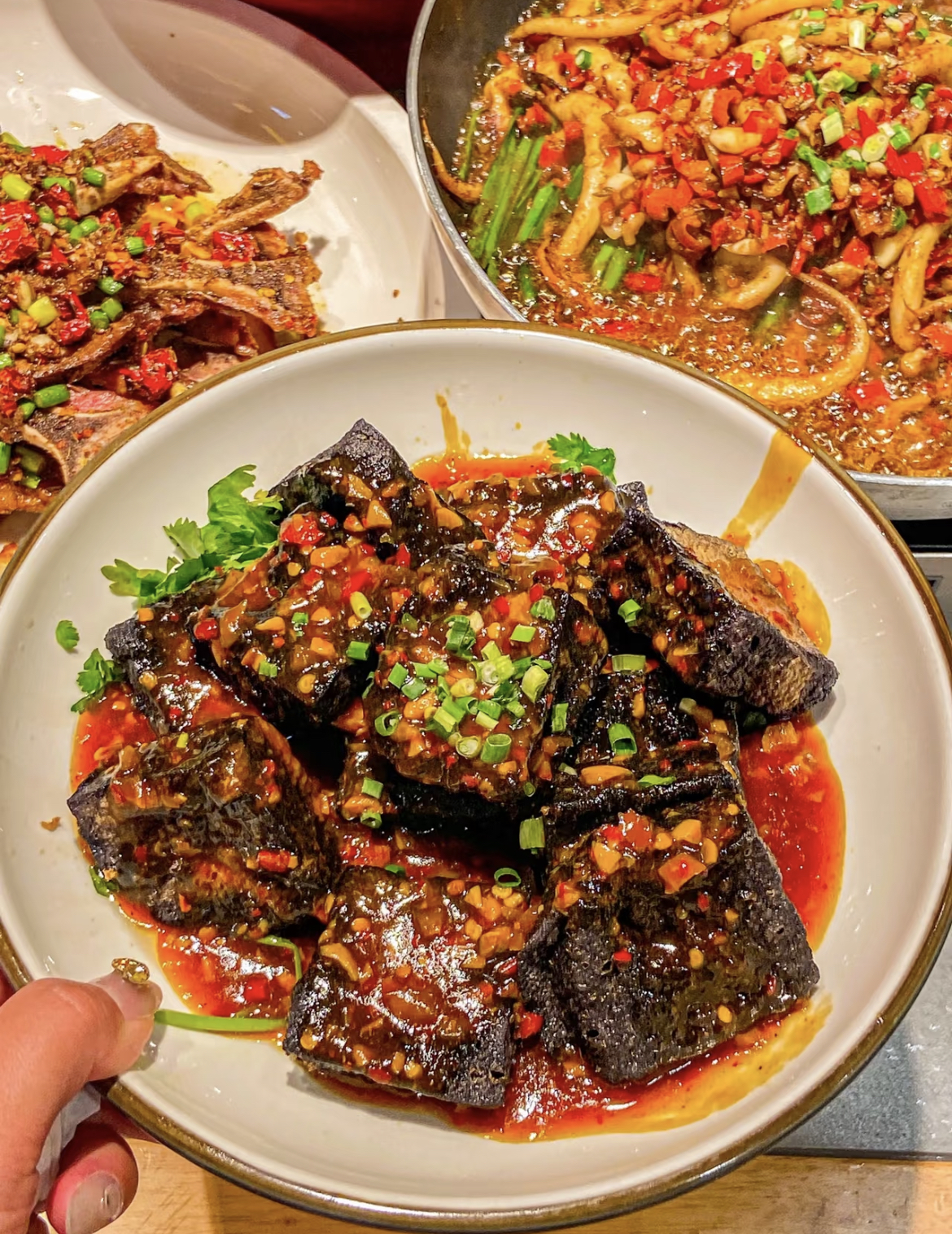
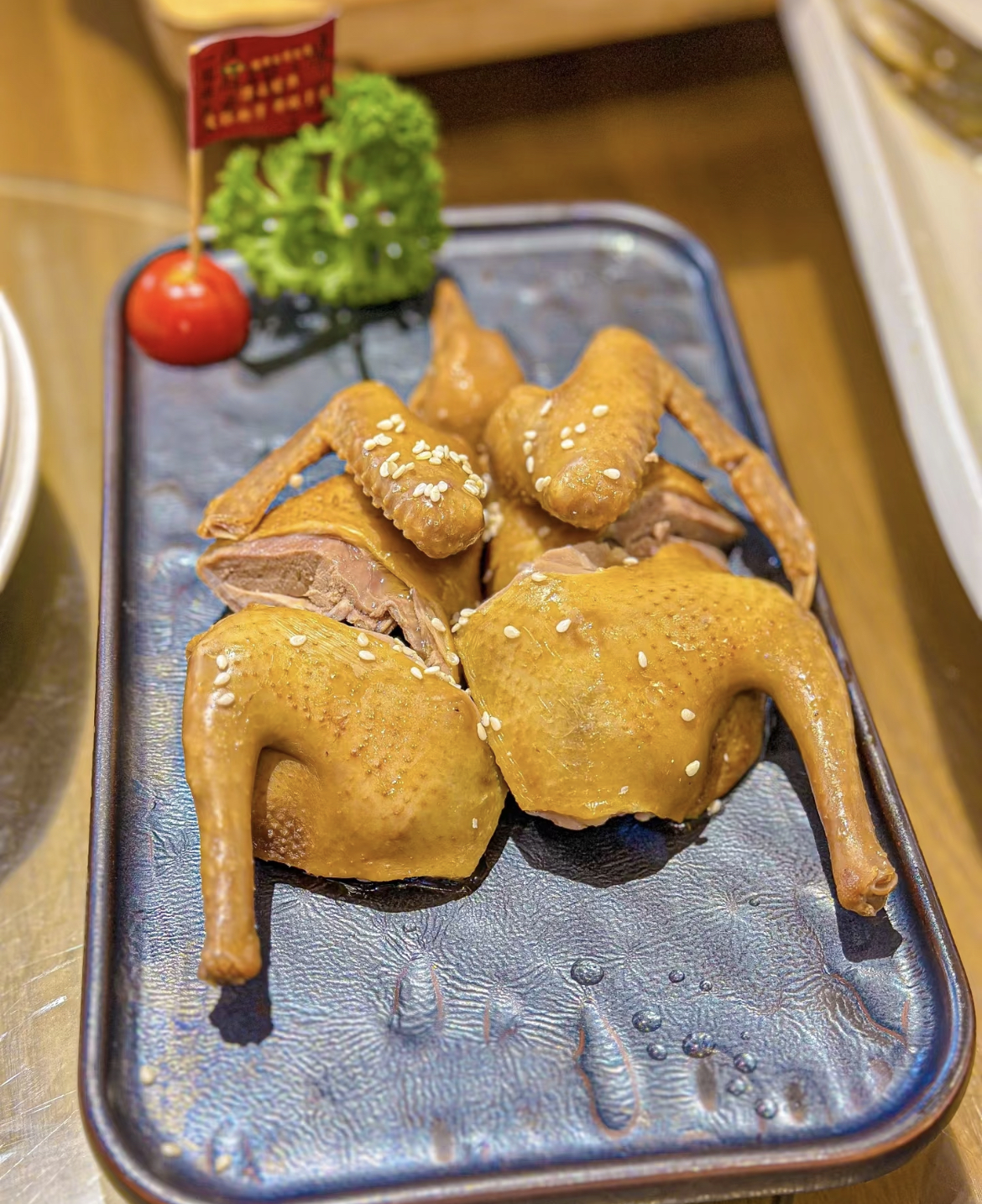
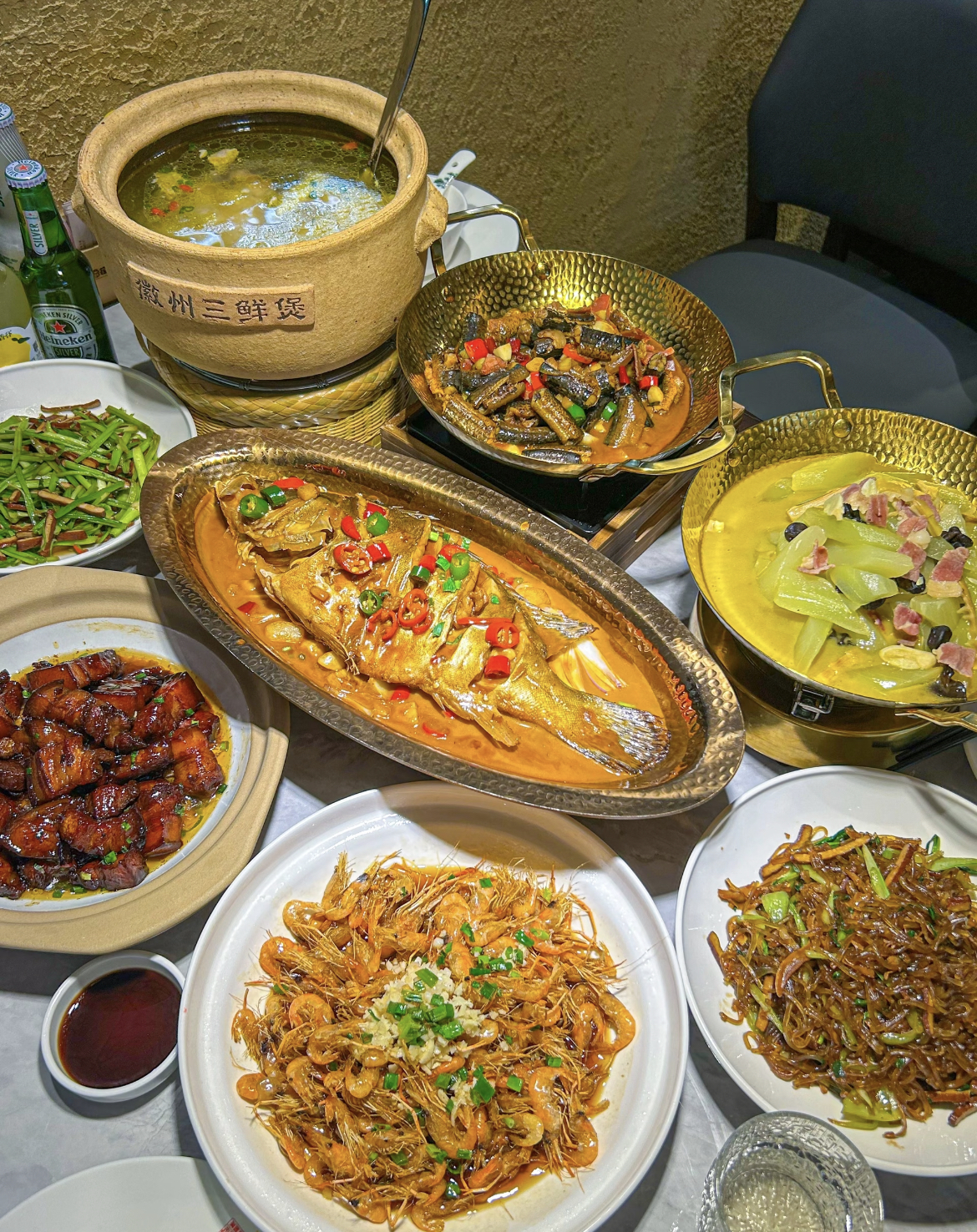
Anhui Cuisine: It is famous for its heavy oil, dark color and strong heat-work. It is good at burning, stewing and steaming, and pays attention to the control of heat. The selection of ingredients is simple, mainly local specialties. Main characters of Hui cuisine are: large quantity of servings; a little oily; sugary; salted fowl or pork. Representative dishes include Smelly Mandarin Fish, Braised Pigeon in Huangshan Style, Li Hongzhang Hotchpotch, etc.
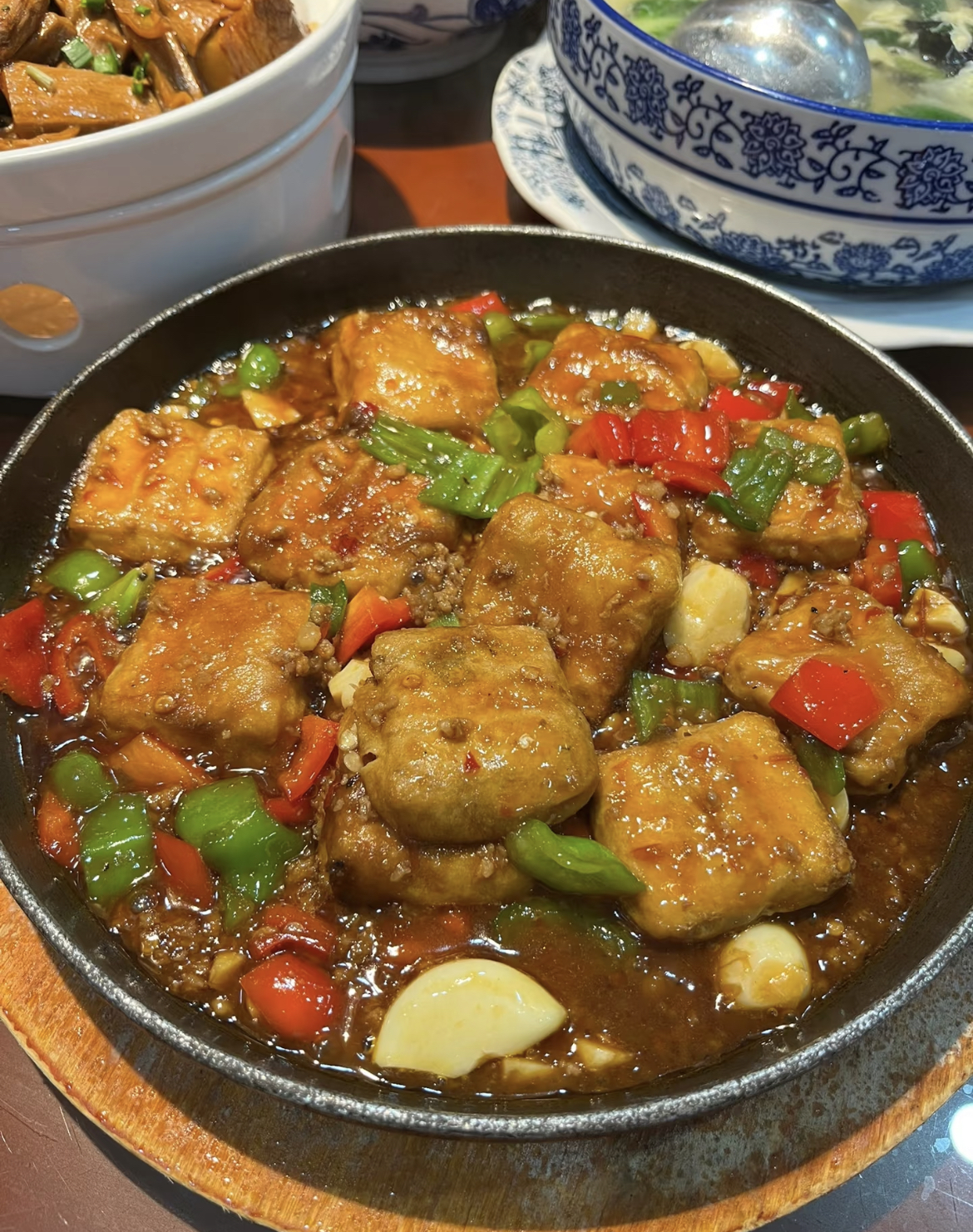
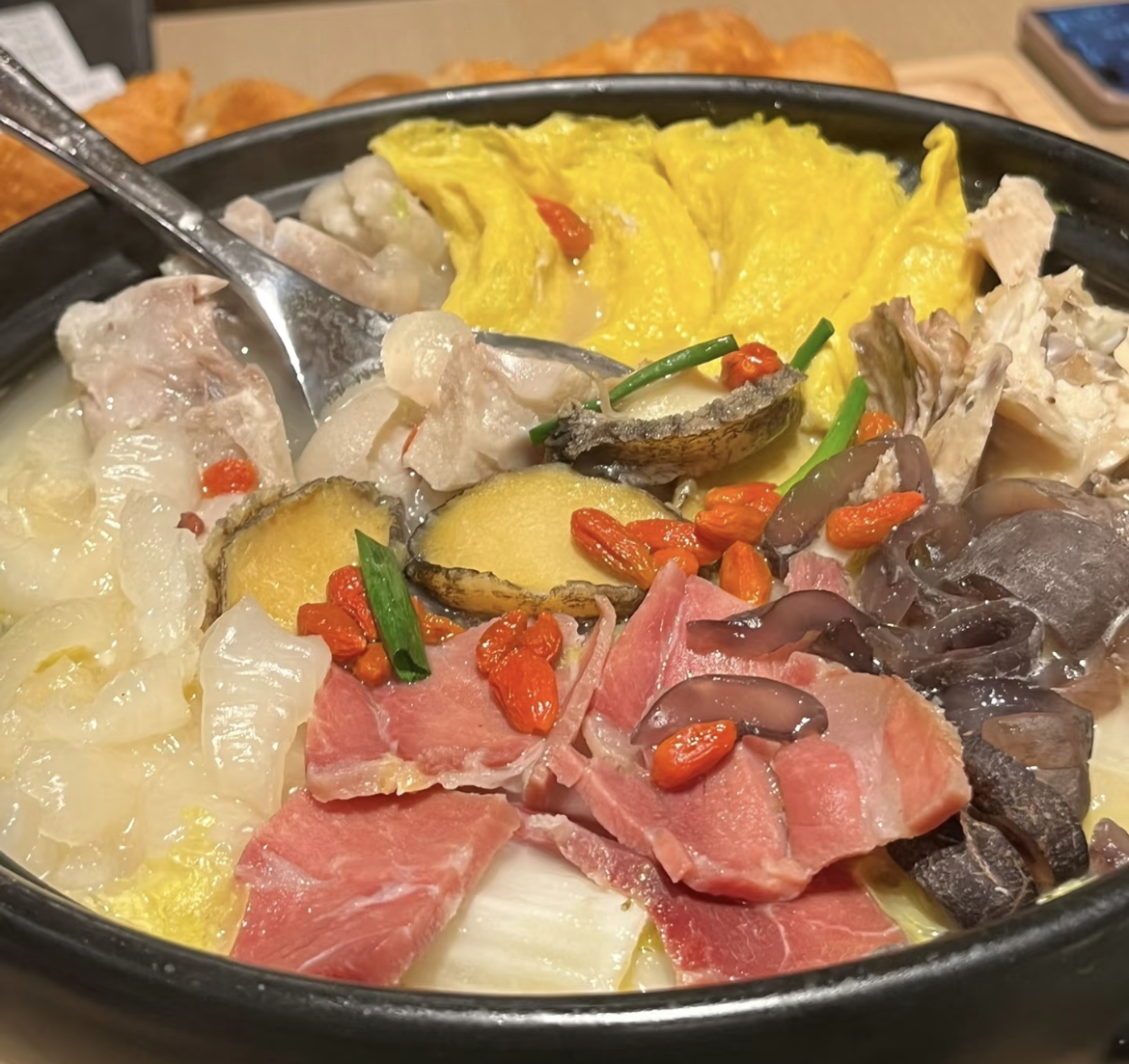
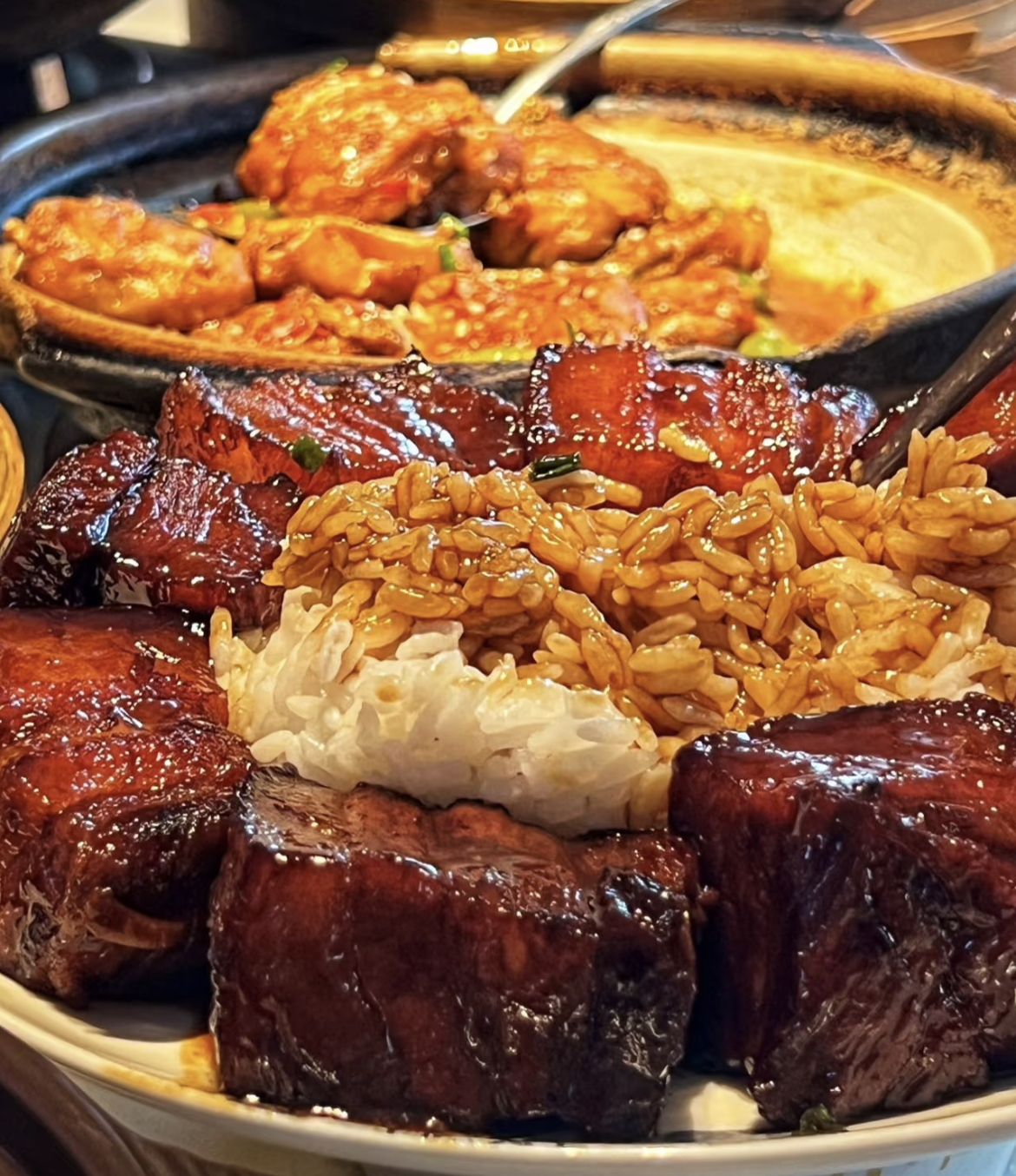
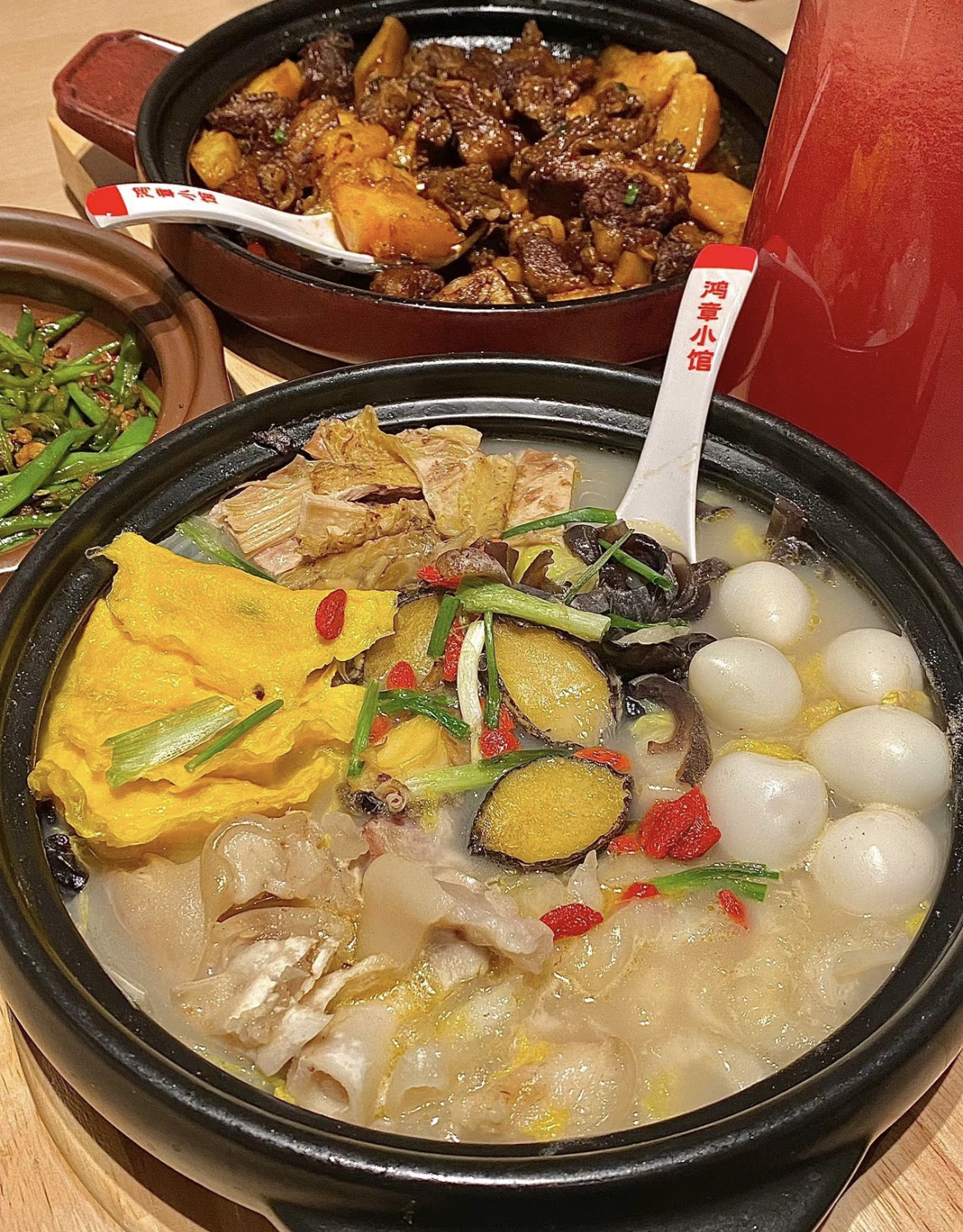
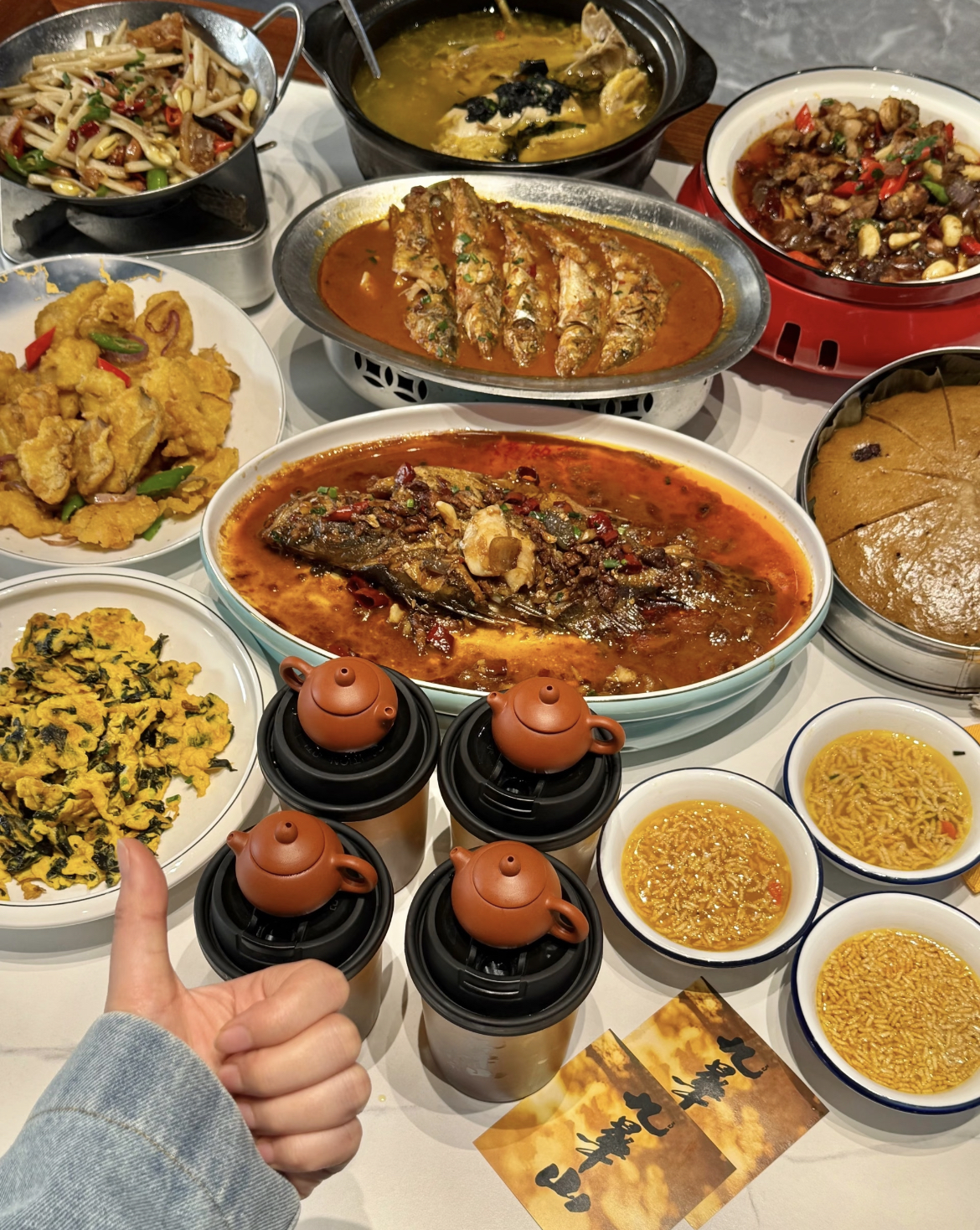
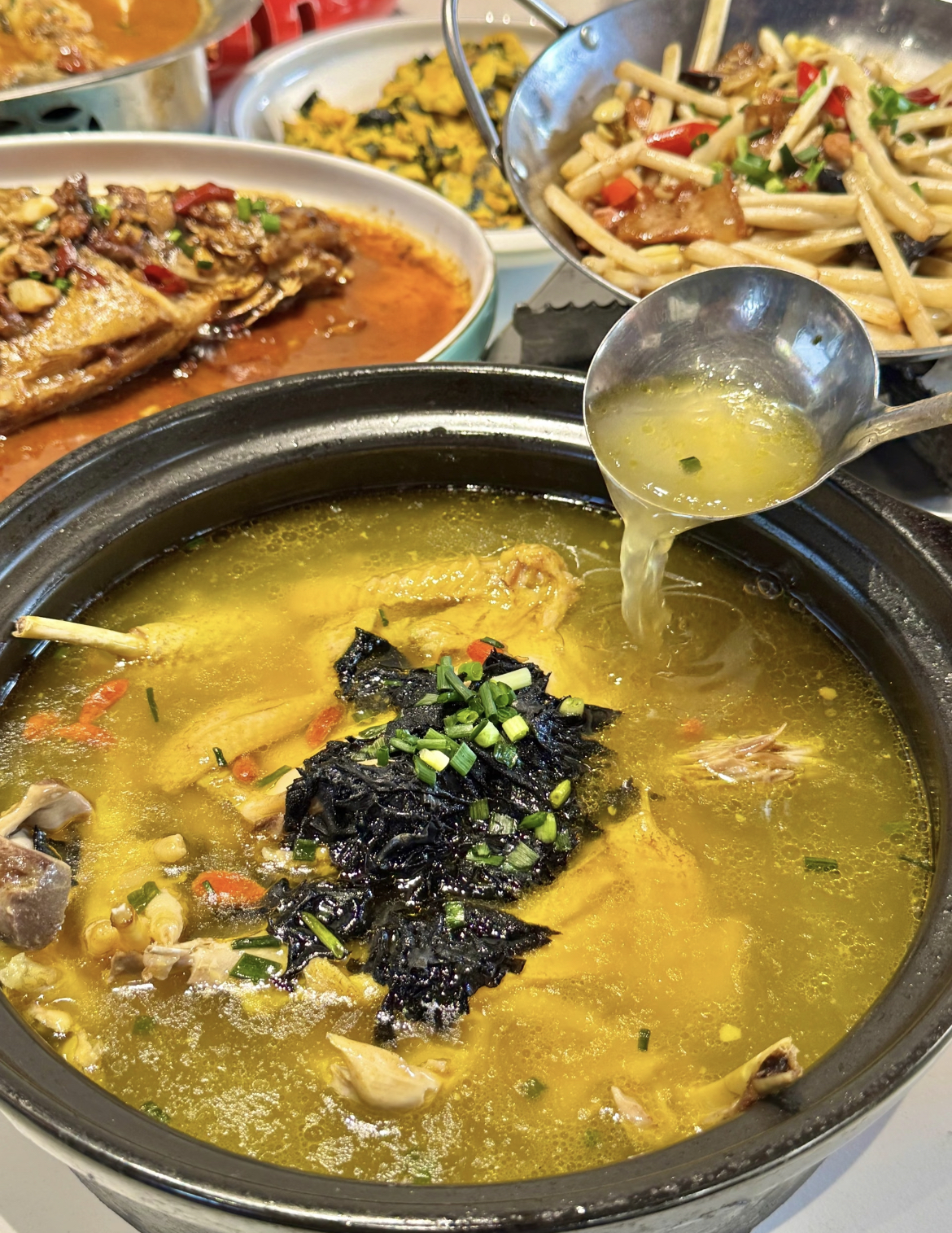
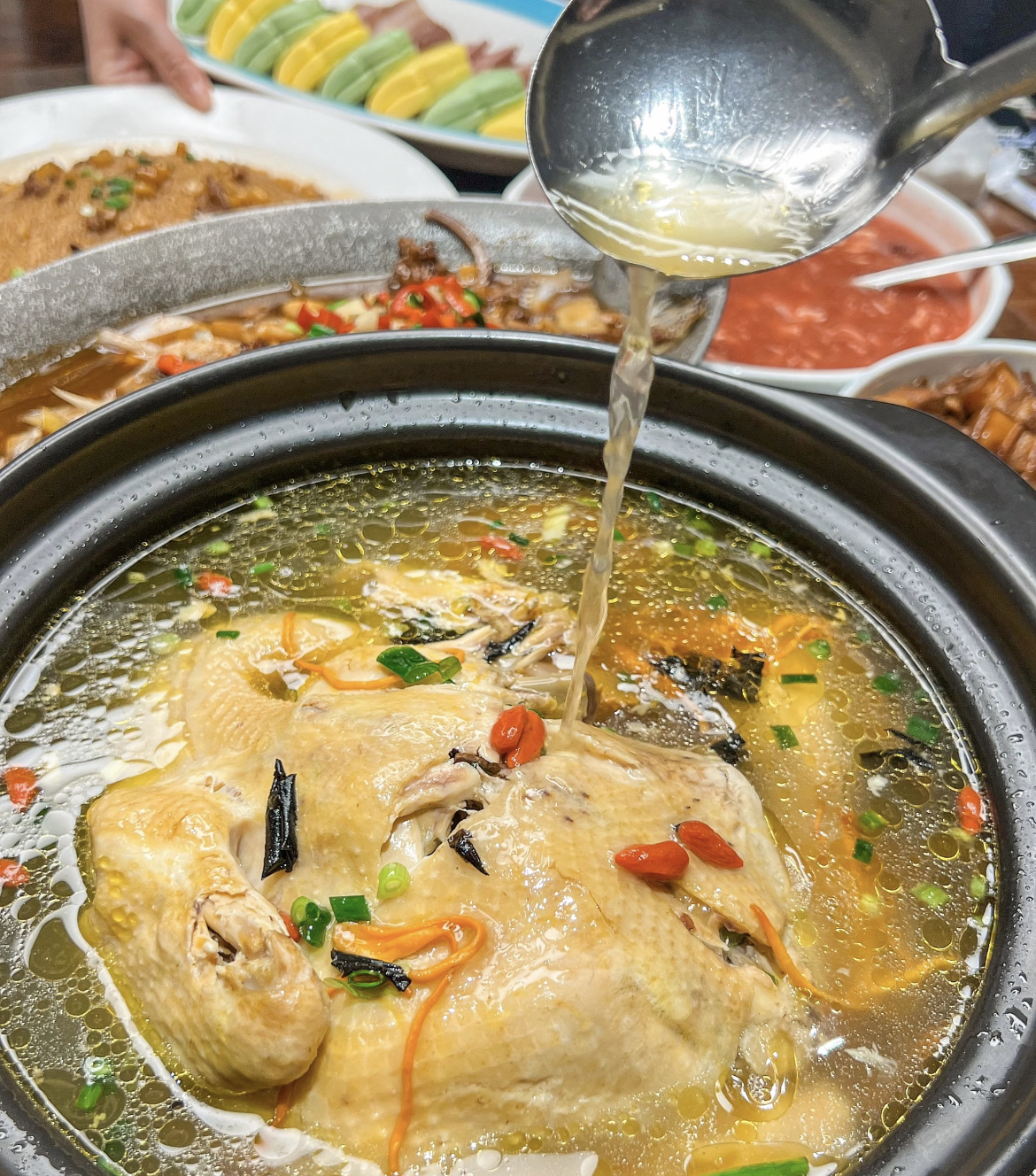
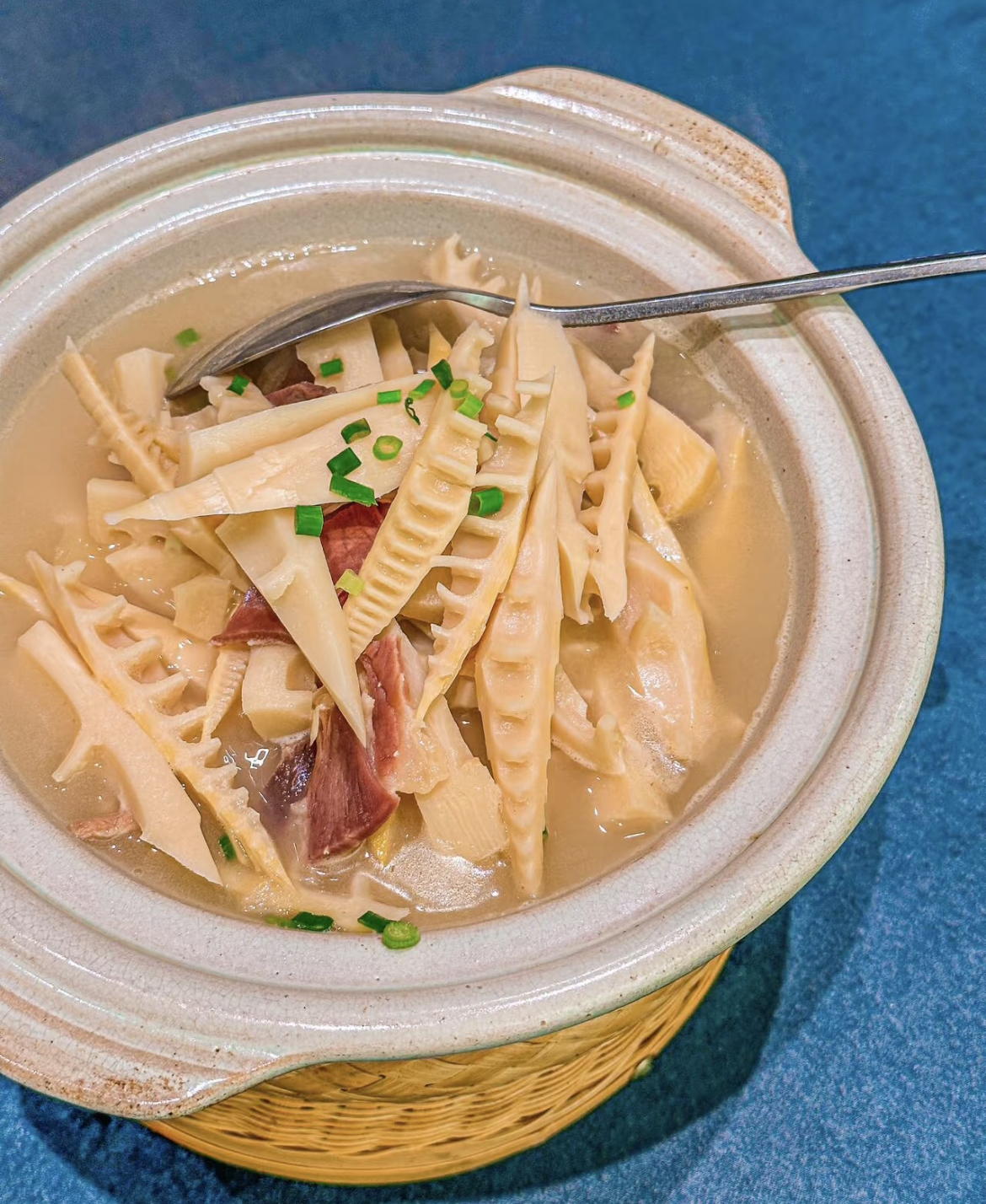
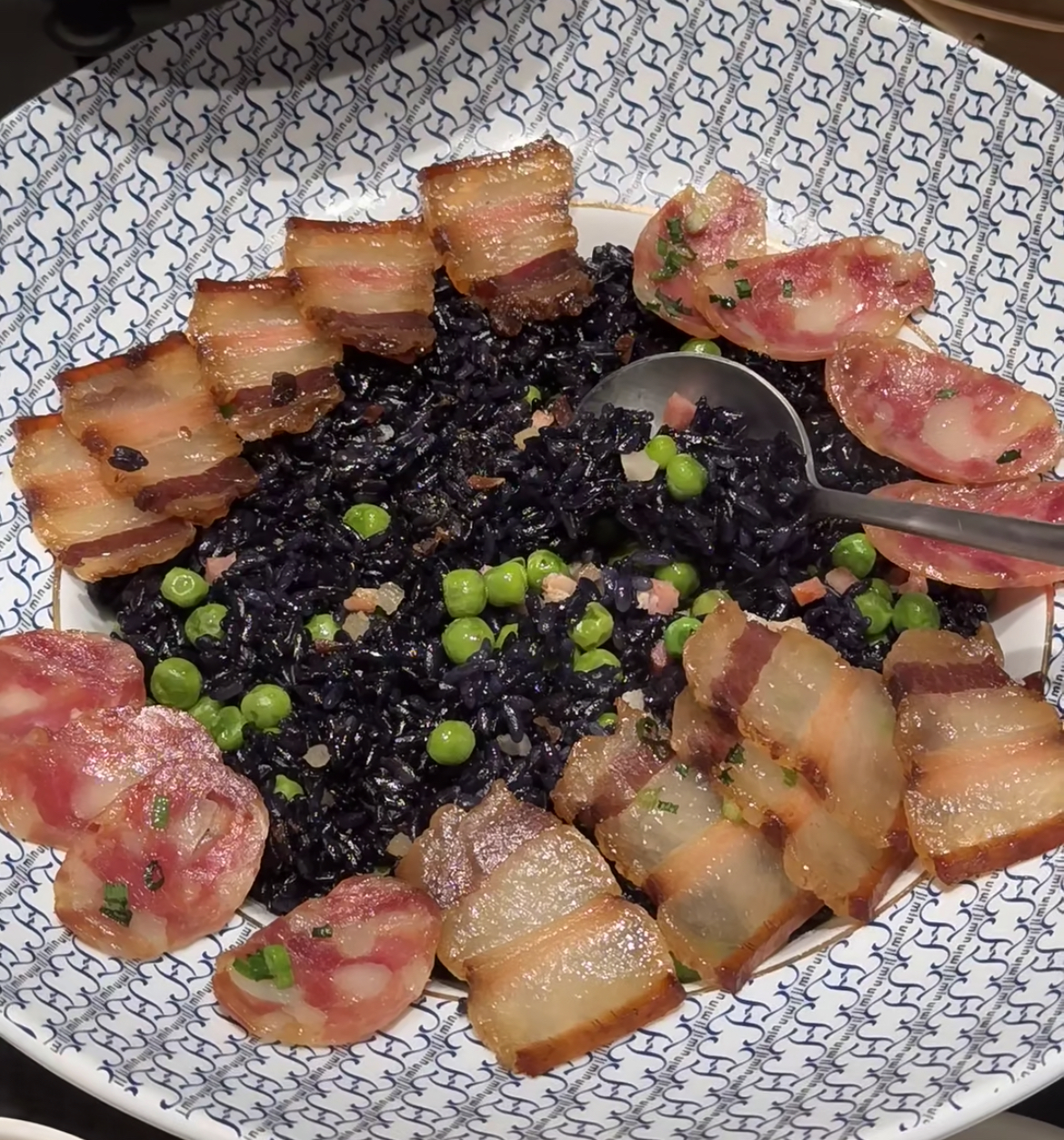
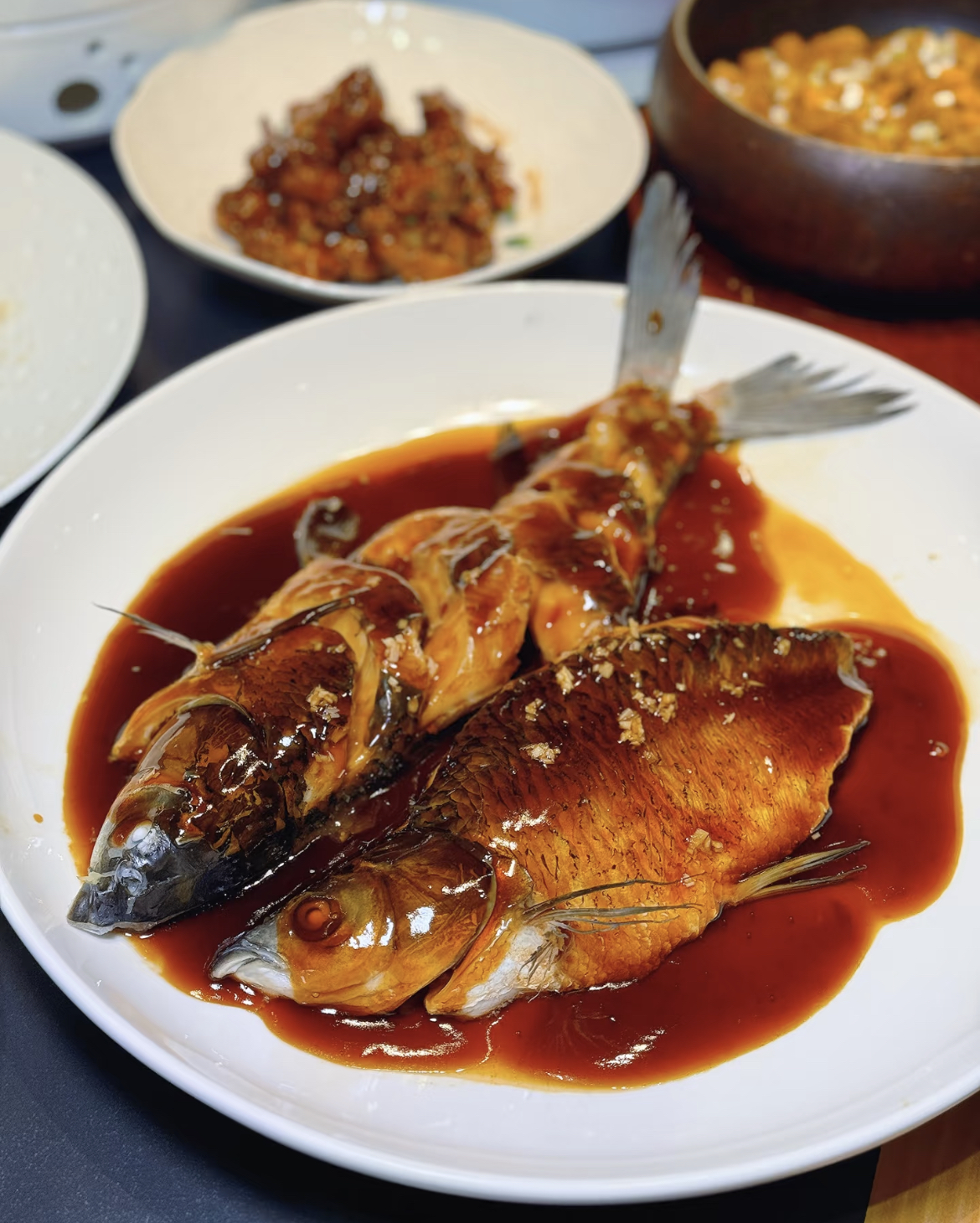
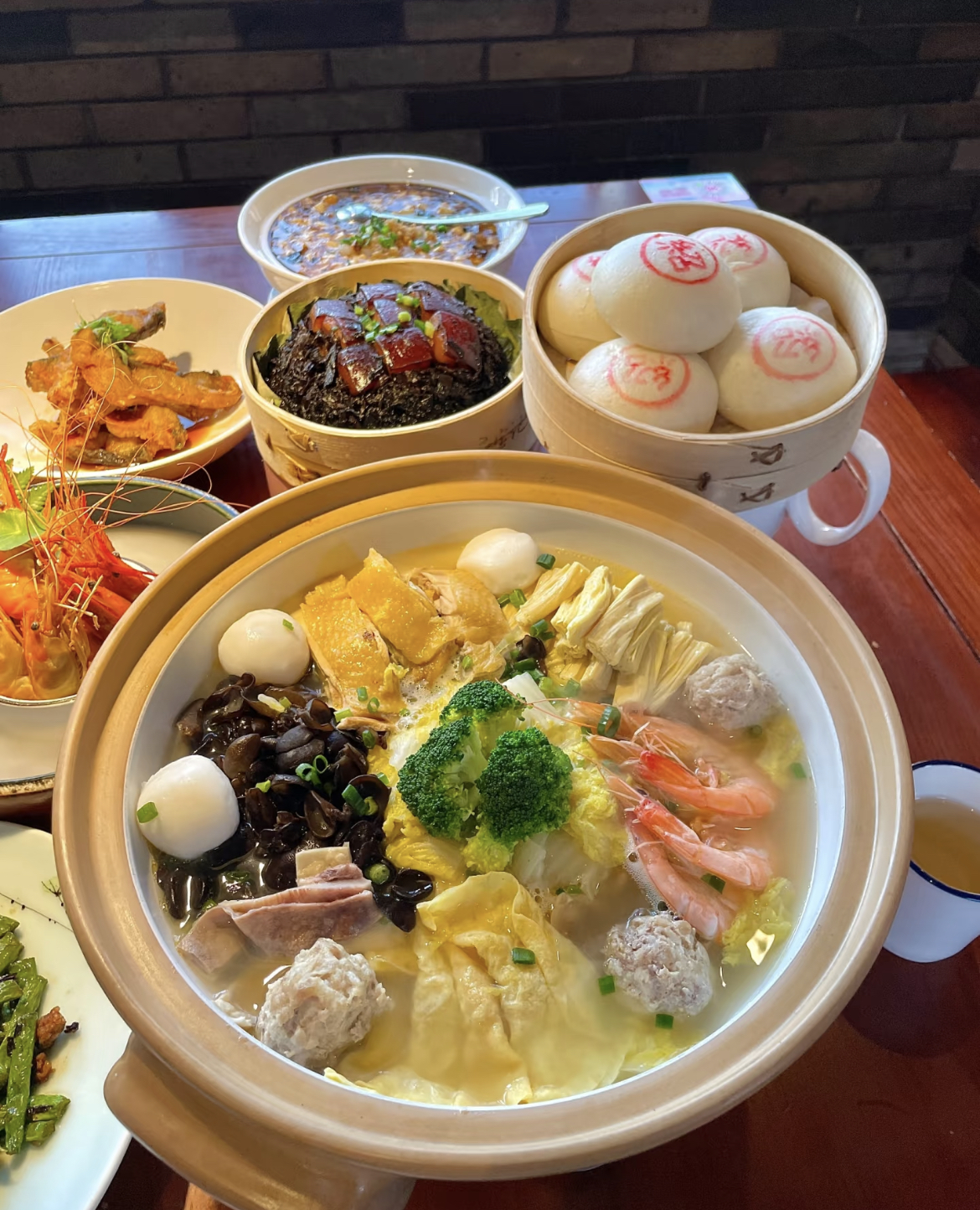
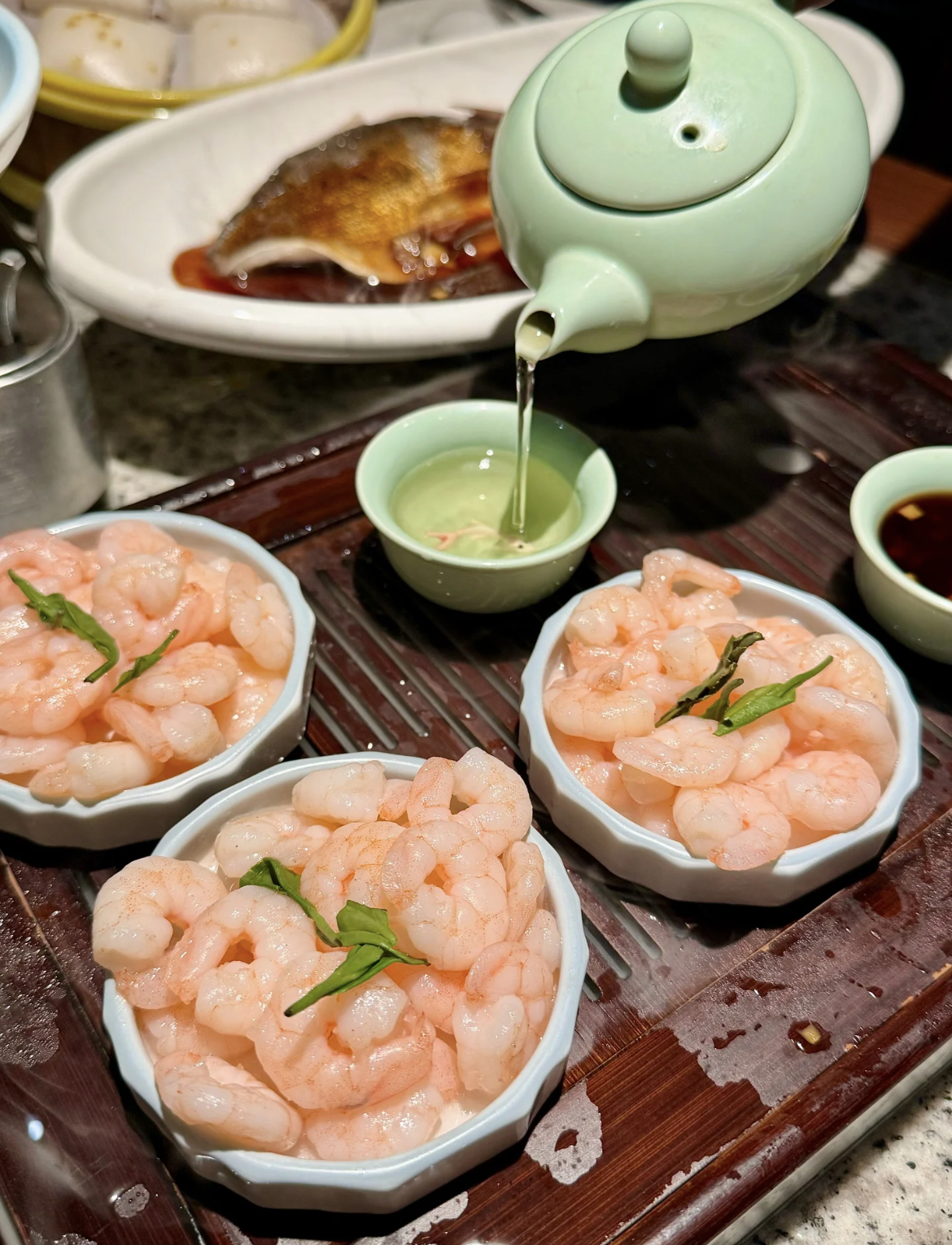
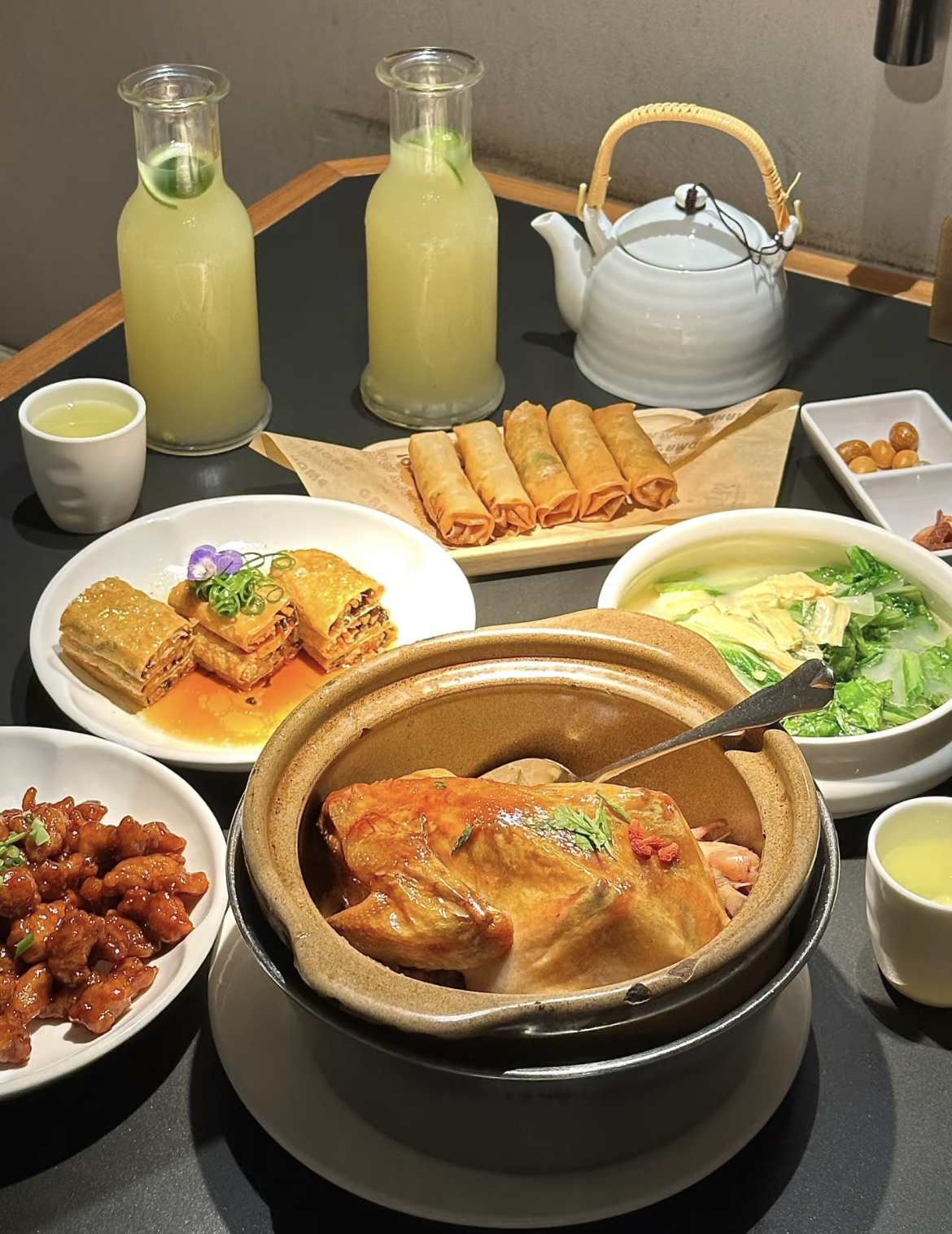
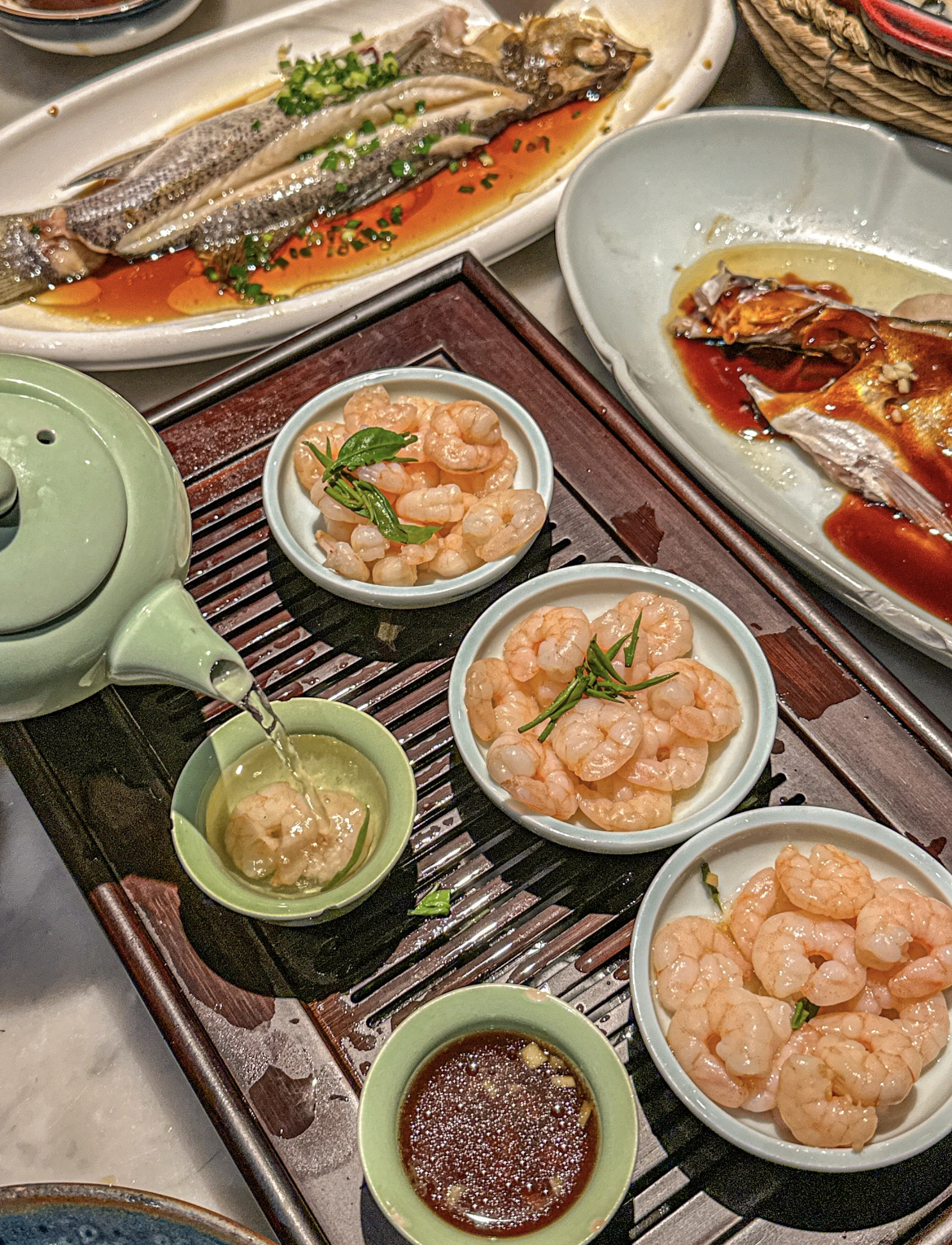
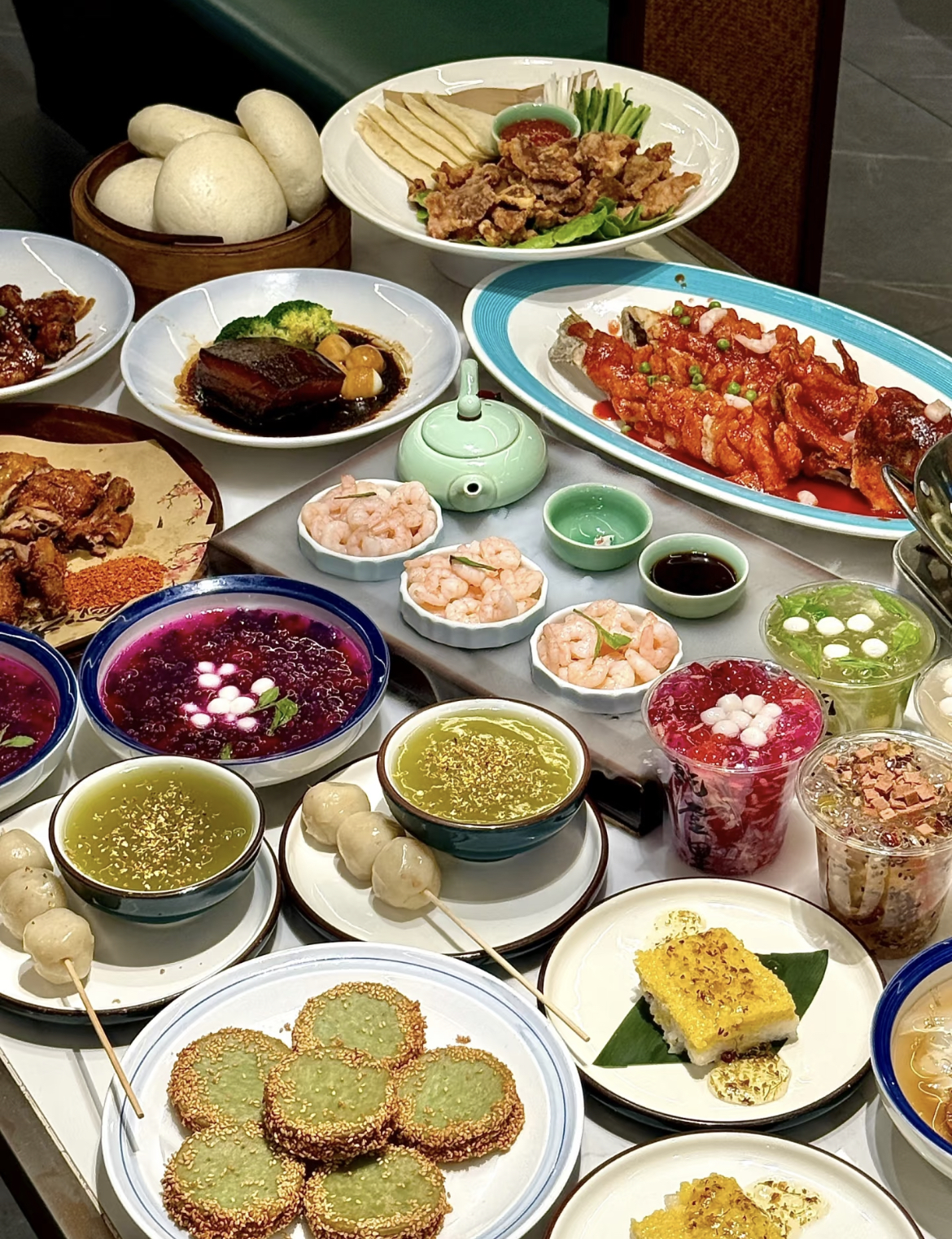
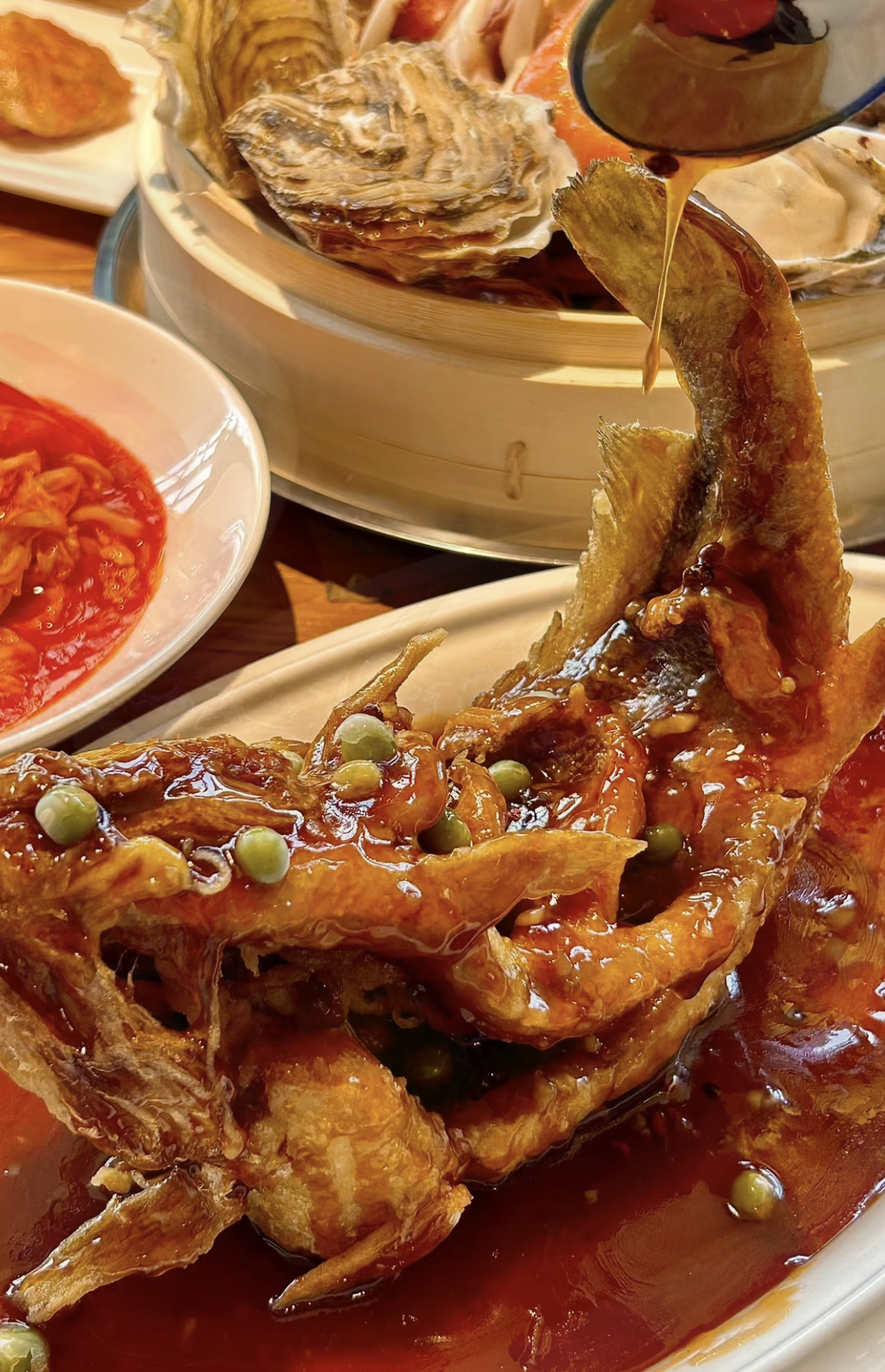
Zhejiang Cuisine: The dishes are small and delicate, fresh and elegant. The dishes are delicious, tender, crisp, soft and refreshing. It is good at stir-frying, deep-frying, braising, quick-frying, steaming and stewing. Representative dishes include West Lake Vinegar Fish, Dongpo Pork, Longjing Shrimp, etc.