

4 Common Scams Tourists Should Avoid in China
Traveling to China is an exciting adventure, filled with rich history, stunning landmarks, and delicious food. However, like any major tourist destination, it also comes with its fair share of scams. While most Chinese people are welcoming and kind, it’s important to stay alert to avoid falling into some common traps that can leave your wallet a little lighter. Here are four scams you’ll want to watch out for:
1. The Tea Scam
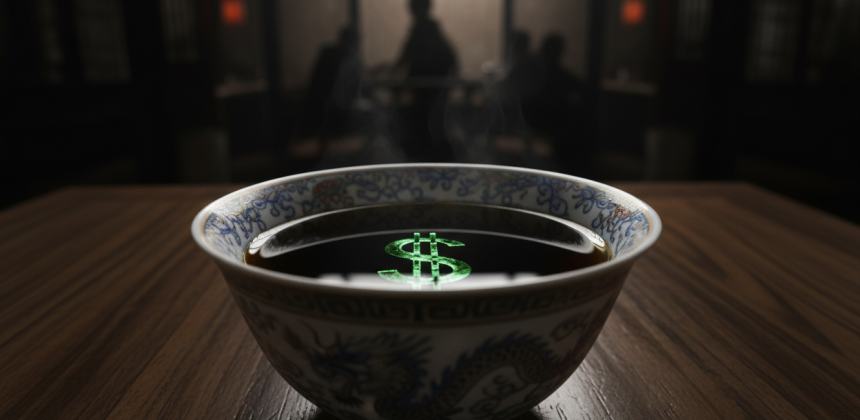
The Tea Scam is one of the most notorious tourist traps in China. Here’s how it usually plays out: a seemingly friendly local approaches you, often claiming to want to practice their English. They strike up a conversation and, before you know it, you’re invited to a “traditional tea ceremony” at a nearby tea house.
The Trap:
Once you arrive, you’re seated and served some basic tea. The next thing you know, you’re hit with a massive bill—we’re talking hundreds of dollars for some cheap, ordinary tea! These places often target tourists and use high-pressure tactics to convince you that the experience is a rare and traditional cultural practice.
The Fix:
If a stranger you’ve just met invites you anywhere, the safest bet is to politely decline. A simple “Sorry, I have to go” should do the trick. Trust your gut—most traditional tea ceremonies are not “invitation-only” affairs. Stick to well-known tea shops or those recommended by locals or online reviews.
2. The Fake Jade Scam
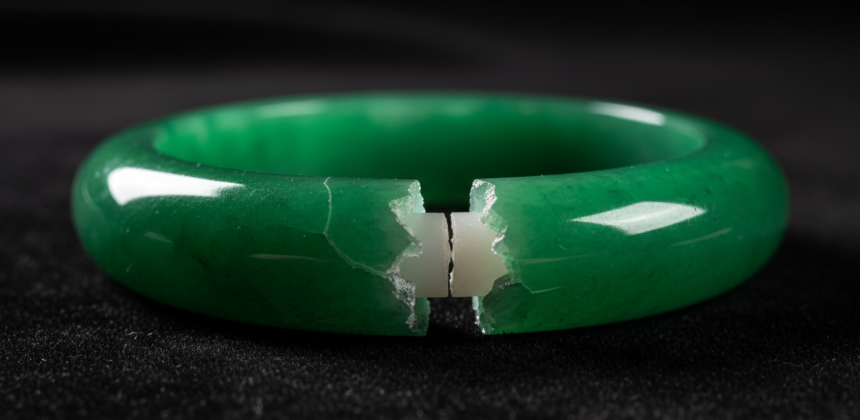
Jade is one of China’s most prized treasures, but the Fake Jade Scam is something you’ll want to avoid. Here’s how it unfolds: A friendly seller will approach you in a market or tourist area, showing you a jade bracelet that looks authentic. The price tag might make you think it’s the real deal—thousands of dollars for a piece of “precious jade.”
The Trap:
The seller will tell you it’s a special deal just for you, offering it at a massive discount, sometimes as much as 90% off. They’ll even show you an official-looking certificate to back up the claim. But don’t be fooled! That jade is probably just glass, and the certificate is likely a fake.
The Fix:
If something sounds too good to be true, it usually is. Real jade is expensive, and luxury items are rarely offered at such huge discounts. If you’re unsure, it’s best to walk away and purchase jade from a reputable, established store with a trusted history.
3. The “Black Taxi” Scam
Upon arriving at airports in major cities like Beijing, Shanghai, or Guangzhou, you might encounter drivers who approach you and ask, “Taxi? Taxi?” These are not official taxis, and they are often referred to as “black taxis.”
The Trap:
They may tell you that the taxi meter is “broken,” but they’ll offer you a “special rate” that sounds like a bargain. However, once you get in, you’ll realize that this “good price” is far above the standard fare—sometimes as much as five times the normal price.
The Fix:
To avoid this scam, never get into a taxi that doesn’t have an official sign or taxi meter. Look for the designated taxi line at the airport or use ride-hailing apps like DiDi (available in Alipay) to book a taxi with a set fare. This ensures transparency and avoids the risk of being overcharged.

4. The Fake Monk Scam
This scam typically involves someone dressed in monk-like robes who will approach you, often in popular tourist areas or temples. They may try to hand you a small item like a bracelet or a gold charm.
The Trap:
Once you take the item, the person will demand a donation for the “blessing” or “gift” they’ve given you. They can get quite pushy, even following you until you give them money. The goal is to make you feel obligated to donate or pay, even though the entire situation is a scam.
The Fix:
Remember this rule: real monks never ask for donations or hand out gifts in exchange for money. If someone dressed as a monk approaches you, keep your hands in your pockets, shake your head politely, and simply walk away. Don’t engage in conversation or take anything from them.

Final Thoughts: Stay Alert and Trust Your Instincts
While these scams may sound alarming, most tourists in China have wonderful, hassle-free experiences. By staying aware of these common scams, you’ll be able to enjoy your trip without falling victim to a tourist trap. Trust your instincts, stay cautious, and always be skeptical of offers that seem too good to be true.
Happy travels, and enjoy the rich cultural and natural beauty that China has to offer!